
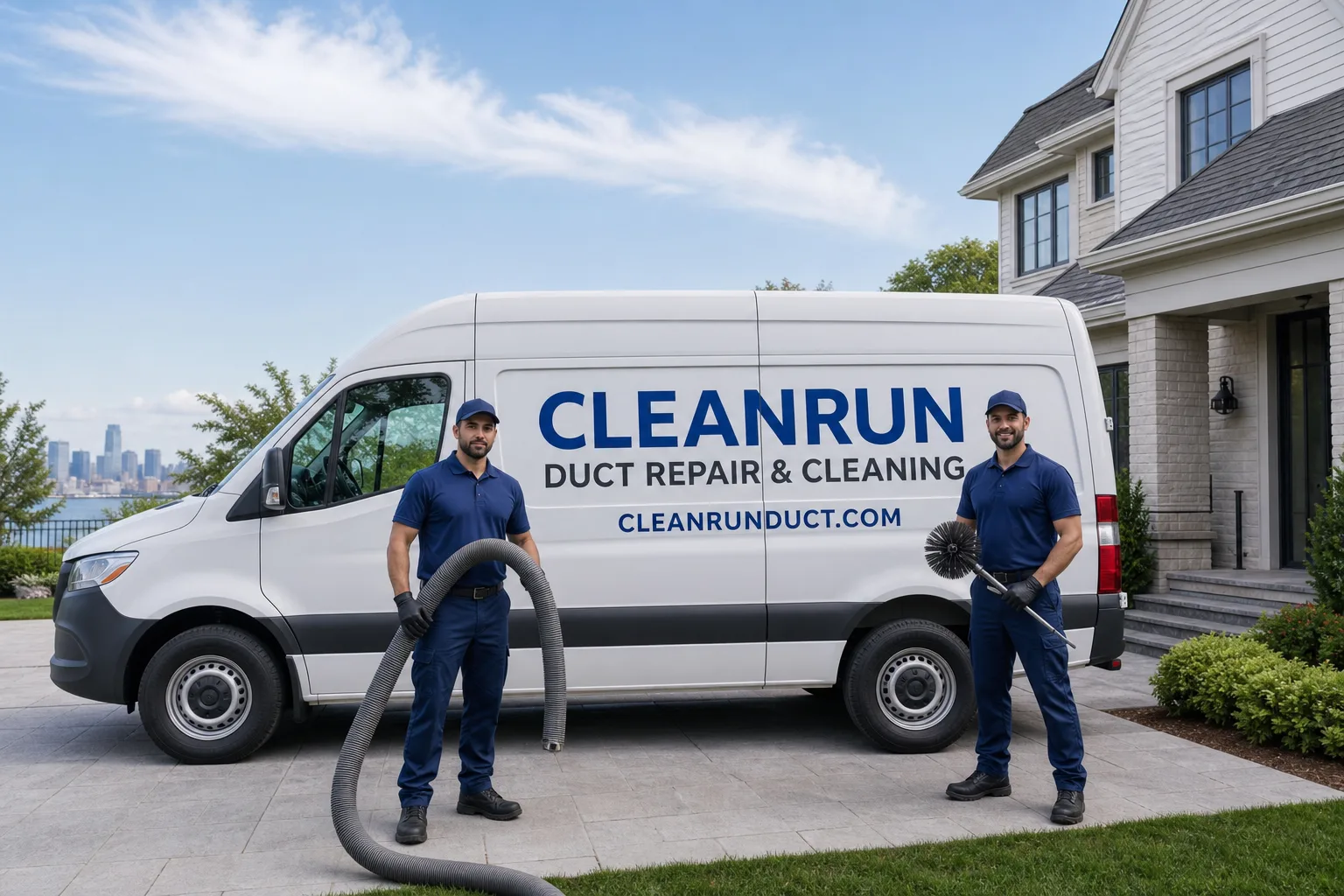
Whole-system duct and dryer vent check with before-and-after photos - you see exactly what came out of your vents
That "$99 whole-house special" is a bait ad - the real number appears once they are in your hallway, or the "clean" is a shop-vac at the register. We photograph the inside of your ducts before and after instead.
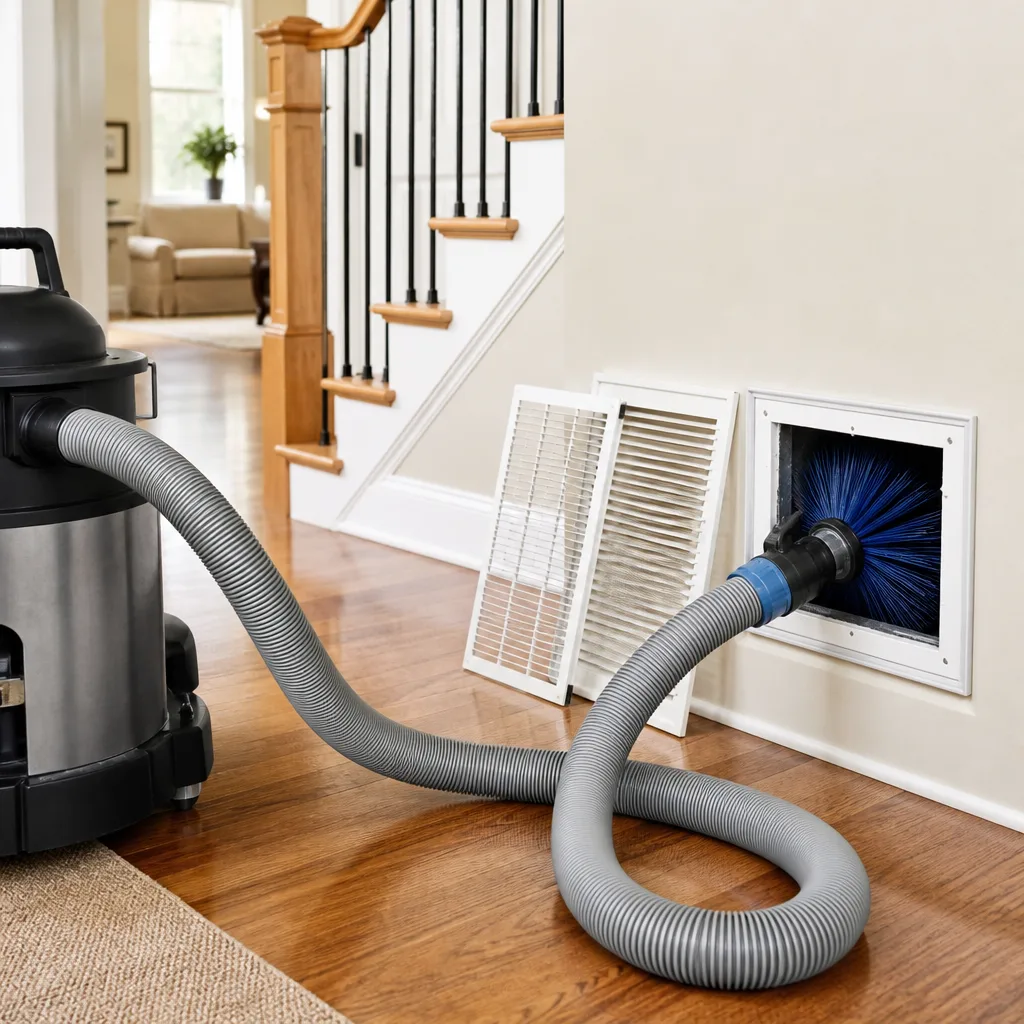
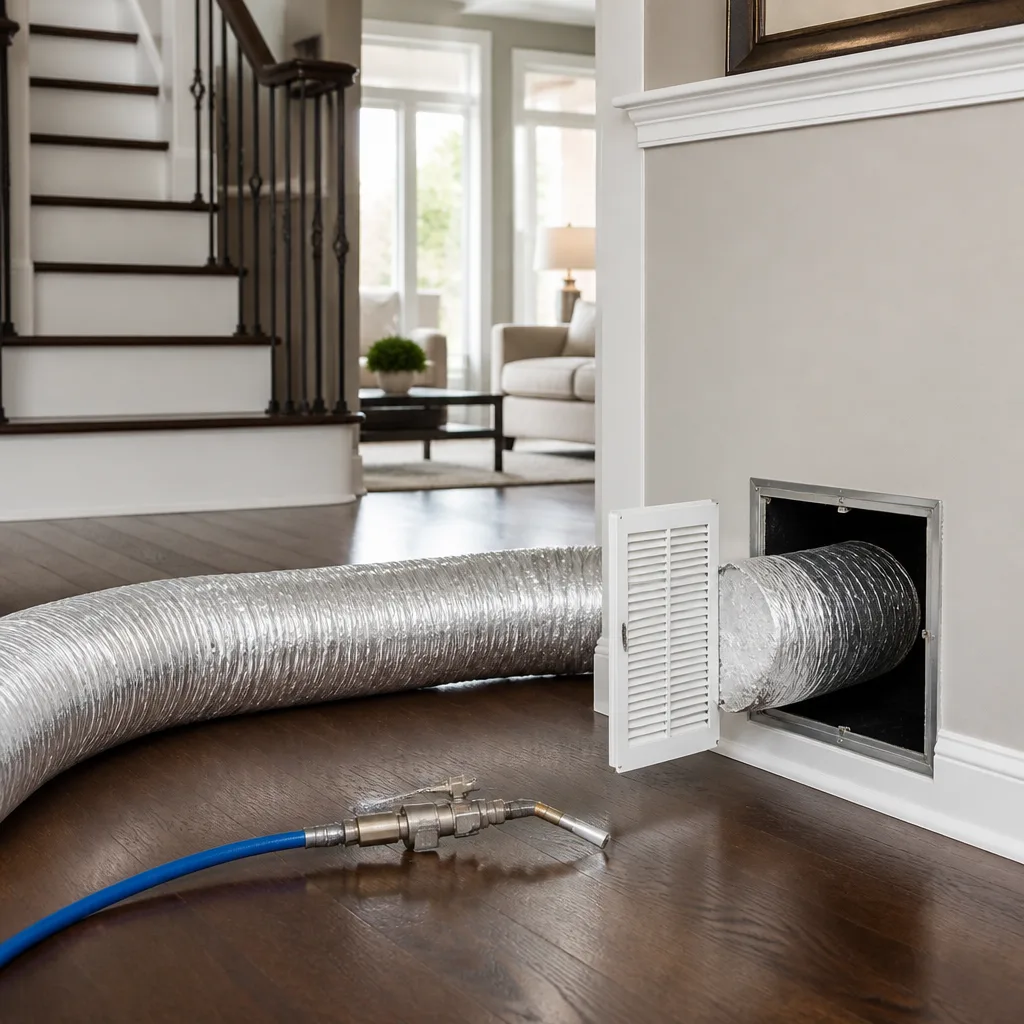
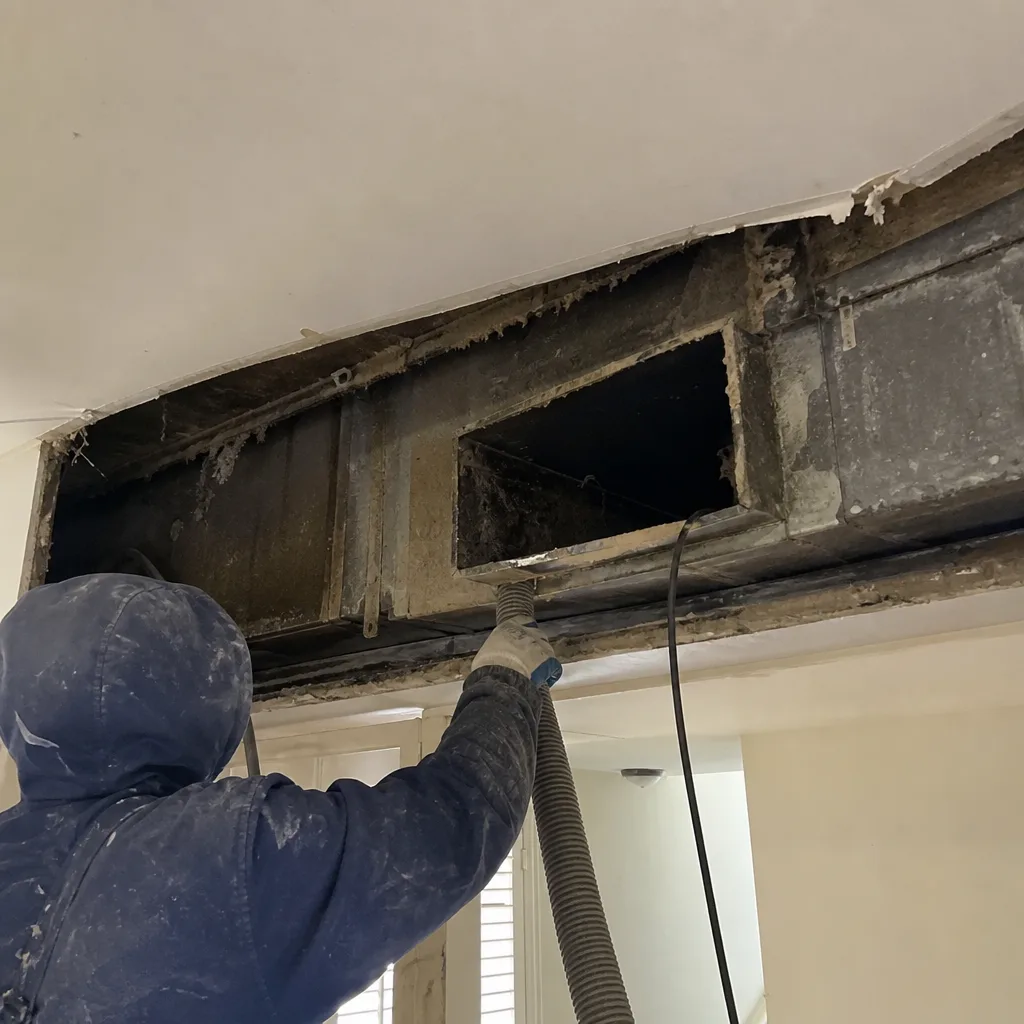 Before
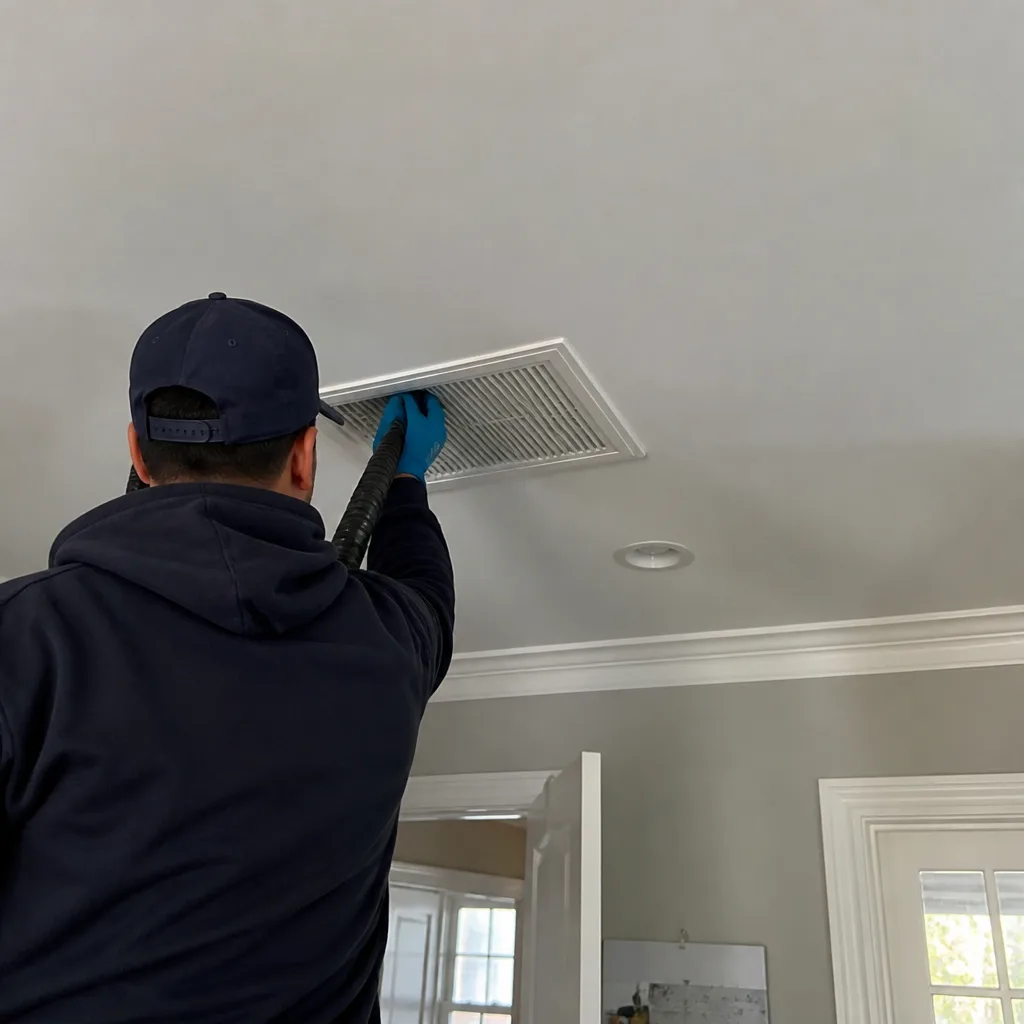 After
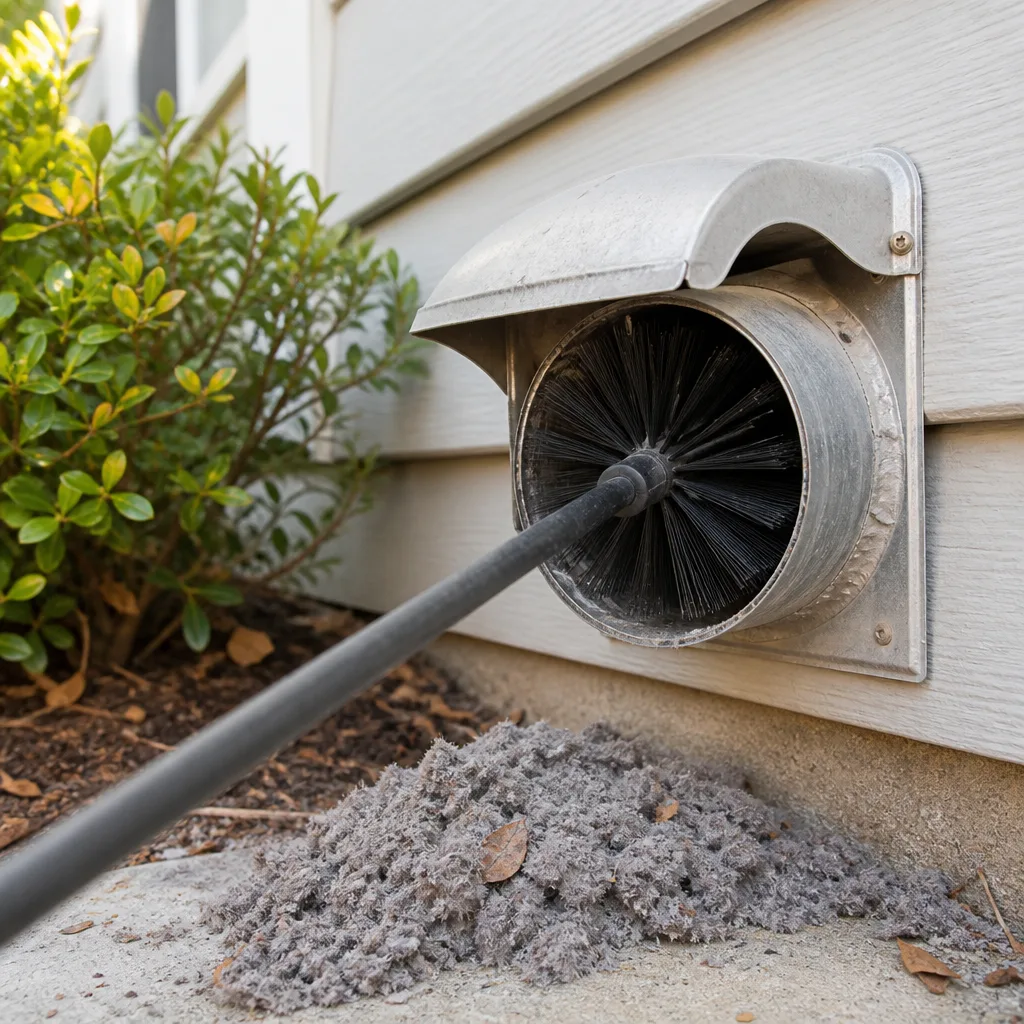
After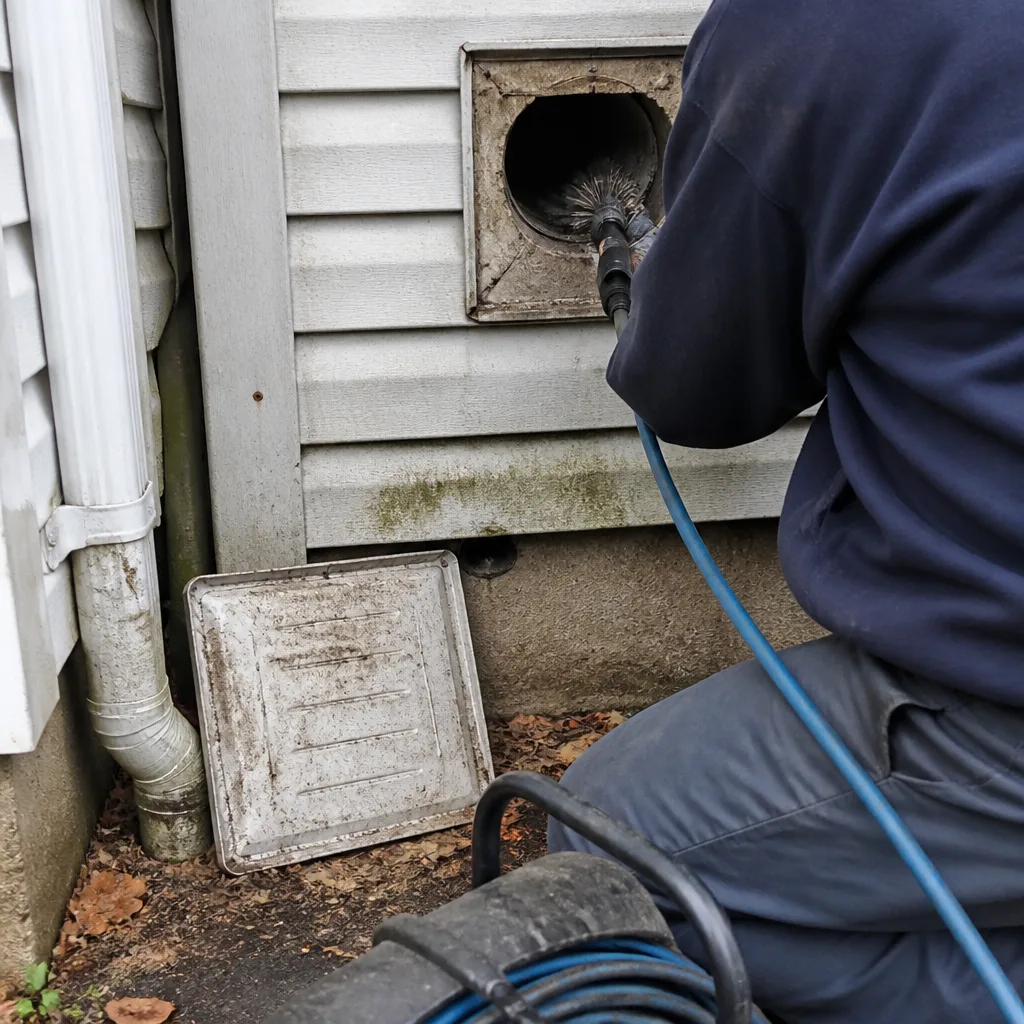 Before
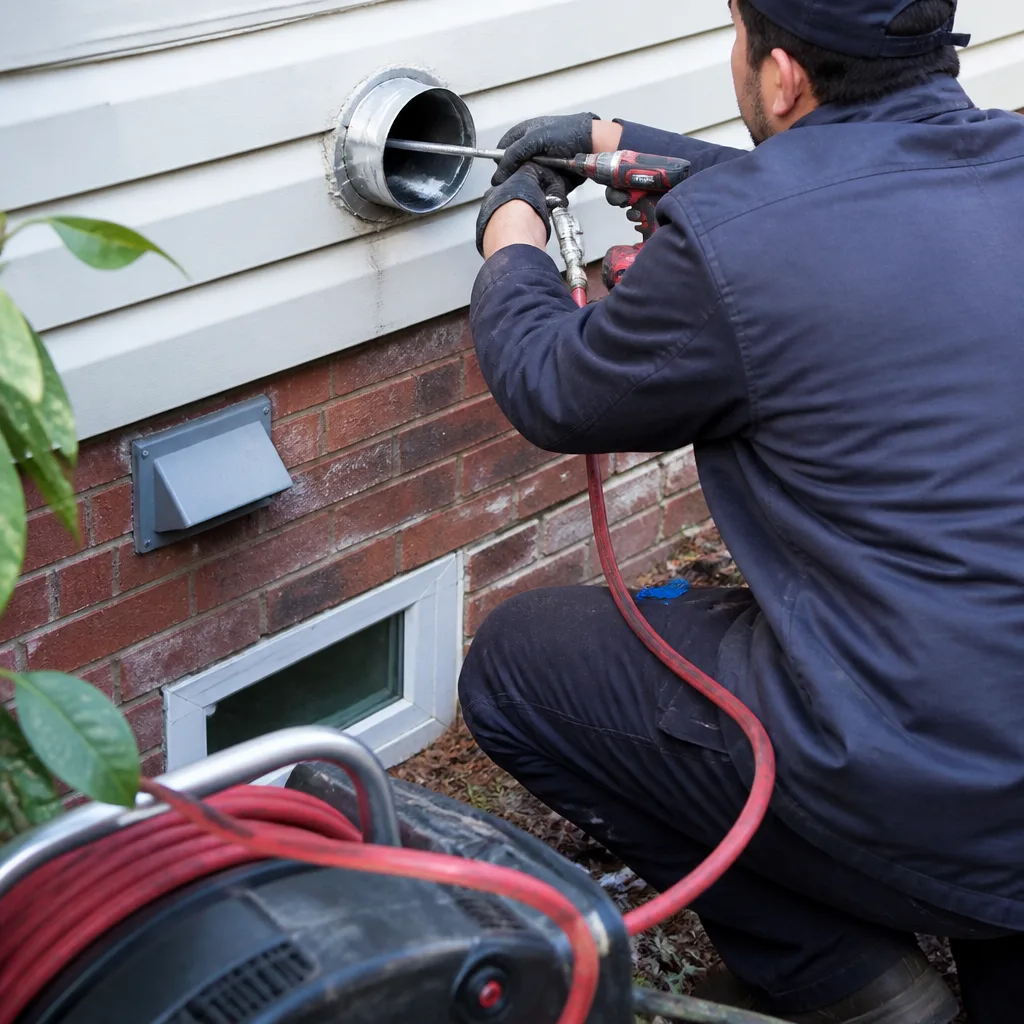 After
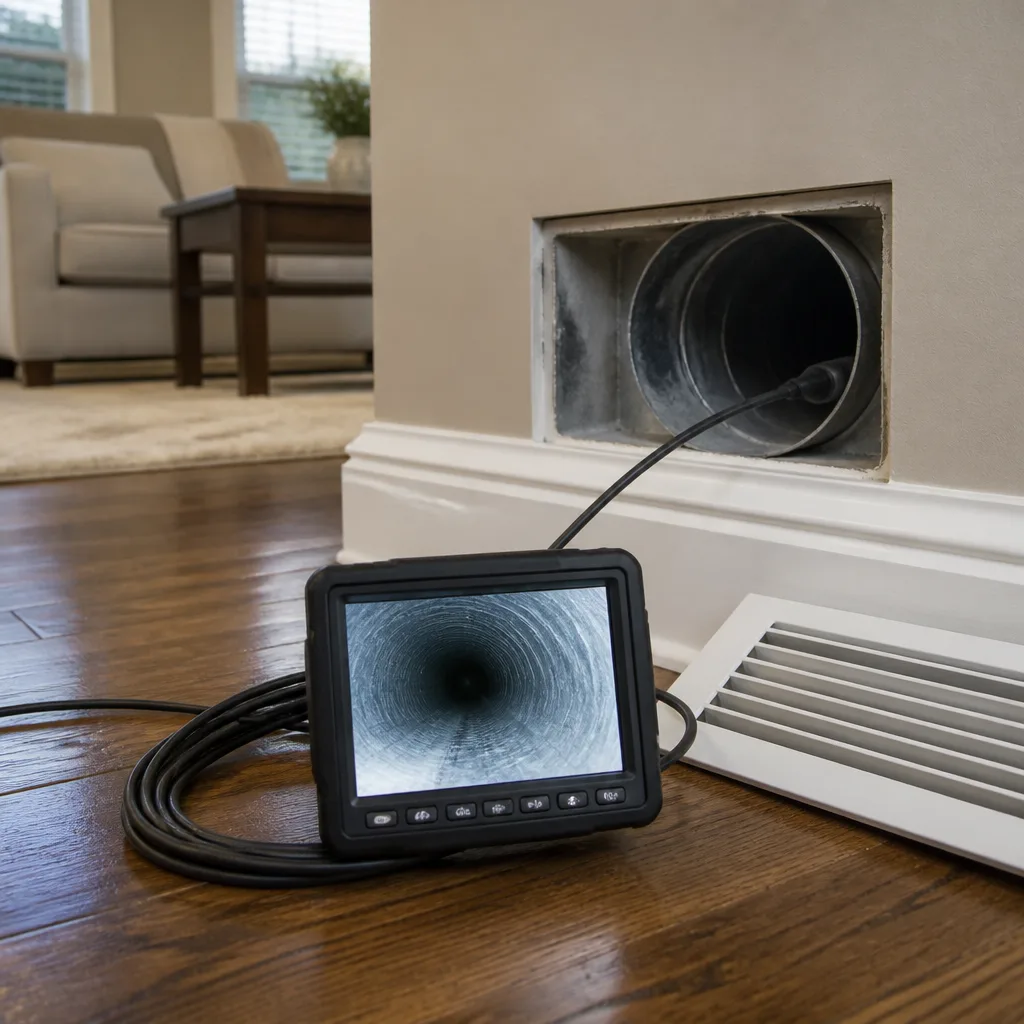
After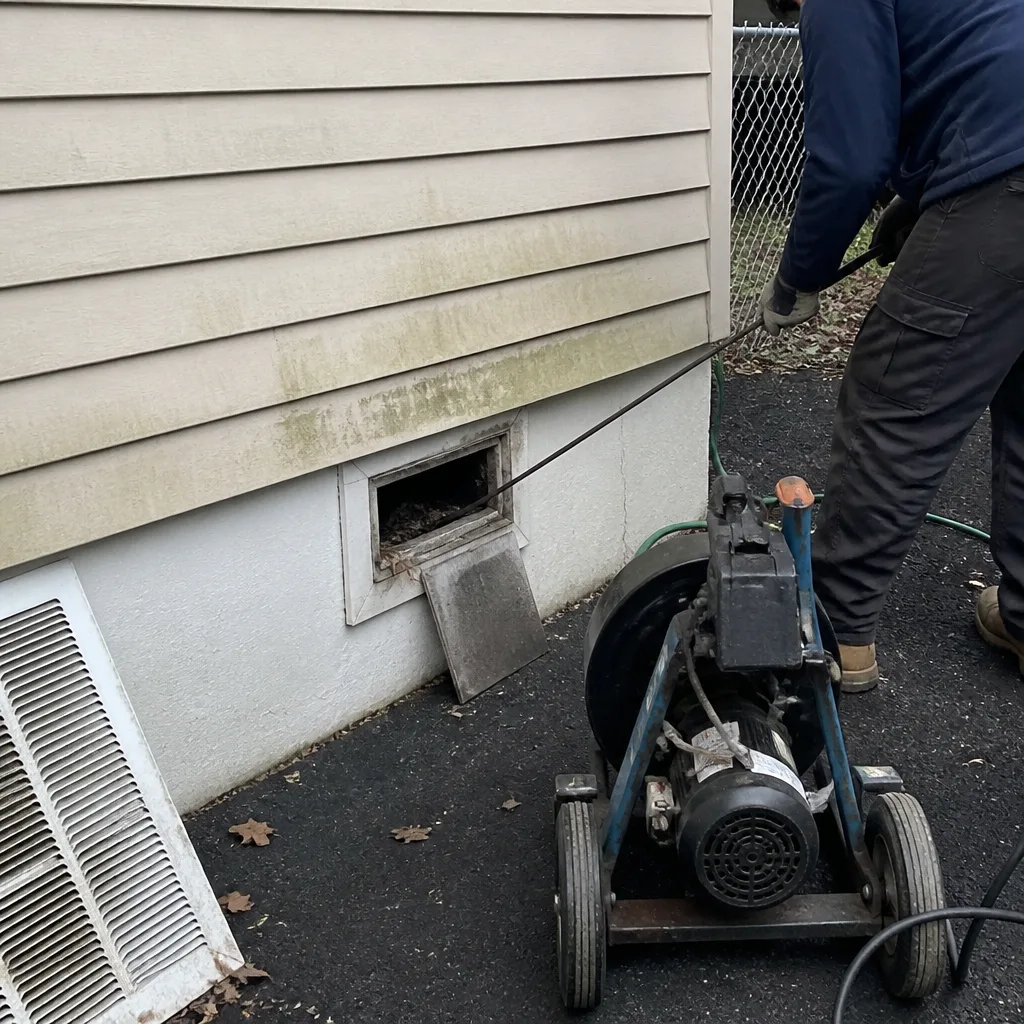 Before
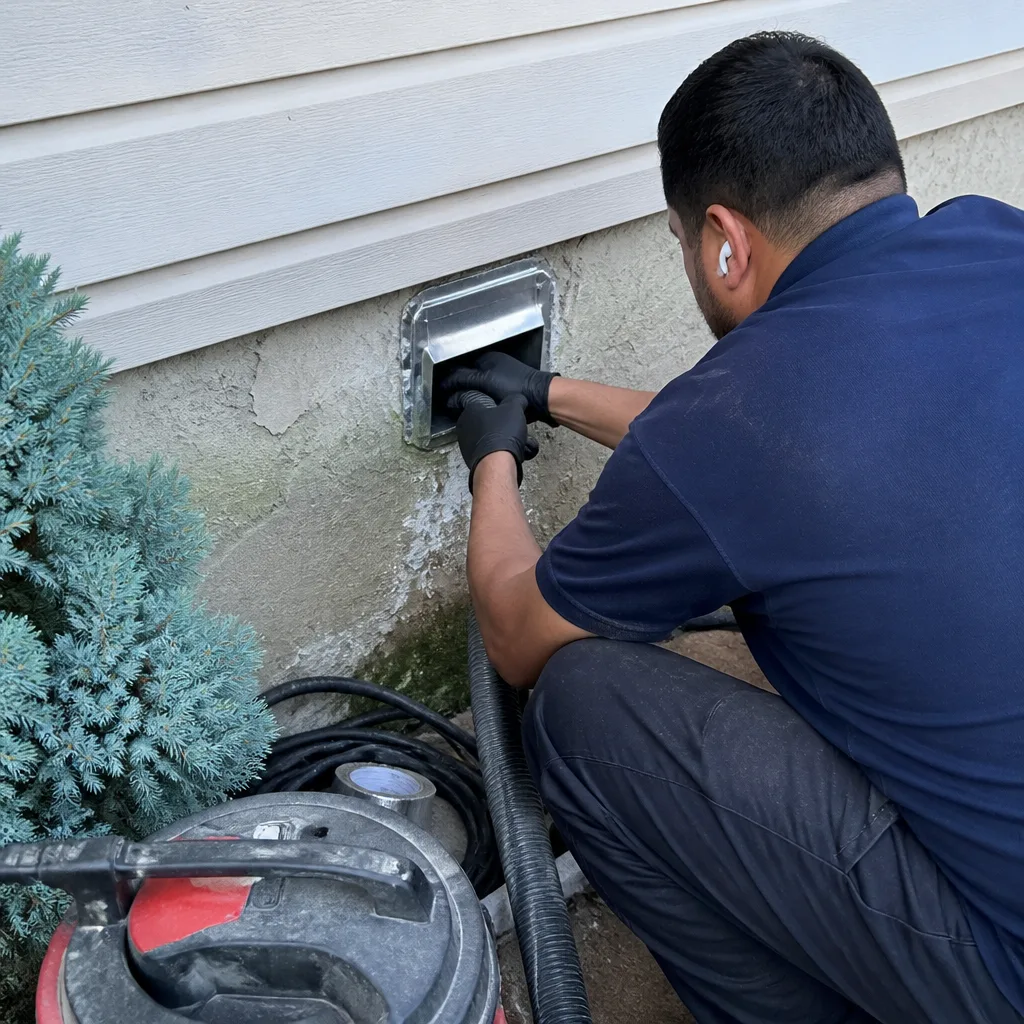 After
AfterFast, Reliable HVAC Cleaning Across Austin
HVAC cleaning in Austin typically costs $425-$680 for a full system clean, depending on system size and condition, and usually takes 3-5 hours. That price should cover the evaporator coil, blower wheel, air handler interior, and supply/return plenums. If you live in Allandale, Crestview, or Cherrywood, we’re local, we know your housing stock, and we answer the phone at (806) 606-6902.
We’re CleanRun Air Duct Cleaning. We’ve cleaned HVAC systems in Austin homes since our founding in 2013, and we show up with a written price before a single panel comes off. What we find inside your system gets photographed, documented, and delivered to you as part of the standard job record. That’s how we work everywhere, but it matters more here, because Austin’s housing stock and climate create problems that other cities don’t see.
Why CleanRun Air Duct Cleaning Is a Different Kind of HVAC Cleaning Company in Austin
Austin homeowners between 32 and 50 who bought in Allandale, Brentwood, or Mueller don’t need another coupon. They need a company that can prove what it did. That’s our entire operating model. Every job starts with a written price per system, agreed before work begins, under Haven Standard Clause 1. Every job ends with a Documented Photo Record of the inside of every duct run and component, before and after. The 365-Day Done Right Promise backs the work in writing, not as a phrase on a flyer. If it’s not done right, we make it right.
Tomas Reyes leads our Austin operation. He’s been running HVAC cleaning and duct repair crews in Central Texas since 2013, and he’s the person who reviews the photo records and signs off on every job before we close a file. Our technicians are background-checked, uniformed, and identified by name before they arrive at your door. We publish our license on the page, not buried in a footer. Our equipment roster includes Rotobrush, Nikro, Honeywell, and Aprilaire, which means a customer can look up exactly what we’re running before they agree to a price.
We also offer a Free Second Opinion on any written estimate. Bring a competitor’s quote from a Pflugerville or Cedar Park company. We’ll put our number next to it, in writing, with a scope that matches theirs line by line. No pressure. No bait-and-switch. That’s Haven Standard Clause 7.
Our HVAC Cleaning Services in Austin
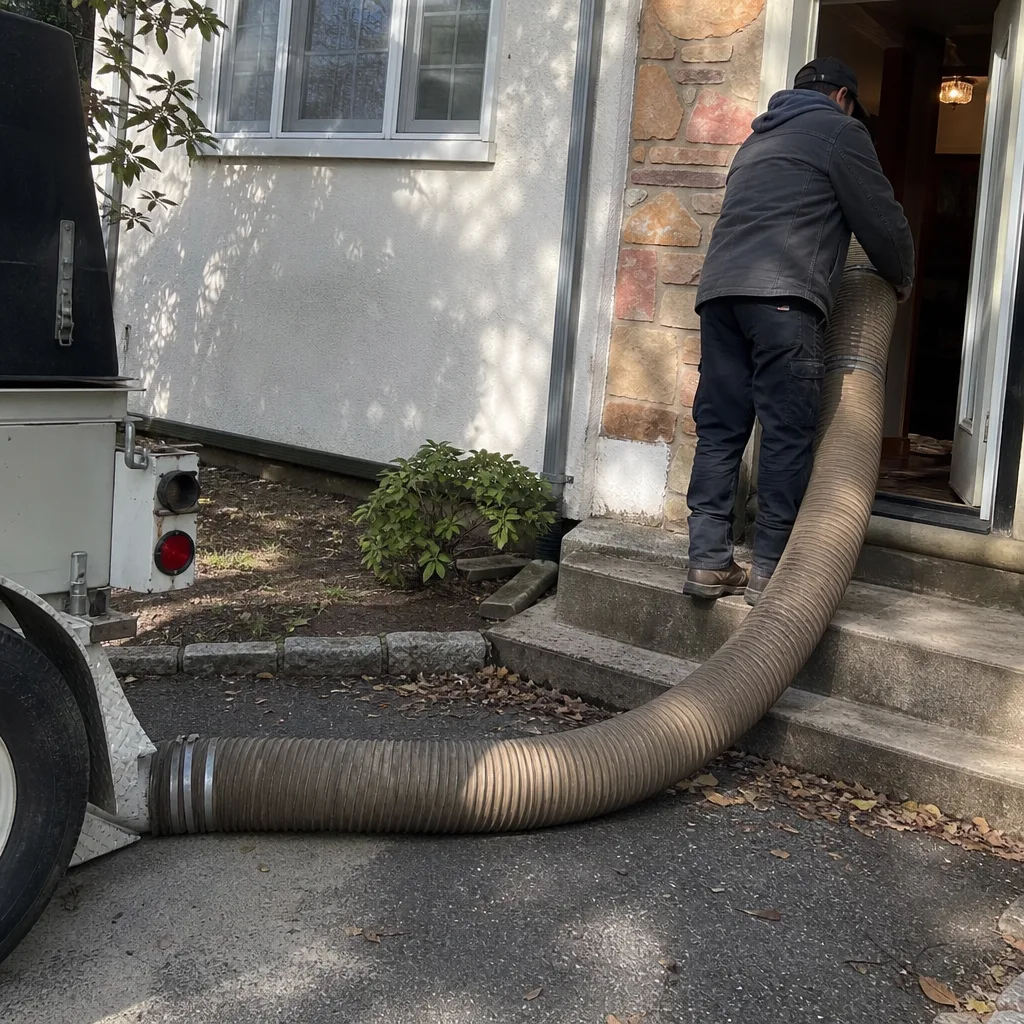
HVAC cleaning is not one service. It’s a set of component-level jobs that together restore airflow, reduce dust loading, and improve what your family actually breathes. In Austin, the age of the equipment and the heat of the attic make component-level cleaning more important, not less. Here are the four services we do most often for Austin homeowners.
Evaporator Coil Cleaning
The evaporator coil is the part that gets cold and pulls humidity out of your air. In an Austin summer, it runs almost nonstop for six months. That same coil is also a filter for everything your return ducts pull in, cedar pollen, attic dust, and fiberglass shedding from old ductboard. A coil caked with grime can’t move heat efficiently, which means your compressor runs longer and your electric bill climbs. We clean the coil in place, using coil-safe cleaning agents and documenting the before-and-after so you can see the difference, because you can’t see this coil from your living room.
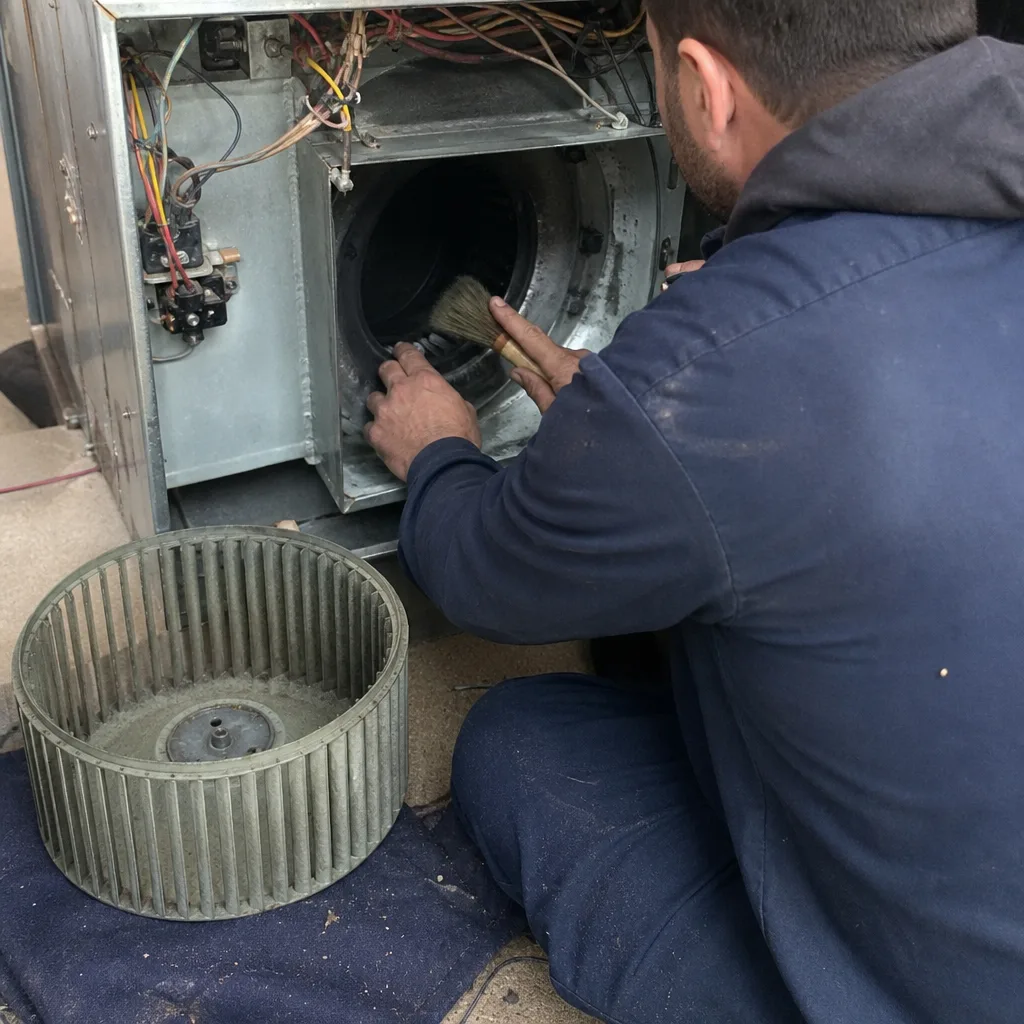
Blower Cleaning
The blower wheel moves air across your coil and through your ducts. In a 1980s ranch in Crestview or Brentwood, the blower wheel has often accumulated a quarter-inch of particulate on every blade. That reduces airflow, makes the system louder, and sends dust back into your living space. We pull the blower assembly, clean the wheel and housing, and photograph the result. A clean blower wheel on a 3.5-ton system can move noticeably more air than a dirty one, and that matters when your attic is 140°F.
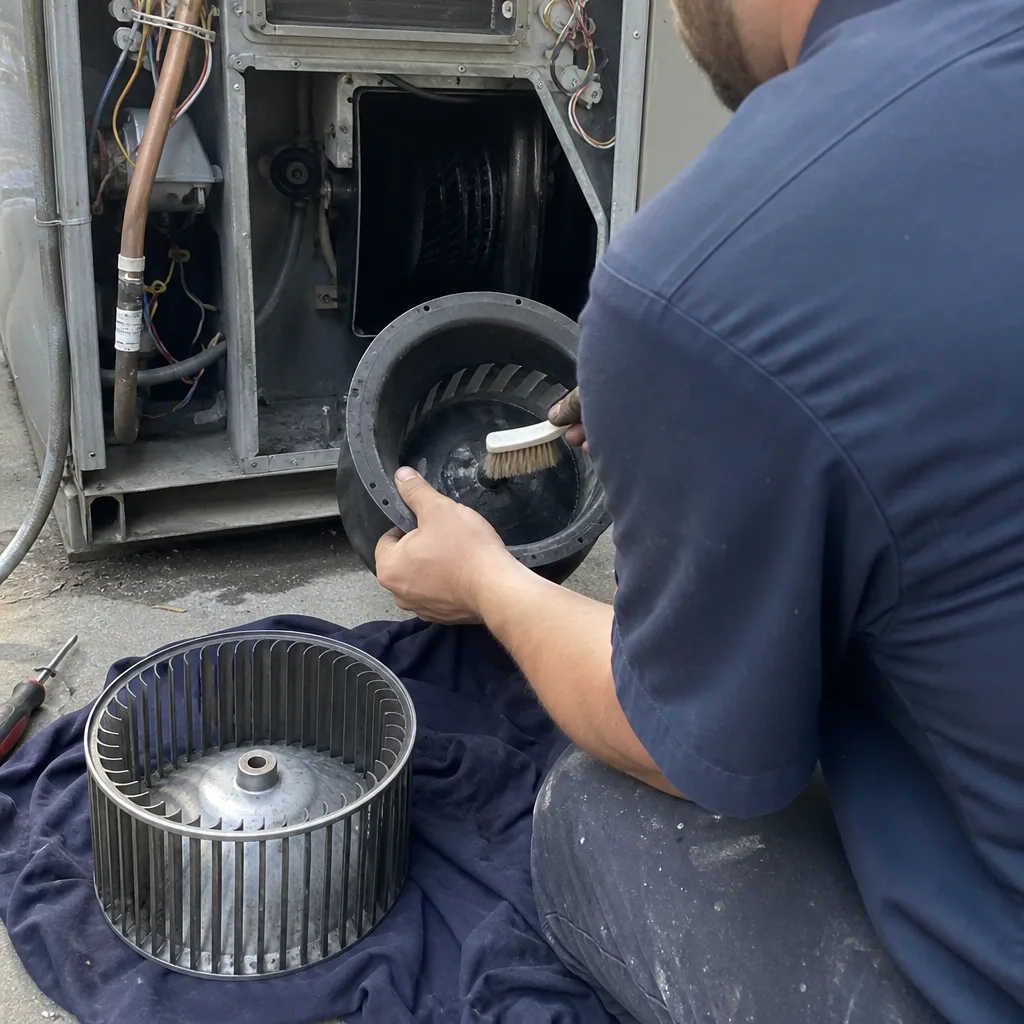
Condenser Cleaning
Your condenser is the outdoor unit, the one that’s been sitting in Austin heat, oak pollen, and construction dust for years. We clean the condenser coil, the fan, and the surrounding area. A dirty condenser coil can raise your energy consumption by double digits, and a clogged one shortens compressor life. In an Austin market where HVAC replacement costs $8,000-$14,000, keeping the condenser clean is cheap insurance. This service pairs with our air handler cleaning when the indoor and outdoor sections are both overdue.
Air Handler Cleaning
The air handler is the indoor cabinet that houses the coil and blower. In Austin’s older flex-duct systems, the air handler interior accumulates what we call debris loading: dust, pet hair, drywall dust from renovations, and decaying liner material. We open the cabinet, clean the interior surfaces, clean the drain pan and line, and photograph everything. A clogged drain line in an Austin attic can overflow, soak insulation, and leave a water stain on your ceiling. That’s a $500 problem that a $150 component clean prevents. We find clogged drain lines in Austin air handlers at least as often as we find dirty coils.
What happens when you call
- 1
A real person answersNo phone trees - you reach a local pro.
- 2
You get an upfront price rangeHonest numbers before anyone is dispatched.
- 3
A background-checked tech heads outLicensed & insured, dispatched right away.
- 4
You approve before work beginsNothing starts until you say go.
BeforeAfterTrusted Brands We Service in Austin
We clean and service systems from every major manufacturer, and we have direct experience with the specific configurations that dominate Austin’s housing stock: Trane, Carrier, Lennox, Rheem, Goodman, and American Standard. For filtration and air quality add-ons, we install and service Honeywell and Aprilaire components. Our work with Abatement Technologies equipment means we can run negative-pressure extraction that actually contains what we dislodge, instead of blowing it back into your living room. We stock common filters, drain pans, and flex duct in Austin so repairs on older systems don’t wait on a parts truck from Dallas.
Common HVAC Cleaning Problems We See in Austin Homes
Every city has dirty duct systems. Austin has a specific combination of conditions that produces a specific set of failures. Here’s what we actually find when we open up systems in Allandale, Brentwood, Crestview, and Cherrywood:
- Degraded flex duct liners. Austin’s 1970s-1990s ranch homes were built with flex duct or ductboard. Forty years of 140°F attic temperatures breaks down the liner, which sheds fiberglass fibers into the airstream. A cleaning alone can’t stop this. The fix is liner sealing or duct replacement, and we’ll show you the camera footage so you can see exactly what’s happening inside your supply run.
- Disconnected or collapsed duct runs. We find these in Central Austin attics constantly. The wire coil inside old flex duct corrodes, the jacket tears, and the run peels apart at the elbow or at the plenum connection. When that happens, your system is blowing conditioned air directly into the attic. A quoted cleaning becomes a repair before negative pressure can even be established. We’ll write the repair scope and price on the spot, and you approve it before we touch anything.
- Cedar pollen loading inside the system. Austin’s mountain cedar season from December through February pushes pollen counts over 20,000 grains per cubic meter. Homes run the heat during cool snaps, the system pulls in pollen, and the pollen collects inside the air handler and on the indoor coil. By March, the system is loaded. This seasonal loading pattern is unique to Austin and the Hill Country, and it’s why post-cedar-season cleaning is a real thing here.
- Attic air re-entry at unsealed joints. When flex duct connections are taped with old duct tape, the tape dries out and falls off. The result: 140°F attic air gets sucked into the return side, and your conditioned air leaks out of the supply side. Cleaning the system without resealing those joints means the improvement is undone within a season. We include joint sealing as part of any cleaning scope where the photo record shows leakage.
What Austin’s Cedar Season Does That Other Allergens Don’t
Mountain cedar, or Ashe juniper, produces a pollen that is particularly fine and particularly abundant. Austin regularly records some of the highest cedar counts in North America, and those counts arrive when people are sealed inside with their HVAC systems running. Here’s what that actually means for your system. Cedar pollen is small enough to pass through a basic fiberglass filter. It gets pulled into the return ducts, deposited on the indoor coil and blower wheel, and mixed with condensation to form a paste that hardens over repeat heating-cooling cycles. By the time March arrives, your system may be coated with a pollen-and-dust matrix that a standard filter never touched.
Dallas and Houston get pollen too, but they don’t get cedar at Austin concentrations, and they don’t have Austin’s attic-temperature profile driving the same kind of system degradation. This is not a generic cleaning need. It’s an Austin-specific demand, driven by a specific pollen, a specific housing stock, and a specific attic climate. We clean systems in Cedar Park and Round Rock and see the same pattern across the metro, but it’s most pronounced in the older Central Austin neighborhoods where flex duct has been baking since the Reagan administration.
Last February, we pulled into a 1978 ranch house in Allandale. The homeowner had called for a cleaning because her allergies were out of control. Our camera inspection found the original flex duct had melted into a half-open accordion under 40 years of attic heat. The supply run had collapsed just past the plenum. Before we ran any negative-pressure cleaning, we replaced 22 feet of R-6 flex, reconnected it with mastic and panduit straps, then ran the Rotobrush through the rest of the system. The cleaning was never going to fix her problem. The collapsed duct was. That’s what it means to clean an HVAC system in Austin, you have to be prepared to find and fix what’s actually broken.
Pricing for HVAC Cleaning in Austin, TX
Here are honest numbers for the Austin market, based on what we actually quote. A full HVAC cleaning for a typical 2,000-2,500 square foot Austin home runs $425-$680. That includes the evaporator coil, blower wheel, air handler interior, and both plenums, with a Documented Photo Record before and after. Evaporator coil cleaning alone runs $150-$225. Blower cleaning alone runs $125-$190. Condenser cleaning runs $95-$165. Air handler cleaning, including drain pan and line, runs $180-$260.
What pushes a quote higher: system size above 4 tons, severe debris loading, a second return or zoning system, and accessibility issues in tight attics with steep roof pitches. What pushes a quote lower: a single-story home with a straight vertical air handler, recent system replacement, and a reasonably maintained filter history. Every quote is a written price per system, agreed before work starts. No per-vent pricing, no teaser rate that becomes an inflated invoice. The price we write is the price you pay. Call (806) 606-6902 and we’ll schedule a free on-site estimate.
We Also Serve Cities Near Austin
Our Austin office dispatches crews to Pflugerville, Cedar Park, Round Rock, and Hutto every week. If you’re in one of those cities, the same written pricing, same photo record, and same 365-Day Done Right Promise applies. For teams working across the metro, we coordinate everything through our Austin scheduling desk, so your appointment is confirmed and your technician is identified before arrival.
Serving Austin, TX - Our Local Coverage Area
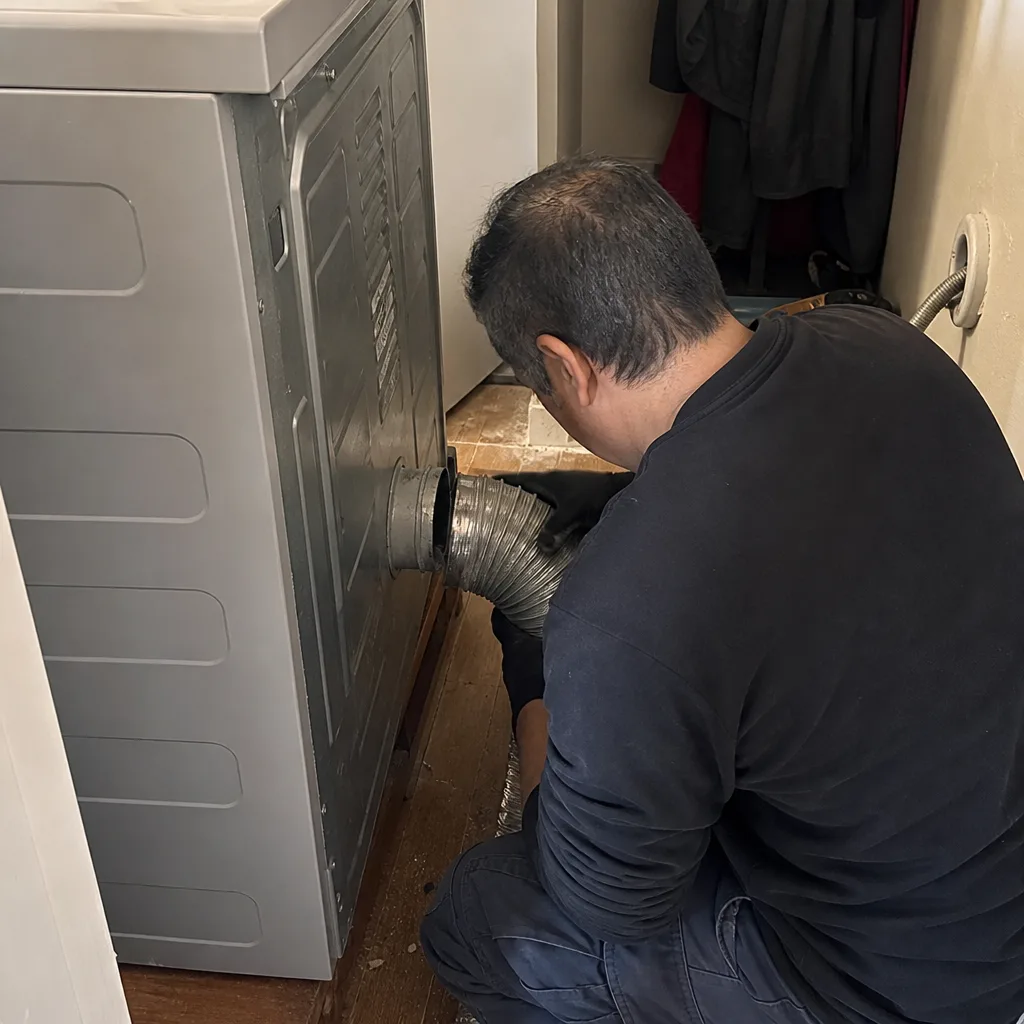
We’re based in the Austin area and know this community well. Use the map below to see our service coverage - if you’re nearby, we can almost certainly help.
FAQs - HVAC Cleaning in Austin
No. Most Austin homes need a thorough HVAC cleaning every 2-3 years, not annually. The exception is if you have severe cedar allergies, pets, recent renovation work, or a system older than 15 years. In those cases, an annual coil and blower cleaning can be justified. The real indicator is what the camera shows, which is why every CleanRun visit includes a photo record. You can see exactly how much debris loaded since the last visit. Call (806) 606-6902 and we’ll assess whether a cleaning or a repair is what your system actually needs.
Mountain cedar produces pollen that’s fine enough to pass through standard filters, and Austin’s December-February counts routinely exceed 20,000 grains per cubic meter. That pollen gets pulled into the return ducts, deposited on the indoor coil and blower wheel, and mixed with condensation into a paste that hardens over repeated cycles. By spring, the system is carrying a pollen-and-dust matrix that reduces airflow and recirculates allergens. This loading pattern is specific to Austin’s cedar season and does not occur at the same intensity in other Texas metros.
Not effectively. If a duct run is collapsed or disconnected, the vacuum truck cannot establish negative pressure, which means the cleaning will not work properly. We start with a camera inspection. If we find a collapsed run, we write a repair scope and price, you approve it, and we make the repair before cleaning proceeds. This is common in Austin’s older Central Austin homes, where original flex duct from the 1970s-1990s has degraded under decades of attic heat. The cleaning is part of the job, but the repair is what makes the system functional again.
You’re seeing liner degradation. Your flex duct or ductboard is shedding fiberglass fibers into the airstream. The liner breaks down after decades of 140°F attic temperatures, and the particles get blown into your living space. Cleaning alone will not stop this. The fix is liner sealing or duct replacement. We use a camera to show you exactly where the liner is failing, and we provide a written scope for the repair. This is one of the most common problems we find in Brentwood, Allandale, and Crestview homes.
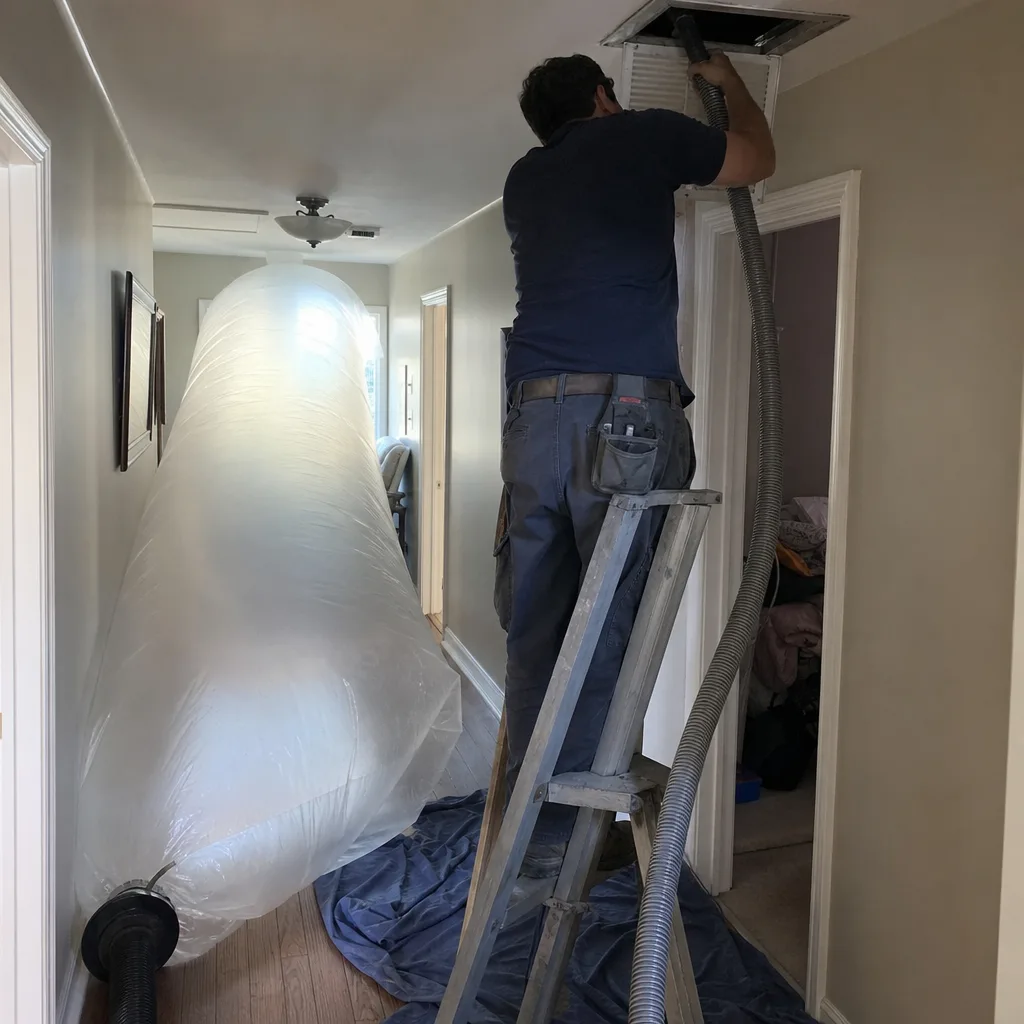
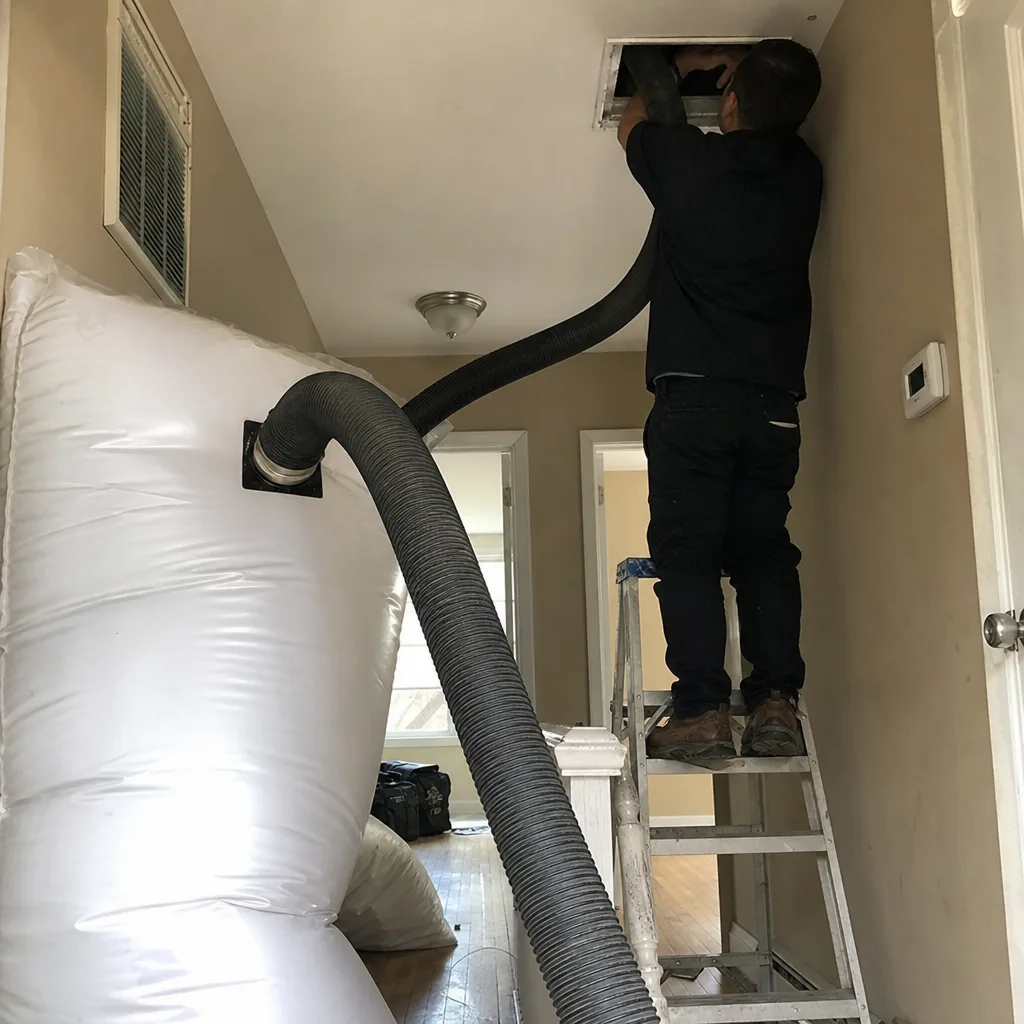
We use negative-pressure extraction, not shop-vac blowing. The system is sealed, and our Abatement Technologies equipment draws air out of the ducts and through a HEPA filter, which contains what we dislodge. Dust and debris get pulled into the vacuum, not pushed into your living space. That’s the entire point of negative-pressure cleaning. We also photograph the return and supply plenums before and after so you can see the containment worked.
Get a Written Price for HVAC Cleaning in Austin
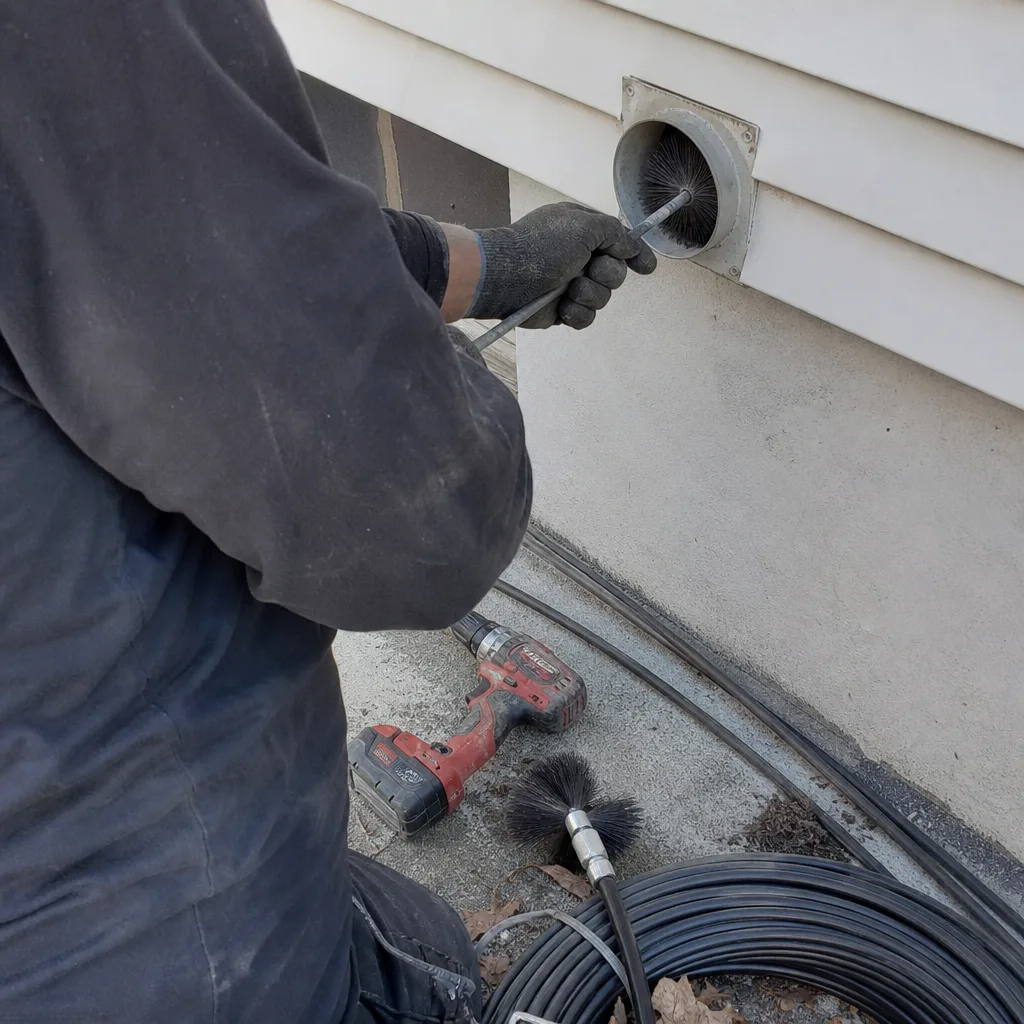
If you’re in Austin, Pflugerville, Cedar Park, Round Rock, or Hutto, and you want a company that shows you the inside of your ducts before asking you to trust their word, call CleanRun Air Duct Cleaning at (806) 606-6902. We’ll schedule a free on-site estimate, give you a written price per system before any work starts, and deliver a Documented Photo Record when we finish. Every job is backed by the 365-Day Done Right Promise. That’s a written guarantee, not a slogan.
Written by Tomas Reyes, Owner at CleanRun Air Duct Cleaning, serving Austin since 2013 under the H.A.V.E.N. Standard.