
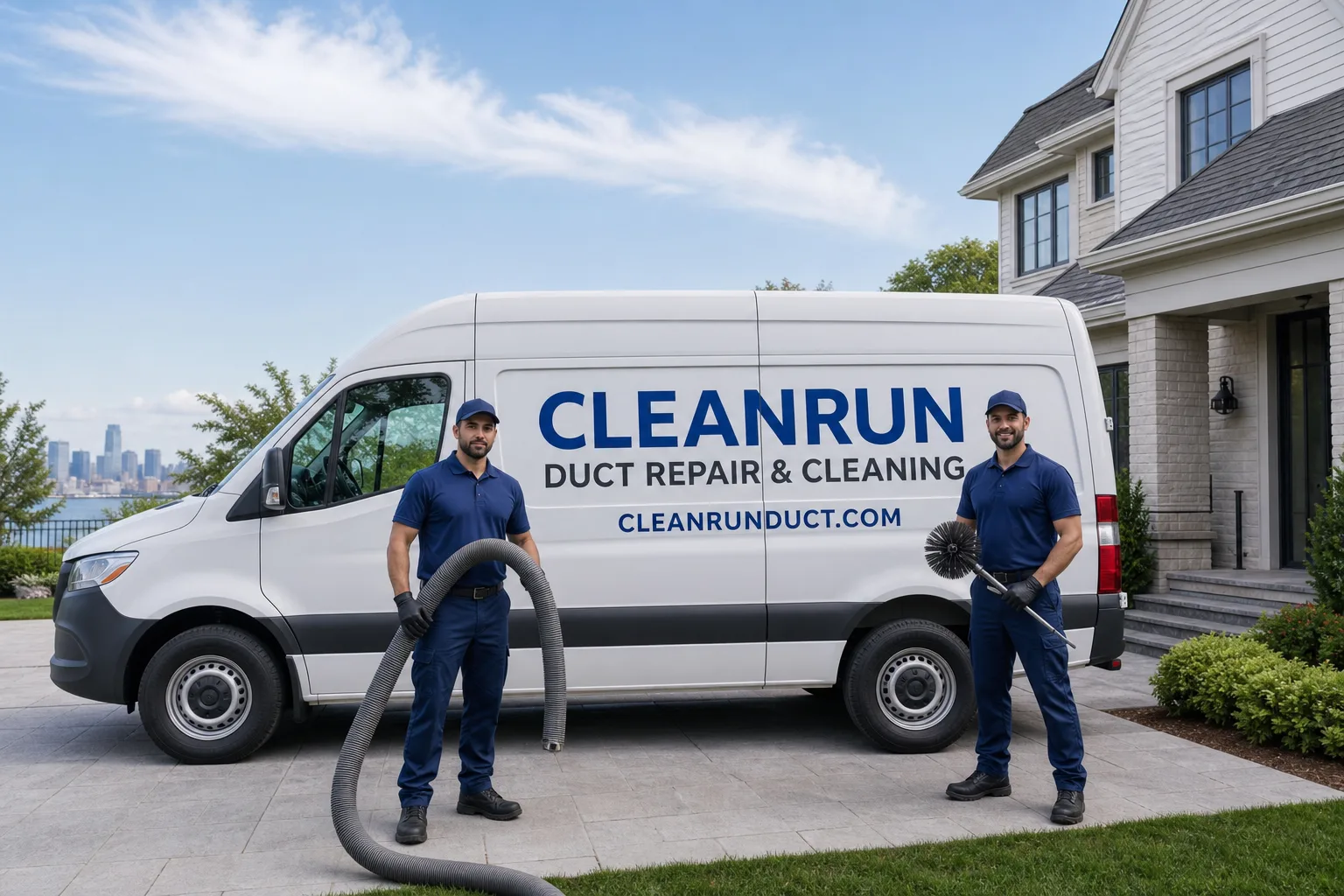
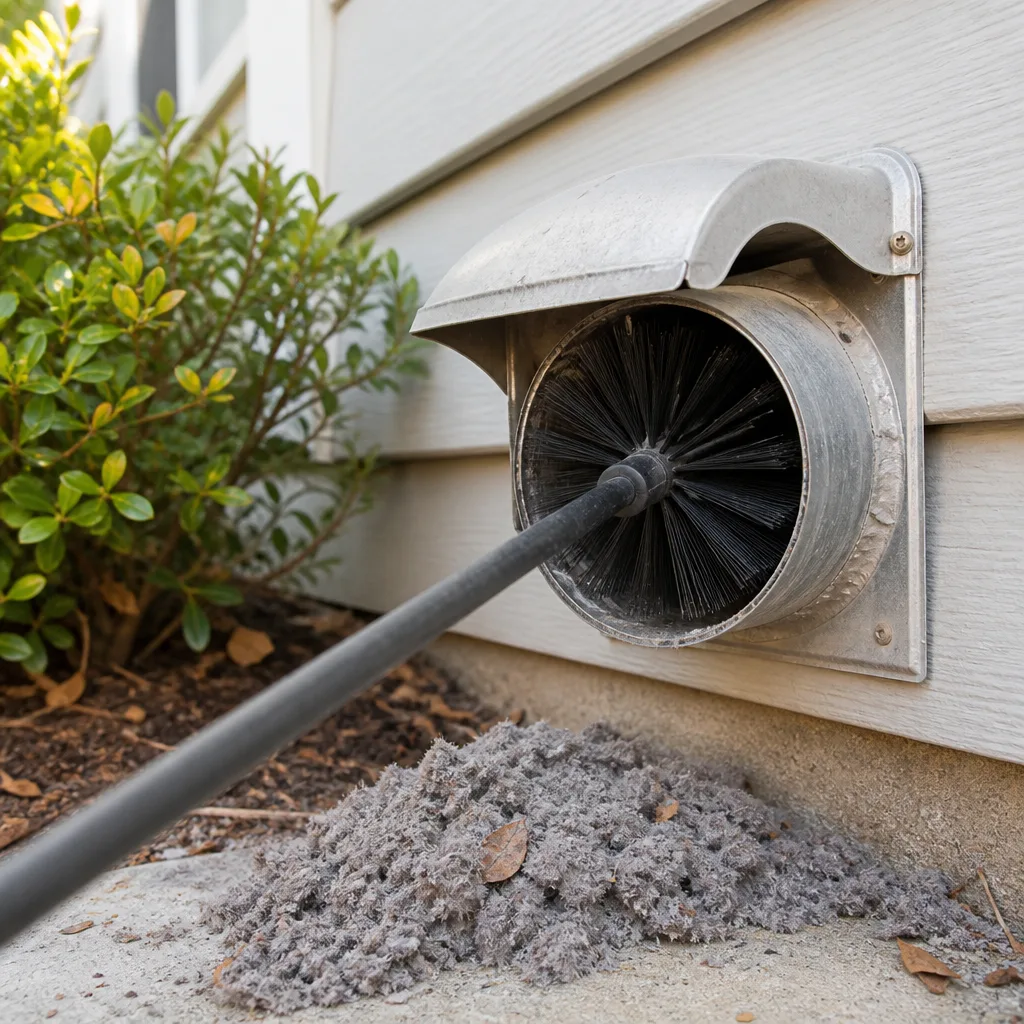
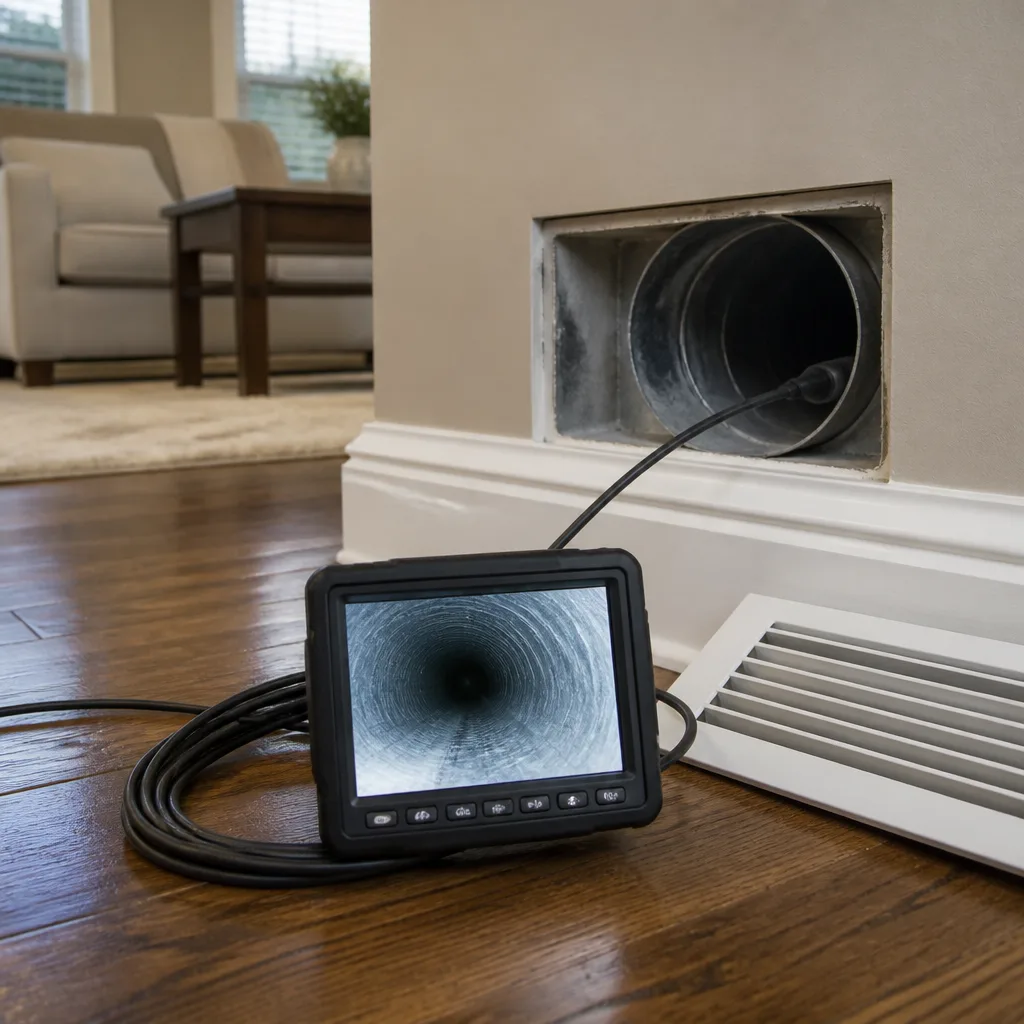
Whole-system duct and dryer vent check with before-and-after photos - you see exactly what came out of your vents
That "$99 whole-house special" is a bait ad - the real number appears once they are in your hallway, or the "clean" is a shop-vac at the register. We photograph the inside of your ducts before and after instead.
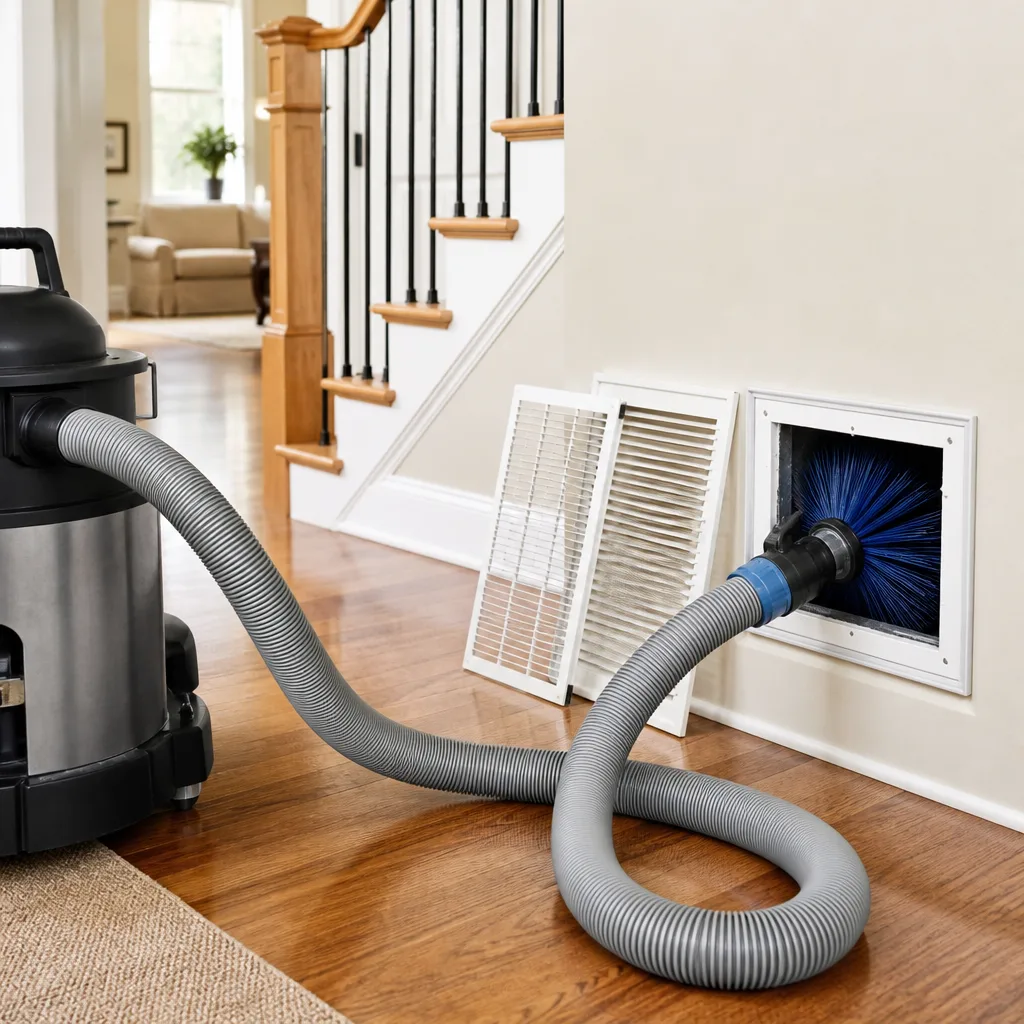
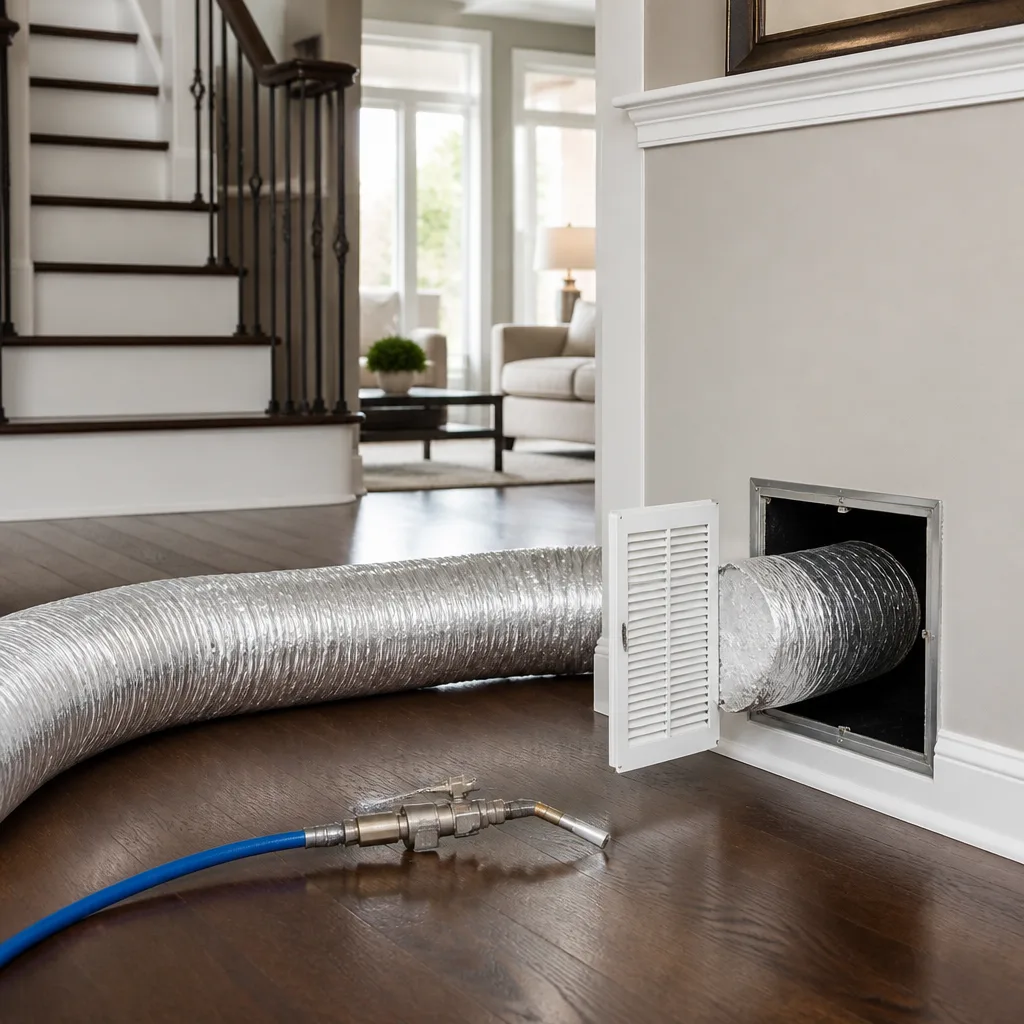
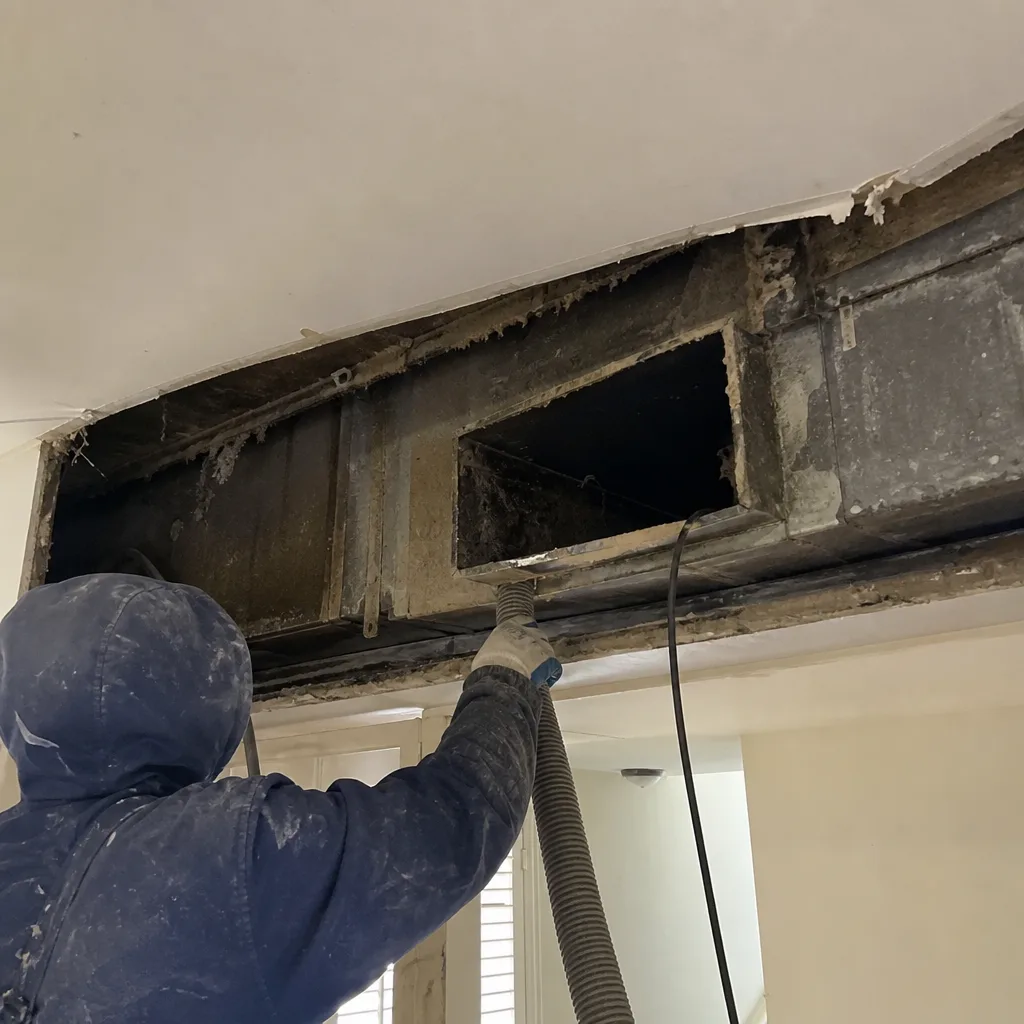 Before
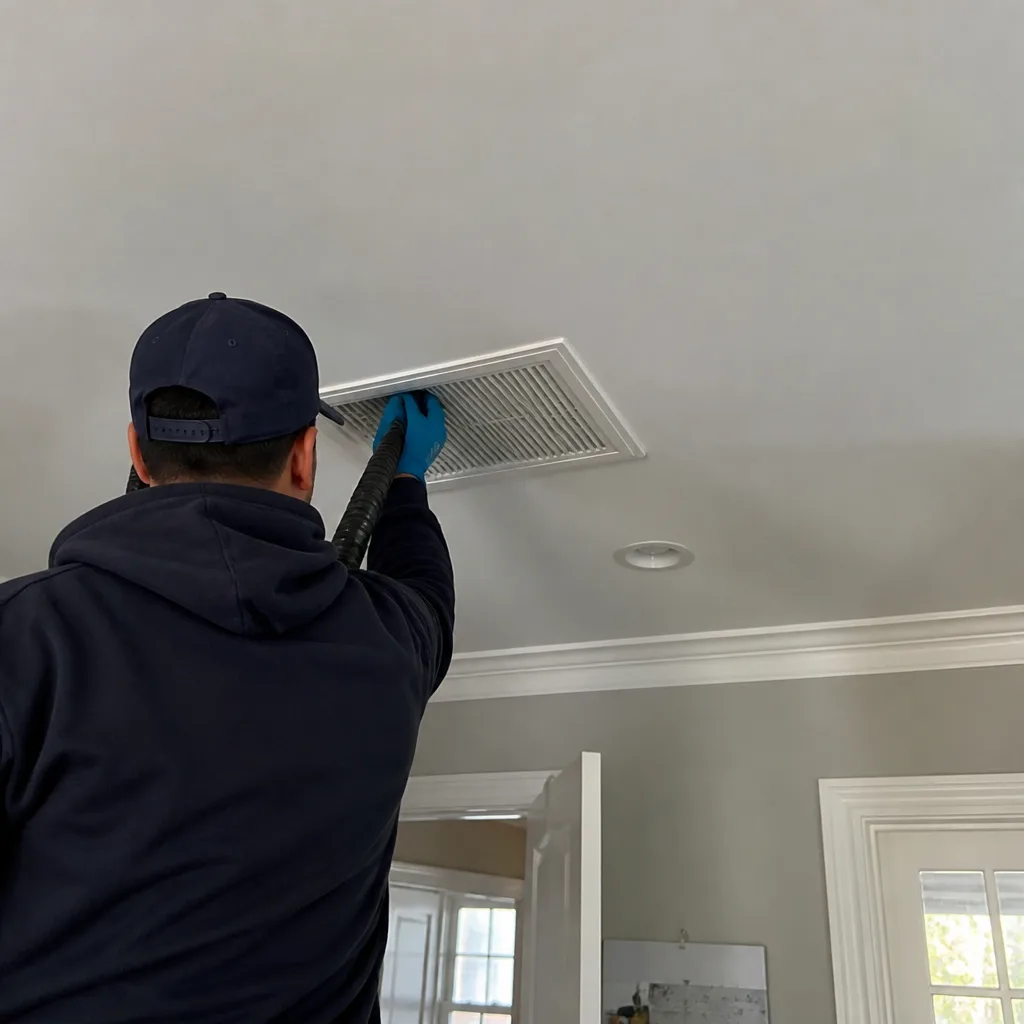 After
After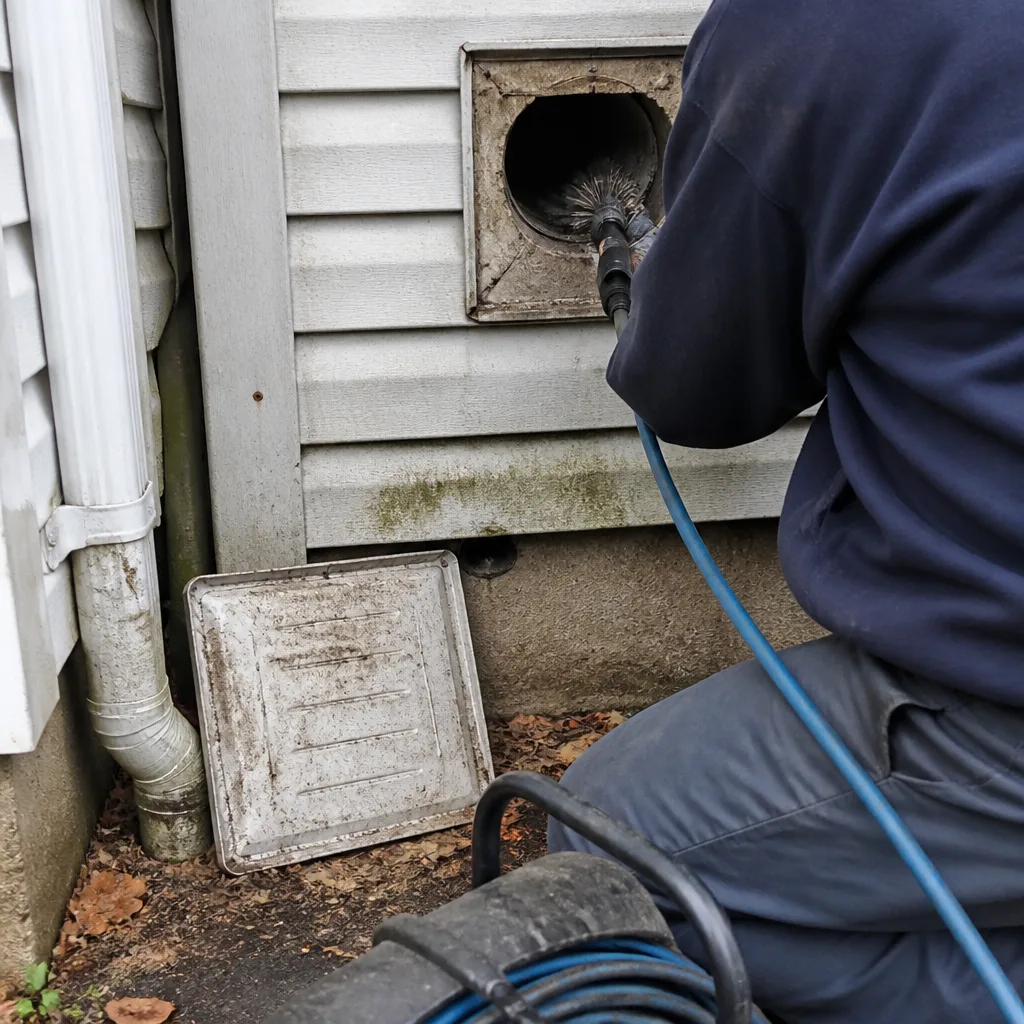 Before
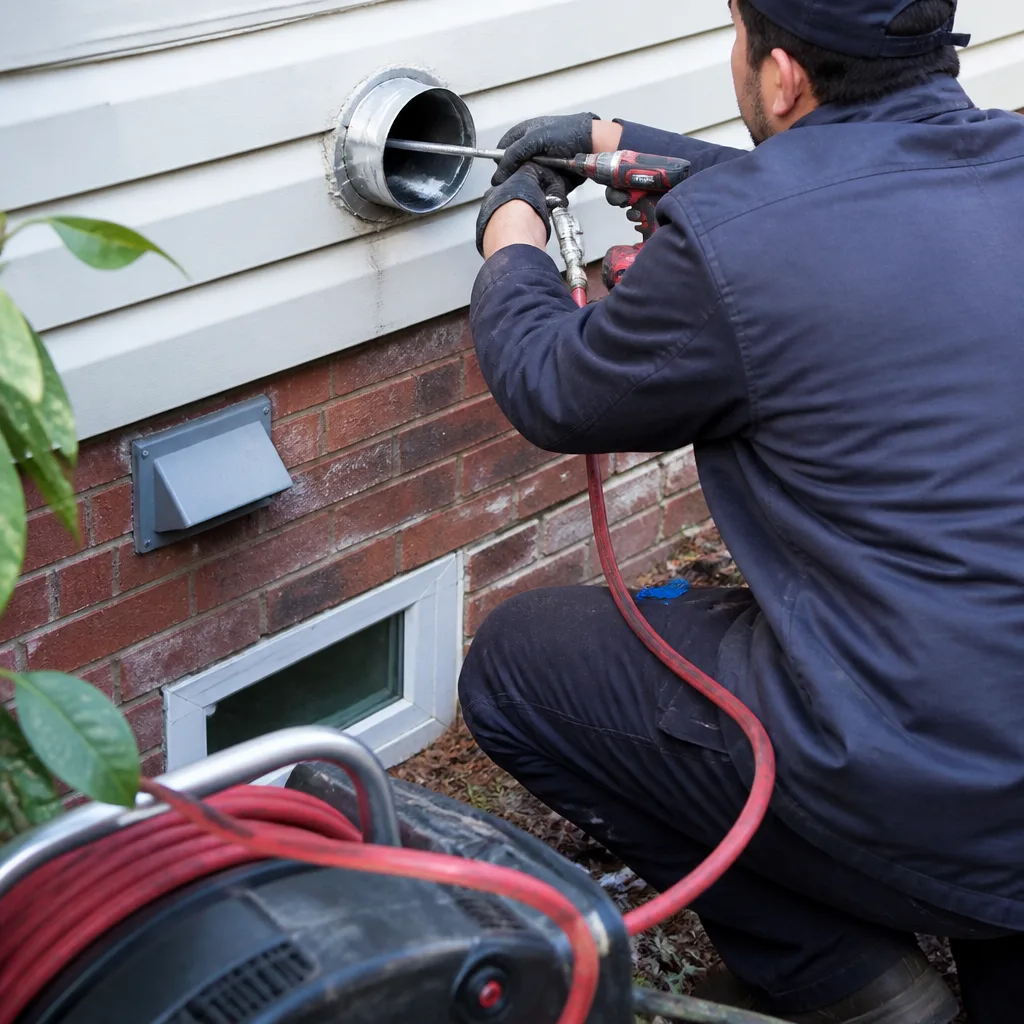 After
After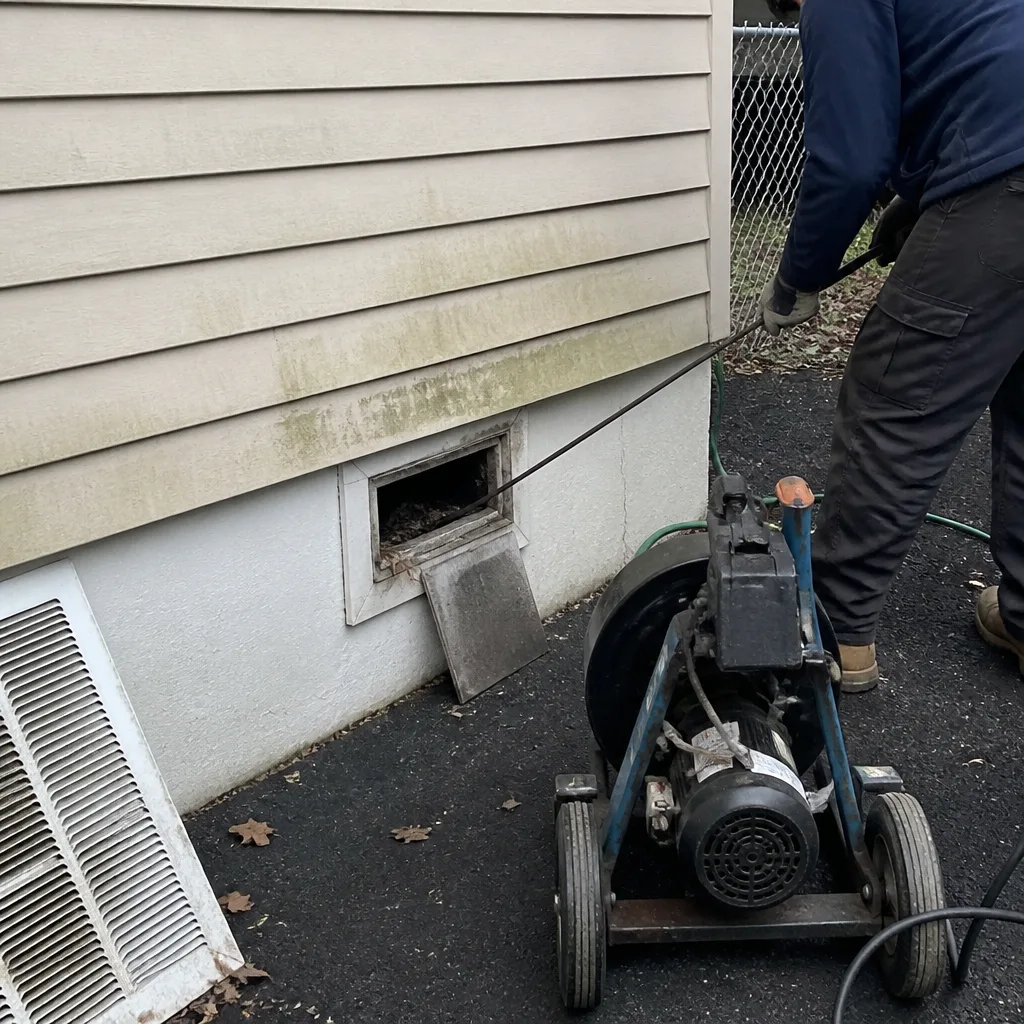 Before
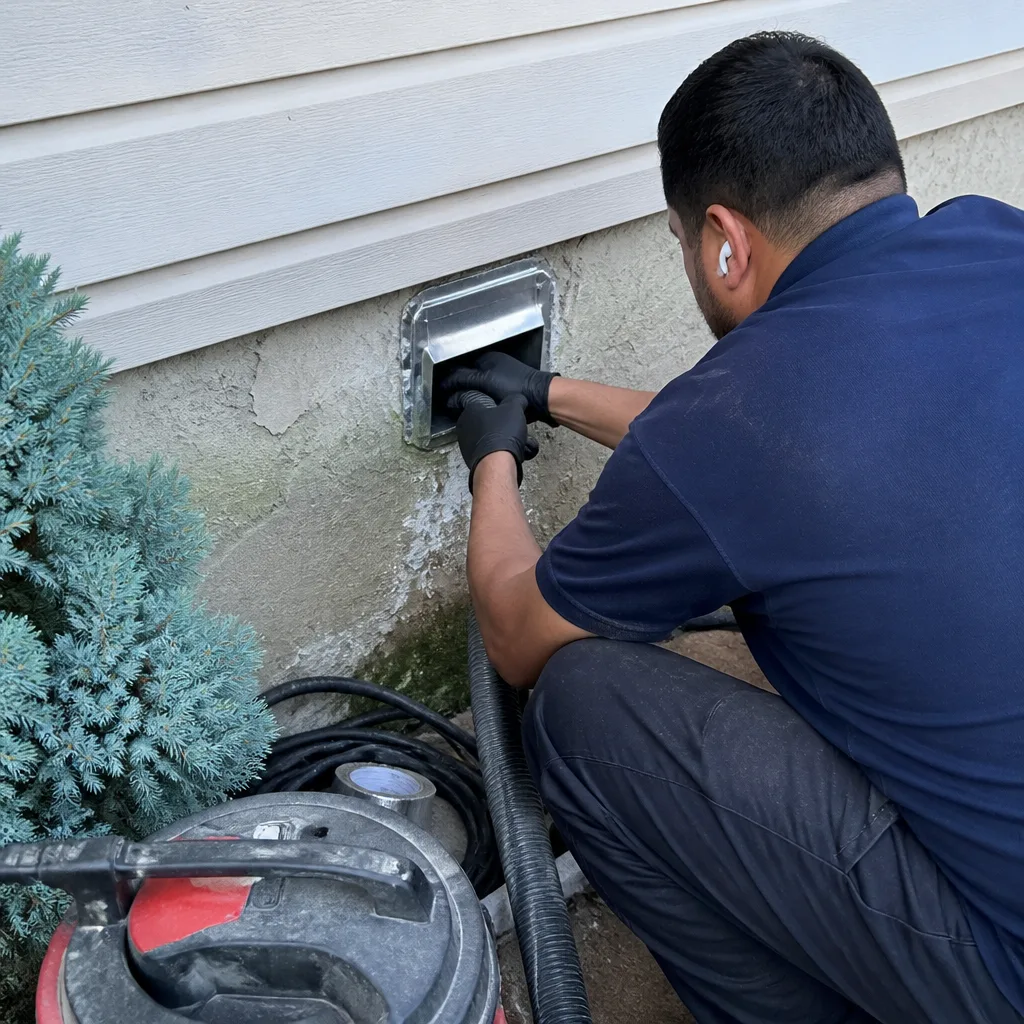 After
AfterFast, Reliable HVAC Cleaning Across Santa Clarita
HVAC cleaning in Santa Clarita costs $380-$680 for a complete system on a typical 2,000-2,800 sq ft tract home, including blower, evaporator coil, air handler, and condenser cleaning. Most jobs are completed in 4-6 hours, with a full written photo record delivered before the crew leaves. That’s the short answer. The longer answer matters more here, because Santa Clarita homes face a dust and smoke load that coastal markets never see. If you live in Canyon Country, Saugus, Valencia, or anywhere along the 14 corridor, call (806) 606-6902 and we’ll give you a written price before any work starts.
Why CleanRun Air Duct Cleaning Is Santa Clarita’s Preferred HVAC Cleaning Company
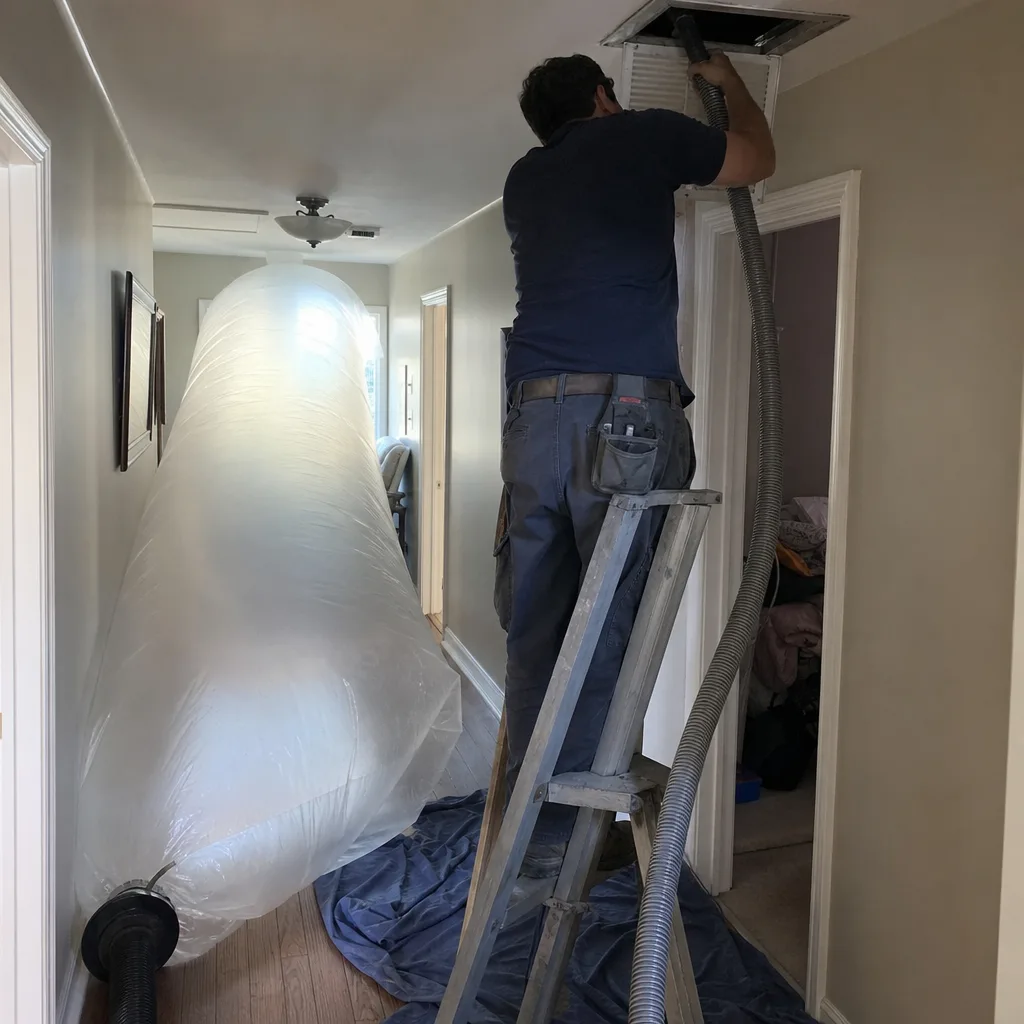
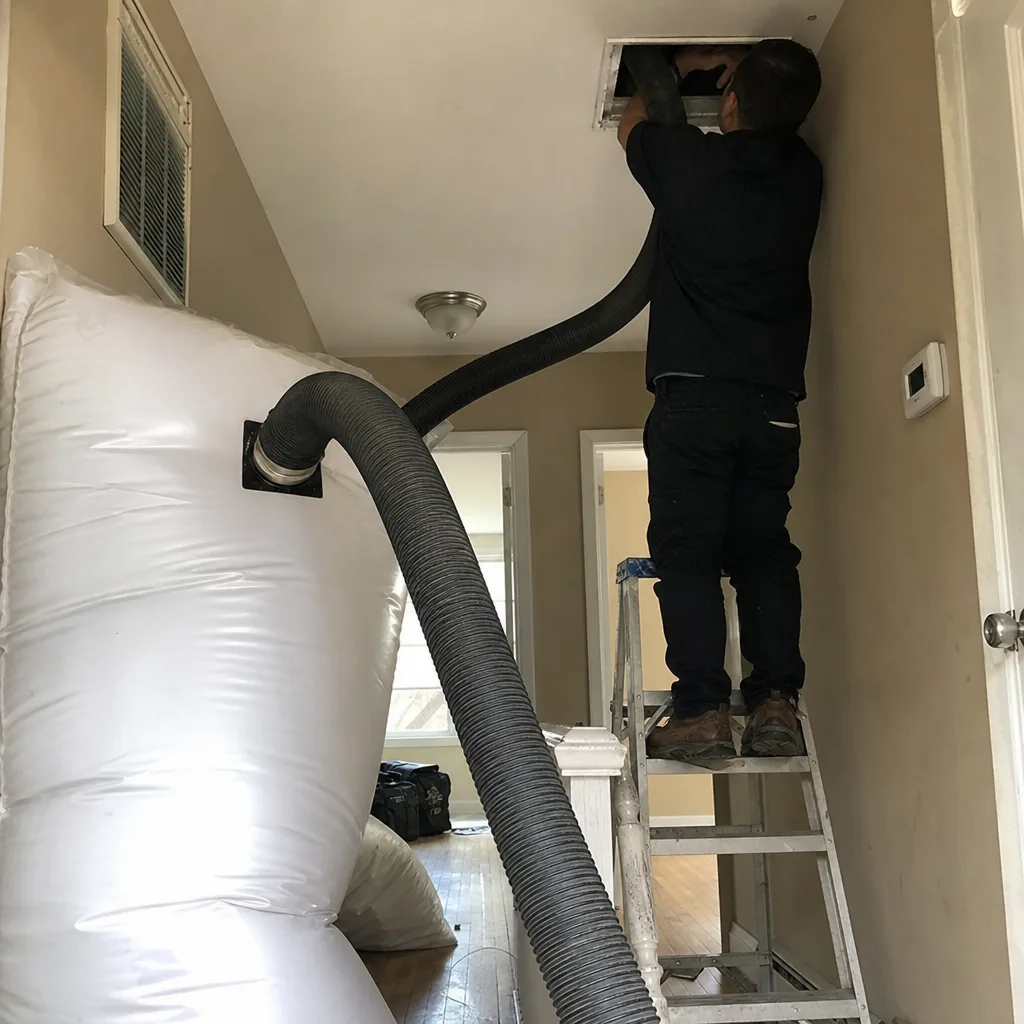
We’ve cleaned HVAC systems in every corner of Santa Clarita, from the 1960s-era Valencia paseos to the tract clusters off Golden Valley Road and the newer subdivisions above Plum Canyon. What we’ve learned is that no two neighborhoods here have the same contamination profile. A home on the west side of Canyon Country that sat downwind of the Tick Fire doesn’t need the same cleaning approach as a Saugus home whose main enemy is dust from the Santa Clarita Woodlands chaparral. Our crews are background-checked and uniformed, and they show up with professional-grade equipment from Rotobrush, Nikro, and Guardsman, not a shop vac and a coupon book. Every job starts with a written price and ends with a photo record of every duct run, every coil, and every blower assembly. That’s how our HVAC Cleaning team has operated since 2013, and it’s why Santa Clarita homeowners keep our number.
Tomas Reyes, who leads CleanRun, built this company around one idea: if a technician can’t show you a photo of what was wrong before and after, you shouldn’t pay the invoice. That’s the Haven Standard in practice, and it’s been the rule for more than 52,000 homes served. When you call (806) 606-6902, a live person answers. Always.
Our HVAC Cleaning Services in Santa Clarita
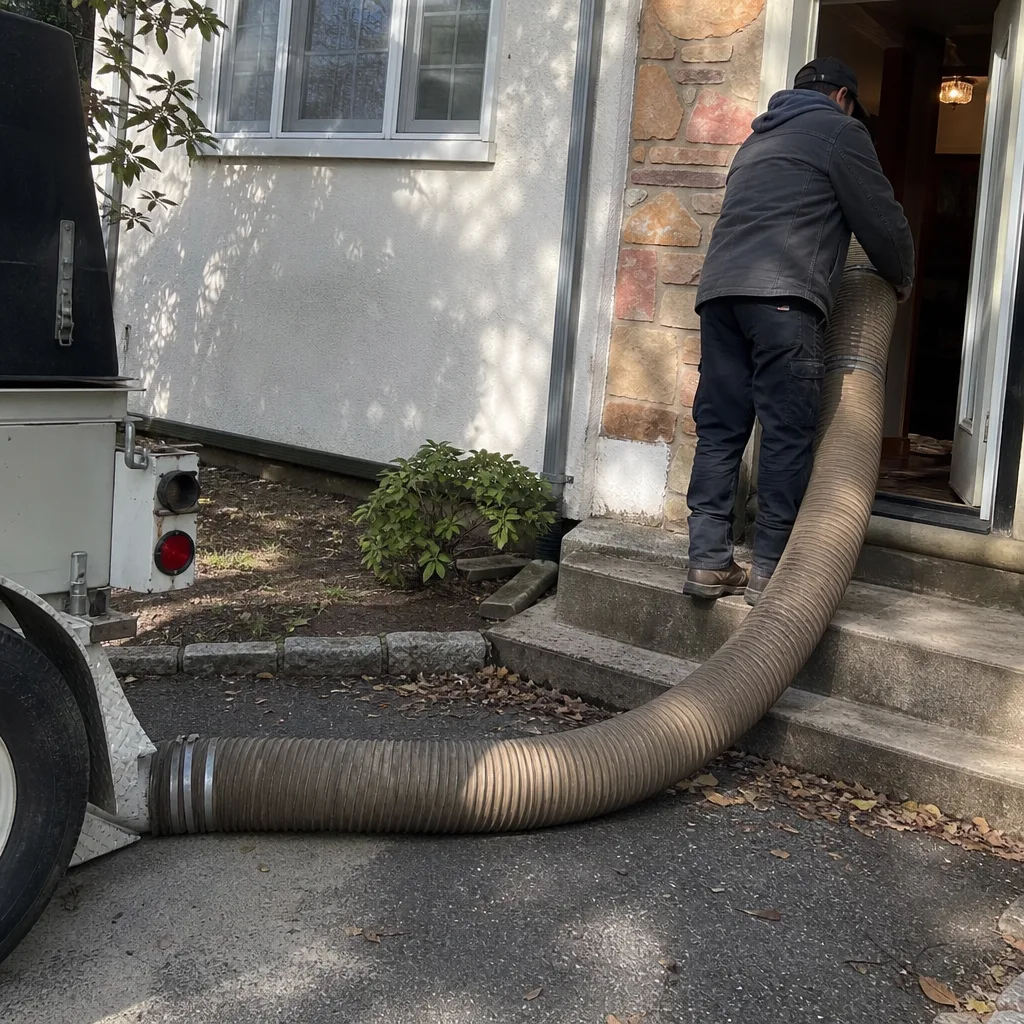
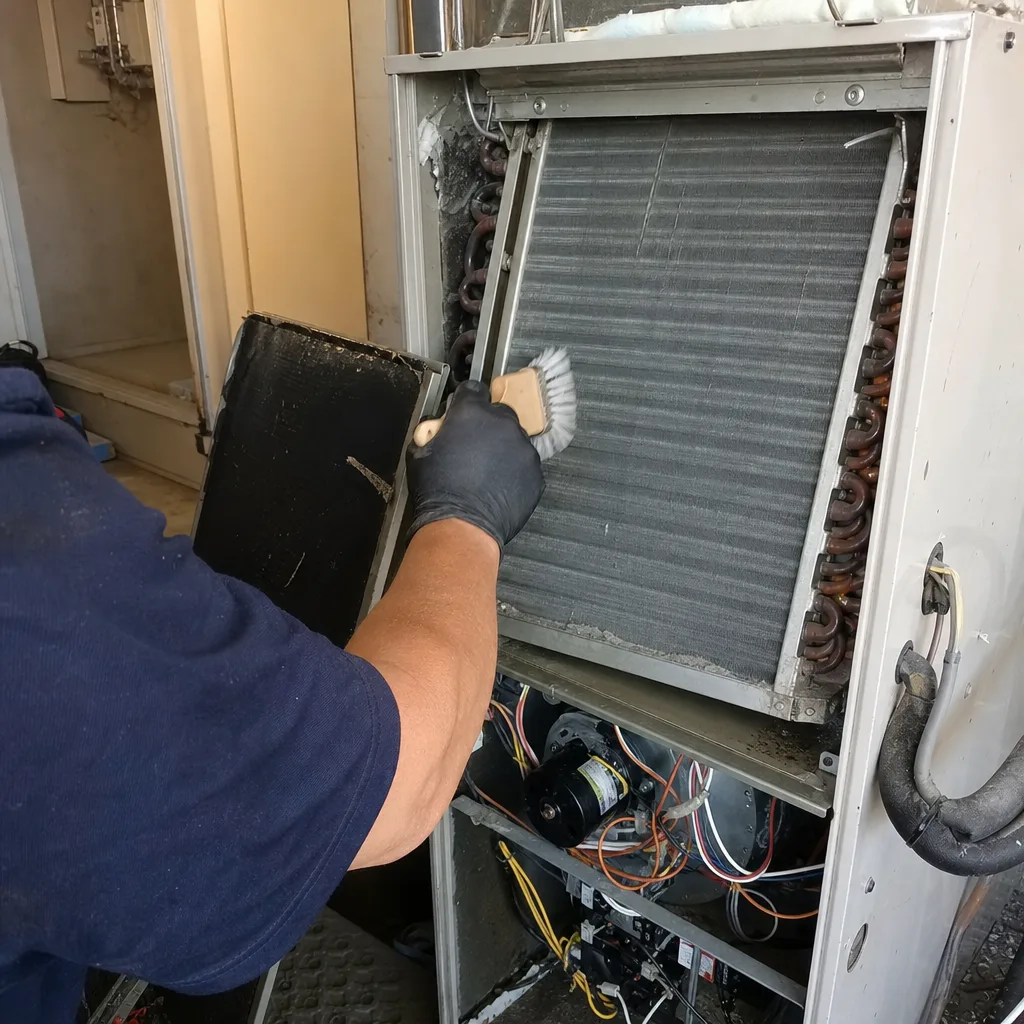
Evaporator Coil Cleaning
The evaporator coil is where your system does its actual cooling work, and in Santa Clarita it collects a specific kind of grime: desert dust bound with smoke particulate and the faintly acrid residue of chaparral fires. A dirty coil loses cooling capacity and forces your compressor to run longer in 105-degree August heat. We clean coils with professional coil cleaners, not just compressed air, and photograph them before and after so you can see the actual heat-transfer surface restored.
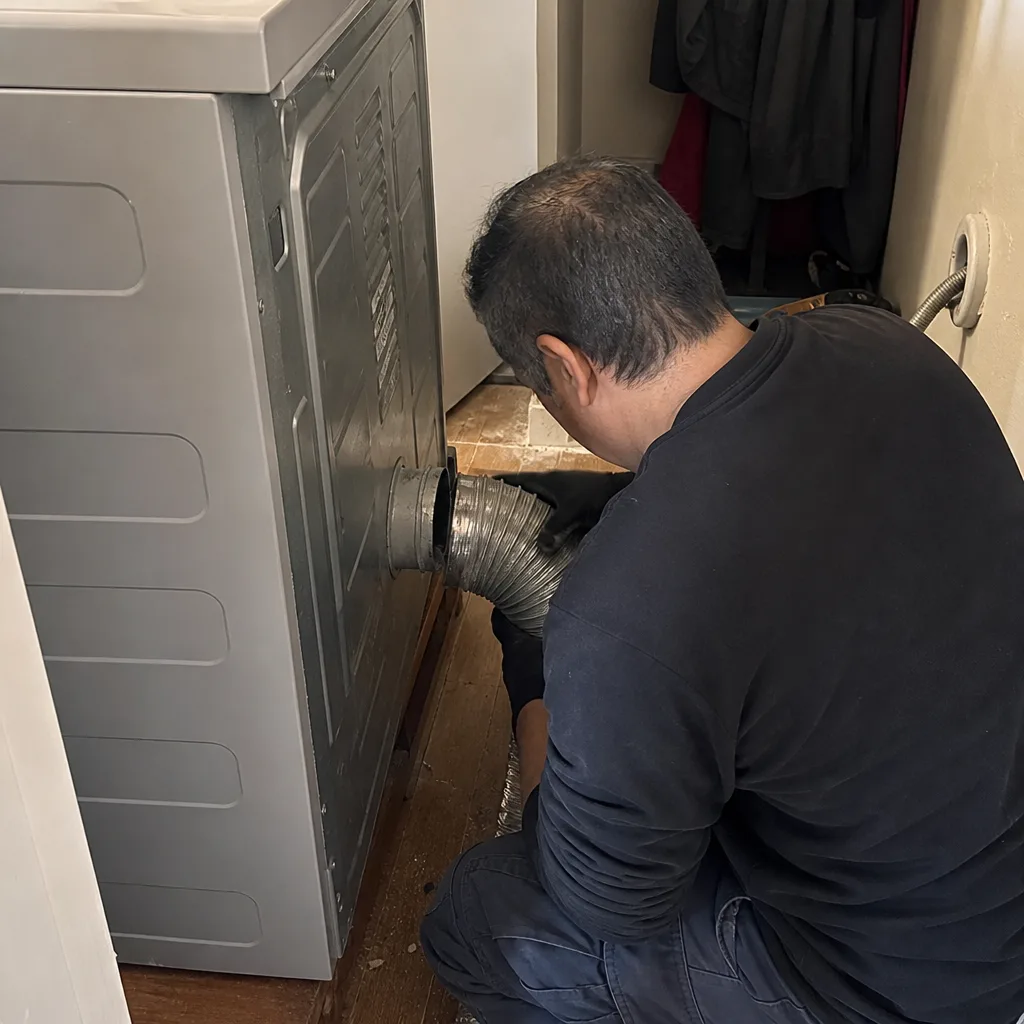
Air Handler Cleaning
Your air handler is the box that moves air through the whole system, and in Santa Clarita’s older Valencia and Saugus tract homes, it’s often been ignored for 20 years or more. We open the handler, clean the blower housing, remove debris from the fan wheel, and check for the sagging duct connections that pull attic dust into the airstream. A clean air handler in a 105-degree summer is the difference between a system that holds 74 degrees and one that runs nonstop and never gets there.
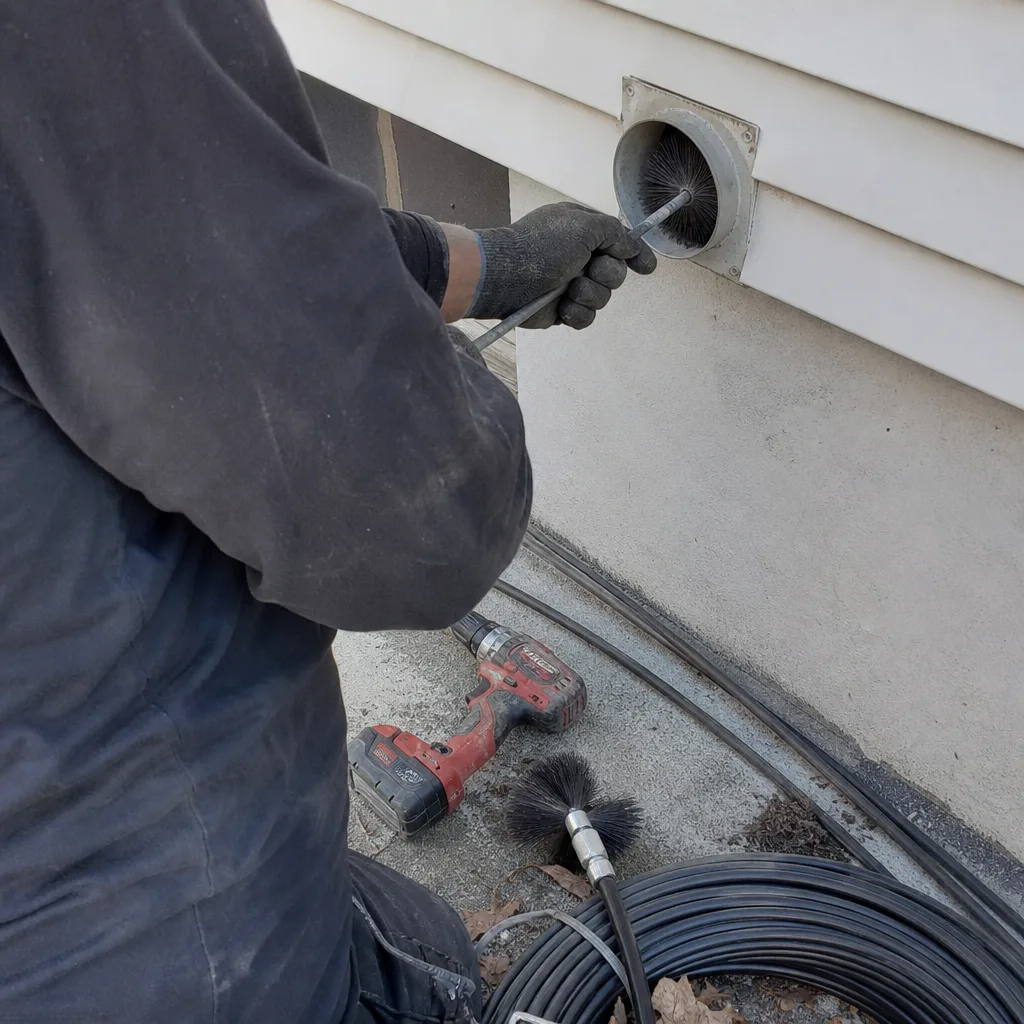
Condenser Cleaning
The condenser sits outside, and in Santa Clarita it faces a double assault: fine Mojave dust carried by Santa Ana winds and cotton-like debris from the valley’s landscaping. A clogged condenser can’t reject heat properly, which raises head pressure and shortens compressor life. We clean coils with professional-grade equipment, straighten bent fins, and apply Guardsman coil treatment where the exposure calls for it, especially on units facing open chaparral or unpaved access roads.
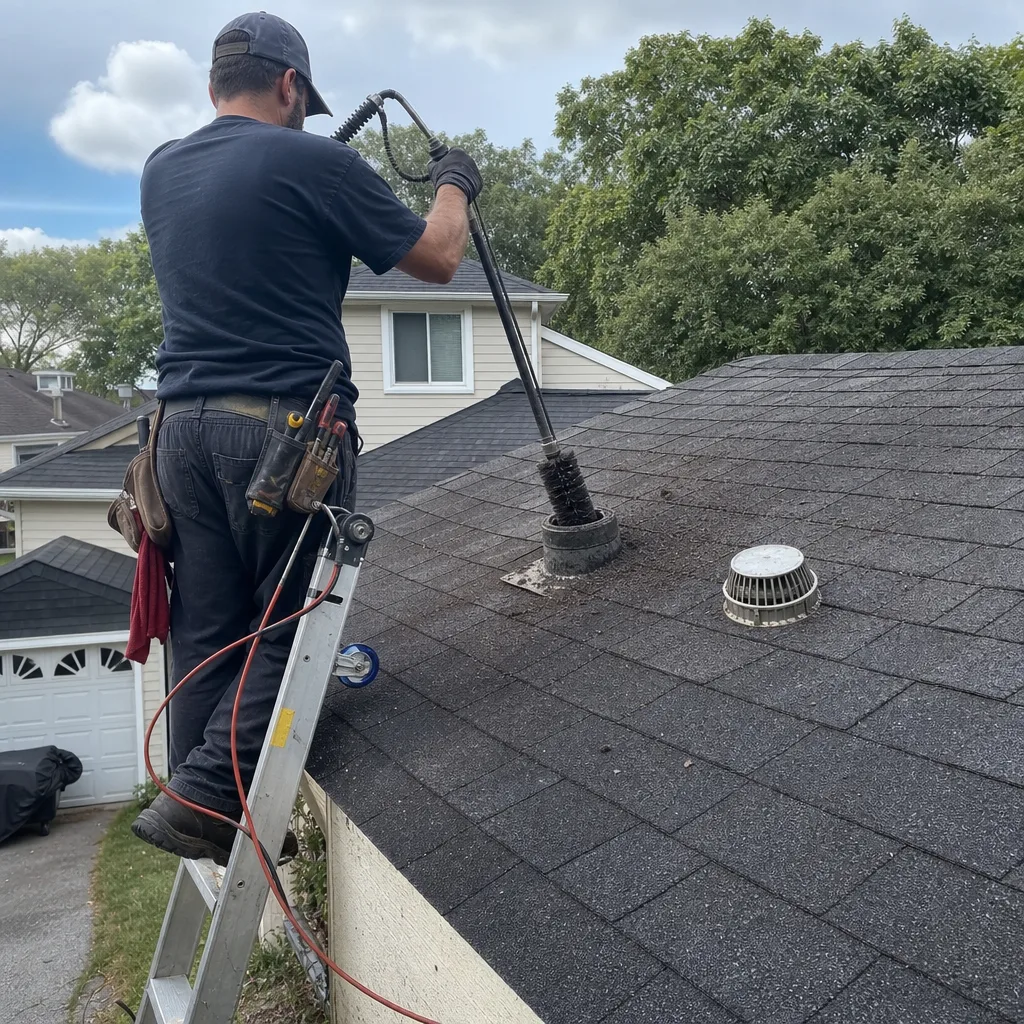
Blower Cleaning
The blower motor pushes conditioned air through every register in your home. When a blower wheel is caked with dust, the system has to work harder to move the same amount of air, and motors in Santa Clarita’s 20-to-40-year-old forced-air systems are already near the end of their design life. We remove the blower assembly, clean the wheel, inspect the motor, and document the results. If your blower is overheating during summer peak load, it’s often a cleanliness problem first.
What happens when you call
- 1
A real person answersNo phone trees - you reach a local pro.
- 2
You get an upfront price rangeHonest numbers before anyone is dispatched.
- 3
A background-checked tech heads outLicensed & insured, dispatched right away.
- 4
You approve before work beginsNothing starts until you say go.
BeforeAfterTrusted Brands We Service in Santa Clarita
We work on every major HVAC brand found in Santa Clarita homes: Carrier, Trane, Lennox, Rheem, Goodman, and York among them. Our equipment roster includes Rotobrush agitation tools, Nikro HEPA extraction units, and Guardsman coil treatments, which matters because Santa Clarita’s dust and smoke conditions require more than a basic cleaning. We carry common consumables for all major brands on the truck, which means less down time for your system during the long cooling season. If your system is 20-40 years old, which is typical for Valencia and Saugus tract builds, we’ll tell you honestly what’s cleanable and what’s due for replacement.
Common HVAC Cleaning Problems We See in Santa Clarita Homes
- Wildfire smoke residue in ductwork: Homes downwind of the Sand, Tick, or Saddleridge fire burn zones often carry a gray-brown, acrid film on duct interiors. Standard dust cleaning protocols don’t touch it; it requires HEPA agitation and extraction.
- Sagging flex duct in older tract homes: Valencia homes built from the late 1960s and Saugus homes from the 1980s-2000s frequently have flex duct that has sagged, kinked, or developed low spots. Dust settles in the kinks, restricts airflow, and contributes to blower motor overheating.
- Desert dust saturation: The Santa Anas carry fine Mojave-edge dust into the valley, and inland conditions mean your system handles more particle loading than coastal systems. Filters and ducts reach saturation faster here, and cleaning intervals need to account for that.
- Condenser coil clogging from chaparral and landscaping: Open land and unpaved roads in the rural parts of Santa Clarita mean fine grit and organic debris accumulate on condenser coils quickly. A clogged condenser runs hot and costs you money every month.
Pricing for HVAC Cleaning in Santa Clarita, CA
A full HVAC cleaning in Santa Clarita runs $380-$680 for most homes. A standalone evaporator coil cleaning is $220-$340. Condenser cleaning runs $150-$280 depending on unit type and access. Blower cleaning is $180-$320. Air handler cleaning sits at $250-$420 based on condition and configuration. What changes the price: home size, number of air handlers, accessibility of the equipment, severity of contamination, and whether duct sealing is needed after a fire event. Every CleanRun job comes with a written price before work starts, under Haven Standard Clause 1. No per-vent pricing, no coupon games. You get a fixed number, in writing, before a single panel comes off. Call (806) 606-6902 for an exact quote on your system.
We Also Serve Cities Near Santa Clarita
Our HVAC Cleaning in Santa Clarita work regularly takes us into Valencia, San Fernando, Chatsworth, and North Hills. If you’re just over the Newhall Pass or along the 14, we can reach you with the same written-price process and photo documentation. Dispatch is coordinated from the Los Angeles office, with crews scheduled for Santa Clarita service runs throughout the week.
Serving Santa Clarita, CA - Our Local Coverage Area
We’re based in the Santa Clarita area and know this community well. Use the map below to see our service coverage - if you’re nearby, we can almost certainly help.
FAQs - HVAC Cleaning in Santa Clarita
If your Canyon Country home was downwind of the Tick Fire burn zone, you should have your HVAC system cleaned every 12-18 months, not the generic 3-5 year interval. The combustion residue left by wildfire smoke binds to coil surfaces and duct interiors differently than ordinary dust, and it re-accumulates faster because Santa Ana winds keep re-suspending fine ash from the surrounding burn area. After the initial post-fire cleaning, we also recommend duct sealing if the smoke event was severe. Call (806) 606-6902 to schedule an assessment with a written price.
That gray-brown acrid residue is fire-ash signature from the Sand, Tick, or Saddleridge fires, settled into your duct system and being pushed out by your blower. Filters cannot remove what is already deposited inside the ductwork and on the coil; only mechanical agitation with HEPA extraction can. Our Rotobrush equipment removes the ash layer from the duct interior, and we then apply Guardsman coil treatment to the condenser to prevent the next Santa Ana dust load from undoing the work. A photo record of the removal is included with every job.
Expect a thorough inspection of the duct condition before any cleaning begins. Flex duct from the late 1960s has often deteriorated, sagged, or developed internal kinks that trap dust and reduce airflow, and cleaning cannot restore degraded material. We’ll photograph the interior, tell you what’s cleanable versus what needs replacement, and give you a written scope with both options. Our air handler and blower cleaning will remove decades of accumulated grime, but damaged duct material is a physical problem, not a cleanliness problem. We’ll show you the difference in photos.
Yes. Wildfire smoke infiltrates homes through attic vents, crawlspace gaps, and the HVAC system’s own fresh-air intake-smoke particles are smaller than the filter media in most residential systems, so they pass through and deposit on the coil, blower, and duct interiors. In a multi-day smoke event like the Sand Fire or Tick Fire, even a tightly sealed home will take in enough particulate to require cleaning. The residue left behind is acidic and can accelerate coil corrosion if left in place. Post-wildfire cleaning should include full HEPA extraction and a coil inspection.
The dust load. Saugus sits in the Santa Clarita Valley, where the geography traps heat and channels Santa Ana winds carrying Mojave-edge dust and chaparral particulate through the area, a far heavier particulate burden than coastal or foothill communities like Burbank or Pasadena experience. Saugus homes also tend to be 1980s-2000s tract builds with long duct runs that have never been professionally serviced. The cleaning interval in Saugus should be shorter, and the equipment used needs to be rated for heavier particulate loading. Call (806) 606-6902 for a written assessment of your specific system.
The Canyon Country Fire-Ash Problem
Santa Clarita sits inside a repeat wildfire corridor. The Sand Fire in 2016 and the Tick Fire in 2019 both burned through Canyon Country, and the Saddleridge Fire in 2019 pushed smoke directly along the 14 Freeway corridor. Each event deposited smoke and fine ash through neighborhoods that were never designed to handle that level of particulate intrusion. What we find now, years later, is a gray-brown, faintly acrid residue coating duct interiors in homes that were downwind of those burn zones. It’s not dust. It’s combustion byproduct mixed with desert particulate, and it behaves differently in a duct system-it bonds to metal and coils, resists standard brush-only cleaning, and re-suspends when airflow changes. Coastal markets like Burbank or Pasadena simply don’t see this. Santa Clarita does, and it recurs every time a fire burns within the valley’s wind corridor.
What We Found in a Canyon Country Home
In a Canyon Country tract home built in the early 1990s, our crew found a gray-brown, faintly acrid residue coating the inside of the supply and return ducts after the home had been downwind of the Tick Fire burn zone. We used a Rotobrush agitation tool with HEPA filtration and negative pressure to remove the fire-ash signature from the air handler, blower motor, and coil, then applied a Guardsman coil treatment to protect the condenser from the next Santa Ana-driven dust load. The homeowner had no idea the residue was there. The photo record showed them exactly what we removed, and why standard filter changes weren’t solving the problem.
Rural Properties Around Santa Clarita Need a Different Schedule
Santa Clarita’s rural perimeter changes the cleaning math. Homes along Bouquet Canyon Road, Sand Canyon Road, and the unpaved stretches near Vasquez Rocks deal with dust loading that tract neighborhoods don’t. Unpaved roads produce a constant fine particulate that infiltrates the air handler every time the system runs, and open land with chaparral and dry grass adds pollen and organic debris to the mix. If you’re on a rural property with a long driveway, the realistic cleaning interval is 12-18 months, not 3-5 years. Wood heat in some rural outbuildings adds creosote-adjacent particulate that settles on coils and blower wheels. We schedule rural Santa Clarita jobs with longer service windows because the drives are longer and the systems often show heavier loading. The written price still applies, and the photo record still comes with every job.
Why Duct Sealing Matters After a Fire Event
Even after a thorough HEPA cleaning, homes downwind of the Sand or Tick Fire burn zones will re-infiltrate with fine ash and desert dust within weeks when Santa Ana winds push through the valley. The reason is simple: flex duct connections loosen over time, and gaps at the plenum or register boots pull attic air directly into the supply stream. We photograph these gaps during every cleaning and offer duct sealing as a separate written scope item. If you’ve lived through a wildfire event and watched the smoke roll through Canyon Country, sealing after cleaning is the only way to keep the next Santa Ana from undoing the work.
The 105-Degree Cooling Season
Santa Clarita summers routinely exceed 105°F, and that means your HVAC system runs almost continuously from May through October. A system that’s clean runs shorter cycles, holds the setpoint, and costs less to operate. A system carrying fire ash, desert dust, and 20 years of deferred maintenance runs longer, overheats the blower, and shortens compressor life. The long cooling season is the real reason cleaning interval matters here: you’re not cleaning a system that runs 3 months a year. You’re cleaning a system that runs 6 months a year at maximum load. That’s the argument for a 12-18 month interval in Canyon Country, Saugus, and the rural perimeter, and it’s an argument backed by what we see in the photo record, not marketing language.
Get a Written Price for HVAC Cleaning in Santa Clarita
Every CleanRun job begins the same way: a written price before any work starts, under Haven Standard Clause 1. No per-vent games, no coupon that turns into a surprise invoice. If you have a competitor’s written estimate, bring it; we’ll put our number next to it in writing under our Free Second Opinion policy. Call (806) 606-6902 to schedule HVAC cleaning in Santa Clarita, Valencia, Saugus, Canyon Country, or any nearby community. A live person answers. You’ll get a documented photo record of every duct run, coil, and blower assembly when we leave. That’s the CleanRun standard since 2013.
Written by Tomas Reyes, Owner at CleanRun Air Duct Cleaning, serving Santa Clarita since 2013.
HVAC Cleaning in Nearby Areas