
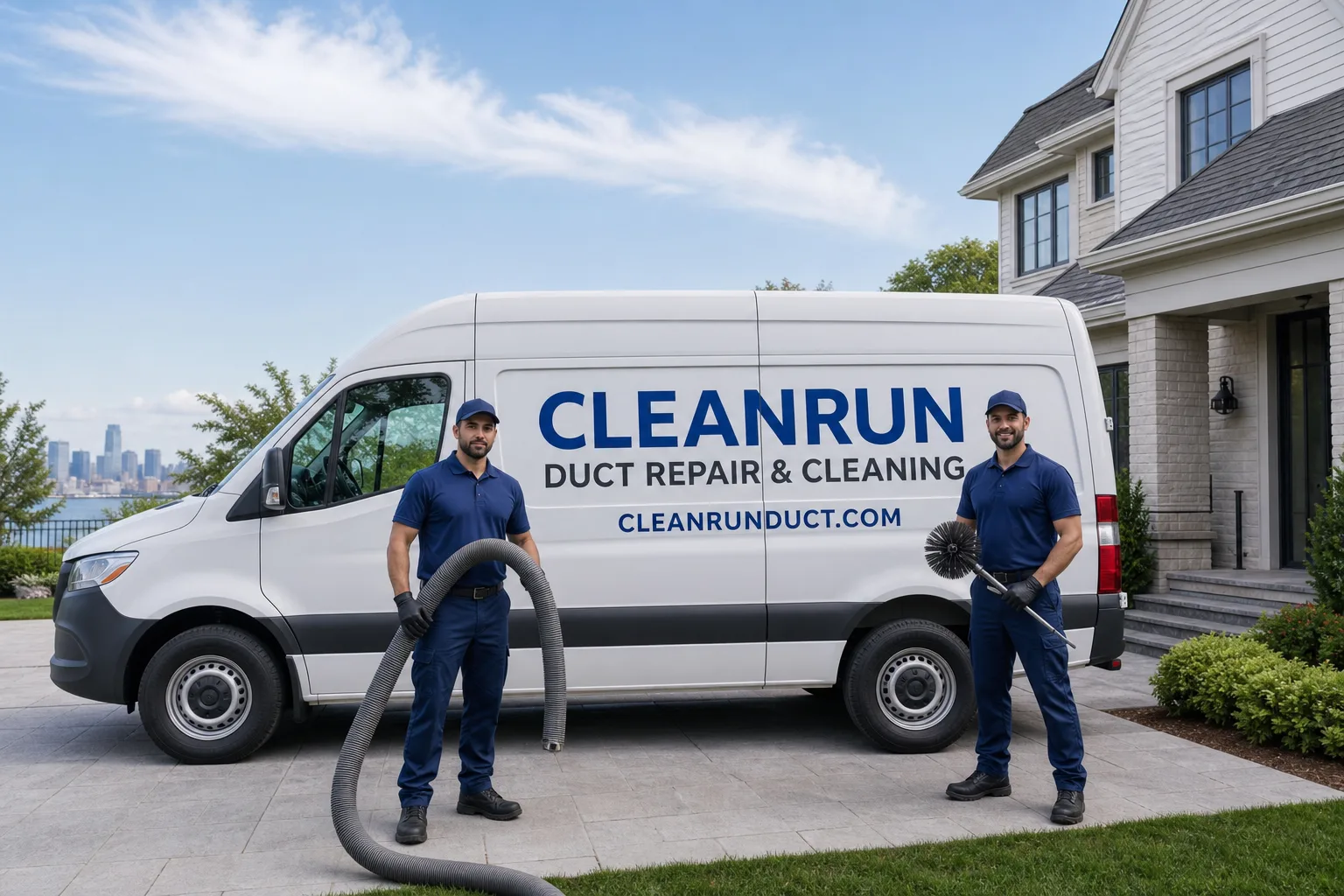
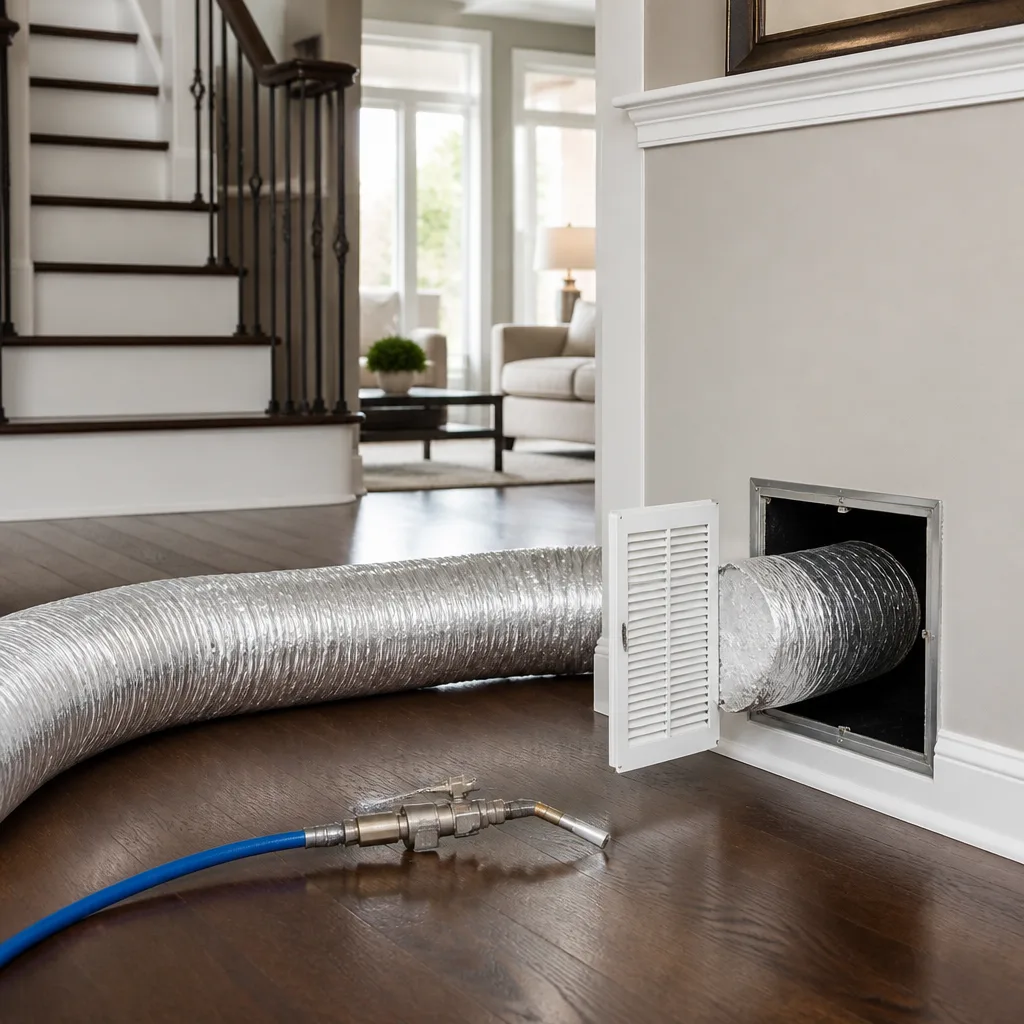
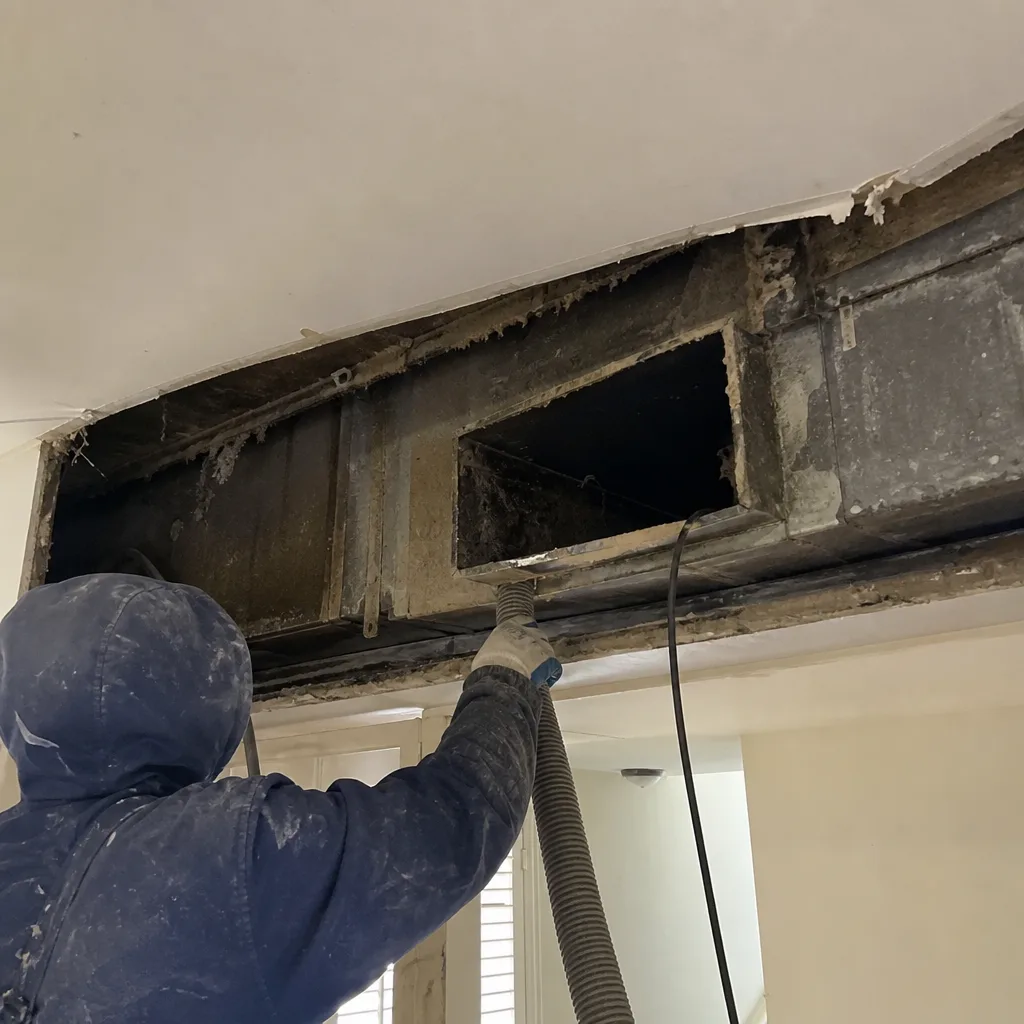
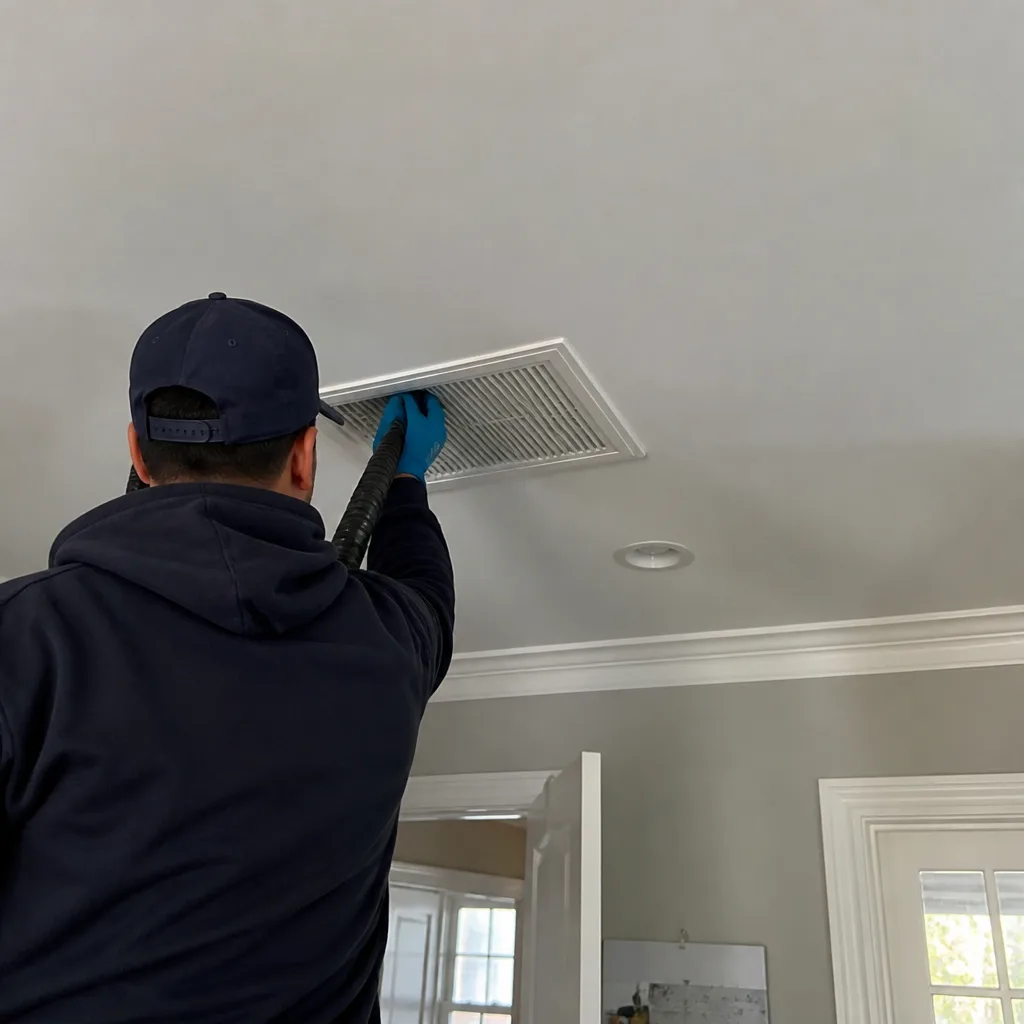
Whole-system duct and dryer vent check with before-and-after photos - you see exactly what came out of your vents
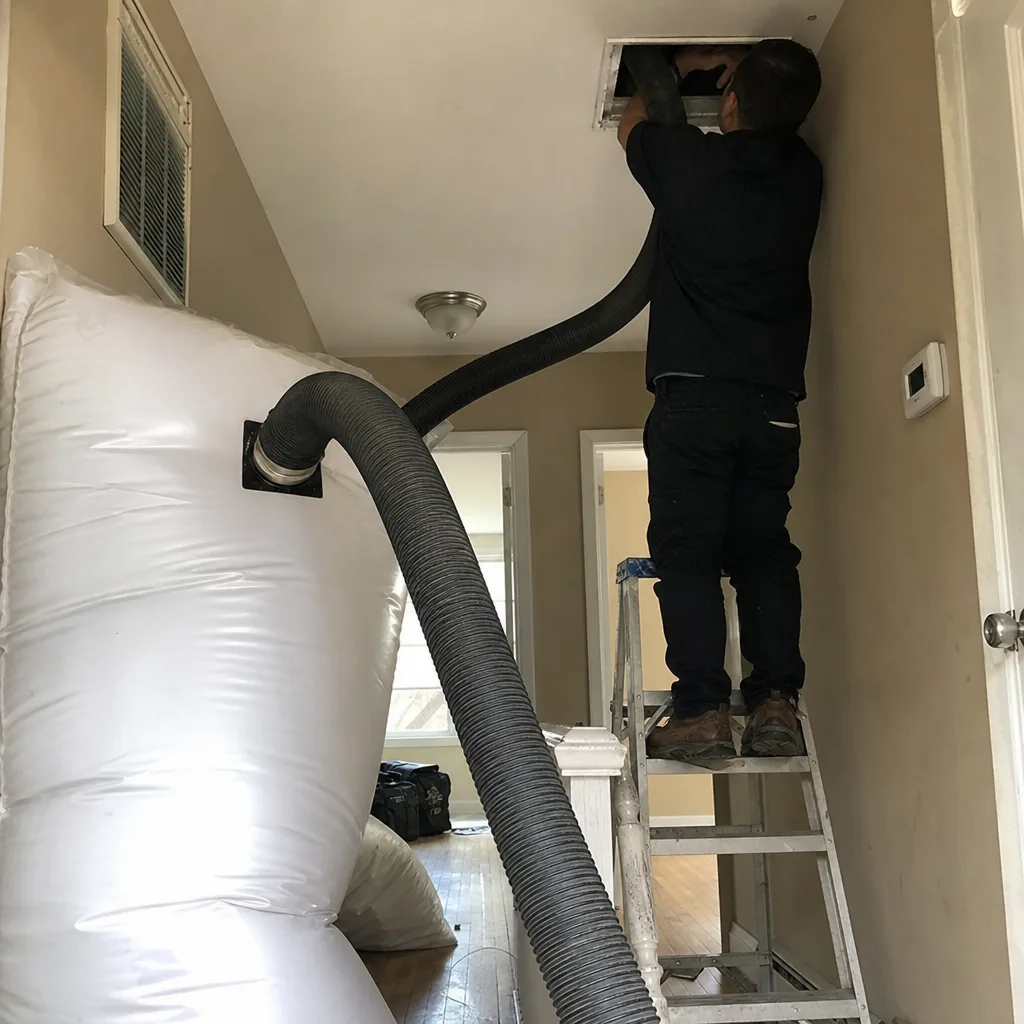
That "$99 whole-house special" is a bait ad - the real number appears once they are in your hallway, or the "clean" is a shop-vac at the register. We photograph the inside of your ducts before and after instead.
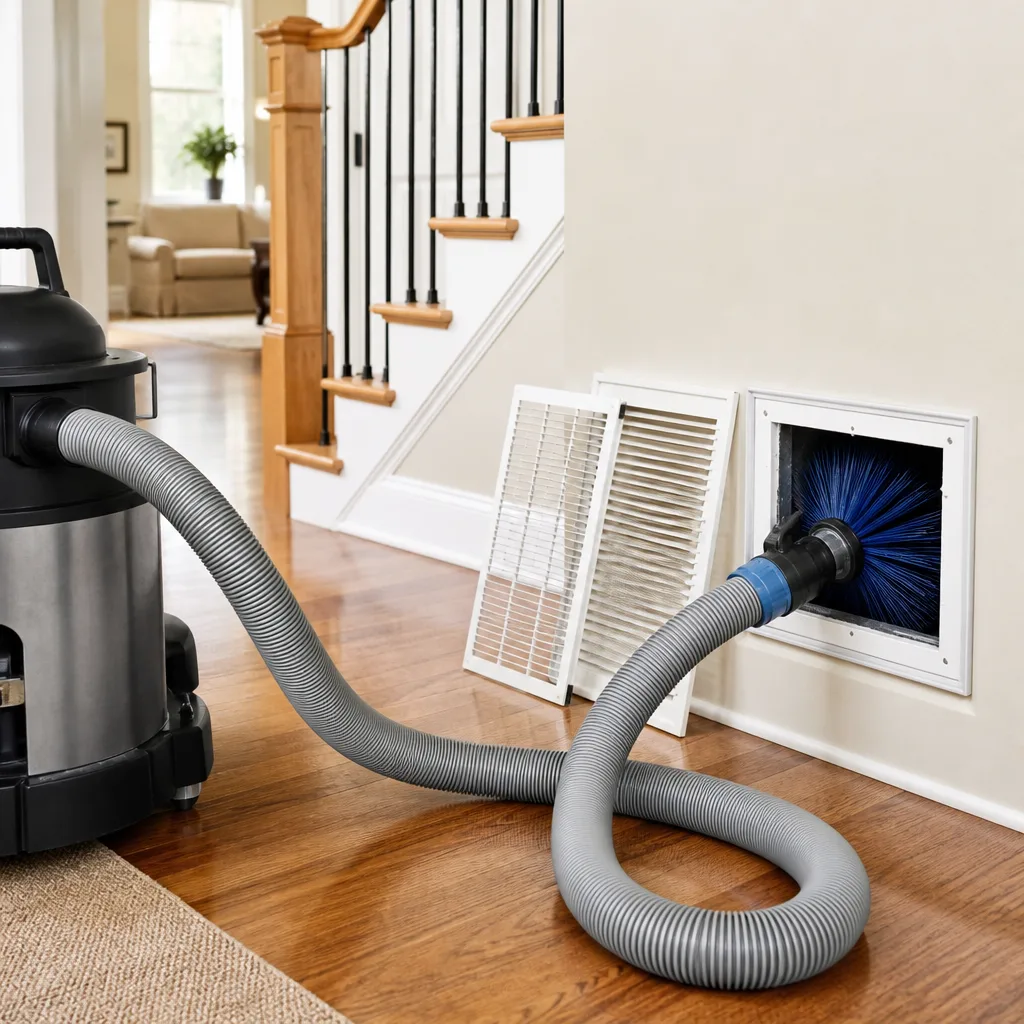
 Before
 After
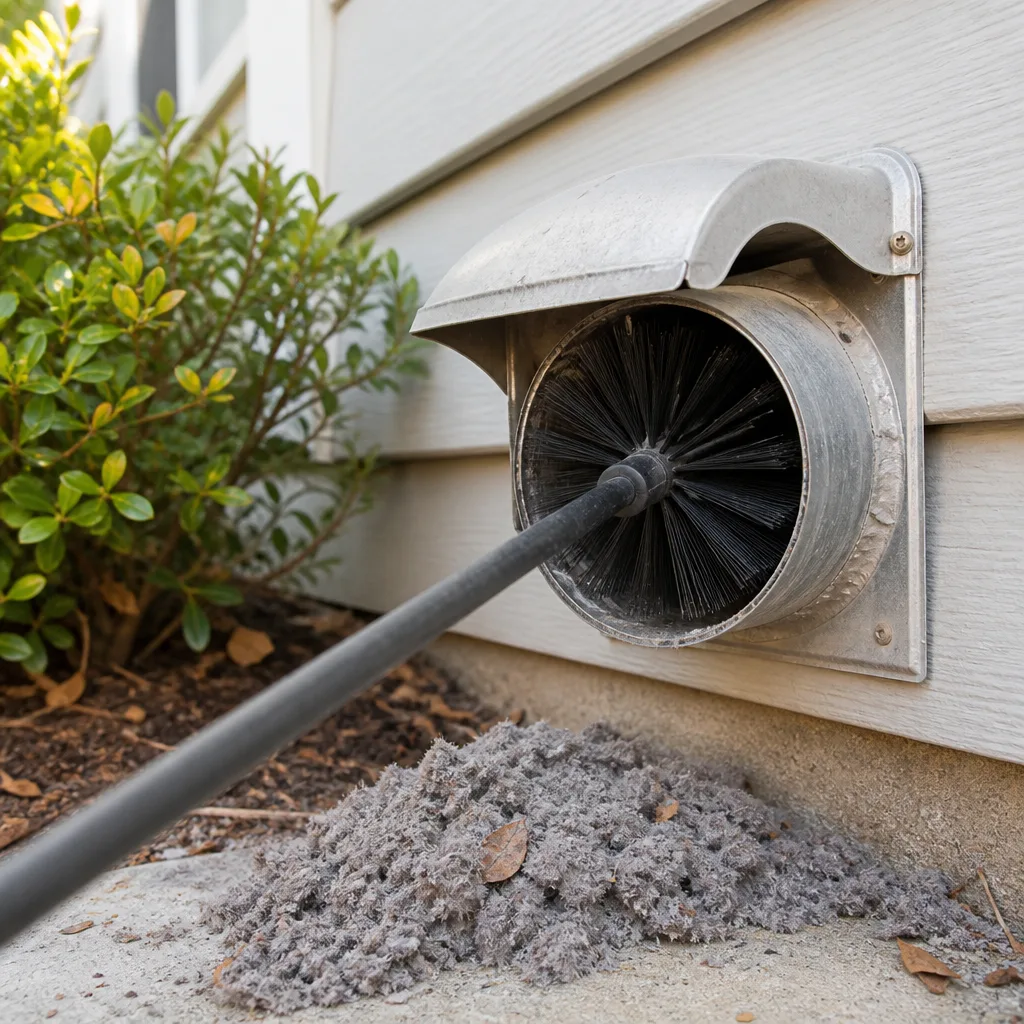
After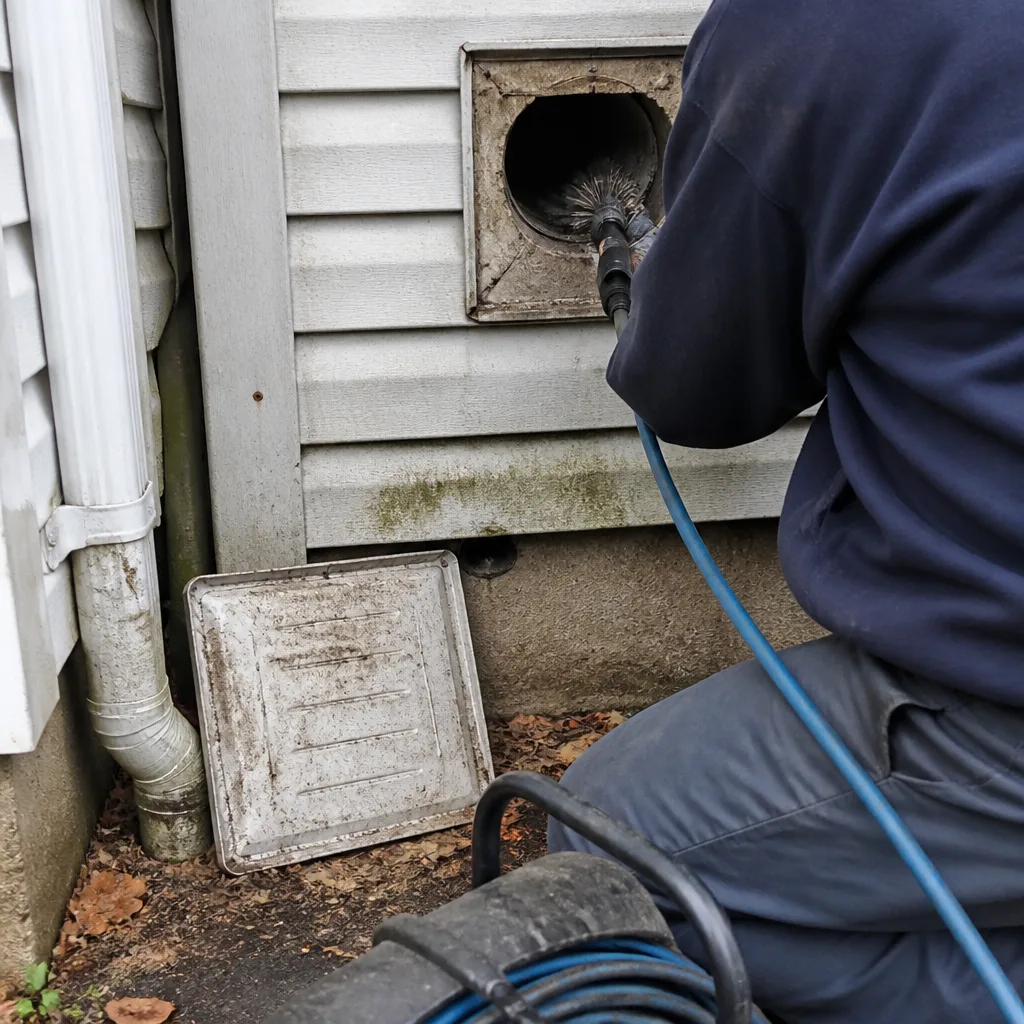 Before
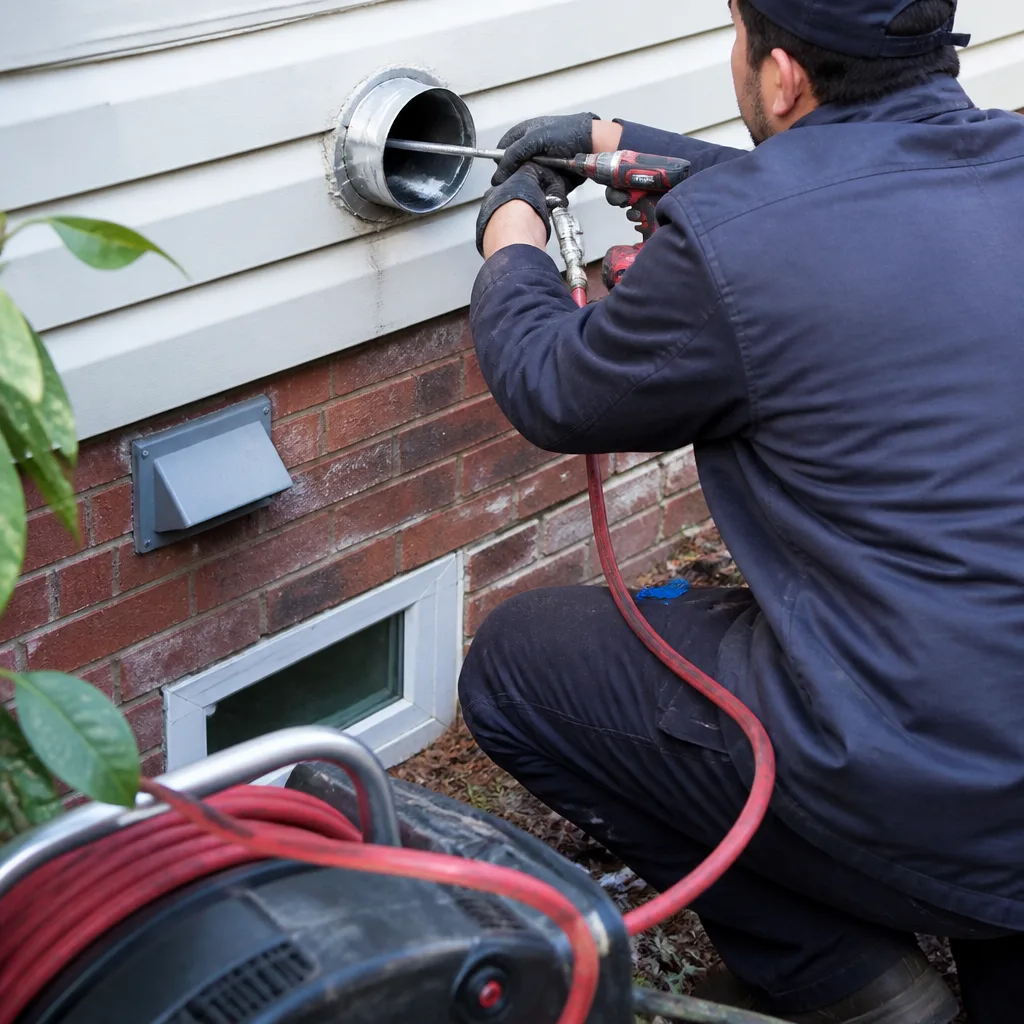 After
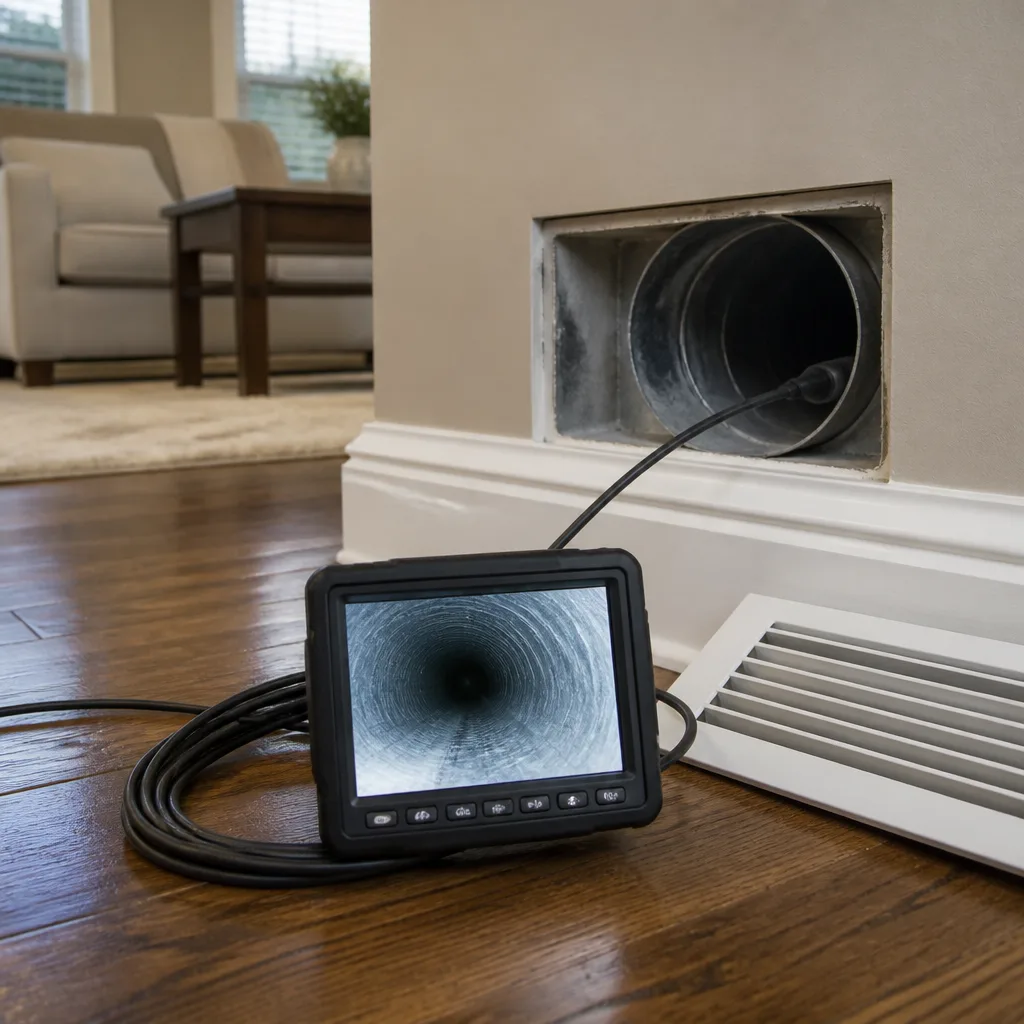
After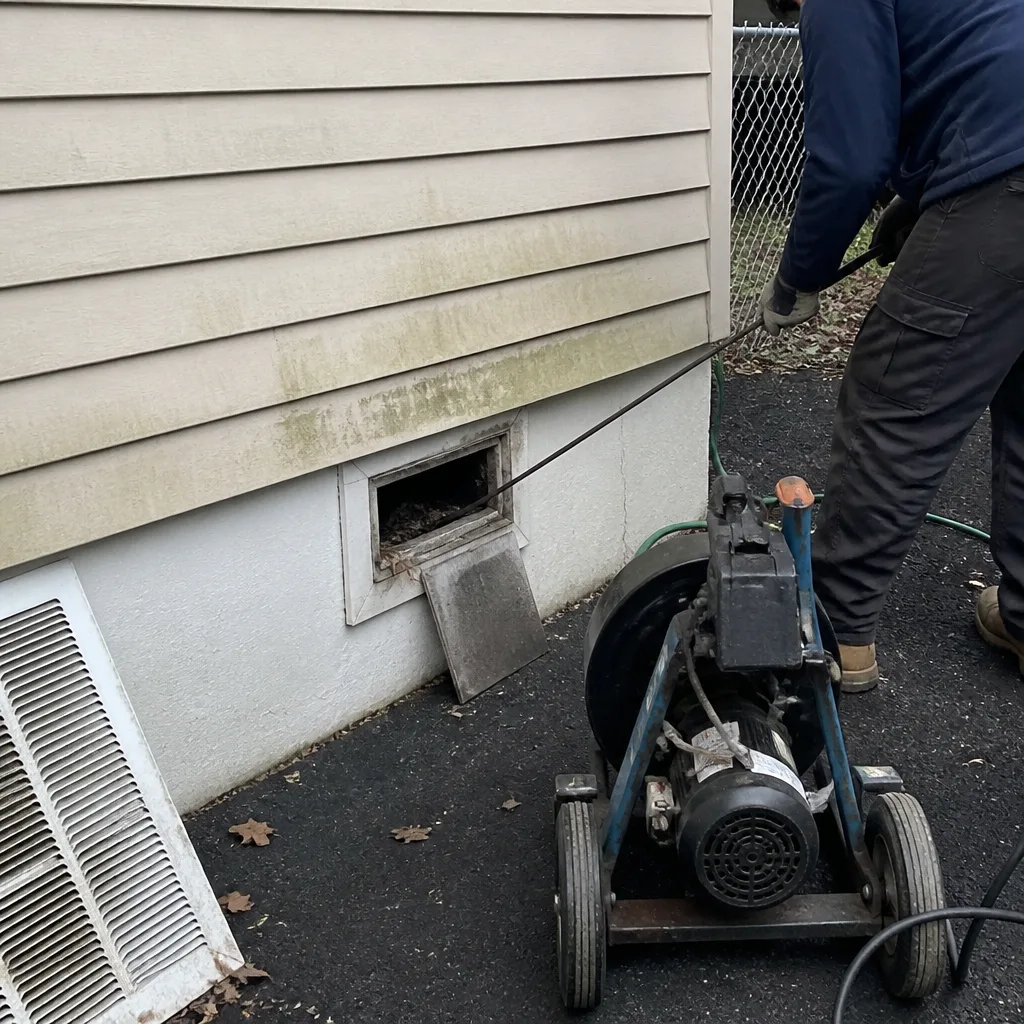 Before
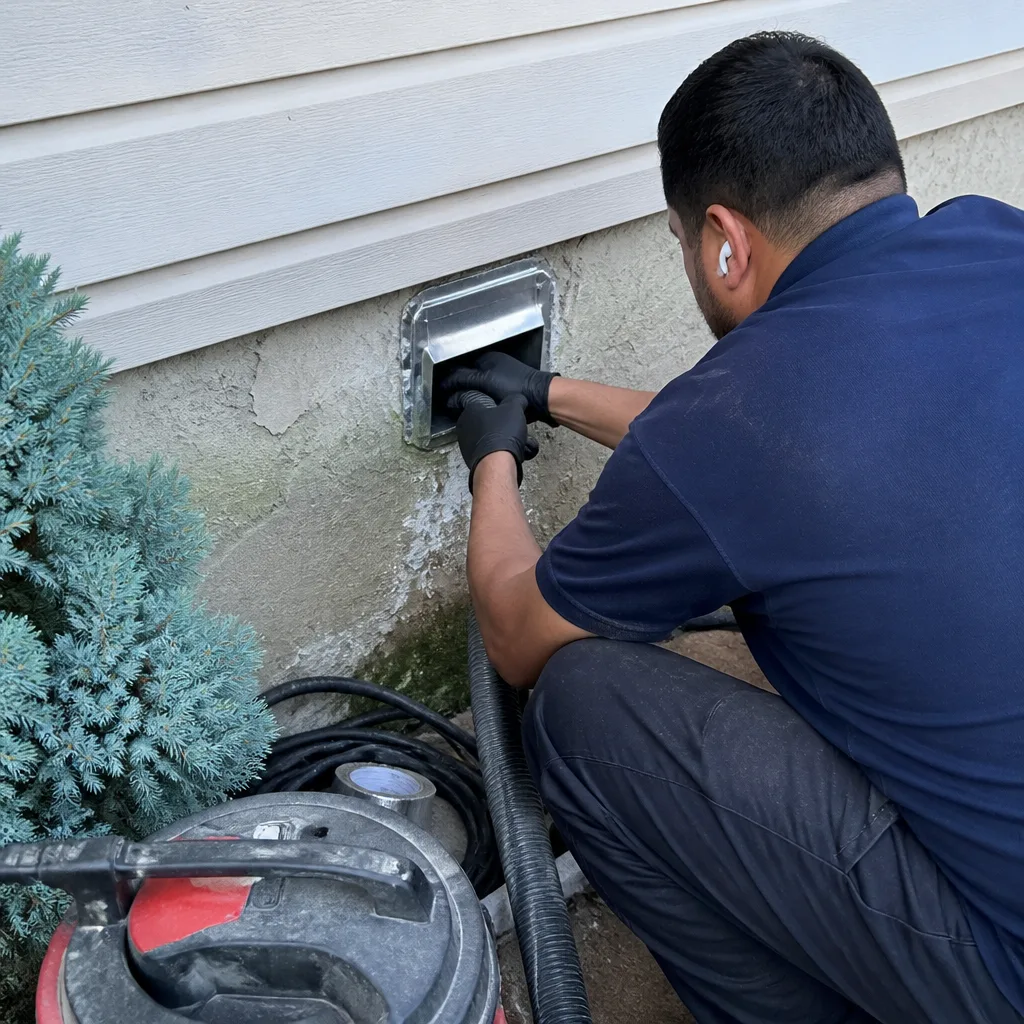 After
AfterFast, Reliable HVAC Cleaning Across Seattle
HVAC cleaning in Seattle typically costs between $300 and $650 for a full system, coil, blower, and plenum clean in a standard single-family home, and most jobs take three to five hours. The price depends far less on square footage than on what has grown inside the ductwork. Seattle’s marine air keeps crawl spaces damp all year, which means the real work here is removing biological contamination from duct runs, not chasing household dust. We’re CleanRun Air Duct Cleaning, and we’ve built our Seattle practice around that specific problem. Call (806) 606-6902 and you’ll get a written price before any work starts, every time.
Why CleanRun Air Duct Cleaning Is Seattle’s Preferred HVAC Cleaning Company
Our crews work Seattle neighborhoods every week, from the hillside homes of Queen Anne to the 1940s bungalows of Ballard and the retrofit-heavy streets of Capitol Hill. That matters because the ductwork under a Fremont craftsman is not the same animal as the ductwork in a newer Renton build. We know which retrofits were squeezed through tight crawl spaces, which runs collect condensation, and which systems show the signature of that rushed June 2021 AC install. Our HVAC Cleaning team includes background-checked, uniformed technicians who are identified by name before arrival, and every job ends with a Documented Photo Record of every duct run, delivered as a standard part of the job record. That practice has been in place since 2013. Tomas Reyes leads our Seattle operations and personally reviews photo records from every job in King County before we call it done.
Seattle homeowners ask us the same question in different words. Can you show me what was actually in there? Yes. We hand you the camera images. The 365-Day Done Right Promise backs that work in writing on every job. If something is not right, we make it right. That promise does not require a manager’s signoff. It is already in the contract.
Our HVAC Cleaning Services in Seattle
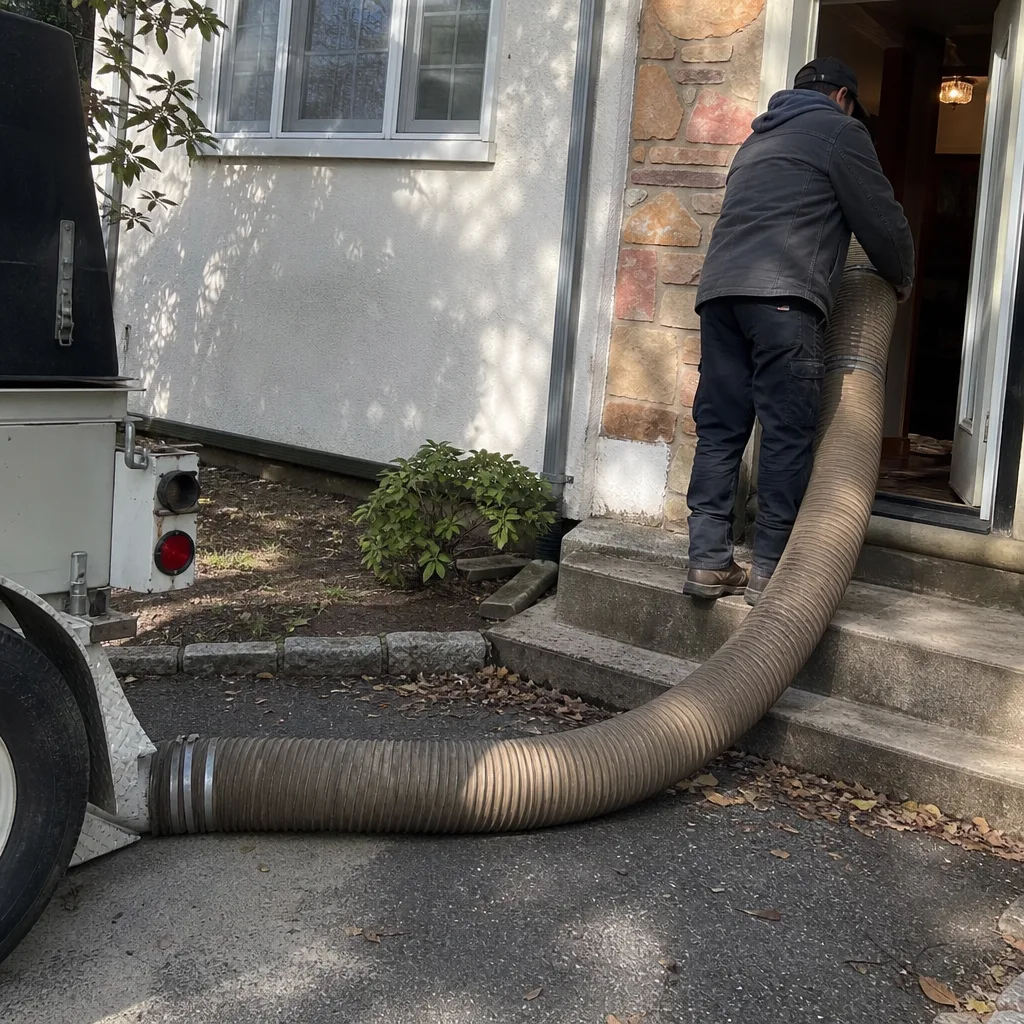
Every system includes the housing, the coil, the blower wheel, and the full length of the duct runs. We quote the whole system as one written price before we touch a vent cover. Here is what each piece of the work involves in a Seattle house.
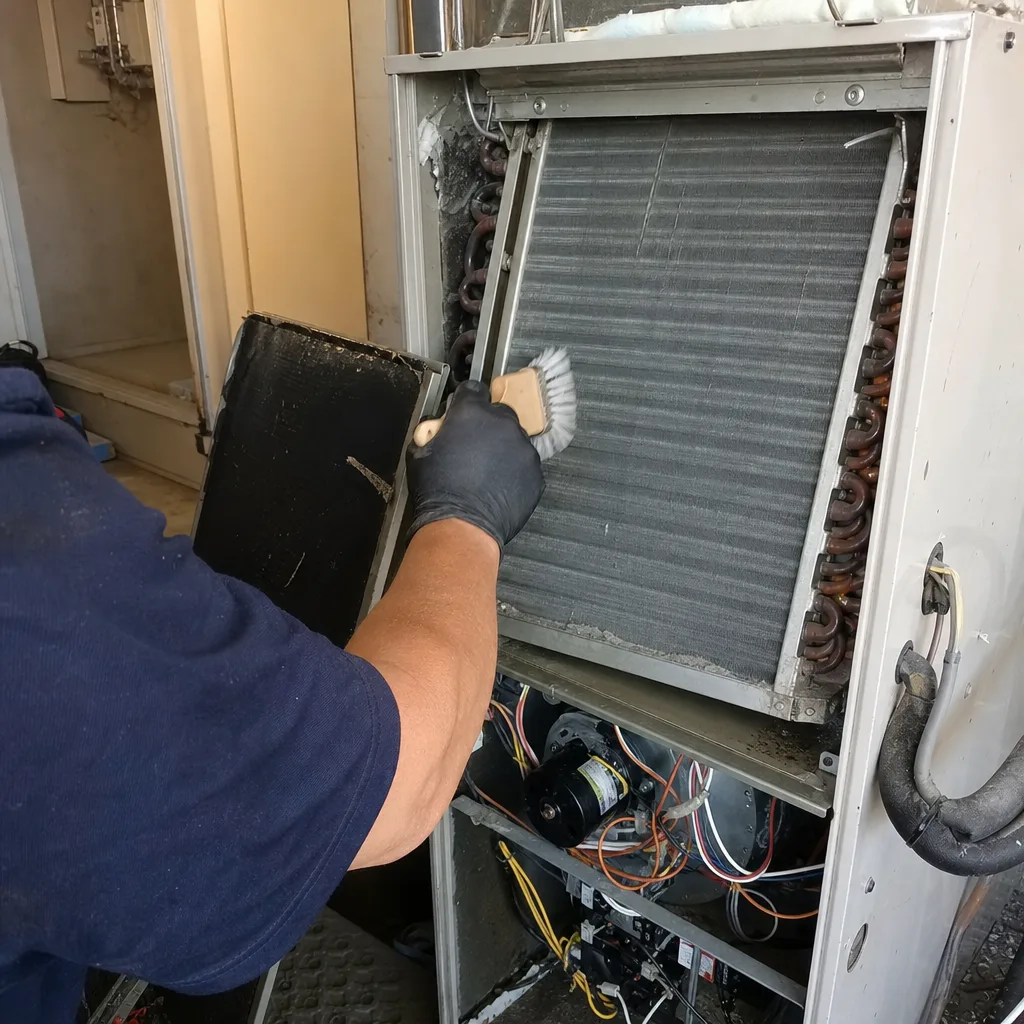
Evaporator Coil Cleaning
The evaporator coil sits inside the air handler, directly in the path of the air your family breathes. In Seattle’s damp air, that coil rarely dries out between cooling cycles, and the constant wet surface collects a biofilm that restricts airflow and feeds whatever is growing in the ducts downstream. We pull the coil out of the housing, clean both sides with professional-grade solutions safe for aluminum and copper fins, and photograph the result. A dirty coil left in place simply recontaminates everything else we clean.
Blower Cleaning
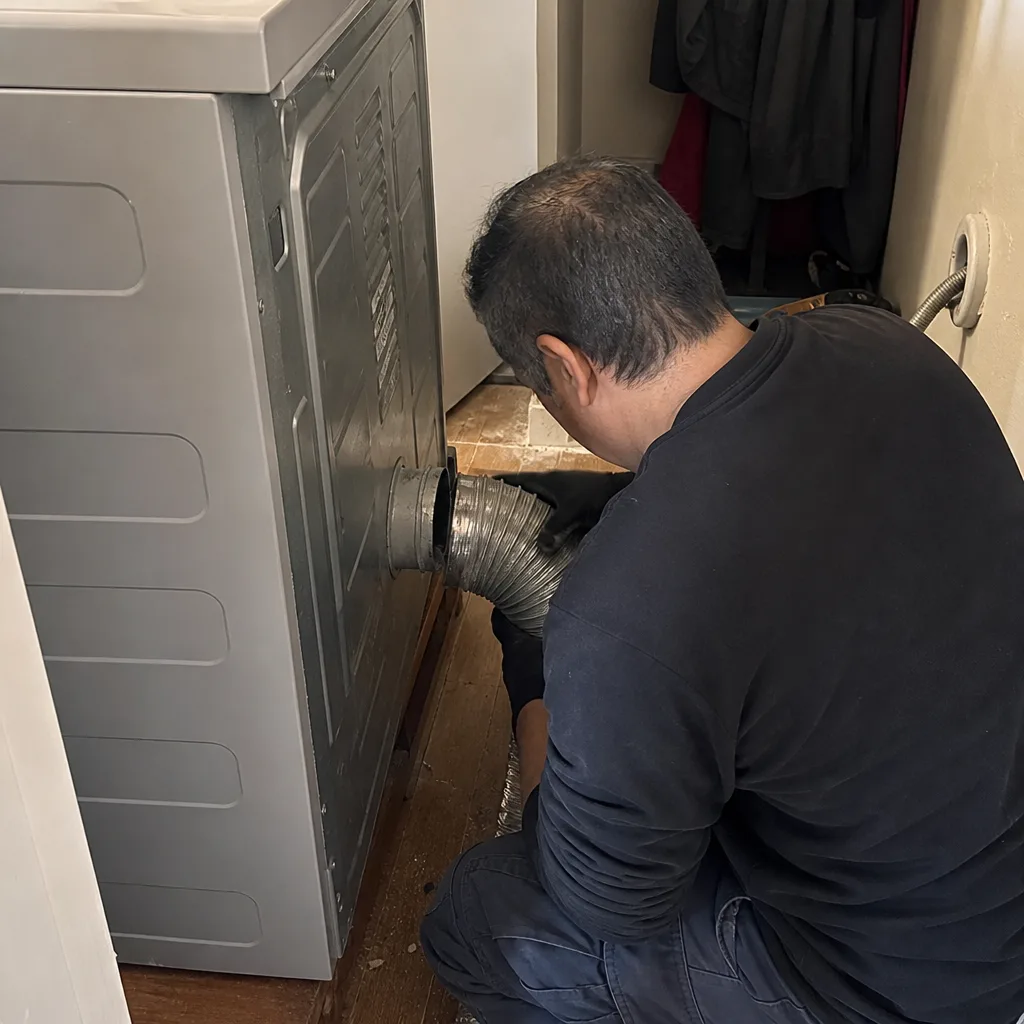
The blower wheel on most Seattle retrofits is a squirrel-cage design with dozens of narrow blades. Once the coil sheds moisture into the airstream, those blades pick up a fine organic paste. That paste reduces airflow, strains the motor, and distributes spores through every register. We remove the blower assembly, clean each blade by hand and with compressed air, and reinstall it with documented before and after photos. This is not a surface wipe. It is source removal.
Condenser Cleaning
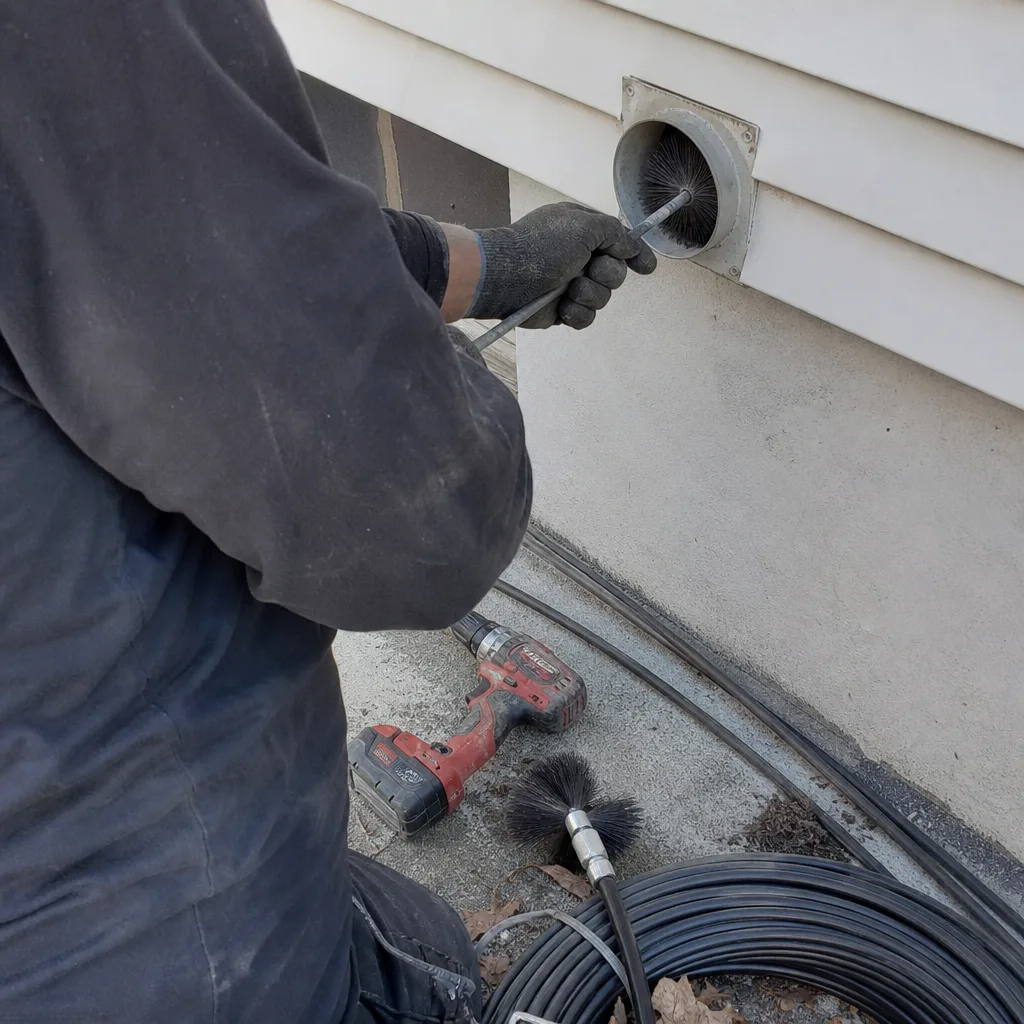
Your condenser lives outside, and in Seattle it fights constant moisture, moss, fir needles, and often a north-side exposure that never sees sun. We clean the fins, straighten any bent sections, and check the coil for the corrosion that marine air accelerates. A fouled condenser makes the whole system work harder, and on the hill streets of Queen Anne and Beacon Hill, that means higher energy bills you can actually measure. We name our equipment because you should be able to verify it. For condenser work we run professional-grade fin combs and coil cleaners from recognized trade brands, not dish soap and a garden hose.
Air Handler Cleaning
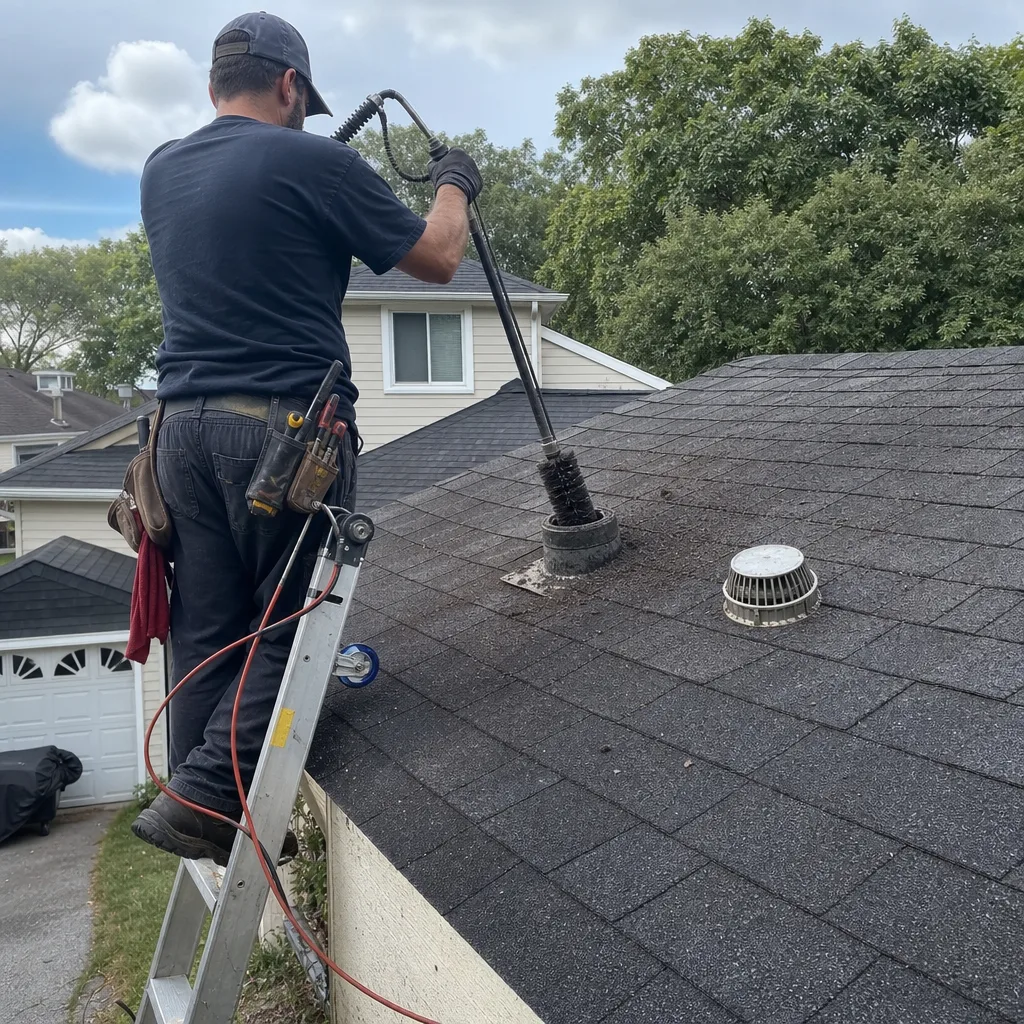
The air handler is the heart of a Seattle retrofitted system. Many of the pre-1950s homes in Wallingford and Greenwood were built with radiant heat and no ductwork at all, so when central air went in, the handler was fitted into a closet, an attic nook, or a crawl-space corner that was never designed for it. That means poor drainage, standing water in the drain pan, and a steady source of humidity even when the furnace is not running. We clean the full handler interior, including the drain pan, the blower housing, and the condensate line, and we verify the drain is flowing before we close the panel. A handler that is not cleaned is the reason mold comes back after a duct-only clean.
Coil Treatment
After the coil is mechanically cleaned, we apply a coil treatment that is not a fog-and-go. The treatment we use is rated for HVAC coils, applied after the surface is clean, and documented in the job record. In Seattle’s moisture load, the value of coil treatment is not cosmetic. It slows the re-formation of biofilm on a surface that will be wet again within days. We stock coil treatment products appropriate for Seattle’s conditions. If the coil is clean but the source of moisture is never addressed, treatment alone will not hold, and we tell you that before we sell you anything.
What happens when you call
- 1
A real person answersNo phone trees - you reach a local pro.
- 2
You get an upfront price rangeHonest numbers before anyone is dispatched.
- 3
A background-checked tech heads outLicensed & insured, dispatched right away.
- 4
You approve before work beginsNothing starts until you say go.
BeforeAfterTrusted Brands We Service in Seattle
We service and work alongside equipment from Honeywell, Aprilaire, and Abatement Technologies, among other trade-recognized manufacturers. We name them because you should be able to look up what we use before you agree to a price. Our Seattle-based technicians carry parts and filtration media for the common systems installed in this market, which keeps most jobs to a single visit. We do not stock obsolete parts for equipment that should be replaced, and we will tell you the difference in writing.
Common HVAC Cleaning Problems We See in Seattle Homes
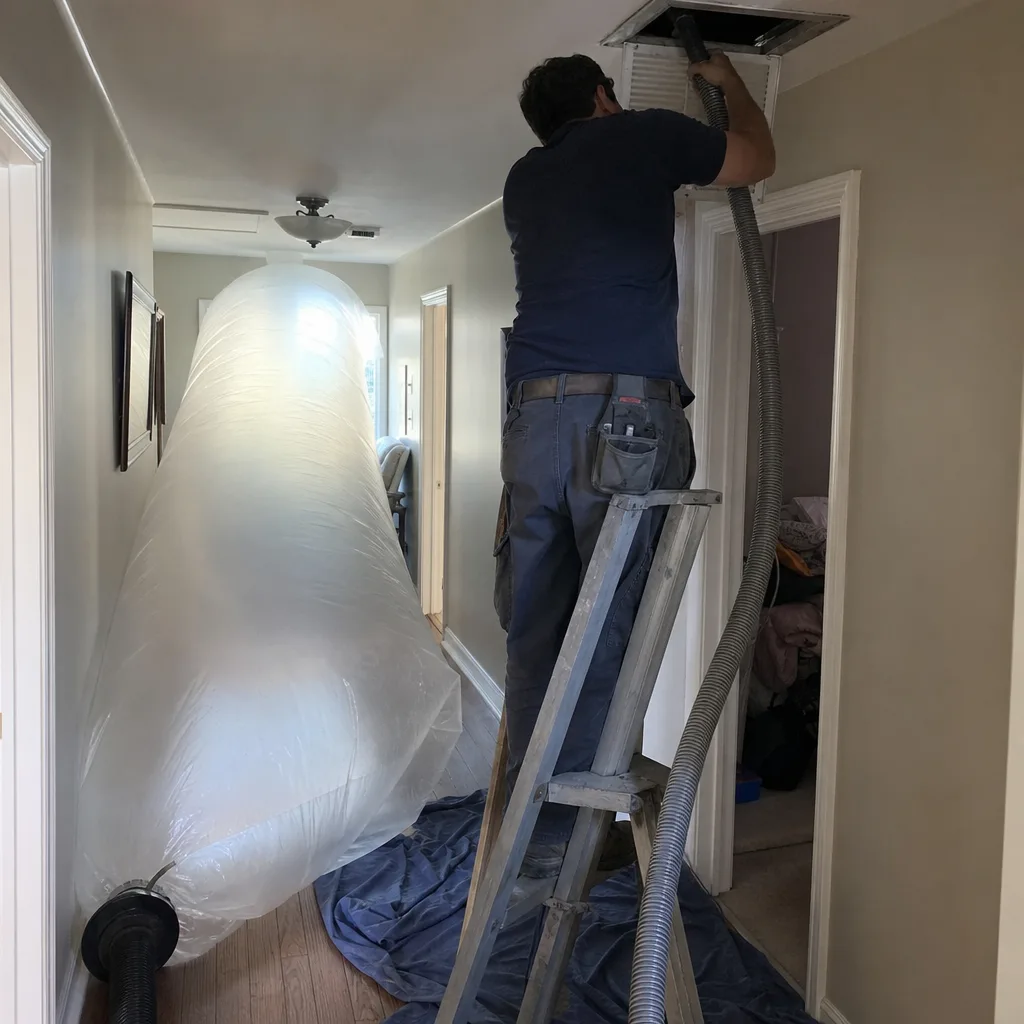
- Mold in flex duct below the floor. Seattle’s widespread crawl-space foundations put ductwork directly above perpetually damp soil. Our crews find actively moldy flex duct in crawl spaces more often than in the living areas of the house.
- Retrofit ductwork that was never sealed. Many homes built before 1950 had no forced air originally. The ductwork added later was often routed through tight, unconditioned spaces, and the connections leak humid air into the system from the crawl space or attic.
- Bio-fouled evaporator coils recontaminating clean ducts. We have documented cases where a homeowner paid for duct cleaning, then had the coil and blower done by us a year later because the original company never touched the air handler and the mold came right back.
- Fogging sanitizer residue over a living problem. Some companies sell a fogging service instead of source removal. Fogging dead mold and leaving it in the ducts means dead spores that become airborne when a renovation or a pressure change disturbs them. We have photographed the aftermath in Seattle homes where the fog was the entire service.
In a 1940s home in Ballard, our crew pulled a supply register and found the flex duct saturated from below, with black mold creeping along the inner liner. Using a Rotobrush with negative pressure and HEPA filtration, we performed source removal on all supply and return ducts, then recommended crawl-space encapsulation to stop the moisture at its source before it recolonized the air handler. That is the job. The photo record from that visit shows the before state, the work, and the after state in every single run.
Pricing for HVAC Cleaning in Seattle, WA
Seattle pricing runs higher than drier inland markets for a simple reason: the work is different. A full-system clean that includes evaporator coil, blower, air handler, and all duct runs in Seattle typically costs between $300 and $650 for a standard single-family home with one system. Homes with extensive crawl-space contamination, multiple systems, or retrofit ductwork that requires access panel removal fall between $500 and $850. We never quote per-vent pricing. You get one written price for the entire system, agreed before we start, under Haven Standard Clause 1. That written price is not an estimate subject to change after the van is in your driveway. If you have a written estimate from another Seattle company, bring it. We will put our own number next to it in writing, at no charge. Call (806) 606-6902 for a free estimate.
What changes the price is what the camera finds. A 3-inch debris build-up at the first elbow is a cleaning problem. Mold migrating through the liner from a saturated crawl space is a remediation problem with a different scope. We will show you the images and explain the difference in plain language before you decide anything.
We Also Serve Cities Near Seattle
Our crews cover Seattle and the surrounding King County communities, including Bellevue, Kirkland, Redmond, and Renton. The crawl-space and humidity picture changes from one city to the next, but the playbook does not. Every job gets a written price and a documented photo record, no matter which side of the lake it is on.
Serving Seattle, WA - Our Local Coverage Area
We’re based in the Seattle area and know this community well. Use the map below to see our service coverage - if you’re nearby, we can almost certainly help.
FAQs - HVAC Cleaning in Seattle
Mold returns in Seattle ducts because the moisture source was never addressed, and in nearly all local cases that source is the crawl space beneath the home. Seattle’s relative humidity regularly exceeds 80% through the overcast season, and roughly 37 to 38 inches of annual rain keeps the soil under your house damp all year. If a company cleans the visible ducts but leaves the damp crawl-space ducts untouched, or cleans without recommending source control, the mold will recolonize within one rainy season. A proper Seattle HVAC cleaning removes the biological growth and then tells you plainly what must happen to the crawl space. If a company will not discuss encapsulation or drainage, they have not solved your problem. Call (806) 606-6902 to talk through what is actually happening under your house.
No, not by itself. A fogging sanitizer kills surface mold but leaves the dead spores in place, and in Seattle’s damp ducts those dead spores become airborne whenever airflow or pressure changes disturb them. The only genuine solution is source removal first: remove the contaminated material mechanically, clean the coil and blower so they cannot recontaminate the system, then address the moisture source. We do apply coil treatment after mechanical cleaning, but it is never a substitute for removing the growth. A fog-and-go in a Seattle crawl-space home is money spent on a smell, not a fix.
Yes. A large share of Seattle’s pre-1950s craftsman bungalows in Ballard, Fremont, Wallingford, and Capitol Hill were built with radiant or baseboard heat and no ductwork at all. The forced-air systems were retrofitted later, often routed through crawl spaces and unconditioned areas never designed for duct runs. These systems are frequently undersized, poorly sealed, and more exposed to the damp soil air than anything built new. Cleaning them requires access points, inspection of every seam and connection, and often a recommendation to seal or encapsulate the crawl space. A standard visual register check will not find what is wrong in these homes. Our camera inspection covers every run, including the ones you cannot see without removing panels.
The June 2021 heat dome triggered a wave of rushed AC retrofits into Seattle homes that had never been designed for cooling, and much of that new ductwork was installed quickly and without proper sealing. The result is ductwork that draws humid crawl-space air directly into the living envelope, wetting the ducts from the inside and accelerating mold growth. We see the signature constantly: relatively new flex duct already showing biological growth within two to three years of install. Our cleaning process addresses the contamination, but we also inspect the new duct connections and will write down what we find so you can go back to the installer with documentation.
You should see the inside of every duct run before and after, on camera, with the images delivered to you as part of the job record. A proper inspection in Seattle includes the plenum, the return and supply runs, the register boots, the coil, and the blower wheel. You should see debris build-up measured, biological growth identified, and the condition of the duct liner documented. If a company will not show you the inside of your ducts before and after, you have no way to distinguish real source removal from vacuum noise. This is the foundation of our Documented Photo Record, included on every CleanRun job since our first one in 2013. Call (806) 606-6902 and ask for the camera. It is already in the truck.
Call CleanRun for HVAC Cleaning in Seattle
You should not have to guess whether your ducts were actually cleaned. You should be able to see it. Our Seattle crews bring the camera, the negative-pressure extraction equipment, and a written price that is locked before any panel comes off. Every job is backed by the 365-Day Done Right Promise. If you have a written estimate from another Seattle company, bring it and we will put our number next to it in writing, free. Call (806) 606-6902 to schedule your HVAC cleaning in Seattle, or to talk through what the camera found in another company’s report.
Written by Tomas Reyes, Owner at CleanRun Air Duct Cleaning, serving Seattle and King County with documented HVAC cleaning since 2013.
HVAC Cleaning in Nearby Areas