

Whole-system duct and dryer vent check with before-and-after photos - you see exactly what came out of your vents
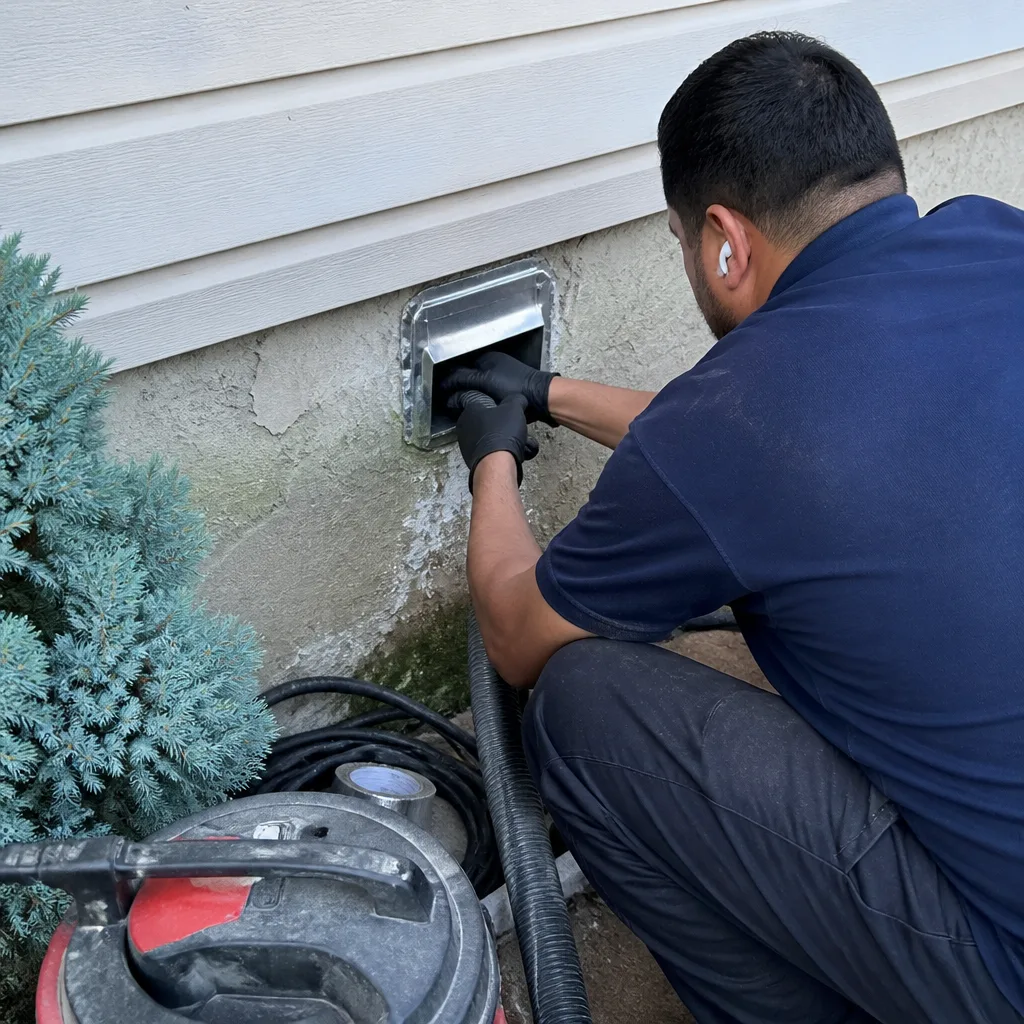
That "$99 whole-house special" is a bait ad - the real number appears once they are in your hallway, or the "clean" is a shop-vac at the register. We photograph the inside of your ducts before and after instead.
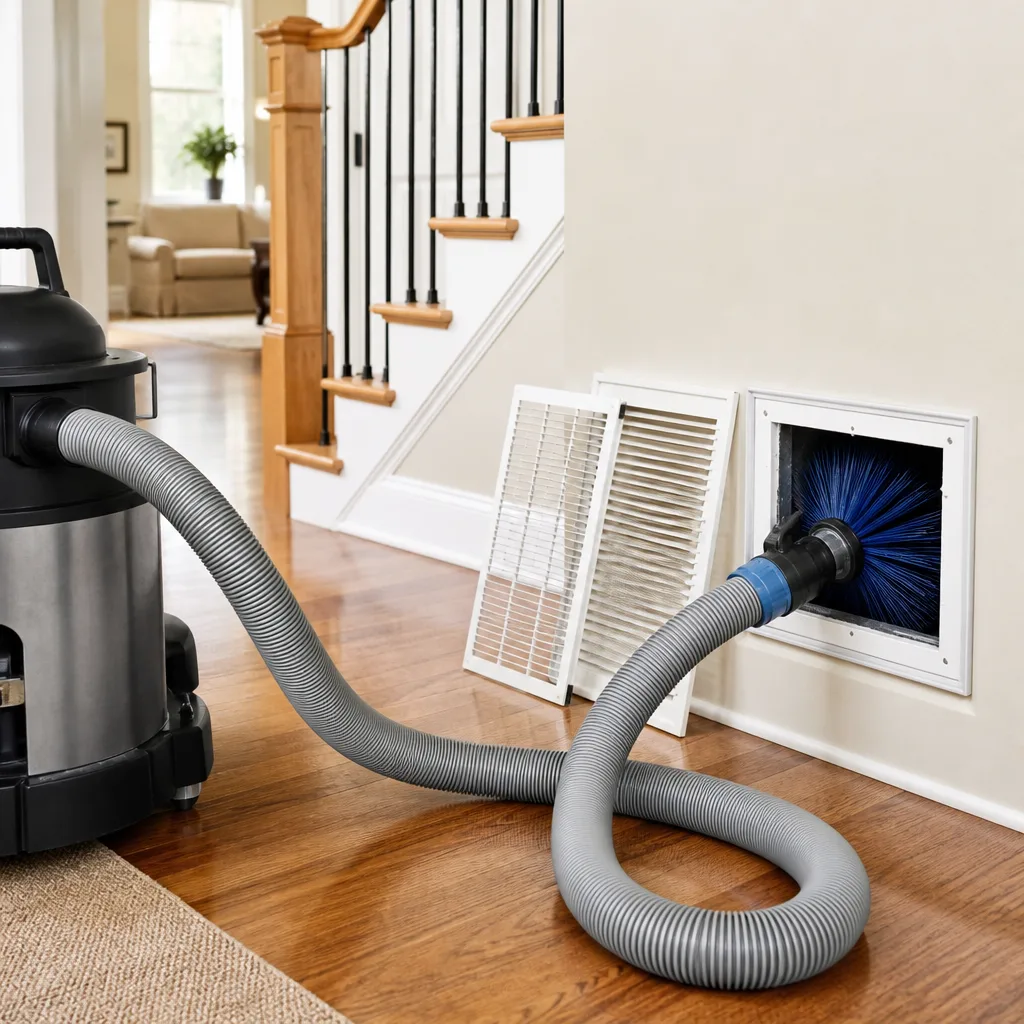
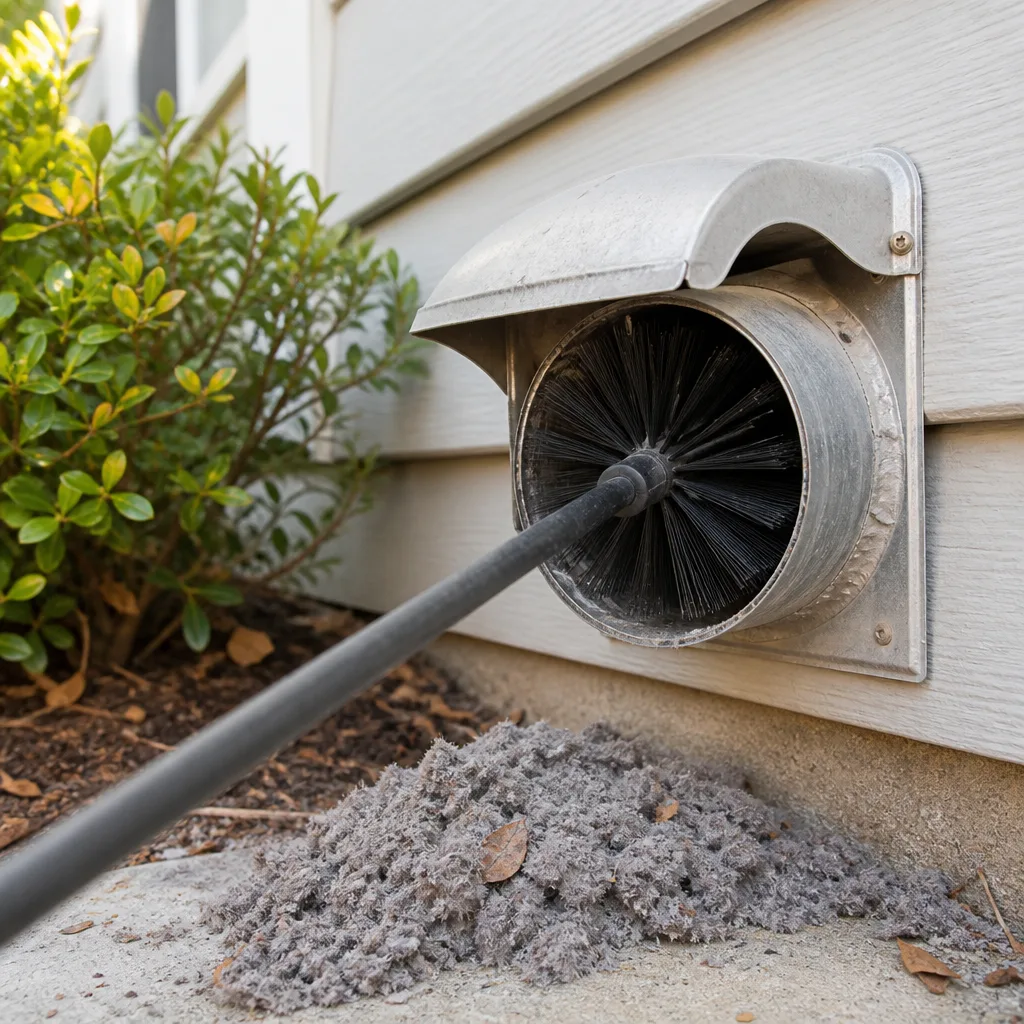
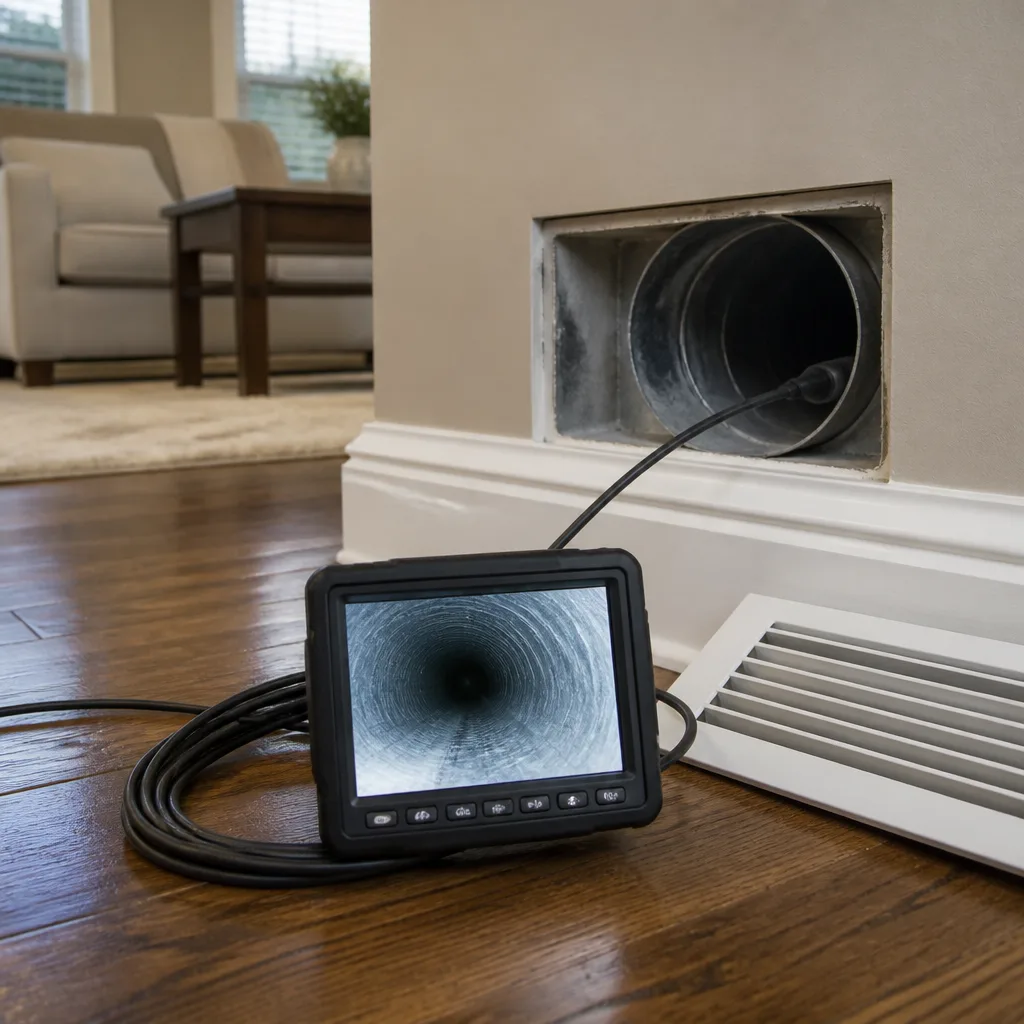
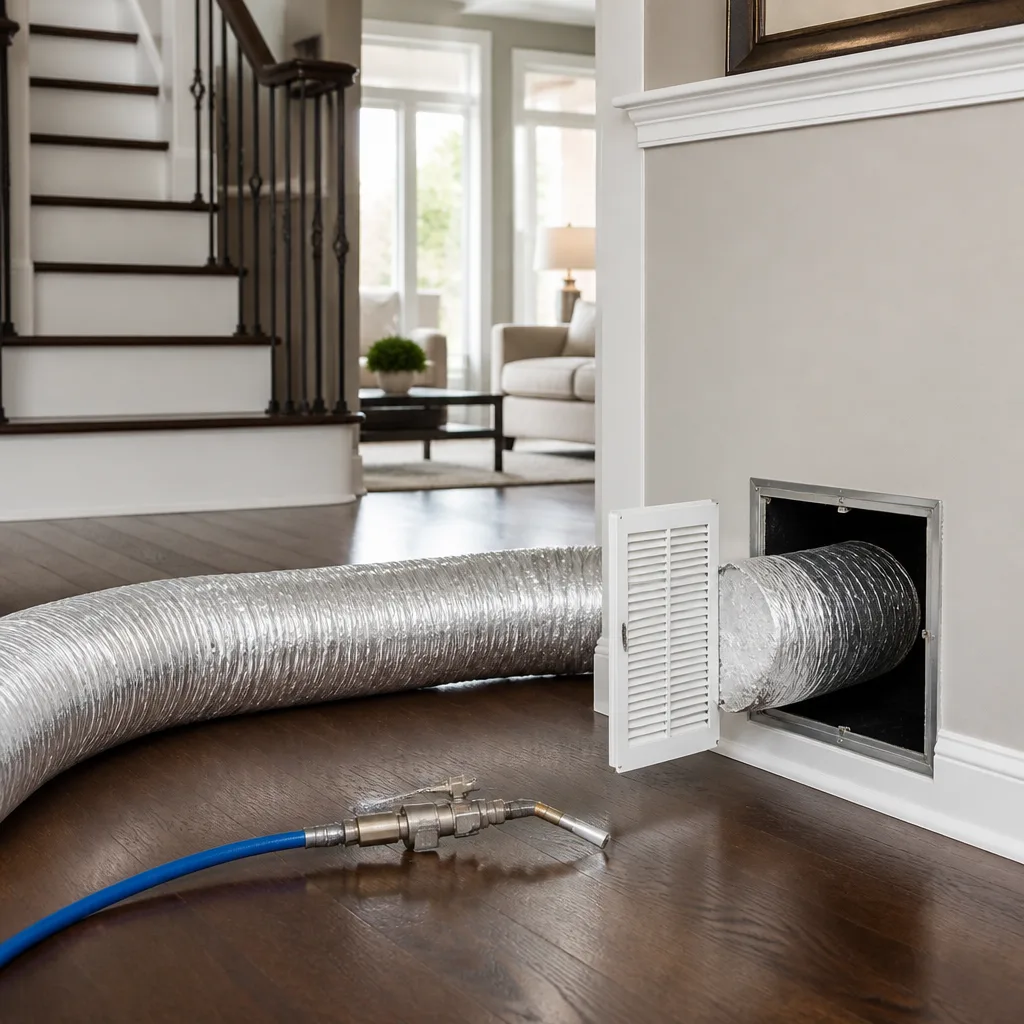
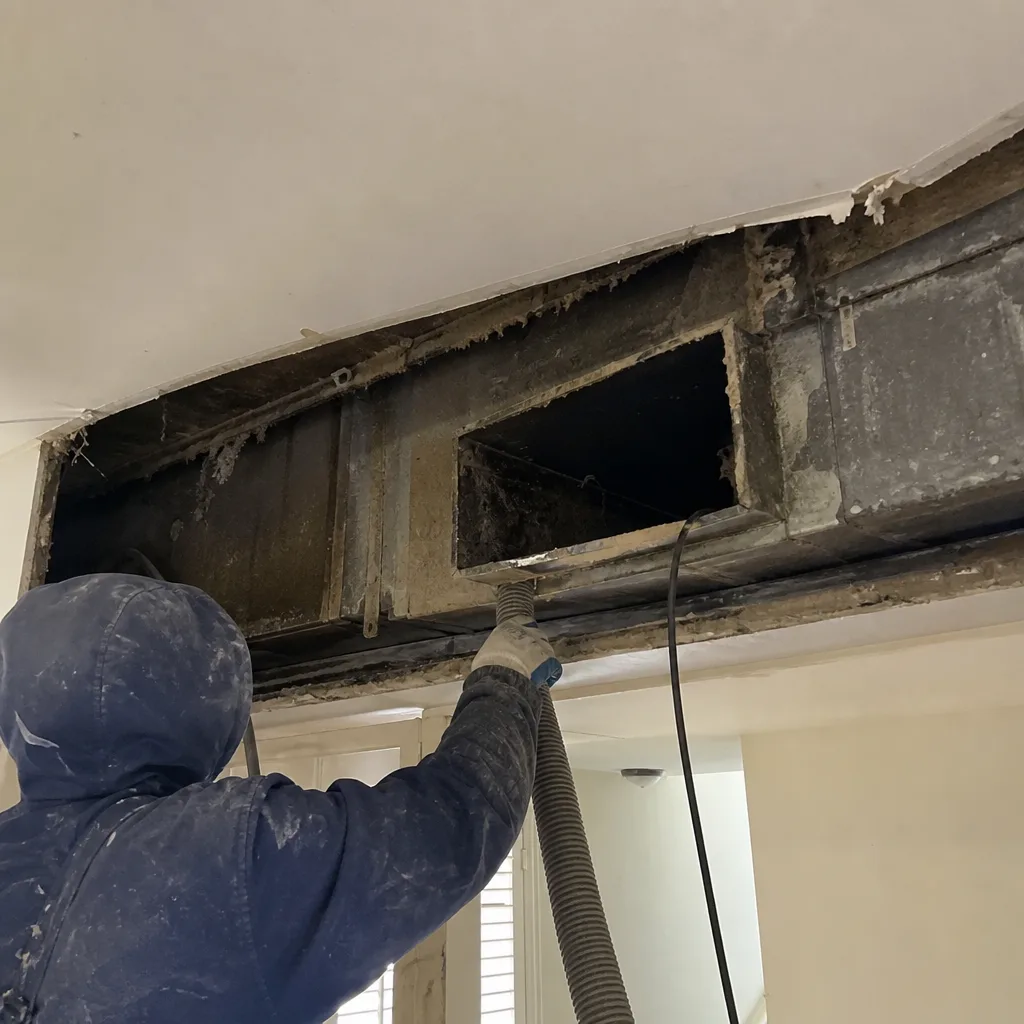 Before
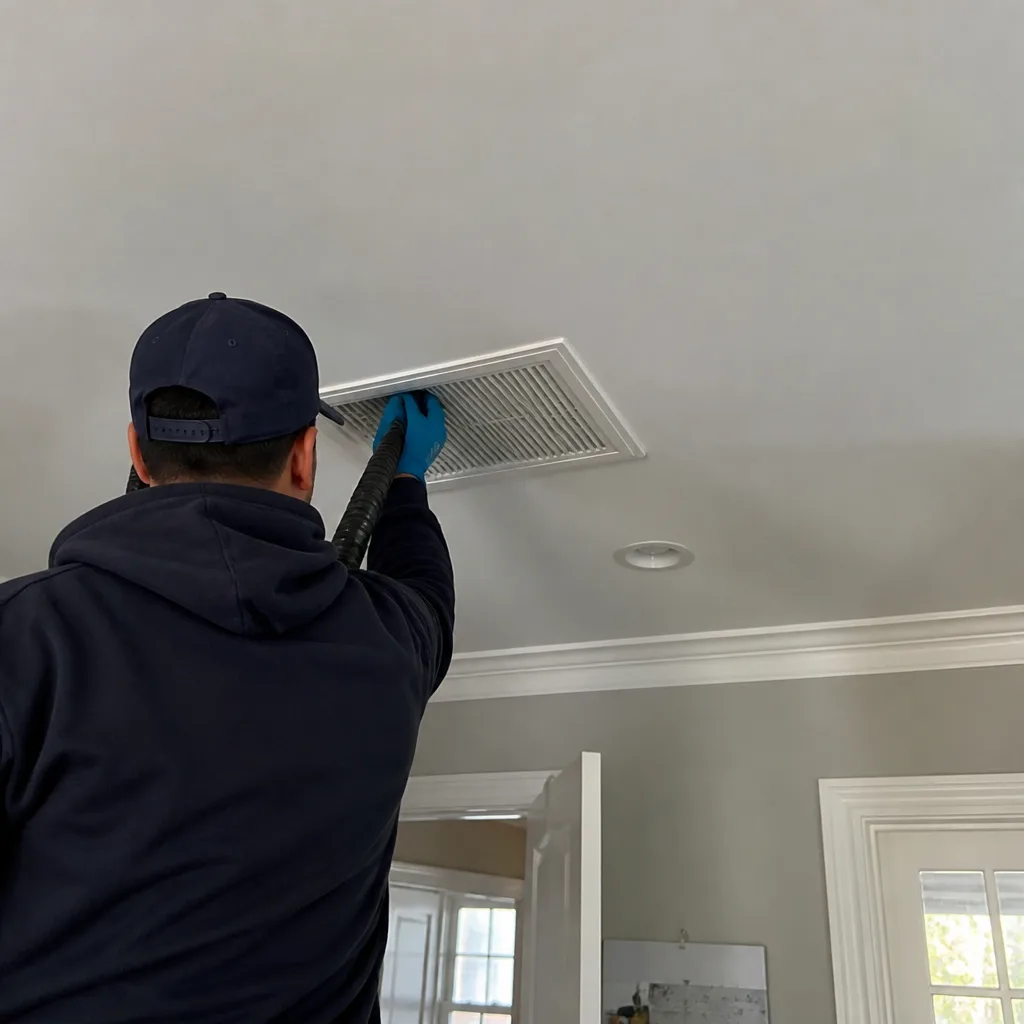 After
After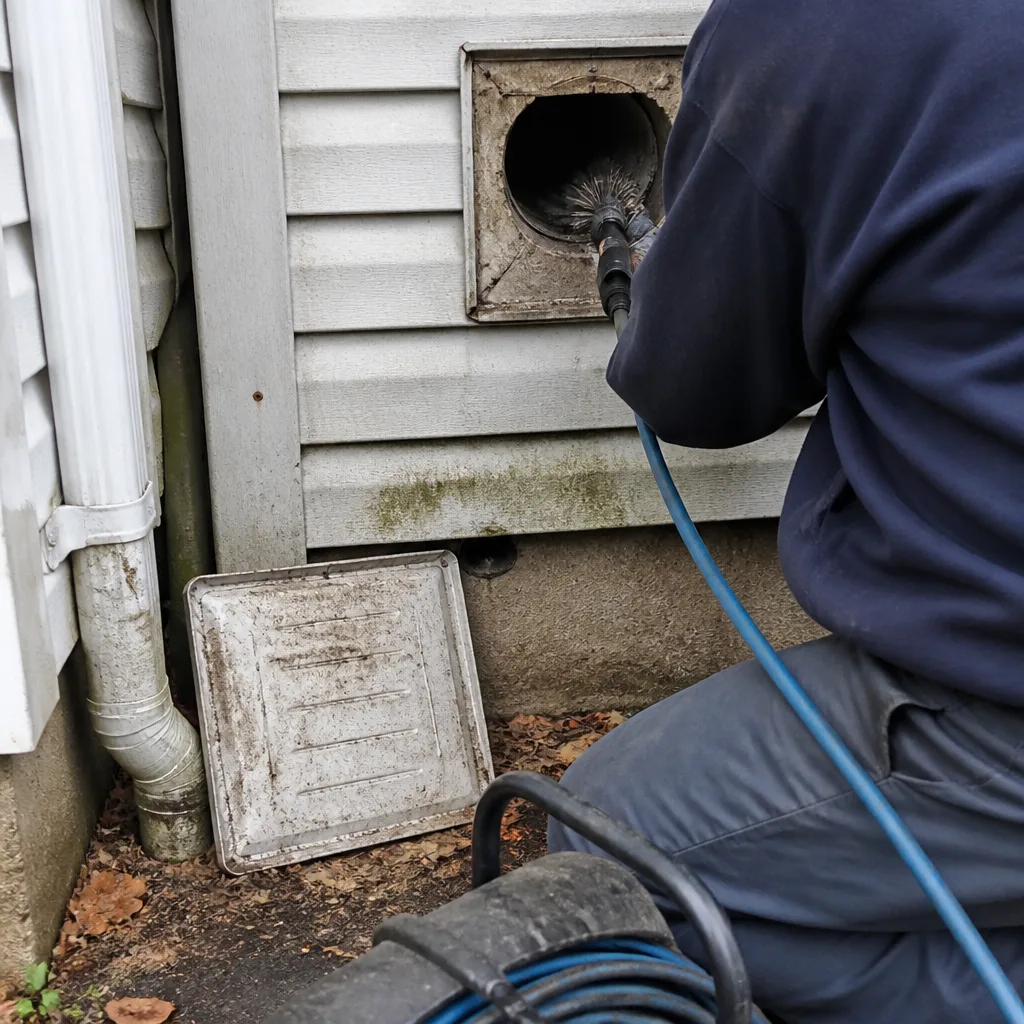 Before
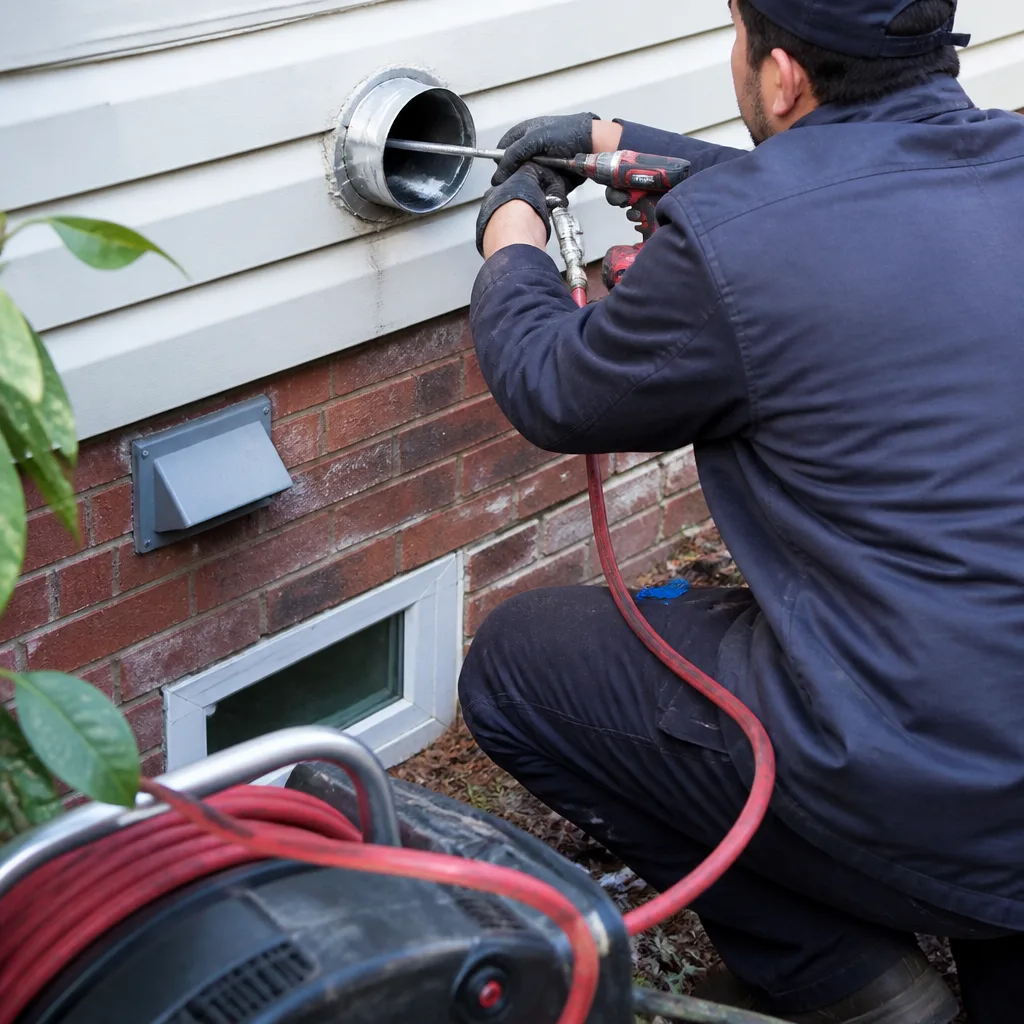 After
After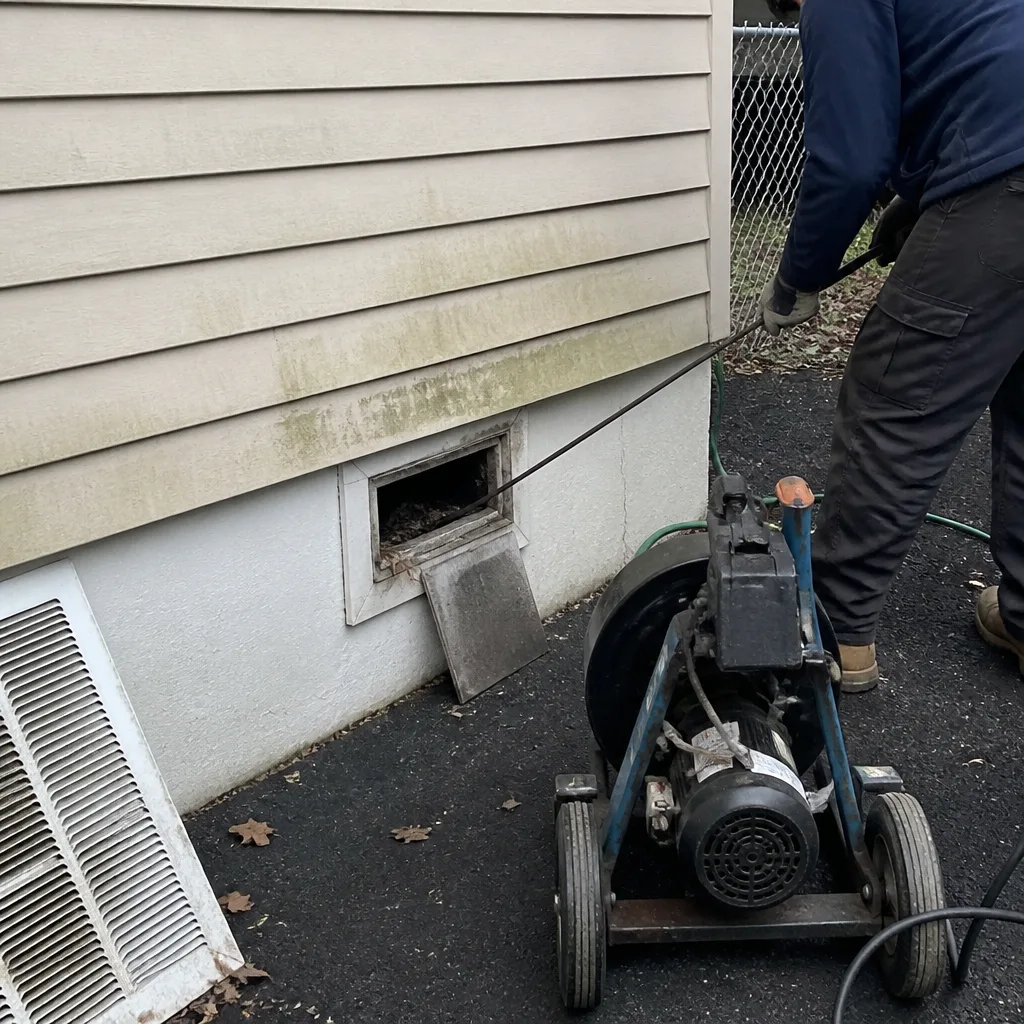 Before
 After
AfterRooms That Never Get Enough Air
A room that stays stuffy, cold, or hot regardless of how the thermostat is set almost always has a restriction somewhere in its supply path – debris buildup in the duct run, a partial blockage at the register, a collapsed flex duct section, or a leaking joint that bleeds conditioned air before it arrives. The fix depends on which one it is, and a camera tells you faster than guessing does.
What makes this symptom tricky is that it looks like a thermostat problem, or a unit-sizing problem, or a room-orientation problem, when most of the time it is none of those. The air is being made; it just isn’t getting where you need it. Somewhere between the air handler and that register, the system is losing the fight. The four causes below cover the overwhelming majority of cases CleanRun’s technicians find when a homeowner calls with this exact complaint.
Why It Happens
1. Blocked or heavily restricted duct runs
Dust, debris, and in older homes, decades of fine particulate matter pack down inside supply runs until the interior cross-section shrinks enough to choke airflow. The room farthest from the air handler is almost always the first to feel it, because pressure drops over distance. If you hold your hand over the register during a normal cycle and feel almost nothing – while a closer room feels strong – restricted runs are the most likely explanation.
2. Collapsed, kinked, or disconnected flex duct
Flex duct, the corrugated silver or foil tubing that connects rigid trunk lines to registers, can sag, kink, or pull apart at connection points over time. A kink as sharp as a bent garden hose reduces airflow to nearly zero even when the rest of the system is working fine. If you have attic access and can safely look at the flex runs serving the problem room, a sharp bend or a section lying on top of a joist rather than running taut is a clear visual tell.
3. Leaking duct joints bleeding pressure before it reaches the room
Sheet metal duct joints sealed with tape or mastic can open over years of thermal expansion and contraction. When a joint leaks, conditioned air spills into the attic or crawl space instead of traveling to the register. You may notice the attic feels unusually cool in summer or that your energy bills have drifted up without obvious explanation. A technician running a duct pressure test or simply inspecting with a camera and a light will find unsealed joints that a visual inspection from a distance misses entirely.
4. A closed, blocked, or undersized register
This one gets overlooked because it’s the simplest. A register damper that got nudged closed, a piece of furniture sitting flush against the floor vent, or a register that was undersized when the house was built can all produce the same complaint as a far more serious problem. Check whether the register damper – the small lever or rotating dial on the vent cover – is open all the way, and confirm nothing is blocking the face of it. If both check out, the problem is upstream.
What to Do Right Now
- Check every register in the affected room. Make sure the damper lever is fully open and that no furniture, rugs, or curtains are covering the face of the vent. This takes two minutes and occasionally solves the whole thing.
- Run your system on fan-only mode (no heating or cooling, just circulation) and hold your hand over the problem register for 30 seconds. Compare that airflow to a register in a room that works normally. The difference tells you whether the restriction is significant or marginal.
- If you have attic or crawl space access, take a look at the flex runs serving the room – but do not attempt to reposition or reconnect them yourself. Flex duct connections involve the supply plenum, which is part of the HVAC system. Note what you see and photograph it; that information is useful when you describe the problem.
- Do not try to inspect or adjust anything near the air handler itself. Blower compartments contain electrical components and, in some systems, high-voltage capacitors. If you suspect the problem is at the unit rather than in the runs, stop and call a professional.
- Photograph the register face and, if accessible, the visible portion of the duct run. Even a phone photo taken with the flashlight on gives a technician useful context before arrival and helps establish a baseline for before-and-after comparison.
BeforeAfterHow We Fix It
When your local CleanRun Air Duct Cleaning team arrives, the first thing that happens is a written price delivered before any panel comes off – that’s Haven Standard Clause 1, and it applies to every job without exception.
From there, the technician traces the supply path to the affected room using a camera and airflow measurement, identifies where the restriction, leak, or damage is, and then recommends the appropriate service. For buildup and debris, that’s professional air duct cleaning using Rotobrush or Nikro equipment, which mechanically agitates and extracts rather than just pulling at the surface. For damaged or disconnected flex runs and leaking joints, that’s duct repair and sealing – reattaching, reshaping, or replacing the affected section and sealing the joint properly. Both services often happen on the same visit when both problems are present.
A typical single-room airflow job takes two to four hours depending on access and what the camera finds. Before the crew leaves, every run they worked in is photographed – the inside, before and after – and that documented photo record comes to you as part of the standard job record. Every job is backed by the 365-Day Done Right Promise: if the work isn’t right, CleanRun makes it right, in writing, without requiring manager approval.
Frequently Asked Questions
Usually the immediate cause is mechanical rather than dangerous – a blocked duct or a collapsed flex run, not a safety hazard. That said, if the affected room shares a duct run with a gas appliance or furnace, and you notice any smell of combustion, carbon monoxide detector activity, or unusual sounds from the air handler, stop using the system and call immediately at (806) 606-6902. Combustion gas in a supply system is not a wait-and-see situation.
It depends on how the rest of your system is responding. A single restricted room makes your HVAC work harder to compensate, which raises energy use and accelerates wear on the blower motor over time. If it’s been this way for more than a few weeks, there’s no good reason to let it run longer. Call (806) 606-6902 and your local team can walk through what you’re seeing before you commit to anything.
The camera tells us, not the guess. Debris buildup, a disconnected joint, and a kinked flex run can all produce identical symptoms from the outside. CleanRun documents what the camera finds before recommending anything – that’s the Evidence step of the H.A.V.E.N. Standard – so the written price you receive reflects what’s actually there, not a package that sounds reasonable from the curb.
Air duct and duct repair work is a scheduled service – the technician needs time to do it properly, and a rushed camera inspection isn’t worth much to anyone. Call (806) 606-6902 and your local CleanRun team will tell you exactly when they can be there and what the process looks like. Scheduling is straightforward, and calls are answered by a live person around the clock.
Get It Fixed
Call (806) 606-6902 or book online. Your local CleanRun Air Duct Cleaning team will assess the problem, deliver a written price before any work begins, and document every run they touch. The 365-Day Done Right Promise applies to every job.
Written by Tomas Reyes, Owner & Lead Technician at CleanRun Air Duct Cleaning, serving homeowners across the country since 2013.
What Our Customers Say
"The before and after photographs of each run are the reason I used them. You cannot argue with what came out of the return."
- Marguerite O."Flat price agreed up front, no per-vent add-ons at the end. That was the whole reason I did not call the coupon company."
- Suzanne B."The dryer vent was almost completely blocked with lint. They showed me the photograph and I understood immediately why the dryer had been running twice."
- Lucia M.