
Whole-system duct and dryer vent check with before-and-after photos - you see exactly what came out of your vents
That "$99 whole-house special" is a bait ad - the real number appears once they are in your hallway, or the "clean" is a shop-vac at the register. We photograph the inside of your ducts before and after instead.
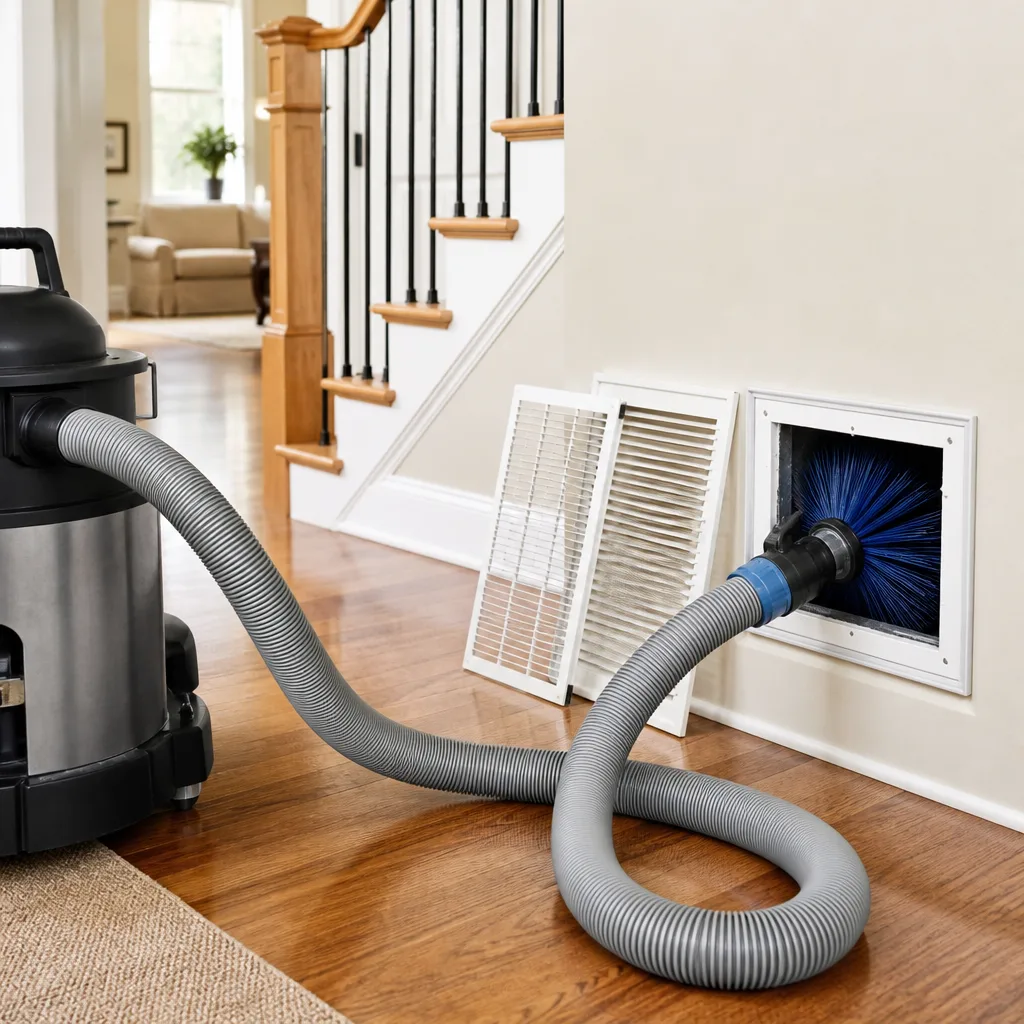
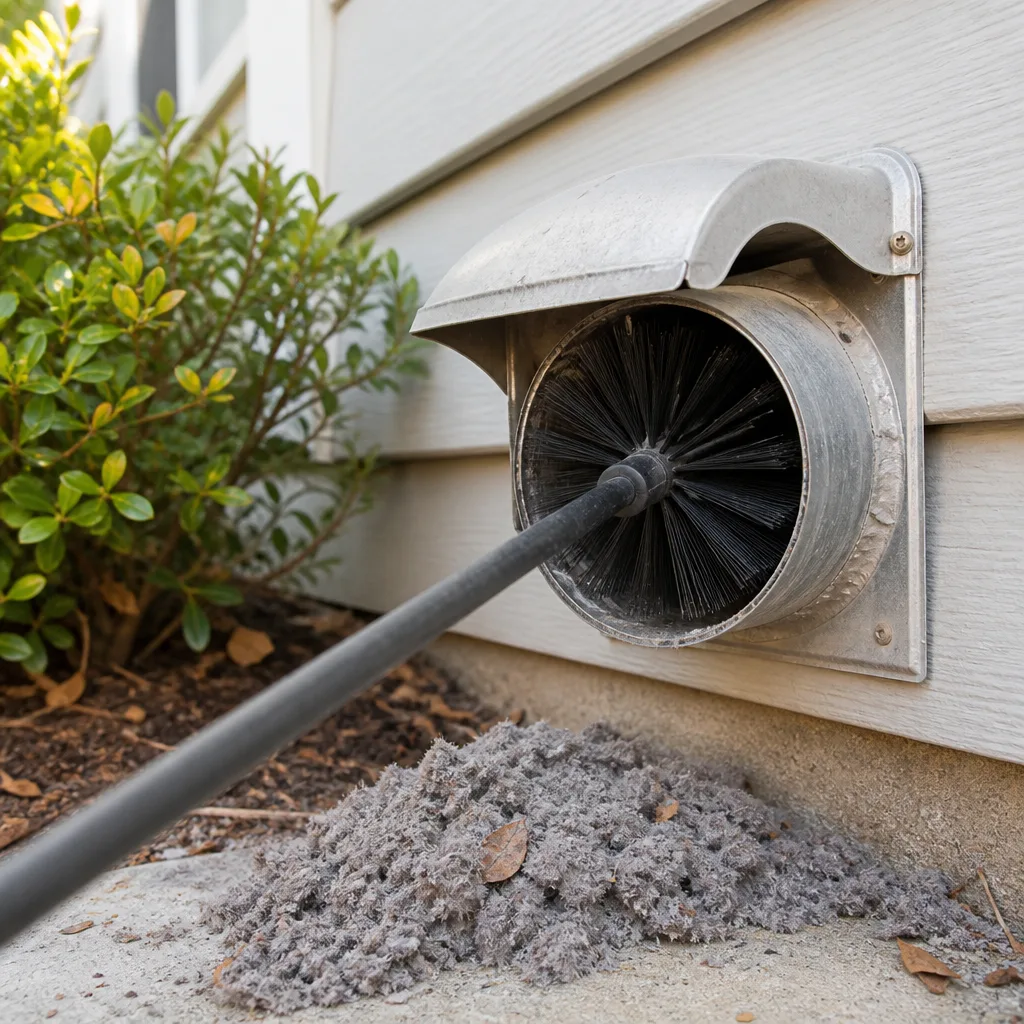
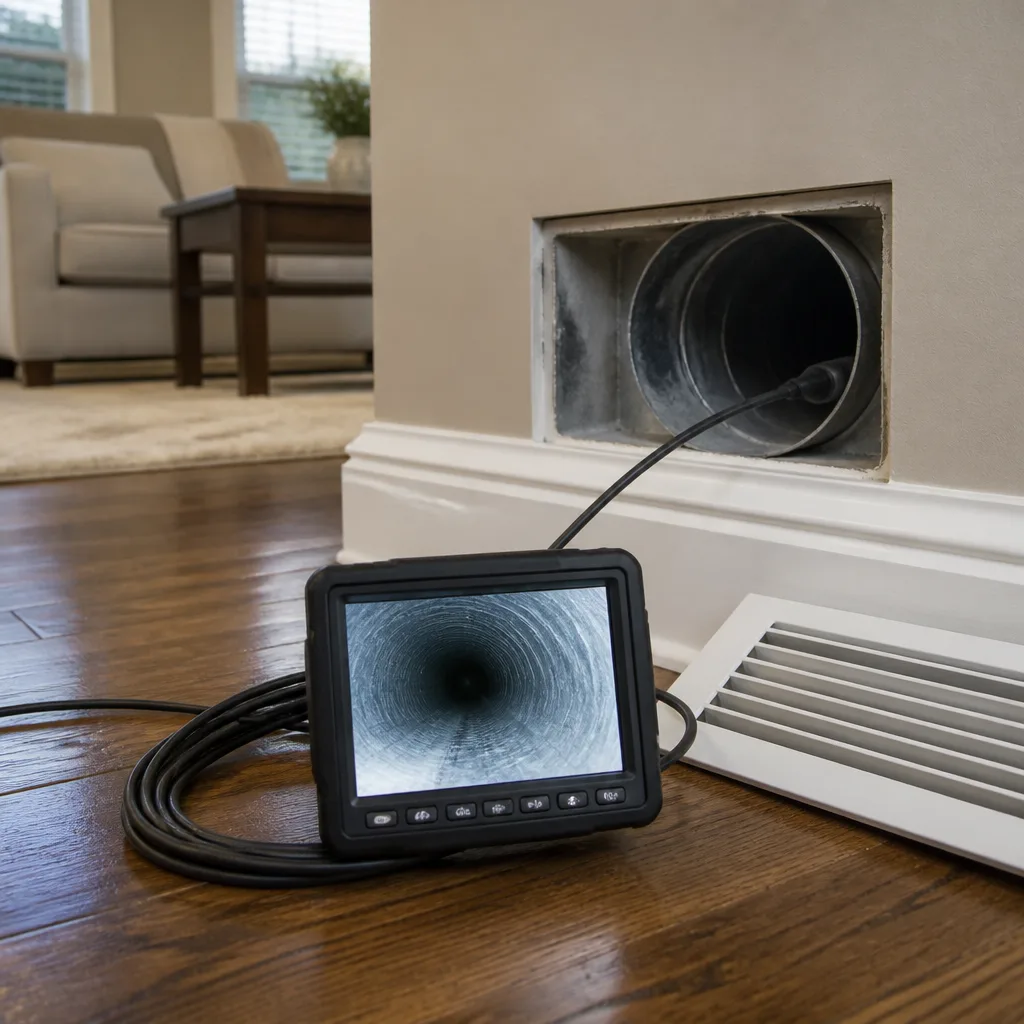
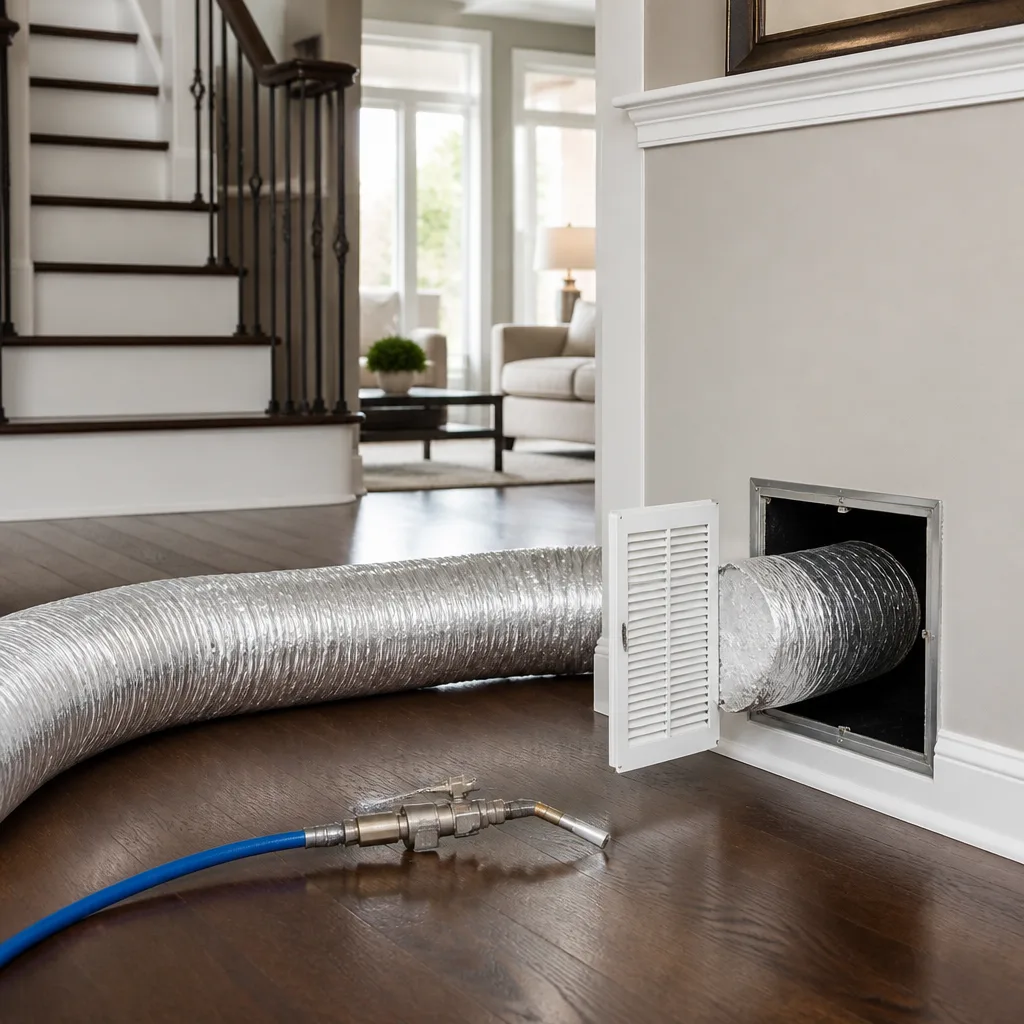
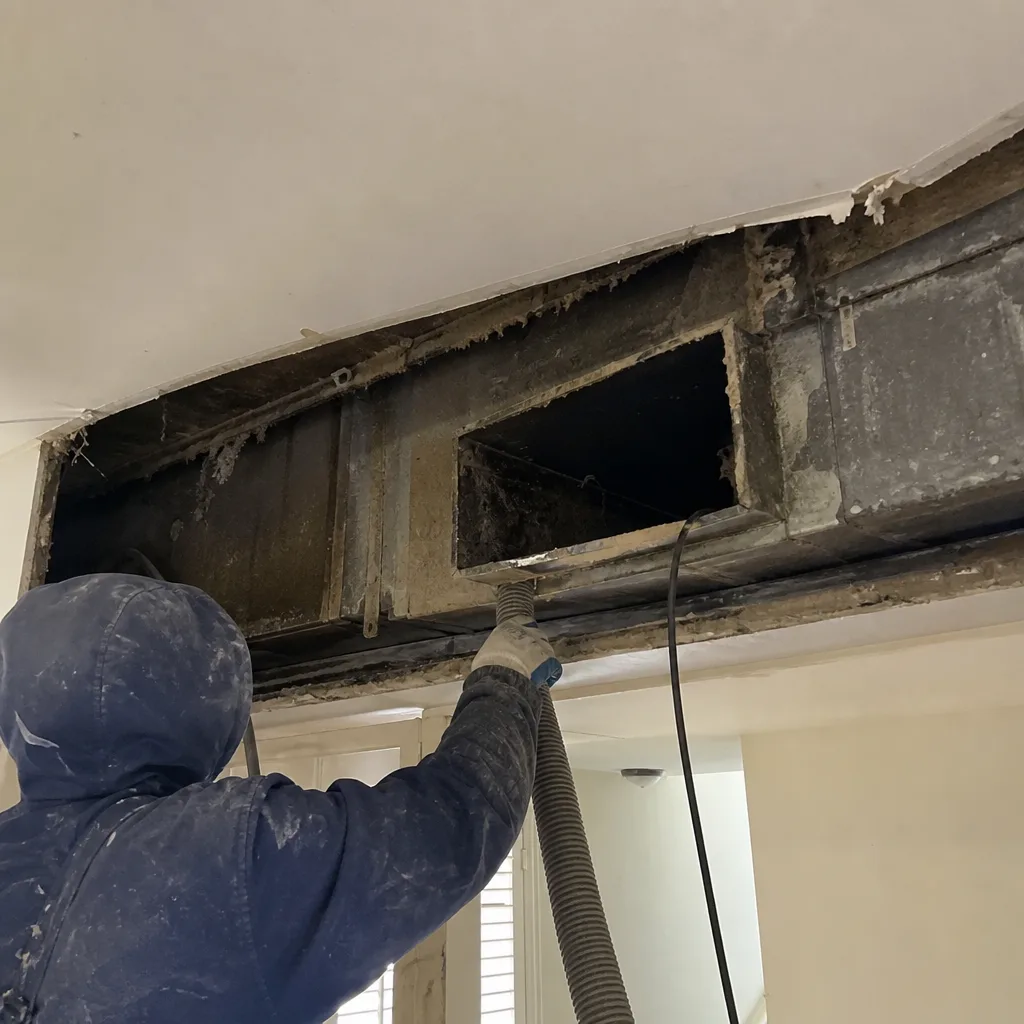 Before
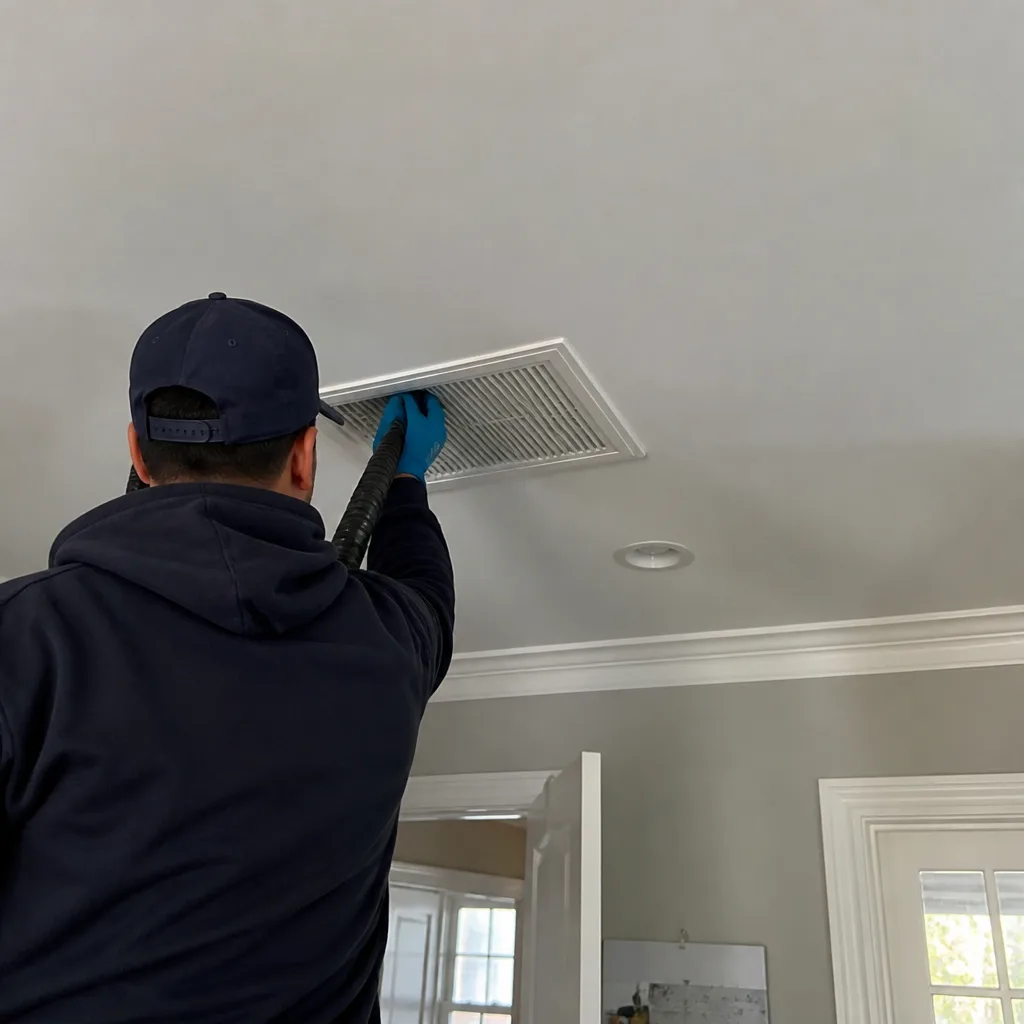 After
After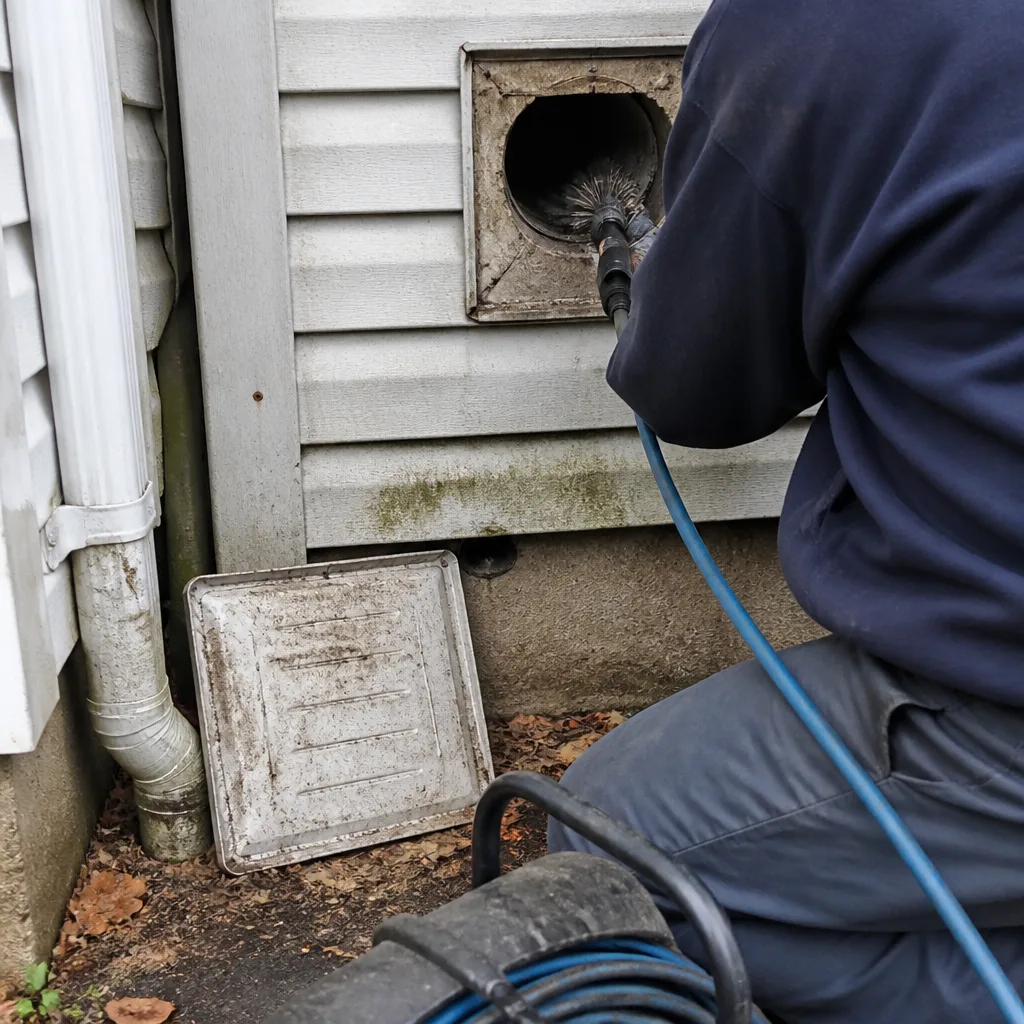 Before
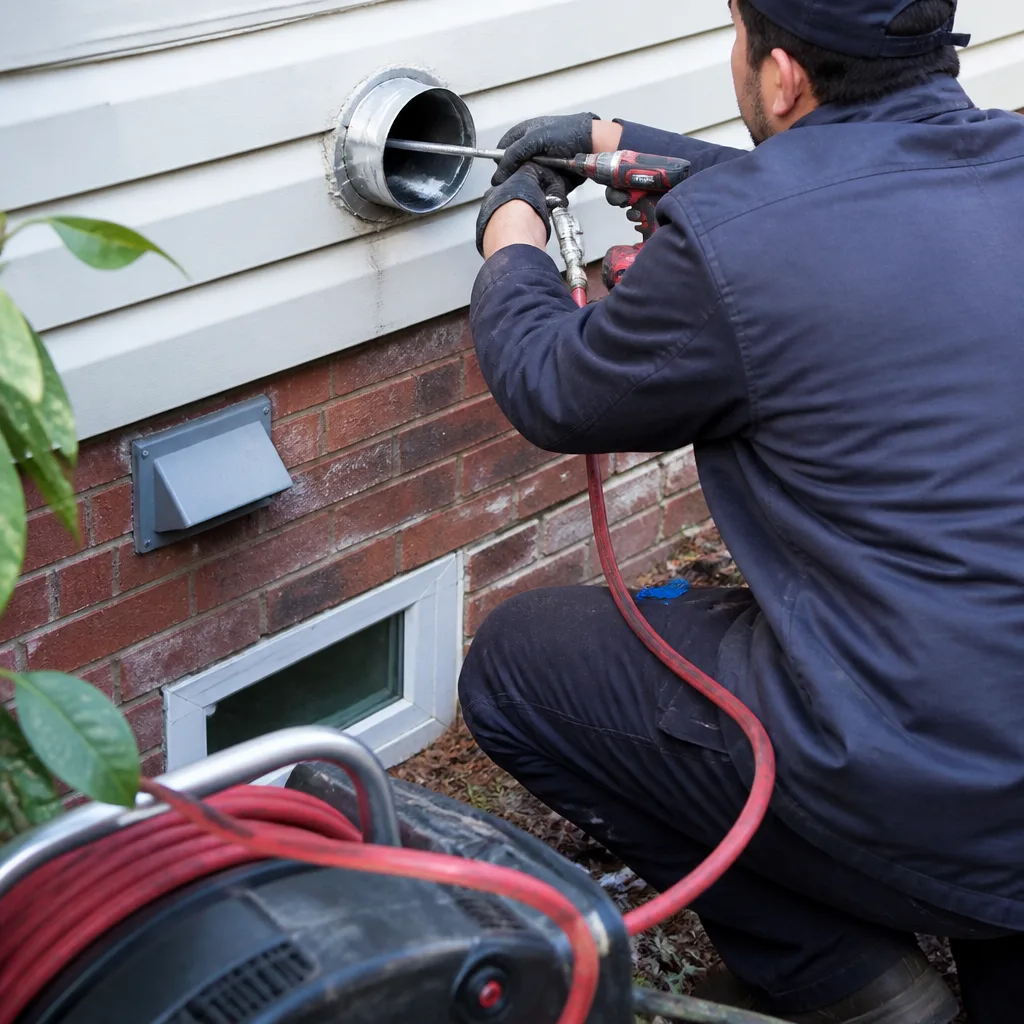 After
After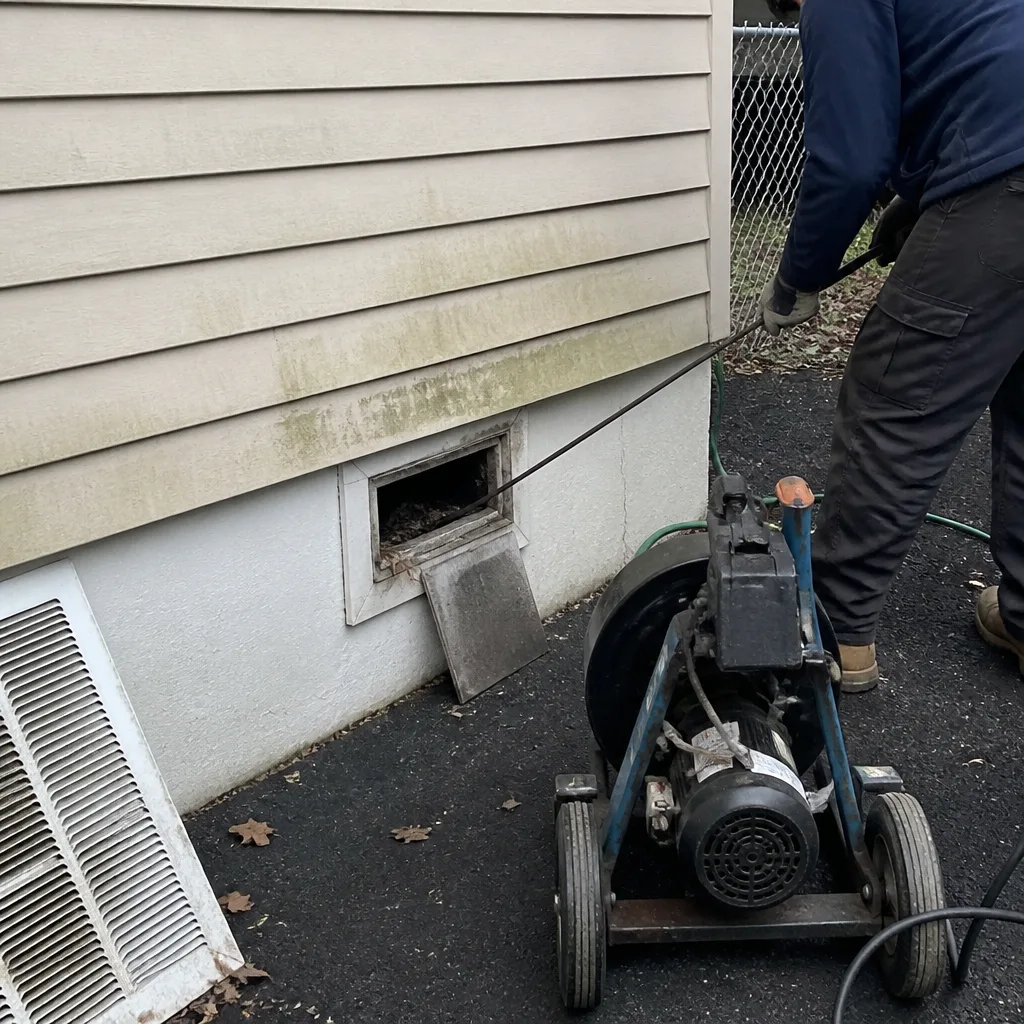 Before
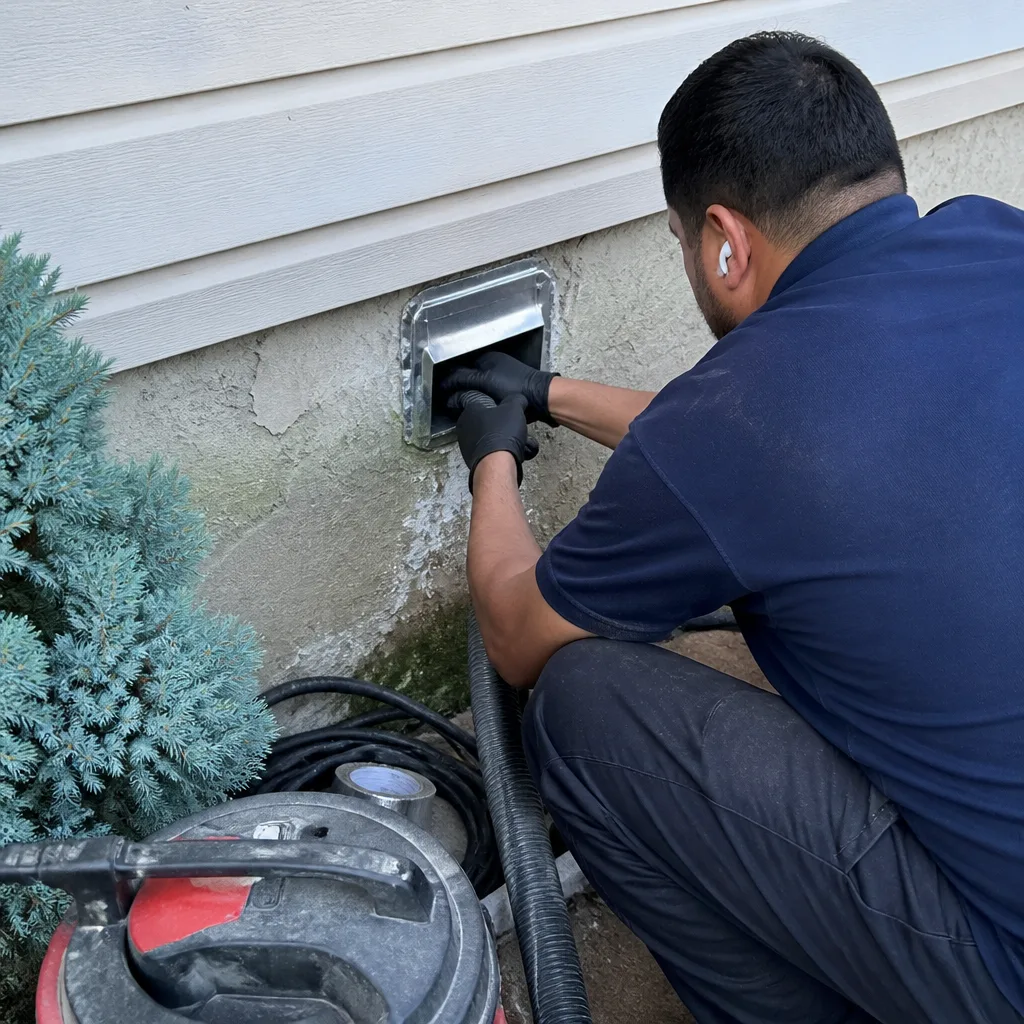 After
AfterRotobrush Vent Sanitizing: The New York City Owner’s Guide
If you own a Rotobrush system and the sanitizing function has stopped working or degraded, we stock and install Rotobrush-compatible vent sanitizing components across New York City, with typical installed pricing landing between $275 and $650 depending on your model and the specific part that failed. We carry OEM Rotobrush parts alongside quality aftermarket equivalents on the truck, so most swaps happen in a single visit. Most owners discover the failure the same way: the sanitizer runs but no fog or mist reaches the registers, or the unit throws a fault code mid-cycle.
What we see in New York City apartments and brownstones is consistent: sanitizing components fail gradually, usually after two to five years of regular use, and the failure shows up as reduced output long before the part stops working entirely. Tomas Reyes, our owner and lead technician, puts it plainly: “The photo tells you what’s in there. Everything else is just paperwork.” For a sanitizing module, the equivalent is a fog test at the register: if the mist pattern is weak, patchy, or absent, the part is failing no matter what the unit’s display says.
Key takeaways:
- We stock Rotobrush sanitizing parts for on-the-spot replacement in New York City.
- Installed pricing typically runs $275 to $650, with a written price before any work starts.
- OEM and quality aftermarket parts are both available; we tell you which one fits your model and budget.
- Every replacement includes a documented photo record of the sanitizer output before and after.
Which Rotobrush Models This Applies To
The vent sanitizing component on Rotobrush systems spans several series, and the part number matters more than the model name. The most common units we service in New York City are the Rotobrush aiR+ and aiR+M models, the earlier aiR series, and the compact eBrush systems used in tight duct runs common to prewar buildings. The sanitizing module on the aiR+ line is a plug-in cartridge-style unit mounted at the brush head assembly; on the aiR series it is an integrated reservoir-and-nozzle unit that sits mid-line on the hose, and on the eBrush it is a smaller clip-on atomizer.
The easiest way to identify the right part is to look at the label on the failed component itself. Rotobrush stamps a part number and serial range on the housing, and that number tells us more than the model name ever will. If the label is worn off, we measure the coupling diameter and check the voltage rating: aiR+ sanitizers run on 24V DC feed from the main unit, while older aiR series run on 120V AC direct. Mixing those up causes immediate failure, which is a compatibility gotcha we see at least once a month from well-meaning DIY orders.
On the OEM versus aftermarket question: Rotobrush OEM sanitizing cartridges carry the manufacturer warranty but cost 30 to 40 percent more than equivalent aftermarket units from suppliers we have vetted over years of use. For the aiR+ line specifically, we have had equal reliability from both, but for the older aiR and eBrush models we lean OEM because the aftermarket tolerance on the nozzle thread tends to be inconsistent. We will tell you which one makes sense for your unit, and the written price covers either.
One more compatibility note: CleanRun Air Duct Cleaning is an independent service provider. We are not affiliated with Rotobrush, and we do not represent Rotobrush warranties. What we do represent is that the part we install is either genuine Rotobrush or a documented aftermarket equivalent, and we photograph the part number before installation so there is no ambiguity about what went in.
We also stock parts for Lennox, Trane, and Carrier systems for the times a vent sanitizing issue turns out to be an HVAC control problem instead.
Signs Your Rotobrush Vent Sanitizing Is Failing
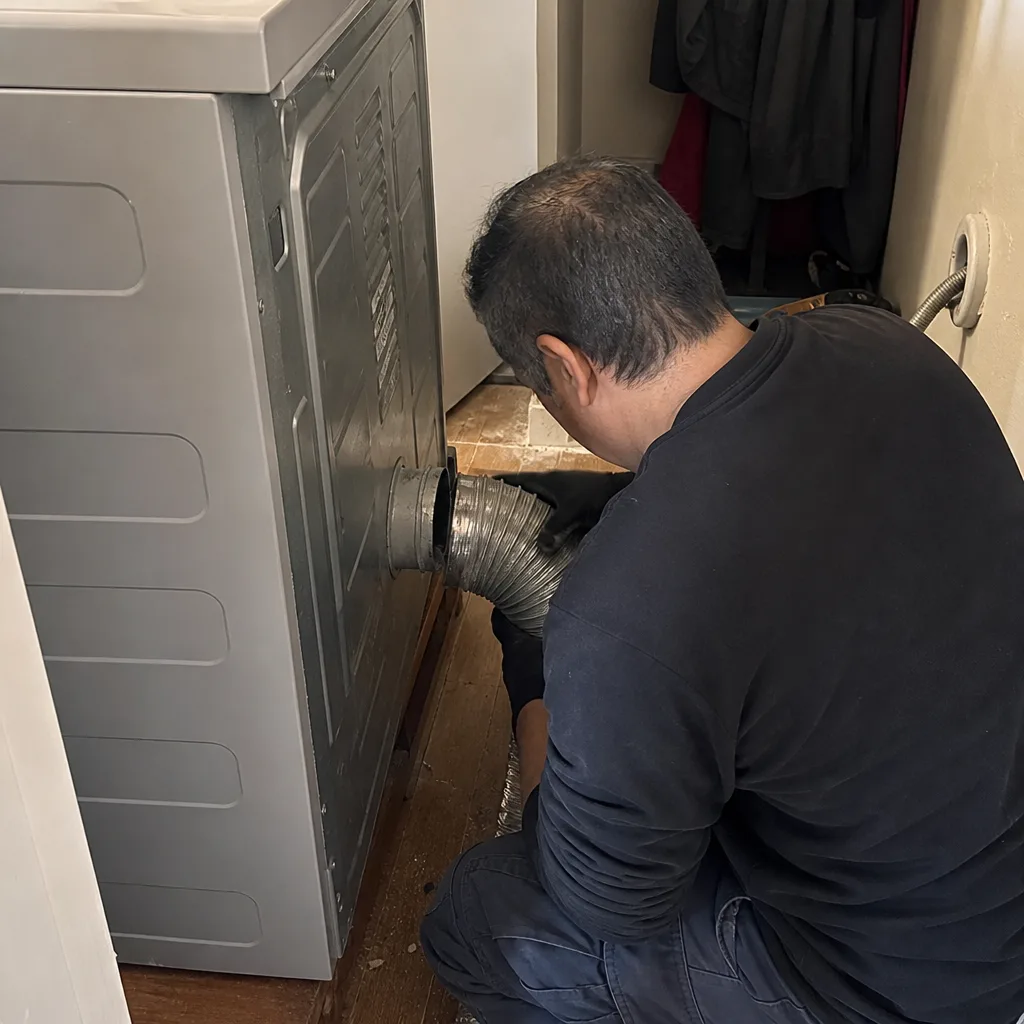
Sanitizing modules rarely fail all at once. What we document in New York City homes is a predictable decline, and these are the five symptoms we hear most often:
- Weak or uneven fog at the registers. The atomizer nozzle is partially clogged or the pump pressure has dropped. You will see a thin, patchy mist instead of a consistent fog, and the sanitizer coverage becomes uneven duct to duct.
- Unit runs but no visible output. This is almost always a failed pump diaphragm or a cracked feed line. The machine sounds normal, the motor spins, but nothing reaches the nozzle. The sanitizing cycle is effectively cosmetic at this point.
- Sanitizer reservoir drains faster or slower than normal. A faster drain means a cracked reservoir or leaking seal; a slower drain means a blocked pickup tube. Both are measurable, and both are signs the part is on its way out.
- Error codes or the main unit shutting down mid-cycle. On aiR+ models, a voltage fault from the sanitizing module will trip the main board and stop the job. The sanitizer does not fail alone; it takes the whole cleaning run down with it.
- Residue or corrosion at the nozzle tip. New York City water chemistry, particularly in buildings with older pipes, leaves mineral deposits that eat at the nozzle over time. If you see white crust or green oxidation at the tip, the atomizer is degrading and output will keep dropping.
BeforeAfterReplacement Cost & What’s Included
In New York City, a Rotobrush vent sanitizing component replacement runs between $275 and $650 installed, depending on which series you own and whether we use OEM or vetted aftermarket parts. A replacement pump or nozzle on an aiR series typically lands in the $275 to $400 range. A full sanitizing cartridge module for an aiR+ runs $400 to $550. A complete atomizer assembly with reservoir for an eBrush sits at the top end, $550 to $650, because the part itself is scarce and we hold inventory specifically for that reason.
The range is driven by three things: the part cost, the labor to access the unit (some New York City basements and mechanical closets add real time), and whether the feed line needs replacement while we are in there. We will not replace a pump and leave a cracked feed line behind it; the written price covers the full repair, not a patch.
Every replacement includes a documented photo record of the sanitizer output before and after the work. We test the module at full cycle length, photograph the fog pattern at the first and last register, and include those photos in your job record. The work is covered under our 365-Day Done Right Promise: if the sanitizer is not operating correctly within a year, we make it right, in writing.
DIY or Call Us?
You can safely check three things without opening the unit: the reservoir level, the nozzle tip for visible corrosion, and the power connection at the wall or main unit. That is the full list. The sanitizing module on a Rotobrush system involves a pressurized pump and, on the aiR series, a 120V power feed; opening the housing to test or replace internals without knowing which generation you have is how we see shorted main boards and ruined pumps.
Where DIY goes wrong is the electrical and pressure side. The 24V and 120V difference across Rotobrush generations is not marked on the outside of every unit, and hooking a 120V feed to a 24V module destroys the sanitizing board instantly and usually takes the main control board with it. That is a $275 repair becoming a $900 repair. If the symptom is anything beyond a low reservoir or a crusty nozzle, call us at (806) 606-6902. We will bring the right part for your generation, confirm it matches the label, and do the swap in one visit.
FAQs
In our experience across New York City, the sanitizing pump and nozzle last two to five years with regular use, with the nozzle usually failing first due to mineral buildup from city water. We see the shorter end of that range in buildings with older plumbing and the longer end in newer construction with filtered water supplies.
Some components can be repaired: a clogged nozzle can often be cleaned, and a leaking O-ring can be replaced. But a failed pump diaphragm or a cracked reservoir is a replacement job, not a repair. We will tell you which one yours is, and the written price reflects the actual fix, not a guess.
Most Rotobrush vent sanitizing replacements take 45 to 90 minutes on site, including the fog test at the registers and the photo documentation. If the feed line also needs replacement, add 20 to 30 minutes. We schedule it as a single visit in New York City, not a diagnosis trip plus a return trip.
Yes. We carry the common Rotobrush sanitizing pumps, nozzles, reservoirs, and cartridge modules for the aiR, aiR+, and eBrush lines on our trucks, so most New York City jobs are completed same visit. If your unit needs a part we do not have in stock that day, we order it and return within the week; call (806) 606-6902 and we will confirm availability for your specific model before we arrive.
Written by Tomas Reyes, Owner & Lead Technician, CleanRun Air Duct Cleaning at CleanRun Air Duct Cleaning, serving New York City and nearby areas.