
Whole-system duct and dryer vent check with before-and-after photos - you see exactly what came out of your vents
That "$99 whole-house special" is a bait ad - the real number appears once they are in your hallway, or the "clean" is a shop-vac at the register. We photograph the inside of your ducts before and after instead.
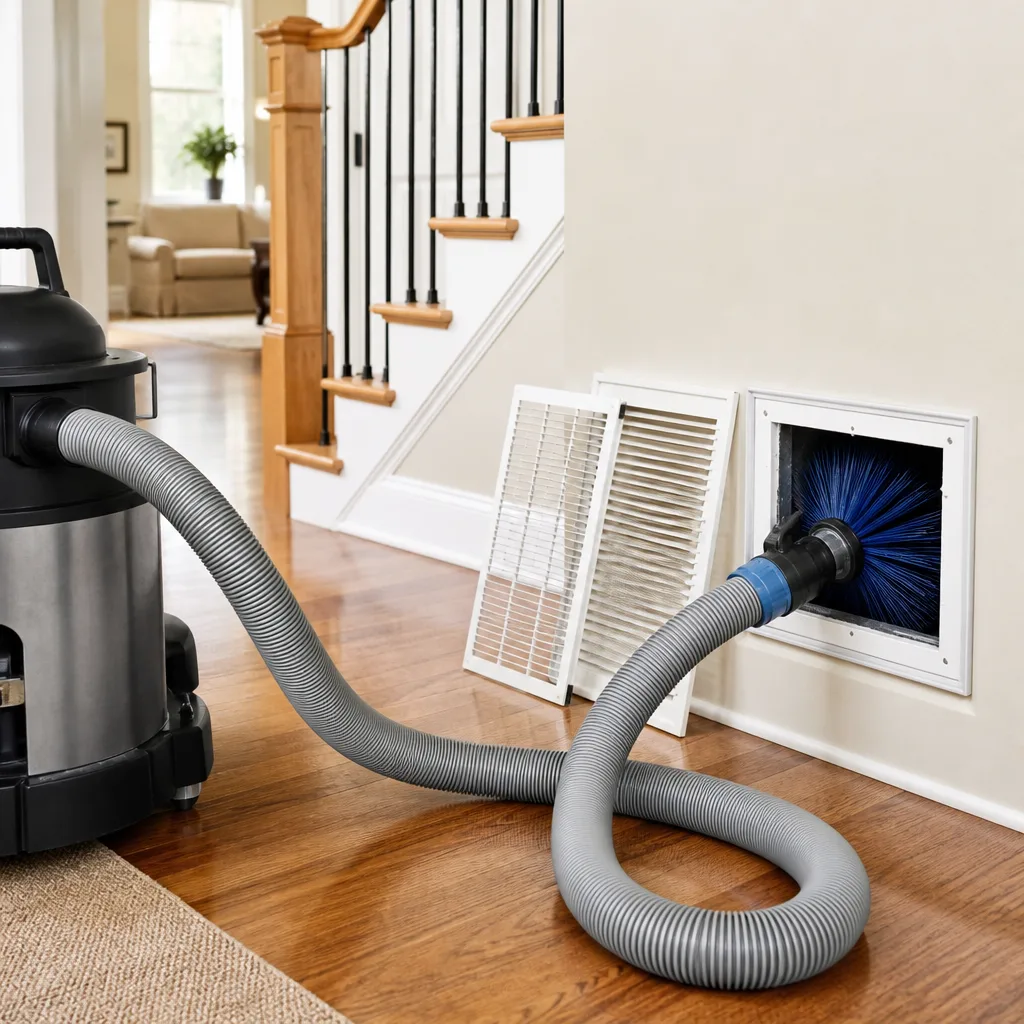
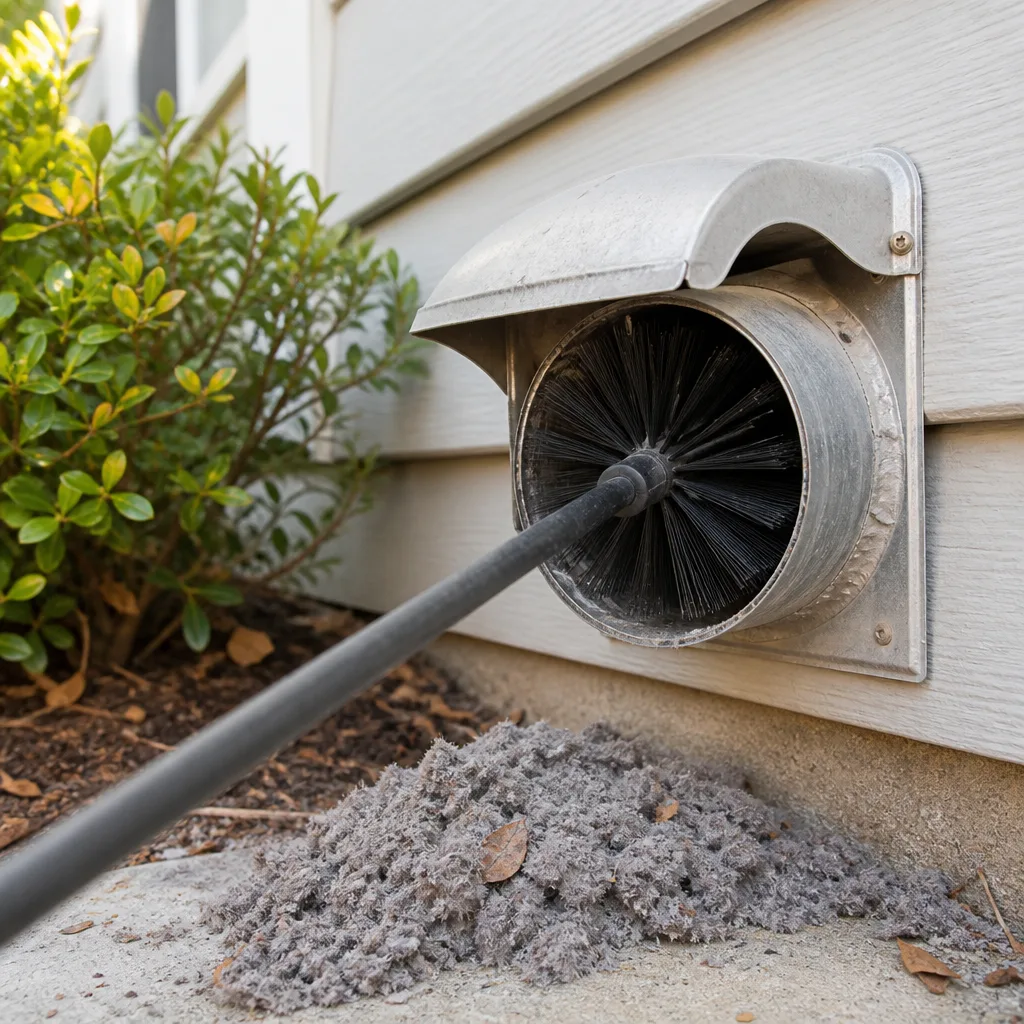
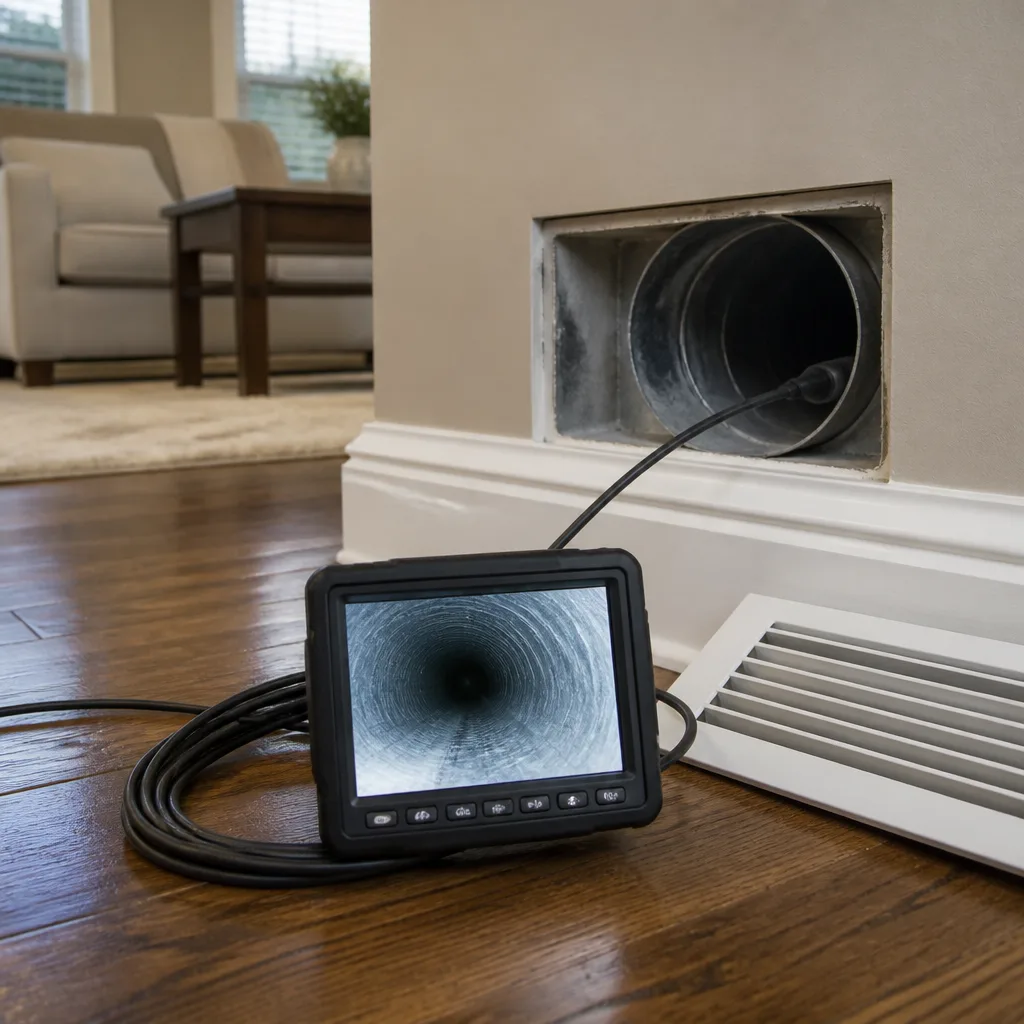
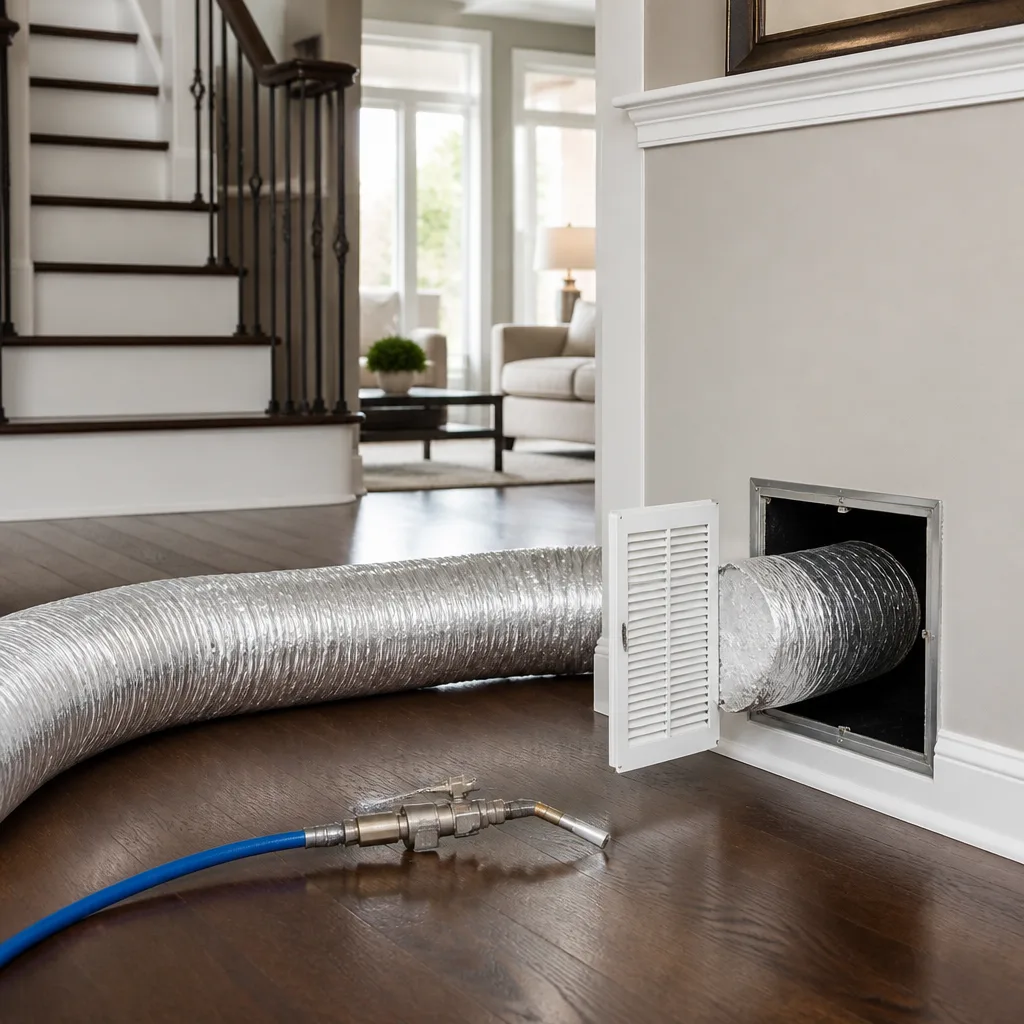
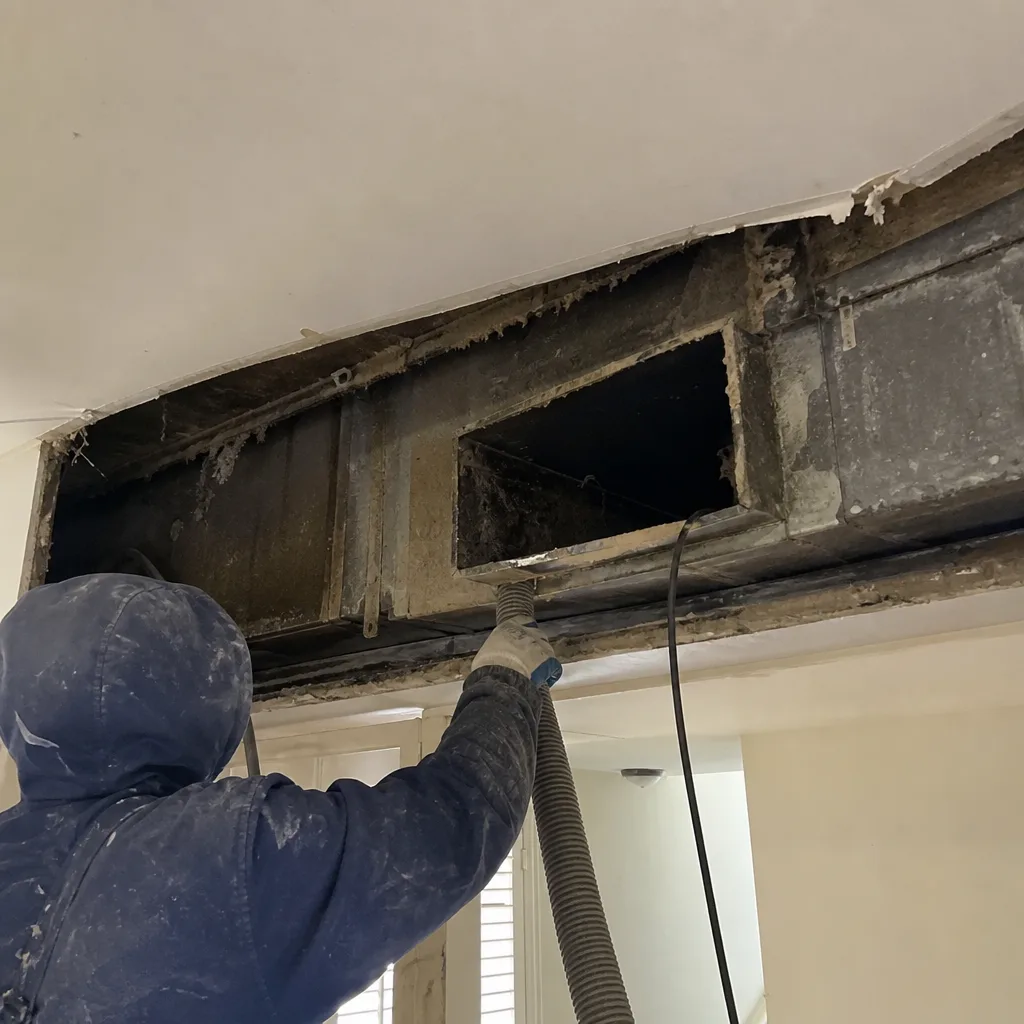 Before
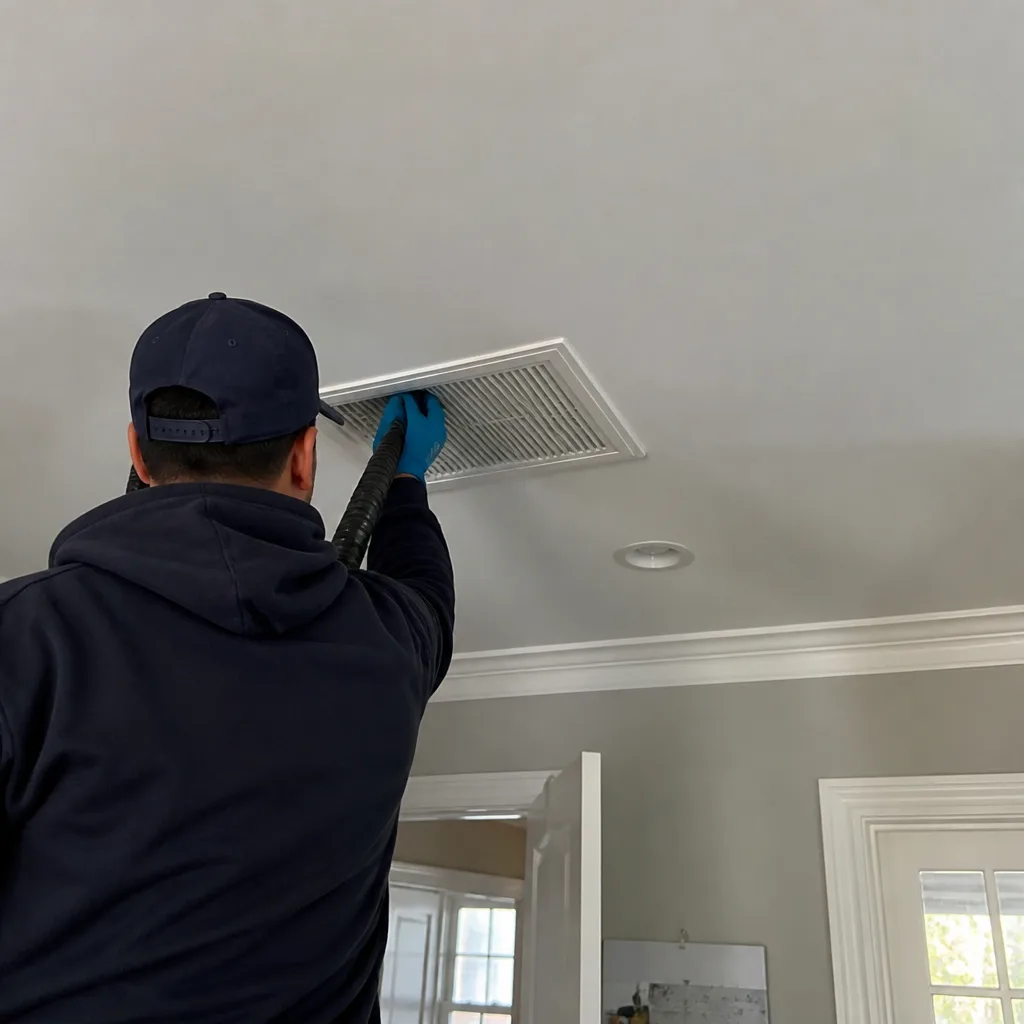 After
After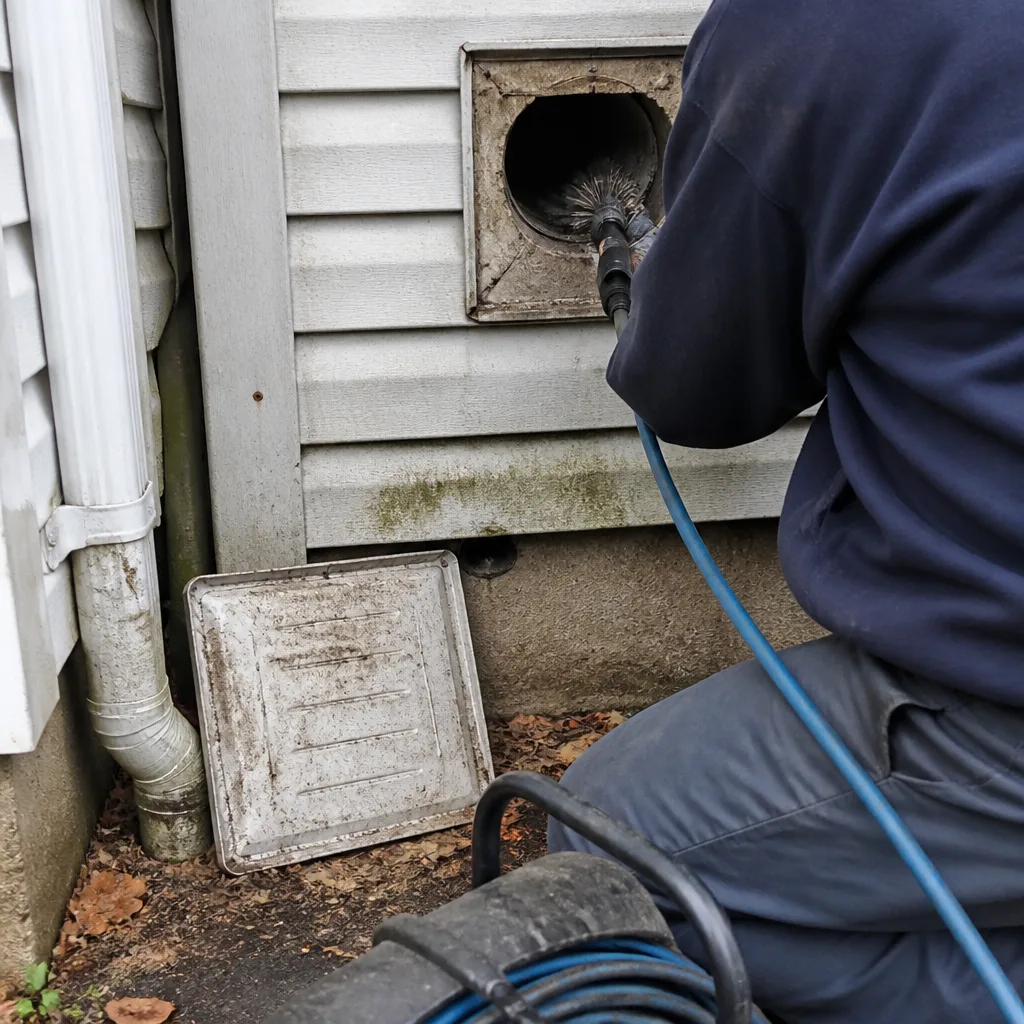 Before
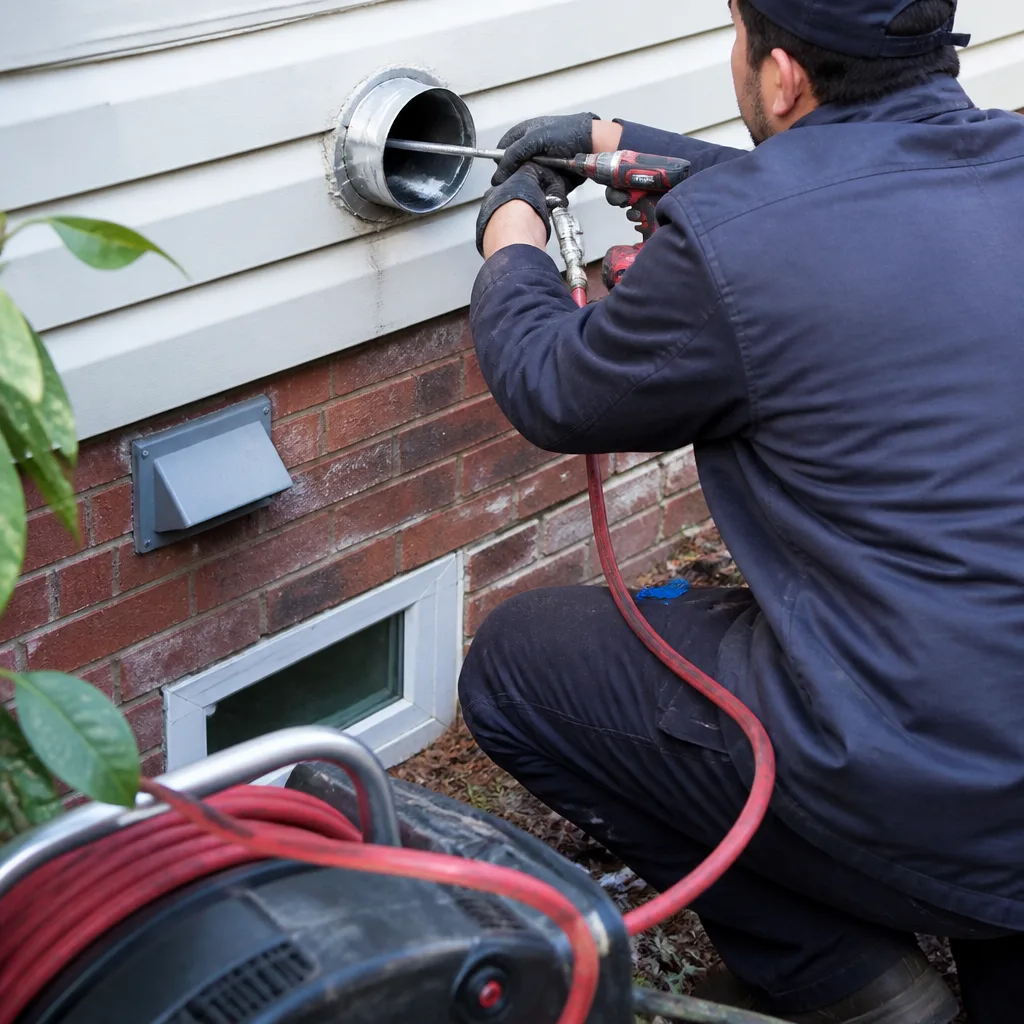 After
After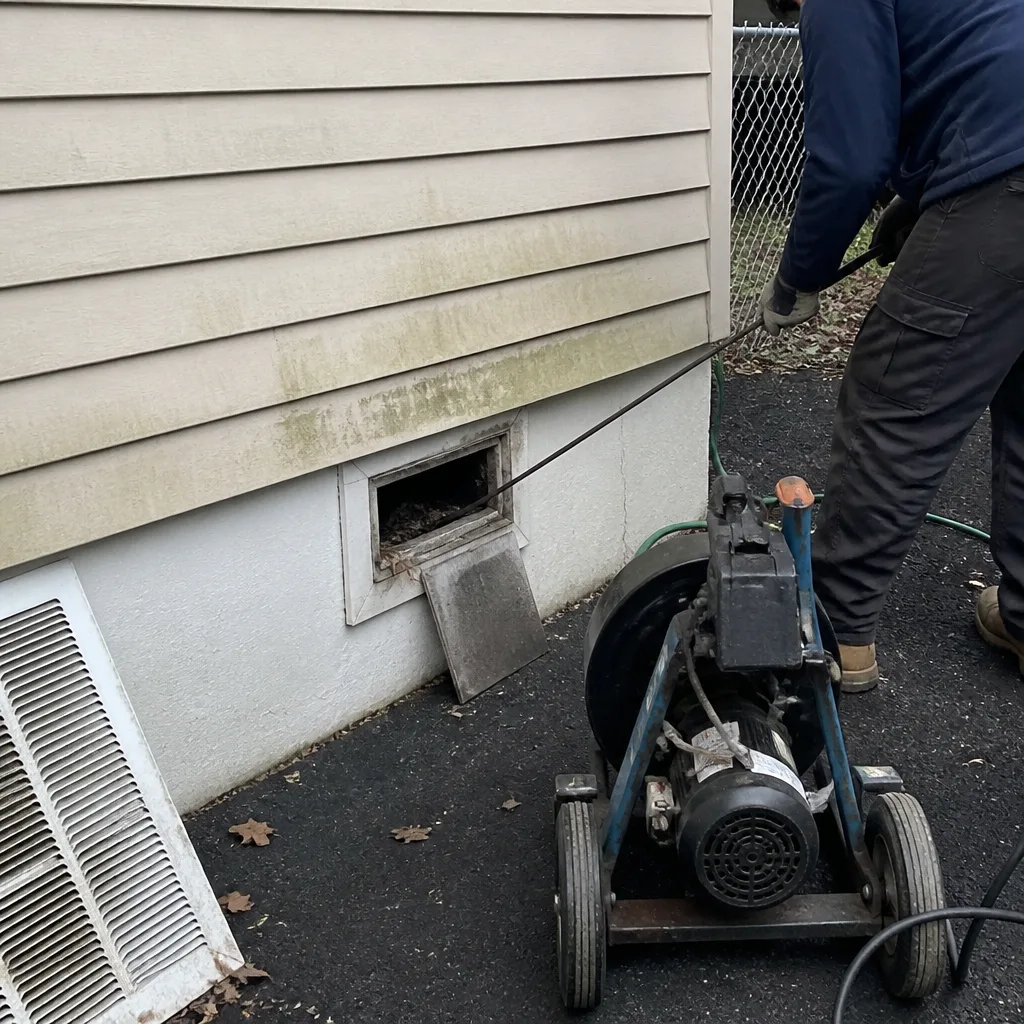 Before
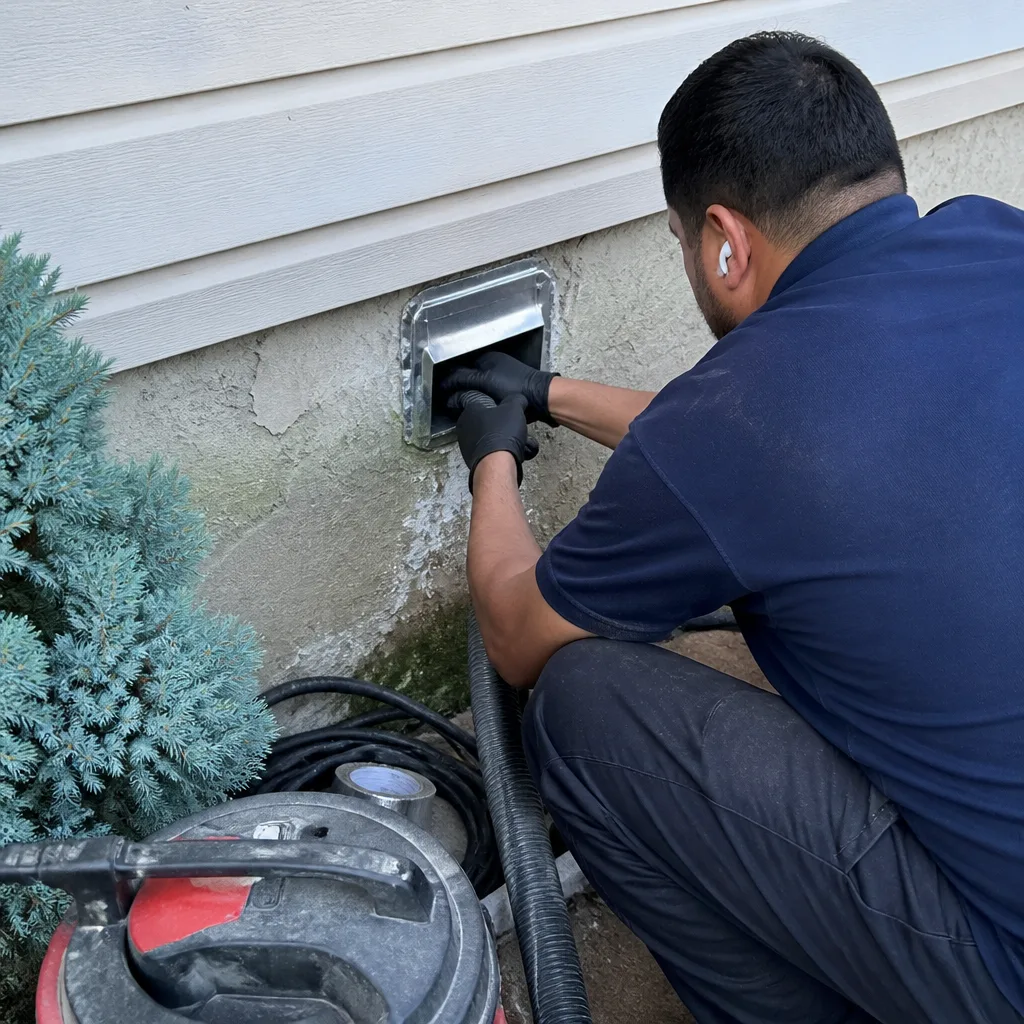 After
AfterNikro Vent Sanitizing: The New York City Owner’s Guide
If your Nikro vent sanitizing setup has stopped delivering sanitizer or the pump is cycling without output, you’re looking at a failed component in the delivery line, not a system-wide breakdown. CleanRun Air Duct Cleaning stocks and installs Nikro-compatible vent sanitizing parts across New York City, with most replacements running between $340 and $760 installed depending on whether it’s a simple pump swap or a full delivery line replacement. We keep the most common failure points on the truck, which means most New York City jobs wrap up in a single visit.
How owners usually find the problem: a musty return smell comes back a week after a cleaning, the fogger doesn’t fog, or the control pad throws a pump error. Sometimes it’s quieter than that. A delivery line with a hairline crack will leak sanitizer into the cabinet, and by the time you notice the odor, the board may have taken damage too.
Here’s what you need to know: Nikro systems in New York City apartments and pre-wars see different failure patterns than the same equipment in a Houston suburb. Hard water from the city’s aqueduct system mineralizes the pump seals faster, and convertible-AC apartments that run window units half the year create stagnant periods where sanitizer crystallizes in the nozzle. We see it on the bench every week.
Which Nikro Models This Applies To
Nikro’s vent sanitizing hardware falls into two families: the portable fogger line (the SG and AQ series) used for targeted duct injections, and the inline cabinet-mounted sanitizers that pair with their larger negative-air machines. The part you need depends on which one you have, and that’s where New York City owners usually get tripped up.
The portable units take a self-contained pump module that’s specific to the SG-400 and SG-1000 series. These pumps are keyed to Nikro’s own quick-connect fittings. An aftermarket pump from a Grainger catalog will physically fit the housing but won’t seat the fittings, and you’ll get sanitizer weeping around the connection within a week. The cabinet-mounted units use a metering valve assembly that works across the IAQ-42 and IAQ-60 lines, but the flow orifice differs between the two. Swap the wrong one in and you’re under-dosing the plenum, which means the sanitizer never reaches the far registers.
We stock OEM Nikro parts for both families and quality aftermarket equivalents where they genuinely perform as well. That’s almost always true for delivery line and nozzle replacements. It’s rarely true for pump bodies and metering valves. On those, the OEM tolerance is tighter, and we’ve had customers bring us aftermarket valves that were off by ten percent on flow before we even installed them. In New York City ductwork, where every run fights stack effect and pressure drop, ten percent is the difference between sanitizing and misting the first three feet of supply line.
Signs Your Nikro Vent Sanitizing Is Failing
- The pump runs but no sanitizer reaches the injector. This usually means a split diaphragm inside the pump body or a collapsed pickup tube. In New York City, hard water scaling accelerates diaphragm wear, and we’ve replaced pumps in buildings along the East River that were scaling twice as fast as the same unit across the park.
- The control panel throws a pressure or flow error intermittently. Nikro’s boards read backpressure from the delivery line. A partially clogged nozzle will trip the error, clear it, then trip again as debris shifts. It’s the part failing slowly, not the board.
- Sanitizer odor at the air handler but not at the registers. That tells us the unit is dosing correctly but the sanitizer isn’t carrying through the ducts. It’s usually low airflow from a clogged filter or a blower on its way out, not the Nikro part. We camera the plenum before swapping anything.
- Visible crystallization around the nozzle or fittings. Sanitizer that’s been sitting too long will salt out and clog the orifice. It’s the most common failure we see in New York City apartments that run window ACs from May to September and let the vent system sit idle.
- Corrosion or green residue on the pump housing. Sanitizer leaking internally is eating the pump from the inside. The faster you catch it, the less likely the board behind it takes damage. We’ve saved customers four figures by catching this before it wicked into the electronics.
BeforeAfterReplacement Cost & What’s Included
In New York City, a Nikro vent sanitizing replacement runs from $340 for a standalone nozzle and line replacement on a portable unit to $760 for a full pump, metering valve, and delivery line overhaul on a cabinet-mounted system. Most jobs land in the $410 to $520 range. What drives the spread is whether we’re matching an OEM pump or an aftermarket equivalent, and whether the delivery line has to be fished through finished space or through an accessible cabinet chase.
Every quote is a written price before any work starts. Haven Standard Clause 1 is the whole point: you see the number, you agree to the number, that’s the number you pay. Parts and labor are itemized separately on the quote. The work carries the CleanRun 365-Day Done Right Promise, and you get the Documented Photo Record of the old part, the new part installed, and the interior of the duct run before we close the panel.
We also offer a Free Second Opinion on any written estimate. Bring us a competitor’s quote for the same Nikro repair and we’ll put our number next to it in writing, no games.
DIY or Call Us?
You can safely check a few things without touching anything: confirm the unit has power, confirm the sanitizer reservoir has liquid, and check whether the error code is consistent or intermittent. The one thing worth doing while you’re there is photographing the model plate and the pump assembly so we can identify the exact part before we arrive.
Here’s where DIY goes wrong on these units. The pump module on the SG series is press-fit into the housing, and prying it out with a screwdriver will crack the mounting boss. The metering valves on the IAQ line are under constant pressure from the supply plenum, and disconnecting one without isolating the system sends sanitizer and whatever was growing in the line back into the air you’re breathing. And the control boards on both families are not sealed against sanitizer contact. A wrong move while the unit is hot can short the board and turn a $400 part into a $900 part.
If you want to check what you have before deciding, we’ll walk you through it on the phone. Call (806) 606-6902 and ask for Tomas. If it’s something you can fix yourself, I’ll tell you exactly what to order and how to do it. If it’s not, I’ll tell you that too, and you’ll get a written price before our van rolls.
FAQs
Plan on three to five years for pump assemblies in New York City, and two to three for nozzles and delivery lines, with hard-water buildings at the lower end of both ranges. The city’s water chemistry shortens pump seal life measurably compared to softer-water regions. Call (806) 606-6902 for an inspection if your unit is past the three-year mark and hasn’t been serviced.
Delivery lines and nozzles are never worth repairing, but pump bodies on the Nikro SG series can sometimes be rebuilt with a new diaphragm and seal kit, which saves about forty percent versus a full pump assembly. It depends on the condition of the housing, and we’ll tell you honestly which way to go after we open it up.
Most Nikro vent sanitizing replacements take between 45 and 90 minutes from panel off to panel closed, plus a ten-minute verification run where we confirm sanitizer is reaching the far registers with a test strip at the last vent. You’ll see that photo in your job record.
Yes, we carry the most common Nikro SG-series pumps, IAQ metering valves, nozzles, and delivery lines on the truck in New York City, along with compatible parts for Lennox, Trane, and Carrier systems. If your exact part is unusual, we order it and come back within the week, but about eighty percent of the Nikro failures we see are resolved same-visit.
Need a Nikro vent sanitizing part matched to your unit and installed right? Call (806) 606-6902 for a written estimate. The photo tells you what’s in there. Everything else is just paperwork.
Written by Tomas Reyes, Owner & Lead Technician, CleanRun Air Duct Cleaning at CleanRun Air Duct Cleaning, serving New York City and nearby areas.