
Whole-system duct and dryer vent check with before-and-after photos - you see exactly what came out of your vents
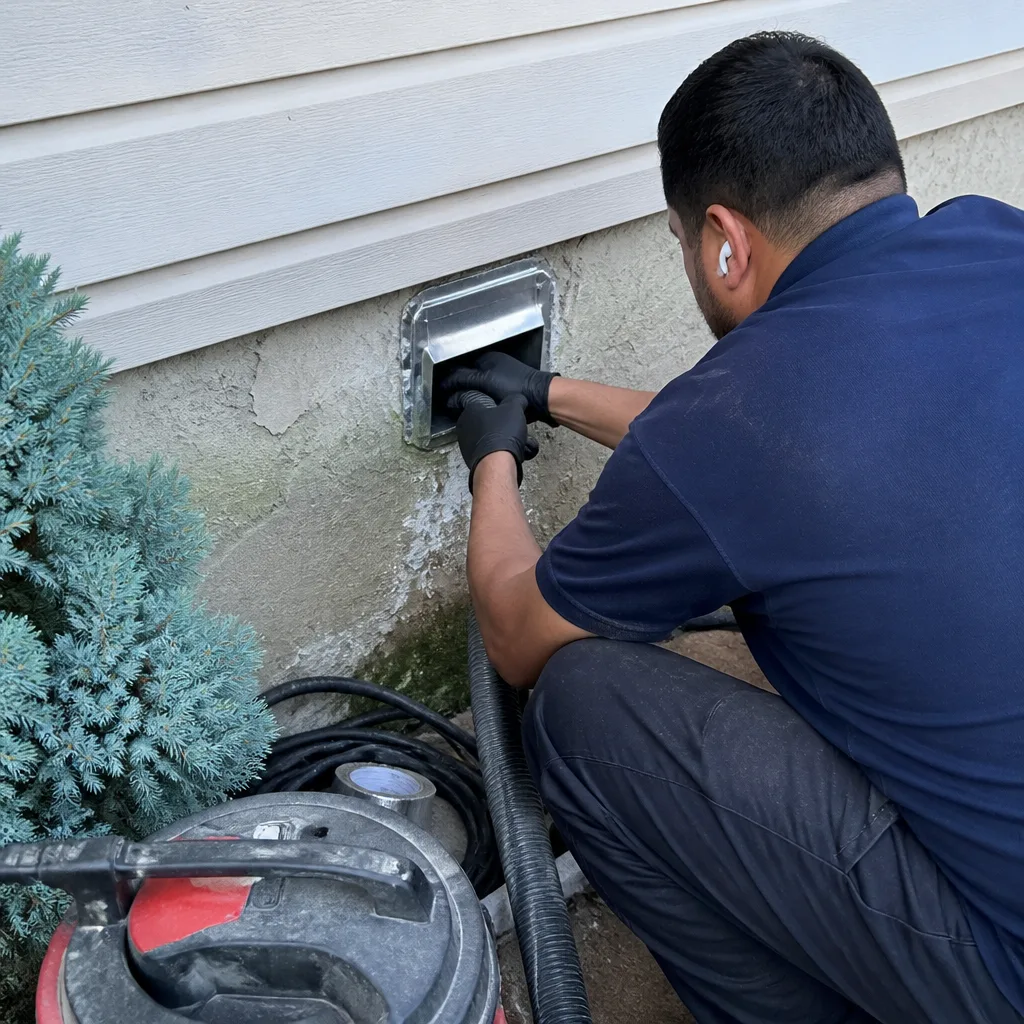
That "$99 whole-house special" is a bait ad - the real number appears once they are in your hallway, or the "clean" is a shop-vac at the register. We photograph the inside of your ducts before and after instead.
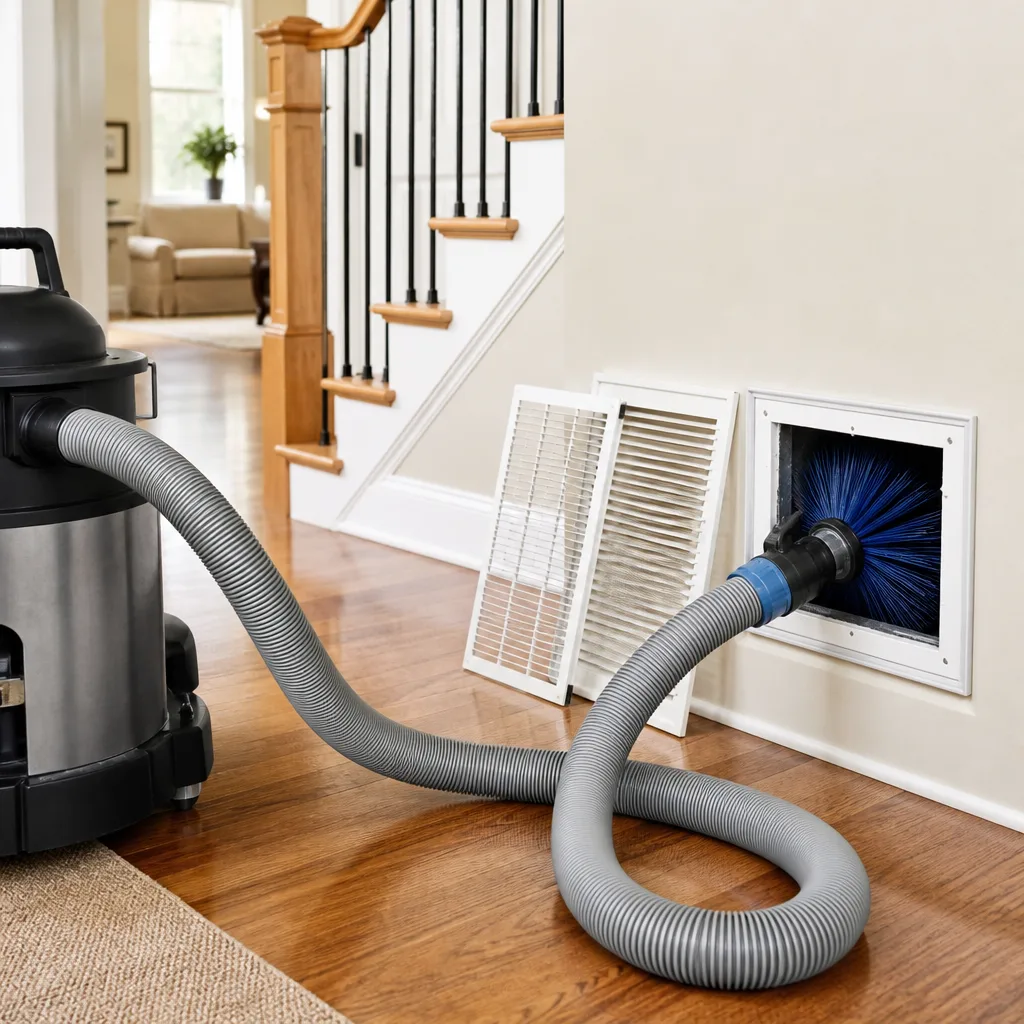
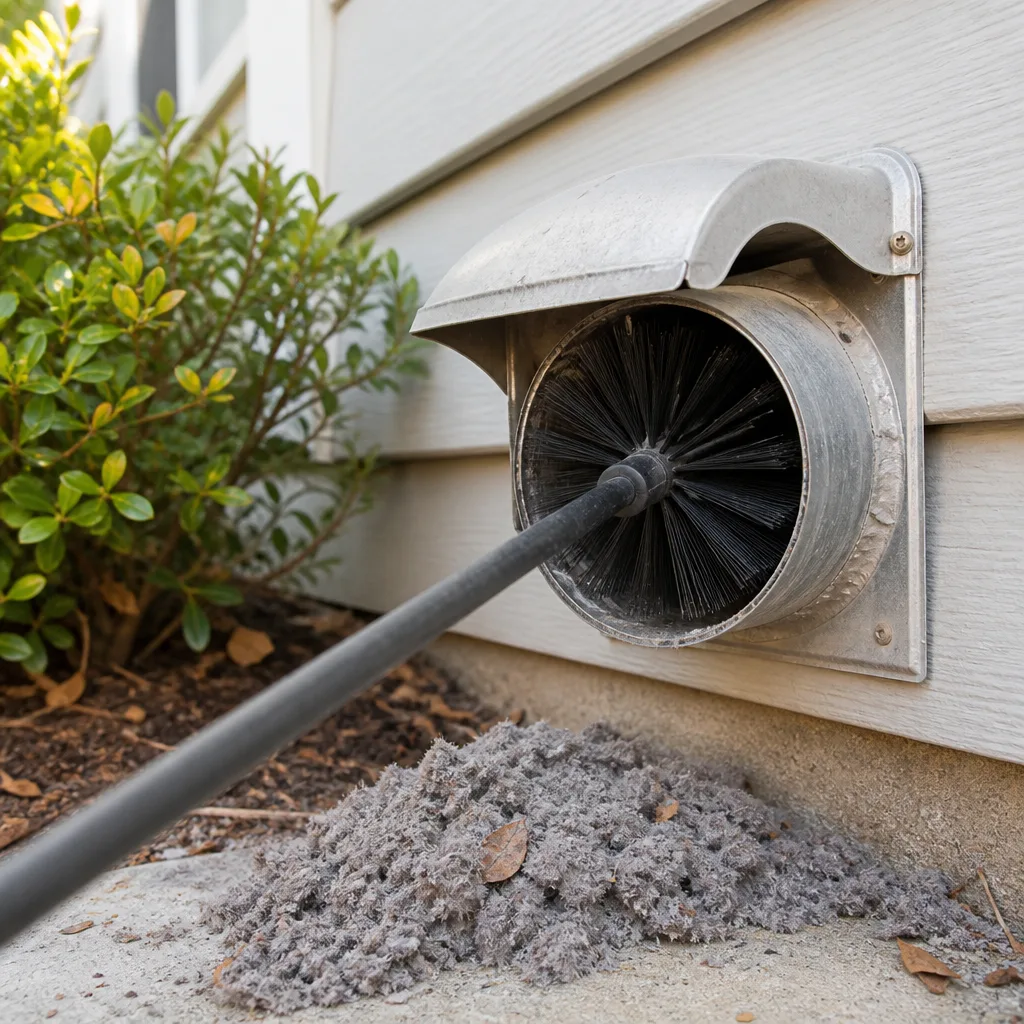
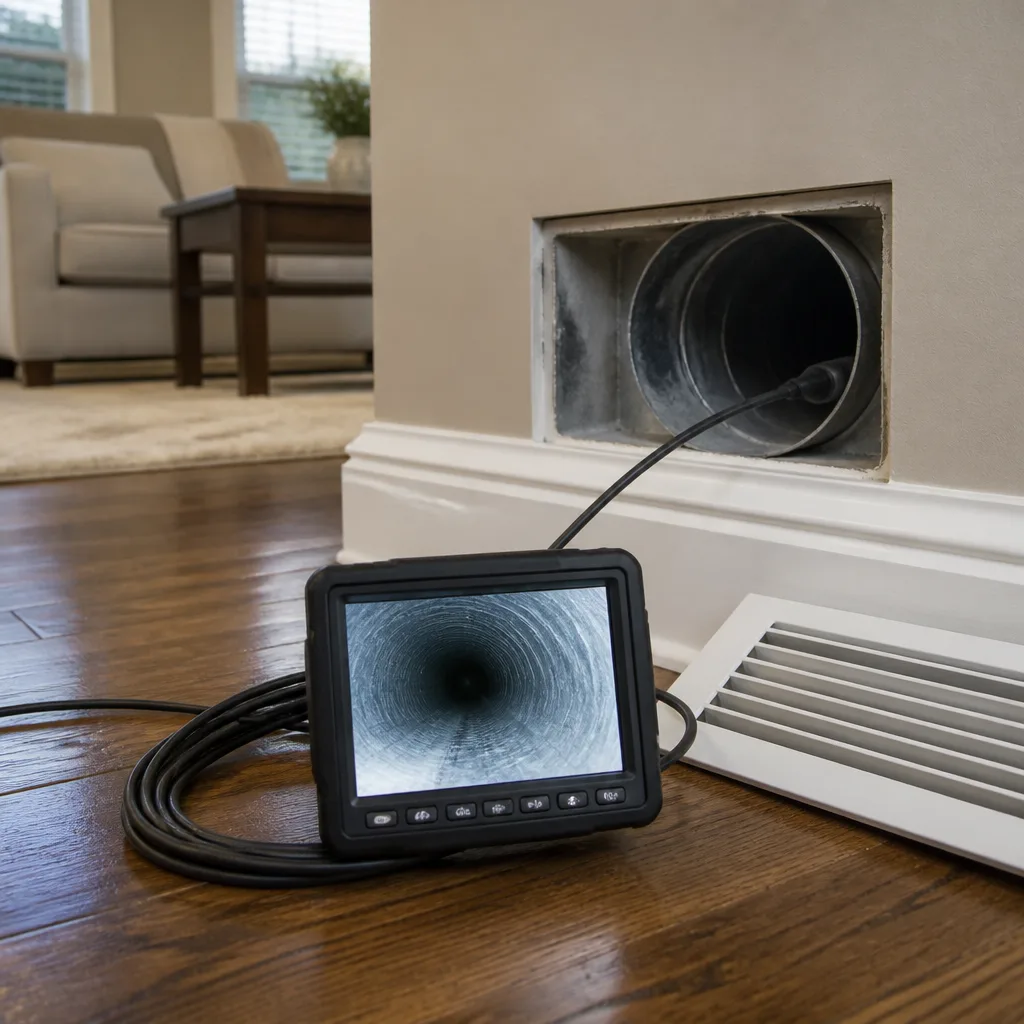
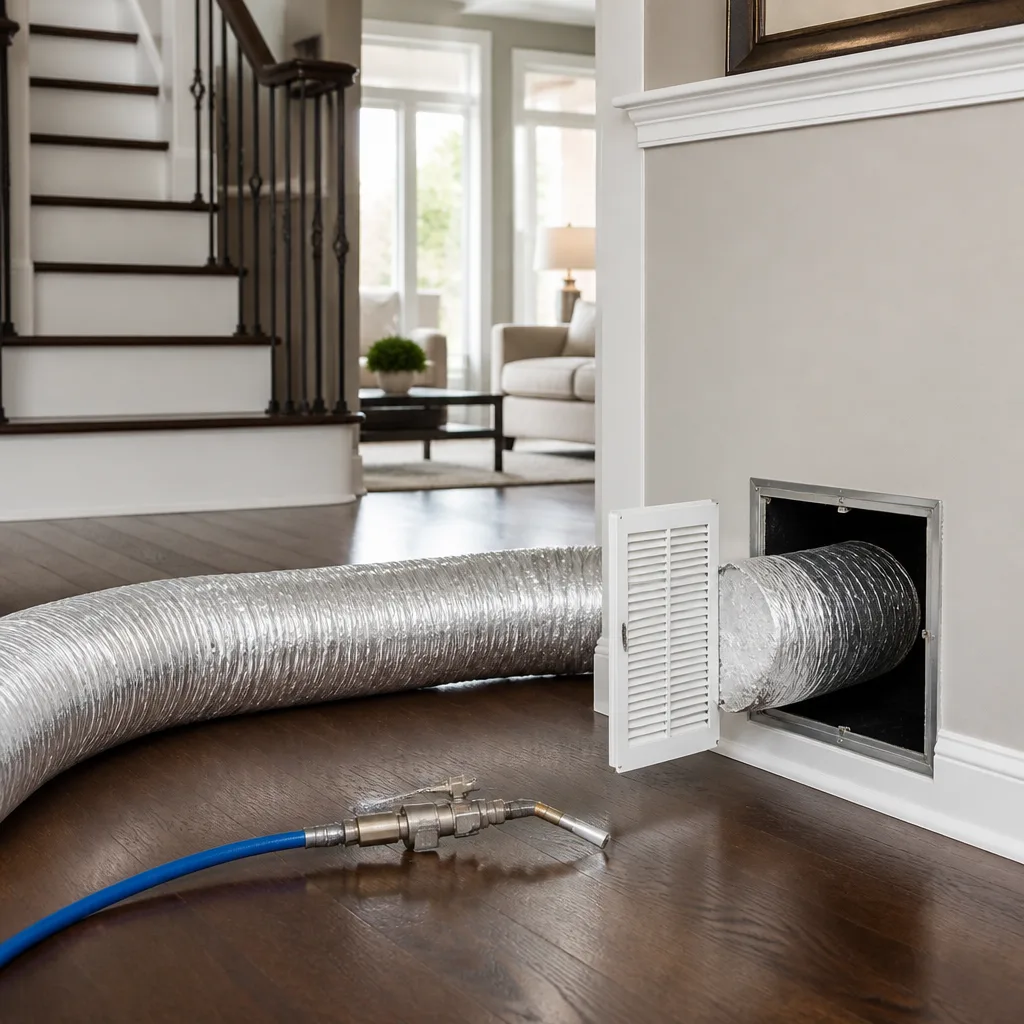
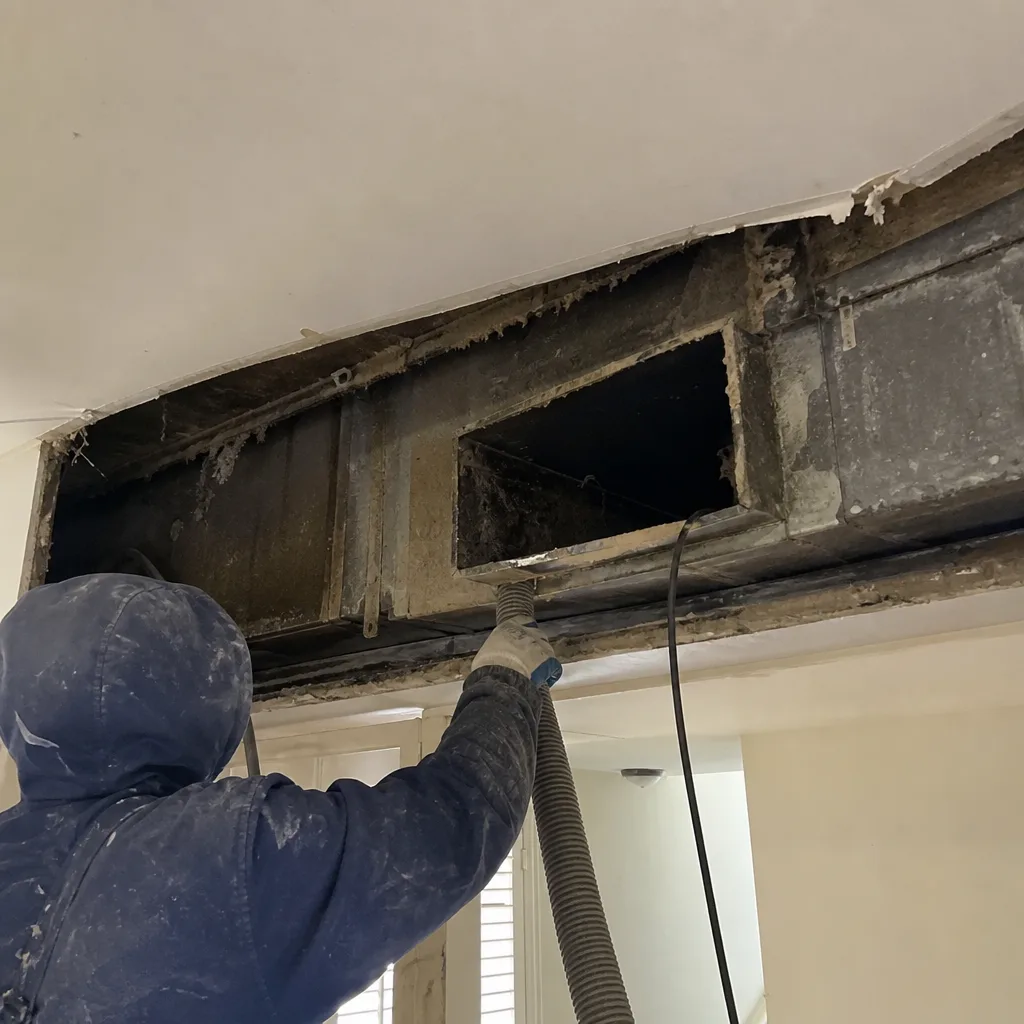 Before
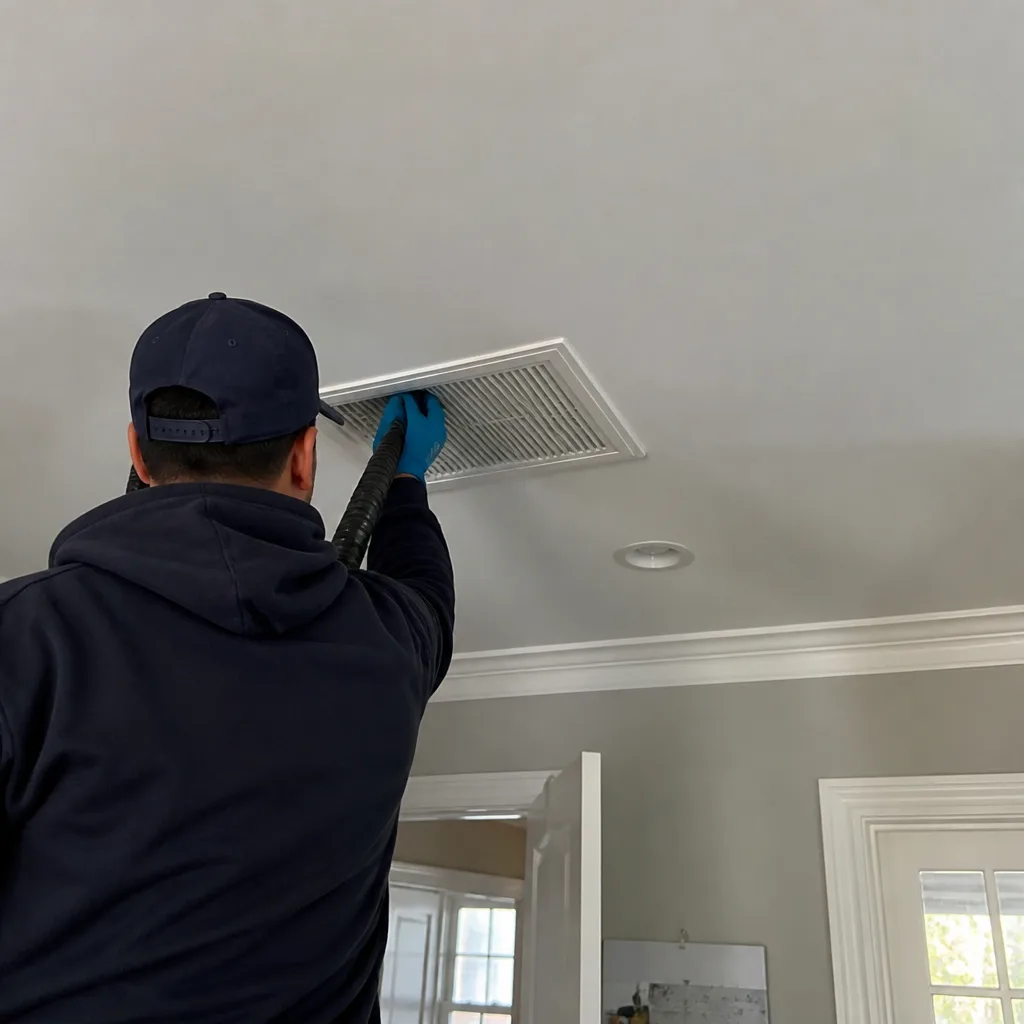 After
After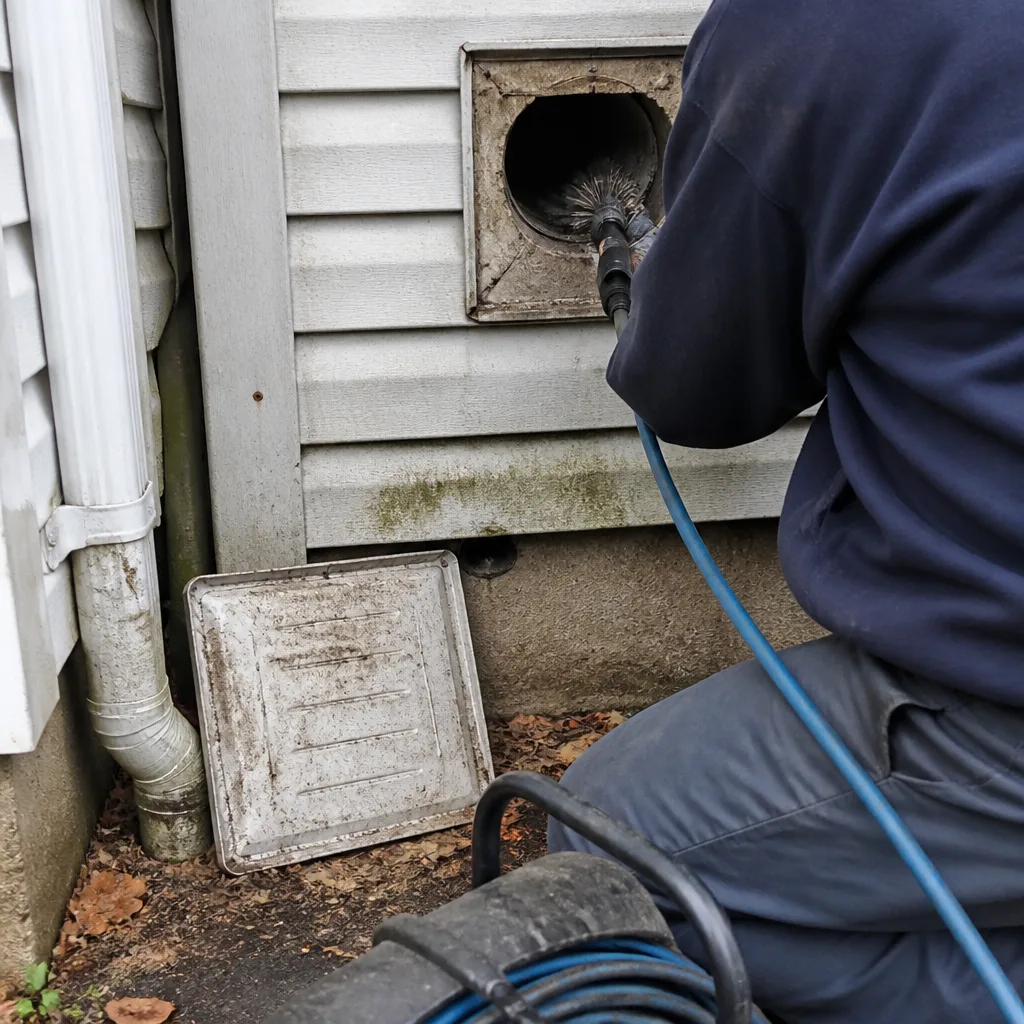 Before
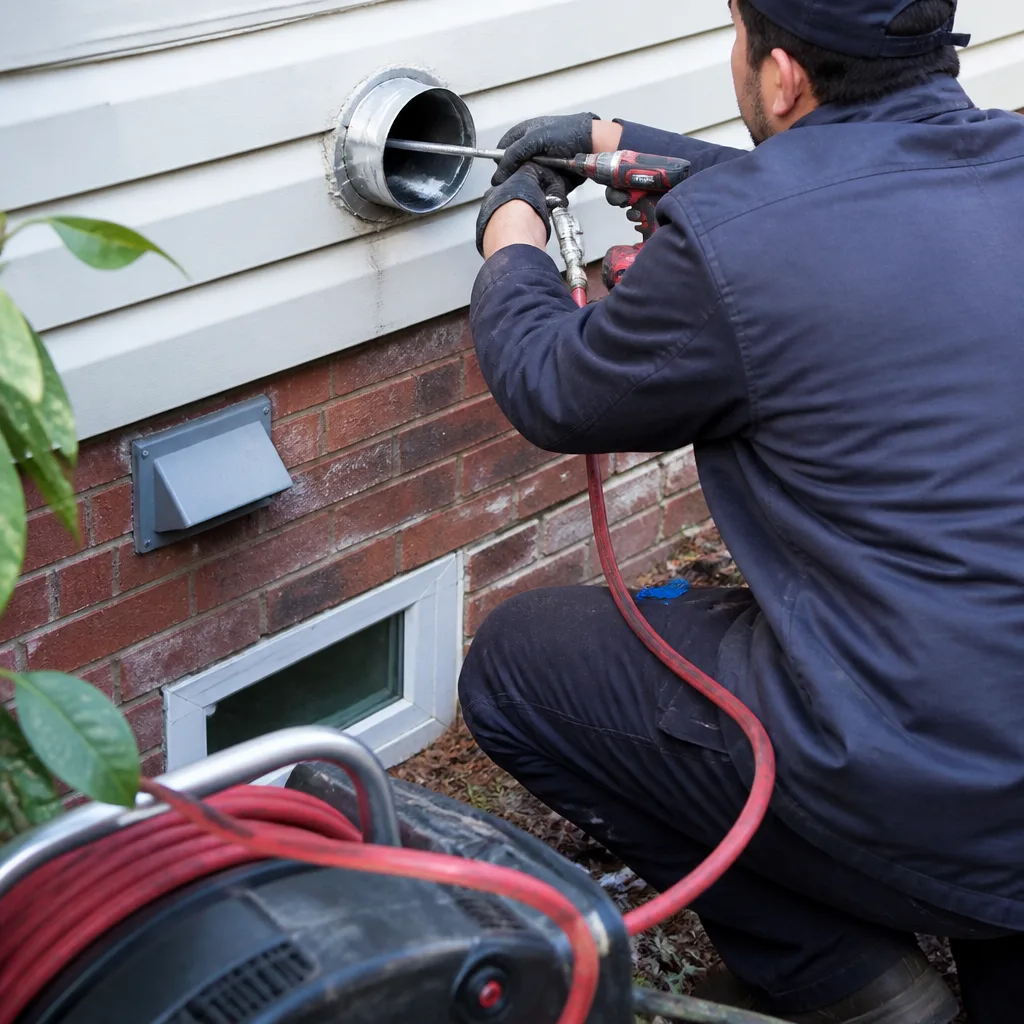 After
After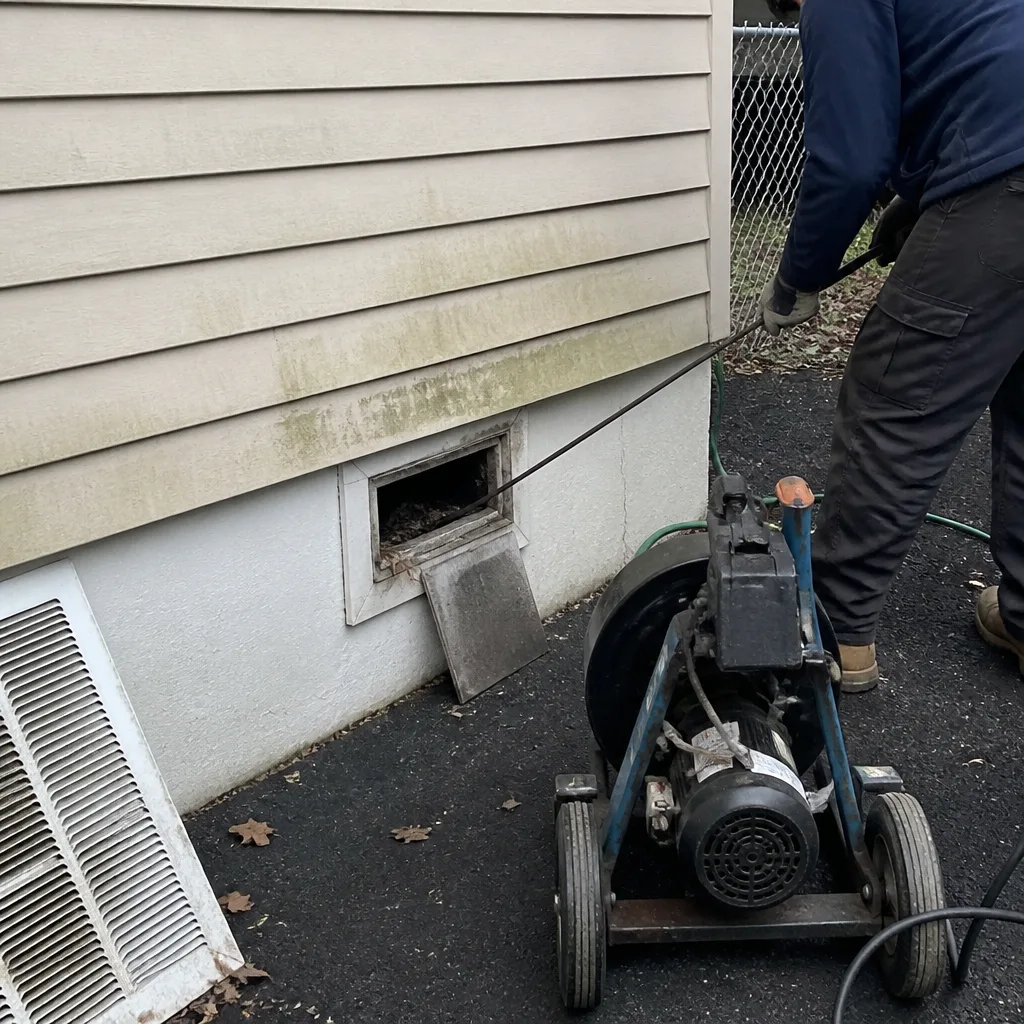 Before
 After
AfterNikro Register & Grille Cleaning: The New York City Owner’s Guide
If you own a Nikro air duct cleaning system, you already know the register and grille tooling takes the most abuse on every job. We stock Nikro-compatible register and grille cleaning attachments in our New York City shop, and a full replacement typically runs $85 to $240 installed depending on which Nikro model you’re running and whether the brush head alone failed or the entire tool assembly needs replacing. Most owners discover the problem mid-job: the brush stops spinning under load, the bristles are flattened to one side, or the air-wash collar has worn enough that debris blows past the tool instead of getting pulled into the vacuum stream. If you’re seeing any of that, the tool is done, and pretending otherwise just makes the next job longer and dirtier.
We’re an independent service provider in New York City, not a Nikro dealer, which means we stock both OEM Nikro parts and quality aftermarket equivalents from trade suppliers. The difference matters when a job is booked and the tool fails on site.
Which Nikro Models This Applies To
Most Nikro systems use a universal tool-end connection, which means the register and grille cleaning attachment from a Nikro RS-2 will generally mount to a Nikro RT-500 or a newer RV-series machine. The compatibility gotcha that trips people up is the air-wash collar diameter: older Nikro units built before roughly 2011 shipped with a 1.5-inch collar, while newer production runs use 2-inch tooling. If you mix those up, you’ll get weak suction at the register face and a brush that stalls constantly because the vacuum path isn’t sealed.
To identify what you need, look at the aluminum collar where the tool meets the hose. If it slides into your vacuum hose, it’s the older style. If your hose slides into the collar, it’s current production. We also check the brush mandrel diameter at the same time because aftermarket suppliers sometimes machine to metric tolerances that leave a slight wobble, and a wobbling brush chews through nylon bristles in a few months of New York City dust work.
The OEM-versus-aftermarket decision for Nikro tooling comes down to this: OEM brush heads generally hold up better under heavy commercial use, but the aftermarket replacements we stock from trade suppliers in New York City cost about 30 to 40 percent less and perform identically for homeowner-scale work and most small-commercial jobs. We’ll show you both options with prices before anything gets ordered.
Signs Your Nikro Register & Grille Cleaning Is Failing
- The brush stalls or chatters when pressure is applied to a register face. This usually means the mandrel bearing is worn or the brush has lost enough bristle density that it’s no longer engaging the surface evenly. The fix is a new brush head or mandrel assembly, not more downward pressure.
- Debris escapes around the tool instead of entering the vacuum stream. The air-wash collar has worn or cracked, breaking the seal that keeps loosened dust moving toward the machine. In older Nikro units, the plastic collar is the first component to fail.
- Bristles are flattened to one side or missing in patches. Nylon bristles take a set over time, especially when the tool gets stored against a hot surface or is run repeatedly over metal register grilles. Once the bristles take a set, the tool cleans unevenly and leaves visible streaks behind.
- The tool body shows hairline cracks near the collar mount. This is fatigue from repeated flexing at the connection point, and it’s common on tools that get pulled off the hose while still under vacuum. A cracked body will eventually separate mid-job.
- Suction at the register is noticeably weaker than at the hose end. Internal blockage from years of accumulated fine dust, or a partially collapsed collar, restricts airflow through the tool itself. Camera inspection of the tool bore confirms it in minutes.
BeforeAfterReplacement Cost & What’s Included
In New York City, expect to pay between $85 and $240 for a Nikro register and grille cleaning replacement installed, with most jobs landing in the $110 to $160 range. The low end is a brush head swap on a current-production machine. The high end is a full tool assembly replacement on an older unit that also needs a collar adapter. Every price we give is written before work starts, per Haven Standard Clause 1, and it covers the part, installation, and a test run against a register in your own space so you can feel the difference before we hand the tool back.
We also inspect the mating components while the tool is off the hose: the vacuum hose cuff, the tool-end gasket, and the quick-connect if your Nikro has one. A new brush on a hose with a cracked cuff will underperform, and there’s no reason to sell you half a fix. The work is supported by the 365-Day Done Right Promise in writing.
DIY or Call Us?
Swapping a Nikro register and grille cleaning attachment isn’t dangerous the way spring or electrical work is, but it is easy to get wrong if the parts are mismatched. You can safely check the collar diameter and brush condition yourself, and you can clean the tool bore with compressed air. What you shouldn’t do is order a replacement based on the model number alone, because the pre-2011 and post-2011 collar difference we described earlier will put you in the wrong part about half the time. If you want us to match the part, install it, and test it on your machine, call (806) 606-6902. We stock the common brush heads and collars in our New York City shop and can have the rest within a day or two from our suppliers.
FAQs
A Nikro register and grille cleaning brush head typically lasts 12 to 18 months of regular residential use in New York City before the bristles take a set or the collar seal degrades. Commercial crews may replace them every 4 to 6 months because the workload is continuous. The tool body itself, if kept dry and stored off the floor, often outlasts several brush heads. For an exact replacement recommendation on your specific unit, call (806) 606-6902 and we’ll assess it.
Sometimes a cracked collar or loose mandrel bearing can be replaced individually, which costs less than a full tool assembly. But if the brush bristles are flattened, or the tool body is cracked, the tool is done. We only recommend repair when the repair is reliable; a band-aid fix on a tool you use in customers’ homes isn’t a fix at all. Bring it in or send photos through our New York City shop line for a straight answer.
If we have the part in our New York City shop, the swap takes about 20 minutes including the test run against a register. Special-order parts add whatever the supplier’s delivery time is, which we confirm in writing before you commit to anything.
Nikro is the most common system we see, but our New York City shop also carries register and grille tooling for Lennox, Trane, and Carrier duct cleaning equipment, along with a range of universal air-wash collars that fit older machines. If you’re not sure what you need, the camera inspection of the tool bore and a measurement of the collar diameter answer the question in about ten minutes.
Written by Tomas Reyes, Owner & Lead Technician, CleanRun Air Duct Cleaning at CleanRun Air Duct Cleaning, serving New York City and nearby areas.