
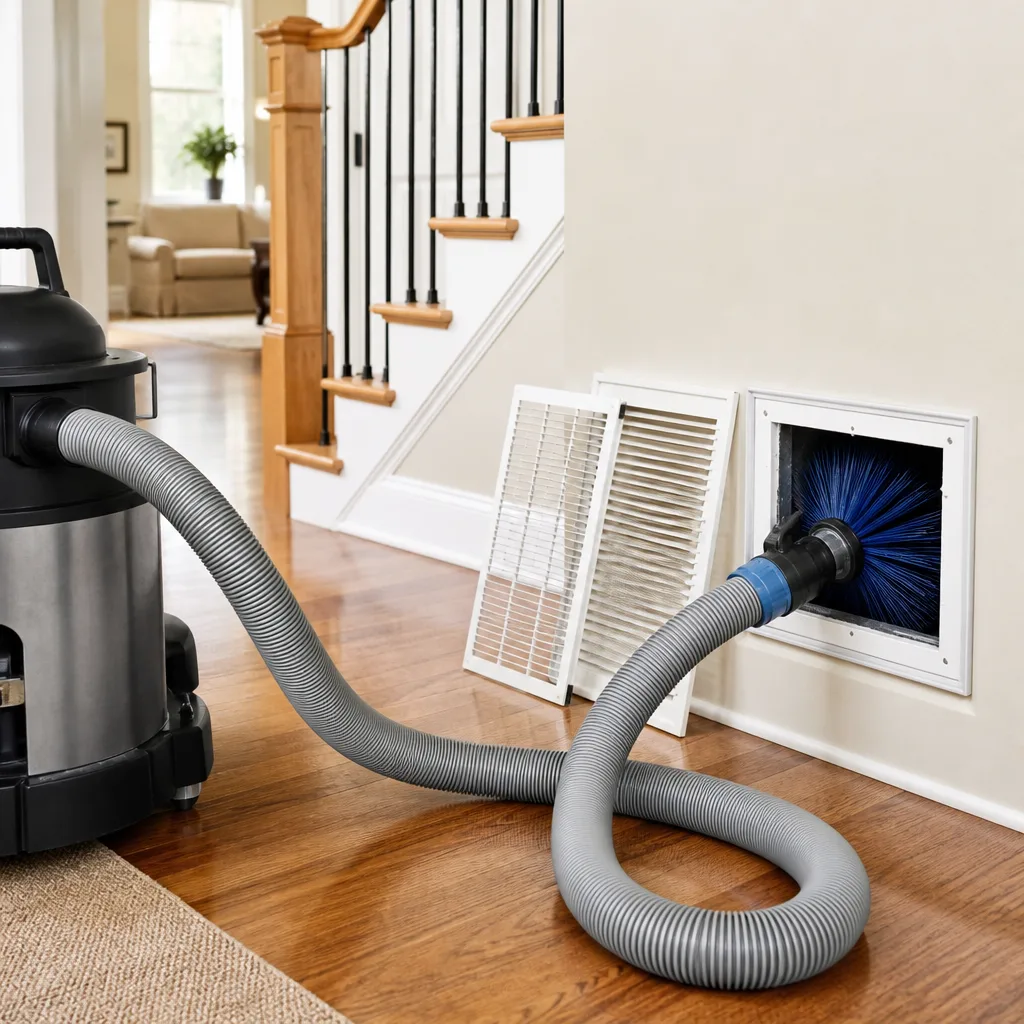
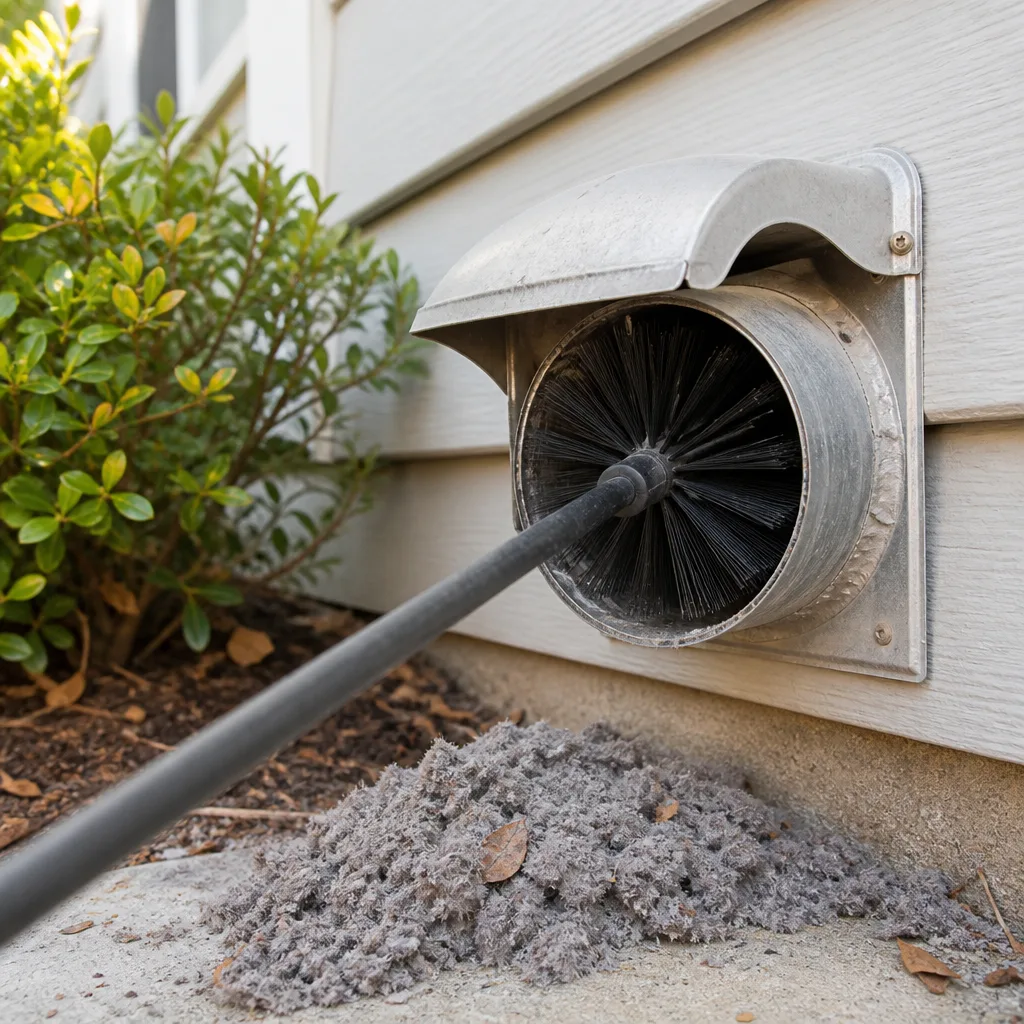
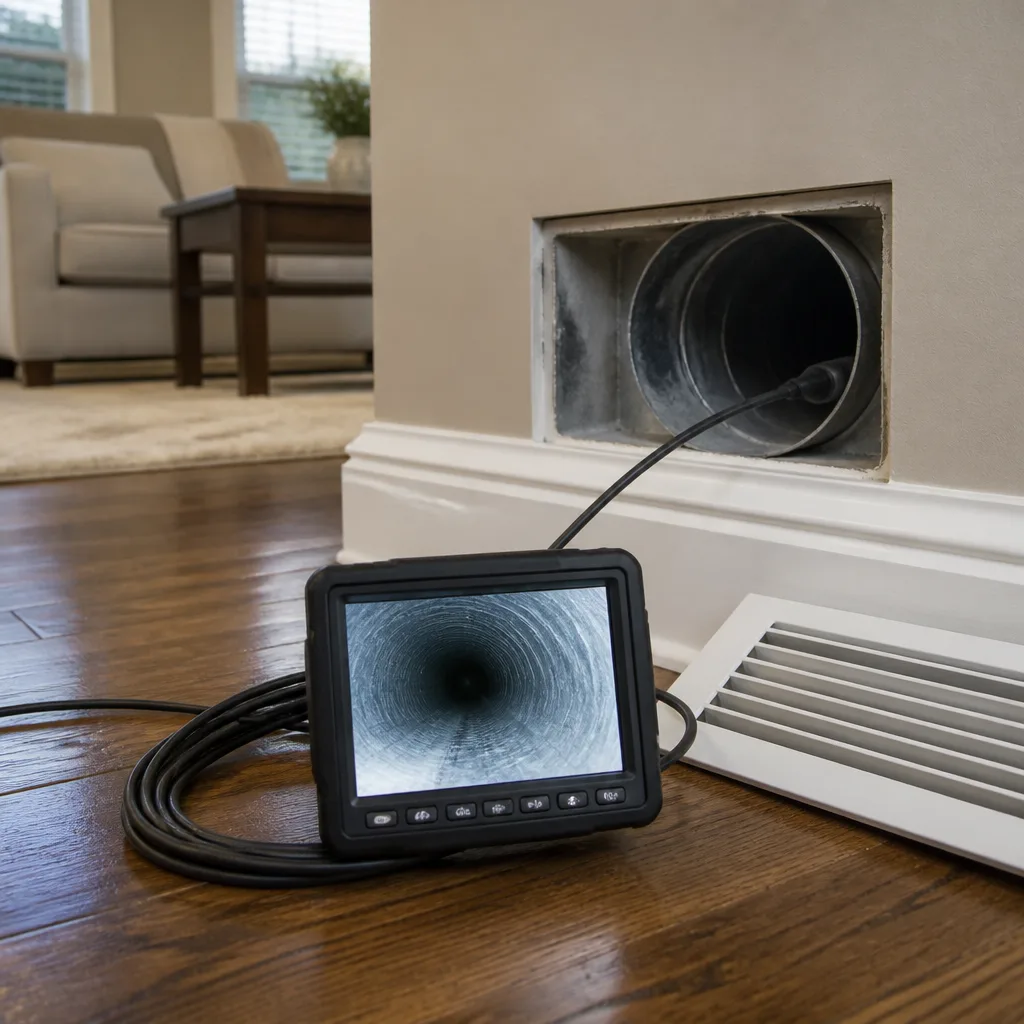
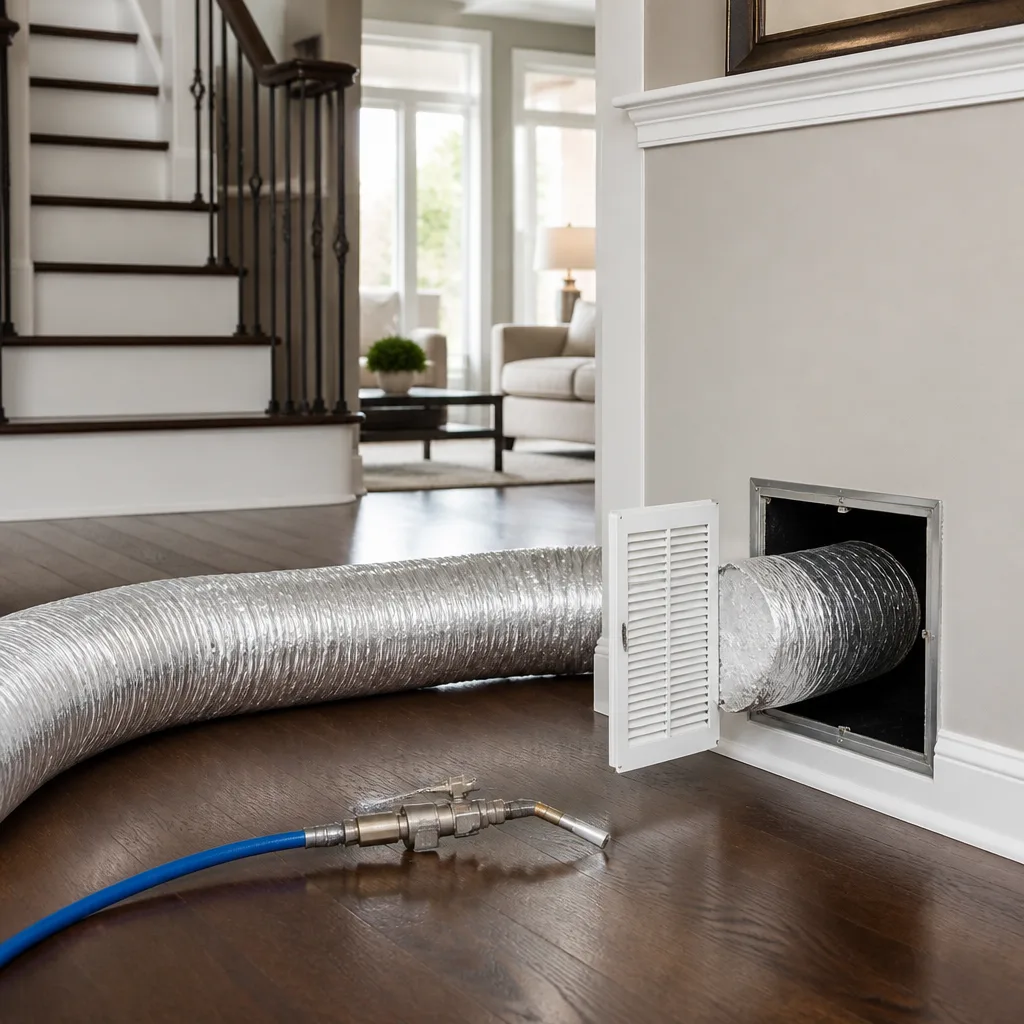
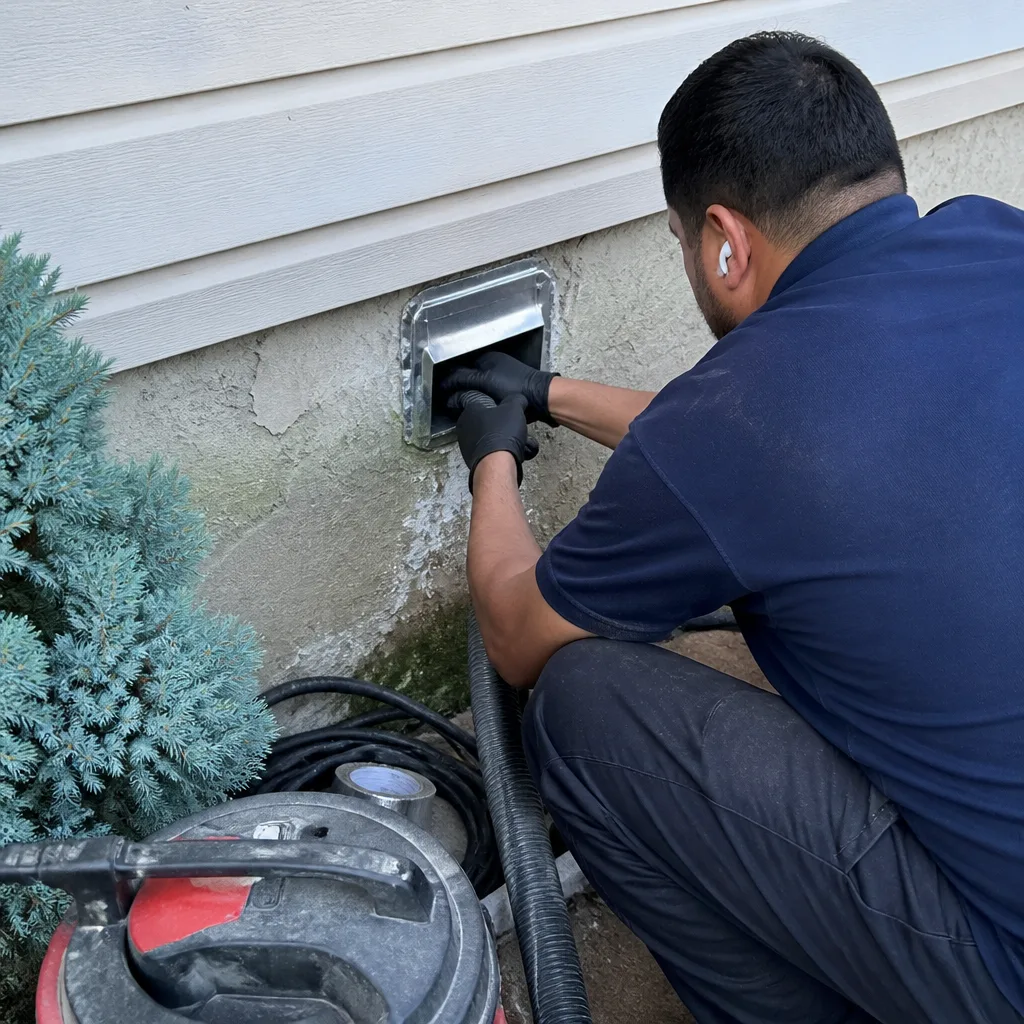
Whole-system duct and dryer vent check with before-and-after photos - you see exactly what came out of your vents
That "$99 whole-house special" is a bait ad - the real number appears once they are in your hallway, or the "clean" is a shop-vac at the register. We photograph the inside of your ducts before and after instead.
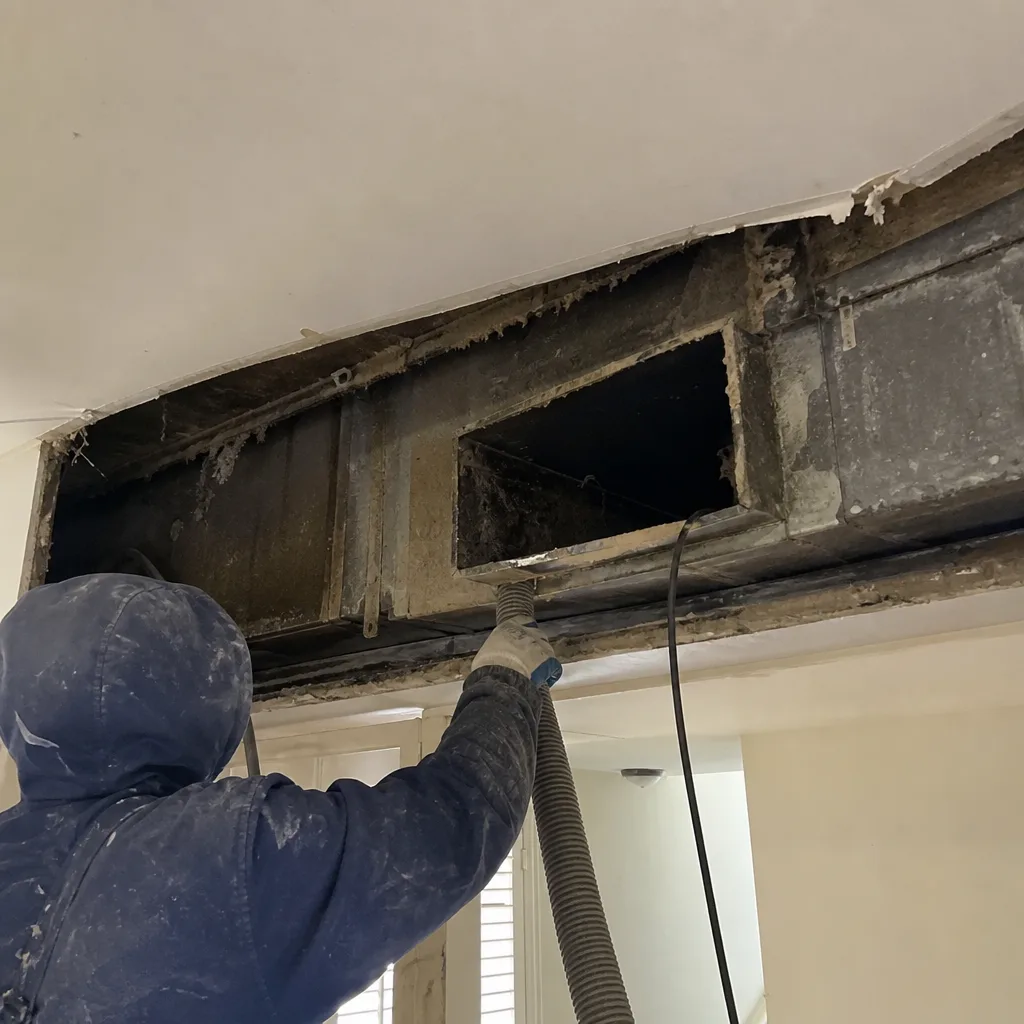 Before
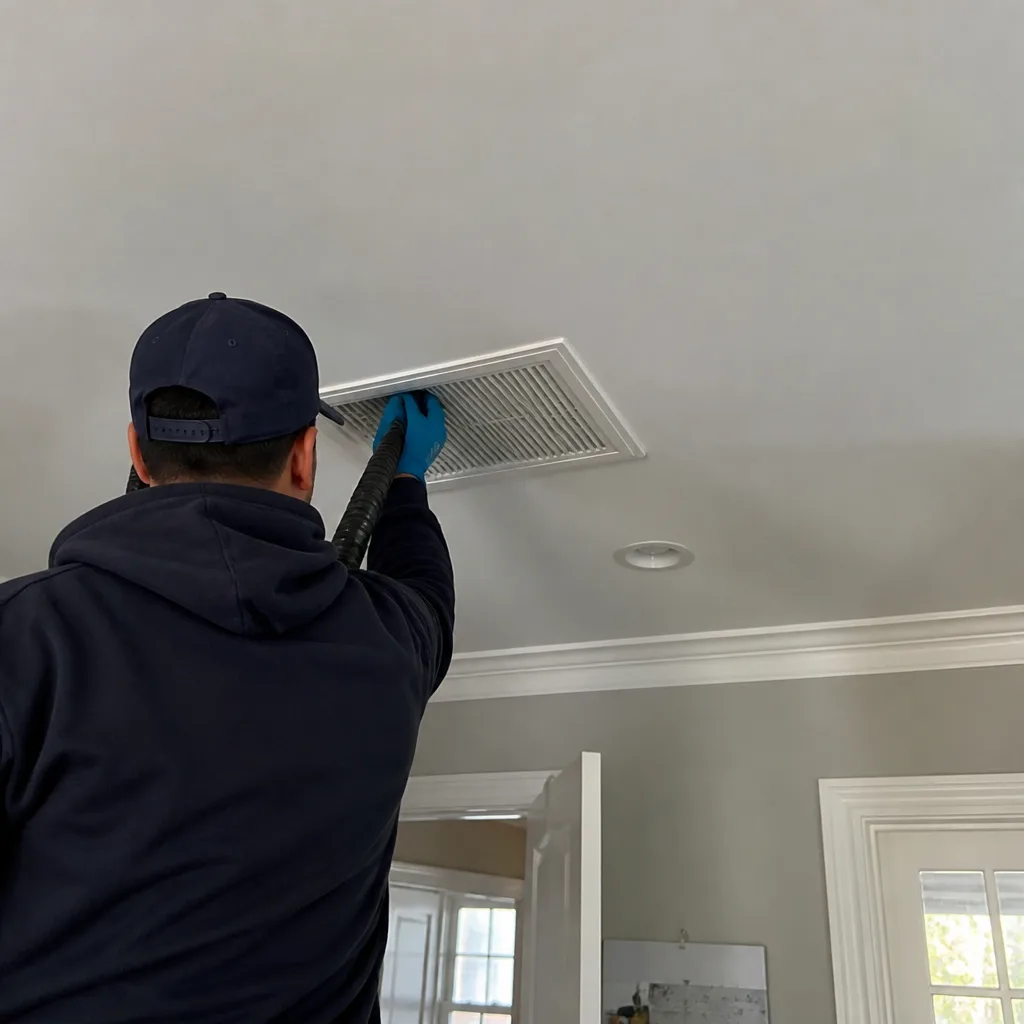 After
After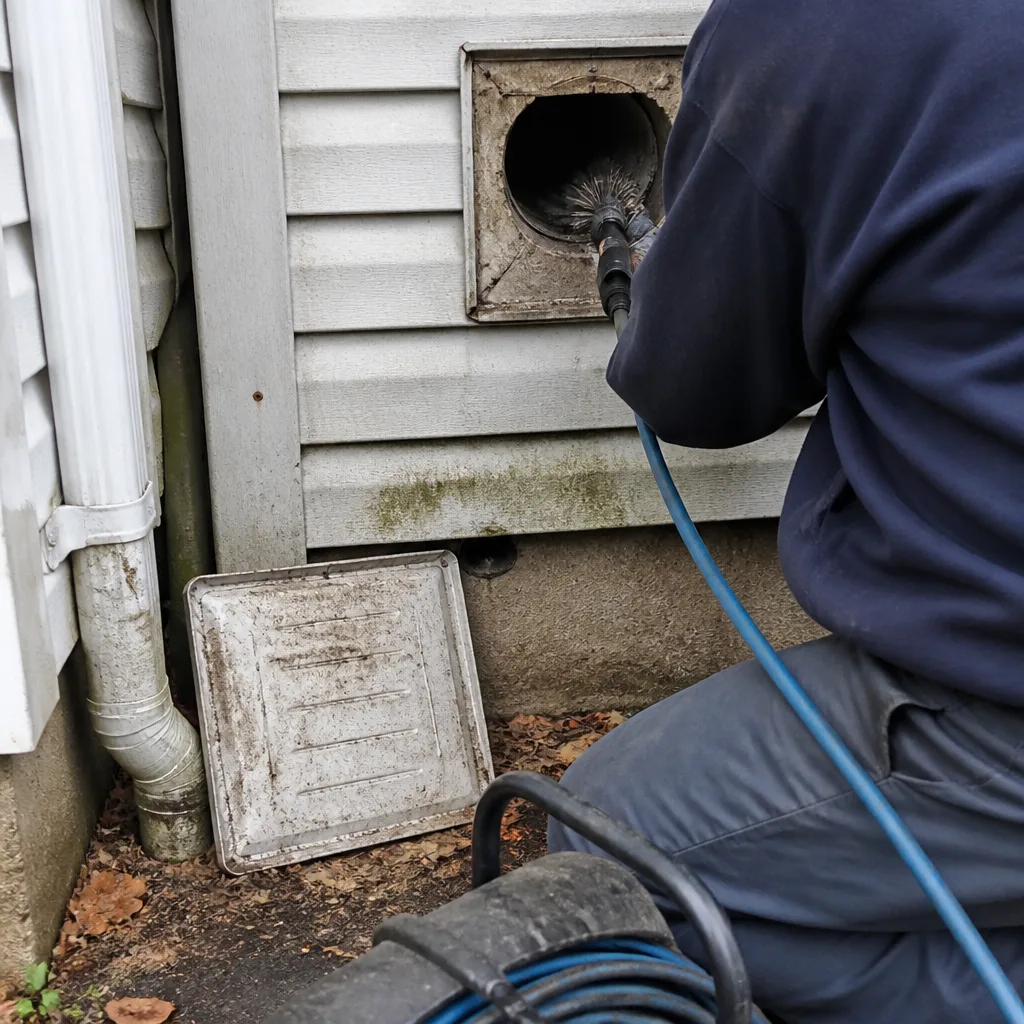 Before
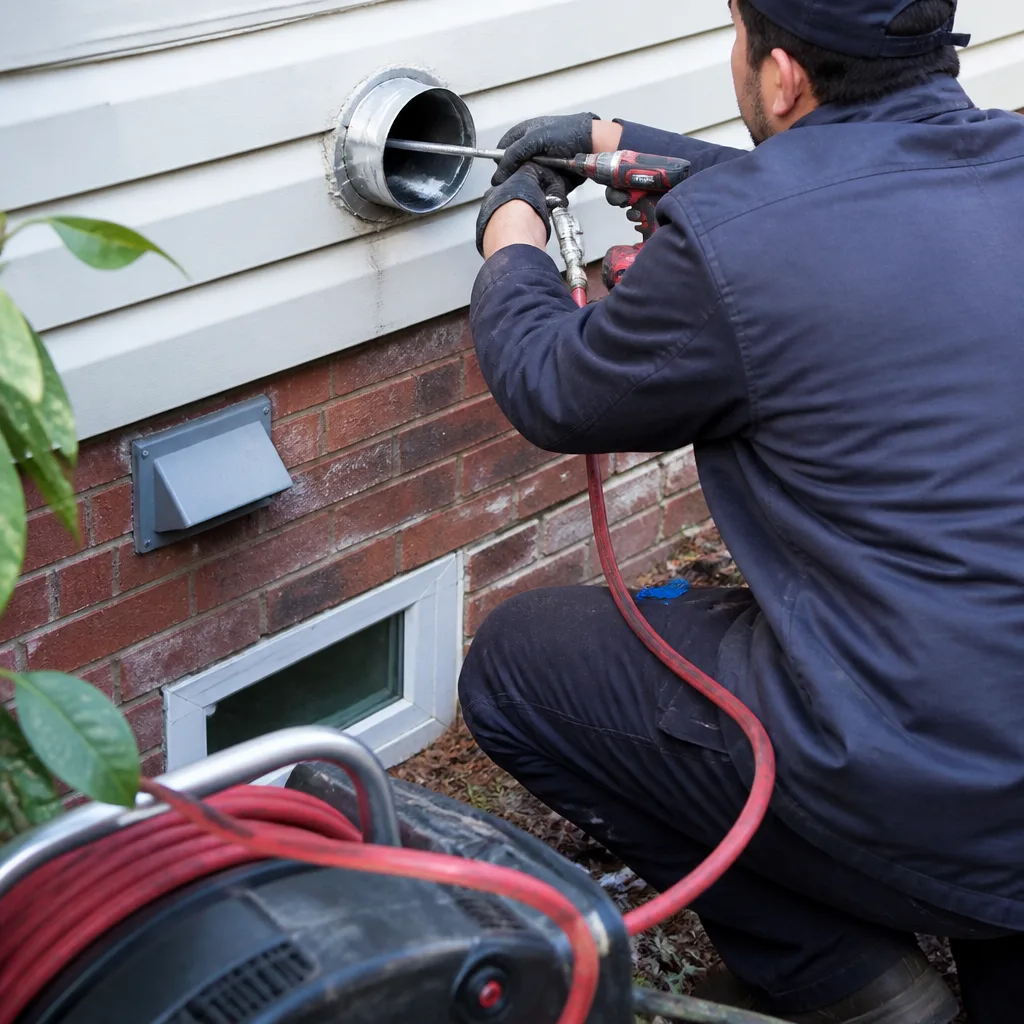 After
After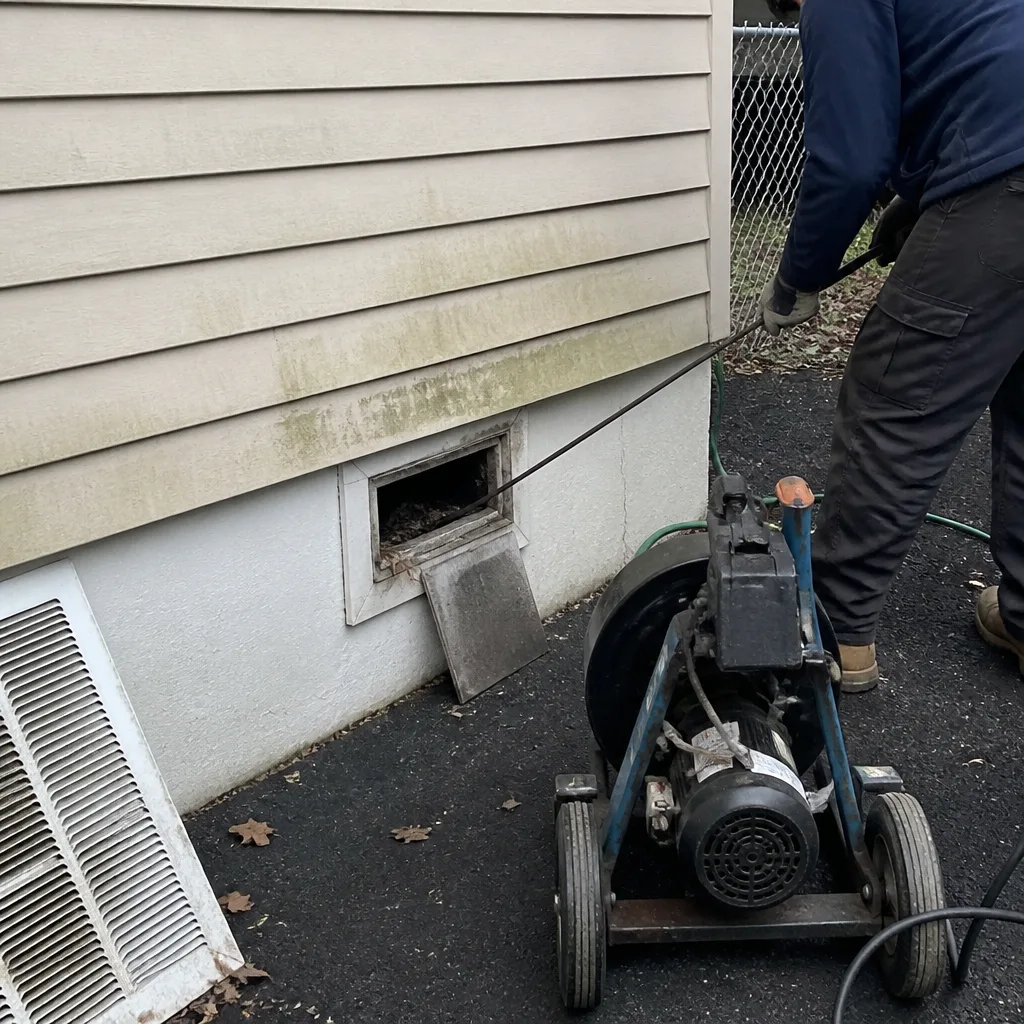 Before
 After
AfterNikro Coil Cleaning: The New York City Owner’s Guide
We stock and install Nikro-compatible coil cleaning systems and replacement parts across New York City, with most complete coil cleaning unit replacements running between $425 and $780 installed depending on your model and what the camera shows us. If you’re holding a Nikro coil cleaner that’s lost suction or stopped feeding chemical, you’ll usually know it before the coil does: the evaporator starts freezing at the edges, or the air blowing from your registers carries that faint sour smell that says biofilm is winning. Most owners call us after their second or third attempt at a workaround, and by then the coil has usually built up a layer of impacted material that a handheld sprayer can’t touch.
We’re an independent service provider, not a Nikro dealer. We stock their parts because they hold up in New York City’s particular conditions, and because we’ve been working with them since our first season in 2013.
Which Nikro Models This Applies To
Nikro’s coil cleaning line breaks into two families: the CC series (CC-1, CC-2, CC-3) built around 115V pump modules, and the commercial CW series designed for larger evaporator coils in multi-unit buildings. The compatibility gotcha most owners hit is the pump module: Nikro changed the quick-connect fitting design in 2019, so a replacement pump ordered for an older CC-2 will not mate with the chemical line on newer units without an adapter. We carry both fittings on our trucks.
To identify the right part, check the silver label on the pump housing. You’ll see a model prefix (CC-1 through CC-3), a serial number starting with the year of manufacture, and a small voltage stamp. We use that serial number to confirm which generation of pump you have before we order anything. For most New York City homeowners, the OEM pump is the right call; the aftermarket equivalents we’ve tested don’t hold up to the chemical concentrations Nikro systems run, and the six months of extra life you get from OEM matters when you’re pulling the coil cover off every spring. On the spray wands and chemical lines, quality aftermarket parts are perfectly fine and we’ll tell you that directly.
Signs Your Nikro Coil Cleaning Is Failing
- Chemical feeds in pulses, not a steady spray. This usually points to a failing diaphragm in the pump module. The diaphragm develops micro-tears after repeated chemical cycles, and the pump loses prime intermittently. It will still sound like it’s working, which is why this goes unnoticed until the coil doesn’t come clean.
- Suction drops at the pickup tube. The check valve at the base of the pickup tube gets gummed up with dried chemical residue. You’ll see the tube start to collapse slightly under vacuum. A new check valve assembly fixes this in about ten minutes, and we keep a dozen on the truck.
- The trigger sticks open or won’t close fully. Coil cleaning chemicals are corrosive by design, and the trigger o-rings in Nikro wands are the first thing to go. If you’re getting a drip from the wand tip after you release the trigger, the o-ring is shot and chemical is leaking into places it shouldn’t be.
- Pressure is fine but the spray pattern is uneven. The spray tip has a small ceramic orifice that erodes over time. In New York City, hard water accelerates this. You’ll see a fan pattern that’s heavy on one side. A replacement tip is under $20 and takes two minutes to swap.
- The unit trips a GFCI outlet. This is the one to take seriously. A pump that’s drawing more current than it should is either working against a restriction or has internal winding damage. Stop using it and have it looked at. Electrical and chemical together are not a combination to troubleshoot by feel.
BeforeAfterReplacement Cost & What’s Included
Here’s the price breakdown for New York City, written out the same way we put it on every job sheet before work starts:
- Replacement pump module (OEM): $185 to $260 depending on CC series generation
- Complete chemical line and pickup assembly: $40 to $75
- Spray wand and trigger rebuild kit: $55 to $90
- Labor, typical residential install: $145 to $215, flat rate, agreed before we touch the unit
- Full system replacement (when the housing is cracked or the motor is beyond service): $425 to $780 installed
Every price above is a written line item under Haven Standard Clause 1. You’ll see the photo record of what we found inside the unit before we ask you to approve anything. The replacement parts we install carry a one-year warranty on the part, and our labor is covered by the 365-Day Done Right Promise. If the part fails because we installed it wrong, we make it right at no charge. That’s in writing.
DIY or Call Us?
You can safely replace the spray tip, the pickup tube check valve, and the trigger o-rings on your own if you have the patience for it. We’ll even sell you the parts over the counter with a diagram. Where DIY goes wrong is the pump module: opening the pump housing on a CC-series unit means working with spring-loaded internal components and chemicals that are corrosive by design. If the pump is sparking, tripping breakers, or leaking chemical from the housing seal, leave it unplugged and call us. The camera inspection we do before the replacement will show you what failed, and the written price comes before anything gets taken apart. Call (806) 606-6902 and describe what your unit is doing; we’ll tell you over the phone whether it sounds like a quick fix or a replacement, and back that with a written quote when we arrive.
FAQs
A Nikro coil cleaning unit typically lasts 5 to 7 years in New York City residential use before the pump module needs replacement, with the trigger assembly and spray tip needing attention every 12 to 18 months. The city’s hard water and the corrosive nature of coil cleaning chemicals mean the pump seals and o-rings deteriorate faster here than in softer-water markets. We can extend that lifespan with a basic end-of-season flush procedure that takes ten minutes. Call (806) 606-6902 if you want the exact procedure for your CC model.
A failing Nikro pump can sometimes be repaired if the issue is limited to the diaphragm or the check valve, but once the motor windings or the housing seal are compromised, replacement is the honest answer. We’ve rebuilt enough of these to know when a repair will hold up and when it’s throwing money at a part that’s already past its service life. The photo record we take during inspection will show you exactly what we’re seeing, and we’ll put both options in writing with prices.
A typical Nikro pump module replacement takes 45 to 90 minutes on site, and we carry the common CC-series parts on our trucks so we’re not making you wait on a parts order. The full system replacement runs about two hours from camera inspection to final test. We’ll confirm the timing in your written quote before any work starts. Call (806) 606-6902 and we’ll match your serial number to the right part before we even schedule the visit.
We stock OEM Nikro pump modules, check valves, trigger kits, and spray tips for the CC-1, CC-2, and CC-3 series on our trucks, and we can have CW-series commercial parts in hand within two business days. If you’re running a Lennox, Trane, or Carrier system, we stock replacement parts for those coil cleaning configurations as well. There’s no parts deposit; you pay the written price when we’re done and you’ve seen the before-and-after photo record. The photo tells you what’s in there. Everything else is just paperwork.
Written by Tomas Reyes, Owner & Lead Technician, CleanRun Air Duct Cleaning at CleanRun Air Duct Cleaning, serving New York City and nearby areas.