
Whole-system duct and dryer vent check with before-and-after photos - you see exactly what came out of your vents
That "$99 whole-house special" is a bait ad - the real number appears once they are in your hallway, or the "clean" is a shop-vac at the register. We photograph the inside of your ducts before and after instead.
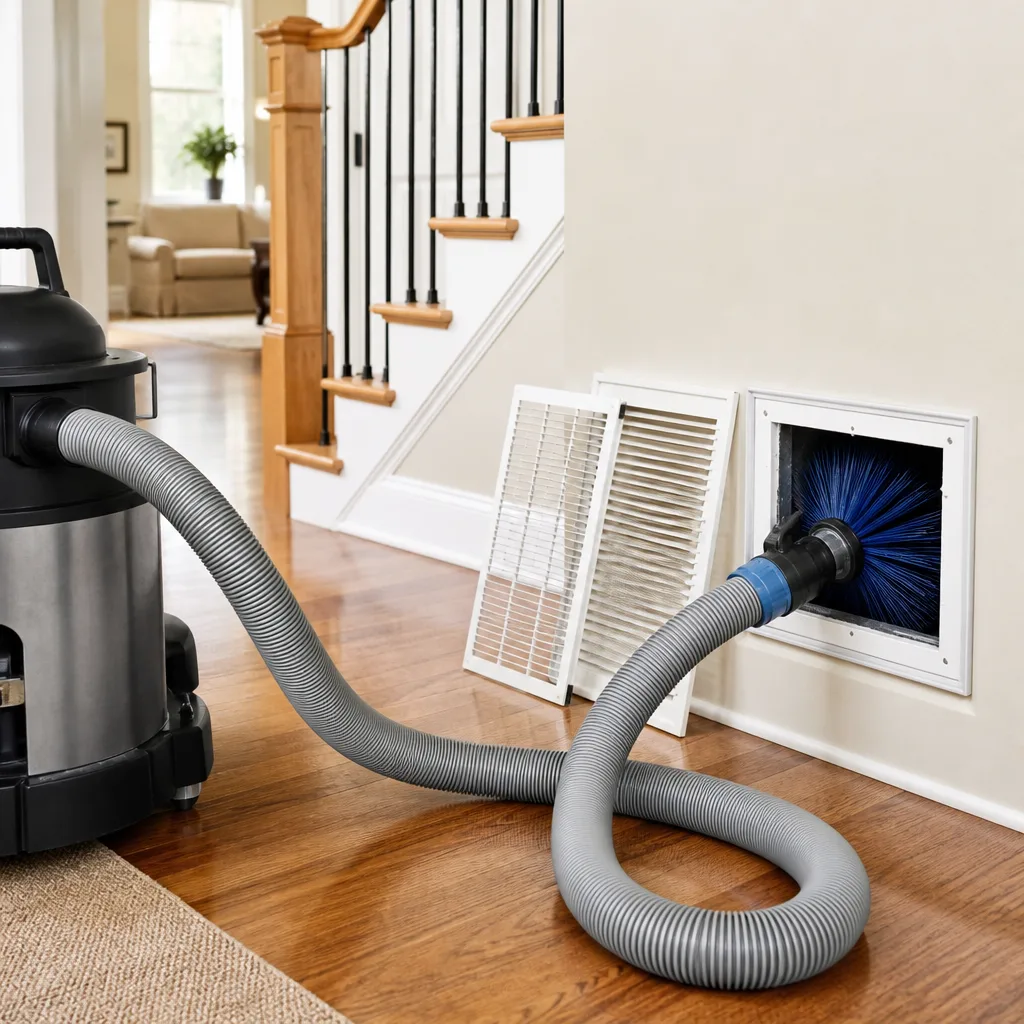
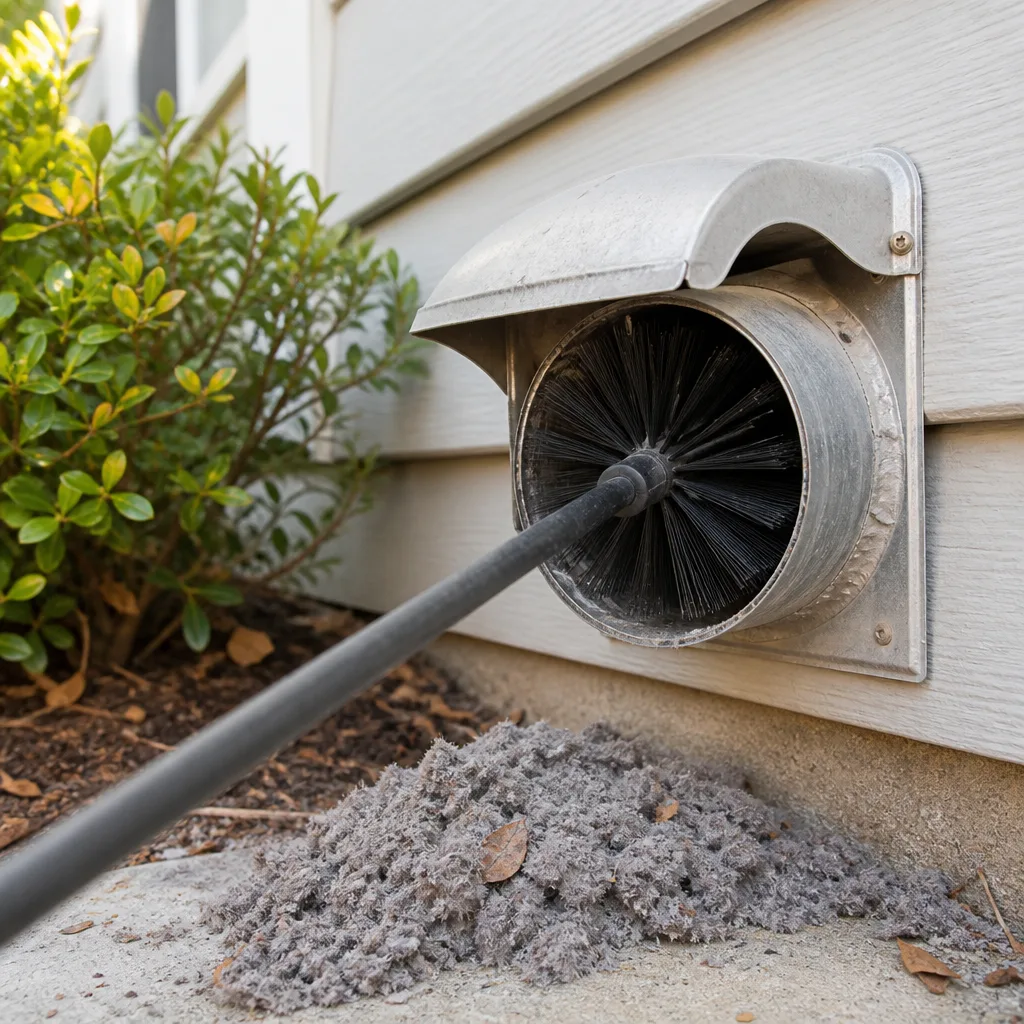
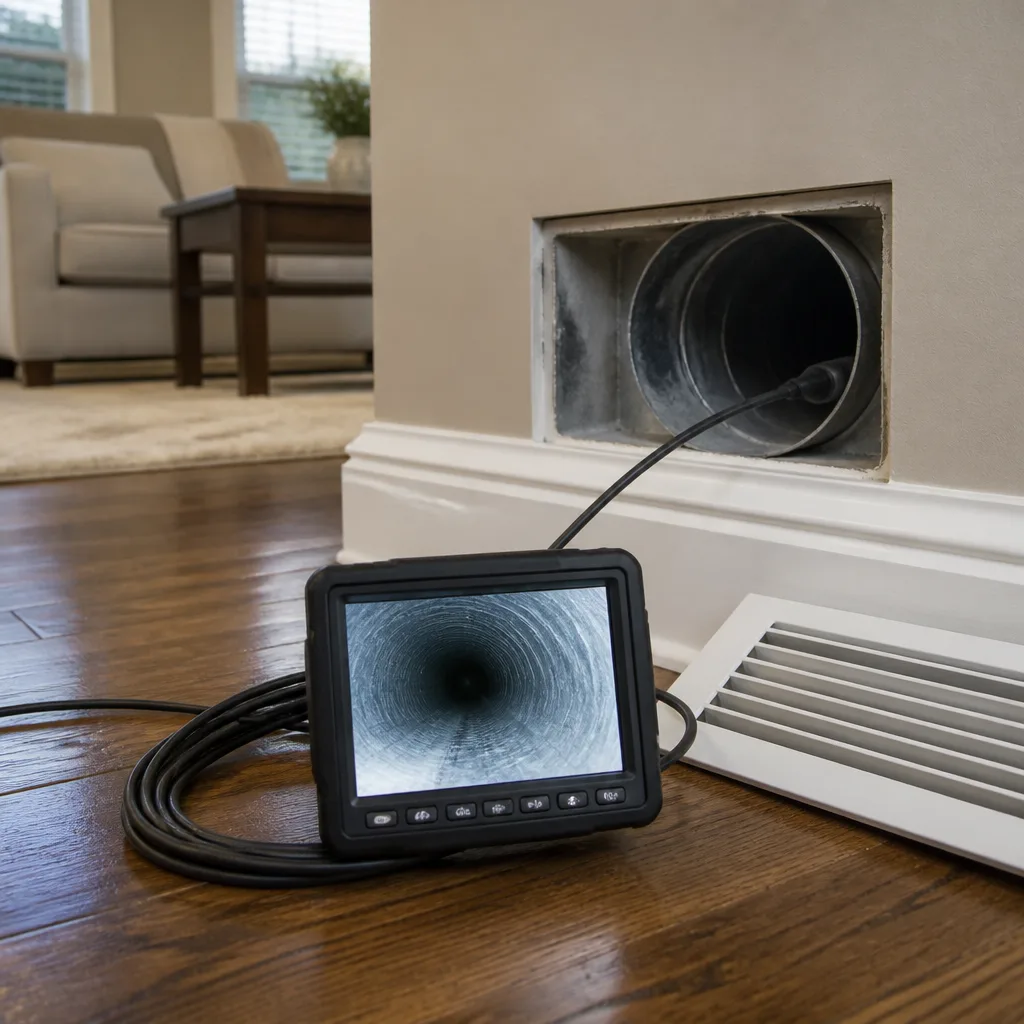
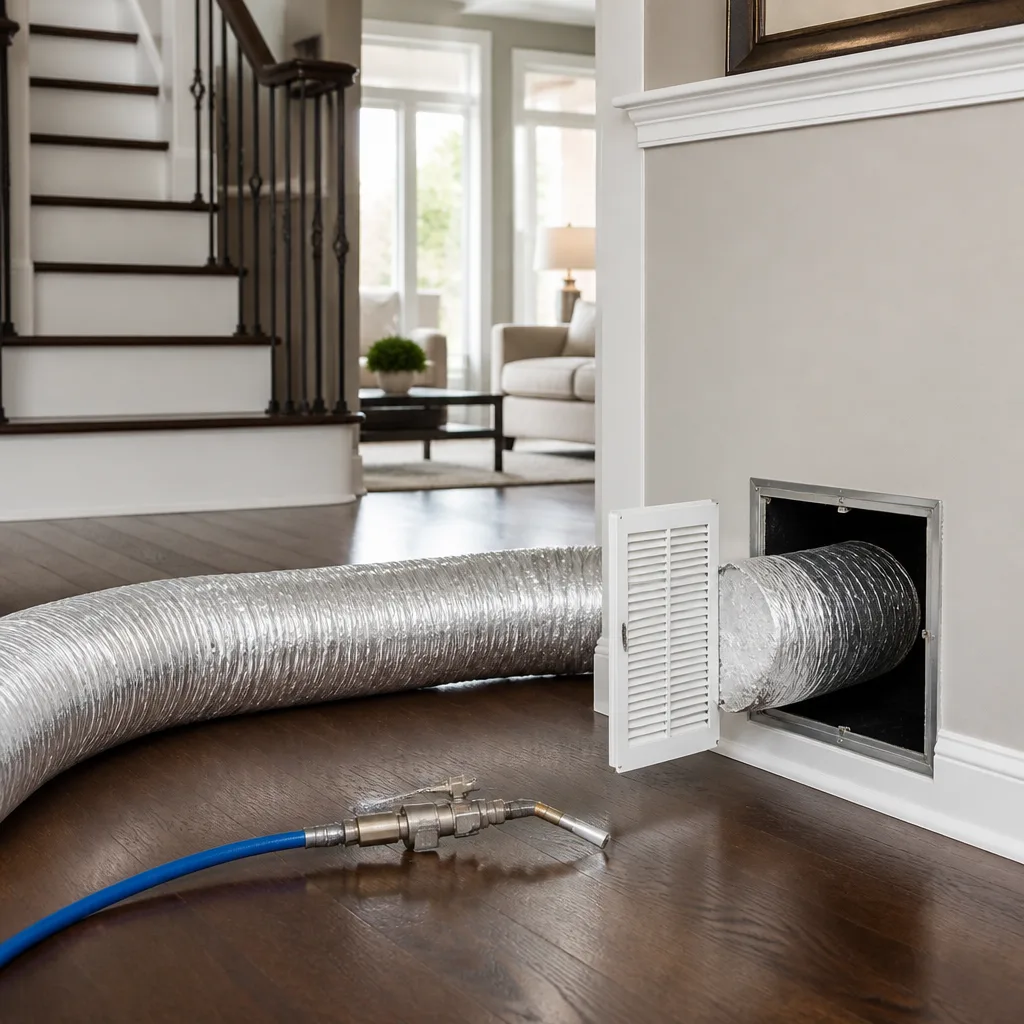
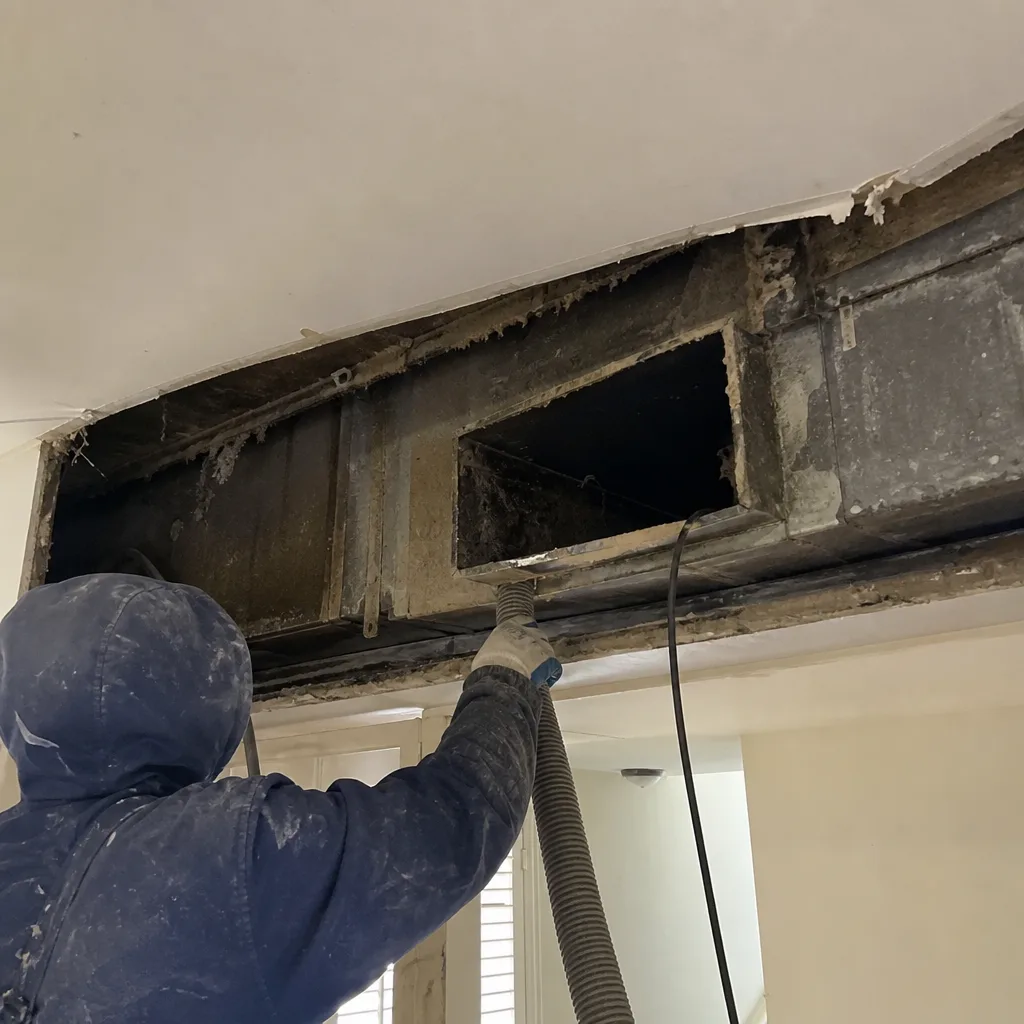 Before
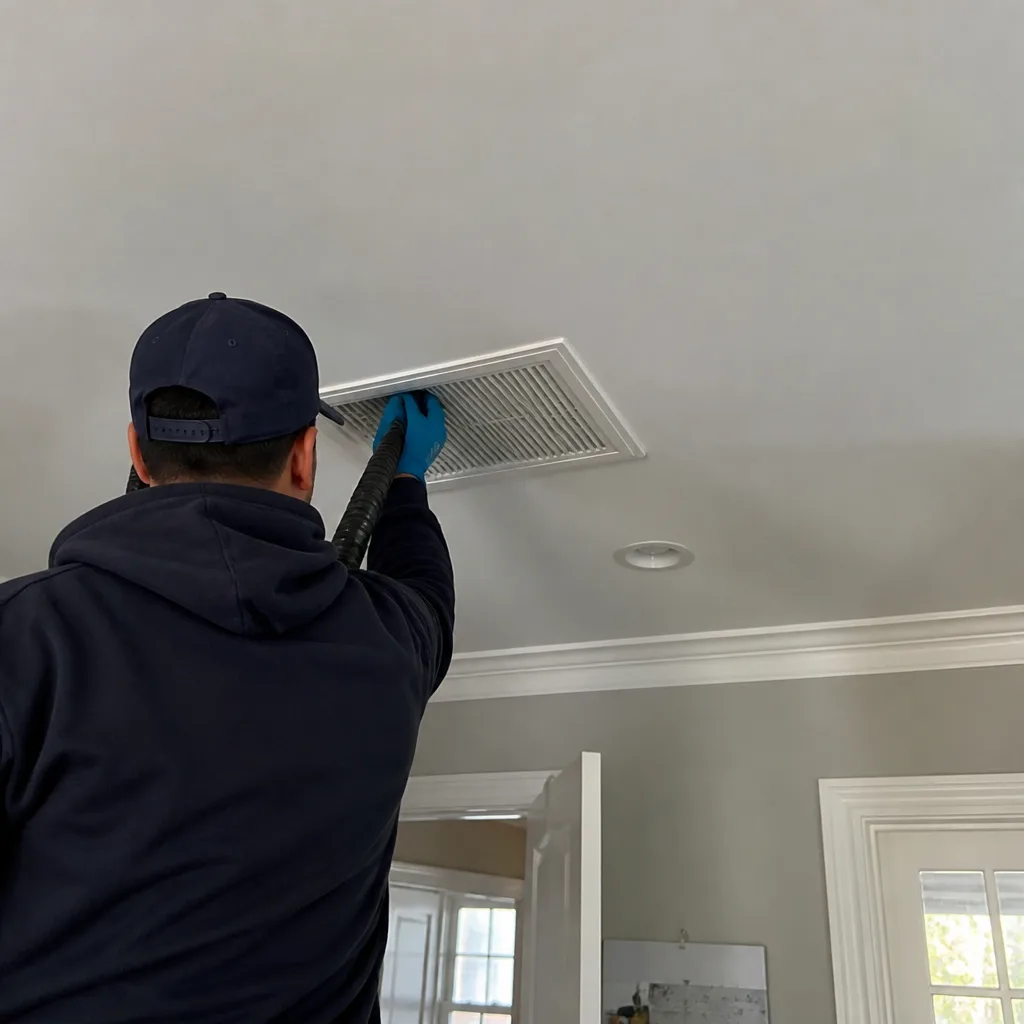 After
After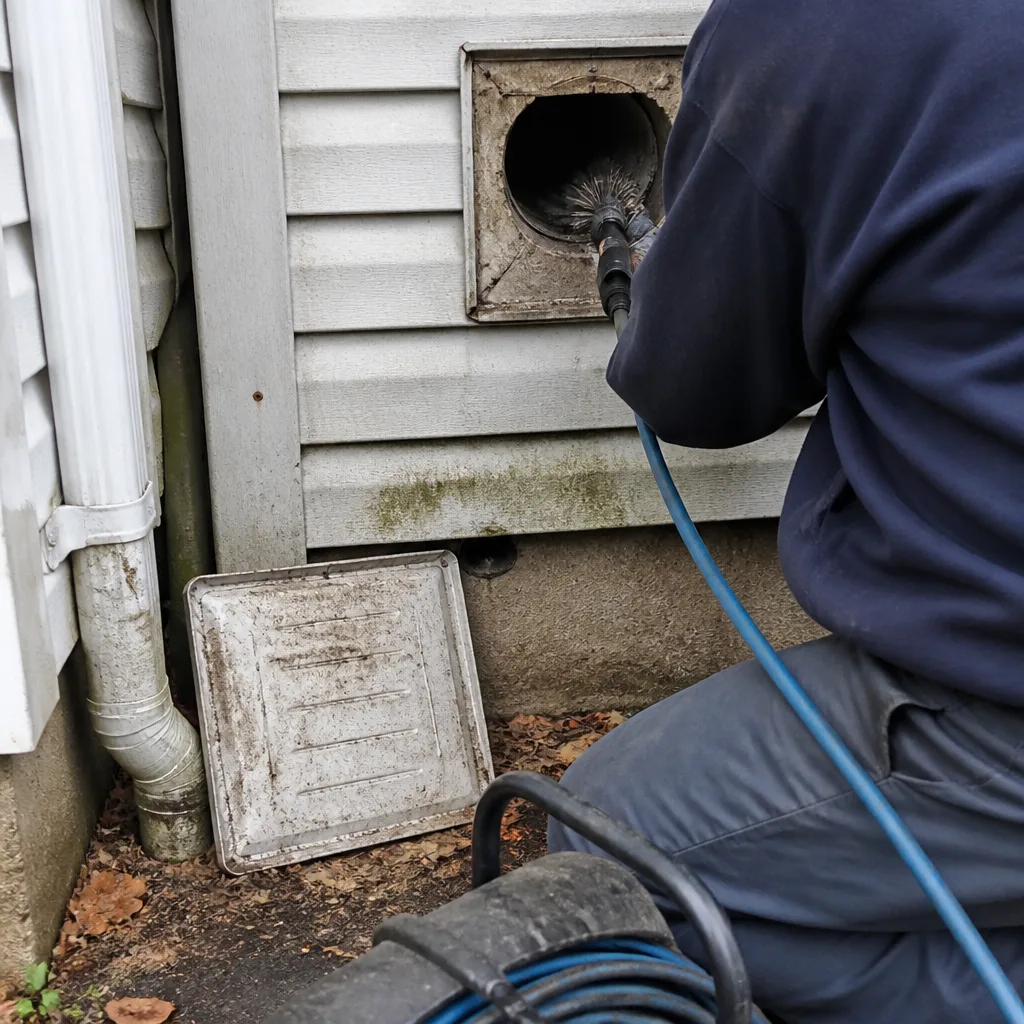 Before
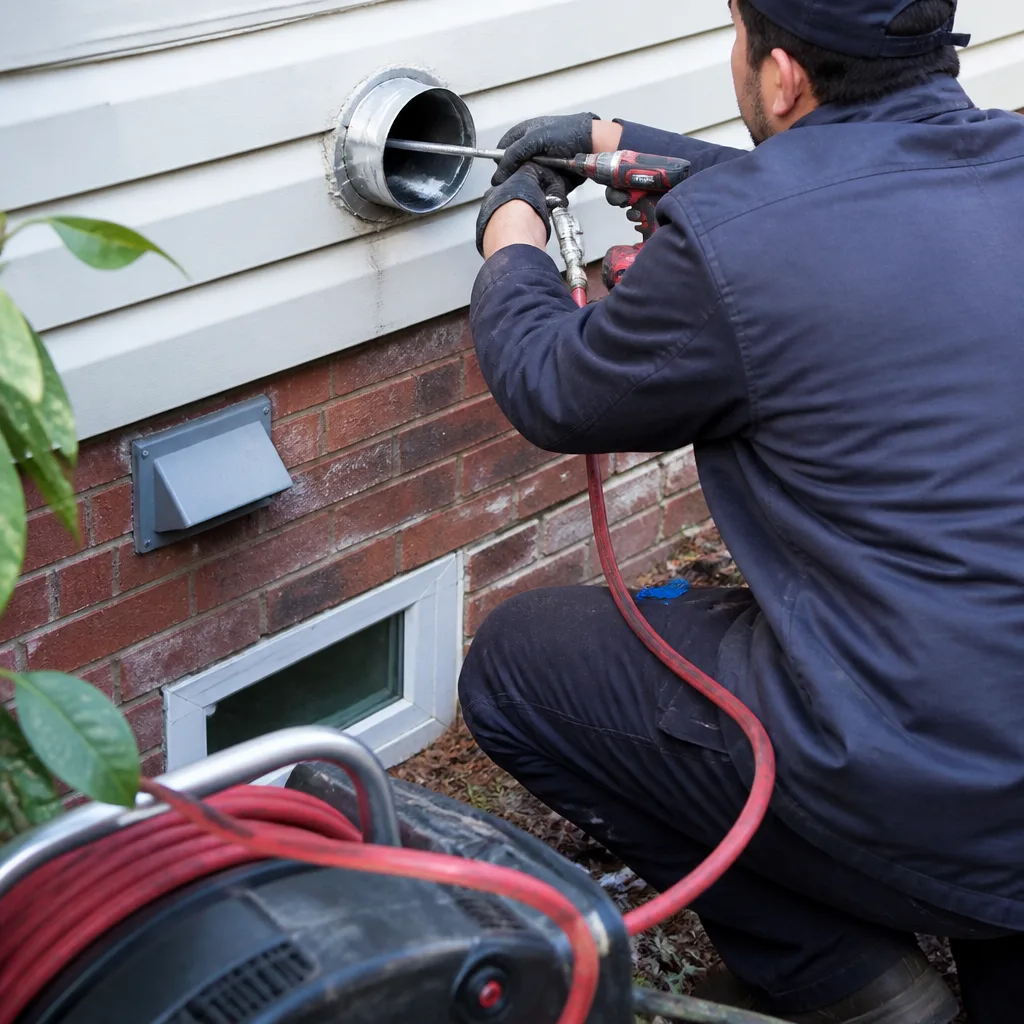 After
After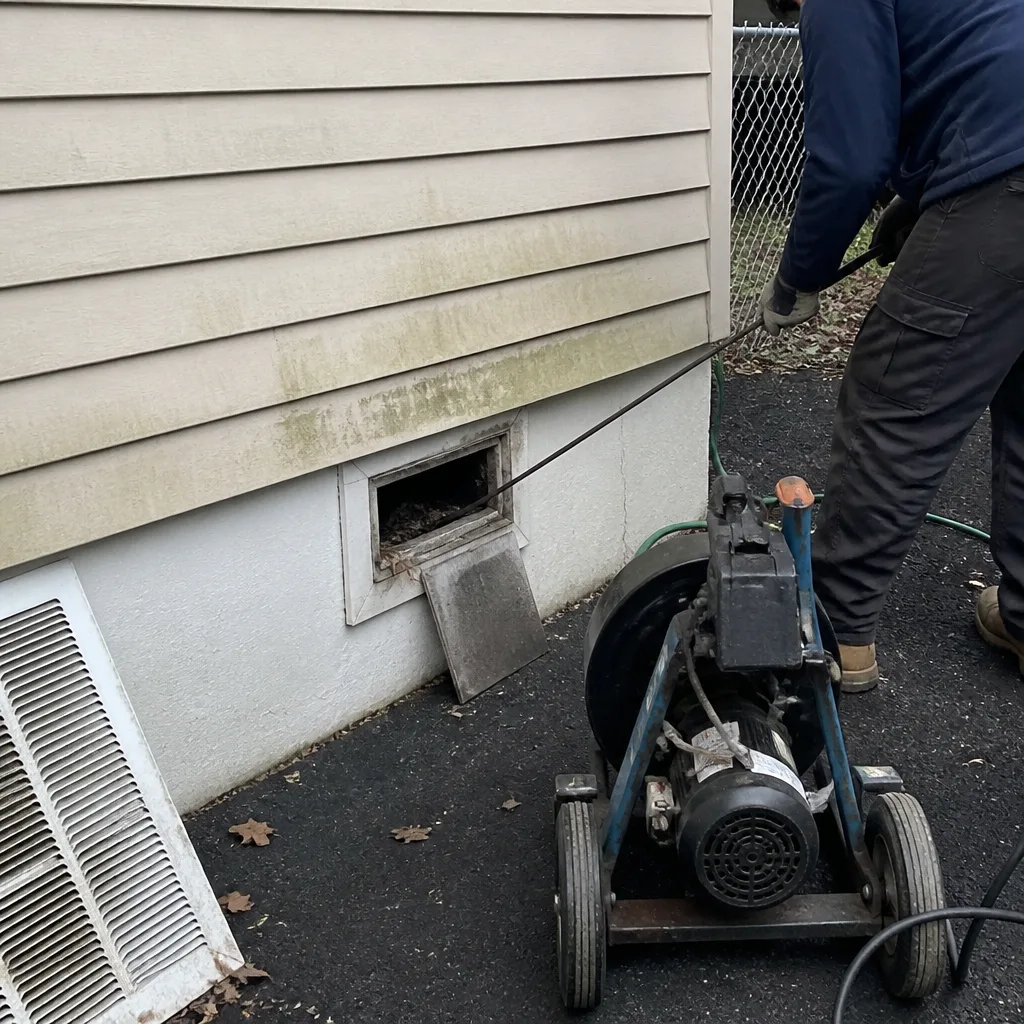 Before
 After
AfterHoneywell Air Duct Cleaning in New York City: What to Know First
Honeywell air duct cleaning in New York City generally runs $450 to $1,150 for a full system, depending on home size, duct configuration, and what the camera finds before we quote. CleanRun Air Duct Cleaning is an independent Honeywell service provider, not a factory-authorized shop, and we complete most NYC jobs in one visit lasting four to seven hours. Every job gets a written price before work starts and a documented photo record of every duct run when we leave.
This page is for homeowners in New York City who own Honeywell filters, media cabinets, UV systems, or whole-home air quality equipment and want the ductwork behind it cleaned properly. If your ducts haven’t been opened in years, call (806) 606-6902 and we’ll walk through what you’re seeing.
How Honeywell Products Fail, and How We Fix Them
- Honeywell F300 Electronic Air Cleaners and pre-filter loading. The F300’s pre-filter catches the big stuff, but when it loads up, the electronic cells downstream collect a film that bakes onto the plates. That film breaks loose during cleaning and re-deposits inside the return duct run. Our fix: we remove and wash the cells, replace the pre-filter when the media is collapsed, and run negative-pressure extraction on the return side before touching the supply runs. In New York City apartments with central returns, this is the single most common failure we see.
- Honeywell TrueCLEAN and UV lamp degradation inside the plenum. Lamps age out at 9,000 to 12,000 hours, but the housing accumulates dust and microbial film long before that. When the lamp output drops, anything growing in the plenum stays. We open the plenum access panel, document what’s on the coil and housing with the camera, clean the emitter surface, and note lamp age in writing so you know when replacement is due. It’s not a cleaning problem you can solve from the register side.
- Media cabinet bypass on Honeywell F100 and F200 installations. In tight New York City mechanical closets, installers sometimes leave a gap between the media cabinet and the furnace opening. Air skips the filter entirely, and that unfiltered air loads the supply ducts with fine dust. We find this with a smoke pencil test during inspection, seal the bypass with aluminum tape or mastic, and photograph the gap before and after. Most homeowners never knew the gap existed.
- Honeywell ERV and HRV core saturation in humid New York City summers. Moisture condenses on the enthalpy core, then New York City humidity keeps it damp. The core grows a biofilm that smells like a damp basement and coats the adjacent duct runs with a fine organic film. We pull the core, clean it per manufacturer spec with a mild cleaner, dry it before reinstallation, and wipe down the core housing and connecting collars. Duct cleaning alone won’t fix this one; the core has to come out.
- Honeywell zoning damper failures and the dust they leave behind. Older Honeywell TrueZONE dampers fail with the motor stuck in one position. Air stops moving through some branch runs entirely, and dead legs collect dust that re-enters the system when temperatures shift. We diagnose dead legs by checking damper operation at each zone panel, then clean the dormant runs before cleaning the active ones. If the damper motor needs replacement, we quote it separately, in writing, before any work starts.
Our Honeywell Air Duct Cleaning Process
- 1
The written scope comes first. We walk the job physically or by video, count the supply and return runs, check access to the plenum and air handler, and give you one written price for the whole system. Haven Standard Clause 1: no work starts without a number in writing.
- 2
Camera inspection before anything else. We open one access point per system, run the inspection camera through each trunk line and branch run, and record what’s actually inside. You see the footage before we unroll a single hose.
- 3
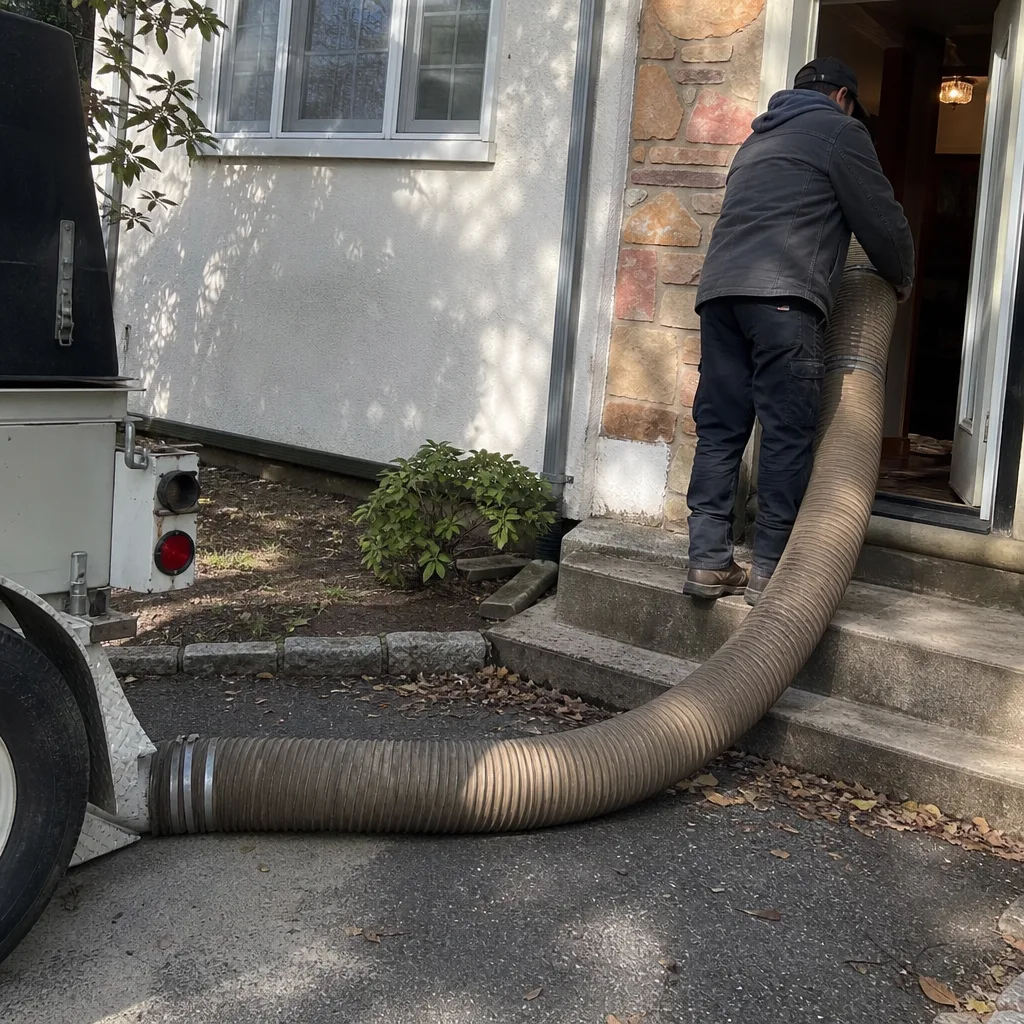
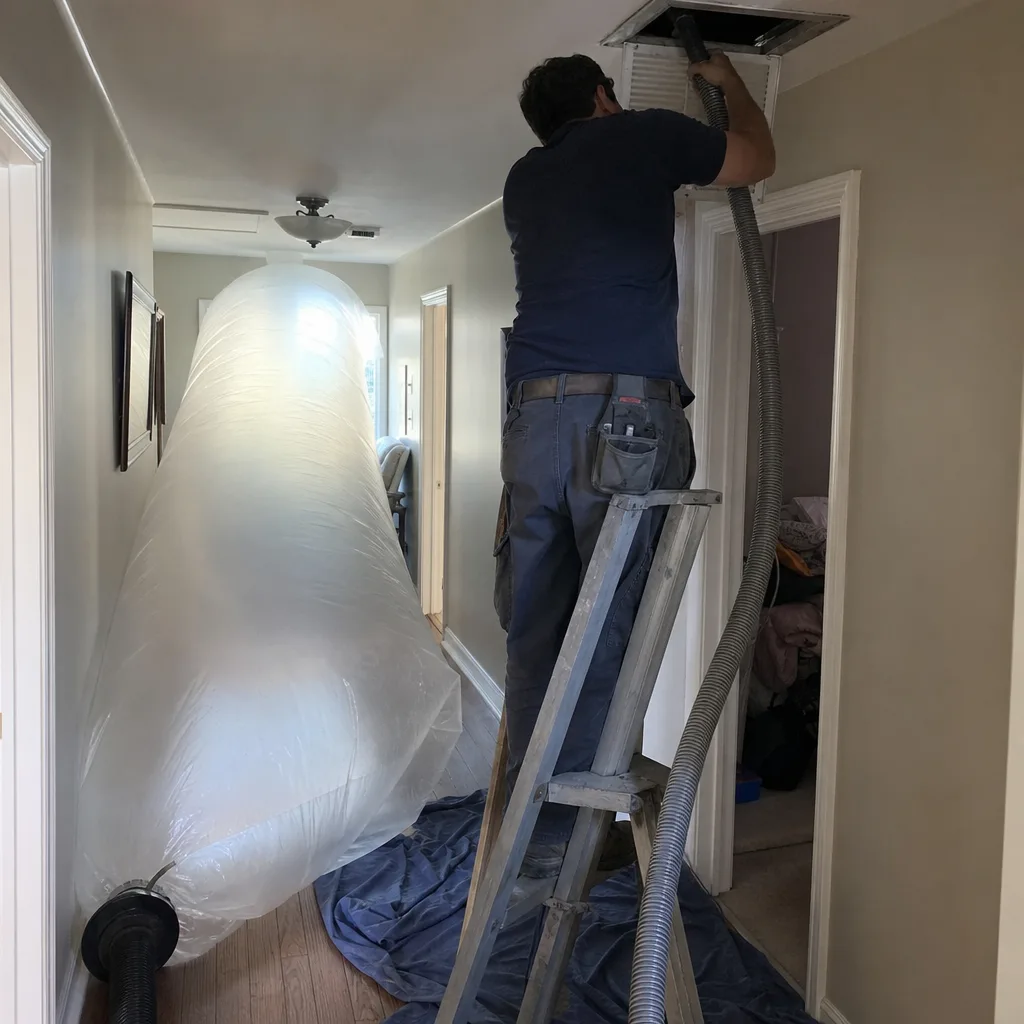
Temporary containment and negative pressure. We seal the registers and connect a professional extraction unit. The equipment roster includes Rotobrush and Nikro systems, which we name on the job record so you can look them up independently.
- 4
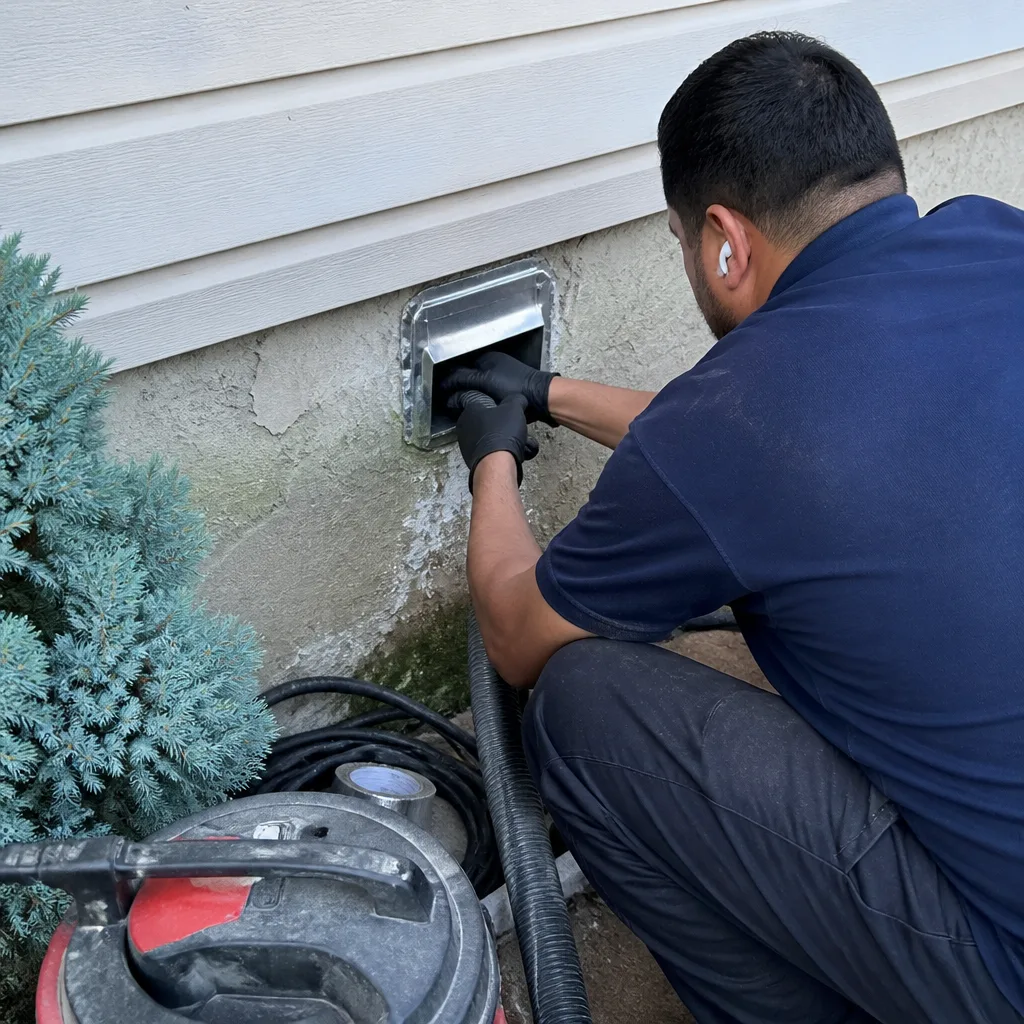
Agitation and extraction, one run at a time. Rotating brushes and compressed air break debris loose while the extraction unit pulls it out through the vacuum, not into your living room. We clean supply runs, return runs, trunk lines, and the plenum.
- 5
Honeywell-specific components handled separately. Electronic air cleaner cells, UV lamp housings, media cabinets, and ERV cores get cleaned or flagged per manufacturer spec. We do not blast compressed air through Honeywell electronic cells; we wash them by hand.
- 6
After-photo record and the 365-Day Done Right Promise. Every duct run gets photographed after cleaning, matched to the before images, and delivered to you as part of the standard job record. If it’s not right within 365 days, we make it right in writing.
BeforeAfterWhat Honeywell Air Duct Cleaning Costs in New York City
Most New York City Honeywell systems fall into a predictable range. A one-bedroom co-op or condo with four to six supply runs typically runs $450 to $650. A two-to-three-bedroom apartment or small townhouse with seven to ten runs lands at $650 to $850. Larger homes with multiple zones, Honeywell TrueZONE dampers, and an ERV run $850 to $1,150. These are whole-system prices, not per-vent fees that climb once the truck is parked outside.
What moves the price: access difficulty, the number of zones, whether an ERV core or electronic air cleaner needs the separate component cleaning step, and how long it’s been since the last cleaning. We put the number in writing before we start, every time. Call (806) 606-6902 for a free estimate on your system.
Why New York City Homeowners Call CleanRun Air Duct Cleaning for Honeywell Work
We’ve been doing this since 2013, across more than 52,000 homes, and the pattern is the same in all five boroughs: people want to see what’s inside their ducts before anyone touches them. That’s why every CleanRun job includes a documented photo record of every duct run, before and after. The photo tells you what’s in there. Everything else is just paperwork.
Tomas Reyes, our owner and lead technician, worked his way through Queensborough Community College’s HVAC program and spent years pulling apart residential and commercial duct systems across New York City before founding CleanRun. He still does the camera inspections himself. If we’re not the right fit for your Honeywell job, we’ll tell you. If we are, we’ll show you why before we ask for a signature. We also service Lennox, Trane, and Carrier systems, and we bring the same written-price, documented record approach to every brand. We’re independently owned and operated under the Haven Standard, and every job carries the 365-Day Done Right Promise in writing. Bring a competitor’s written estimate and we’ll put our number next to it, free of charge.
FAQs
No. Honeywell warranties cover the equipment, not the ductwork, and cleaning done by a qualified independent service provider doesn’t void equipment coverage. What does void a Honeywell warranty is physical damage, unauthorized modification, or cleaning methods that damage components, which is why we hand-wash electronic air cleaner cells and follow manufacturer spec on ERV cores. We’ll note any pre-existing damage on the job record before we start.
Most New York City Honeywell systems take four to seven hours on-site, including the camera inspection, component cleaning, and after-photo documentation. Plans for a full business day. If the system includes an ERV core, electronic air cleaner, or multiple zones, add one to two hours.
Cheaper quotes usually price per vent and add on once the van is parked outside. We quote one flat number for the entire system, written before work starts, under Haven Standard Clause 1. If a competitor’s written estimate comes in lower, bring it to us and we’ll put our number next to it so you can compare what’s actually included. A shop-vac on a register is not duct cleaning.
Our answer is the documented photo record. Every duct run is photographed before and after, inside the run, and you get those images as part of the standard job record. If you can’t see the difference, neither can we, and the 365-Day Done Right Promise means we’ll come back and make it right in writing. That’s the whole point of the camera-first approach.
Most New York City homes with Honeywell filtration need full duct cleaning every three to five years, but it depends on what the camera shows, not a calendar. Homes with pets, smokers, or recent renovation work may need it sooner. If you can’t remember the last time it was done, it’s probably time. Call (806) 606-6902 and we’ll give you a straight answer and a written price.
Written by Tomas Reyes, Owner & Lead Technician, CleanRun Air Duct Cleaning at CleanRun Air Duct Cleaning, serving New York City and nearby areas.