
Whole-system duct and dryer vent check with before-and-after photos - you see exactly what came out of your vents
That "$99 whole-house special" is a bait ad - the real number appears once they are in your hallway, or the "clean" is a shop-vac at the register. We photograph the inside of your ducts before and after instead.
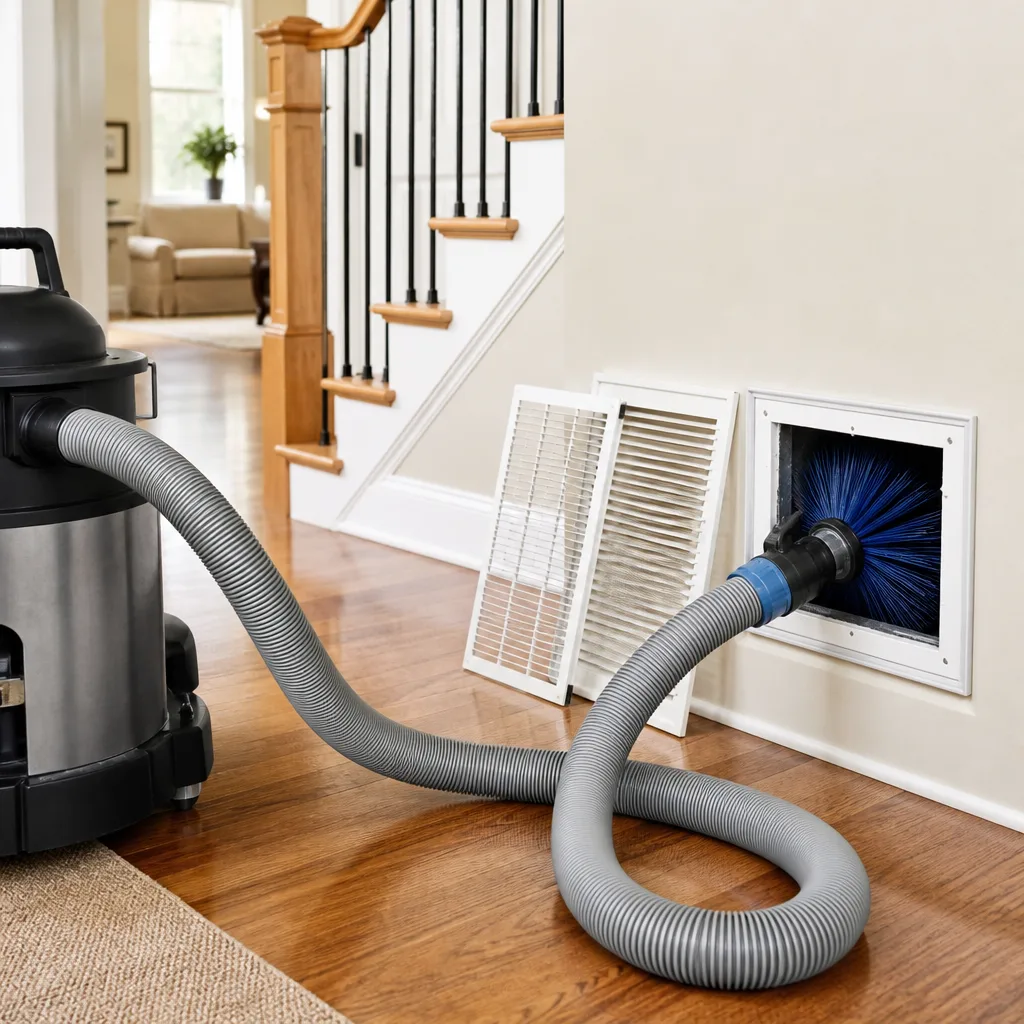
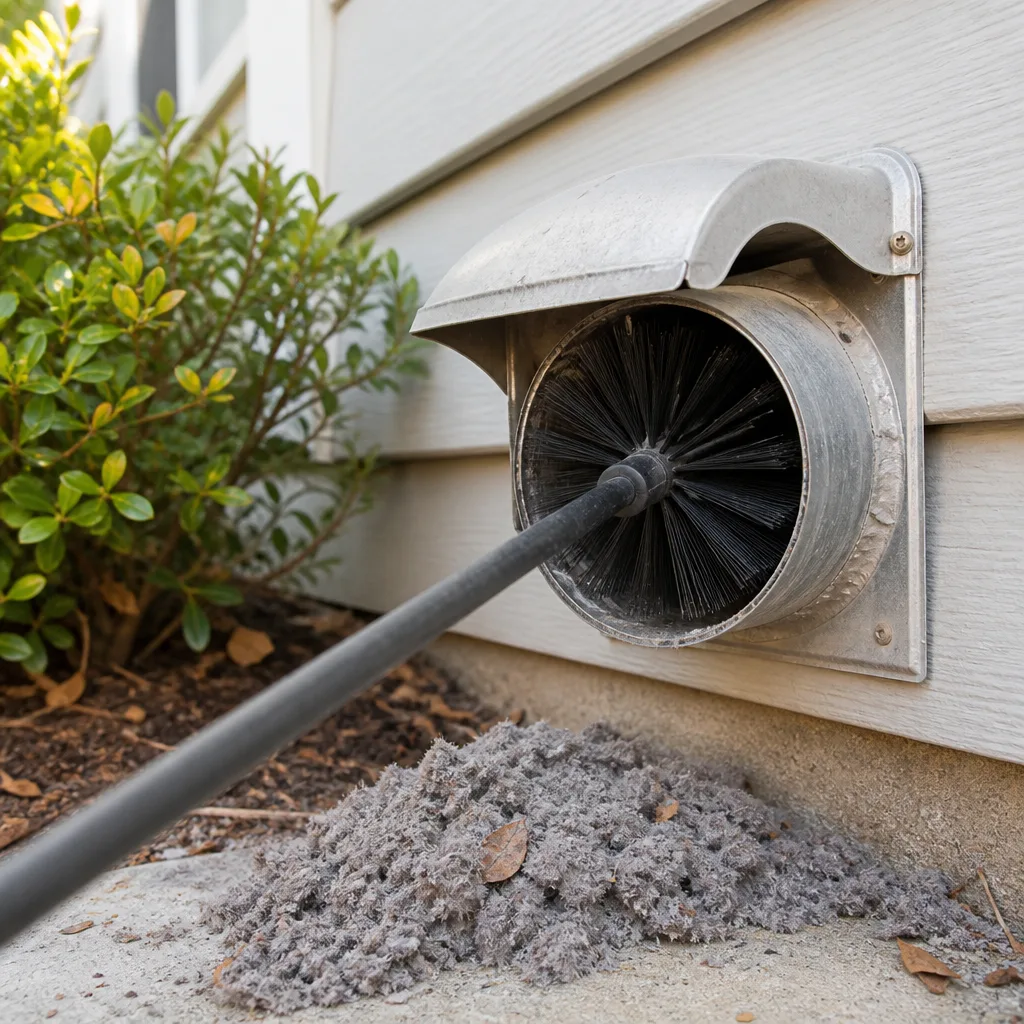
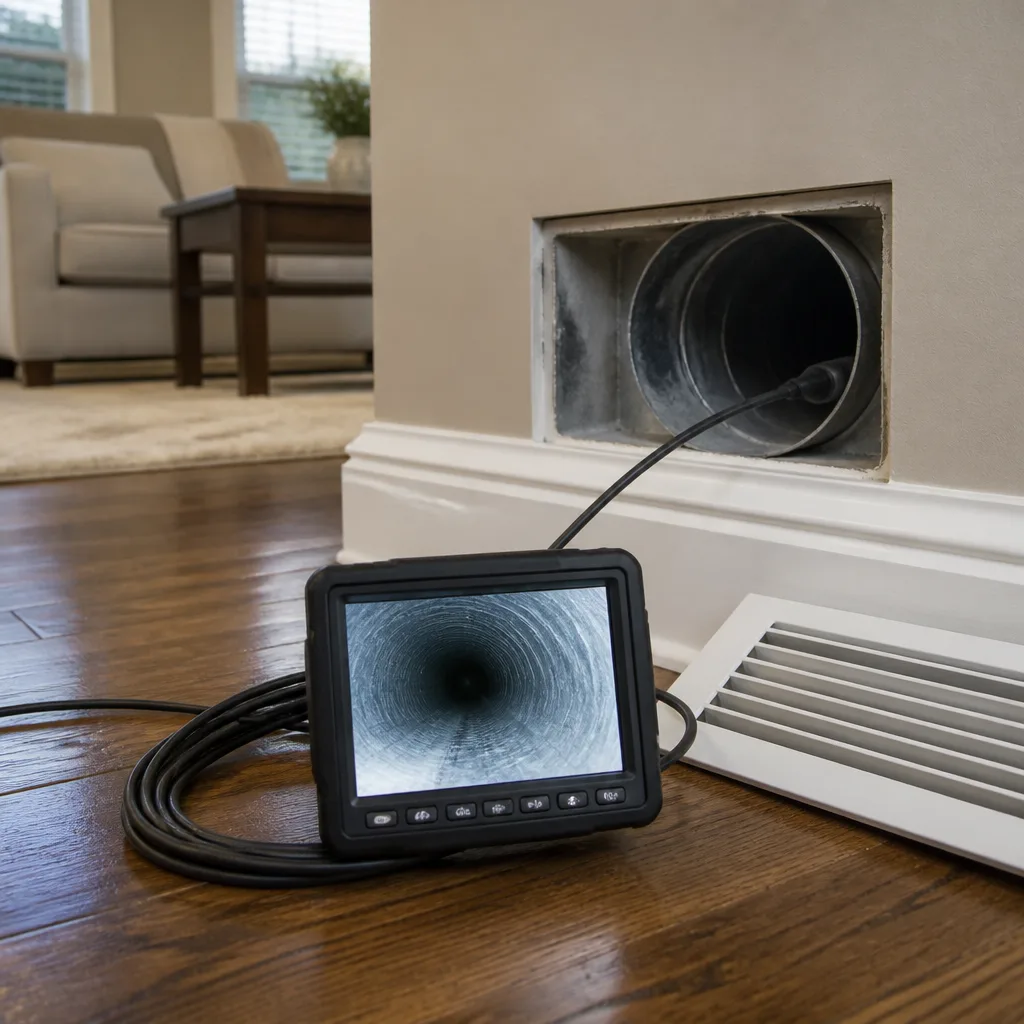
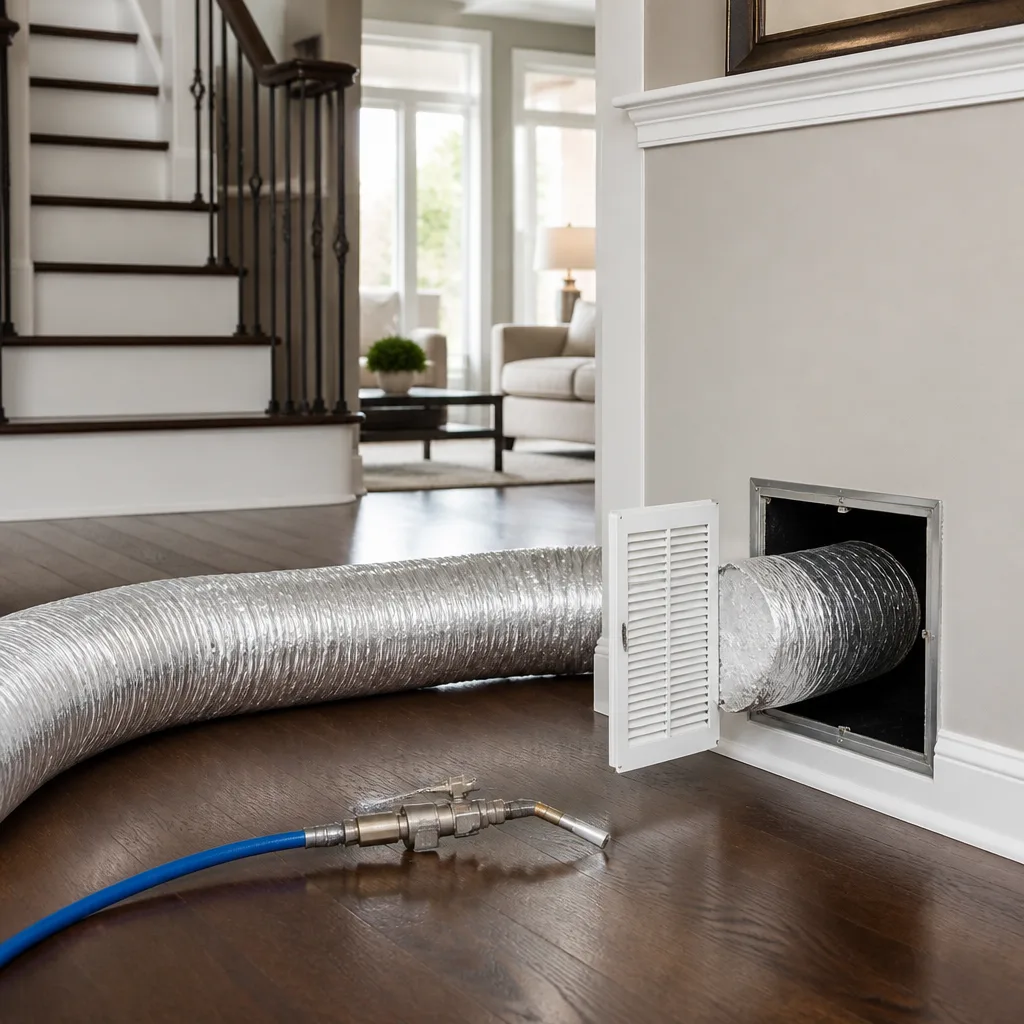
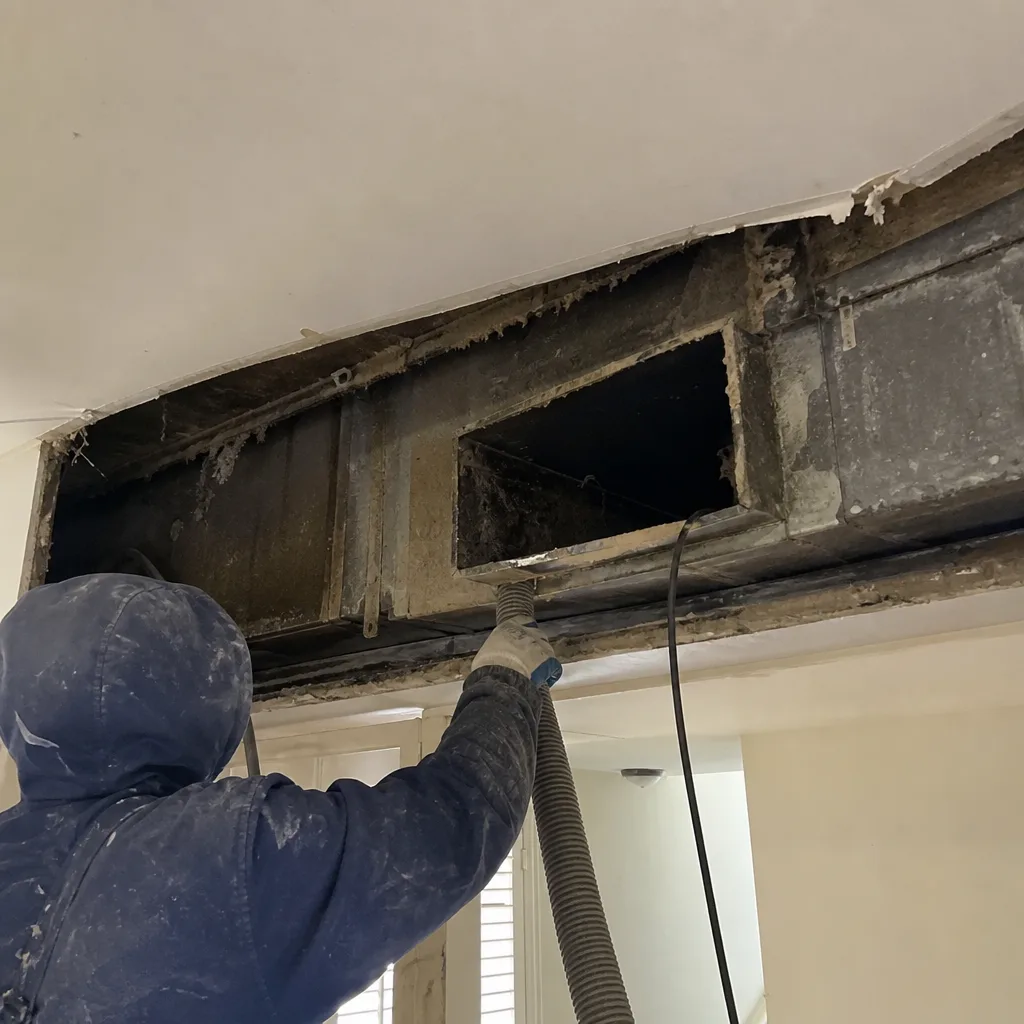 Before
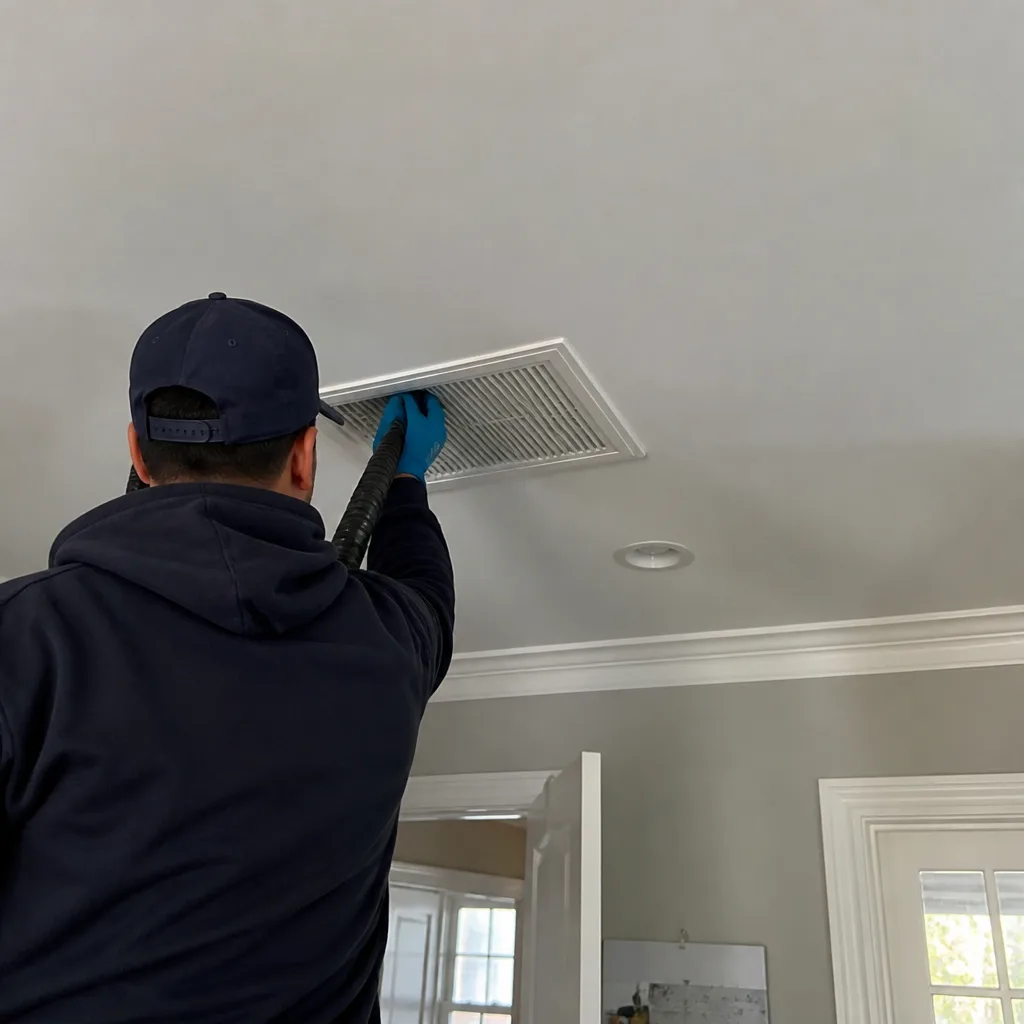 After
After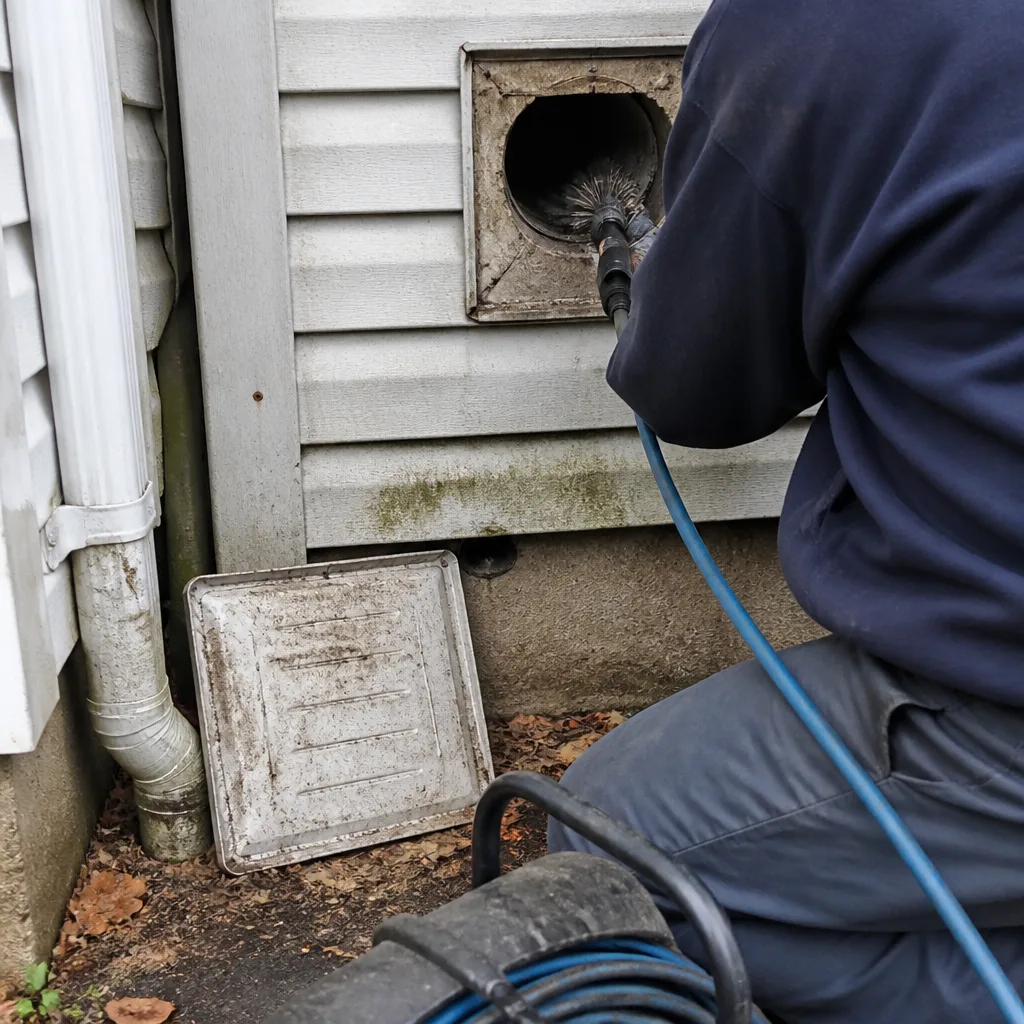 Before
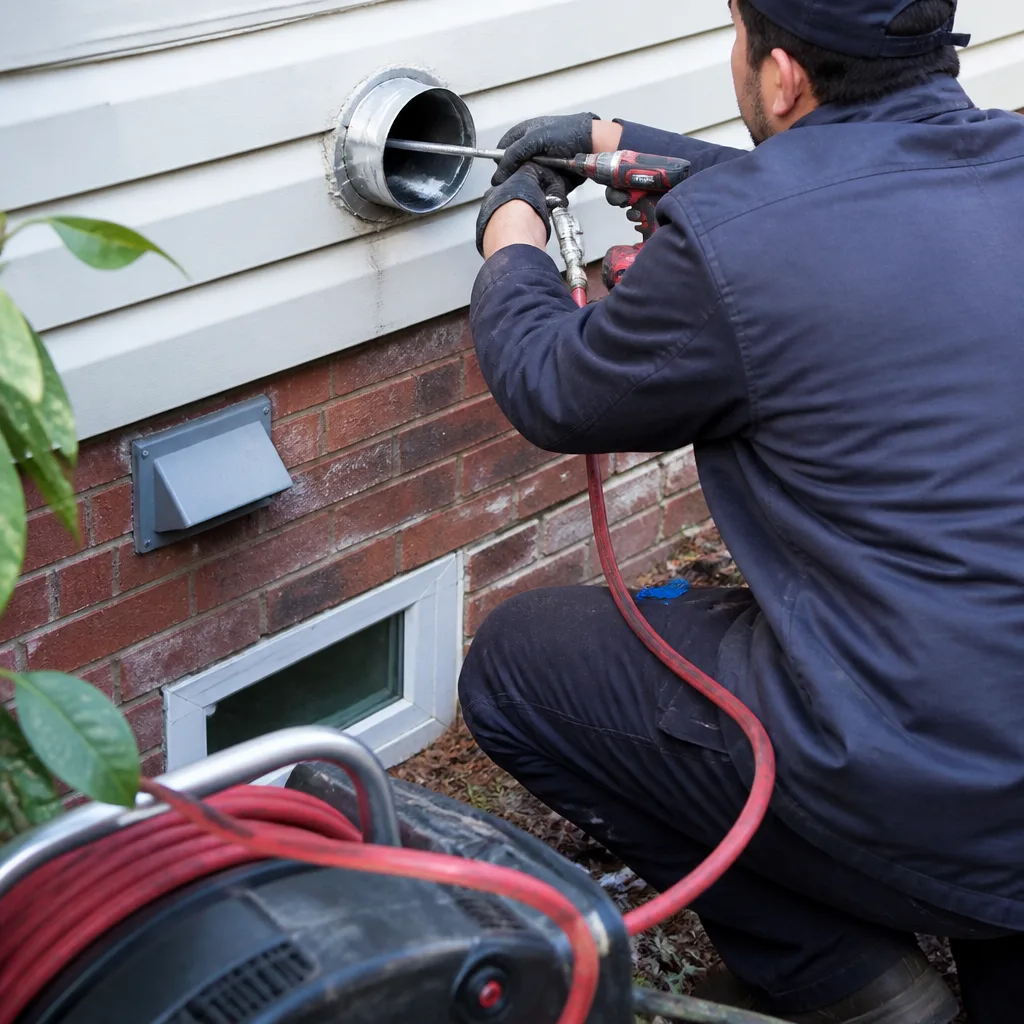 After
After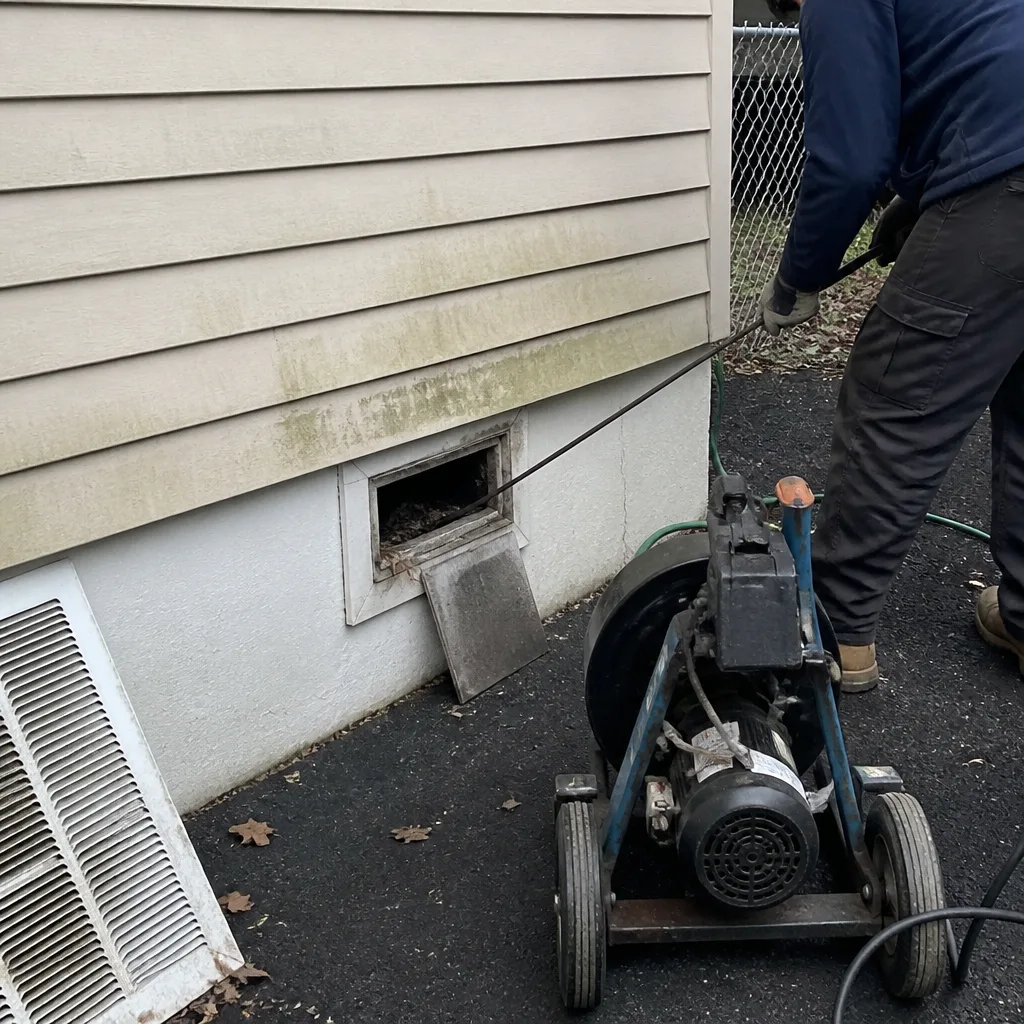 Before
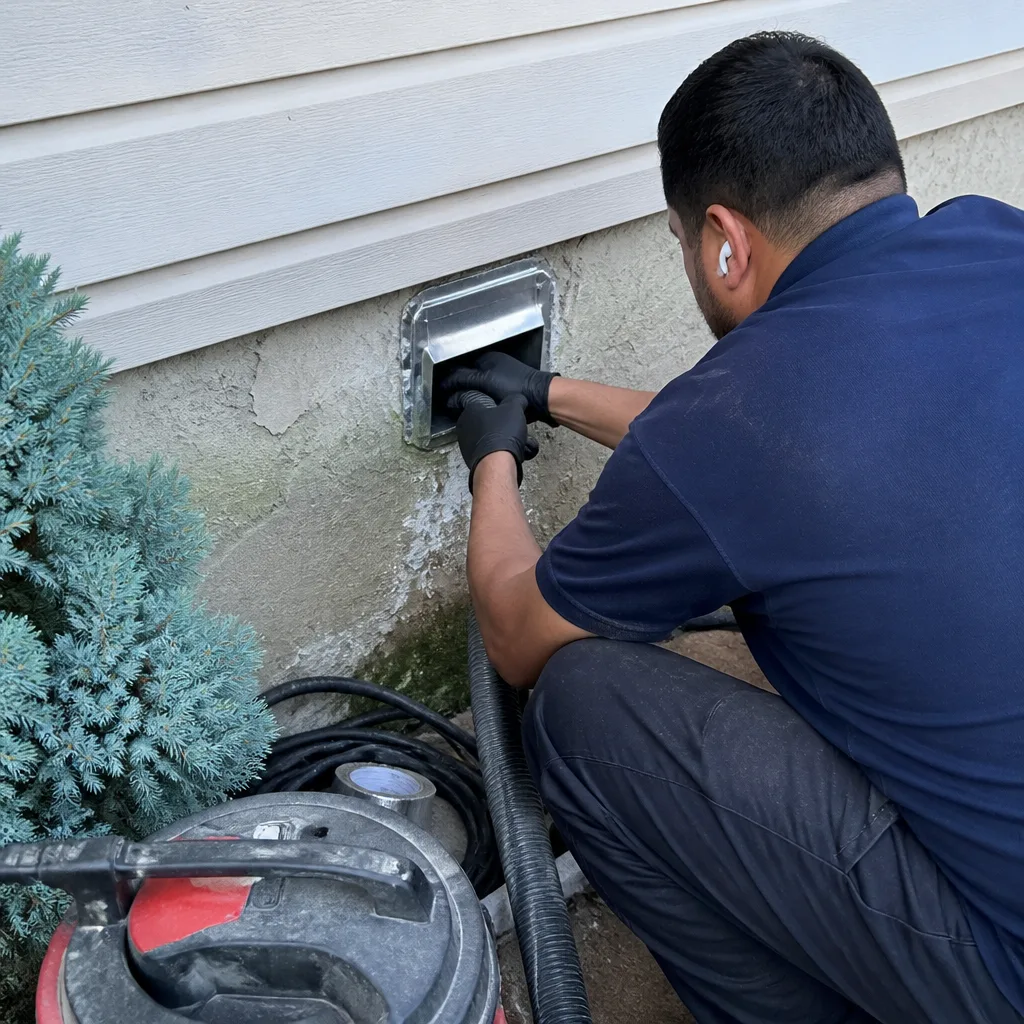 After
AfterHoneywell HVAC Cleaning in New York City: What to Know First
Honeywell HVAC cleaning in New York City typically runs between $425 and $1,150 depending on system size and how much debris has accumulated on the coils, blower wheel, and inside the air handler. We complete most Honeywell jobs in a single visit lasting 3 to 5 hours, and every job starts with a written price before a single panel comes off. If you own a Honeywell furnace, air handler, or heat pump and the system hasn’t been cleaned in three or more years, this page covers what we find, what it costs, and how we document the work. Call (806) 606-6902 for an exact written quote.
Key Takeaways:
- Honeywell builds controls and air-management components now found in thousands of New York City homes, often paired with other manufacturers’ coils and blowers.
- Cleaning cost is driven by access, coil condition, and whether the blower wheel needs pulling, not by a per-vent price.
- CleanRun photographs every duct run, coil, and blower wheel before and after, and you get that photo record as a standard deliverable.
- We are an independent Honeywell service provider, not an authorized Honeywell dealer.
How Honeywell Products Fail - and How We Fix Them
Honeywell’s residential HVAC presence in New York City is mostly controls, zoning panels, humidifiers, and air cleaners paired with another brand’s furnace or coil. That pairing is exactly where cleaning problems hide, because the Honeywell component and the host system often have different maintenance schedules. Here are the five failure patterns we see most often on Honeywell-equipped systems in the five boroughs.
- Honeywell TrueZONE panels masking a dirty coil. When a zone damper sticks or a TrueZONE panel throws an airflow error, homeowners call us thinking the zoning board failed. Roughly a third of the time, the real issue is a coil so packed with New York City airborne debris that static pressure trips the panel’s limits. We clean the coil first, then re-test the zone operation before recommending any parts. Fixing the panel without cleaning the coil just moves the failure date.
- Honeywell whole-house humidifiers with mineral-crusted pads. The HE series humidifiers, especially the HE240 and HE360, develop hard mineral scale from New York City’s water. Once the pad crusts over, the water panel stops absorbing, the drain line slows, and mold can start on the pad surface. We replace the pad, descale the distribution tray, and flush the pad frame. This is a cleaning job, not a replacement job, unless the solenoid has also failed.
- Honeywell electronic air cleaners wired but not working. Owners of older Honeywell F50 and F300 electronic air cleaners often discover the cell was unpowered for years because the door interlock is loose or the power pack died. After we clean the cell and confirm voltage at the pack, the air cleaner works again. The visible difference before and after cleaning the collection cell is one of the most dramatic photos we hand to customers.
- Honeywell media air cleaners with collapsed filters. The F100 and F200 media cabinets hold a 4-inch filter, but when that filter loads up beyond its rated pressure drop, it can bow and collapse into the cabinet. A collapsed filter lets unfiltered air bypass straight to the coil and blower wheel. We remove the collapsed media, vacuum the cabinet interior, and photograph the coil face before and after cleaning so the damage is on record.
- Honeywell VisionPRO and Prestige thermostats misreporting runtime due to a dirty system. A heat pump or furnace cycling more than it should makes the thermostat record longer runtimes, which looks like a control problem. Often the blower wheel is carrying enough debris that the system can’t move rated airflow, so the Honeywell thermostat keeps calling for more run. We clean the blower wheel and the secondary heat exchanger fins, then compare runtime logs before and after. The logs usually settle down within a week.
Our Honeywell HVAC Cleaning Process
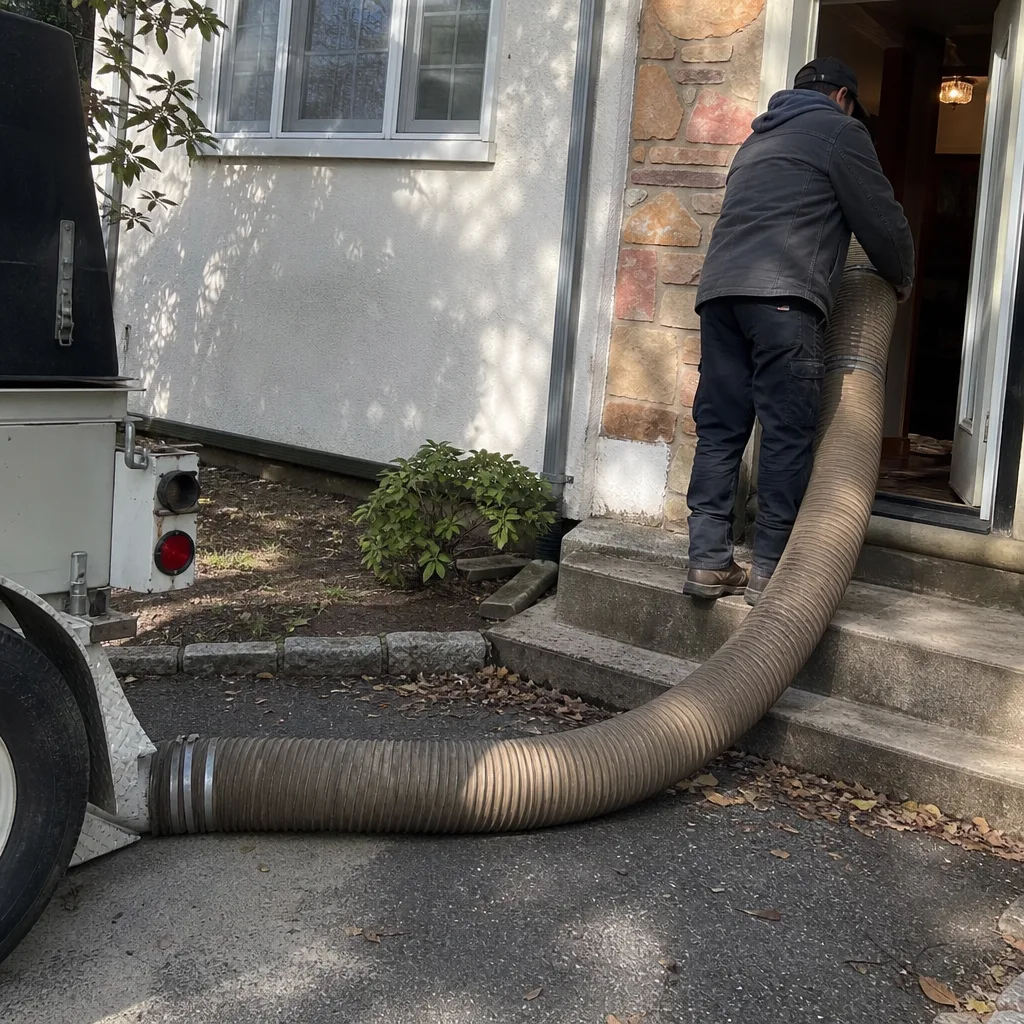
Every Honeywell job follows the same sequence, whether the system is a paired furnace and coil in a Park Slope brownstone or a heat pump in a Riverdale co-op. No work starts until you’ve seen the camera findings and signed the written scope.
- 1
Written price first. Before we arrive, you get a written price for the full job, per Haven Standard Clause 1. No per-vent pricing, no revision after we arrive, no “while we’re here” add-ons unless we find something unexpected and you approve it in writing.
- 2
Camera inspection of the coil, blower, and air handler interior. We pull the access panel and run the camera through every accessible duct run, the coil face, the blower housing, and the plenum, which is the main distribution box above or below the coil. You see the footage before any cleaning starts.
- 3
Cleaning the coil and blower wheel. We use a negative-pressure extraction unit to pull debris out while we agitate the coil fins and blower wheel. The negative pressure matters because it removes debris rather than pushing it deeper into the ductwork.
- 4
Draining and cleaning the condensate pan and line. New York City summers load these lines with biological growth. We clean the pan, flush the line, and photograph the before and after.
- 5
Sanitizing if needed. If the camera shows mold or bacterial growth, we apply an EPA-registered sanitizer to the coil and air handler interior as a separate line item, always priced in writing before we use it.
- 6
Documented photo record and final system test. We photograph every cleaned surface, reassemble the cabinet, run the system through a full cycle, and hand you the photo record along with the written warranty under the 365-Day Done Right Promise.
BeforeAfterWhat Honeywell HVAC Cleaning Costs in New York City
Every Honeywell system we clean in New York City gets one flat written price before work begins. Here are the ranges we quote for the most common jobs, based on what we’ve seen across the five boroughs since 2013.
| Job Scope | Typical Written Price Range |
|---|---|
| Evaporator coil cleaning only, coil accessible | $425 - $650 |
| Coil + blower wheel cleaning, furnace or air handler | $650 - $950 |
| Full air handler cleaning: coil, blower, plenum, condensate pan | $850 - $1,150 |
| Honeywell electronic air cleaner cell cleaning (F50/F300) | $85 - $150 per cell |
| Honeywell humidifier pad replacement and descaling (HE240/HE360) | $115 - $185 |
| Condenser coil cleaning, outdoor unit | $175 - $275 |
What moves the price is access and condition. A coil behind a finished wall in a prewar co-op takes longer than a coil in an open basement. A blower wheel carrying a quarter-inch of matted debris takes longer to clean than one with light dust. You’ll know the exact number before we start, in writing, every time. Call (806) 606-6902 for a written quote on your system.
Why New York City Homeowners Call CleanRun Air Duct Cleaning for Honeywell Work
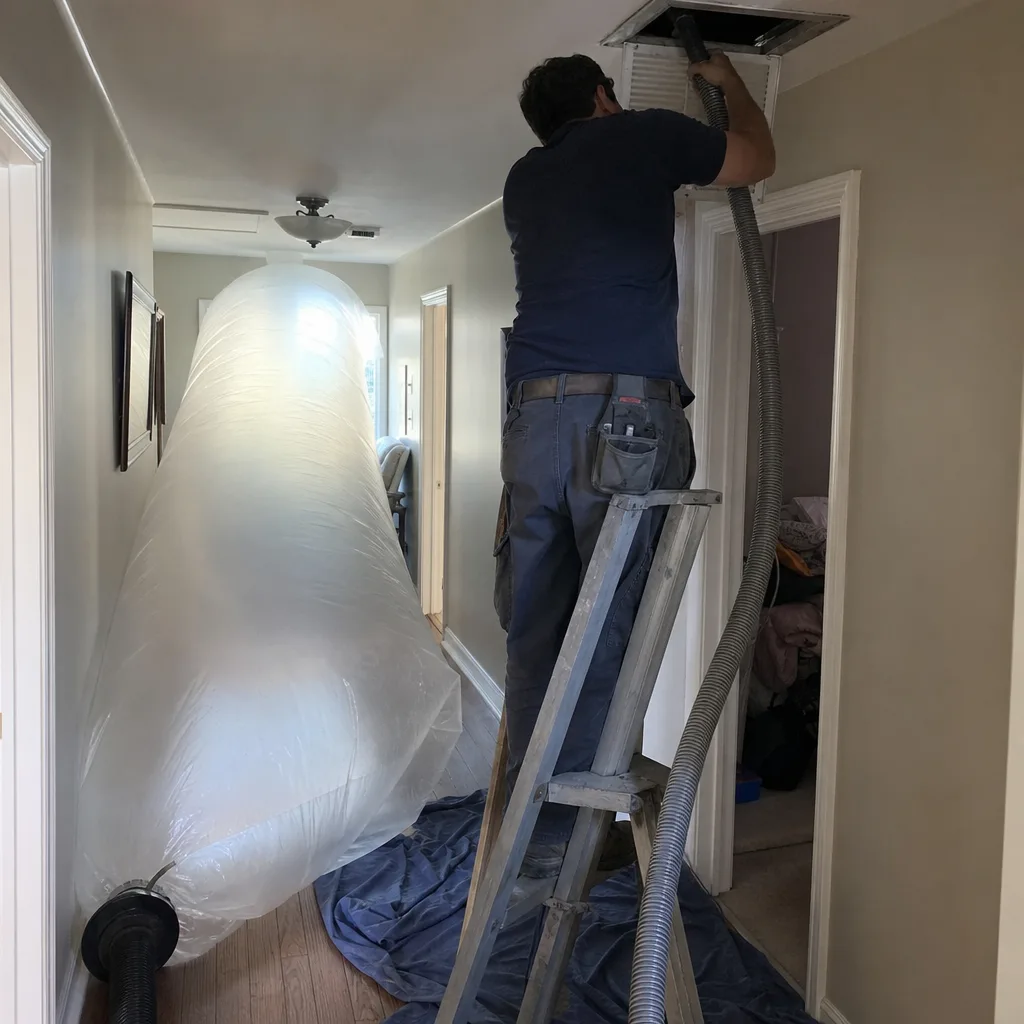
We’ve cleaned Honeywell-paired systems in every borough since 2013, and the reason homeowners call us is the same reason Tomas Reyes started the company: the duct cleaning industry in New York City runs on low teaser prices and vague promises. We run on something different. Every job gets a written price first, under Haven Standard Clause 1. Every job gets a documented photo record of every duct run, coil face, and blower wheel before and after, covered by Clause 4. Every technician is background-checked and uniformed, covered by Clause 3. And the 365-Day Done Right Promise means if the work isn’t right, we make it right, in writing, not subject to a manager’s discretion. We also service Lennox, Trane, and Carrier, so if your Honeywell controls are paired with another brand’s furnace or coil, one crew handles it all. Our equipment roster includes Rotobrush, Nikro, Abatement Technologies, Honeywell, Aprilaire, and Guardsman, professional-grade tools you can look up before we ever set foot in your home.
The photo tells you what’s in there. Everything else is just paperwork.
FAQs
No, cleaning by an independent service provider does not void your Honeywell or host-system warranty. We are an independent Honeywell service provider, and we do not perform work that alters OEM components or bypasses manufacturer specifications. What voids coverage is using non-approved aftermarket parts when a warranty replacement applies, which we don’t do. We’ll always tell you if a part is under warranty before quoting any replacement, and we’ll point you to the OEM channel if that’s the better route.
Cheaper quotes in New York City usually mean one of two things: a per-vent price that multiplies once the crew arrives, or a surface-only job that never touches the coil and blower wheel. We write one flat price for the whole system before work starts, and that price includes the coil, the blower, the plenum, and the condensate pan, not just a quick vacuum of the registers. Bring any competitor’s written estimate and we’ll put our number next to it in writing, no charge for the second opinion.
You’ll see it. We photograph the inside of every duct run, the coil face, the blower wheel, and the air handler interior before and after cleaning, and that photo record is part of your standard job file. You don’t have to take our word for it because the camera showed you what was in there before any of it came out. If the debris returns or the work wasn’t done right within 365 days, the Done Right Promise covers it.
In New York City, most Honeywell systems paired with a furnace or heat pump should be cleaned every 3 to 4 years. Coils in buildings near construction zones, above busy avenues, or in homes with pets and no media filter may need attention every 2 years. The camera tells us, not a calendar. If the coil face shows a light dust coating, we’ll say so and recommend waiting. If it shows a matted layer that’s cutting airflow, we’ll show you and let you decide. Call (806) 606-6902 for a written assessment of your system.
Yes. If cleaning uncovers a failed Honeywell humidifier solenoid, a dead power pack on an electronic air cleaner, or a damper motor that’s seized, we quote the part in writing and explain whether an OEM replacement or a quality aftermarket equivalent makes more sense for your system’s age and your budget. We don’t install anything without your written approval, and we don’t invent a reason to sell parts a working system doesn’t need.
Written by Tomas Reyes, Owner & Lead Technician, CleanRun Air Duct Cleaning at CleanRun Air Duct Cleaning, serving New York City and nearby areas.