
Whole-system duct and dryer vent check with before-and-after photos - you see exactly what came out of your vents
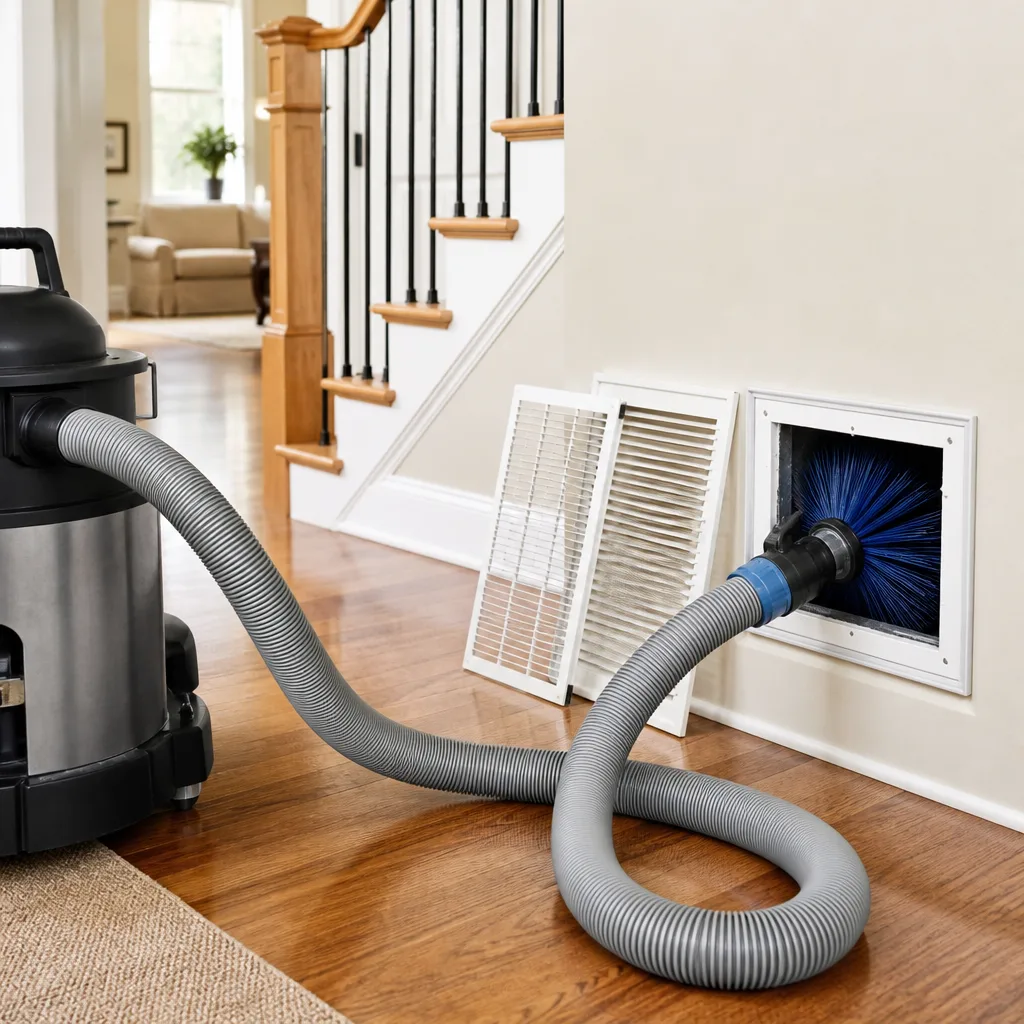
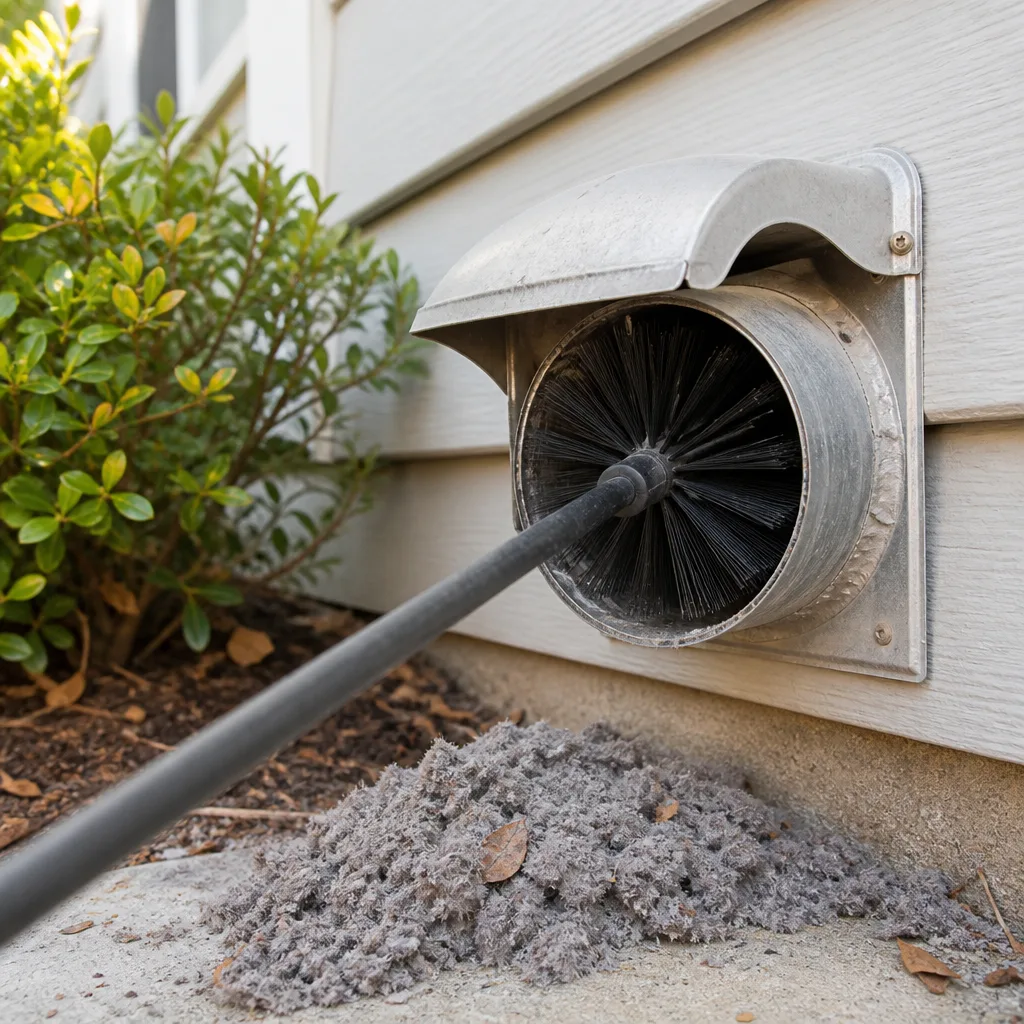
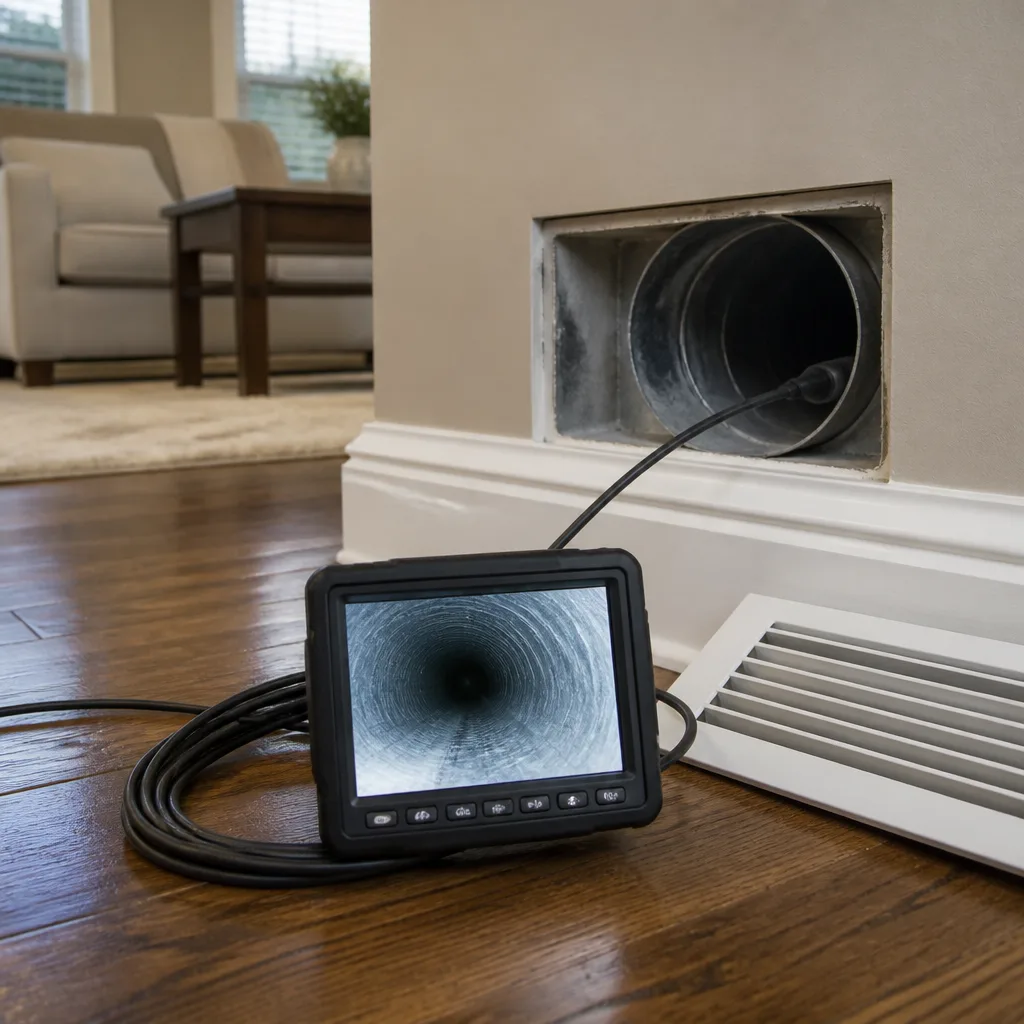
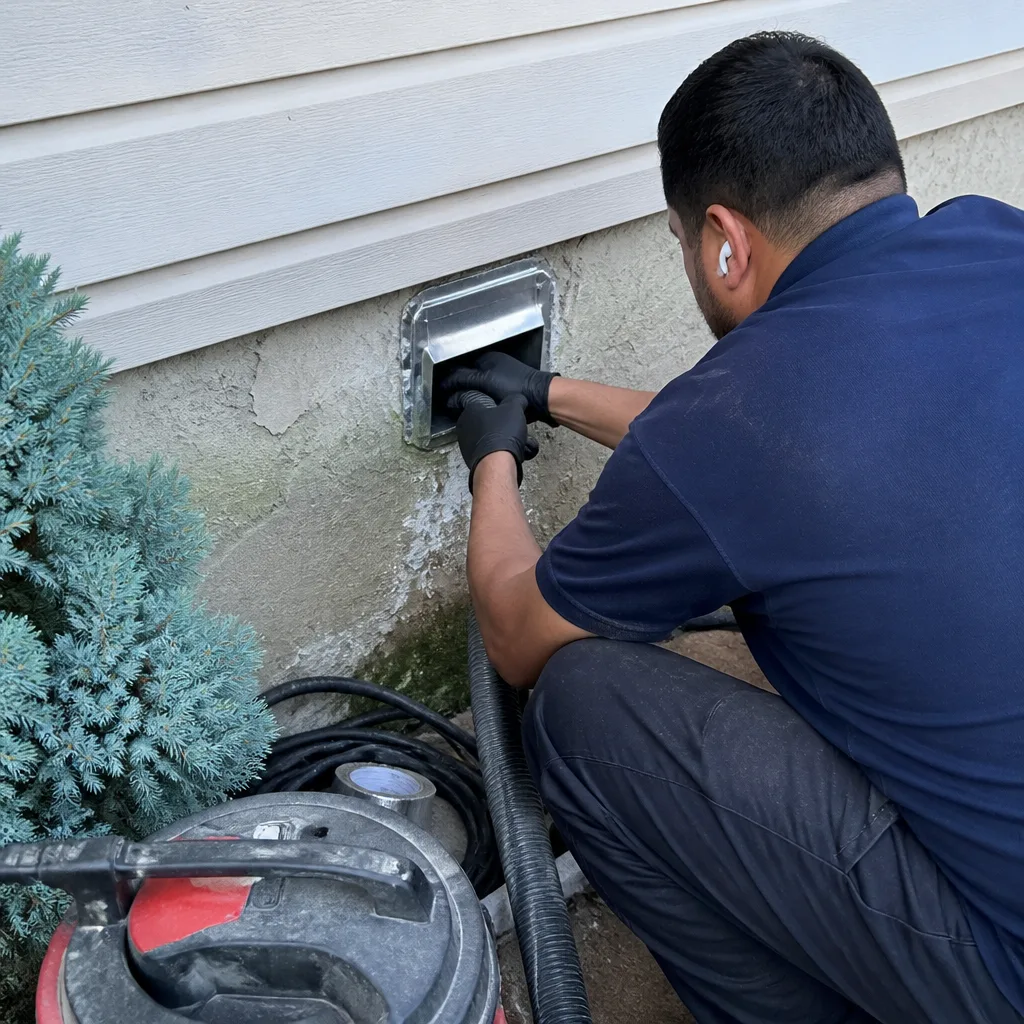
That "$99 whole-house special" is a bait ad - the real number appears once they are in your hallway, or the "clean" is a shop-vac at the register. We photograph the inside of your ducts before and after instead.
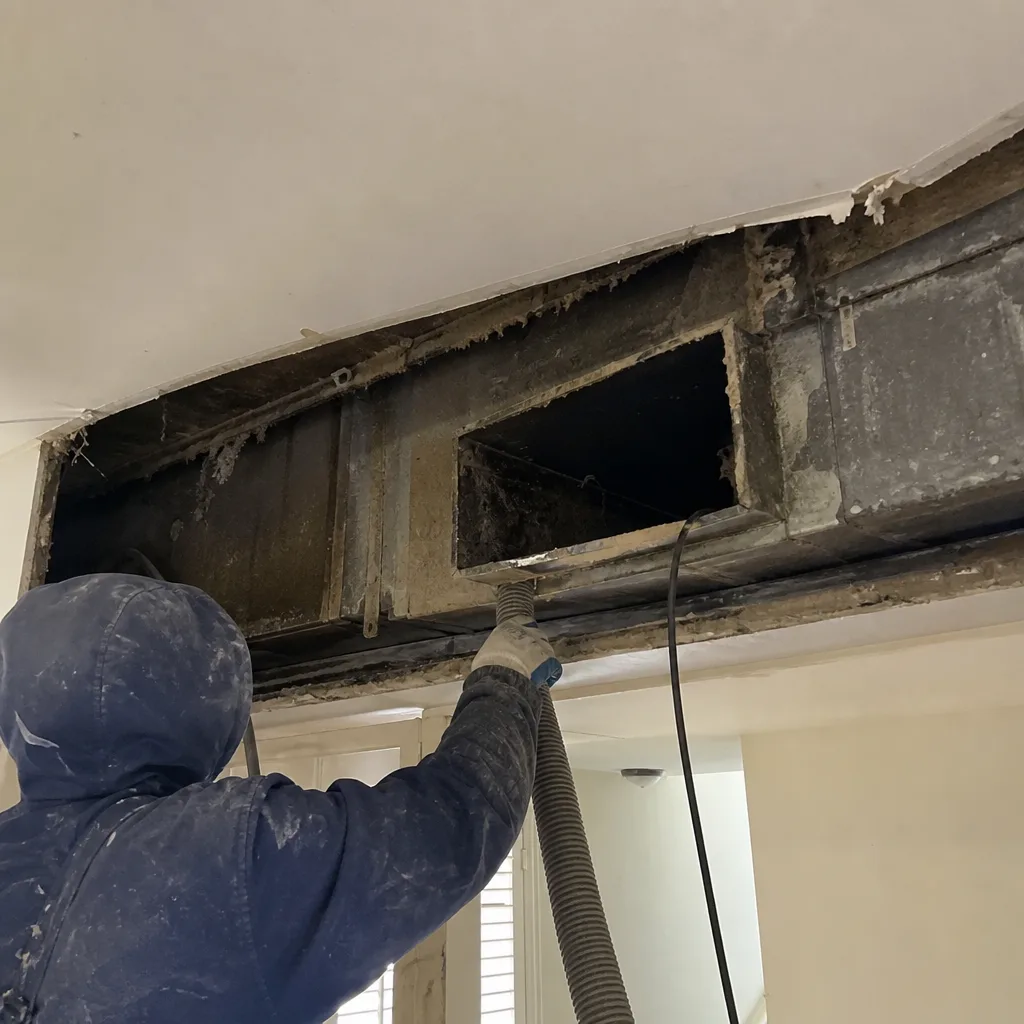 Before
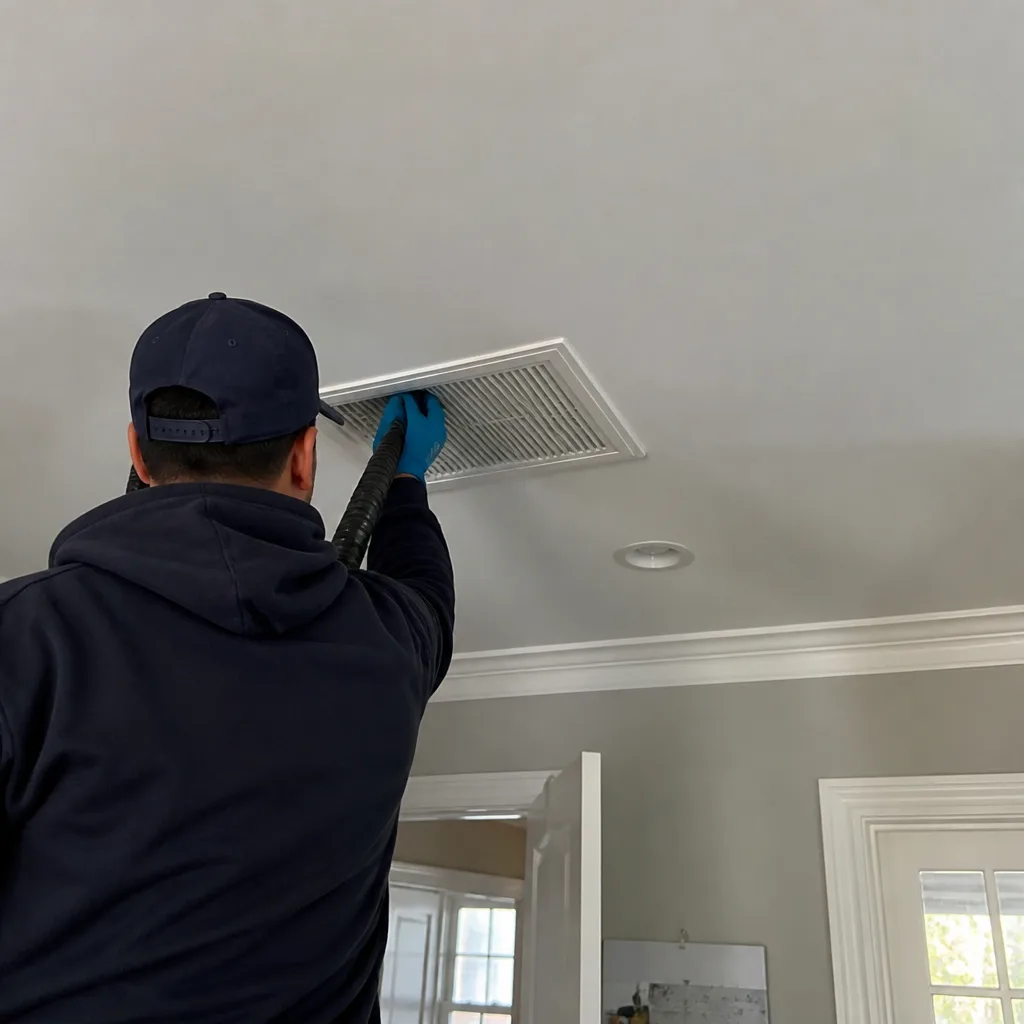 After
After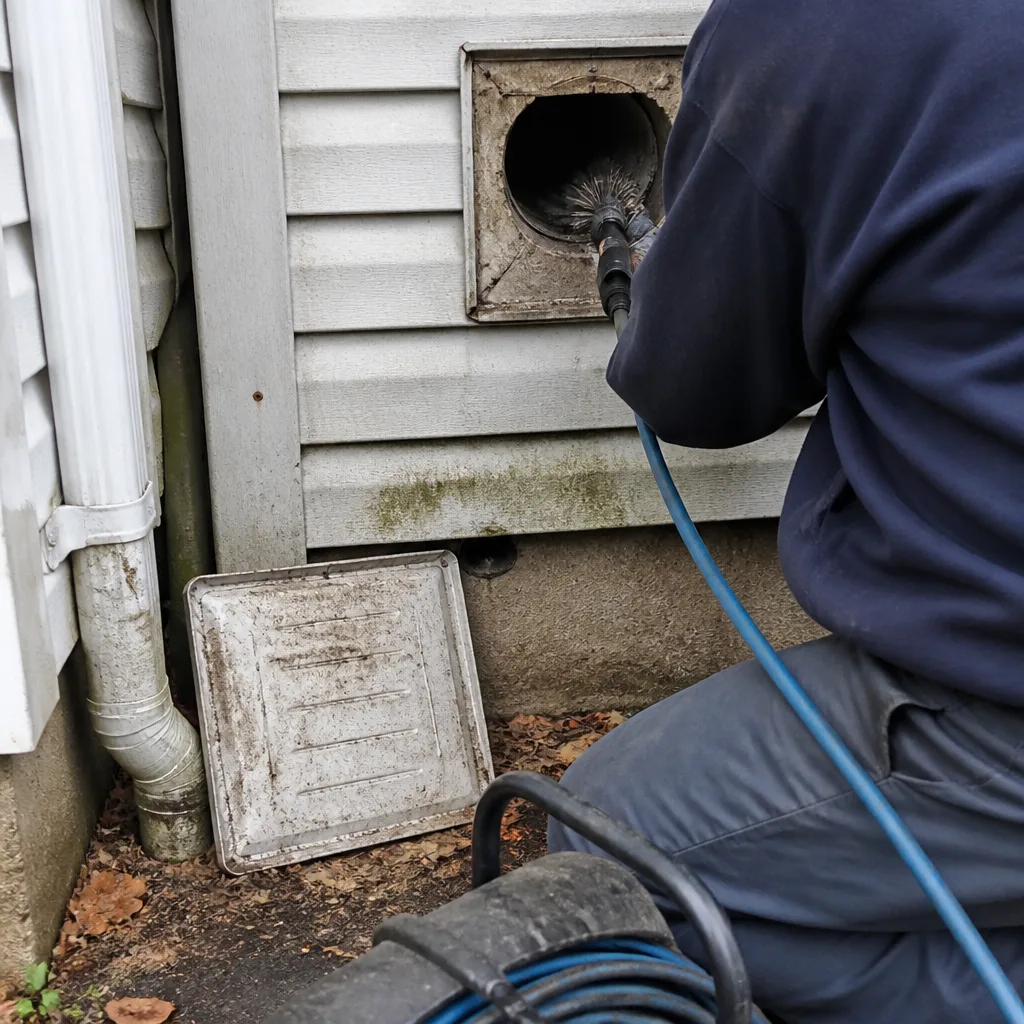 Before
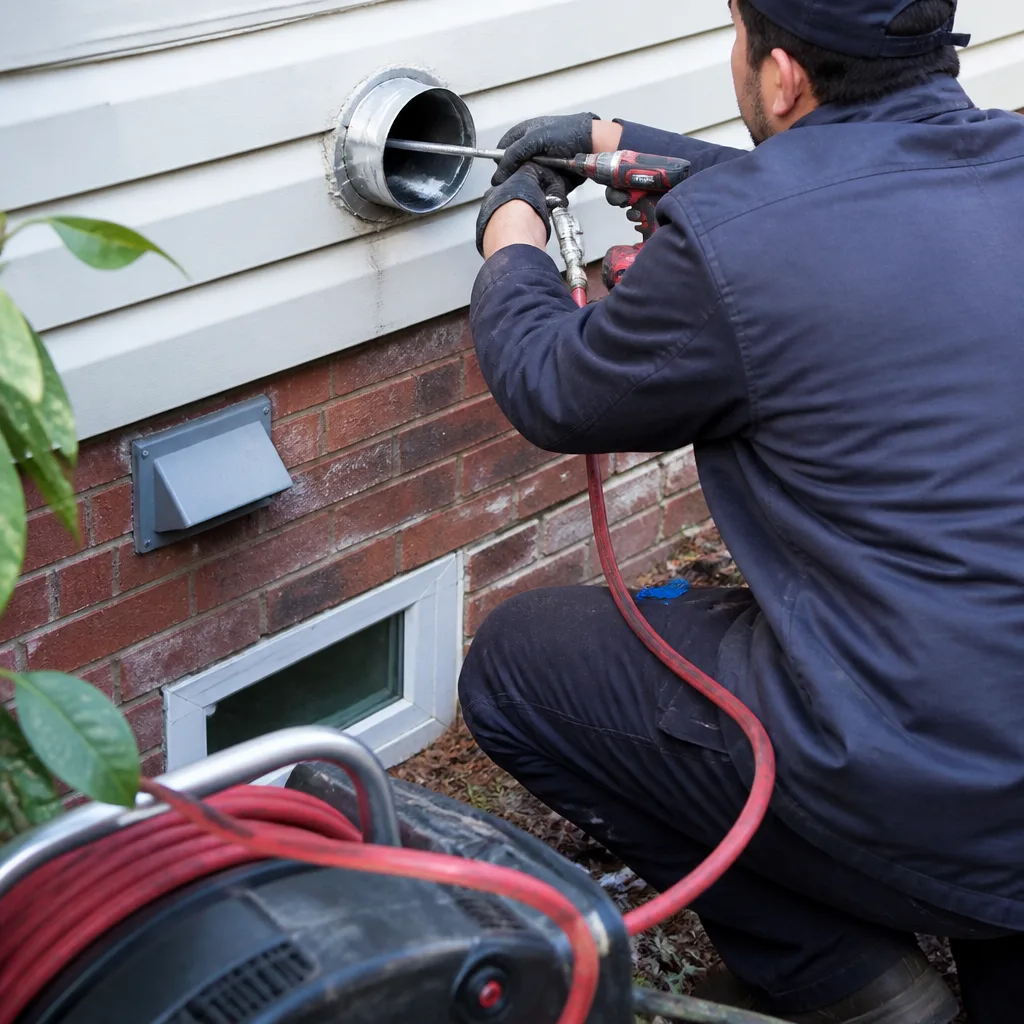 After
After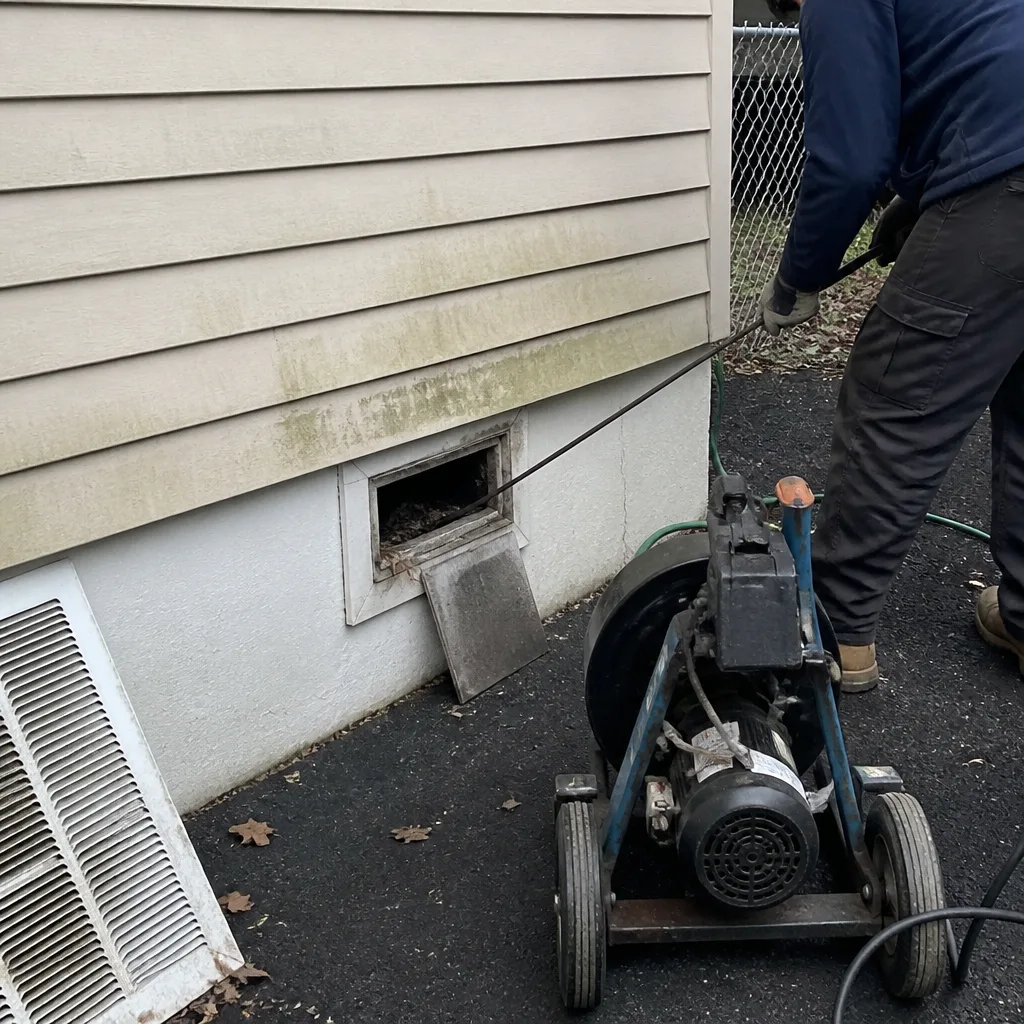 Before
 After
AfterHoneywell Air Quality & Sanitizing in New York City: What to Know First
Honeywell air quality equipment in New York City homes needs two things done right: the sanitizing itself and the maintenance that keeps the system working afterward. We’re an independent Honeywell service provider, not an authorized dealer, which means we make parts and repair decisions based on what the camera shows us, not on what a manufacturer program requires. Most Honeywell sanitizing and air quality jobs in New York City take one visit, and every visit ends with a documented photo record of the work. A written price comes before anything gets touched. Call (806) 606-6902 and we’ll walk you through what a Honeywell job actually costs.
This page is for homeowners in New York City who already own Honeywell air quality equipment or are deciding whether to install it. If you’ve got a Honeywell UV light that’s stopped working, a Honeywell media filter that’s not catching dust, or ductwork that needs sanitizing after mold or odor issues, the sections below explain what we find, what we do, and what it costs in this city’s housing stock.
How Honeywell Products Fail - and How We Fix Them
Honeywell builds some of the most common residential air quality equipment in New York City, but the equipment has specific failure patterns that repeat across the five boroughs. Here’s what we actually see when we open panels and run cameras:
- UV air treatment systems that stopped treating. Honeywell UV systems use a lamp that loses output after roughly 12 months of runtime, even if the bulb still glows. In New York City apartments and brownstones where the unit runs year-round, that means the lamp is often dead by the time we’re called. We replace the lamp and, just as often, the ballast that feeds it, because Honeywell ballasts fail silently and leave the lamp underpowered. The camera shows the difference: a working UV system keeps the coil surface cleaner than one that’s been dark for six months.
- Honeywell electronic air cleaners losing charge. The Honeywell F300 series uses charged collector cells to trap particles. When the cells lose charge or short out, they stop filtering effectively and you hear it: a persistent ticking or snapping sound near the return plenum. In New York City, where pre-war buildings run hot-water heat and window AC, these units are often the only filtration in the home, so failure means noticeably worse air. We clean the cells, check for broken ionizer wires, and replace the cell contact board when the charge won’t hold.
- Media air cleaners with restricted flow. Honeywell media cabinets, especially the F100 and F200 series, take a 4-inch pleated filter that homeowners often replace with whatever fits from the hardware store. In New York City, that’s usually a fiberglass 1-inch filter jammed into a 4-inch track, which lets unfiltered air bypass the media entirely. We photograph the bypass, install the correct Honeywell (or better) 4-inch media, and show you the after photo of a filter actually seated in the track.
- Ventilation units pulling debris into the system. Honeywell whole-house ventilation products like the ER200 energy recovery ventilator have filters and cores that clog over time. In New York City, the intake grille on a brownstone facade collects fine soot and construction dust, and that gets pulled into the core. A clogged ERV core doesn’t just reduce fresh air; it becomes a source of stale, musty air instead of a solution. We remove and clean the core, replace the filters, and in cases where the core itself has degraded, replace the core assembly.
- Duct-mounted UV and sanitizing equipment installed in the wrong location. This is the one we see most often in New York City’s converted buildings and older homes: a Honeywell UV lamp or sanitizing module mounted in a return duct, where it’s treating air before it hits the coil rather than after. The coil is where biological growth actually forms, especially in New York City’s humid summers. We relocate the unit to the supply side of the coil, which is where Honeywell’s own installation guidance says it belongs. The photo we take of the original location and the photo we take after relocation tell the whole story.
Our Honeywell Air Quality & Sanitizing Process
Every Honeywell air quality and sanitizing job in New York City follows the same sequence, whether it’s a single UV bulb replacement or a full duct sanitizing. Here’s what happens from the first call:
- 1
Written scope before anything opens. We start with a camera inspection of the duct runs and the Honeywell equipment in place. The written quote lists exactly what we found, what we’ll do, what parts we’ll use (OEM vs. quality aftermarket, specified up front), and what the job costs. Haven Standard Clause 1: a written price before any work starts. No exceptions.
- 2
Equipment and parts decision made with you. For Honeywell units, we discuss whether the replacement part should be OEM or aftermarket. Some Honeywell UV lamps have identical third-party equivalents at half the cost; some Honeywell media cabinet latches and contact boards are only available OEM. You get the trade-off explained in plain language and you make the call before we order.
- 3
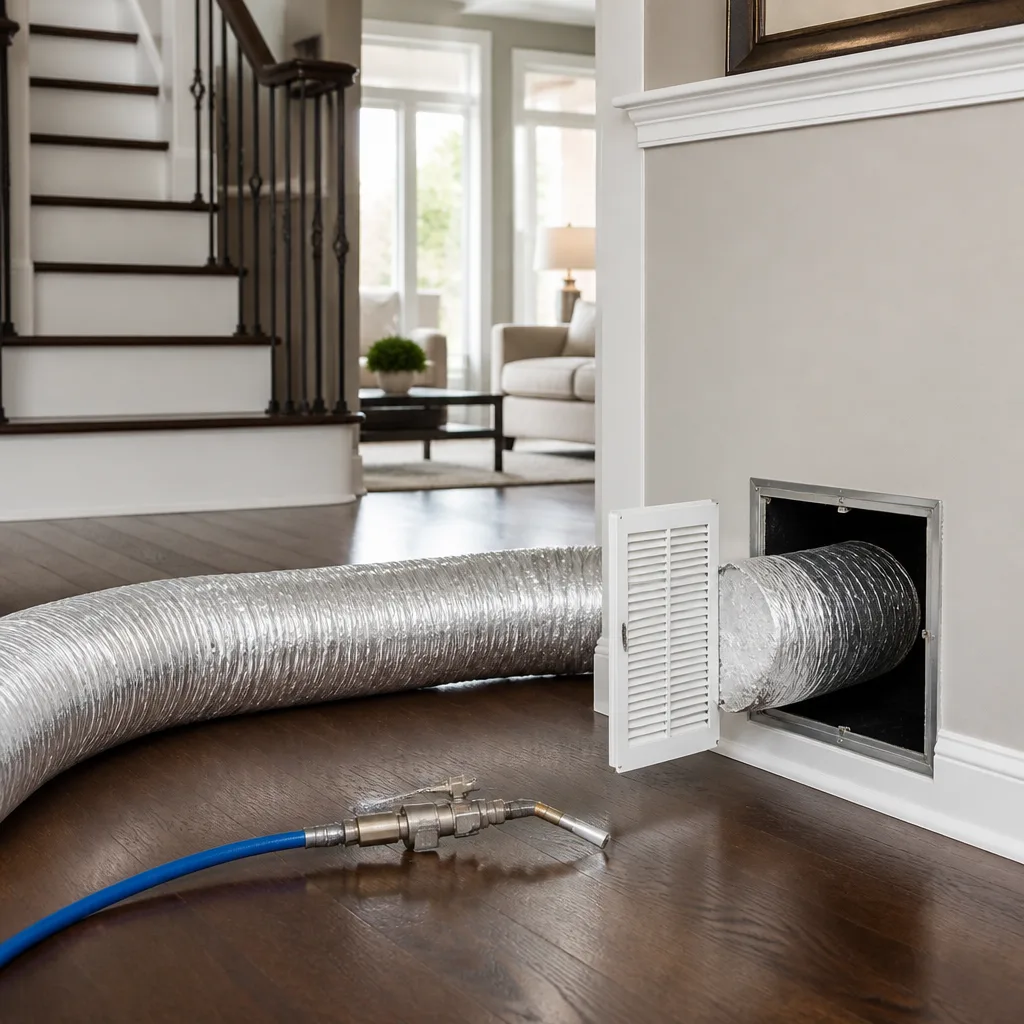
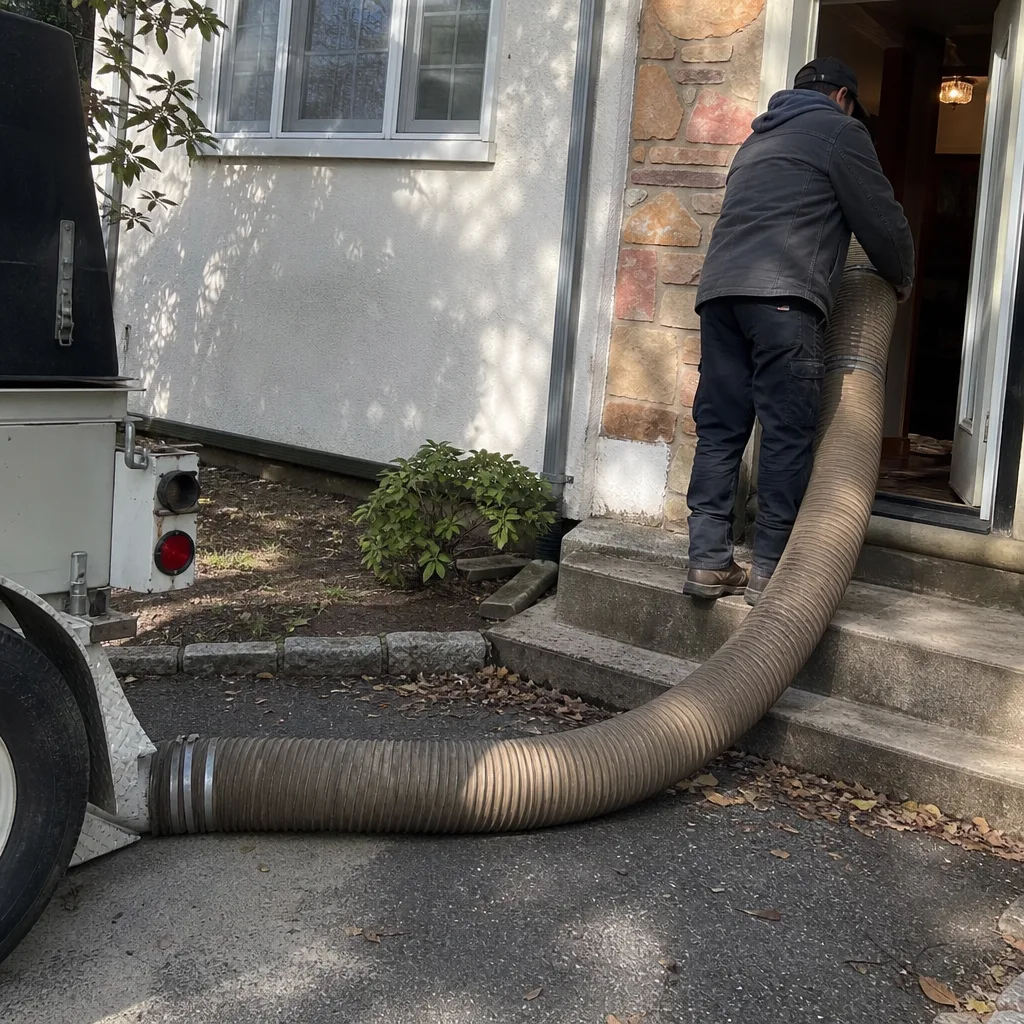
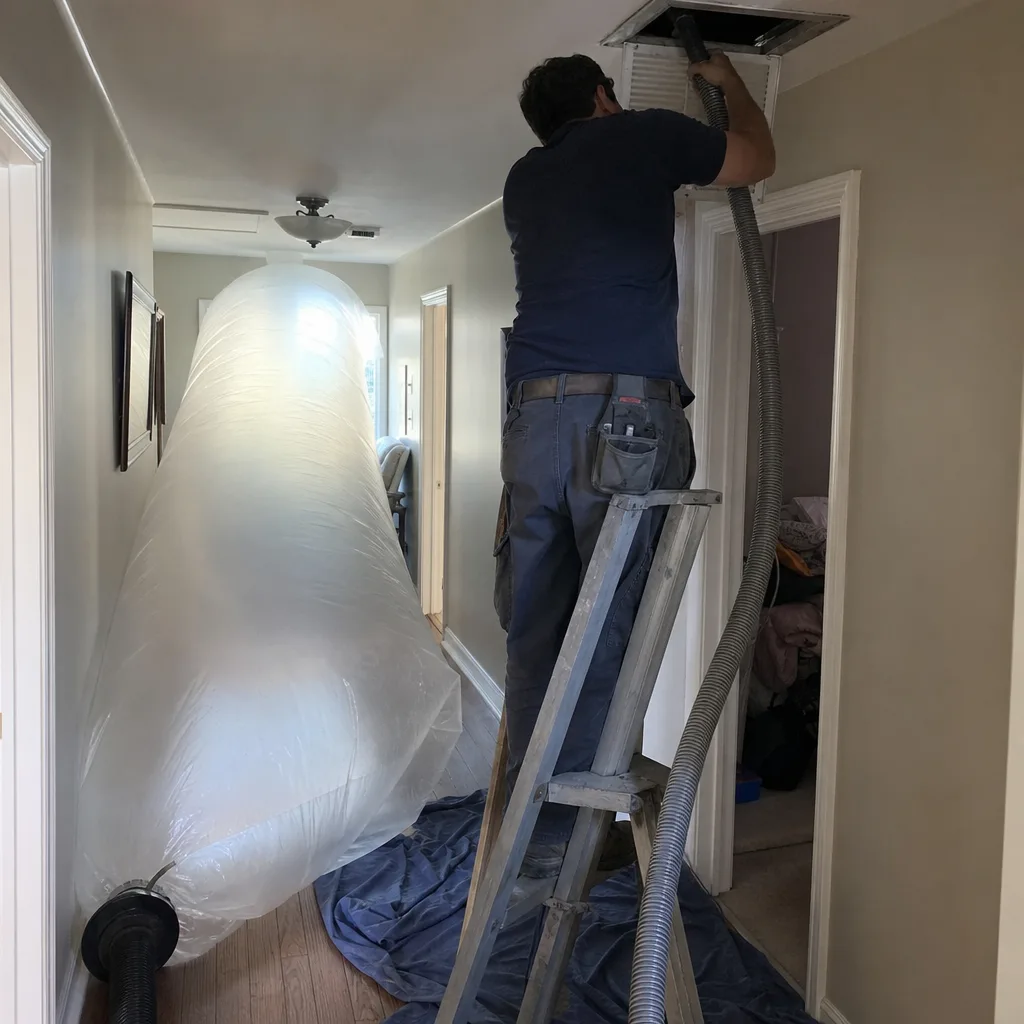
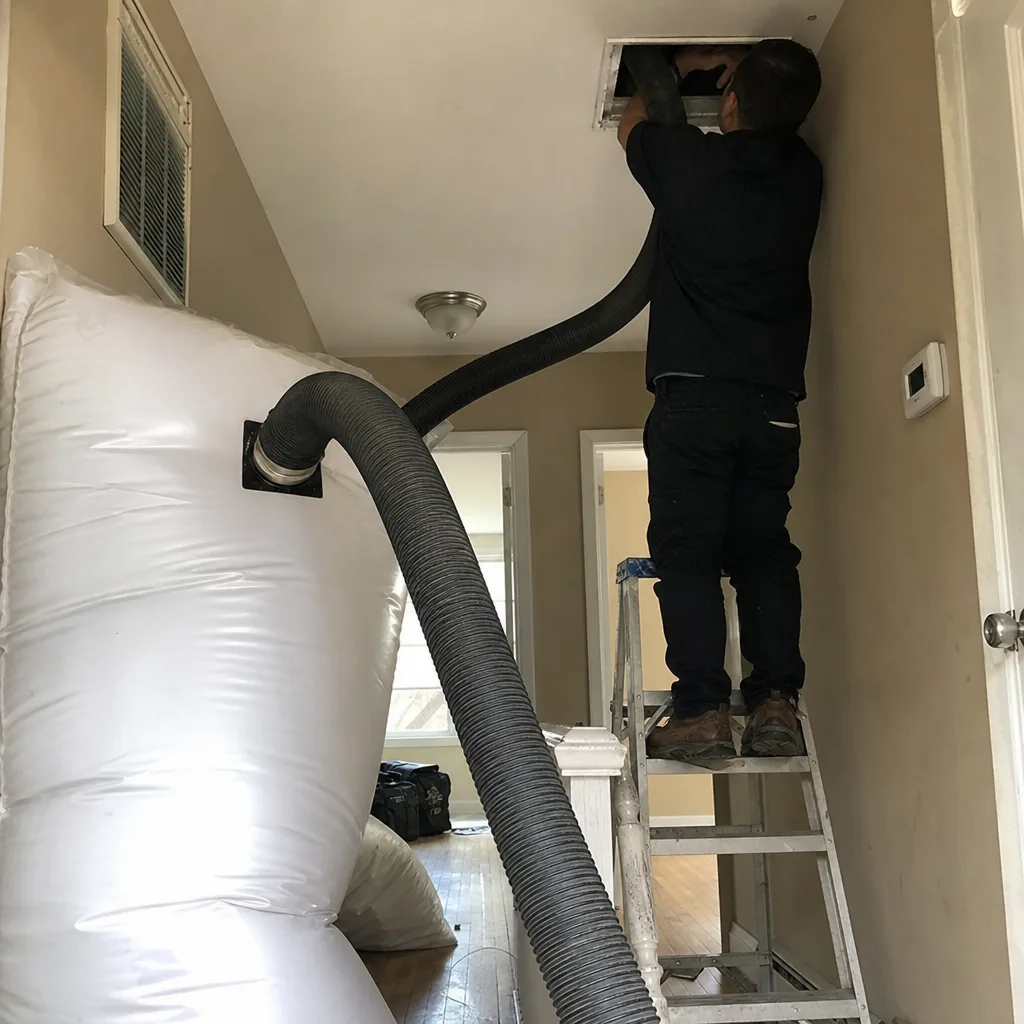
Negative-pressure extraction and sanitizing. For duct sanitizing, we connect professional-grade extraction equipment - Rotobrush, Nikro, or Abatement Technologies depending on the job - and bring the system under negative pressure before we apply any antimicrobial solution. That means what we loosen gets pulled out of the system, not pushed into your living space. Then we fog or spray the sanitizing agent through the full length of every duct run.
- 4
Honeywell-specific repairs completed. UV lamps replaced, ballasts checked, electronic air cleaner cells cleaned and rebuilt, media filters seated correctly, ERV cores cleaned or replaced. Every repair gets photographed before and after.
- 5
System verification with documentation. We run the system and verify airflow, lamp operation, and sanitizing coverage. The Documented Photo Record - inside every duct run, before and after - is delivered to you as part of the standard job record. No photo, no proof; we’ve done it this way since 2013.
- 6
365-Day Done Right Promise in writing. If the sanitizing doesn’t hold or the repair doesn’t last, we make it right. That promise is on every job sheet, not just on the website.
BeforeAfterWhat Honeywell Air Quality & Sanitizing Costs in New York City
Prices are whole-system numbers, not per-vent bait. A Honeywell UV lamp replacement typically runs $220 to $410, depending on whether the ballast needs replacing at the same time. A full duct sanitizing in a New York City apartment or single-family home falls between $600 and $1,400, driven by the number of duct runs, the length of the runs, and whether we’re treating the coil too. Duct sanitizing plus coil treatment in a larger brownstone or townhouse can push to $1,800. Honeywell media filter cabinet repair, including a new 4-inch media filter, lands in the $180 to $340 range. ERV core replacement is the bigger one: $900 to $1,800 depending on the unit. What moves the price is access. New York City ductwork is often buried behind finished walls, which means more time on the camera and more time on the extraction setup. We’ll put it all in writing before anything starts. Free estimates - call (806) 606-6902.
Why New York City Homeowners Call CleanRun Air Duct Cleaning for Honeywell Work
Because we show you what’s in there before we ask you to pay for anything. Tomas Reyes started CleanRun in 2013 after years working residential and commercial duct systems across all five boroughs, and the rule from day one has been the same: camera inspection first, written scope second. We’re independently owned and operated under the Haven Standard, and our technicians are background-checked, uniformed, and identified by name before arrival. If your Honeywell system is down and you’re also running Lennox, Trane, or Carrier equipment elsewhere in the house, our team works on those brands too - so one crew handles the whole job without finger-pointing between contractors. The photo tells you what’s in there. Everything else is just paperwork.
FAQs
Honeywell warranties cover manufacturing defects in their equipment, not the labor to install, relocate, or clean it. Most Honeywell UV lamps carry a 1-year lamp warranty on the bulb itself, and electronic air cleaner cells are typically covered for 5 years on the cell, not the power supply. We handle the labor and tell you up front which parts fall under warranty and which don’t. Call (806) 606-6902 and we’ll put it in writing.
The blue glow does not mean the lamp is producing sanitizing output. Honeywell UV lamps lose germicidal effectiveness after about 12 months of runtime even though they still emit visible light. The only way to verify is with a UV meter, which we bring to every inspection. If the meter shows low output, we replace the lamp and document the before and after output readings in your photo record. Call (806) 606-6902 for an inspection - the written quote comes before any work starts.
For electronic air cleaners, repair is usually the right call: cleaning the cells and replacing a failed contact board is cheaper than a new unit and restores full function. For UV systems, if both the lamp and ballast are dead and the unit is more than eight years old, replacement is often the better financial decision. We’ll give you the repair price and the replacement price side by side, in writing, so you can see the numbers instead of guessing. Call (806) 606-6902 for a free estimate.
Most Honeywell sanitizing jobs are scheduled within the same week. A single UV lamp replacement is often done in one visit; a full duct sanitizing with coil treatment takes one day for a typical New York City apartment. We’ll give you a scheduled date and a written price before anything starts. Call (806) 606-6902 and we’ll set it up.
If the odor is coming from biological growth, debris, or stagnant material inside the duct runs, sanitizing will address it. If the smell is coming from building-wide issues - a neighboring unit’s cooking, a wet wall cavity, a roof leak - sanitizing the ducts alone won’t eliminate it. We identify the source with the camera, and the written quote says exactly what we’re treating and what we’re not. Call (806) 606-6902 and we’ll show you what’s in there.
Get a Written Price for Honeywell Air Quality & Sanitizing in New York City
If you own Honeywell air quality equipment in New York City and it’s not doing the job, call us at (806) 606-6902. We’ll schedule a camera inspection, show you what we find, and put a written price in front of you before any work begins. Every job ends with a documented photo record and is backed by the 365-Day Done Right Promise. Free second opinions on any written estimate, too - bring us a competitor’s number and we’ll put ours next to it.
Written by Tomas Reyes, Owner & Lead Technician, CleanRun Air Duct Cleaning at CleanRun Air Duct Cleaning, serving New York City and nearby areas.