
Whole-system duct and dryer vent check with before-and-after photos - you see exactly what came out of your vents
That "$99 whole-house special" is a bait ad - the real number appears once they are in your hallway, or the "clean" is a shop-vac at the register. We photograph the inside of your ducts before and after instead.
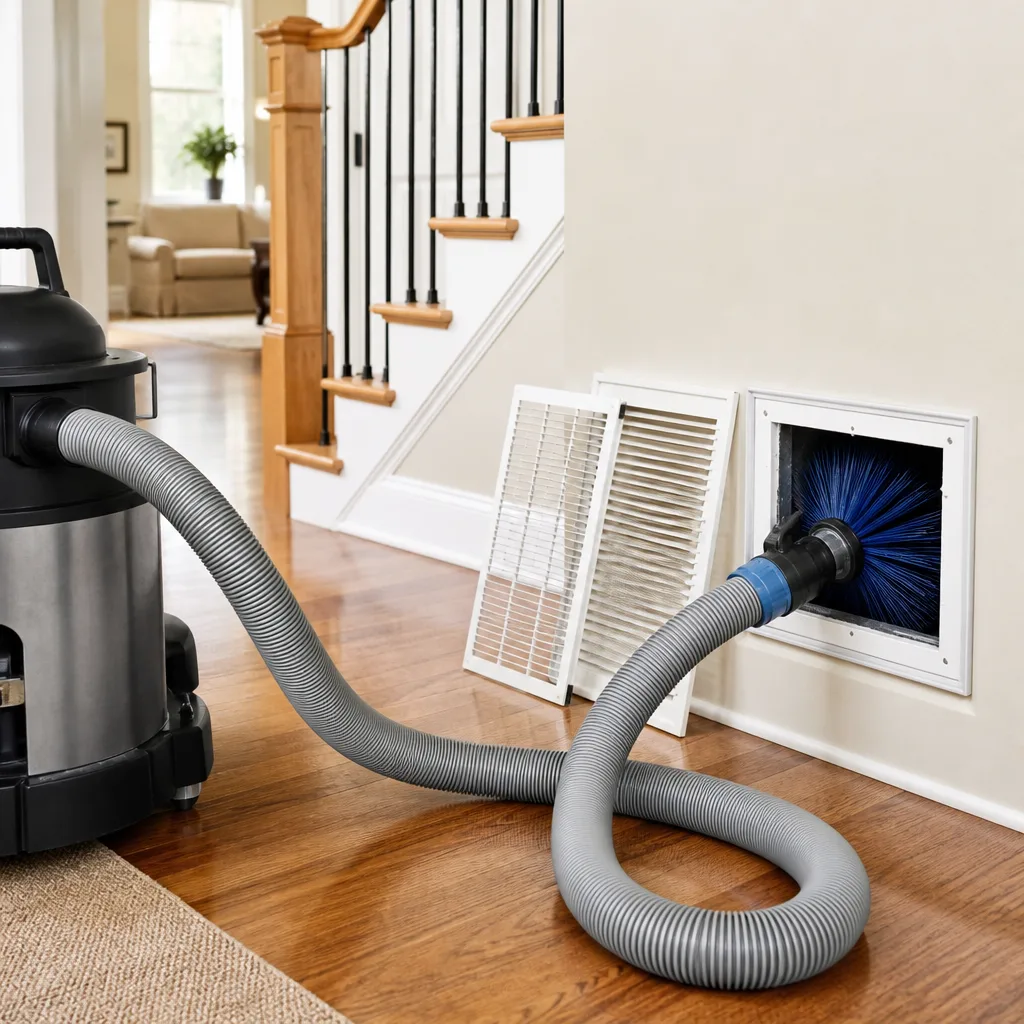
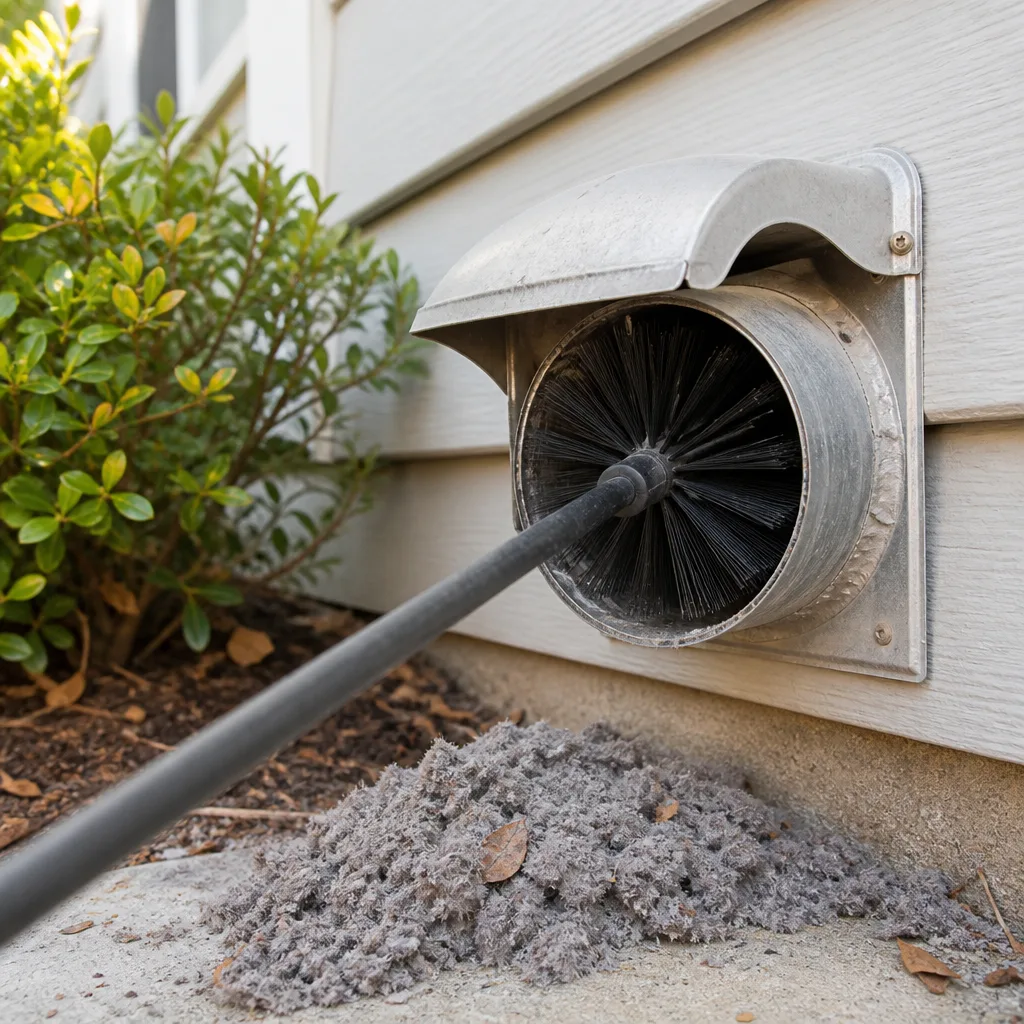
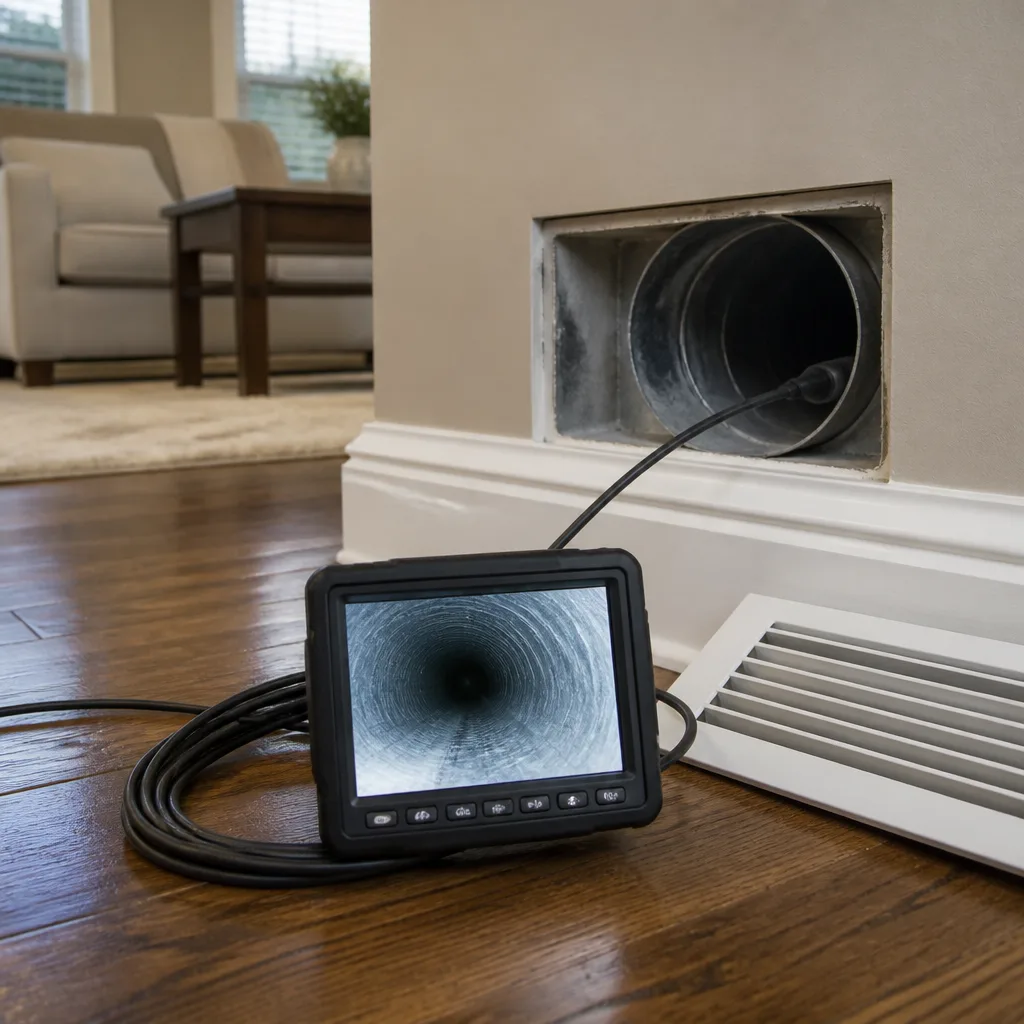
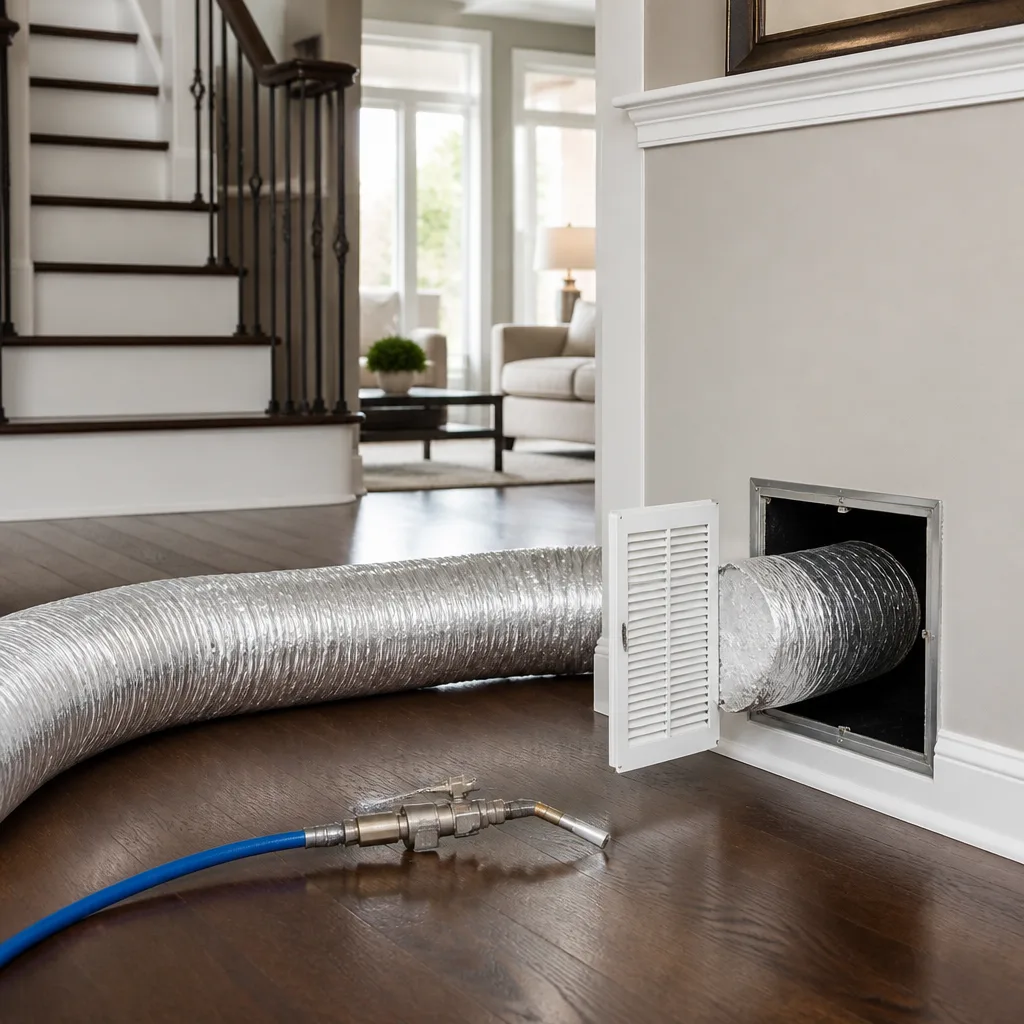
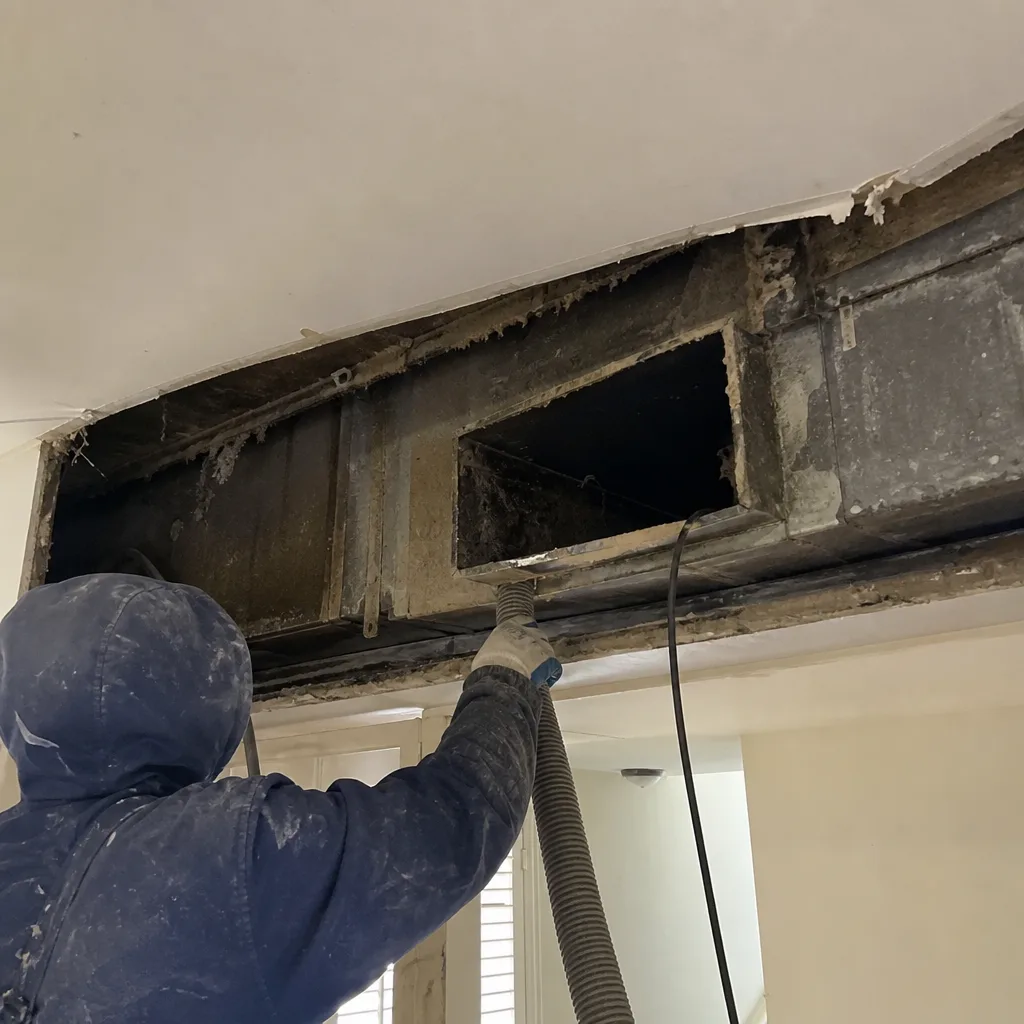 Before
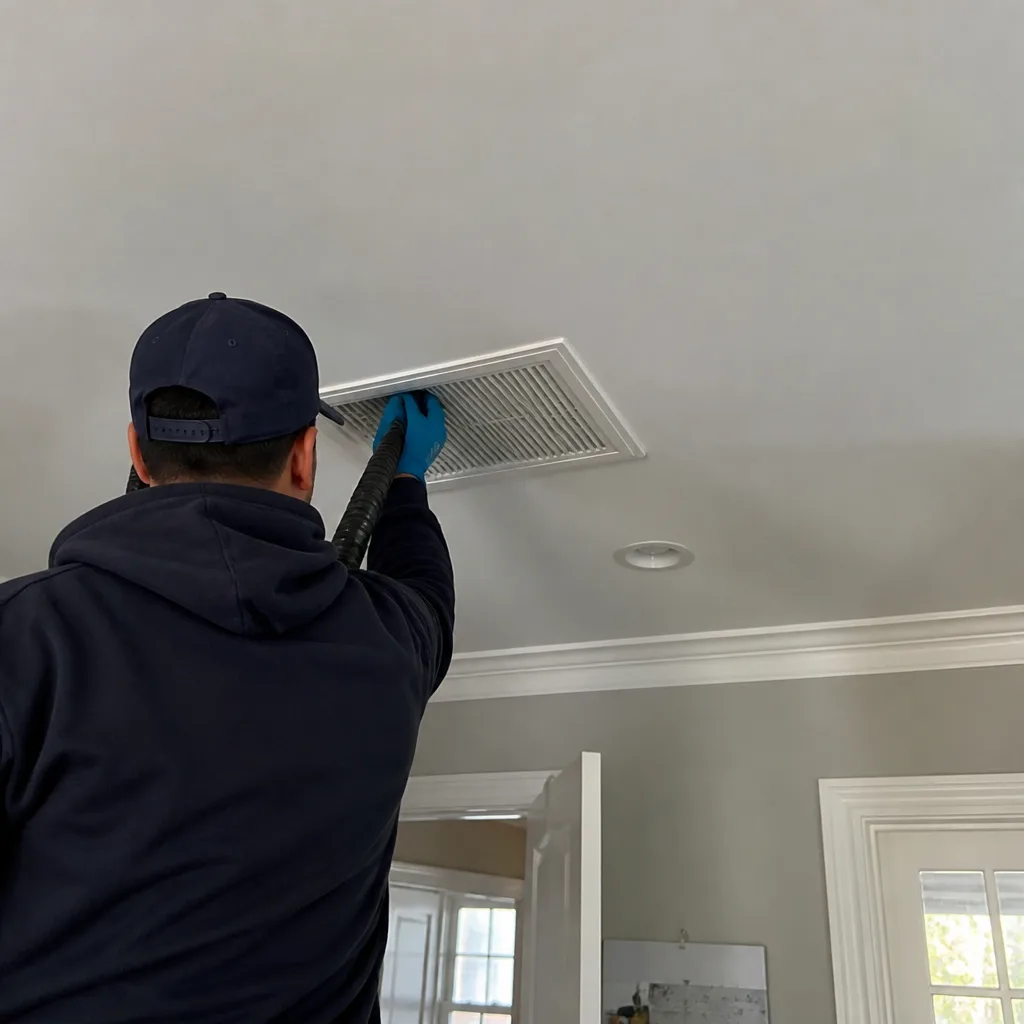 After
After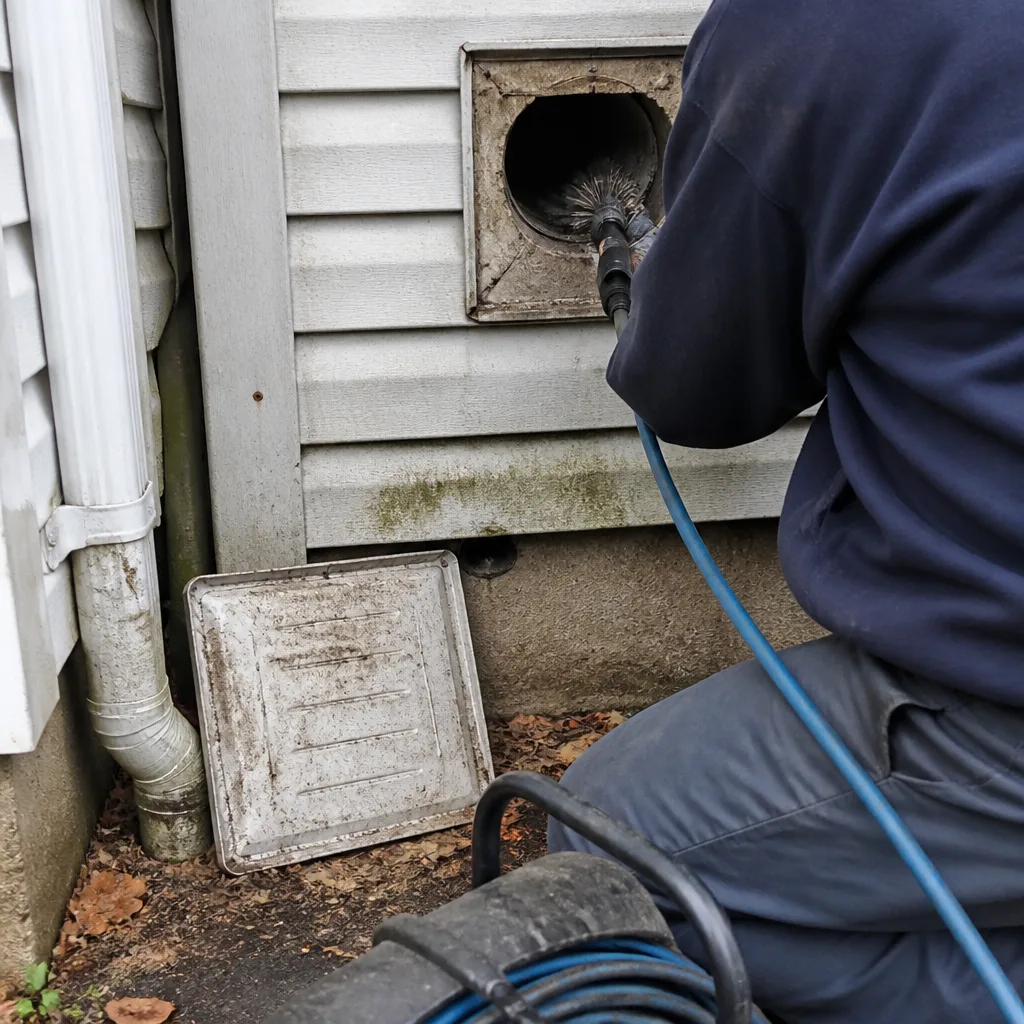 Before
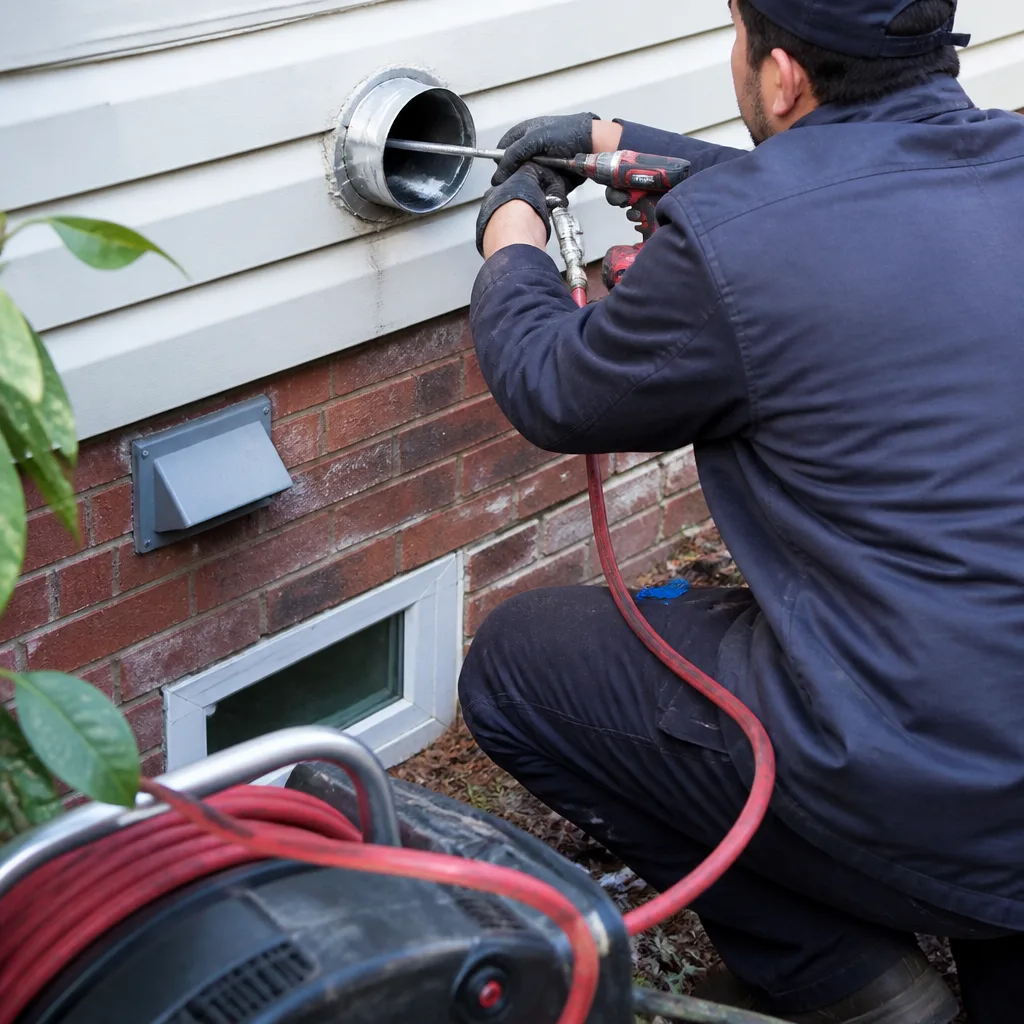 After
After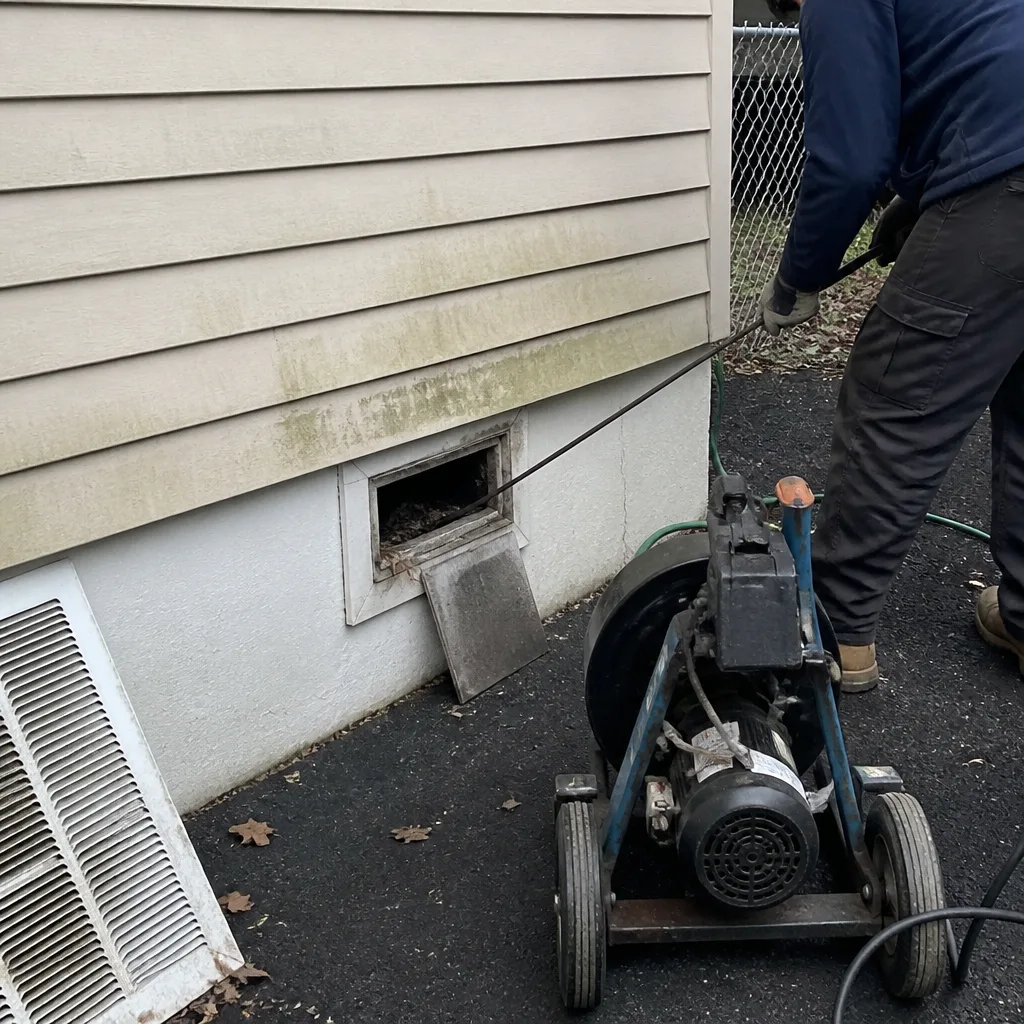 Before
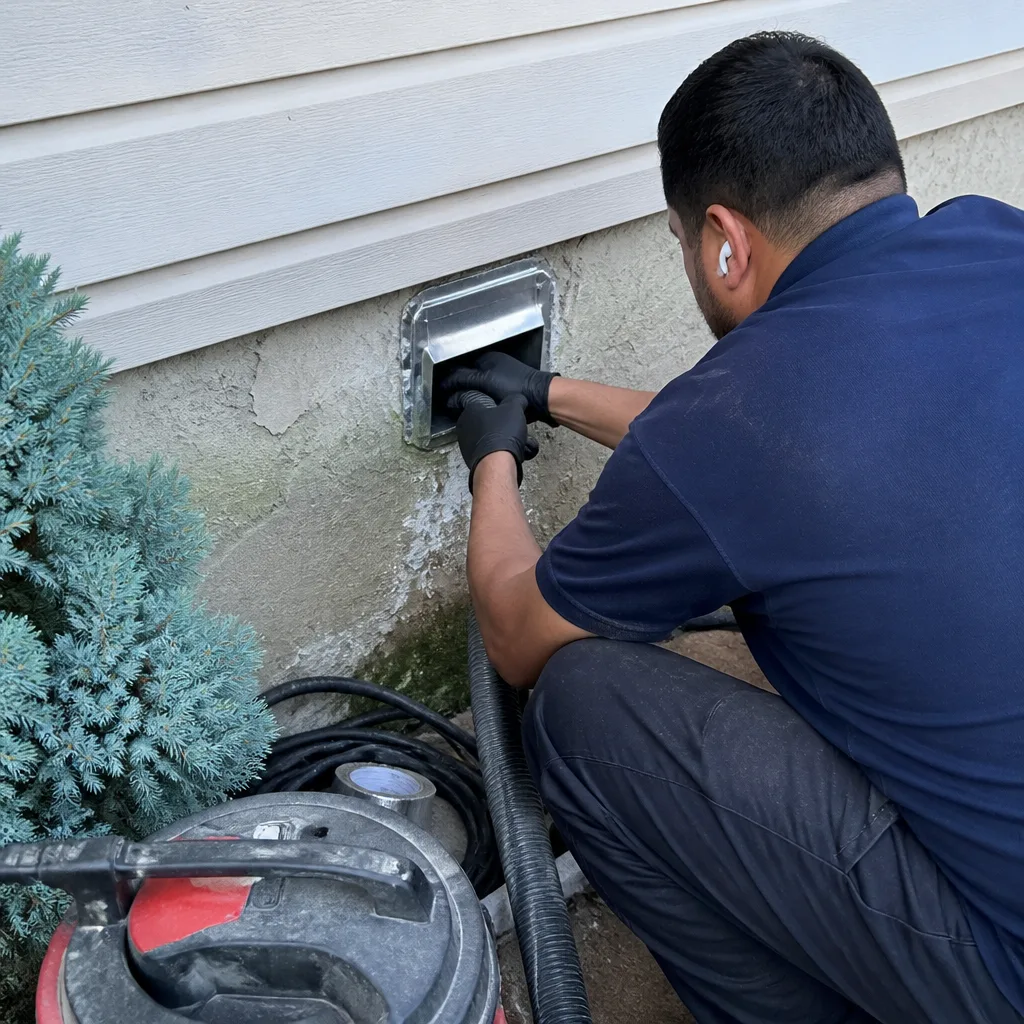 After
AfterHoneywell Duct Sealing & Repair: The New York City Owner’s Guide
If a Honeywell duct sealing or repair component has failed in your system, we stock the replacement parts and install them across New York City, typically for $240 to $580 depending on the specific Honeywell part and the access situation in your duct run. Most Honeywell sealing jobs we book in the five boroughs are completed in one visit because we carry the common Honeywell-compatible collars, take-off gaskets, and mastic-backed seam tape on the truck. You usually find out one of these has failed the same way our customers do: a register in one room suddenly blows weak while the room next to it gets a draft, or the system runs longer than it used to just to hold temperature. Honeywell residential zoning and sealing components do the quiet work of keeping air moving where the design says it should. When one lets go, you’ll notice it in comfort before you ever see it.
Key Takeaways:
- We stock Honeywell-compatible duct sealing components on the truck for same-visit replacement in New York City.
- Written price before any work starts, per Haven Standard Clause 1. No exceptions.
- Every job includes a documented photo record of the sealed area, before and after.
- Honeywell now offers Duct Sealing as a product lineup that includes whole-system aerosol sealing for older New York City ductwork - see the note below on how we handle that.
Which Honeywell Models This Applies To
When homeowners in New York City talk about Honeywell duct sealing, they’re usually referring to one of three things. First: Honeywell’s TrueZONE dampers and bypass assemblies, which sit inside duct runs and use gaskets and seals that degrade over time. Second: Honeywell’s aerosol duct sealant program, which is a whole-system retrofit for older buildings, not a replaceable part. Third: Honeywell-branded mastic, foil tape, and duct collars used during repair work. The part that fails most often in our experience is the gasket on a TrueZONE damper, especially on systems that run on heat through long New York winters. The hot, dry air cycling through those gaskets shrinks the material, and once it shrinks, air starts slipping past the damper blade even when the zone is closed.
To identify your part, look at the label on the damper motor or the zone board. You’ll see a model code starting with ARD, ZD, or MARD. That code tells us the damper size and whether it’s a round or rectangular frame. Honeywell uses a specific blade gasket profile that’s different from what EWC or Aprilaire uses, so a generic gasket from a supply house won’t seat correctly. We keep the OEM-spec Honeywell gasket sets on hand, and for units where the motor itself has gone, we carry quality aftermarket equivalents that match manufacturer torque and stroke specs. For most New York City homes, the OEM gasket plus a fresh coat of duct mastic on the seams is the right fix. If the damper frame itself has rusted through, typically on systems in prewar buildings where condensate has been dripping inside the duct run for years, we replace the frame and blade as a unit.
CleanRun Air Duct Cleaning is an independent service provider and is not affiliated with Honeywell International Inc. Honeywell, TrueZONE, and related names are trademarks of their respective owners.
Signs Your Honeywell Duct Sealing & Repair Is Failing
- Weak airflow from one or two registers while others blow strong. A Honeywell zone damper with a failed gasket won’t fully close, but a damper that’s stuck halfway will choke the airflow to that zone completely. The blade is literally blocking the duct run.
- The system runs longer, but the far rooms never reach setpoint. Air escaping past the damper means the furnace or air handler is conditioning air that’s going to the wrong zone. Your system is working harder and delivering less.
- Audible whistling at a register when the system runs. Air squeezing past a partially seated damper blade or through a failed seam accelerates. The whistle is high-pressure air moving through a gap that shouldn’t exist.
- Dust streaks or dark lines on the drywall near ceiling registers. Air escaping from a leaky duct seam carries dust and deposits it on surfaces. This is the first thing we look for in New York City homes built before 1980, where duct runs are often uninsulated and leak more than 20% of their airflow.
- The zone board shows a damper is open, but no air is reaching that floor. The motor may be fine, but if the linkage or blade has separated, the board thinks the damper opened when the physical airflow never changed. We see this frequently on Honeywell ARD dampers in New York City townhouses with vertical duct runs three floors or more.
BeforeAfterReplacement Cost & What’s Included
For a Honeywell duct sealing component replacement in New York City, here’s the honest range on written estimates we provide before any work starts:
- Damper gasket replacement (single zone): $240 to $340
- Damper motor replacement (Honeywell ARD/ZM series): $280 to $410
- Full damper frame and blade replacement: $390 to $580
- Duct seam sealing with mastic and tape (per duct run, up to 12 feet): $180 to $290
- Whole-system Honeywell aerosol duct sealing (full NYC home): $1,900 to $3,800 depending on square footage and duct configuration
Every estimate is one flat price per component or per duct run, written and given to you before a single panel comes off. The price covers the part, the labor, the mastic and sealing materials, and the documented photo record of the repaired area. There’s no per-vent pricing and no surprise line items after the fact. In New York City, the price range shifts based on access: a duct run in an open basement is straightforward, but a damper buried in a finished ceiling or behind a plaster wall in a prewar building adds labor time. Our 365-Day Done Right Promise applies to every sealing job: if the fix doesn’t hold, we return and make it right, in writing.
Honeywell’s aerosol duct sealing is a different conversation. It’s not a replaceable part; it’s a retrofit process where a pressurized mist coats the interior of the entire duct system and seals leaks from the inside out. We quote that by square footage and duct configuration only after running a camera through the full system. The price you get is the price you pay. That’s Haven Standard Clause 1. It’s how we’ve done every job since 2013.
DIY or Call Us?
There’s a short list of things an owner can safely check before calling us. You can look at the registers: pull one off, shine a light into the boot, and see if the duct sealant around the boot is cracked or separated. You can check the zone board for an error code and match it to the Honeywell manual. You can visually inspect the damper motor shaft the next time the system kicks on and see if it’s rotating. What you should not do is open a damper assembly and attempt to replace a gasket or blade yourself. A Honeywell damper sits inside the duct run, and removing it requires cutting into the duct or pulling a section apart. If you cut the duct and leave a sharp edge, you’ll shred the flex connector when you try to put it back. If you replace the gasket but don’t reseal the collar, you’ll trade one leak for two. The photo tells you what’s in there. Everything else is just paperwork. If the gasket is the problem, we’ll show you the failed one in the before photo and the seated one in the after photo, on the same visit.
FAQs
In New York City, a properly installed Honeywell damper gasket with fresh mastic on the seams typically holds for 7 to 10 years before heat cycling and the city’s humidity swings degrade the material again. Ducts in basement-level mechanical rooms exposed to steam pipe condensate tend to need resealing sooner, usually the 5 to 7 year mark.
For Honeywell dampers, if the motor and frame are intact, we can replace just the gasket and reseal the collar, which costs less than a full replacement and restores the same performance. If the blade is rusted or the shaft is wobbling, replacement is the only repair that will actually hold. We’ll show you the camera footage either way before you decide.
A single Honeywell damper gasket or motor replacement in New York City typically takes 90 minutes to two hours from the time we open the duct access to the final photo. Whole-system aerosol sealing takes a full day, including the camera inspection beforehand and the post-seal airflow verification.
Yes. We carry Honeywell-spec gasket sets, ARD and ZD damper motors, mastic-backed seam tape, and duct mastic on the truck for same-visit replacement. For less common Honeywell zone board components, we source from our New York City suppliers and typically have the part within one business day. Call (806) 606-6902 and tell us the model code on your damper, and we’ll tell you what we have on hand before we schedule.
We’re CleanRun Air Duct Cleaning, and we’ve served New York City since 2013. We also stock compatible duct sealing components for Lennox, Trane, and Carrier systems. Every job we do in the boroughs includes a written price before work starts, a documented photo record of the duct run before and after, and the 365-Day Done Right Promise. Call (806) 606-6902 for a free estimate on your Honeywell duct sealing repair, or bring a competitor’s written quote and we’ll put our number next to it, in writing, so you can compare apples to apples before you decide.
Written by Tomas Reyes, Owner & Lead Technician, CleanRun Air Duct Cleaning at CleanRun Air Duct Cleaning, serving New York City and nearby areas.