
Whole-system duct and dryer vent check with before-and-after photos - you see exactly what came out of your vents
That "$99 whole-house special" is a bait ad - the real number appears once they are in your hallway, or the "clean" is a shop-vac at the register. We photograph the inside of your ducts before and after instead.
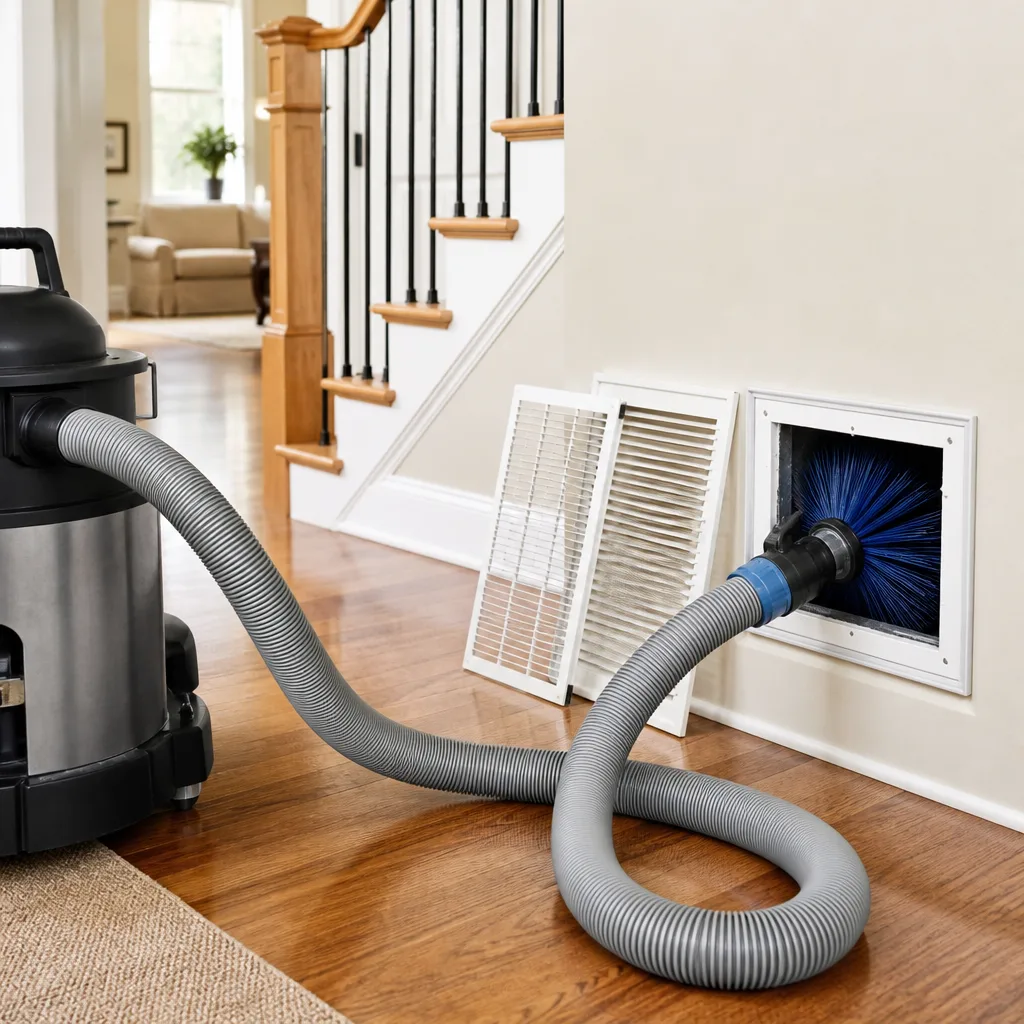
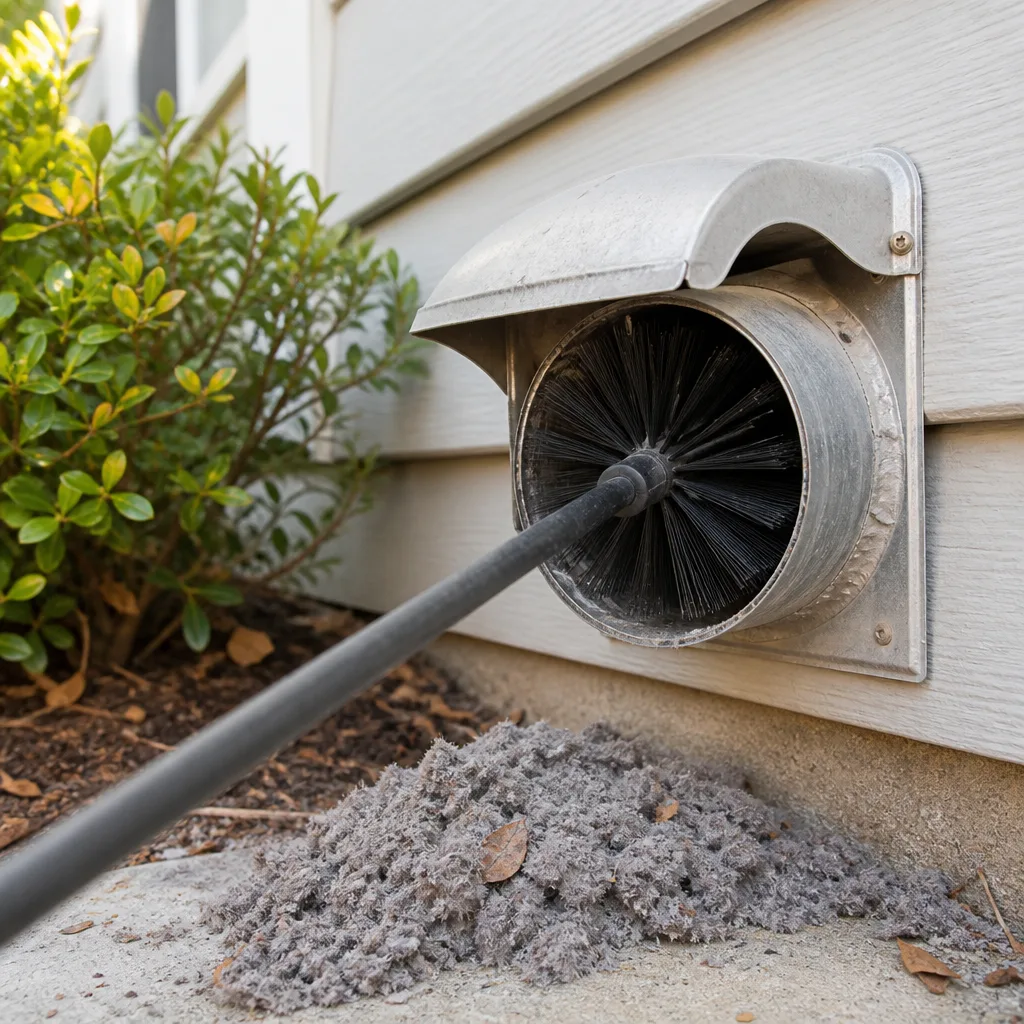
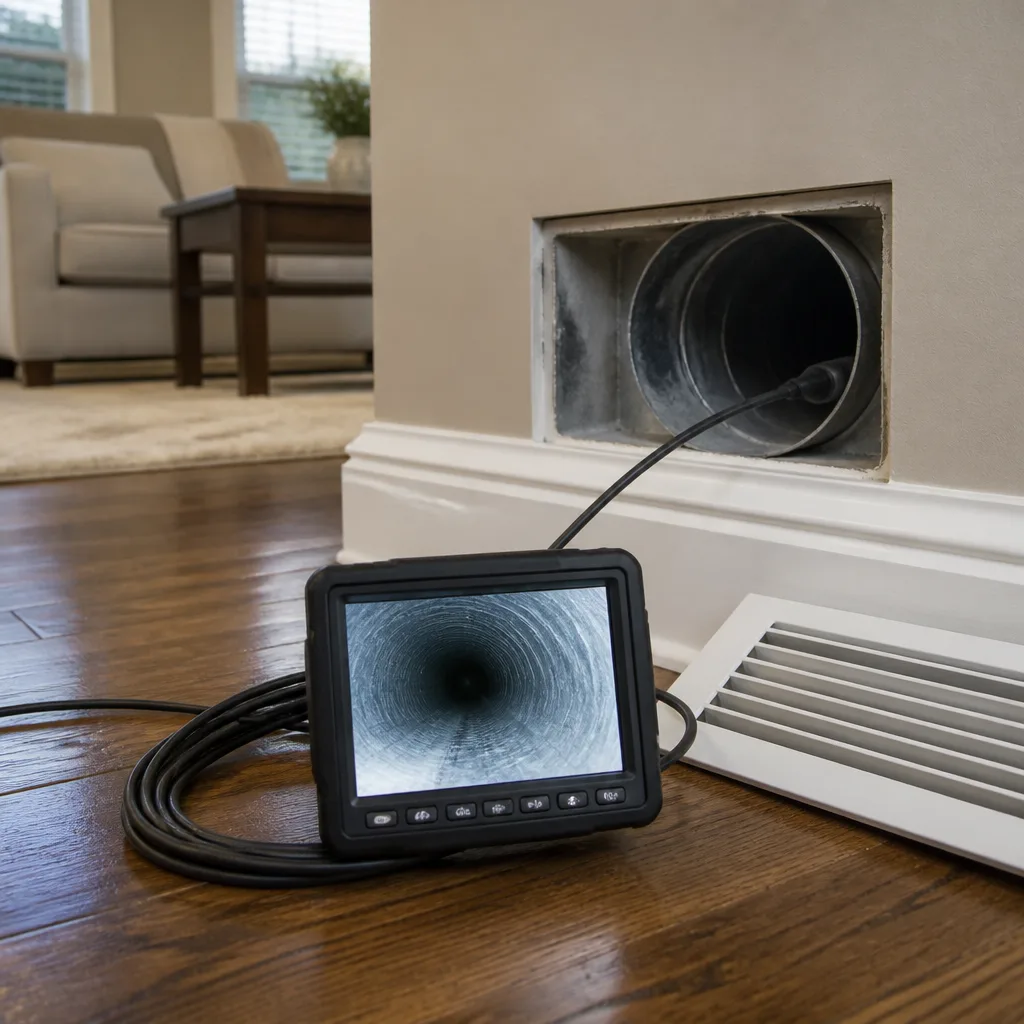
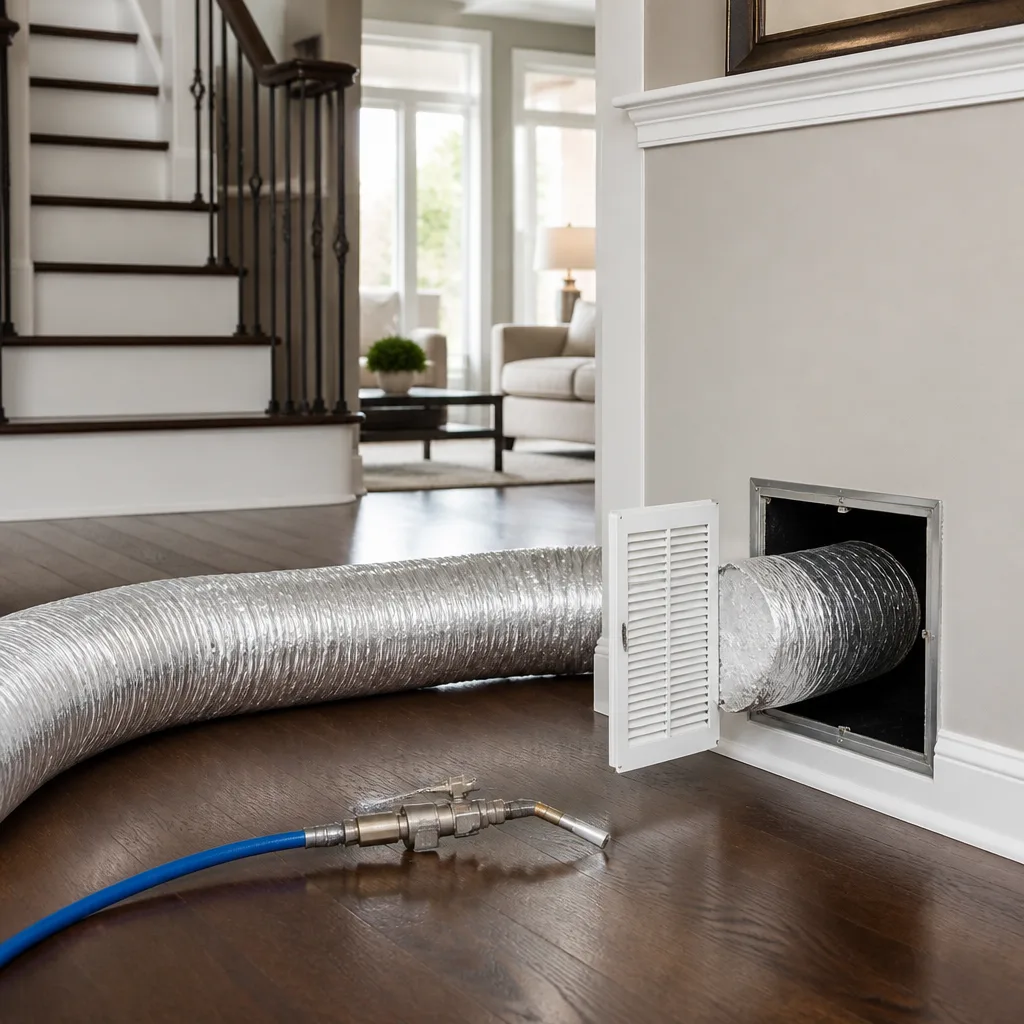
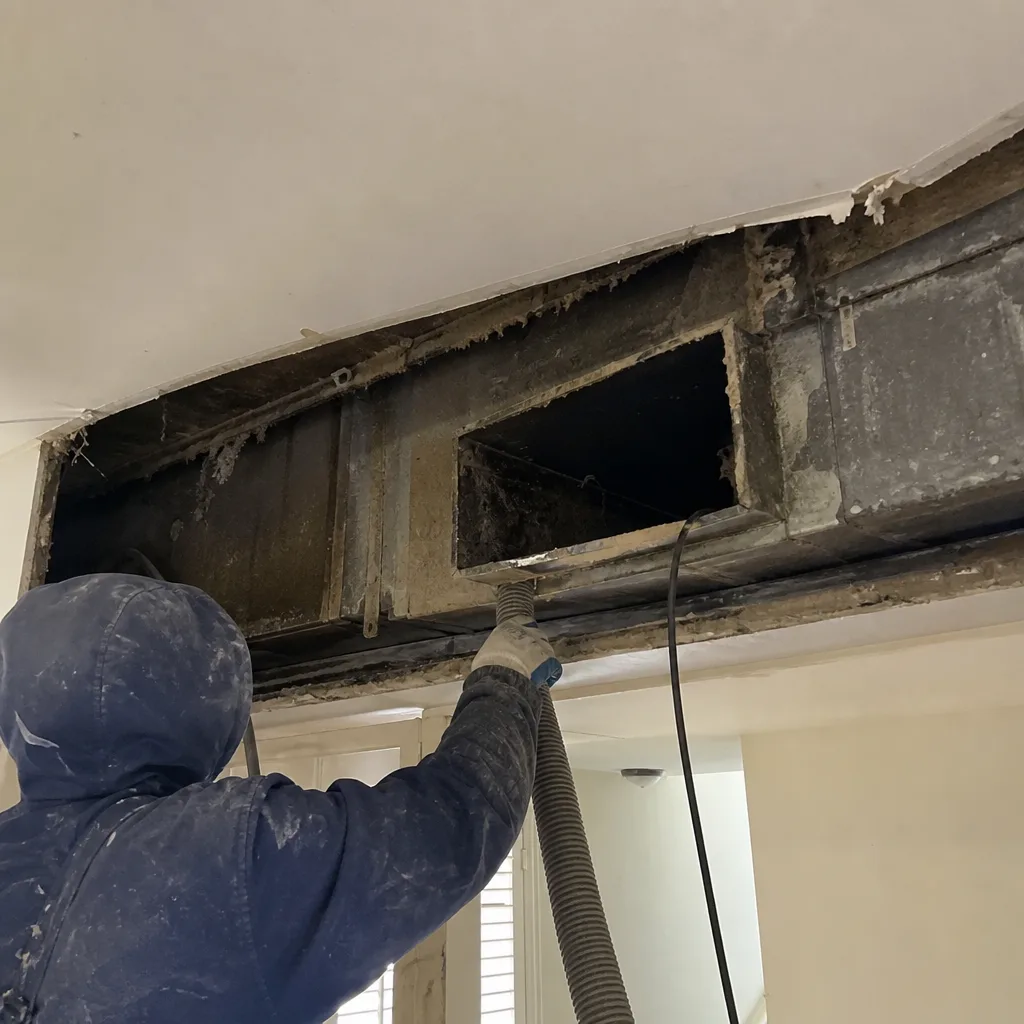 Before
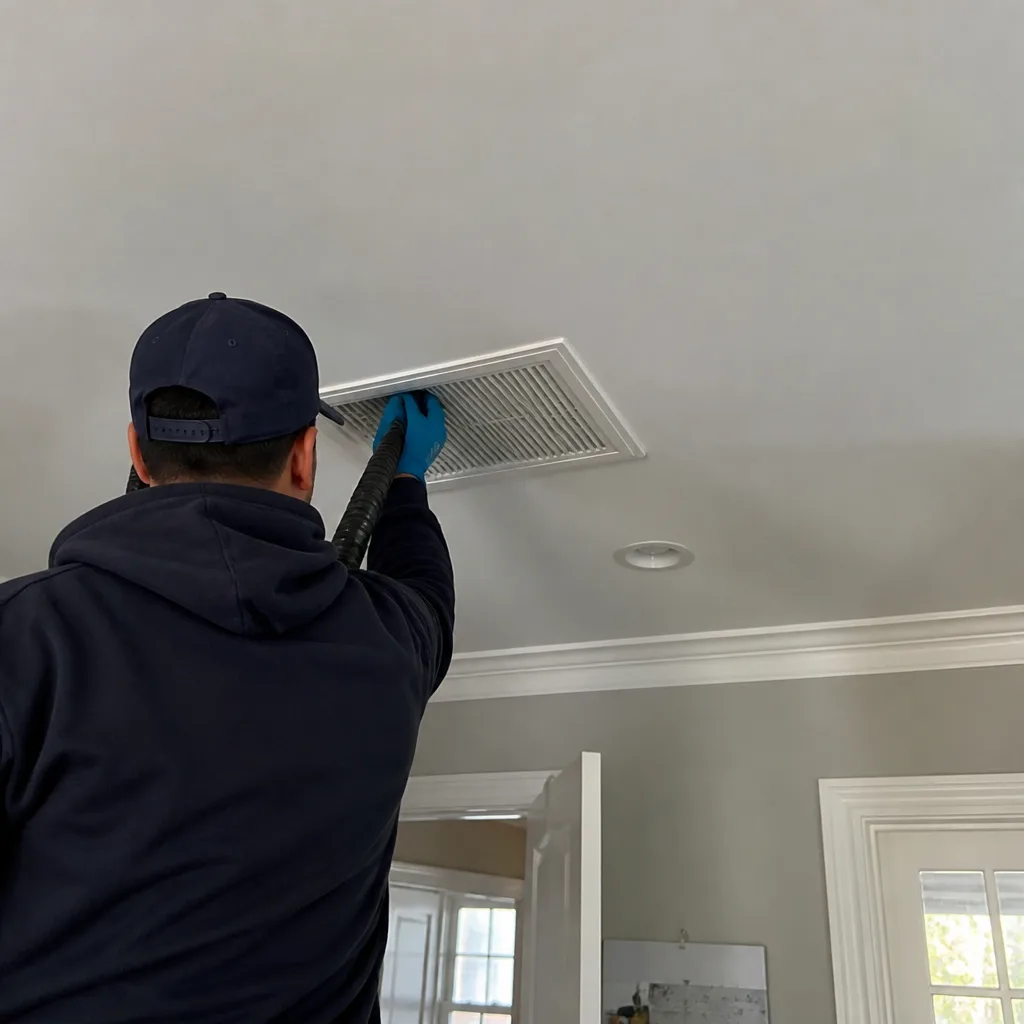 After
After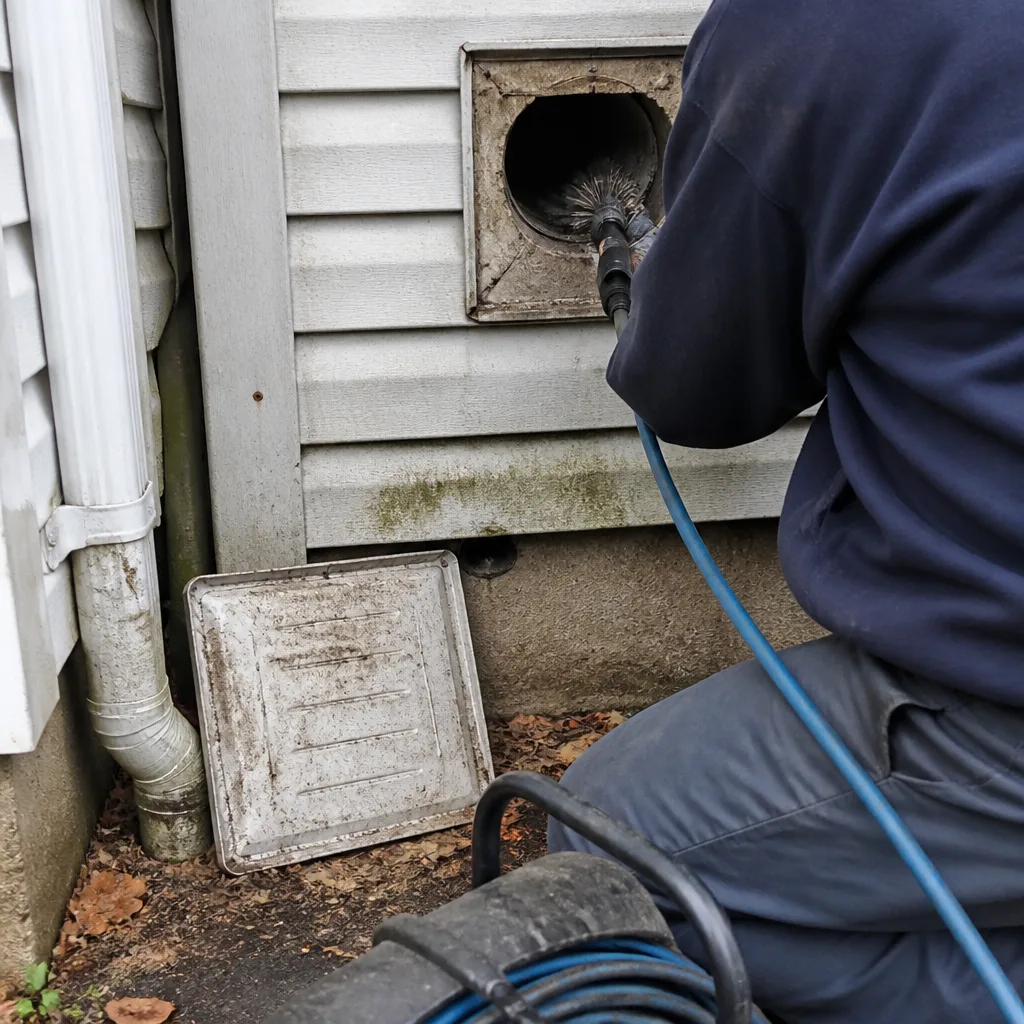 Before
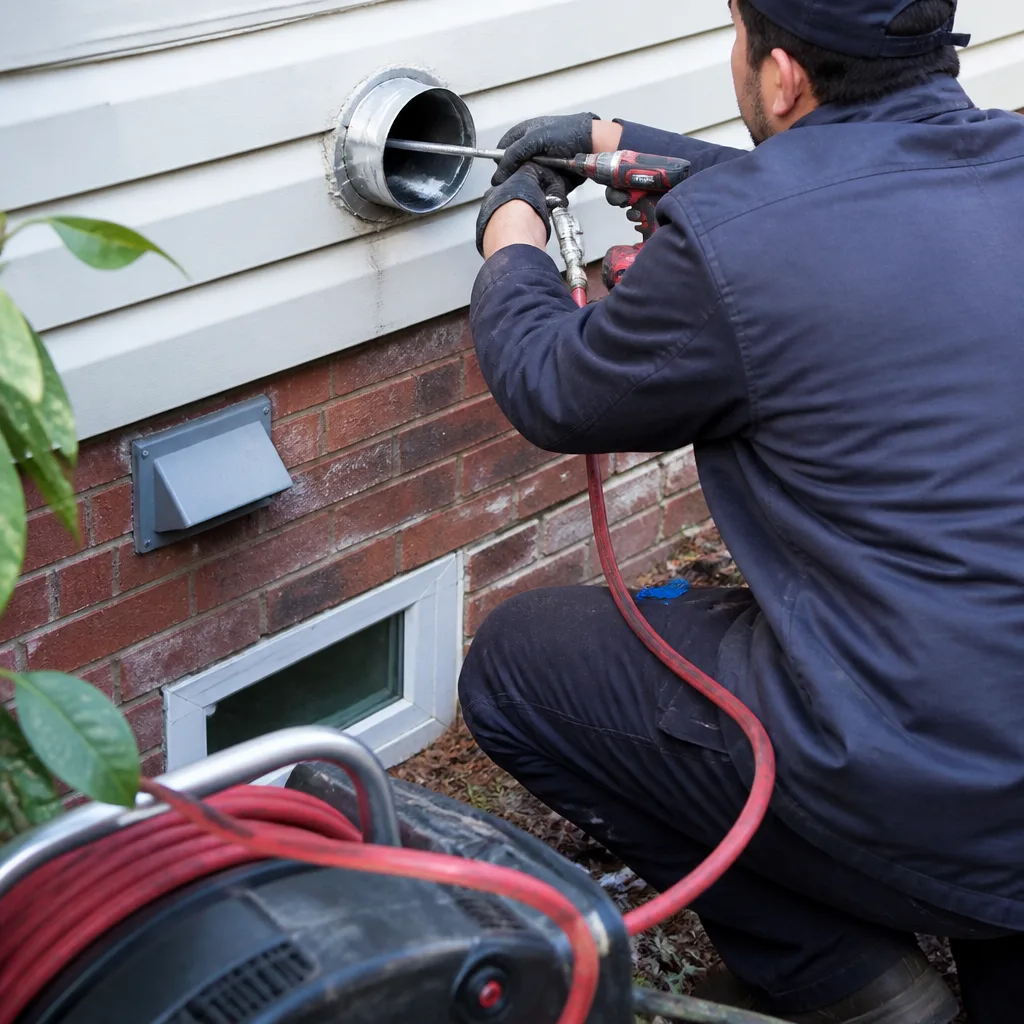 After
After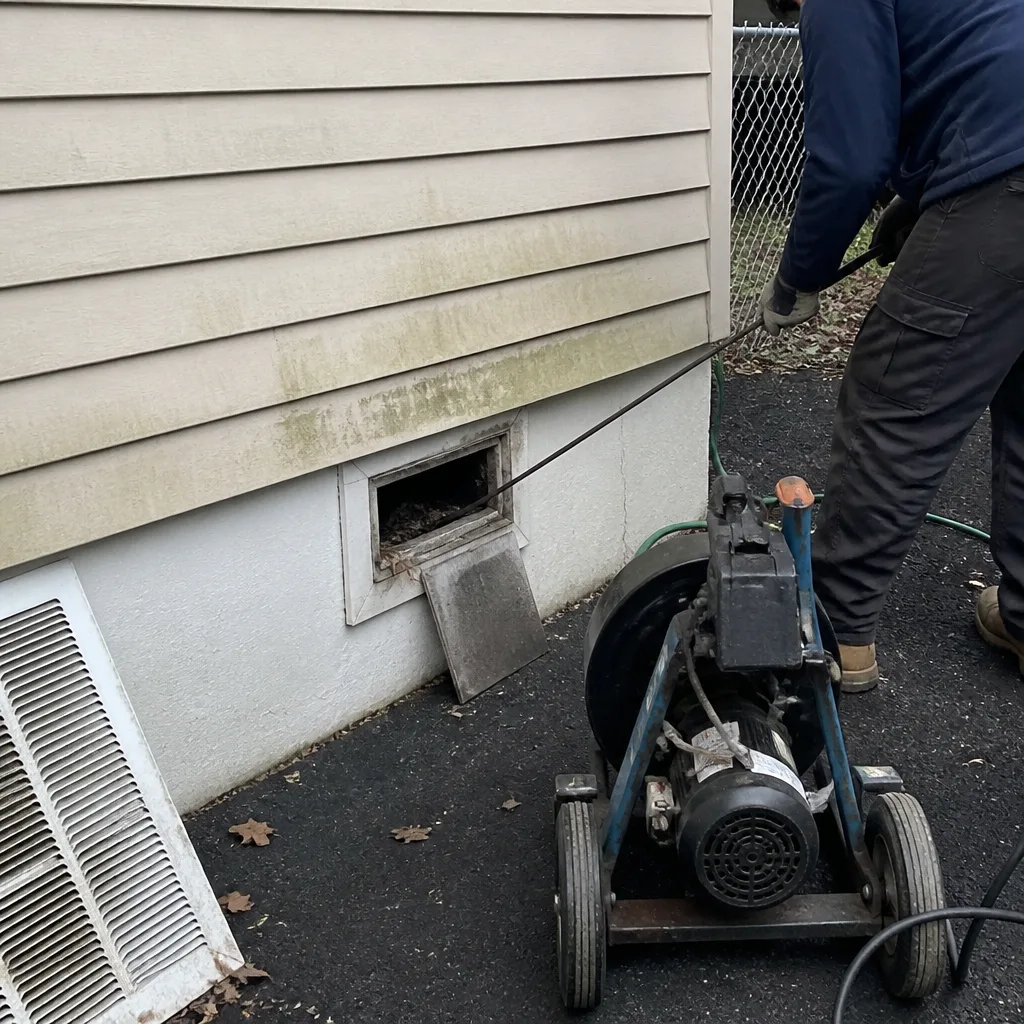 Before
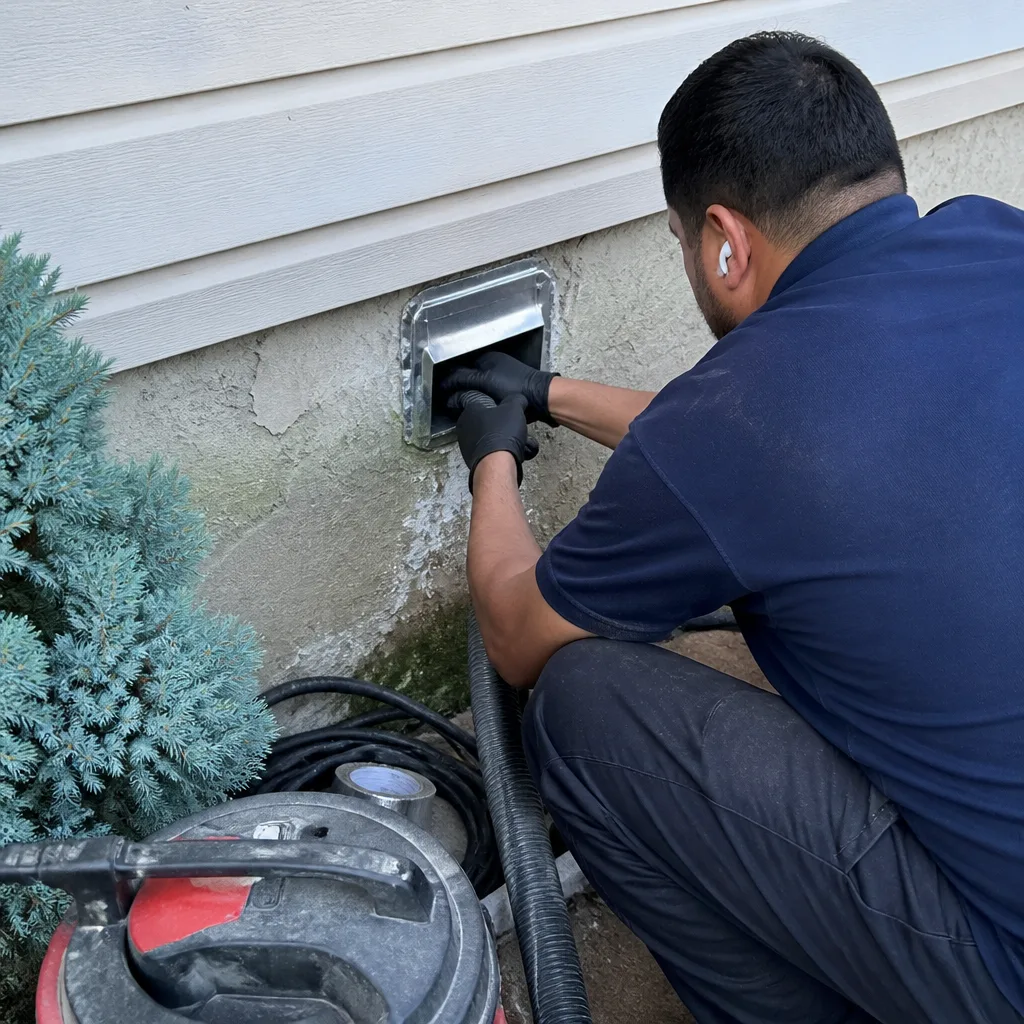 After
AfterHoneywell Register & Grille Cleaning: The New York City Owner’s Guide
CleanRun stocks and installs Honeywell register and grille cleaning services across New York City, with most homes in the five boroughs paying between $95 and $175 for a full system inspection and register-level cleaning as part of a duct service visit. We carry Honeywell replacement registers, grilles, and diffusers on the truck, and we match the register to your existing duct opening on the first visit. Most owners discover their Honeywell registers need attention when they notice dust streaking on the wall above the vent, a register that no longer sits flush, or a grille that rattles every time the blower cycles.
Here’s the thing about registers and grilles: they’re the only part of the duct system you actually see. When they start failing, the symptom is usually visual, and it’s usually blamed on bad housekeeping. The streaking above a register is actually a sign that the register damper blades are misaligned, directing conditioned air along the wall instead of into the room. The buildup on the grille face is collecting because the register is doing its job: filtering out the larger particles before they recirculate. The question is whether the register itself is still doing what it was designed to do.
In New York City apartments and brownstones, we see Honeywell registers fail in predictable ways. The die-cast damper blades on their older E-Series models fatigue from decades of manual adjustment. The pivot pins wear, and suddenly the blade won’t hold position. Manhattan co-ops and Queens prewar buildings turn this into an annual replacement item when the original registers date to a renovation that happened before the current owner was born.
Which Honeywell Models This Applies To
Honeywell manufactures registers and grilles under three lines that appear in New York City HVAC systems: the E-Series (economy stamped steel, common in rental-grade and prewar apartment retrofits), the P-Series (powder-coated aluminum, used in higher-end residential and condo conversions), and the C-Series (commercial-grade extruded aluminum, found in some brownstone parlor floors and larger duplex systems). The differences matter because the mounting hole spacing is not interchangeable: an E-Series register uses 3¼ inch center-to-center screw spacing, while the P and C Series use 4 inch spacing depending on the exact frame size.
Here’s the compatibility gotcha we see regularly in New York City: a contractor replaces an old register with a big-box store unit that’s visually identical but has different blade geometry. The result is increased static pressure, whistling at the register, and uneven room heating. Honeywell’s stamped blade profiles are specific to their registers, and the generic replacements don’t match the throw pattern. We always measure the duct opening, confirm the neck size against Honeywell’s spec sheet, and match the register to the system, not the old part that was there before.
As an independent service provider, CleanRun is not affiliated with Honeywell. We stock Honeywell registers and grilles because they hold up better than any aftermarket equivalent we’ve tested, and because our customer base in New York City has them in enough systems that keeping the common sizes on the truck means most register replacements are one visit. We also carry compatible components for Lennox, Trane, and Carrier systems.
Signs Your Honeywell Register & Grille Cleaning Is Failing
- Persistent dust streaking on the wall above the register. This means the damper blades are misdirecting airflow along the wall instead of into the room. The register isn’t necessarily dirty; it’s failing to do its job of distributing air correctly.
- A register that won’t stay in the position you set. Honeywell’s damper blades use friction-fit pivot pins, and those pins wear down over time. Once the friction is gone, the blade falls closed or spins freely, and the room stops getting proper airflow.
- Whistling or humming at the register when the system runs. Bent or misaligned blades create turbulence at the register face. The sound is the air fighting the register geometry, and it’s usually a blade alignment problem, not a duct problem.
- Visible corrosion or paint failure on the register face. This is common in New York City apartments with window AC units supplementing central air. The register sweats during humid summers, and the resulting moisture accelerates finish failure on stamped steel registers.
- A register that’s been painted over so many times it no longer closes. We see this in prewar buildings and older brownstones: decades of landlord-grade paint jobs that built up on the damper mechanism. The register still works as a hole in the wall, but it lost its ability to regulate airflow decades ago.
BeforeAfterReplacement Cost & What’s Included
In New York City, replacing a Honeywell register or grille with a CleanRun-installed unit costs between $95 and $175 for standard sizes (4×10, 4×12, 6×10, 6×12). Larger floor registers and specialized diffuser grilles run $150 to $250 when the duct opening requires modification. The price includes the Honeywell register or grille, removal of the old unit, installation, and a photo document of the new register in place.
What drives the range is the neck size and the condition of the duct opening. If the old register used non-standard mounting or the drywall around the opening is crumbling, we’ll repair the opening before mounting the new register, and that adds labor. Every price is written before we start, per Haven Standard Clause 1, so there’s no revision when we find a problem. The written quote includes the part number, the installed price, and the photo record you receive when the job is done.
All register and grille replacement work falls under our 365-Day Done Right Promise. If the register doesn’t fit, doesn’t hold position, or doesn’t solve the airflow problem we identified, we fix it at no cost.
DIY or Call Us?
Register and grille cleaning is one of the few HVAC tasks we’ll give you a green light on. Removing a register, wiping it down with a damp cloth, and vacuuming the visible portion of the duct opening is safe and straightforward. If the register is dirty and the system is still distributing air correctly, that’s all it needs.
Replacing a Honeywell register is where DIY goes sideways. The gotcha is the neck size: the register frame has a stamped neck that must match the duct opening within an eighth of an inch, or you’ll get air leakage around the frame and reduced throw into the room. Measuring the visible grille is not the same as measuring the neck, and most DIY replacements we see in New York City are one size off. If your register is failing mechanically, bent, or corroded, call us at (806) 606-6902 and we’ll match the right Honeywell part to your system in one visit.
FAQs
In New York City, a Honeywell register lasts 15 to 25 years in a properly maintained system. The factors that shorten that lifecycle are humid summers causing condensation on the register face, manual damper adjustments that wear the pivot pins, and overspray from repeated painting in rental and co-op units. At CleanRun, we see registers in prewar buildings that are still functioning after 40 years but look terrible, and we see 8-year-old registers in new construction that failed because they were the wrong size for the duct opening from day one.
A bent blade can sometimes be straightened, and loose pivot pins can sometimes be tightened, but we generally recommend replacement when the register is mechanically failing. The repair window is narrow: if the damper blade has lost its friction, it can’t be restored reliably, and any repair we attempt will be photographed and documented. If the register is still functioning and just needs cleaning, we’ll tell you that and clean it as part of a duct service visit.
Most Honeywell register and grille replacements in New York City take 30 to 60 minutes when the duct opening is in good condition. The variable is the condition of the surrounding drywall and the mounting surface. If we’re repairing the opening as well, the job can take up to two hours. We’ll tell you the expected time in the written quote before any work starts.
Yes. We carry Honeywell E-Series and P-Series registers and grilles in the most common New York City sizes (4×10, 4×12, 6×10, 6×12) on our service trucks, along with the matching mounting hardware. For C-Series and non-standard sizes, we order directly from our supplier and schedule the installation once the part arrives. The photo tells you what’s in there. Everything else is just paperwork.
Written by Tomas Reyes, Owner & Lead Technician, CleanRun Air Duct Cleaning at CleanRun Air Duct Cleaning, serving New York City and nearby areas.