
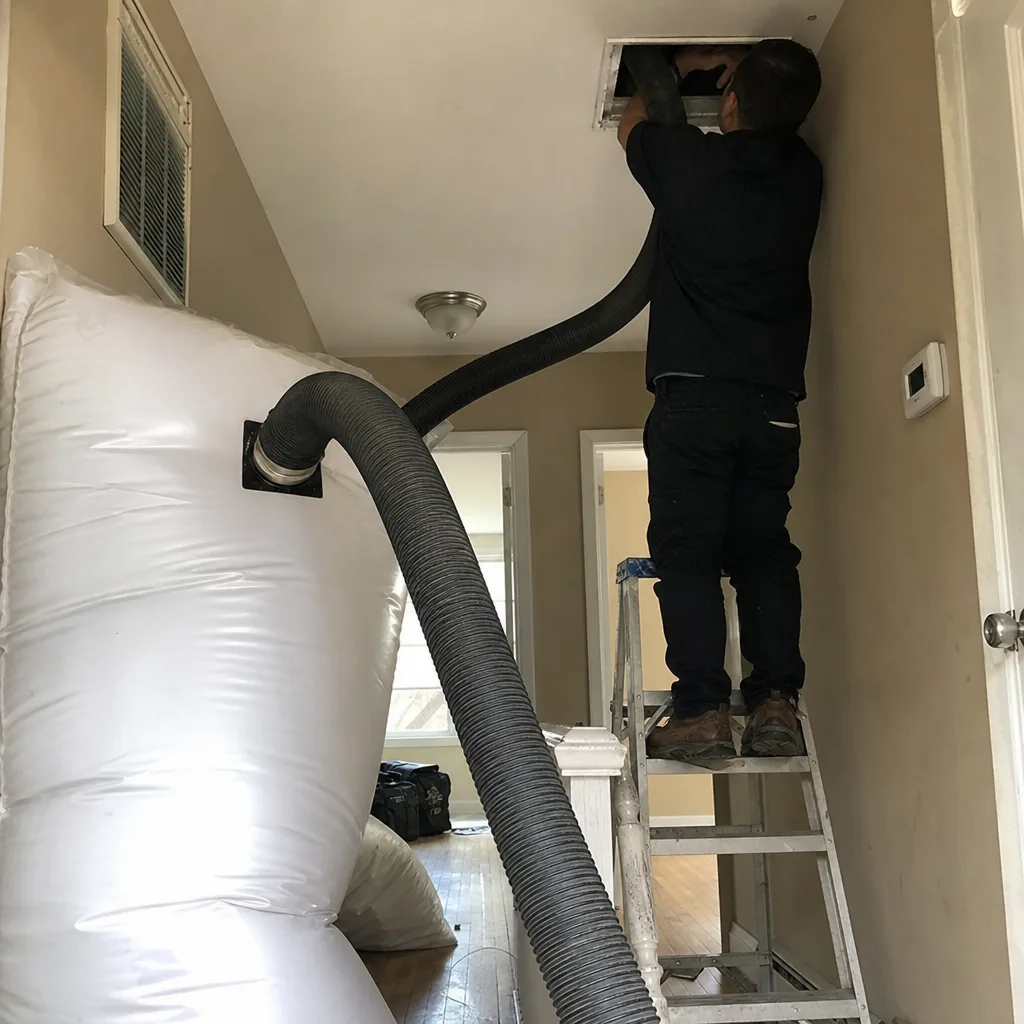
Whole-system duct and dryer vent check with before-and-after photos - you see exactly what came out of your vents
That "$99 whole-house special" is a bait ad - the real number appears once they are in your hallway, or the "clean" is a shop-vac at the register. We photograph the inside of your ducts before and after instead.
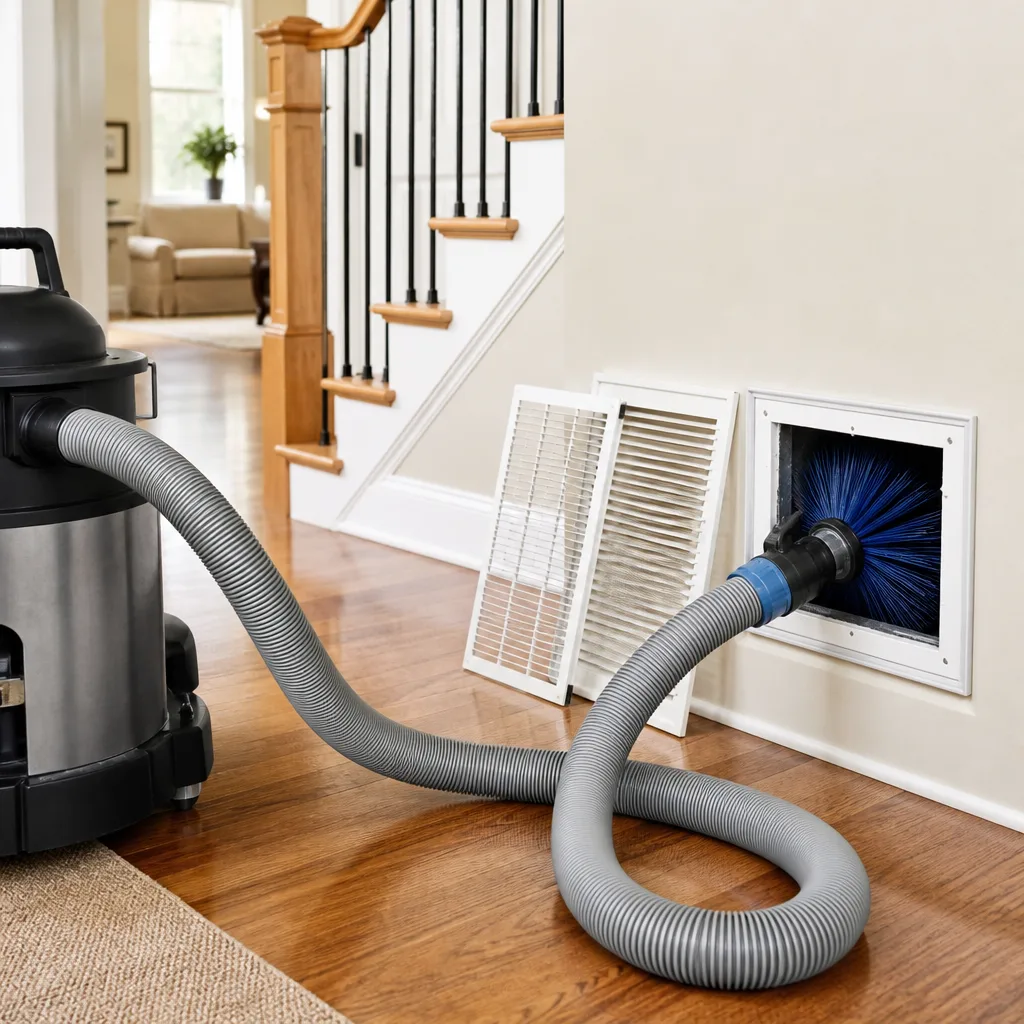
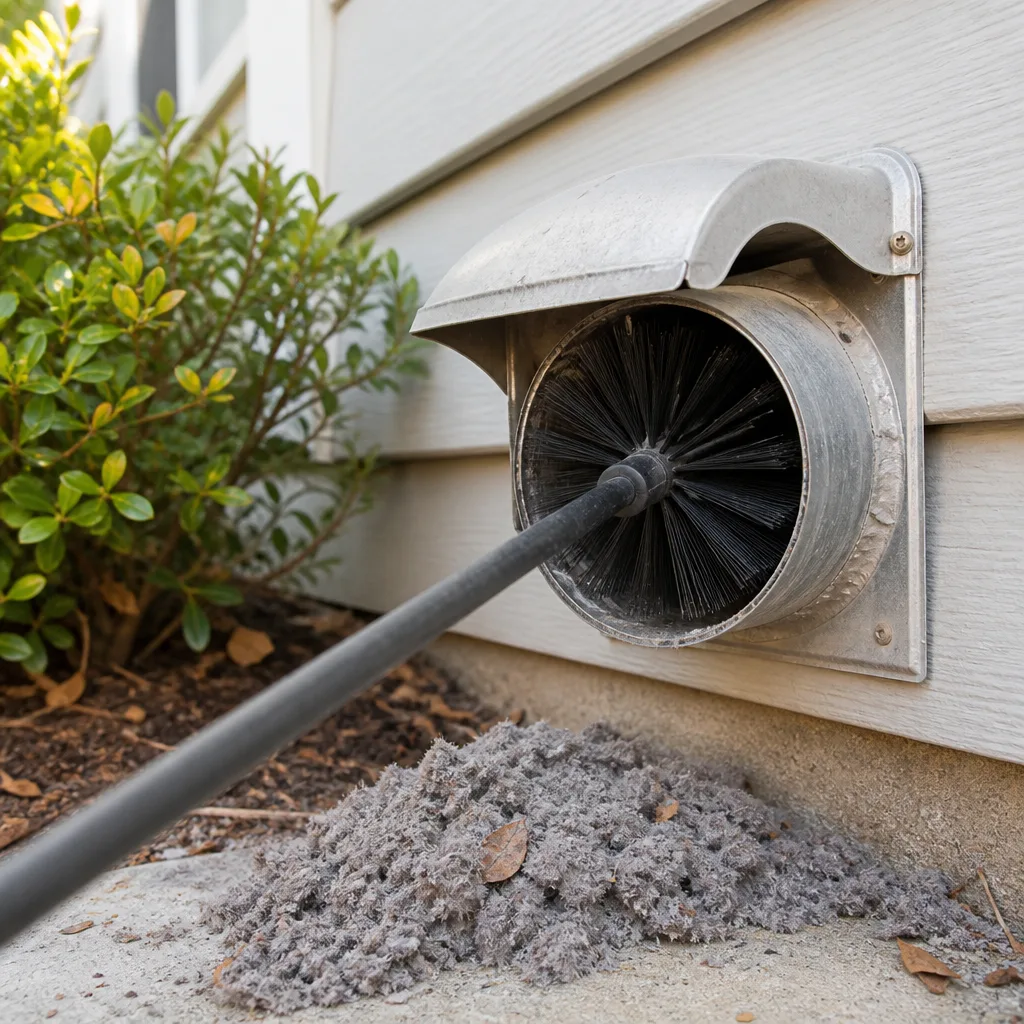
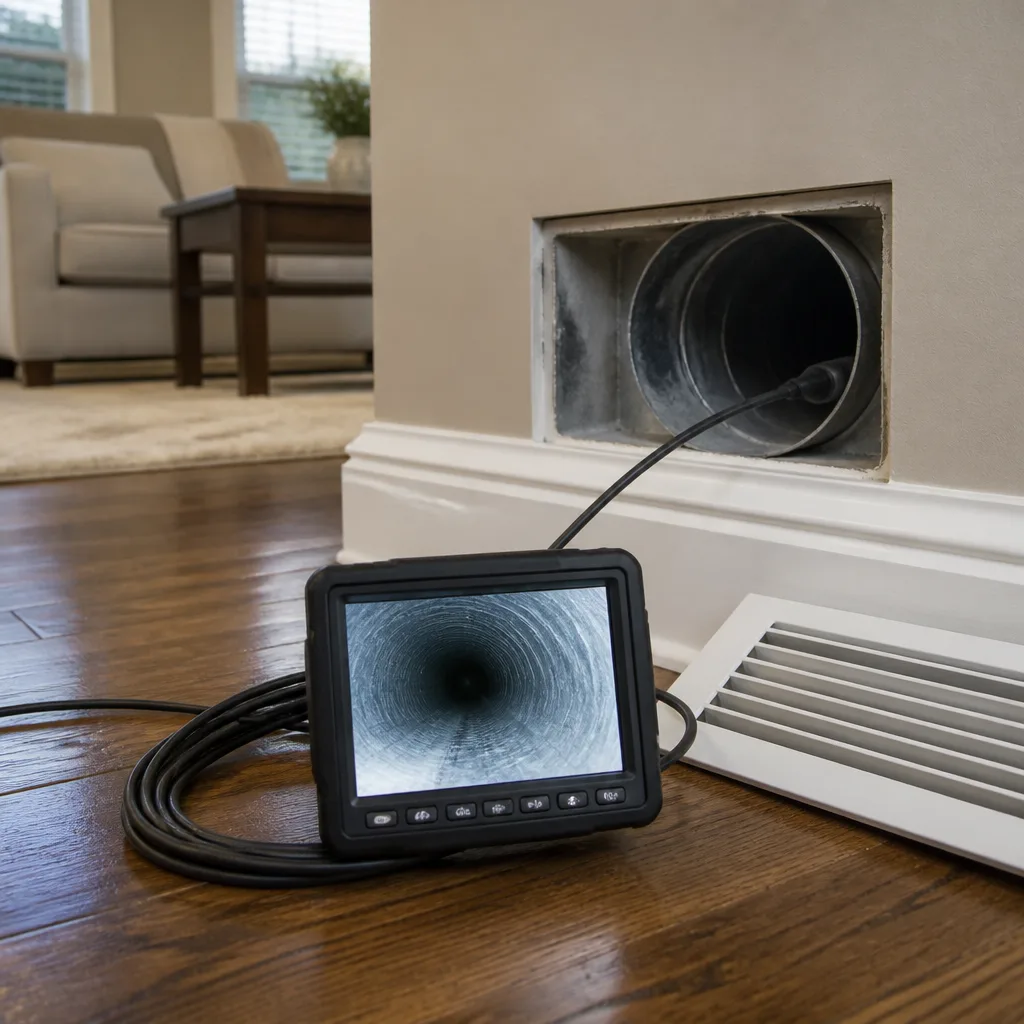
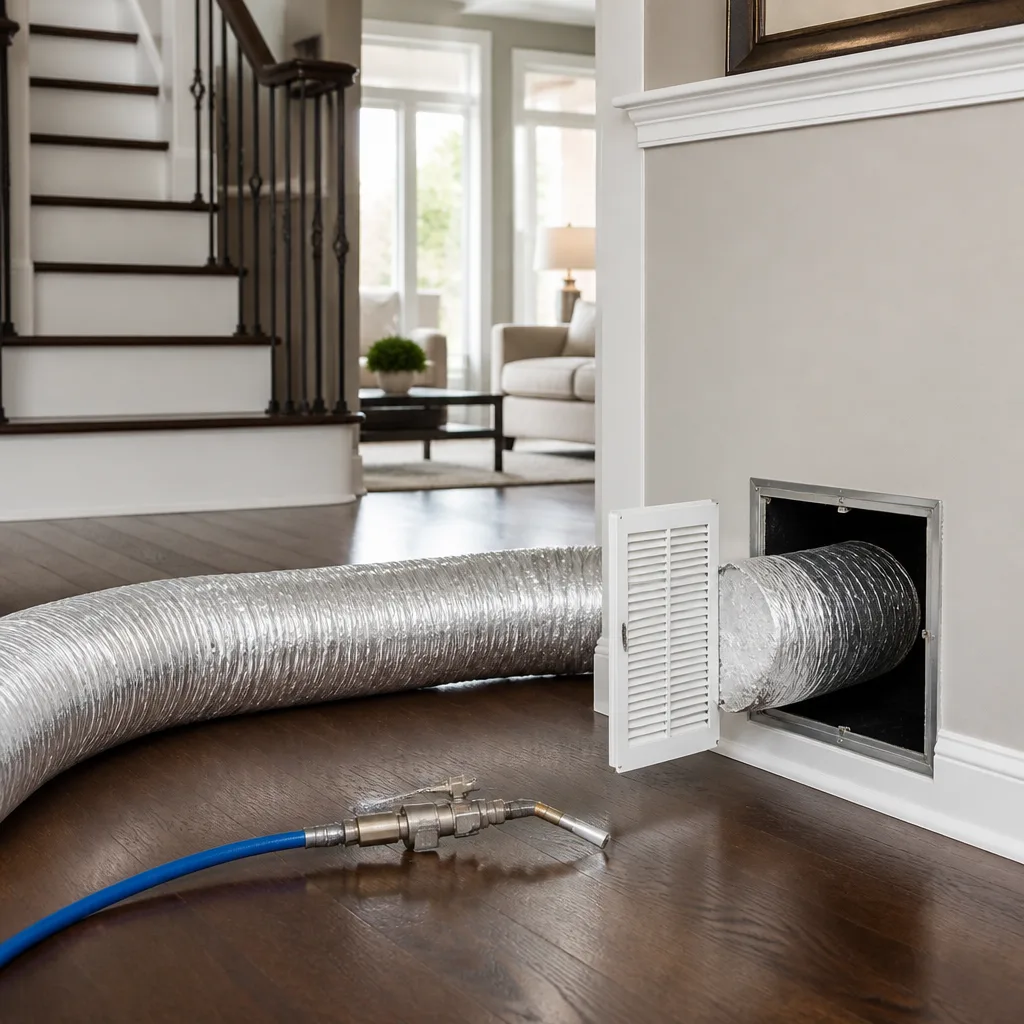
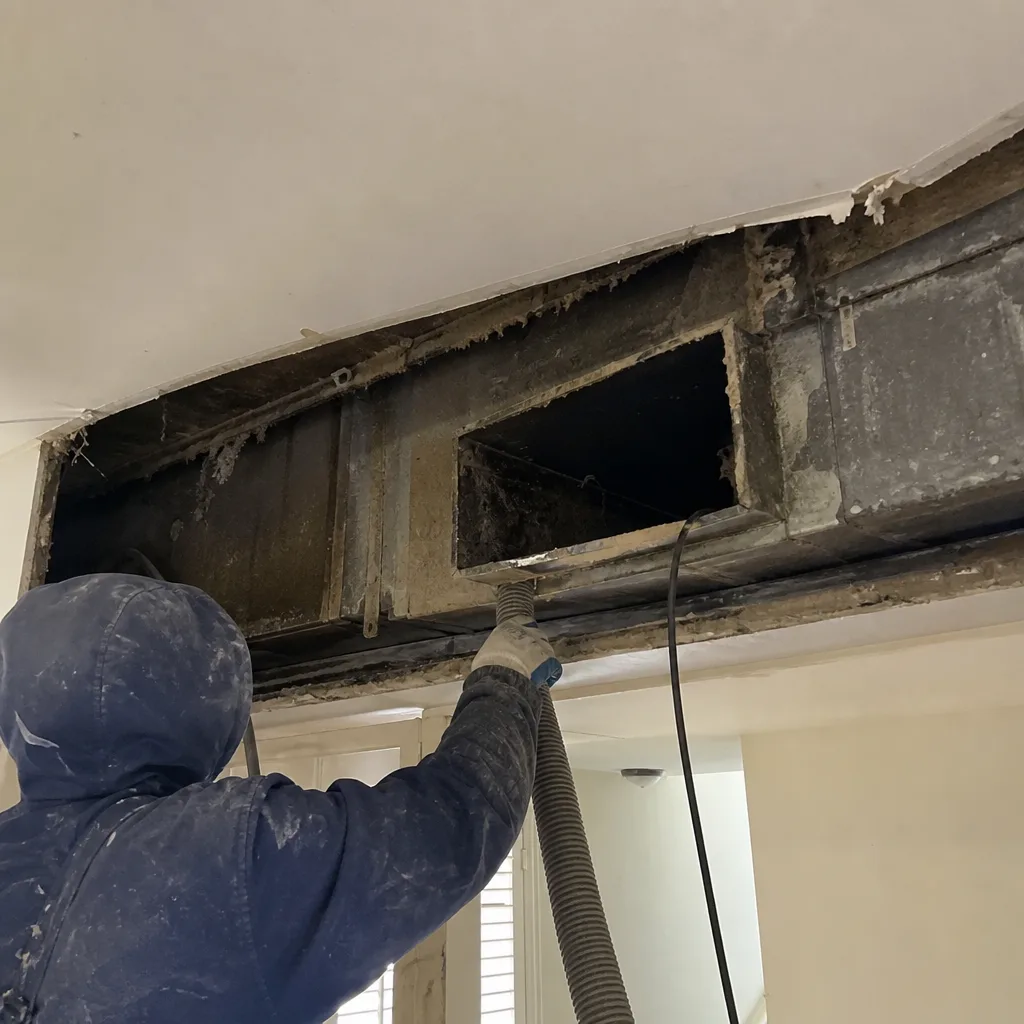 Before
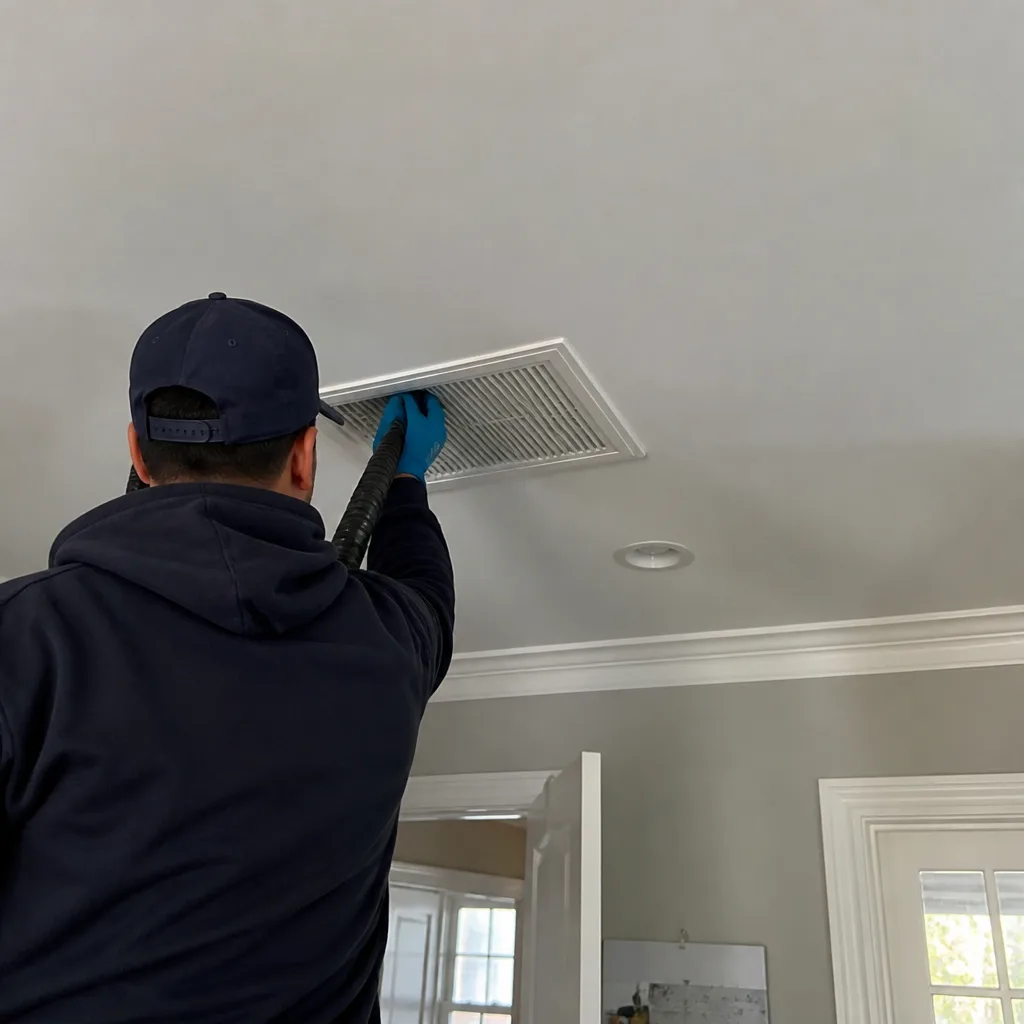 After
After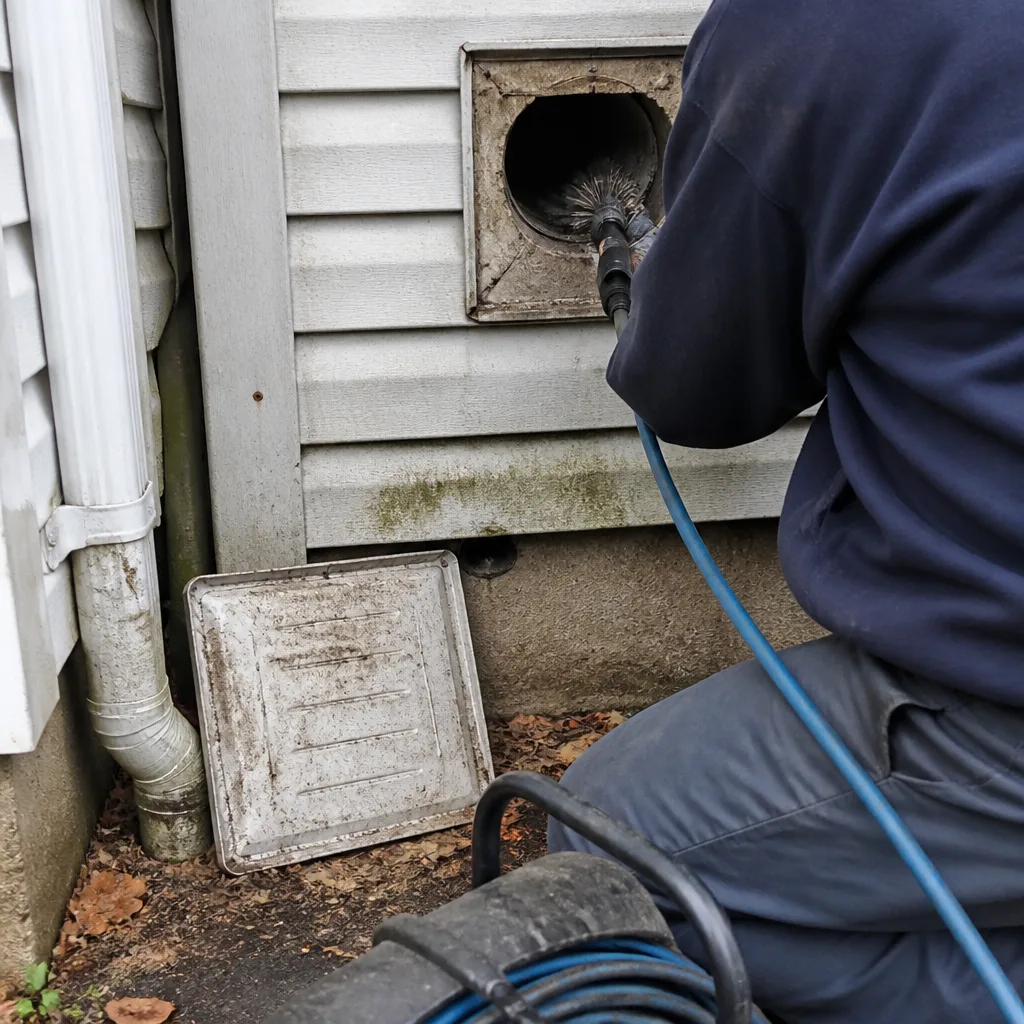 Before
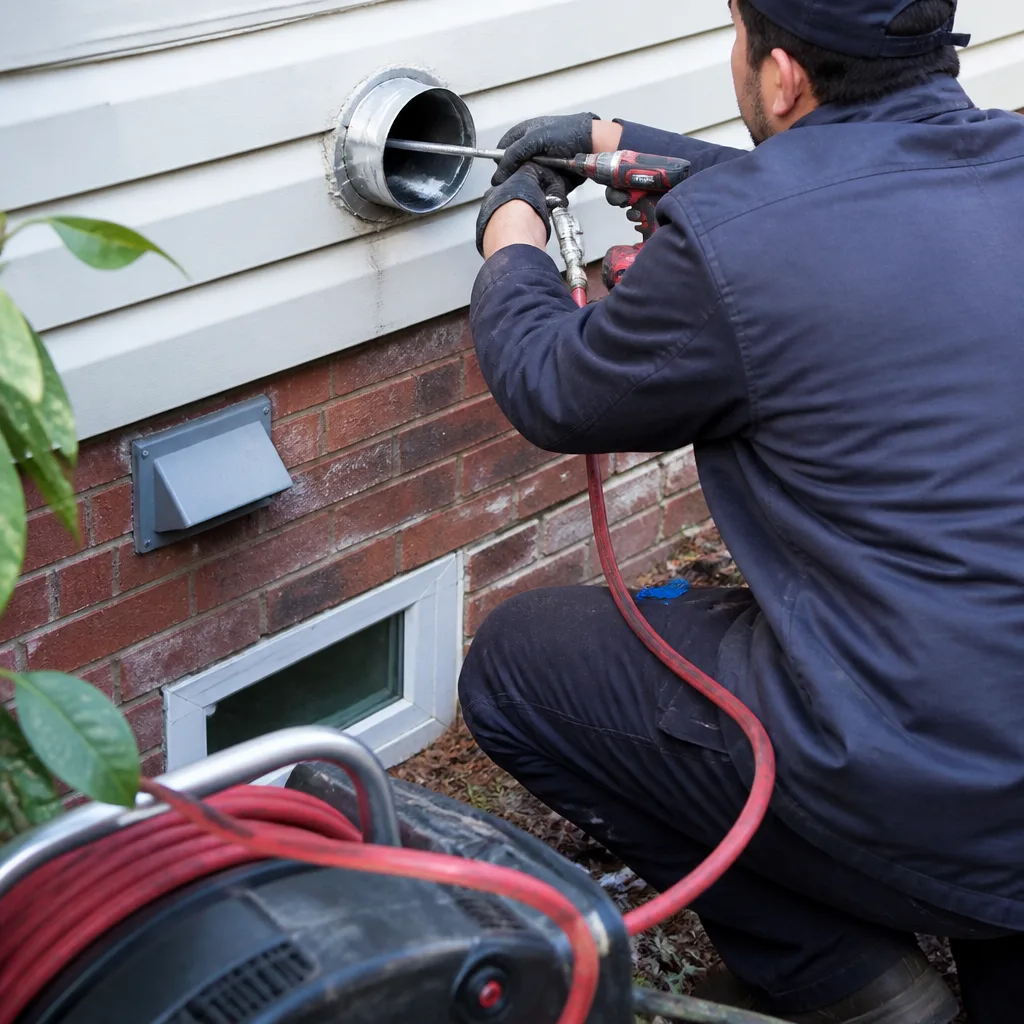 After
After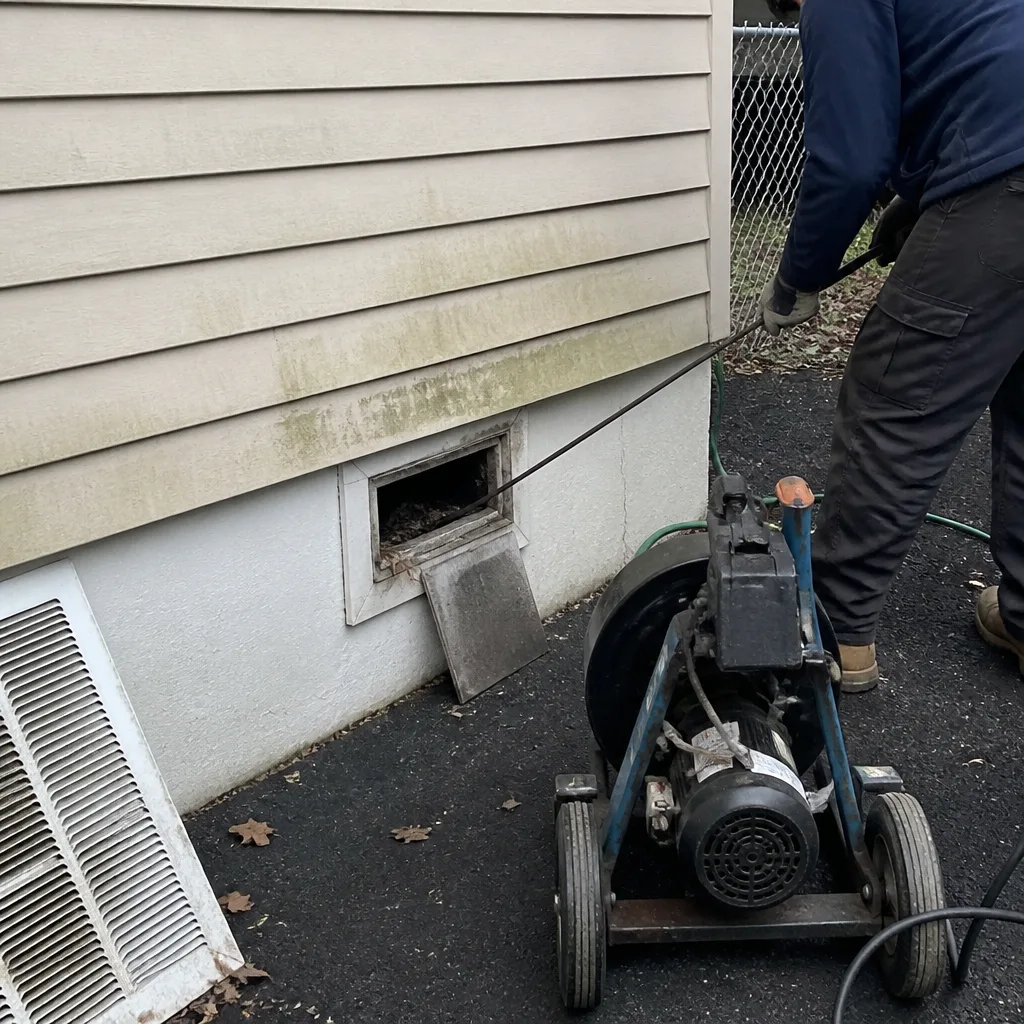 Before
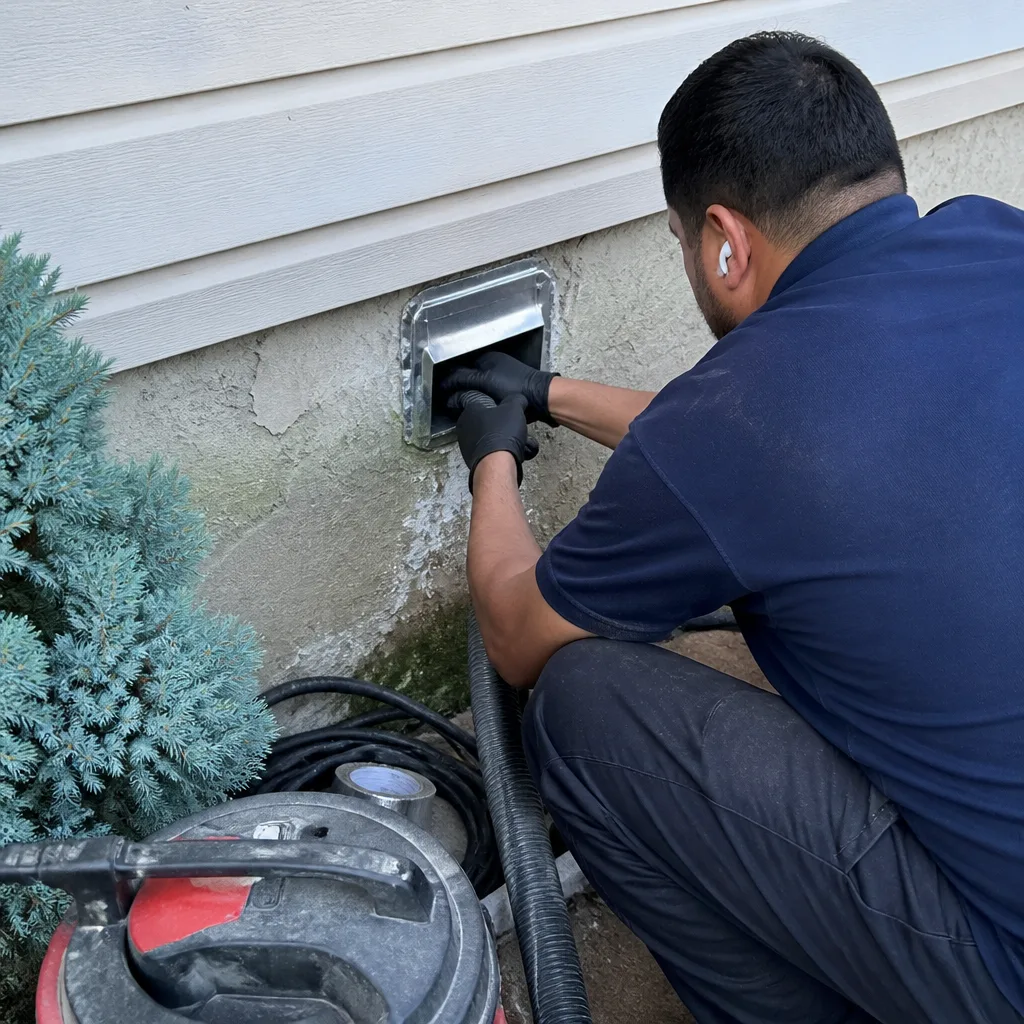 After
AfterHoneywell Coil Cleaning: The New York City Owner’s Guide
Honeywell coil cleaning for a residential HVAC system in New York City typically runs $180 to $420 installed, depending on whether we’re cleaning the evaporator coil in place or pulling it for a full wash. We stock Honeywell-specific coil cleaning solutions and the tools to do the job on our trucks, so most appointments are completed in a single visit. The way most New York City homeowners discover their coil needs attention is not from a cleaning schedule: it’s a system running longer than it used to, a bedroom that won’t hold temperature, or a utility bill that jumped without explanation.
Here’s what we’ve learned after twelve years of opening up duct systems across all five boroughs: the coil is where your air actually gets cold, and in New York City it is also where the city ends up. Construction dust from the building next door, cooking grease from the apartment below, pet hair, and the fine gray particulate that drifts in through window units all pass through the filter and land on the coil face. When that layer gets thick enough, the coil can’t transfer heat efficiently. The refrigerant keeps cycling, the compressor keeps working, and the system keeps consuming the same electricity while delivering maybe sixty percent of the cooling it should. The fix is mechanical cleaning with the right chemistry, and the brand matters because Honeywell coils use specific fin spacing and aluminum alloys that react differently to cleaning agents than other manufacturers’ coils.
We are an independent service provider in New York City, not affiliated with Honeywell, but we use Honeywell-branded coil cleaning products on Honeywell equipment because the compatibility is documented and the result is consistent. Tomas Reyes, who runs CleanRun, has opened enough Honeywell air handlers in New York City to tell you exactly what you’ll see before the panel comes off: a gray mat on the upstream face of the coil, darker toward the bottom, with visible fin blockage in the first two inches of airflow. The photo tells you what’s in there. Everything else is just paperwork.
Which Honeywell Models This Applies To
Honeywell doesn’t manufacture residential evaporator coils under its own name in most systems. What New York City homeowners actually have is a Honeywell air handler, thermostat, or zoning control paired with a coil from a manufacturer like ADP, Aspen, or the same brand as the condenser. The coil cleaning we do applies to any evaporator coil inside a Honeywell air handler or furnace cabinet, including the Honeywell TrueZONE and Honeywell Prestige IAQ configurations common in larger New York City apartments and brownstone conversions. The compatibility question is not usually about the coil brand: it’s about access, fin density, and whether the coil was installed as a cased coil (metal box, accessible panel) or an uncased coil (built into the plenum, harder to reach).
Here’s the practical part. You can identify what you have in about three minutes. Open the air handler cabinet and look for a data plate: it will list the coil model, usually starting with a letter code like A, C, or E, followed by a series of numbers like 36, 48, or 60 that corresponds to capacity in thousands of BTUs. A “36” coil is a 3-ton coil. A “48” is 4 tons. If the coil is cased, the box itself will have a sticker on the outside. If the coil is uncased, the model is on the coil’s end plate, and you may need a flashlight. Knowing that number before you call lets us bring the right coil cleaner formulation and quote the job accurately without a second visit.
For aftermarket versus OEM on Honeywell systems, the distinction is less critical for coil cleaning than it is for replacement parts. Coil cleaning chemistry is matched to coil material, not brand. What matters more is that the cleaner is non-acidic, non-foaming in a way that leaves residue inside the fins, and rated for aluminum. We use Honeywell’s own coil cleaning line on their equipment, and if the coil is from a third-party manufacturer, we match chemistry to that manufacturer’s alloy spec. The cleaning itself is the same mechanical process: remove access, apply chemistry, dwell, rinse at low pressure, check fin condition, photograph before and after.
Signs Your Honeywell Coil Cleaning Is Failing
A coil that needs cleaning is not usually a dramatic failure. It’s a slow degradation in performance, and most New York City homeowners notice it as a system that just doesn’t feel as cold as it used to. Here are the five signs we see most often, with what’s actually happening behind the panel.
- The system runs longer to hit the same setpoint. A fouled coil can’t absorb heat from the air passing over it as efficiently. The thermostat keeps calling for cooling, the condenser keeps running, and the house never quite reaches temperature during the hottest hours.
- One room or one floor stays warm while the rest of the apartment is fine. In New York City’s older buildings, duct runs vary in length and insulation quality. A dirty coil reduces the system’s total cooling capacity, and the longest runs with the most heat gain are the first to lose comfort.
- Your electric bill rose during a summer that wasn’t unusually hot. Reduced coil efficiency means the system consumes more power to deliver the same cooling. New York City electricity rates magnify that difference: a system running 30% longer at Con Edison residential rates shows up as a noticeable monthly cost.
- You can see frost or ice formation on the refrigerant line outside the air handler. A heavily fouled coil reduces airflow across the coil surface, which drops coil temperature below freezing. Moisture in the air freezes on the coil, and frost can travel back down the suction line.
- The air coming from your registers has a musty or sour note when the system first starts. Biological growth feeds on the organic material trapped on a wet coil. The smell is most noticeable at startup because the coil has been sitting damp and dark between cycles, which is exactly the environment where that growth thrives.
BeforeAfterReplacement Cost & What’s Included
In New York City, professional Honeywell coil cleaning from CleanRun runs between $180 and $420 for a standard residential system. The lower end covers an accessible cased coil in a closet or utility room where we can reach the coil face without removing ductwork. The higher end covers uncased coils inside a plenum, coils in attic spaces with tight access, or systems where the coil has been installed against a wall and requires additional disassembly to reach both sides. The price you’re quoted is the price you pay, under Haven Standard Clause 1: written price before any work starts, no exceptions.
What’s included: we remove the access panel, inspect the coil and surrounding cabinet with a camera, photograph what we find, apply the correct coil cleaning chemistry for your coil’s material, allow proper dwell time, rinse at low pressure to avoid fin damage, inspect for fin damage or corrosion, apply a coil protectant if needed, and reassemble. You receive a documented photo record showing the coil before and after, written notes on what came off the coil, and a written record of what was done. The work is covered by our 365-Day Done Right Promise: if the coil cleaning doesn’t resolve a performance issue that was caused by coil fouling, we make it right, in writing, not as a policy subject to manager approval.
| Service | Typical New York City Price | What Drives the Range |
|---|---|---|
| Cased coil cleaning (closet/utility room access) | $180-$260 | Standard access, single visit, straightforward rinse path |
| Uncased coil cleaning (plenum access) | $260-$360 | Additional disassembly, fin density, coil age and corrosion |
| Attic/restricted access coil cleaning | $300-$420 | Access constraints, drain pan condition, additional time on site |
Why the range? Coil age matters more than anything else. A 2018 coil in a Chelsea condo with standard access is a two-hour job. A 1990s coil in a prewar Upper West Side co-op, uncased, inside a plenum that hasn’t been opened in decades, takes longer and requires more care. What you won’t see from us is a “$79 coil cleaning” price that turns into a four-figure invoice once the technician arrives. Your written price includes everything: labor, chemistry, rinsing, inspection, and the photo record. No per-vent surcharges, no add-on scare line items.
DIY or Call Us?
There are things you can safely do without a technician, and there are things you shouldn’t. Here’s the honest split. You can safely change your air filter every 30 to 60 days, which reduces the rate at which particulate reaches the coil. You can visually inspect the coil if you can access it: look for a gray or brown mat on the coil face, check for frost, and check the condensate drain pan for standing water or sludge. What you should not do is spray household cleaners, bleach, or degreasers into the coil. The wrong chemistry can etch aluminum fins, strip the protective coating, and leave residue that actually attracts more dirt. Coil fins are thin enough to bend with a garden hose sprayer set too high, and a bent fin field reduces airflow permanently.
The coil in your Honeywell system sits inside the air handler cabinet, typically behind electrical wiring, refrigerant lines, and possibly a condensate pump. The risk with DIY cleaning is not just damaging the coil: it’s damaging the surrounding components, creating a refrigerant leak, or getting water where it doesn’t belong. If the coil is uncased or the access is tight, call us at (806) 606-6902. We’ll bring the right chemistry for your specific coil material, photograph what we find, and give you a written price before a single panel comes off.
FAQs
In New York City, expect coil cleaning every two to four years depending on filtration, building age, and whether you run window units that pull outdoor air across the coil. Systems with high-efficiency filters changed regularly can go longer; systems with basic fiberglass filters in prewar buildings can need cleaning within eighteen months. Call (806) 606-6902 and we’ll inspect yours and tell you what the coil face actually looks like.
Cleaning is the repair. A coil that has been cleaned professionally and still doesn’t perform either has fin damage from previous cleaning attempts, a refrigerant issue, or corrosion that requires replacement. We’ll tell you which one it is before recommending any next step, and you’ll have the before-and-after photos to verify the cleaning was done.
Most residential Honeywell coil cleaning jobs in New York City run two to three hours on site. Tight attic access or heavily fouled coils add time. We schedule the visit as a single appointment, so you won’t be told to expect a second trip for the same job.
Yes. Our trucks carry Honeywell-branded coil cleaning chemistry, low-pressure rinse equipment, fin combs, and camera inspection tools on every job. We also carry coil cleaning products compatible with Lennox, Trane, and Carrier systems, since many New York City apartments have mixed-brand equipment. If your coil needs a protectant or fin straightening after cleaning, we have that on the truck as well.
Get a Written Price for Coil Cleaning in New York City
If your Honeywell system is running long, short-cycling, or just not delivering the cooling it used to, the coil is the first place we look. We’ll inspect it, photograph it, and give you a written price before any work starts. No per-vent pricing, no bait-and-switch, no work without your sign-off. Call (806) 606-6902 and ask for a coil inspection. We serve all five boroughs and answer every call with a live person.
Written by Tomas Reyes, Owner & Lead Technician, CleanRun Air Duct Cleaning at CleanRun Air Duct Cleaning, serving New York City and nearby areas.