
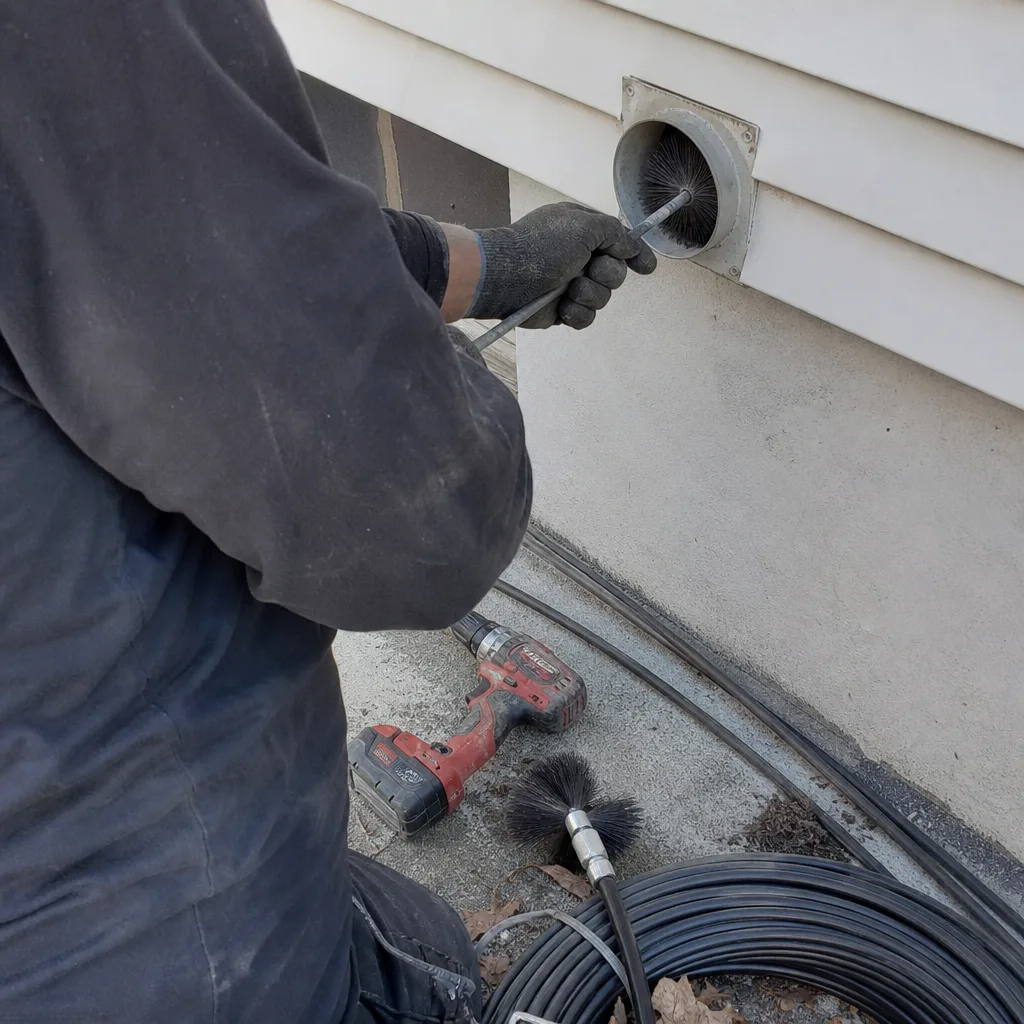
Whole-system duct and dryer vent check with before-and-after photos - you see exactly what came out of your vents
That "$99 whole-house special" is a bait ad - the real number appears once they are in your hallway, or the "clean" is a shop-vac at the register. We photograph the inside of your ducts before and after instead.
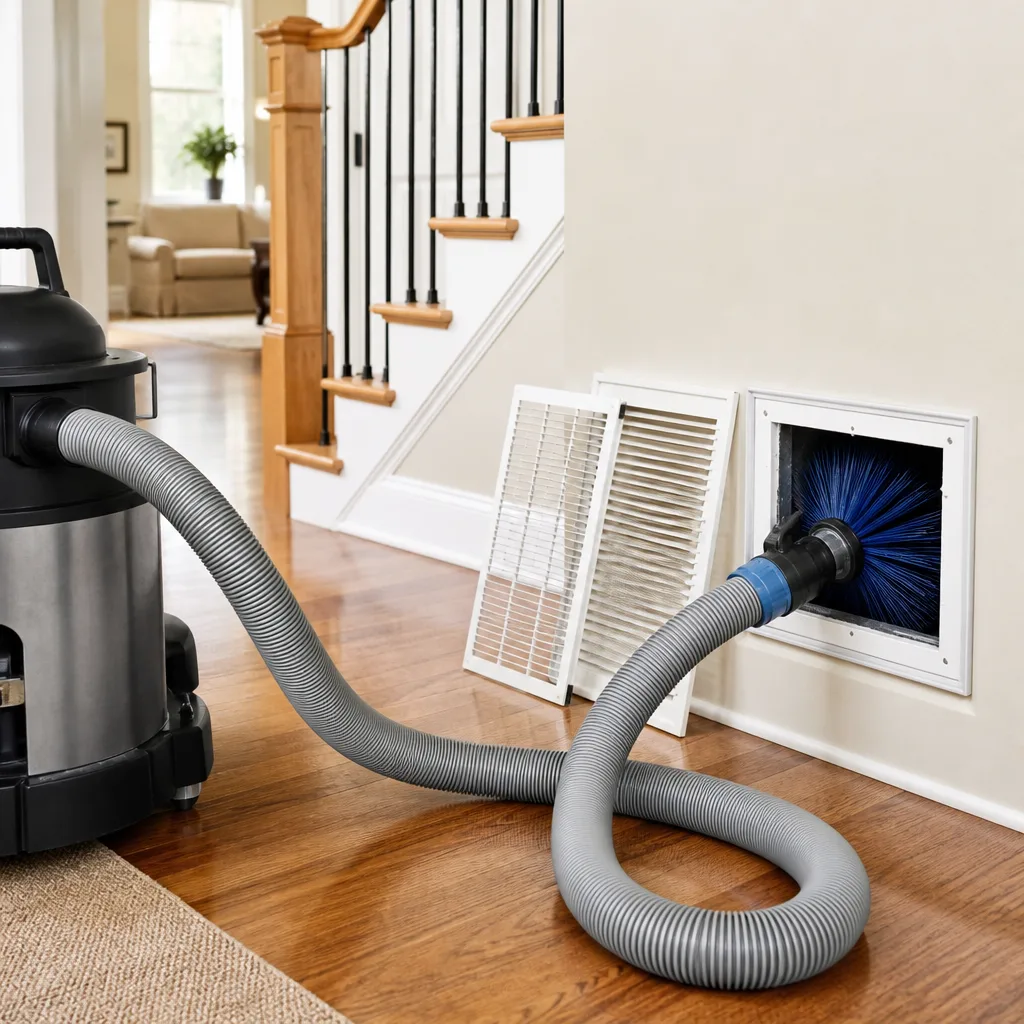
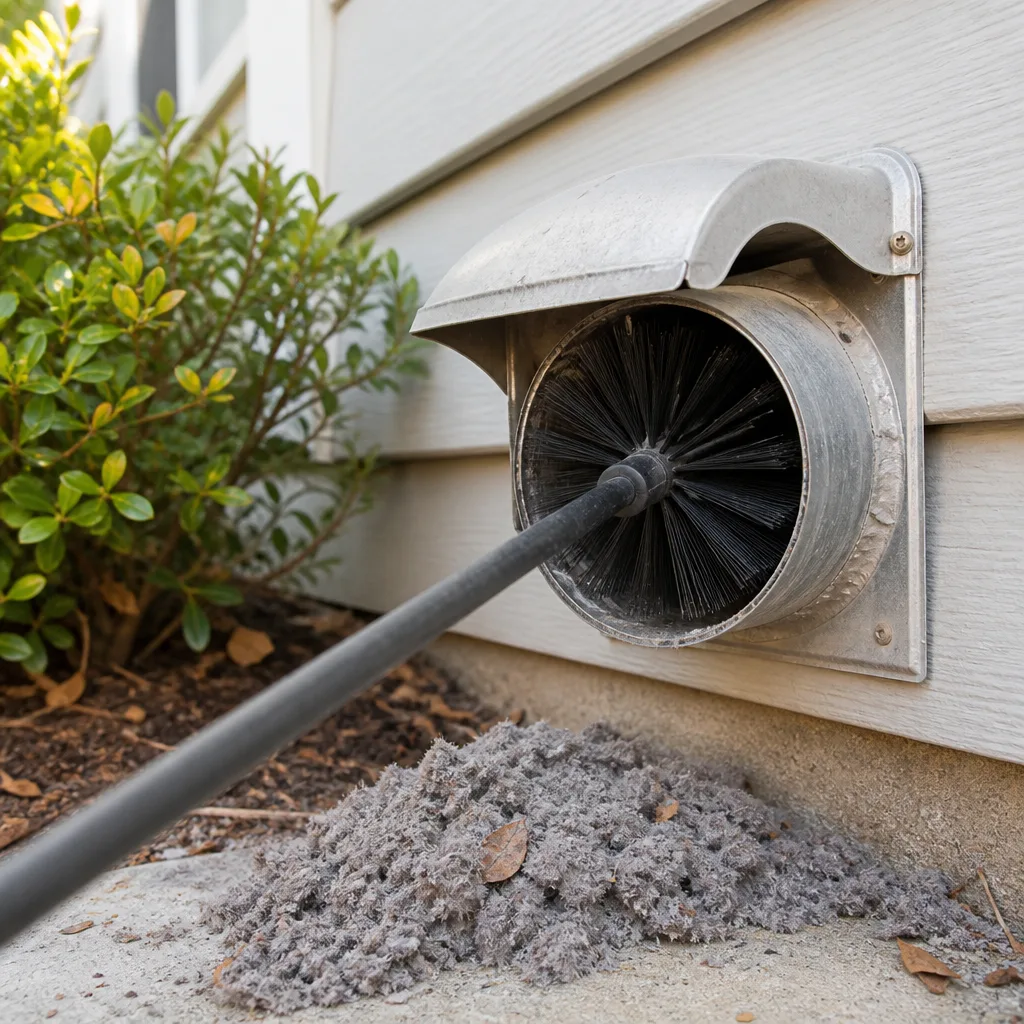
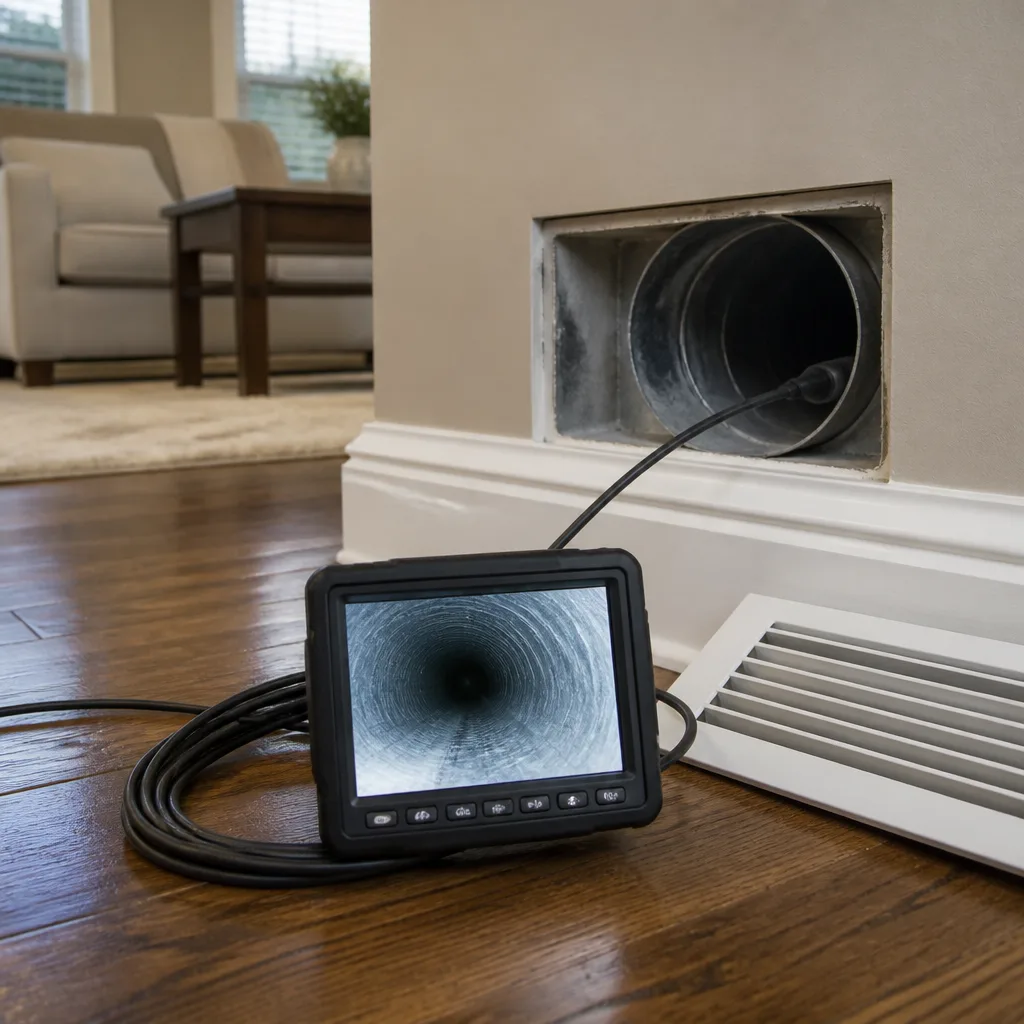
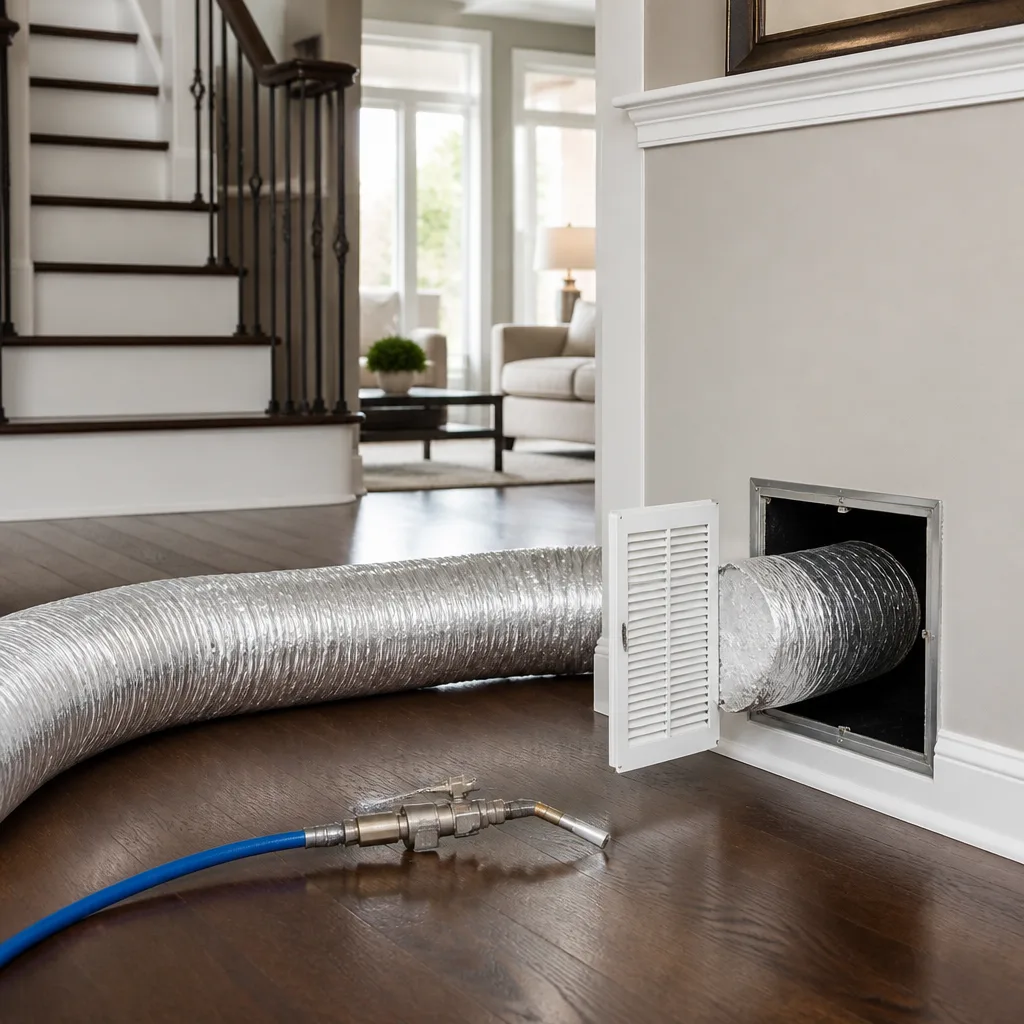
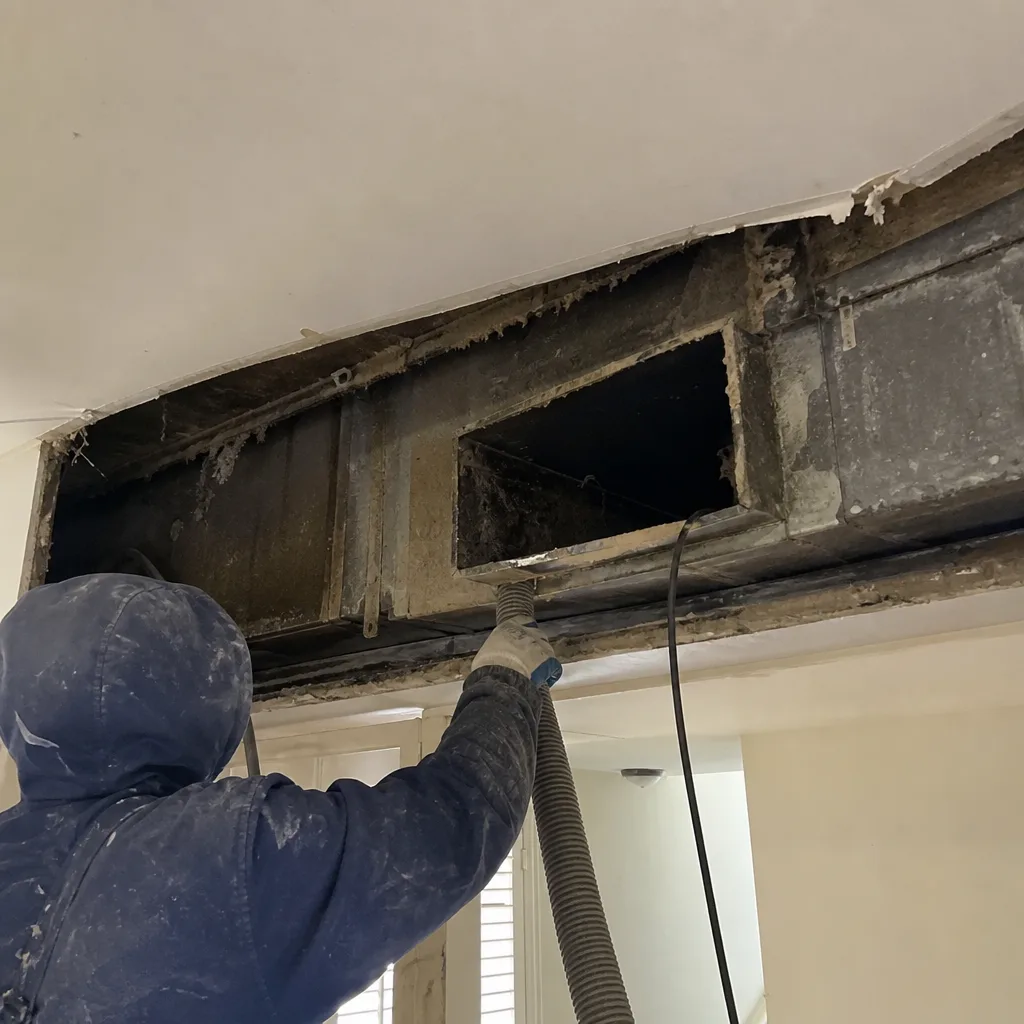 Before
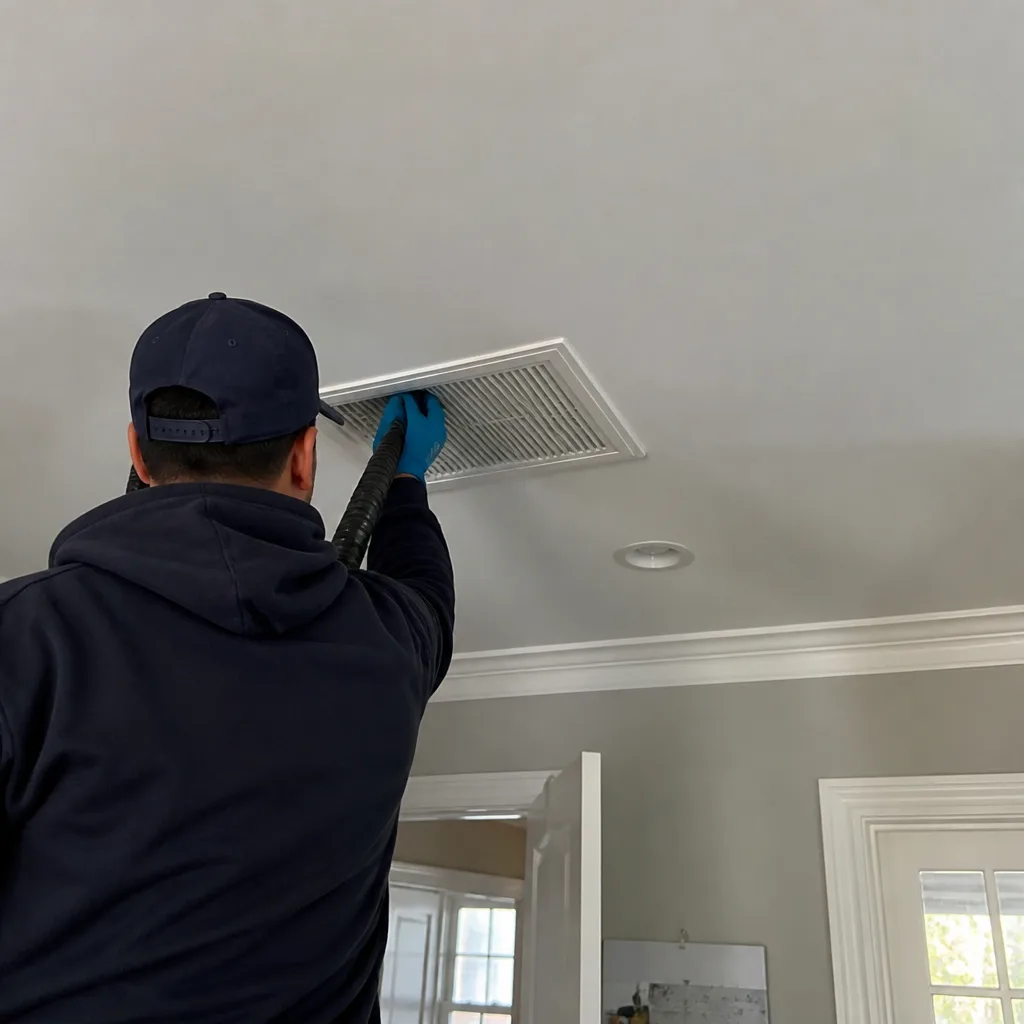 After
After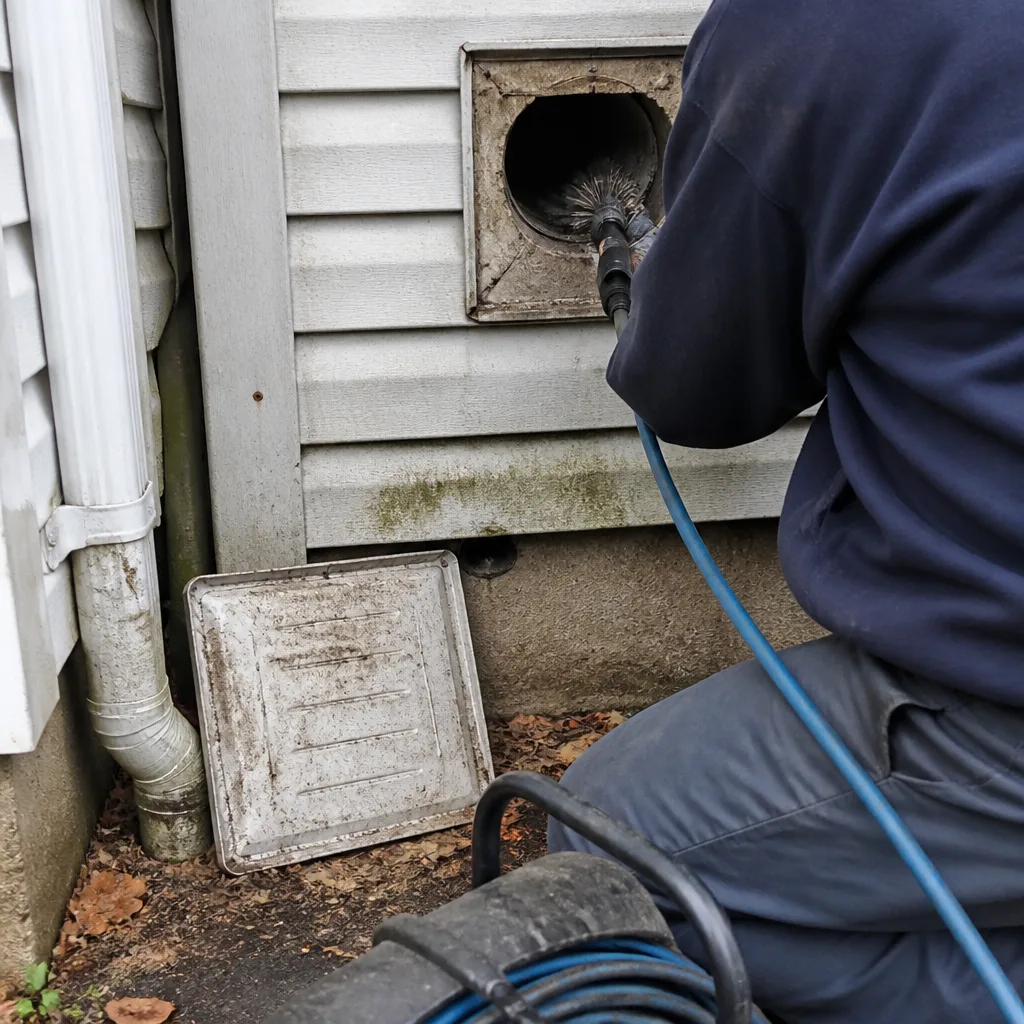 Before
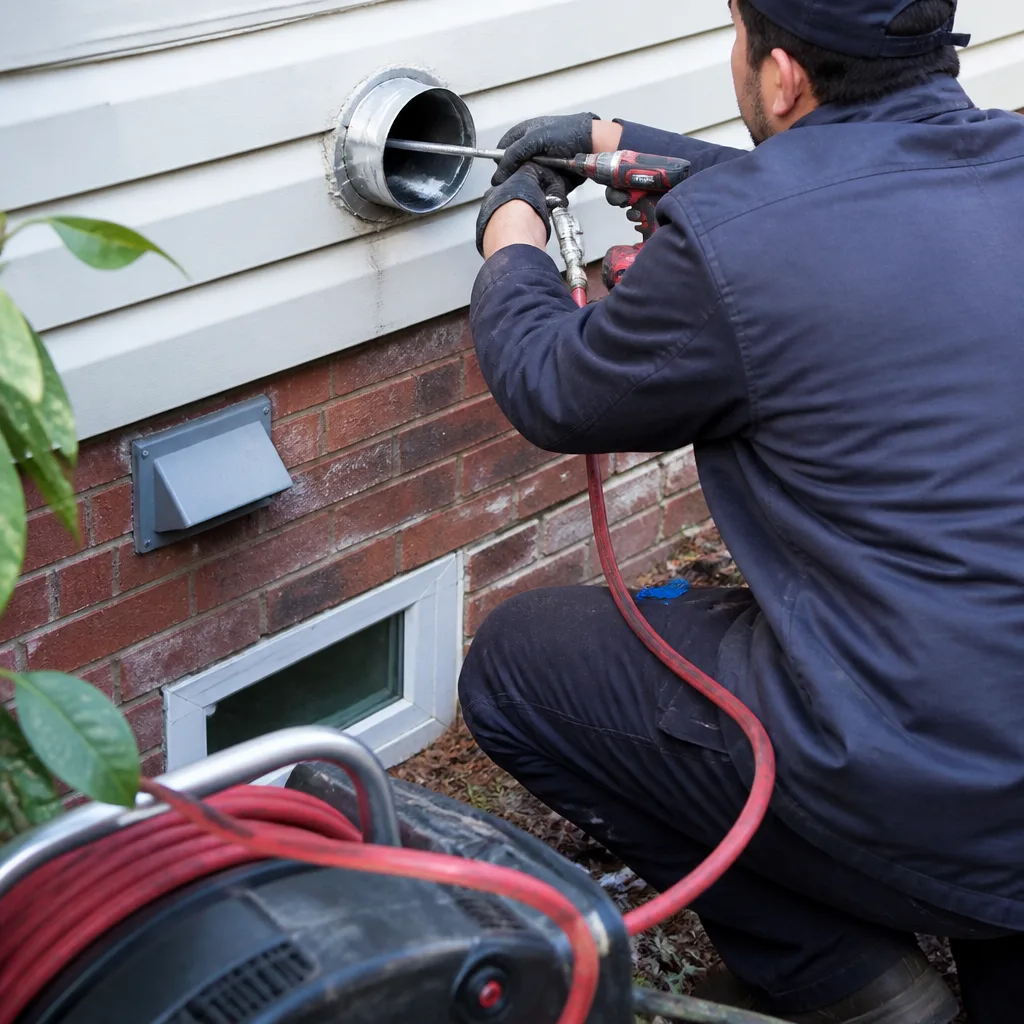 After
After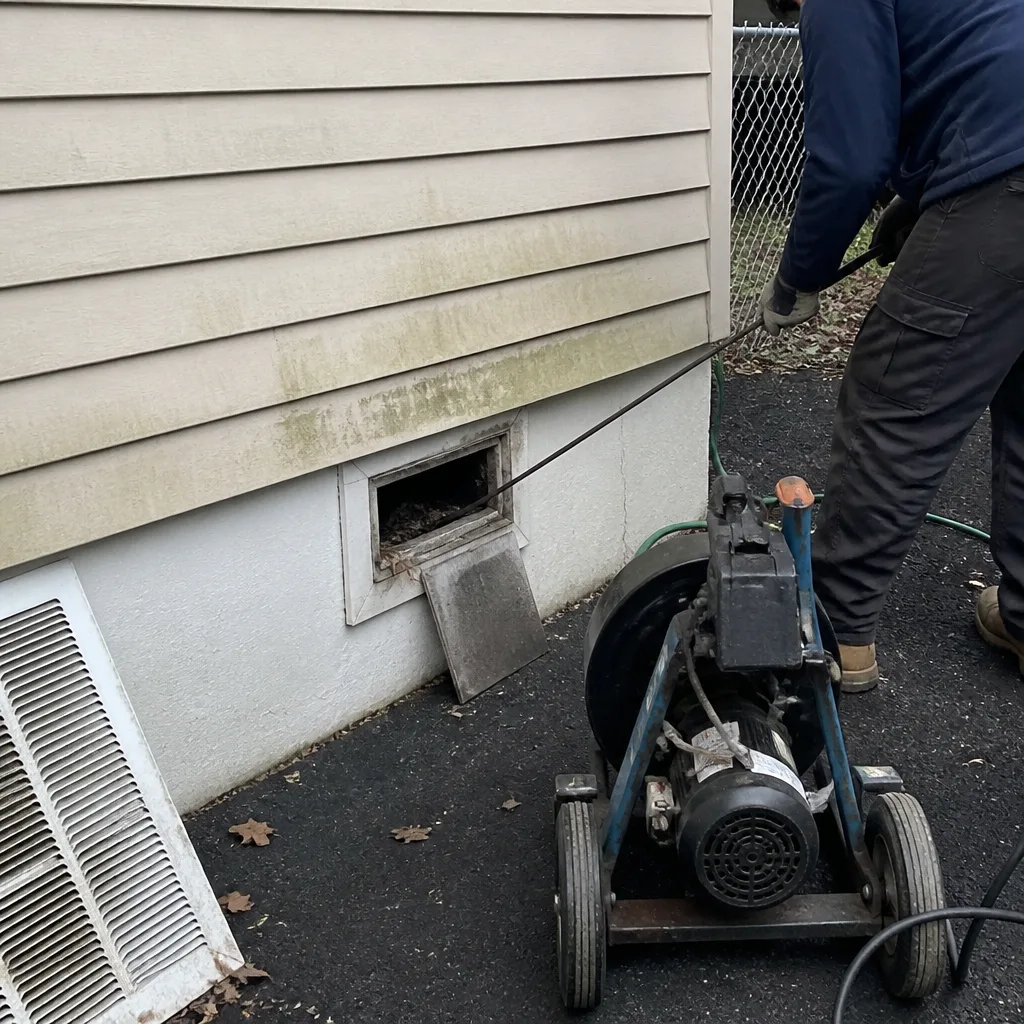 Before
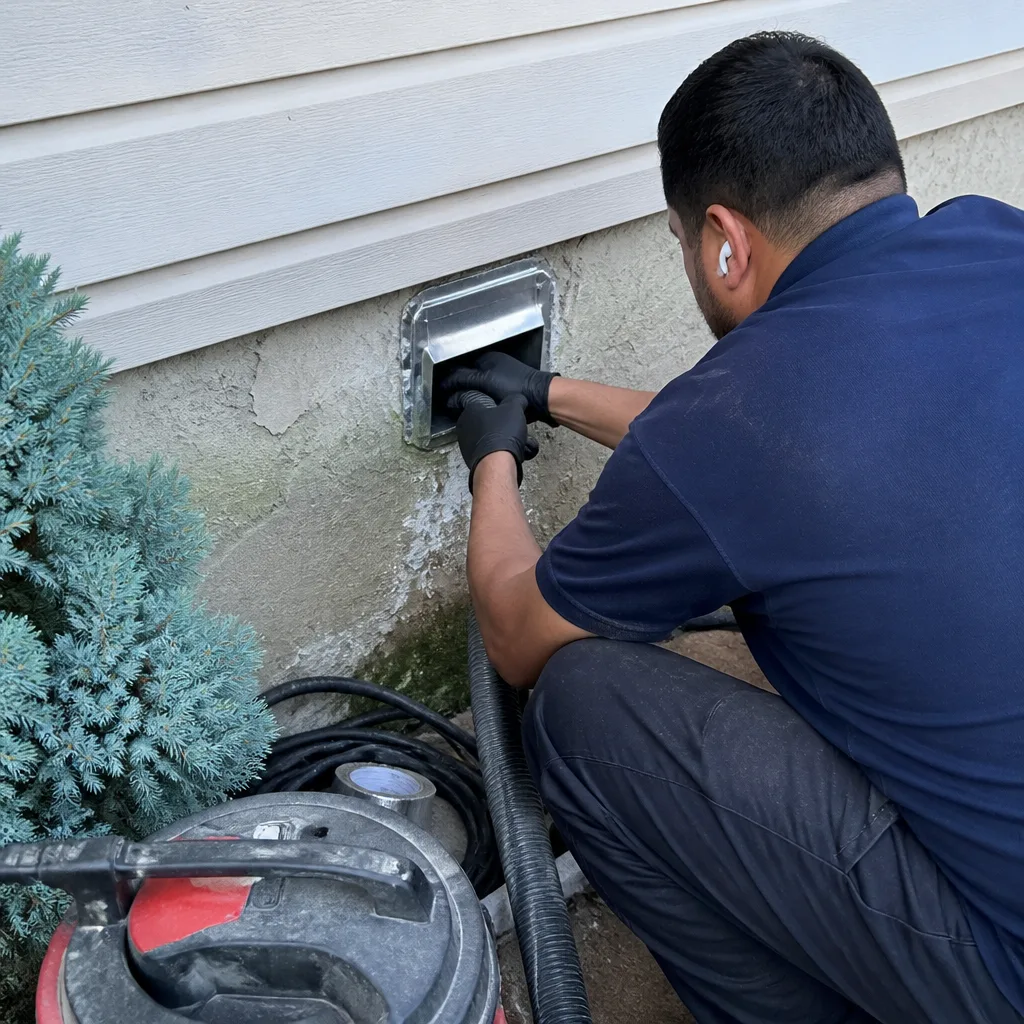 After
AfterAprilaire Vent Sanitizing: The New York City Owner’s Guide
We stock and install Aprilaire-compatible vent sanitizing components across New York City, with typical installed pricing between $340 and $680 depending on your Aprilaire model and what the camera inspection shows inside the duct run serving the unit. Most Aprilaire vent sanitizing replacements in NYC are completed in a single visit of 60 to 90 minutes. Owners usually discover the issue the same way: the Aprilaire control panel throws a service alert, or a family member notices the sanitizing cycle no longer produces the faint ozone smell that used to follow activation. The part itself rarely breaks with a bang. It fails quietly, which is exactly why we run a camera before we touch anything.
We’re an independent service provider, not affiliated with Aprilaire. What that means for you is that we tell you what the camera shows, not what a corporate troubleshooting script tells us to say. And here’s the thing to internalize: the photo tells you what’s in there. Everything else is just paperwork.
Key Takeaways
- Installed Aprilaire vent sanitizing replacement in New York City runs $340-$680, all-in, with a written price before work starts.
- We photograph the inside of the duct run before and after, every single job, since 2013.
- We carry OEM Aprilaire sanitizing modules on the truck, plus aftermarket equivalents where they genuinely match spec.
- The usual failure point in NYC is not the unit itself. It’s the duct environment feeding it.
Which Aprilaire Models This Applies To
Aprilaire’s vent sanitizing and air purification components appear under several model families, and New York City homes we visit run the full range. The most common units we service are the Aprilaire 5000 electronic air cleaner with its sanitizing lamp, the model 700 and 760-powered humidifiers with vent-mounted sanitizing add-ons, and the newer Aprilaire 4000 series inline UV and PCO sanitizing modules. If your system uses a vent-mounted Aprilaire sanitizing unit, it will almost always be a 24-volt module, either 9.5 or 14 inches wide, with a specific airflow rating printed on the label inside the access panel.
Here’s the compatibility gotcha that burns people in New York City: Aprilaire changed connector orientation on the 5000 series around 2018. A pre-2018 sanitizing module will not plug into a post-2018 housing, even though the bolt pattern looks identical. We check the unit’s date code against the module’s connector pinout before we order anything. If you pull the cover and see a label, write down the model number and the four-digit manufacture date before you call anyone. It saves a return trip.
The OEM versus aftermarket question for Aprilaire specifically comes down to one thing: the UV bulb itself. OEM Aprilaire sanitizing bulbs are rated at 9,000 to 12,000 hours depending on series. Aftermarket bulbs from reputable manufacturers often claim comparable output, but the quiet failure mode in NYC apartment and brownstone equipment closets is heat buildup. Aftermarket bulbs that run 4 to 6 degrees hotter in a confined chase can shorten the ballast life. We carry both OEM and tested aftermarket equivalents, and we tell you the price difference before you choose. The decision is yours, with numbers on the table.
Signs Your Aprilaire Vent Sanitizing Is Failing
- Service alert on the Aprilaire controller. The panel usually knows before anyone in the room does. A solid or blinking sanitizer indicator typically means the bulb has dropped below effective output or the ballast has stopped delivering current. In NYC’s older prewar buildings, we also see this alert triggered by dirty power feeding the unit from aging panels.
- No ozone smell after a sanitizing cycle. Aprilaire’s PCO and UV systems produce a faint, distinct odor when functioning correctly. When owners in New York City tell us “it used to smell like a thunderstorm after the cycle,” and now it doesn’t, the bulb or the catalyst is spent. That odor disappearance is a better diagnostic signal than most panel codes.
- Allergy symptoms return even though the system is running. The sanitizer’s job is to neutralize airborne organics. When a family in the outer boroughs notices the same seasonal symptoms that the Aprilaire previously handled, the sanitizing module is usually doing nothing. Running the fan and hearing airflow means the blower works. It does not mean the sanitizing component is alive.
- The bulb flashes or flickers visibly through the access window. UV sanitizing bulbs don’t flicker when healthy. A strobing bulb means the ballast is misfiring, and that ballast will eventually stop delivering any voltage. In New York City’s humid summers, moisture ingress around the lamp gasket accelerates this failure pattern significantly.
- Dust accumulates faster on registers near the unit. This one gets overlooked. When a sanitizing module fails in a system that also conditions air, the downstream ductwork often collects debris faster because the sanitizing process was also breaking down some organic particles. If you’re dusting the same register every week after years of not needing to, the sanitizer is a likely culprit.
BeforeAfterReplacement Cost & What’s Included
In New York City, an Aprilaire vent sanitizing replacement through CleanRun runs $340 to $680 installed. The spread depends on three factors: whether you need the bulb only (roughly $180 to $260 installed), the bulb plus ballast (roughly $280 to $440 installed), or a full module swap including the housing and a new catalyst when the duct inspection shows heavy buildup inside the run (roughly $450 to $680 installed). Parts and labor are not separated in our written price. You get one number, per system, before any work begins. Haven Standard Clause 1.
Every replacement includes the Documented Photo Record: we photograph the inside of the duct run serving the Aprilaire unit before we touch it, and again after the new component is in and tested. You get the photos as part of the standard job record. If we find a three-inch debris build-up at the first elbow, you’ll see it. If the old bulb was blackened and dead, you’ll see that too. The 365-Day Done Right Promise covers the labor and the component we install. If it’s not right within a year, we make it right, in writing, on the original invoice.
DIY or Call Us?
Aprilaire UV sanitizing components operate on 24-volt control circuits, and the physical swap is not complicated if you have the right model match and the replacement bulb seated correctly. But here’s what we see from New York City owners who attempt it themselves: they order the wrong module for their date code, or they change the bulb without replacing a ballast that is already failing, and the new bulb dies in three months. Then they call us anyway, having spent the money twice.
There is a genuine electrical hazard here if the unit shares a housing with a powered electronic air cleaner. Those systems can carry line voltage to the sanitizing chassis. If you are not certain which wires are 24-volt control and which are 120-volt supply, don’t open the housing. A trained professional with a meter confirms the circuit state before touching anything. That’s not a scare tactic. That’s the same thing told to any of our own technicians on their first day. If you want the job done once, with the right part for your specific Aprilaire date code, call (806) 606-6902 for a written estimate. You’ll see the diagnosis in photos before you approve a dollar of work.
FAQs
In New York City conditions, expect 9,000 to 12,000 hours of useful output on an OEM Aprilaire bulb, which translates to roughly two and a half to three years of continuous operation in a typical NYC home. Our experience across the five boroughs is that apartments with central HVAC running constantly burn through bulbs around the 9,000-hour mark, while houses with seasonal systems stretch toward the upper end. Dust density in the air matters too. Prewar buildings with older ductwork load the catalyst faster, which shortens effective sanitizing life regardless of the bulb’s rated hours. If you want a precise lifespan read on your specific unit, we’ll check the hour meter during the service call and put the remaining useful life in writing.
The ballast can be replaced independently of the bulb if the ballast is the failed component, but if the bulb has been dead for more than six months, the catalyst inside the module is typically exhausted and the entire module should be swapped. A repair is realistic when the problem is a loose connection, a fouled lamp socket, or a ballast that failed while the bulb still had life left. We don’t replace one component without verifying the other is within spec, because replacing a bulb onto a failing ballast just kills the new bulb. The camera and a meter tell us which path makes sense, and the written price you approve covers whichever path you choose.
The physical swap takes 60 to 90 minutes depending on access to your equipment closet and whether we’re replacing a bulb, a ballast, or a full module. Add 30 to 45 minutes for the camera inspection of the duct run and the post-install documentation. In most New York City apartments and brownstones, we’re in and out within two hours, and you leave with the before-and-after photos and a written record of what was installed.
Yes. We carry OEM Aprilaire bulbs, ballasts, and complete sanitizing modules for the 5000, 700/760, and 4000 series on the truck, along with tested aftermarket equivalents where they match spec. If your unit has an unusual date code or a legacy connector that isn’t on the truck, we get the correct part from our supplier within one business day and schedule the install for the next available slot. You’ll never pay for a guess. We confirm the exact part match against your unit’s label before we book the return visit.
No. CleanRun Air Duct Cleaning is an independent service provider. We use Aprilaire equipment and stock Aprilaire parts for the same reason we run Rotobrush, Nikro, Honeywell, and Guardsman equipment: they’re the brands that hold up under real New York City operating conditions. But our recommendation to a customer is never driven by a manufacturer relationship. It’s driven by what the camera shows and what the price sheet says.
Get a Written Price for Your Aprilaire Vent Sanitizing Replacement
If your Aprilaire sanitizing system is throwing a code, smelling dead, or simply not doing what it used to do, call (806) 606-6902. A live person answers. We’ll schedule a visit, photograph the inside of your duct run before any work begins, and hand you a written price that covers the part, the labor, and the documentation. No call-for-a-quote games. No per-vent pricing. One number, per system, before a single panel comes off. And when the work is done, you’ll have the photo record to prove what was actually replaced.
We’re CleanRun Air Duct Cleaning. We’ve served 52,000+ homes since 2013, every one with a written price before work started and a documented photo record when the crew left. That’s the Haven Standard. It’s not a slogan, it’s the way every job is run. Tomas Reyes and the rest of the team work the same way in a Chelsea walk-up as in a Riverdale house: camera first, written scope second, work third.
Written by Tomas Reyes, Owner & Lead Technician, CleanRun Air Duct Cleaning at CleanRun Air Duct Cleaning, serving New York City and nearby areas.