
Whole-system duct and dryer vent check with before-and-after photos - you see exactly what came out of your vents
That "$99 whole-house special" is a bait ad - the real number appears once they are in your hallway, or the "clean" is a shop-vac at the register. We photograph the inside of your ducts before and after instead.
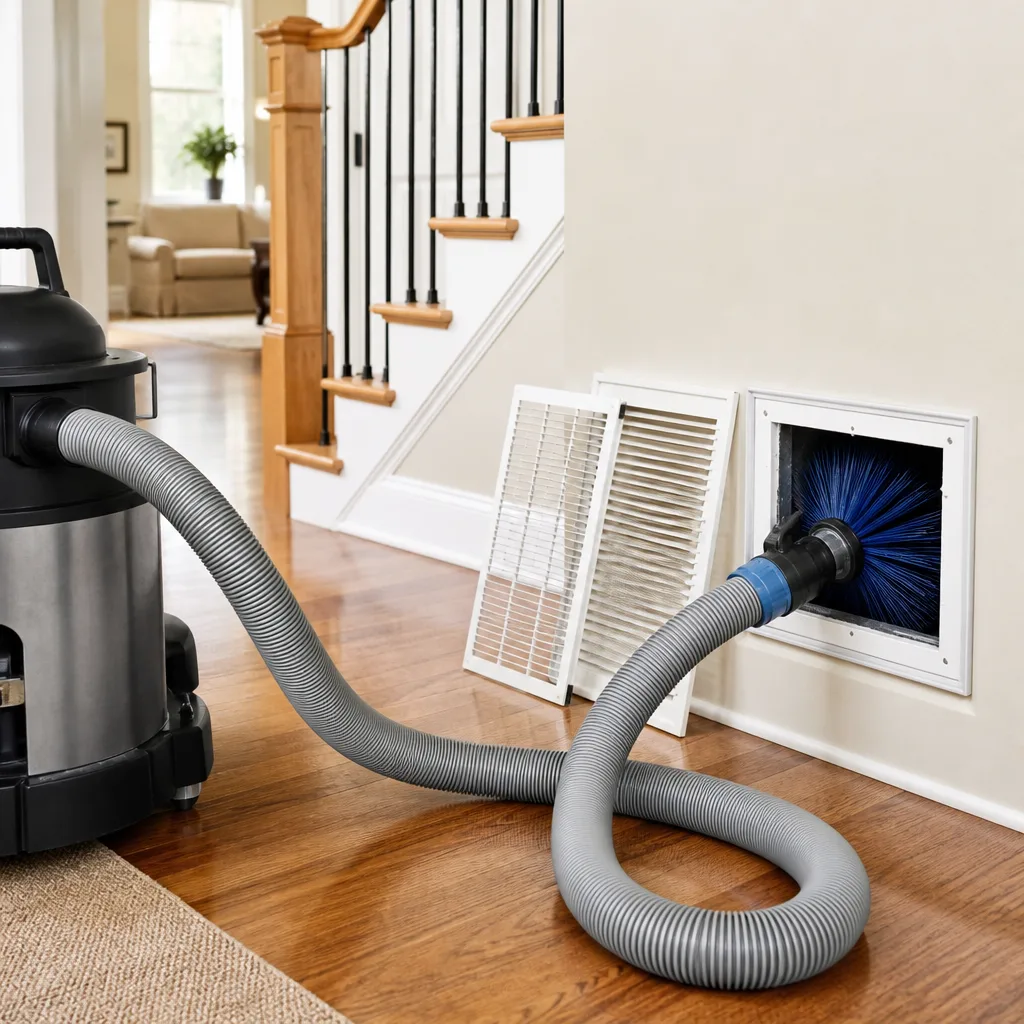
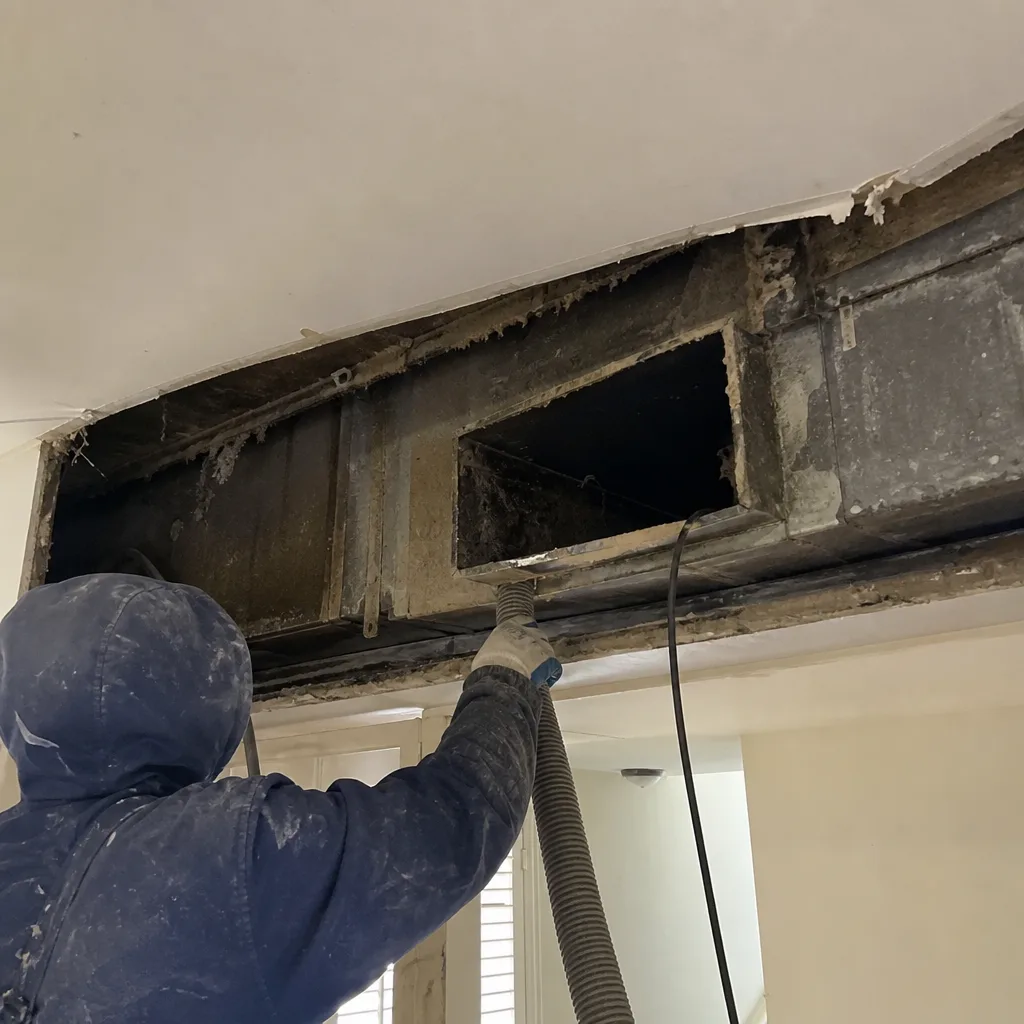 Before
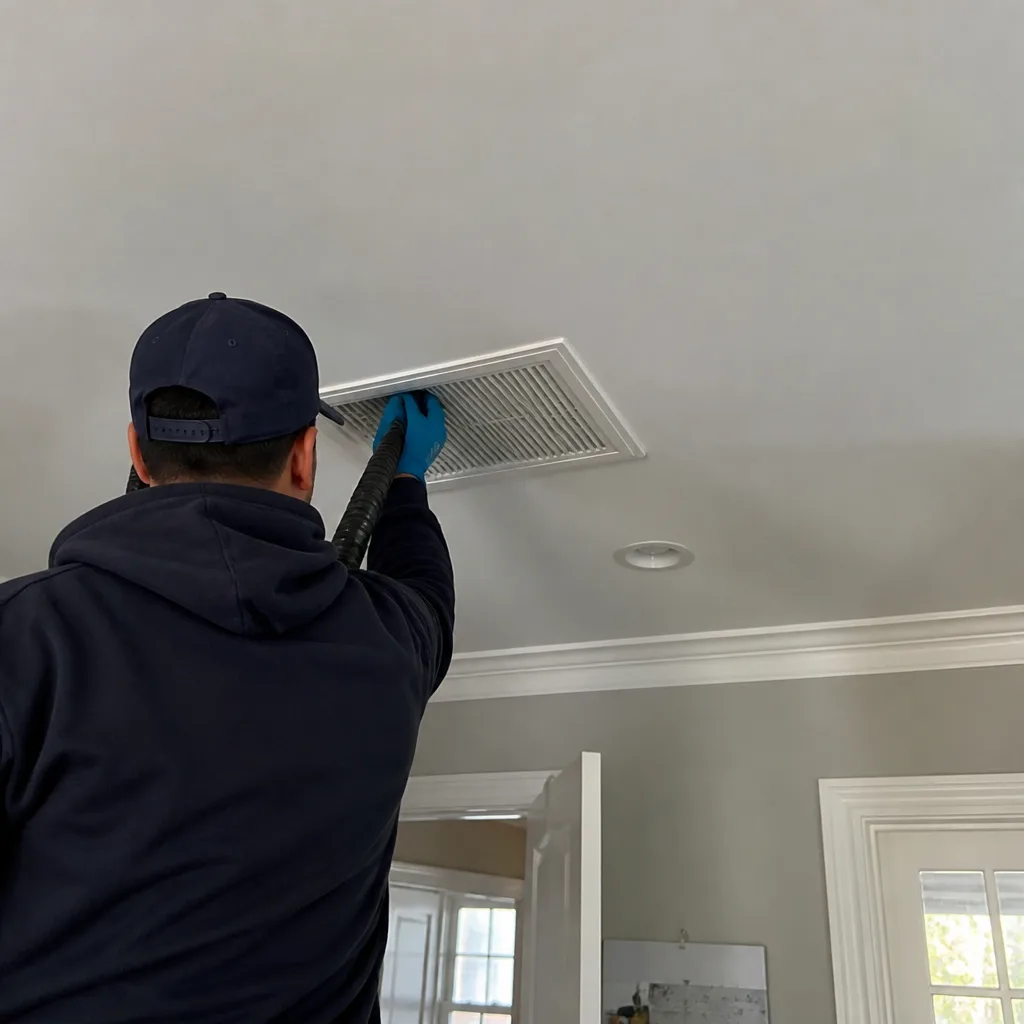 After
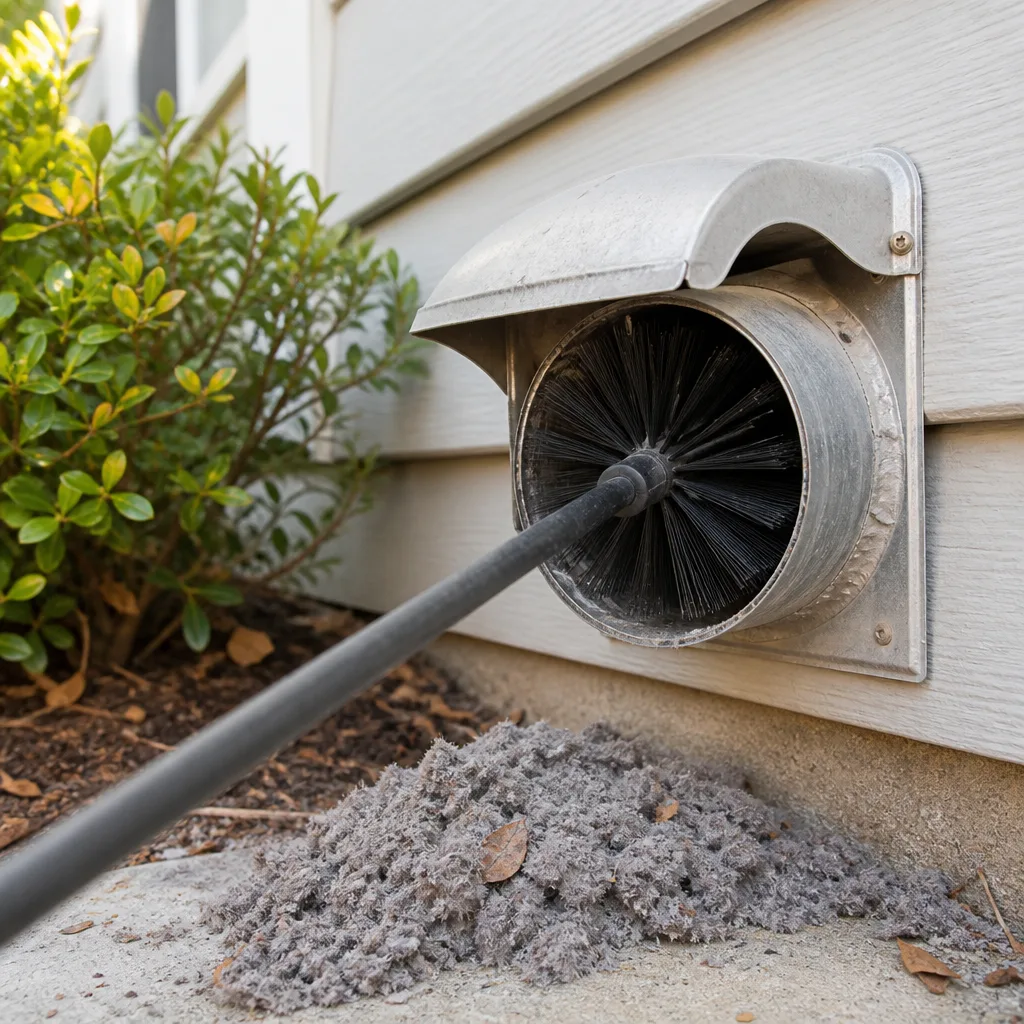
After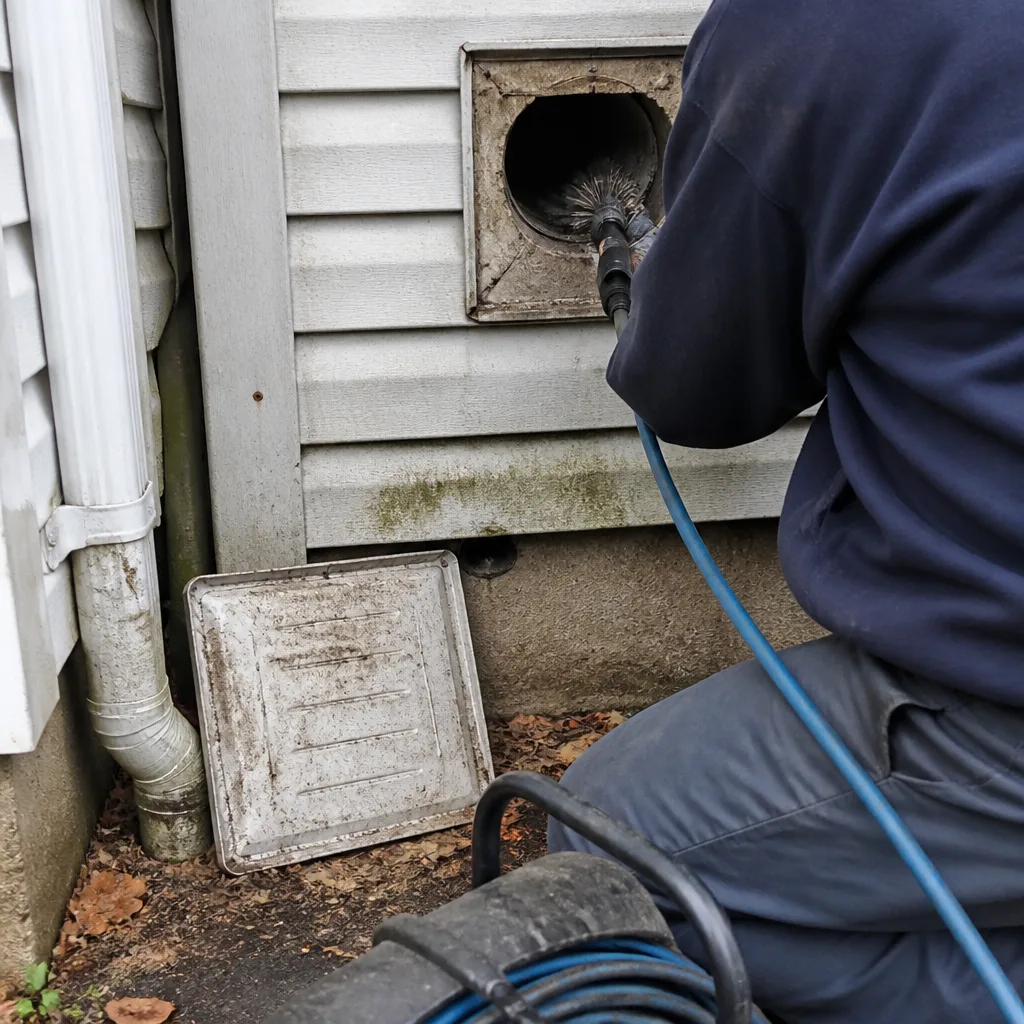 Before
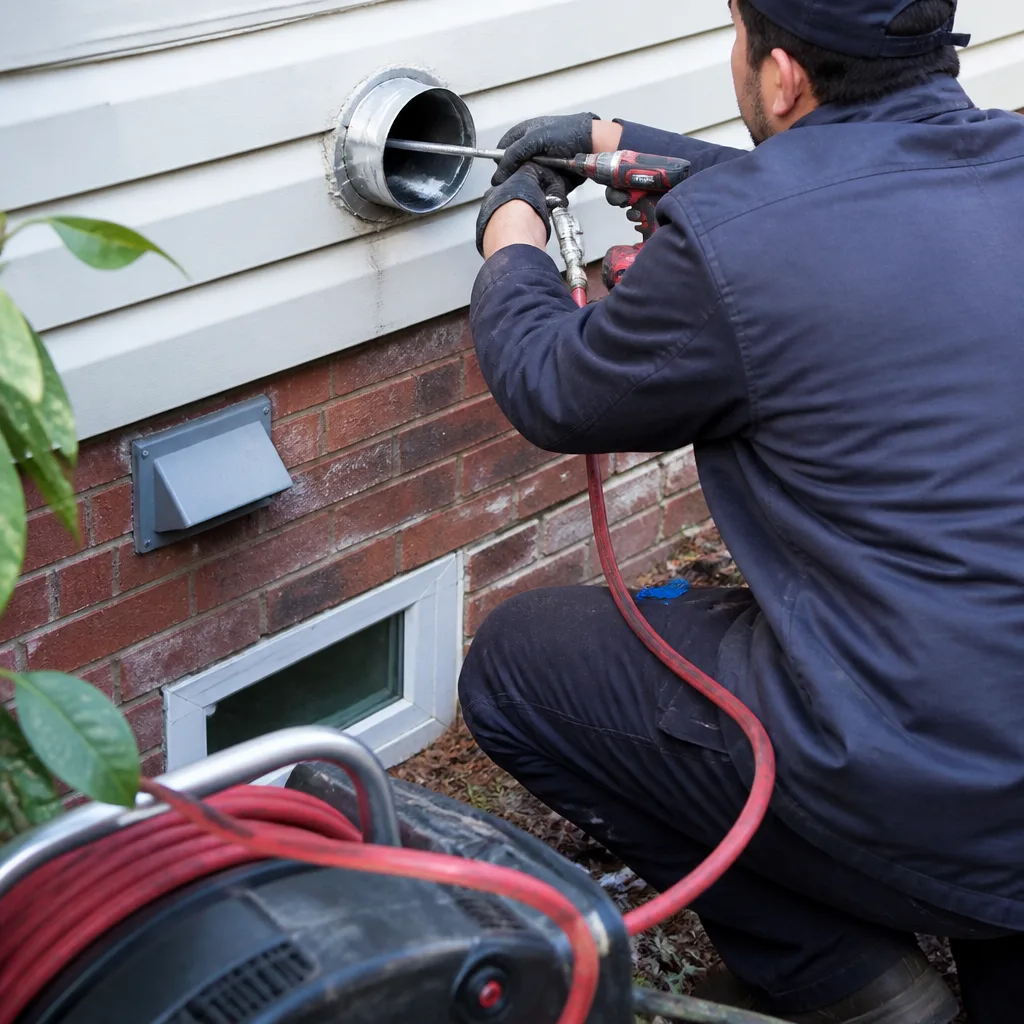 After
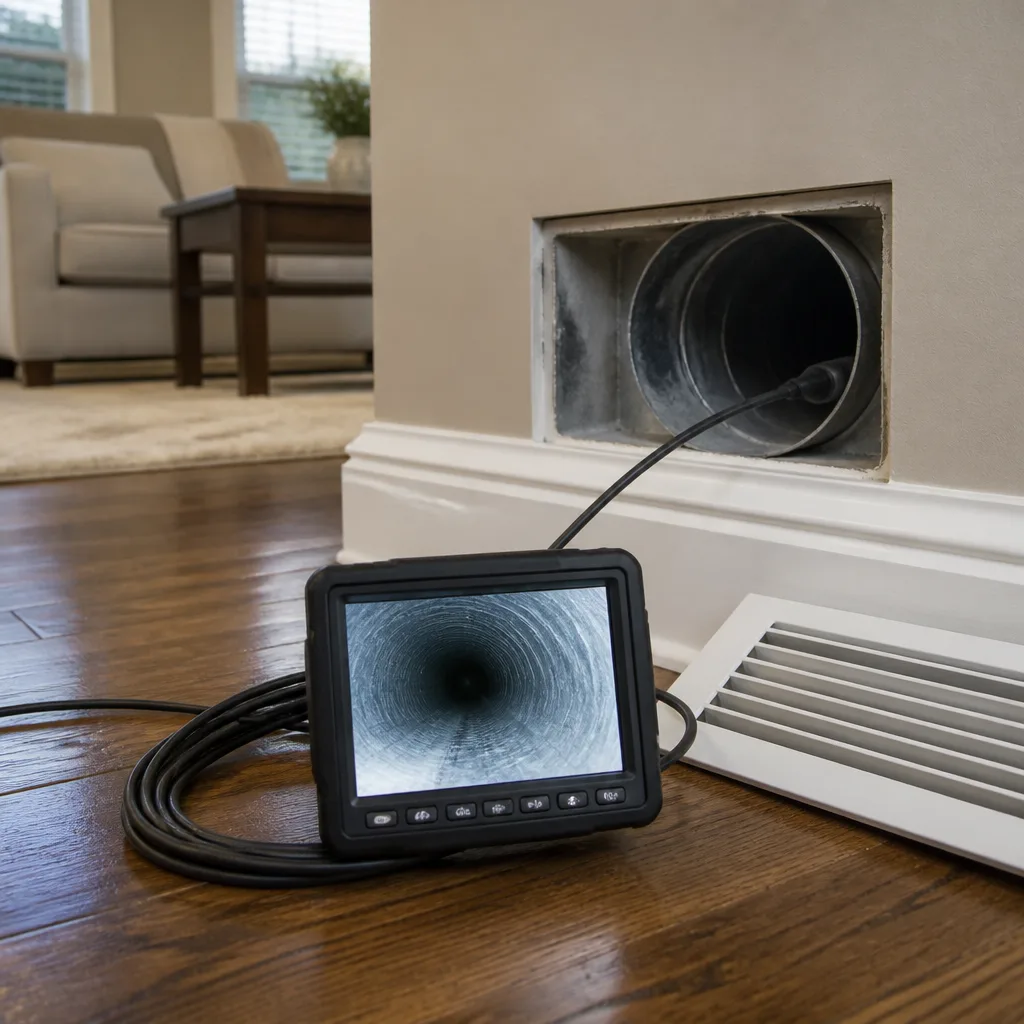
After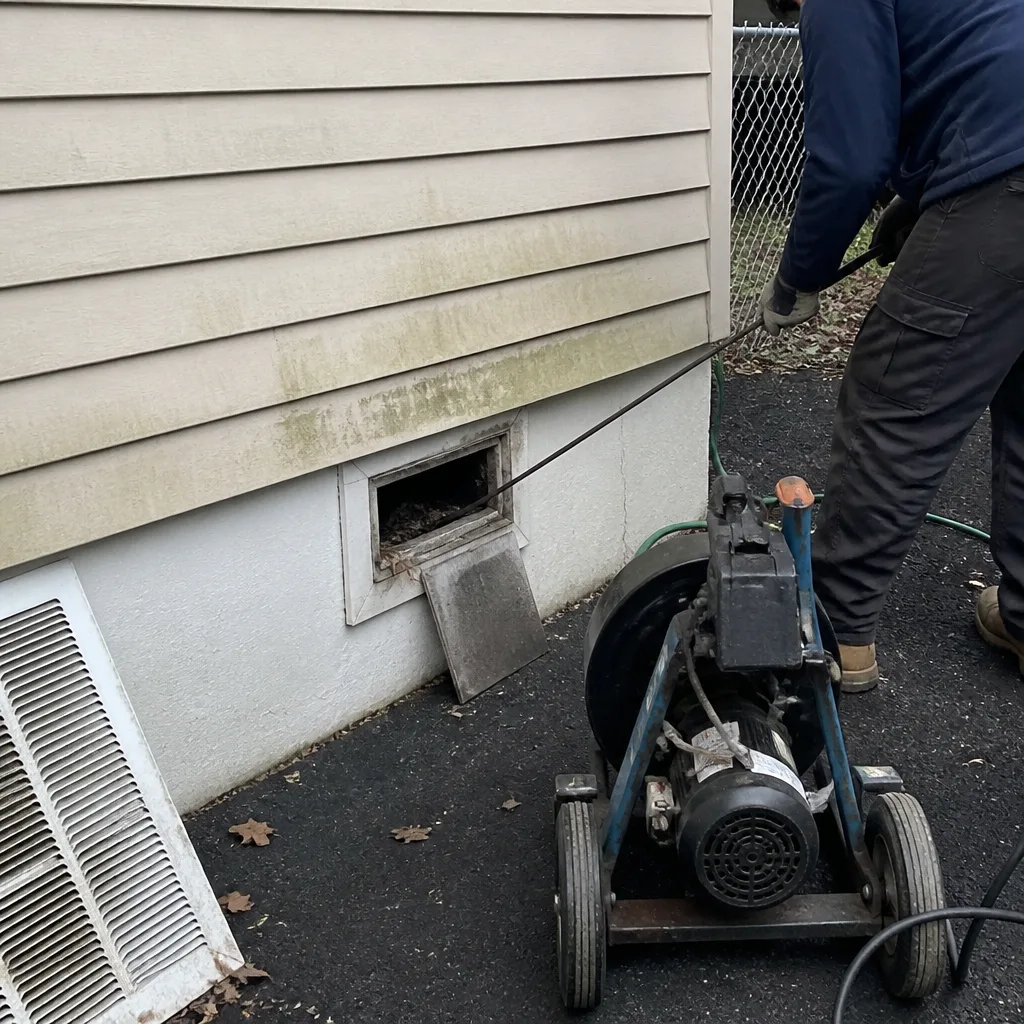 Before
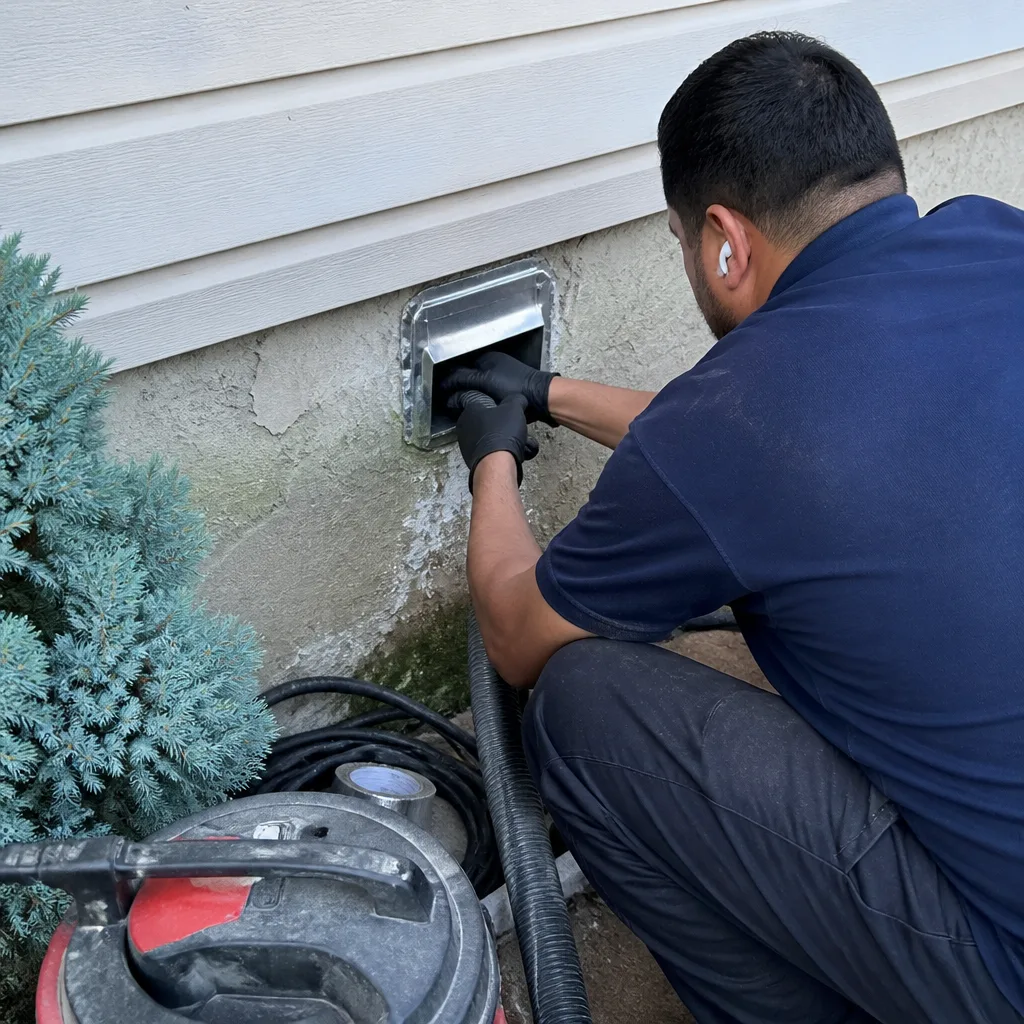 After
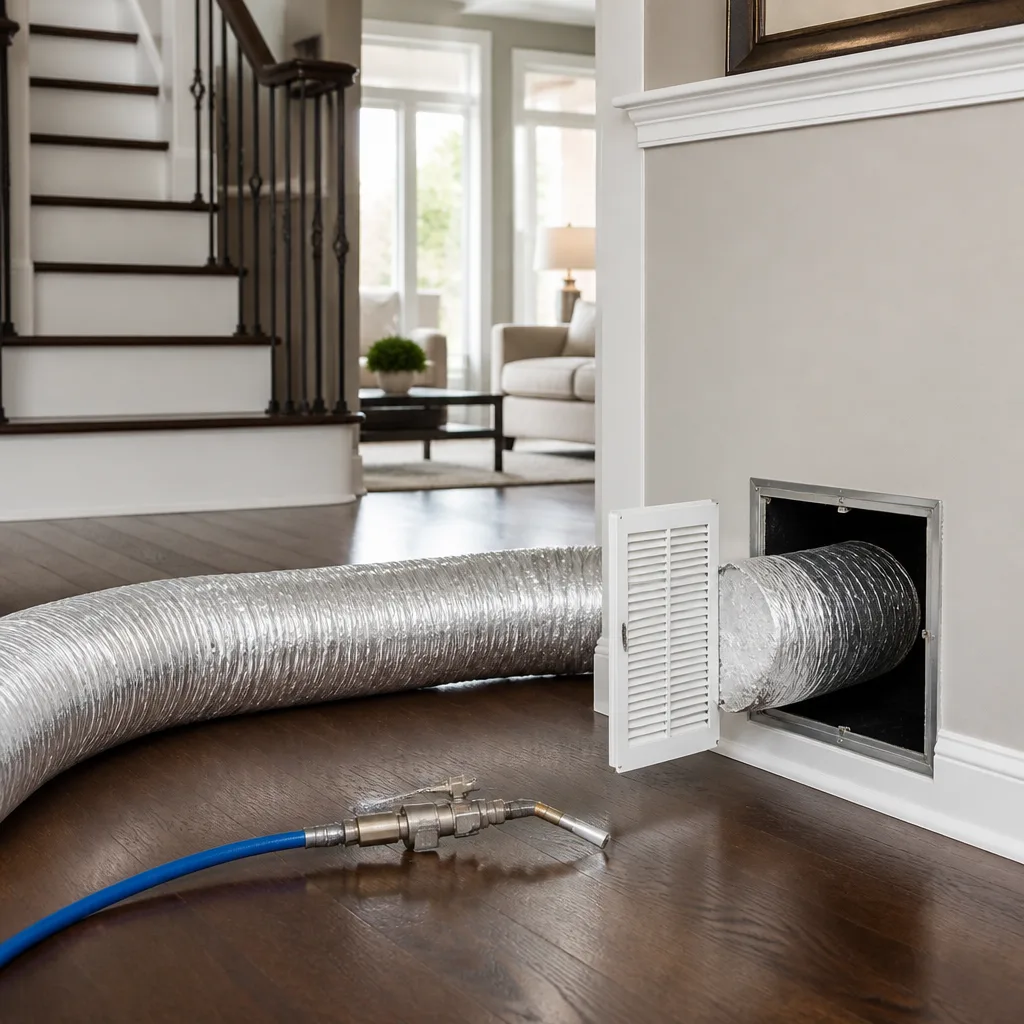
AfterAbatement Technologies Duct Sealing & Repair: The New York City Owner’s Guide
Abatement Technologies duct sealing and repair in New York City typically runs $340 to $780 installed, depending on how much of the duct run needs attention and whether we’re sealing leaks, replacing damaged sections, or both. We carry Abatement Technologies-compatible sealing materials and repair components on the truck, and most jobs are finished in a single visit. The way owners usually find us: they notice a room that never holds temperature, a musty smell that comes and goes with the HVAC cycle, or dust settling back on furniture two days after cleaning. The camera goes in first, and the photo tells you what’s in there. Everything else is just paperwork.
If you’ve got an Abatement Technologies filtration or air-cleaning unit tied into your ductwork, a failed seal or a damaged duct run doesn’t just waste conditioned air. It pulls unconditioned air from wherever the leak is, which in most New York City buildings means inside walls, dropped ceilings, or the space behind the mechanical closet. That’s air you didn’t pay to condition and didn’t ask to breathe. CleanRun Air Duct Cleaning is an independent service provider, not affiliated with Abatement Technologies, but we work with their equipment every week and stock the sealing and repair materials that match their residential and light-commercial installs.
Which Abatement Technologies Models This Applies To
The sealing and repair work we do applies across Abatement Technologies’ residential air-cleaning and filtration lines. If your unit has a model label, it’s usually on the access panel or the side of the cabinet. Look for a series code starting with CAP (portable air cleaners), HEPA (bypass HEPA filtration systems), or PURE (in-duct purification units). The compatibility point that matters for sealing isn’t the electrical spec, it’s the duct collar size and the static pressure the unit was designed to run under. A HEPA bypass unit moving 400 CFM through a 10-inch collar needs a different seal approach than a PURE-series in-duct unit at 1,200 CFM on a 16-inch plenum.
One checkable gotcha we run into constantly in New York City apartments and prewar co-ops: the original install used foil tape or mastic that has since dried and separated at the unit collar, but the actual duct run behind it was never sealed properly at all. We find the gap at the unit, fix it, and then pressure-test the run to see if the air is just leaking further down. OEM Abatement sealing components are fine, but for most residential applications a quality mastic-and-fiberglass-mesh seal applied to manufacturer spec performs as well and costs less than branded parts. We’ll tell you which is worth it for your specific unit before any work starts.
Signs Your Abatement Technologies Duct Sealing & Repair Is Failing
- You hear air moving where it shouldn’t be. A hiss or whistle near the unit collar or at duct joints means air is escaping under pressure. On a HEPA bypass install, that’s filtered air never reaching the rooms it’s supposed to serve. On an in-duct unit, it’s air bypassing the purification stage entirely.
- One room won’t hold temperature. The thermostat says 72, the back bedroom says 68. Air is leaving the duct run before it reaches the register, usually at a failed elbow or a separation where the run meets the boot.
- Dust builds up on surfaces fast, even after a cleaning. Leaks on the return side pull attic air, wall-cavity air, or subfloor air into the system. That air brings whatever’s in those spaces with it: insulation fibers, drywall dust, decades of construction debris.
- Utility costs climb without a usage change. A duct system leaking 20% of its conditioned air means the HVAC runs longer to hit setpoint. In New York City, where cooling season runs May through September and heating season runs October through April, a leaking run costs money in every single month.
- The unit runs, but air barely moves at the registers. This is the clearest sign of a significant duct separation. The airflow is going into the joist cavity or the drop ceiling instead of the duct run. We find the separation with a pressure test and document it with the camera before we fix it.
BeforeAfterReplacement Cost & What’s Included
In New York City, figure $340 to $520 for sealing work on a single-zone system where the leaks are accessible: unit collar, visible duct joints, register boots. If we need to replace a damaged duct run or rebuild a section that has torn or separated, the range extends to $780 or slightly higher for long runs or difficult access. Prewar buildings and high-rise mechanical closets in Manhattan and Brownstone Brooklyn tend toward the upper end because access matters: if we have to remove drywall or work in a tight chase, that’s labor time. Every job gets a written price before a single panel comes off. That’s Haven Standard Clause 1, and it’s never been broken since 2013.
The written price includes the parts, the labor, the pressure-test verification, and the Documented Photo Record: inside every run, before and after, delivered to you with the job file. It also includes the 365-Day Done Right Promise in writing. If the seal fails or the repaired run separates within a year, we come back and fix it. No manager approval needed, no fine print. Tomas Reyes has run the company that way since day one, and the photo record is how we prove what the work actually was.
DIY or Call Us?
Duct sealing involves working with sheet metal edges, mastic that requires proper ventilation, and in many New York City buildings, access points that put you on a ladder in awkward positions with tools. If you’re confident with basic mechanical work, you can safely inspect the visible portions of your system: open the access panel on your Abatement unit, feel for air movement with a damp hand at the collar, shine a light into the first few feet of the run. What you won’t be able to do without professional equipment is pressure-test the system to find leaks you can’t see, or verify that the seal you applied actually holds under operating static pressure.
Here’s the honest split. If the problem is a visible gap at the unit collar and you want to try a temporary foil-tape patch, that’s your call. But understand that foil tape fails on flex duct, and mastic applied without cleaning the surface first peels within a heating season. Most owners in New York City call us after the patch fails, which means they paid twice. If you want it fixed once with photos proving the seal holds, call (806) 606-6902.
FAQs
Properly applied mastic-and-mesh sealing on clean surfaces typically lasts 15 to 20 years, and in New York City’s dry winters and humid summers, the limiting factor is usually access vibration and building settlement rather than material failure. We’ve pulled apart 30-year-old seals that still held pressure. What fails early is factory tape and cheap foil patches, which is why we don’t use them on anything we warranty.
Yes, and in most cases that’s exactly what we do. The failed section is prepped, the old material is removed, and the seal is reapplied to manufacturer spec with fiberglass mesh embedded for mechanical strength. We replace a duct run only when the metal or flex duct itself has torn, collapsed, or separated beyond what a seal can hold.
Most single-zone New York City jobs are done in 3 to 5 hours, including the camera inspection, the pressure test, the repair, and the verification photos. Larger homes or systems with multiple compromised runs may take a full day. We give you a written time window and a written price before we touch anything.
Yes. We carry Abatement Technologies-compatible sealing materials, duct collars, and repair components in the common residential sizes, plus aftermarket equivalents for Lennox, Trane, and Carrier systems. If your unit needs a specific OEM collar size we don’t have on the truck, we source it and return the same week. Call (806) 606-6902 and we’ll confirm stock before you book.
Written by Tomas Reyes, Owner & Lead Technician, CleanRun Air Duct Cleaning at CleanRun Air Duct Cleaning, serving New York City and nearby areas.