
Whole-system duct and dryer vent check with before-and-after photos - you see exactly what came out of your vents
That "$99 whole-house special" is a bait ad - the real number appears once they are in your hallway, or the "clean" is a shop-vac at the register. We photograph the inside of your ducts before and after instead.
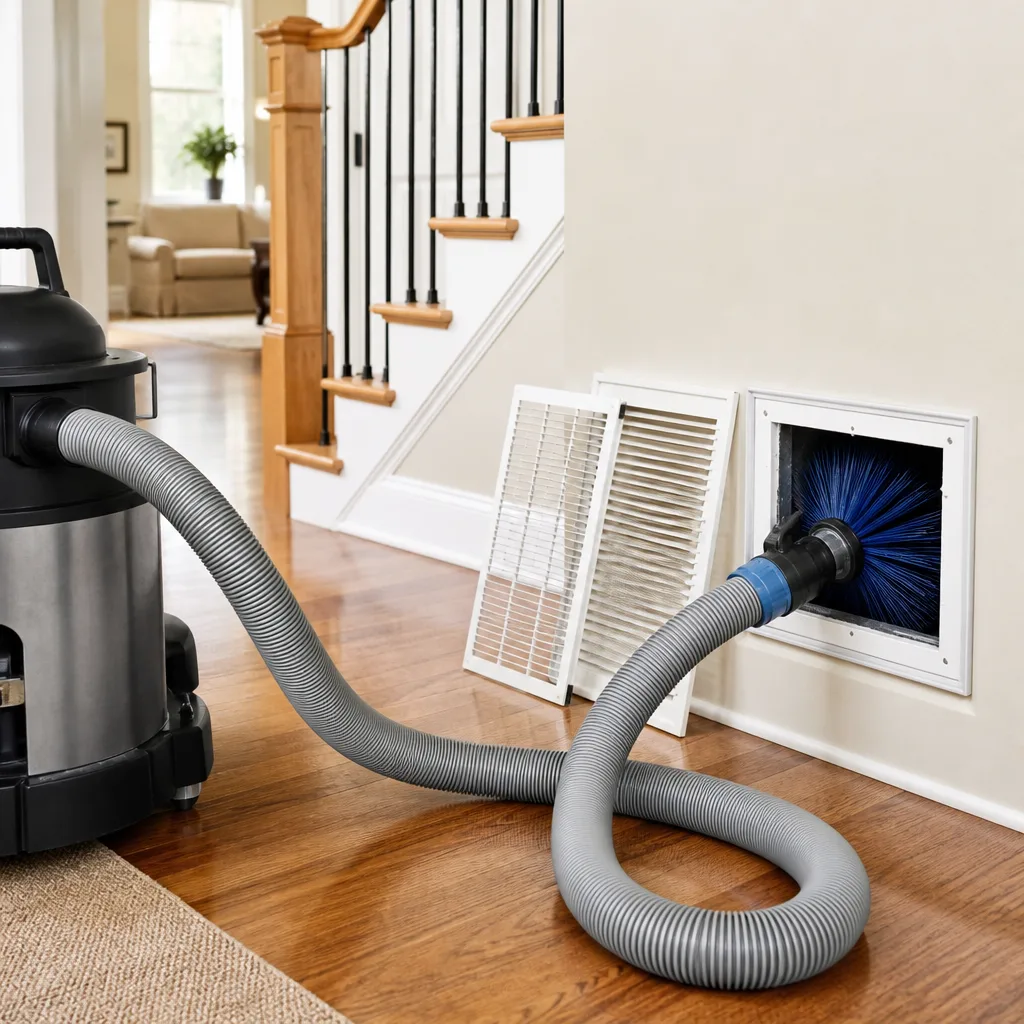
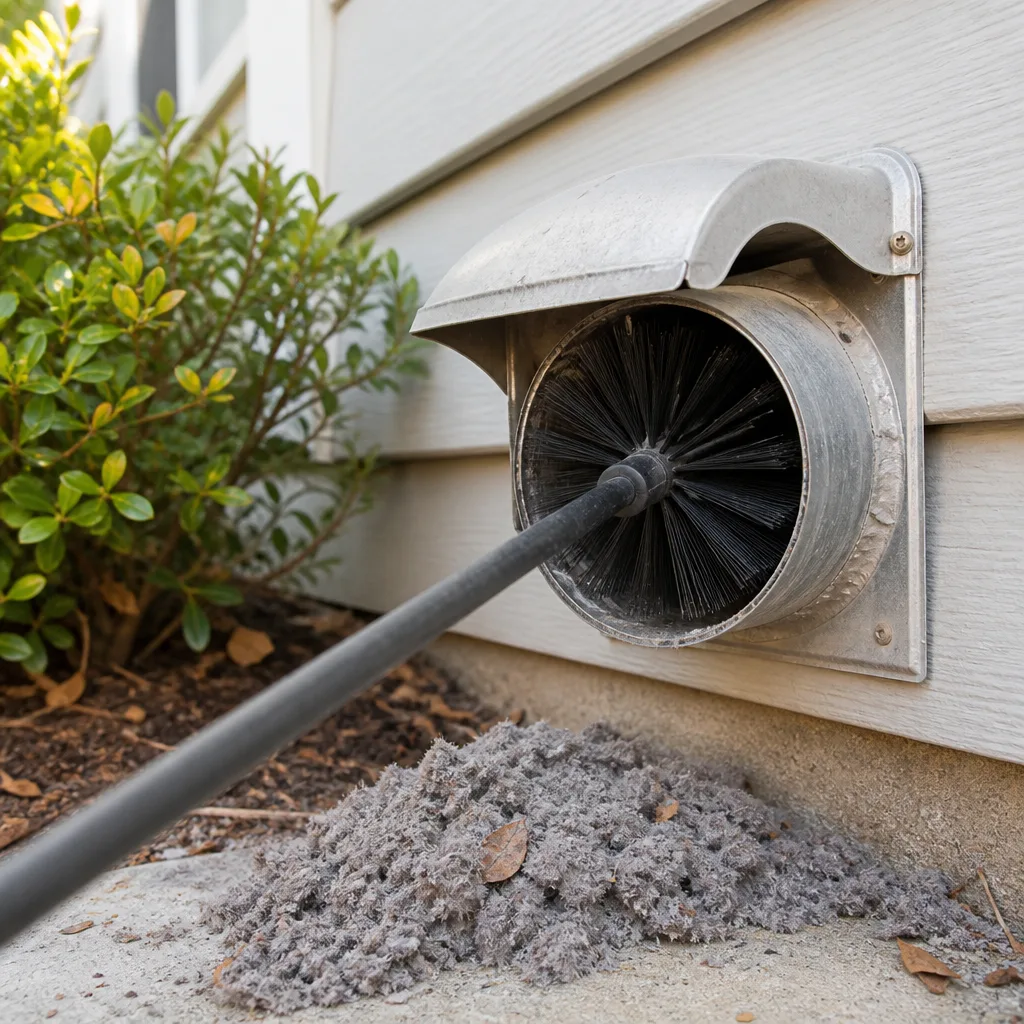
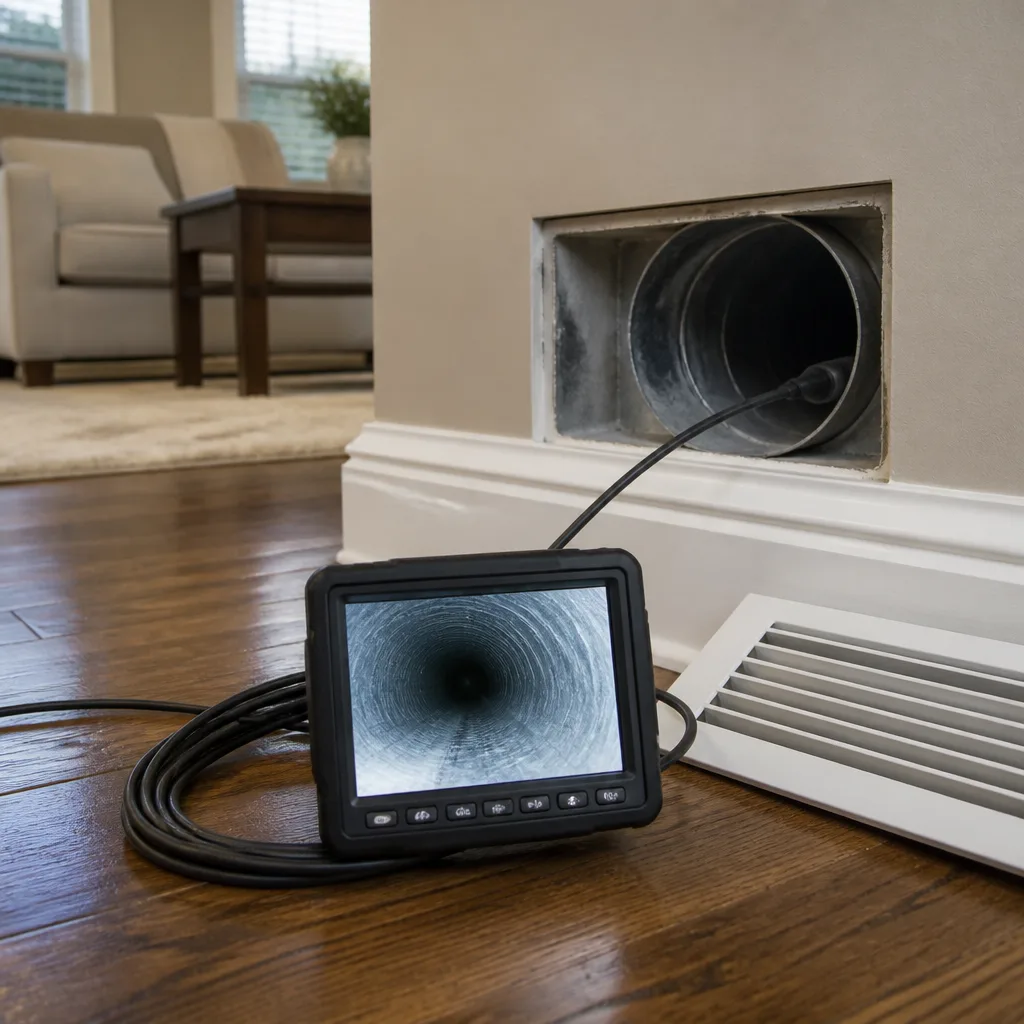
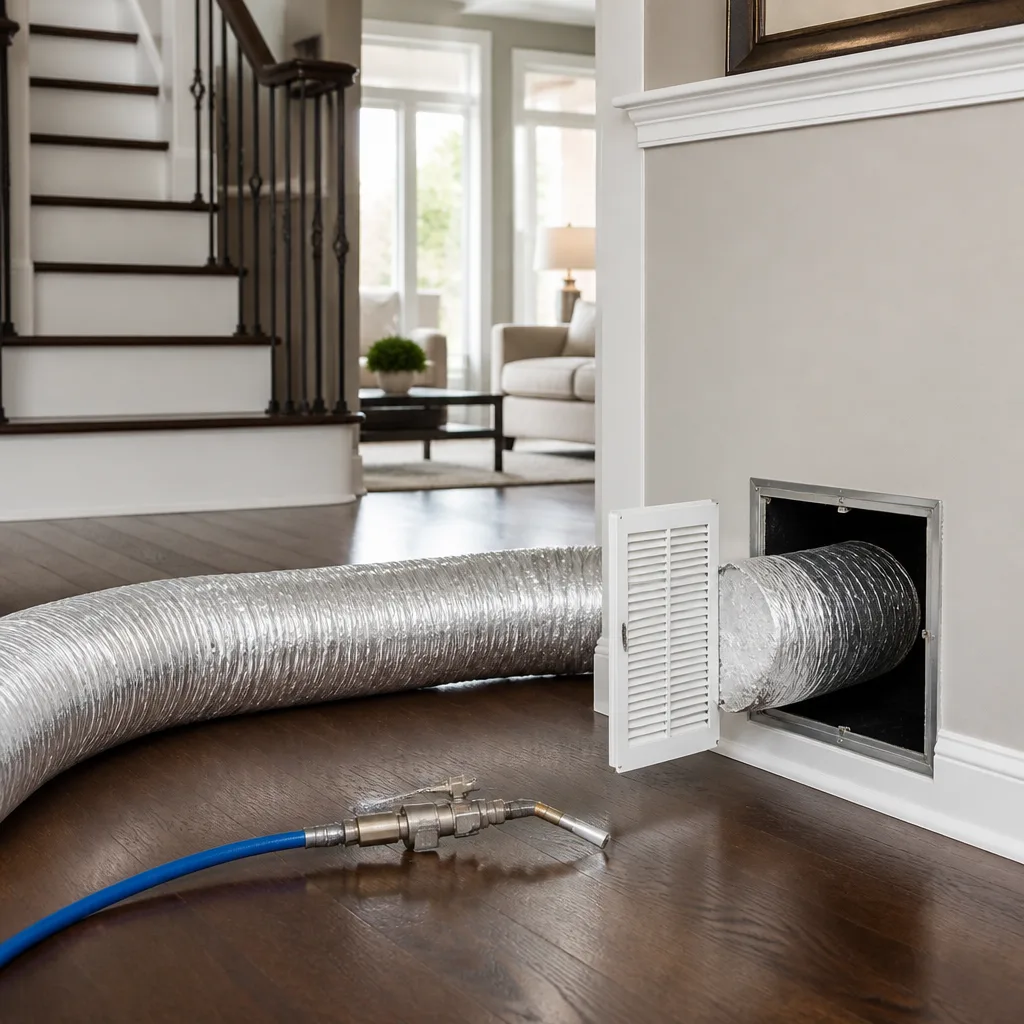
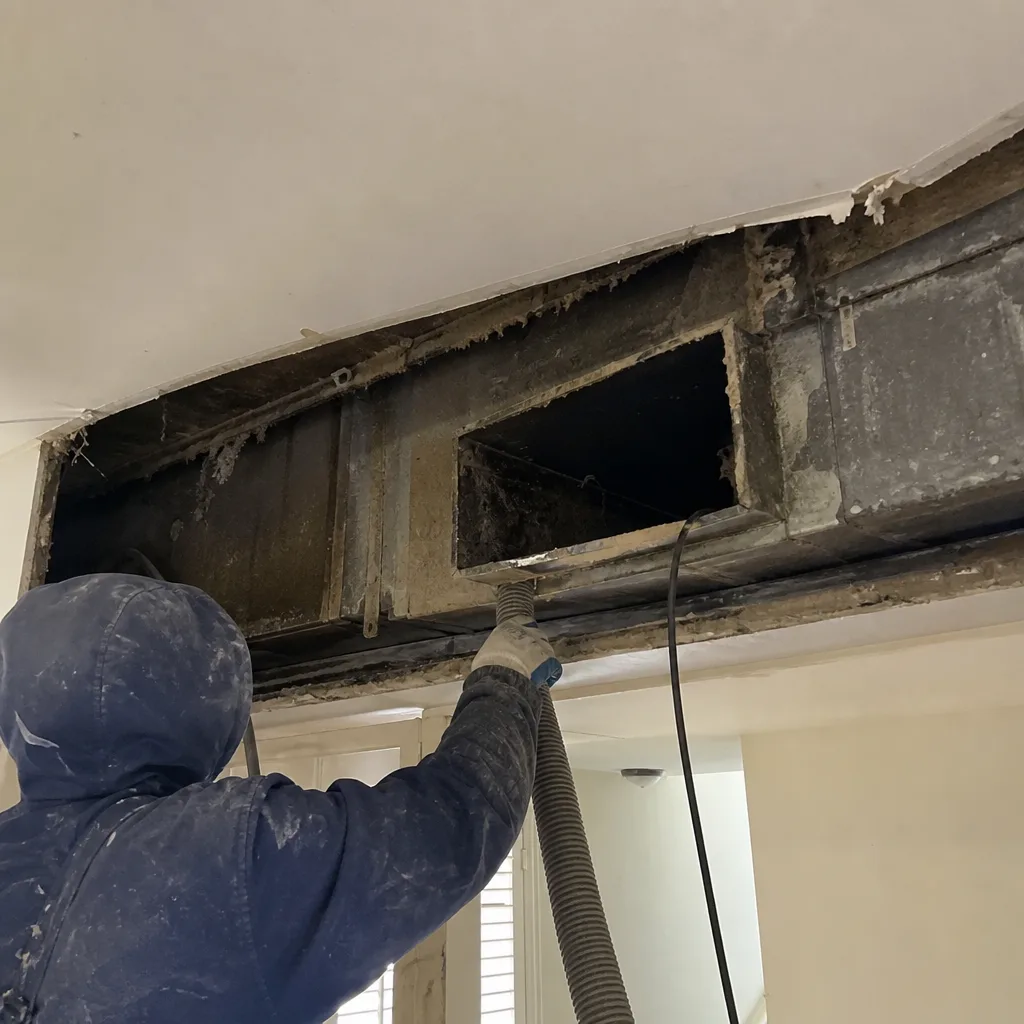 Before
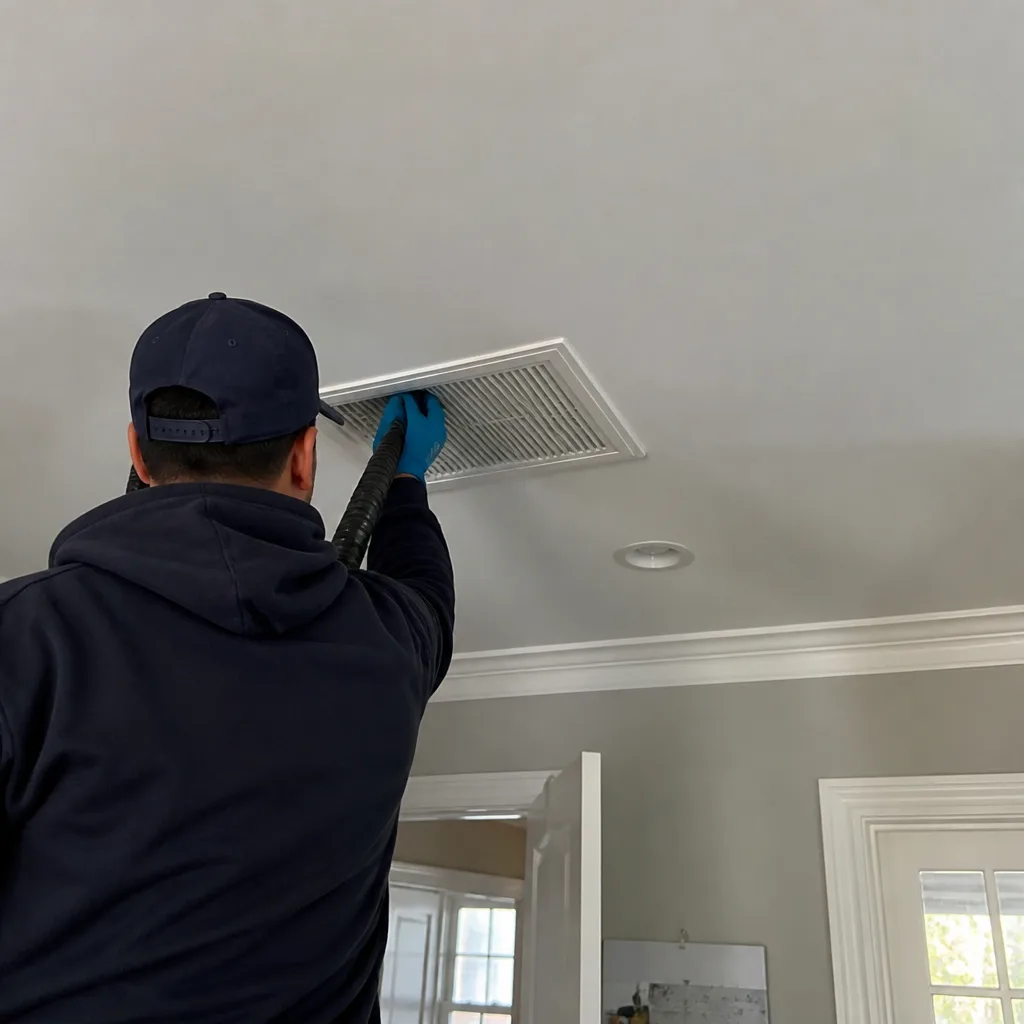 After
After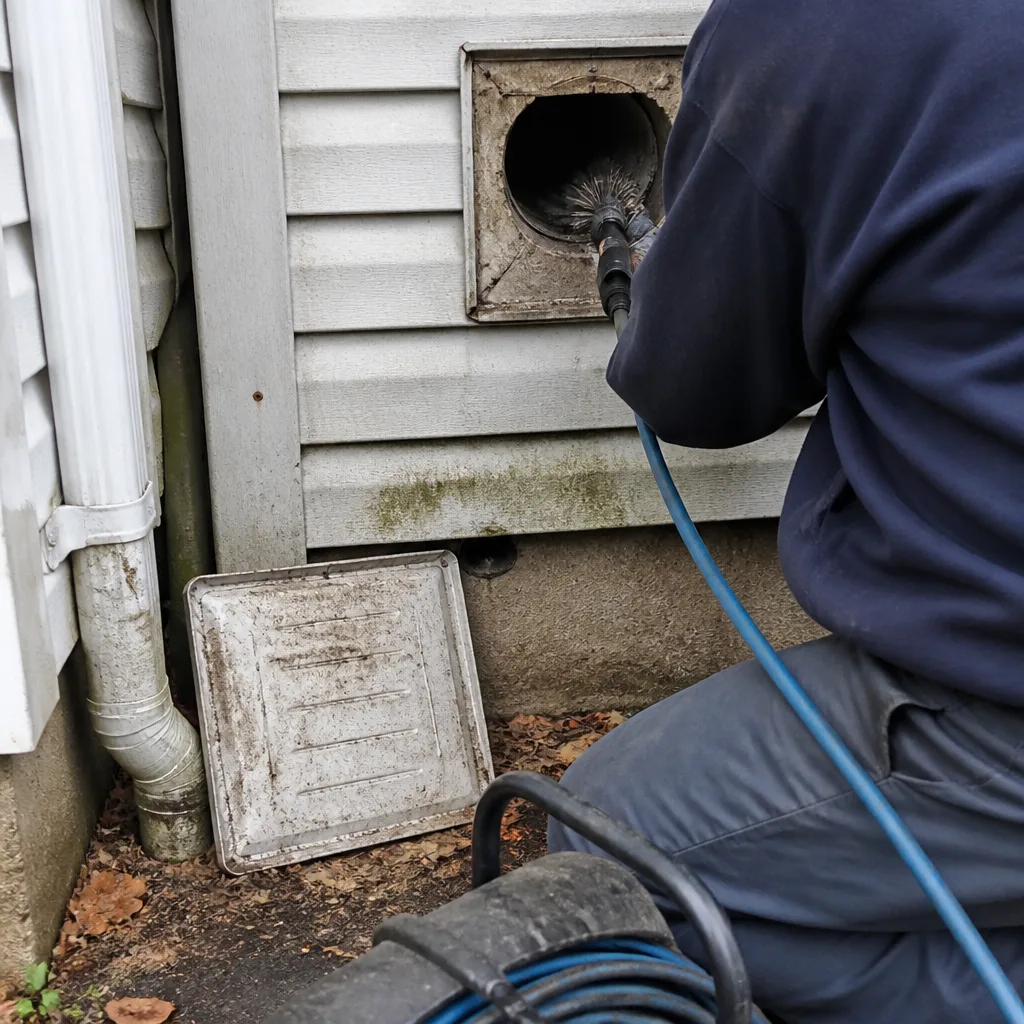 Before
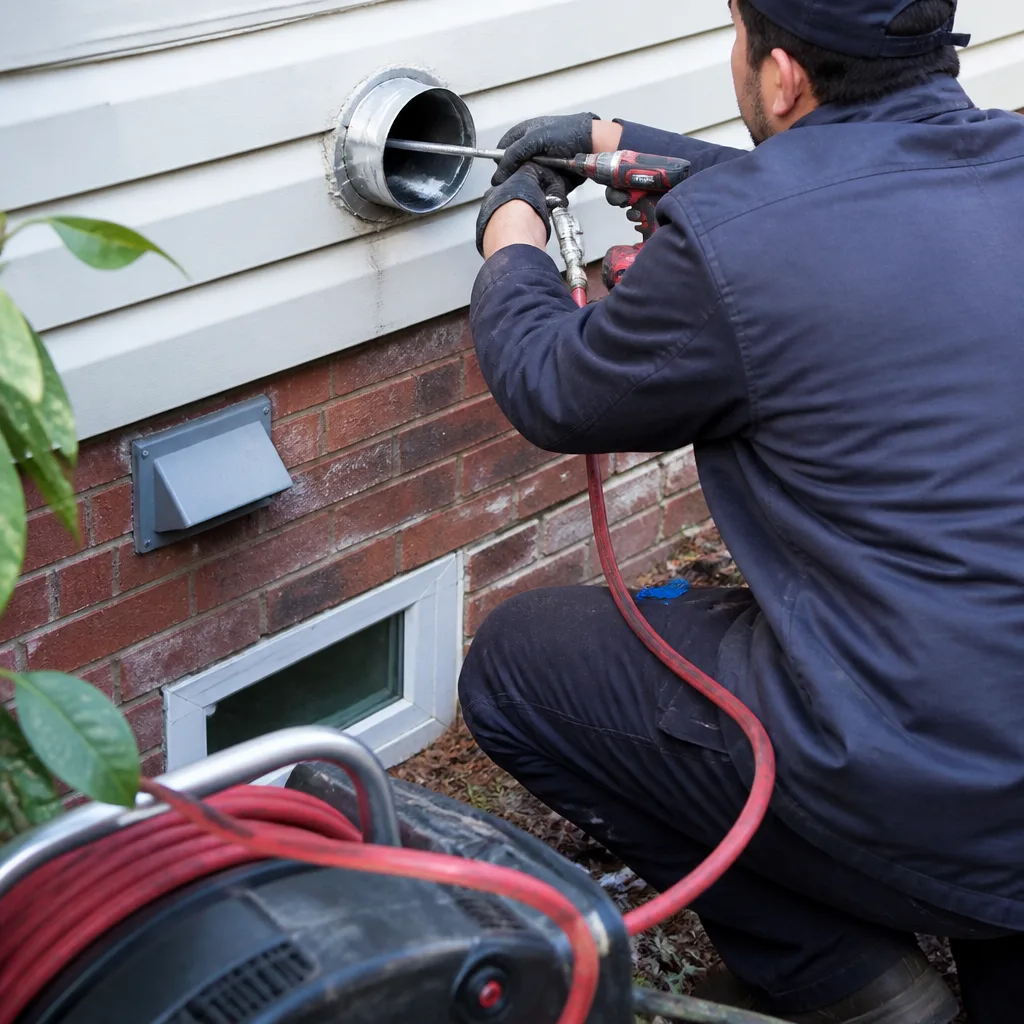 After
After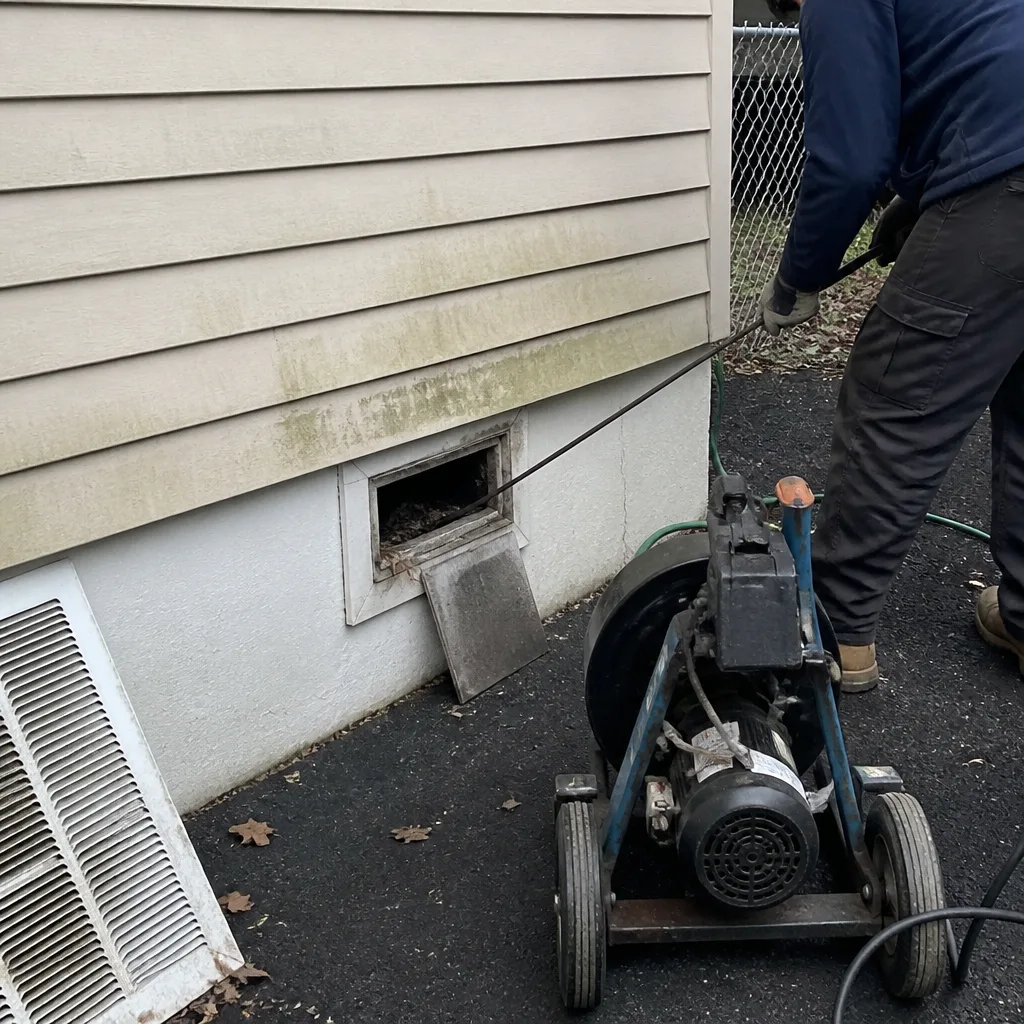 Before
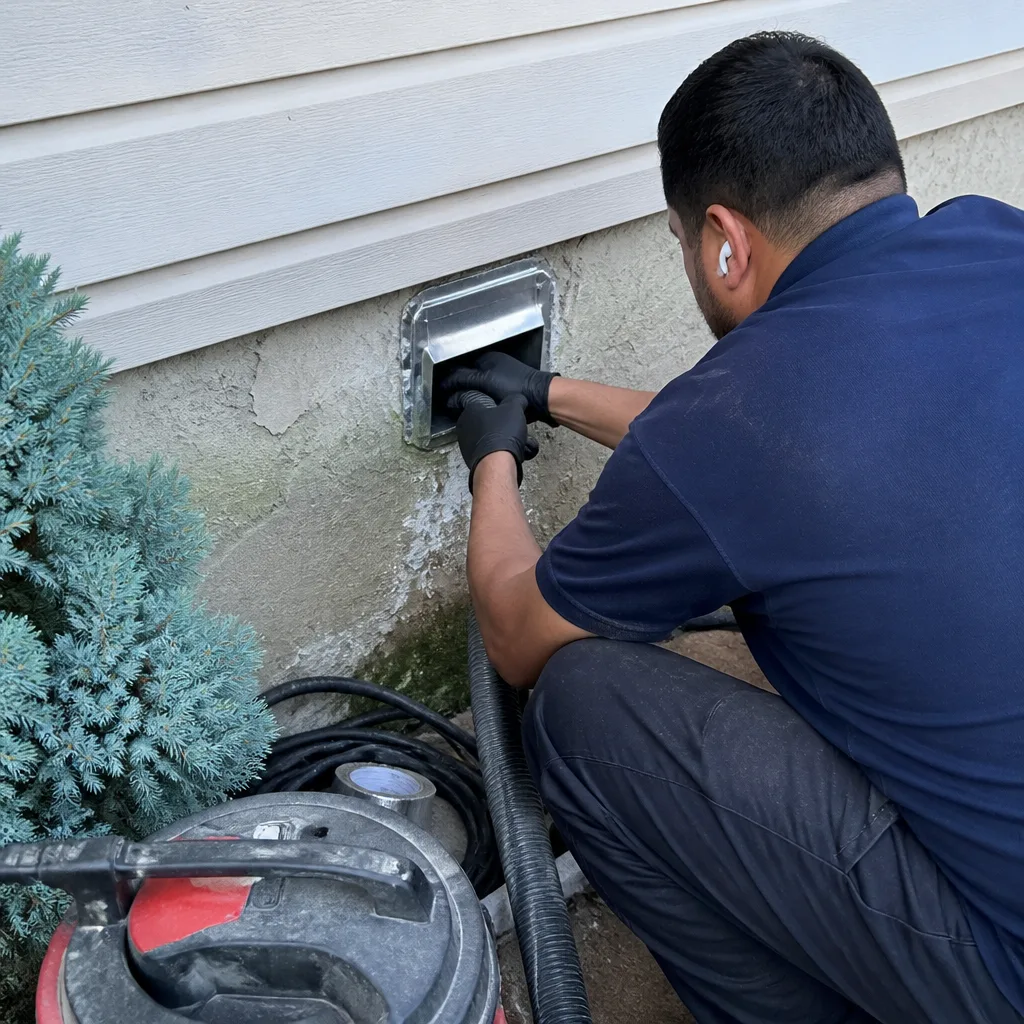 After
AfterAbatement Technologies Coil Cleaning: The New York City Owner’s Guide
We stock and install Abatement Technologies-compatible coil cleaning components across New York City, with most swaps running between $240 and $520 installed, depending on the model and what the camera inspection shows. Same-week scheduling is standard, not an exception. Owners usually discover the part has failed the same way: the coil runs louder than it used to, the air coming off it smells like a wet sock left in a gym bag, or the unit trips its condensate float because the fins are so packed with grime that water can’t drain through them anymore. In New York City buildings, where the coil pulls air that includes everything from bus exhaust to drywall dust, this part works under conditions that would kill a residential HVAC coil in half the time.
Which Abatement Technologies Models This Applies To
Abatement Technologies builds coil cleaning access components across their IAQ and remediation equipment lines, and the fitment is not universal across the brand. A coil cleaning panel for their portable HEPA-air filtration series will not mate with their larger dehumidification units. The identifying data lives on a metal tag riveted to the unit, not on the outer housing: you’ll want the model code beginning with AT or the series letter, plus a four-to-six digit manufacturing date code. Here’s the thing most owners miss: Abatement Technologies changed the mounting hole pattern on several coil access panels around 2018. If your unit predates 2018 and you order a current production panel thinking it’ll bolt on, it won’t. We verify measurements before anything lands on a truck, so that mistake never reaches your doorway. On the OEM versus aftermarket question for this brand specifically: Abatement Technologies OEM coil cleaning components are well built, but they’re priced like the commercial equipment they are. Quality aftermarket equivalents exist for the common sizes, and we’re blunt about which is worth your money. For the high-use units in New York City apartment buildings and commercial kitchens, we typically recommend OEM. For lighter residential use, a properly specced aftermarket panel does the job at about sixty percent of the cost.
Signs Your Abatement Technologies Coil Cleaning Is Failing
- Visible slime or bio-growth at the coil face. The coil cleaner’s microbicide component is exhausted or the cleaning cycle stopped working. What you’re looking at is organic matter that the system should have prevented; when you see it, the part has been dead for weeks, not days.
- The cleaning cycle runs but the coil still looks fouled. The internal spray nozzles clog with mineral scale, especially in New York City buildings with hard water. The pump runs, the timer works, and nothing actually reaches the fins.
- Standing water or persistent dampness in the equipment tray. A failed coil cleaning assembly lets condensate carry particulate into the drain line, which then backs up. The water sits there and feeds whatever happens to be growing on the coil.
- Unit short-cycles on the high-head-pressure switch. A fouled coil can’t reject heat. The compressor pulls more amps, the pressure climbs, and the system cuts out. This is the part failing and taking the compressor with it if it goes unchecked.
- Drop in static pressure across the coil section. This one shows up on a manometer, not your nose. When the coil face is loaded with debris, airflow numbers fall. If you’re seeing lower CFM at the supply registers and nobody changed the fan, the coil cleaning assembly is behind it.
BeforeAfterReplacement Cost & What’s Included
In New York City, expect an installed Abatement Technologies coil cleaning replacement to run $240 to $520 for residential equipment. The spread comes down to three things: whether the unit takes a standard panel or a series-specific mounting configuration, whether we’re also addressing the coil face itself (recommended, and it’s part of the same labor visit), and whether any drain line remediation is needed. Every quote is a written flat price per the Haven Standard Clause 1: we hand you the number before a panel comes off, and that number does not move. The price includes the part, installation, a coil surface cleaning with our Abatement Technologies equipment, verification of the drain path, and the Documented Photo Record of the coil before and after. The work carries the 365-Day Done Right Promise, in writing, on every job.
DIY or Call Us?
Here’s the straight answer for New York City owners. You can safely check the coil face yourself, and you should: power the unit down at the disconnect, open the access panel, and look. If you see slime, matted debris, or standing water, the cleaning assembly has failed and the coil is already compromised. What you should not do is attempt to remove or repair a coil cleaning assembly that carries line voltage, contains active microbicide chemistry, or is integrated into a drain system. The electrical path is not forgiving, and the chemistry on commercial units is concentrated. There’s no shame in a diagnostic look, turning up a problem, and then calling someone who does this every week. The photo tells you what’s in there. Everything else is just paperwork.
Call (806) 606-6902 with your Abatement Technologies model code, and we’ll give you a written number before we ever touch the unit.
FAQs
In New York City air, figure five to eight years on the cleaning assembly itself before the internal components are done, with the nozzles and microbicide reservoir degrading first. Units in buildings near major bus routes or construction corridors trend toward the low end of that range because the particulate load is relentless. The coil itself will outlast the cleaning assembly by years if the assembly is replaced when it should be.
Sometimes the clogged nozzle block can be descaled and put back into service, and we’ll tell you honestly if that’s the case after we open it up. The problem is that by the time a New York City unit shows external symptoms, the failure is usually mechanical or electrical rather than a simple clog. If the timer board, pump, or internal seals are gone, repair money is wasted money.
A straightforward Abatement Technologies coil cleaning swap takes about two hours from panel off to panel on, including the coil face cleaning and a full drain path verification. If we find the coil itself loaded beyond what a surface cleaning can address, we’ll show you the photo and write the scope before any additional work is authorized.
We keep the common Abatement Technologies coil cleaning panels and nozzle assemblies on the truck for the residential models we see most often in the five boroughs. We also stock compatible components for Lennox, Trane, and Carrier systems for the simple reason that most New York City properties have more than one type of equipment on site. If your exact series panel isn’t on the truck, we order it and have it installed the same week, with a written price in your hand before we place the order. Call us at (806) 606-6902 for a written, no-hassle quote.
Written by Tomas Reyes, Owner & Lead Technician, CleanRun Air Duct Cleaning at CleanRun Air Duct Cleaning, serving New York City and nearby areas.