
Whole-system duct and dryer vent check with before-and-after photos - you see exactly what came out of your vents
That "$99 whole-house special" is a bait ad - the real number appears once they are in your hallway, or the "clean" is a shop-vac at the register. We photograph the inside of your ducts before and after instead.
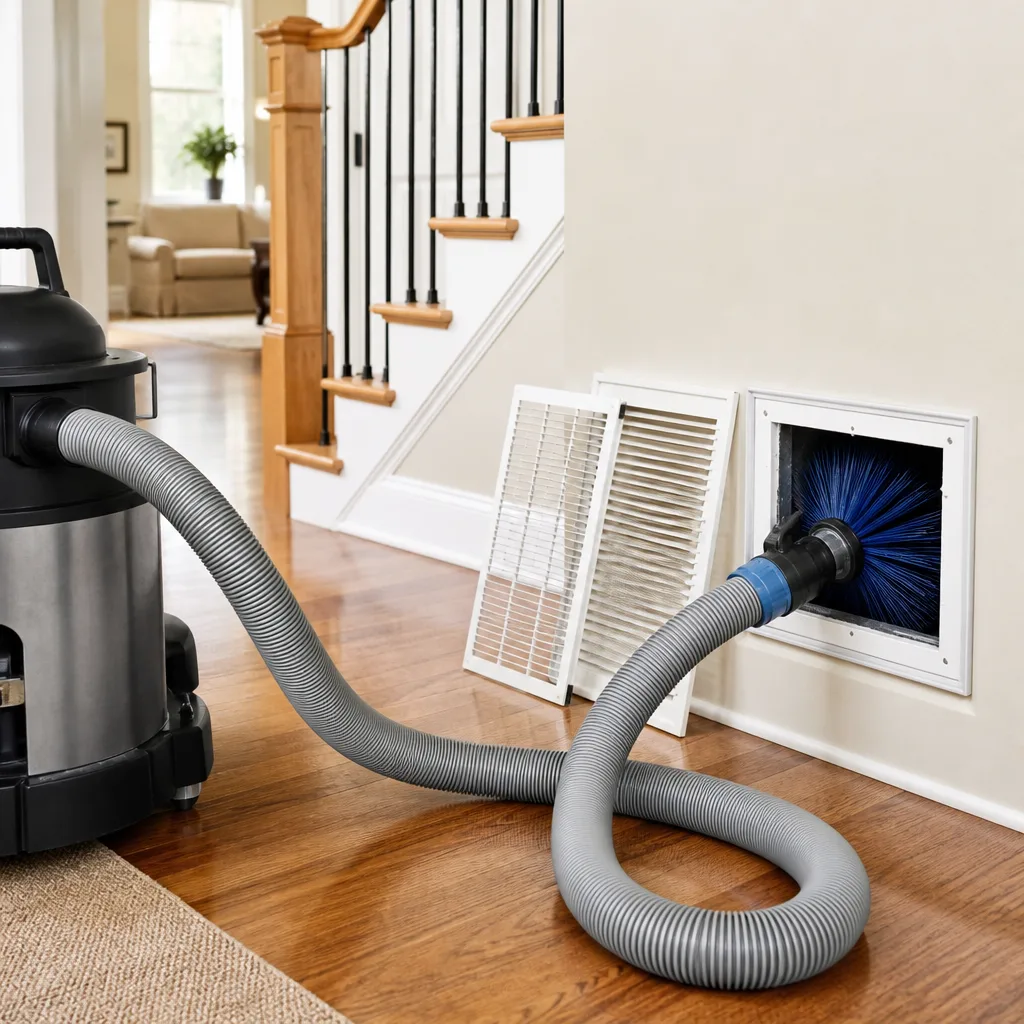
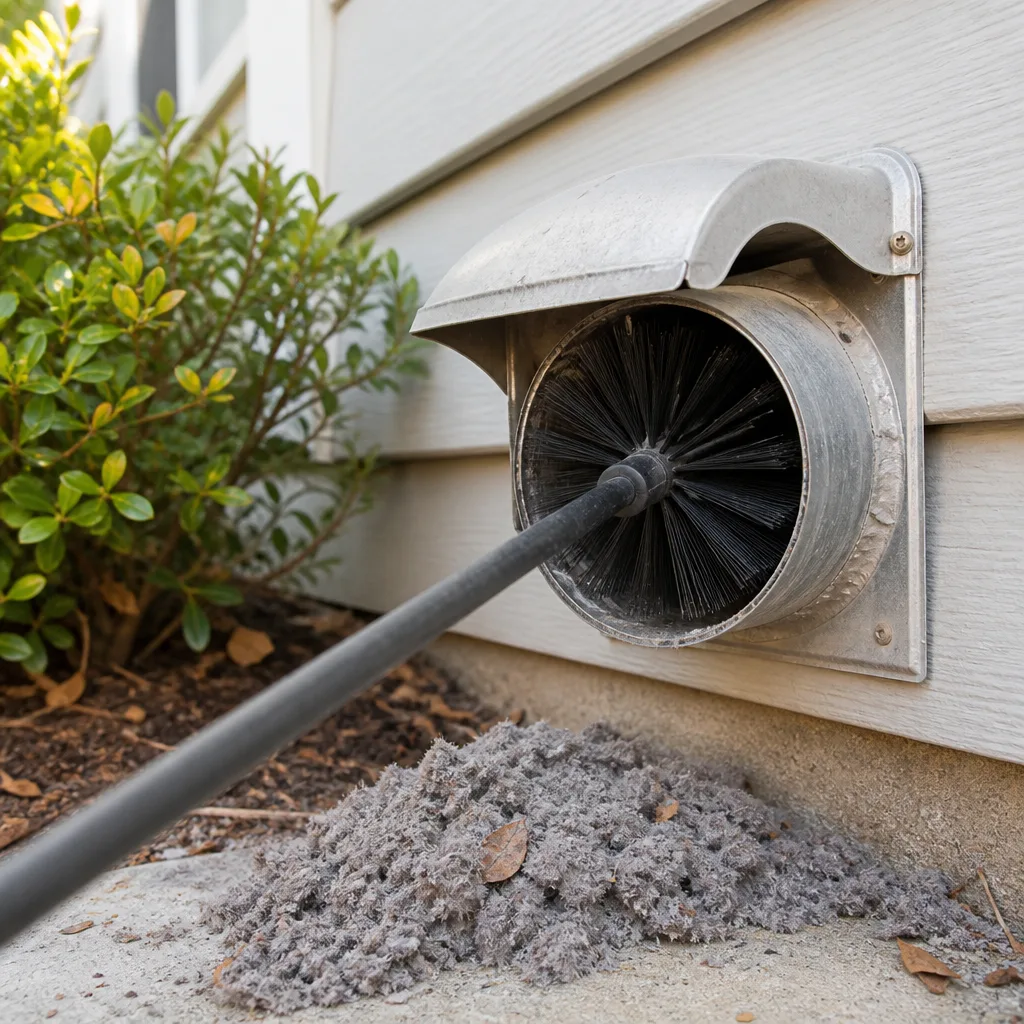
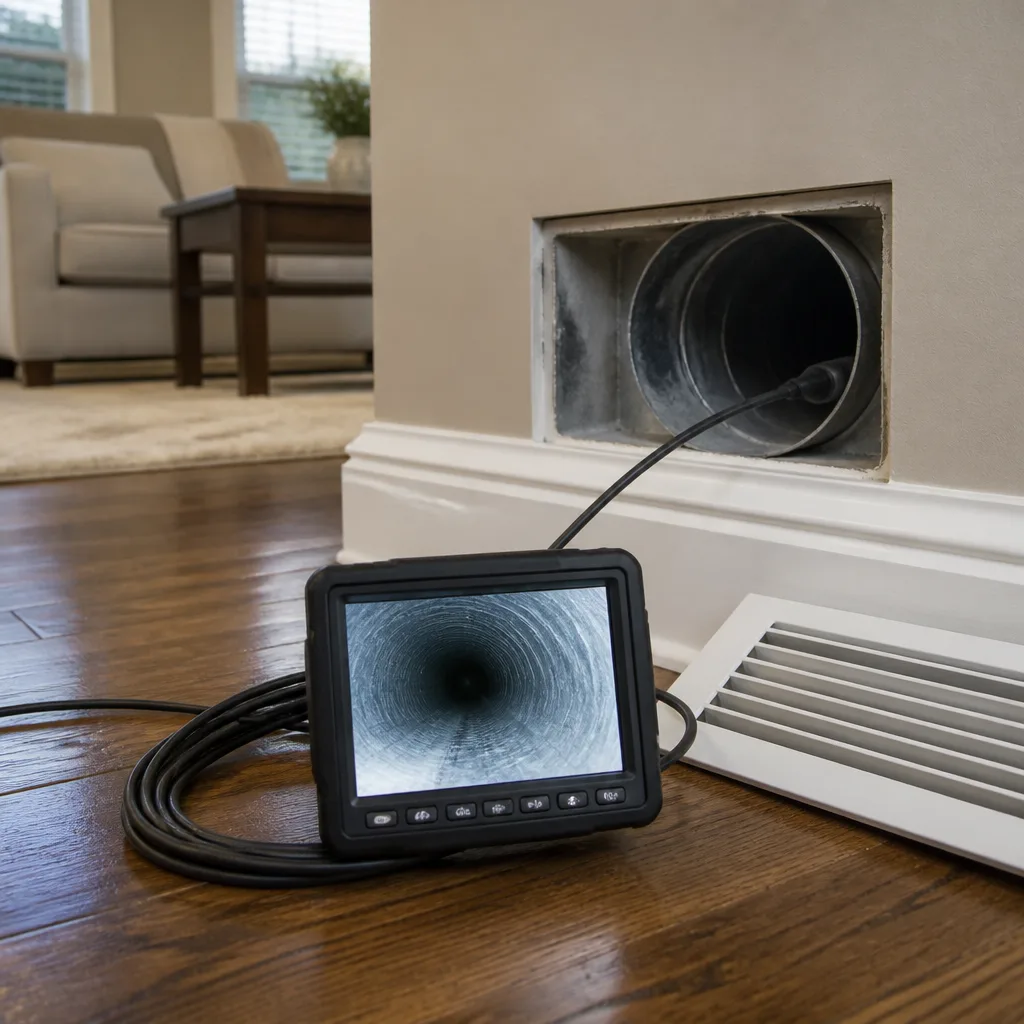
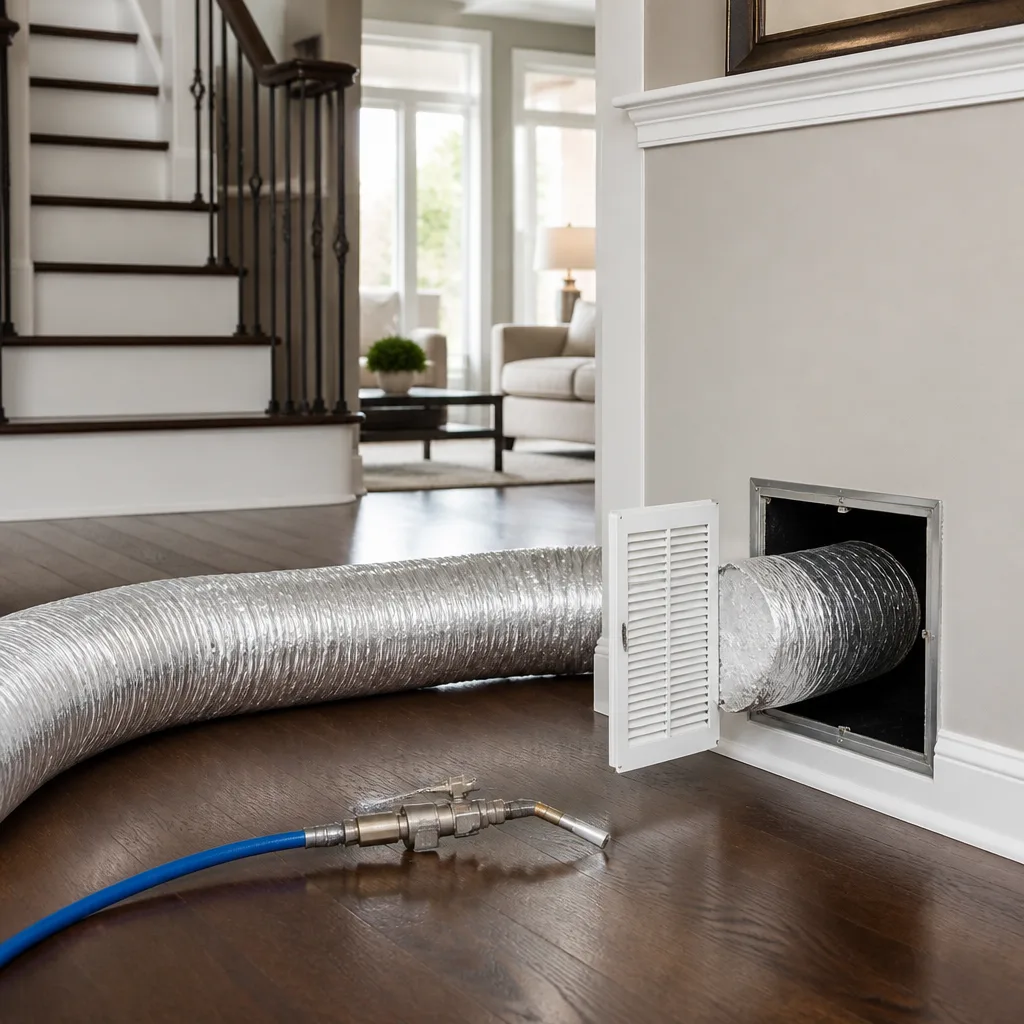
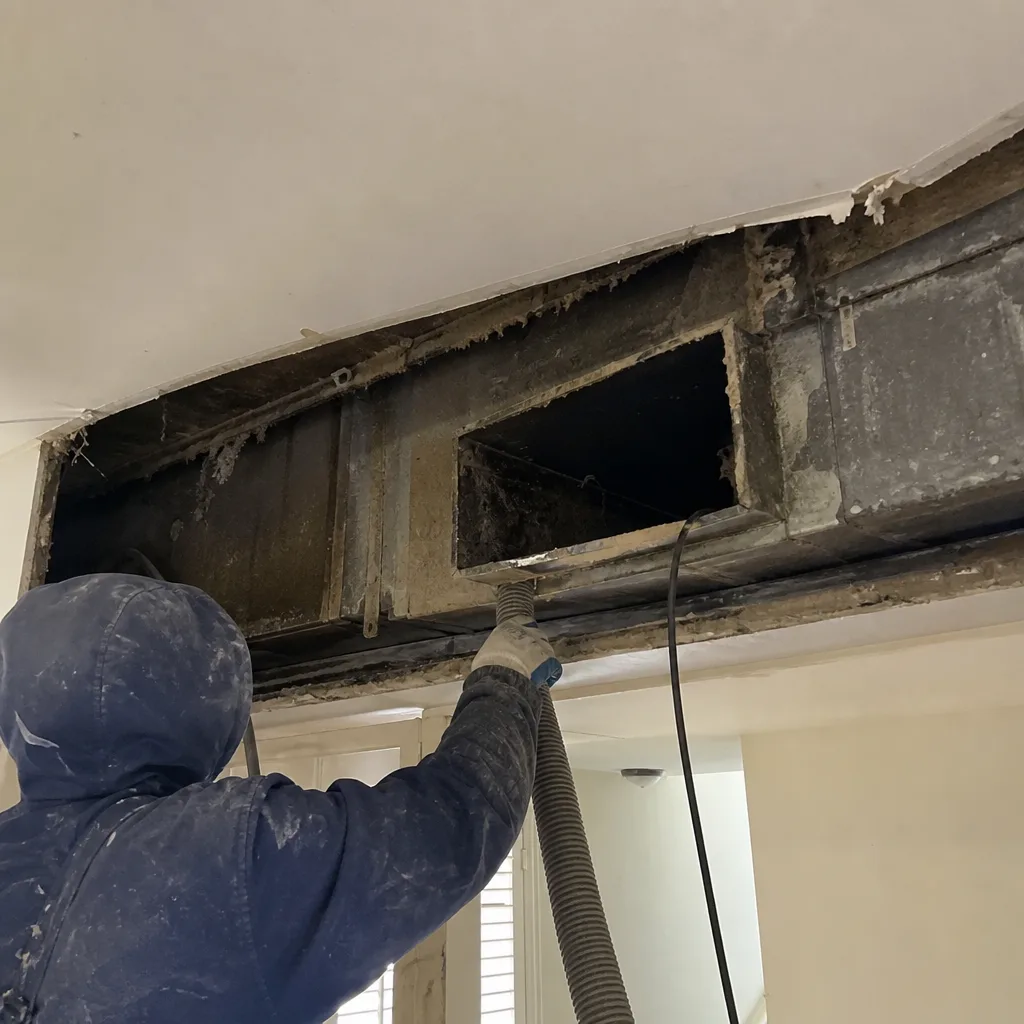 Before
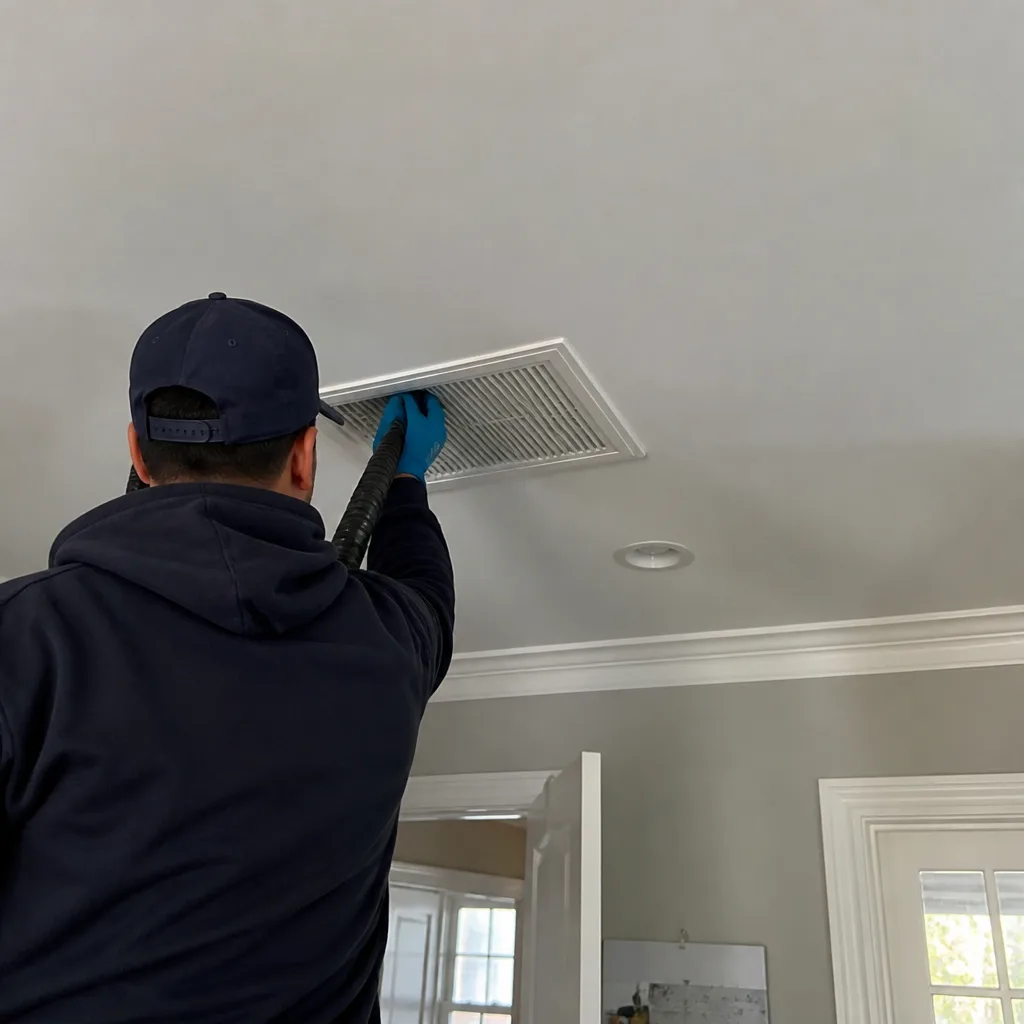 After
After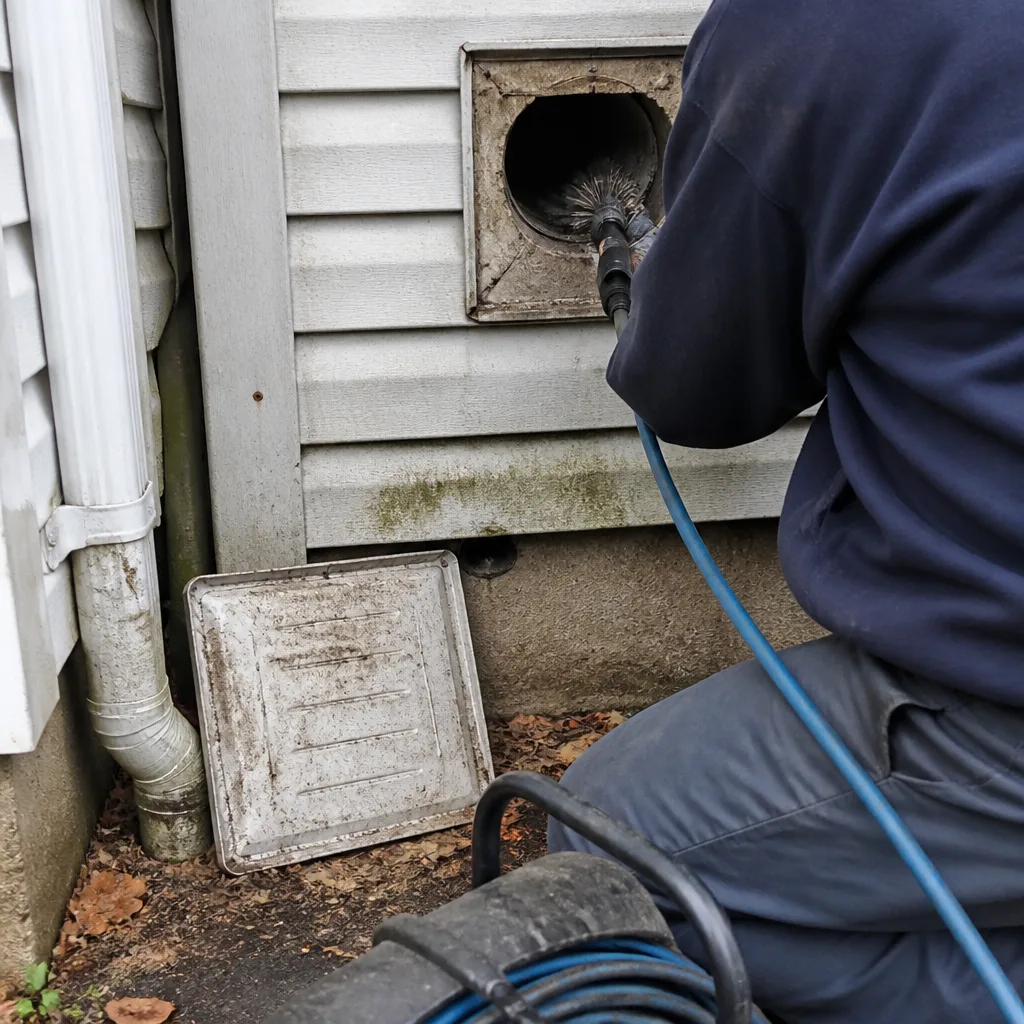 Before
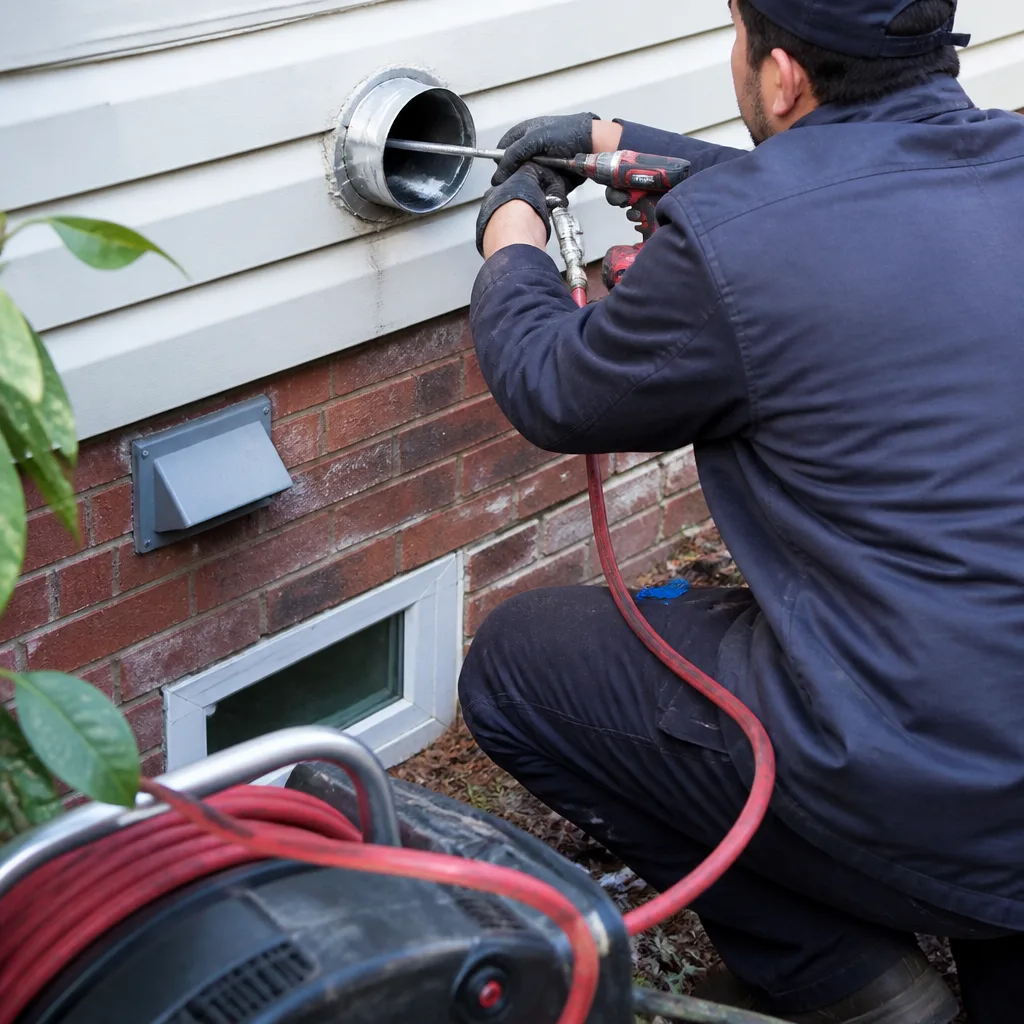 After
After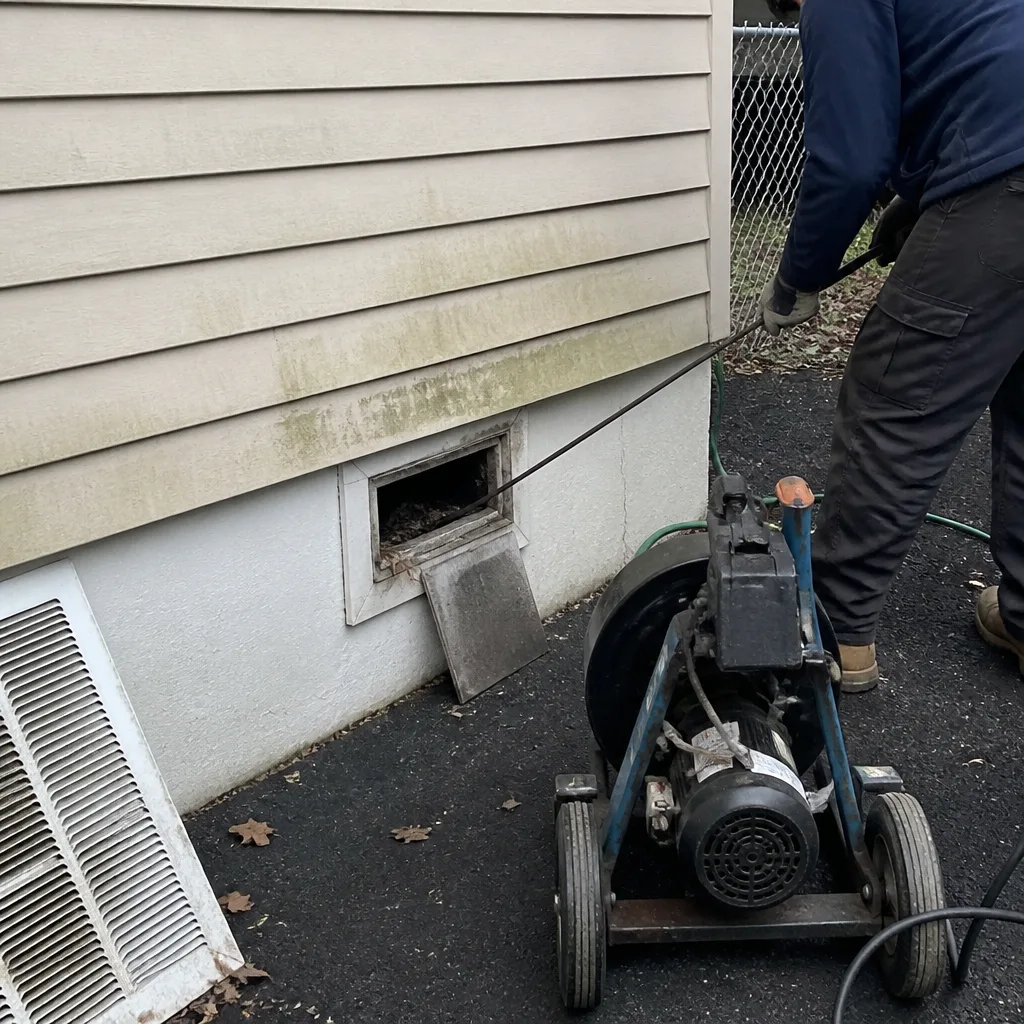 Before
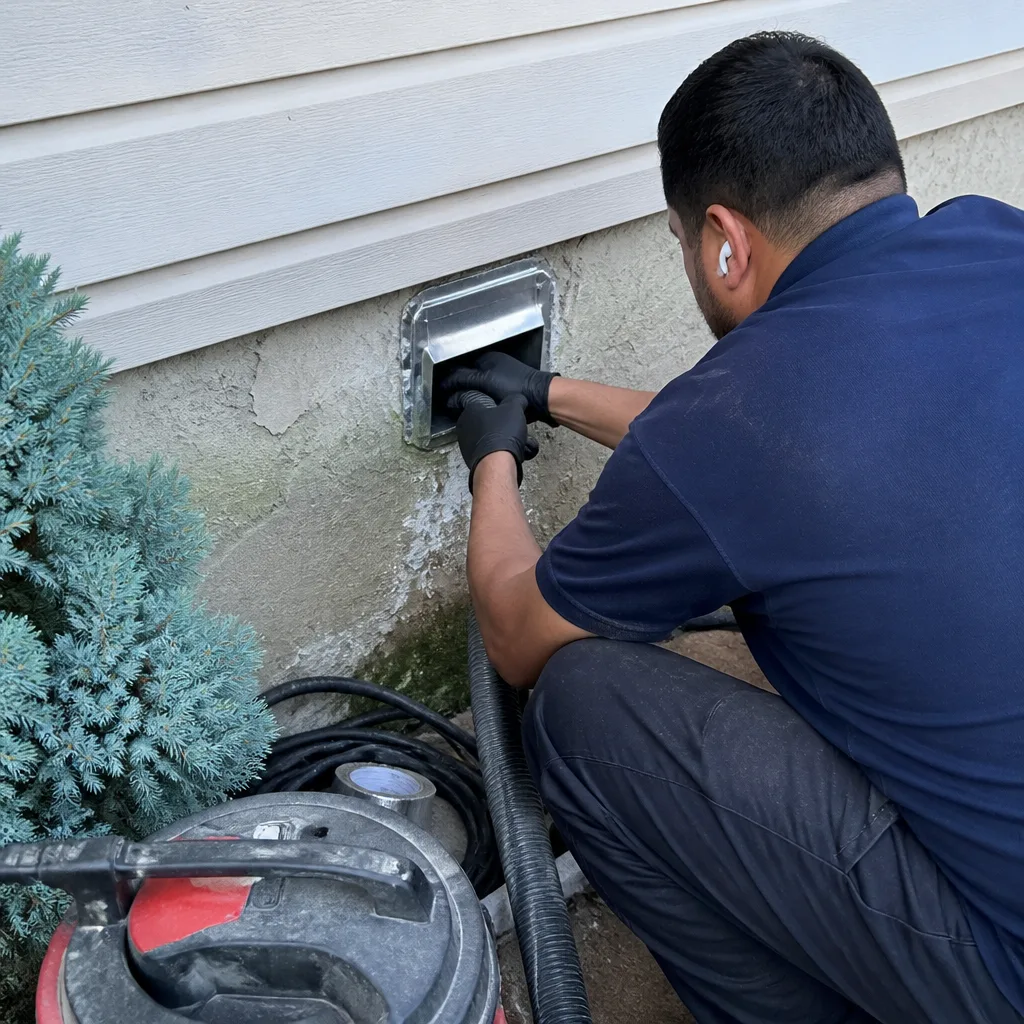 After
AfterGuardsman Register & Grille Cleaning: The New York City Owner’s Guide
We stock and install Guardsman-compatible register and grille cleaning systems across New York City, with most replacements priced between $185 and $420 installed, depending on register count, material, and access. Our trucks carry Guardsman and Guardsman-spec aftermarket registers on board, which means most New York City jobs are completed in a single visit with the written price confirmed before any panel comes off. We’re an independent service provider, not affiliated with Guardsman, but we’ve worked with their product line long enough to know exactly which registers fit which runs and where the cheap substitutes fail first.
The way New York City owners usually discover this problem: a register that no longer sits flush, a grille with bent or snapped fins, or a bedroom that stopped getting air because the register’s internal damper blade broke free. You notice the airflow drop, then you look closer, and the metal is warped or the finish has corroded beyond cleaning. In older buildings, it’s often the cast-iron or painted steel floor registers that have been walked on since the Clinton administration. In newer renovations, it’s flimsy stamped aluminum grilles that got stepped on once too many times.
Which Guardsman Models This Applies To
Guardsman manufactures registers and grilles in three main series that appear regularly in New York City apartments, townhouses, and brownstone renovations: the GS stamped-steel line, the GAL extruded-aluminum line, and the RW return-air grille line. The GS series is the most common in prewar buildings, using a standard 2¼-inch and 3¼-inch duct opening height. The GAL series is what we see in higher-end Manhattan and Brooklyn renovations, with a smoother blade pivot that holds position better over time. The RW series covers return-air wall grilles and includes a filter-backed variant that matters if you have a central return.
Here’s the compatibility gotcha that trips up a lot of New York City owners: the screw placement on Guardsman registers does not always match the generic big-box replacements. Guardsman punches its mounting holes on a slightly wider center, so if you buy a no-name register from a hardware store in Queens, you’ll end up drilling new holes into the floor or wall, or worse, the new register will rock because it’s resting on an uneven lip. We match the hole pattern in writing before ordering, or we bring the exact Guardsman-compatible register off the truck. The OEM-versus-aftermarket decision for Guardsman comes down to the finish. Guardsman’s OEM painted finishes hold up better against New York’s radiator-dried winter air and window-unit humidity swings than most aftermarket powder coats, but a well-made aftermarket register from a trade supplier can match the fit if you verify hole spacing and blade depth first. We’ll show you the difference in writing before you spend a dollar.
Signs Your Guardsman Register & Grille Cleaning Is Failing
- Blades won’t hold position. The internal friction pivot or damper blade has worn loose, so the register won’t stay open, closed, or aimed. In the GAL series, this usually means the nylon pivot bushing has cracked after years of repeated adjustment.
- Visible rust or finish flaking. In prewar New York City buildings with steam heat, condensation from the radiator cycle settles on the register face. Once the factory finish is breached, the steel underneath rusts fast, and no amount of cleaning brings it back.
- Airflow is noticeably weak in one room. The damper blade has separated from its spindle, so the blade sits closed even though the lever shows open. You’re paying to heat or cool a room that isn’t receiving air.
- The register no longer sits flush. The outer frame has bent, usually from foot traffic or a dropped object, and now air leaks around the perimeter. This is common with floor registers in narrow New York City hallways and doorways.
- A return grille has cracked at the filter clip. On the RW series, the filter channel is the weakest point. Once it cracks, the filter sags against the return opening, restricting airflow and letting unfiltered air bypass the media entirely.
BeforeAfterReplacement Cost & What’s Included
In New York City, a single Guardsman-compatible register replacement runs $85 to $160 installed. A full set for a three-bedroom apartment or townhouse, including return grilles, typically lands between $185 and $420. The range depends on register size, material (stamped steel versus extruded aluminum), and whether we’re matching an existing finish or switching to a more durable finish that holds up better against radiator condensation.
Every quote is a written price before work starts, in line with Haven Standard Clause 1. That price includes the part, the labor, removal of the old register, proper seating of the new one, and a documented photo record of the installed register and the duct opening behind it. We don’t charge per-vent add-ons or surprise disposal fees. The work is backed by our 365-Day Done Right Promise, which is a written guarantee, not a discretionary policy. If the register doesn’t seat or finish isn’t right, we make it right.
DIY or Call Us?
Replacing a register or grille isn’t inherently dangerous, unlike working on gas lines or electrical panels, and some owners in New York City will handle a simple swap themselves. What you can safely check: measure the duct opening (width and height, to the nearest eighth of an inch), confirm the number and position of mounting screws, and assess whether the old register has a damper blade or is a fixed grille. Those three details determine compatibility.
Where DIY goes wrong is the part purchase. Buying a generic register that doesn’t match the Guardsman screw pattern means drilling new holes into finished flooring or a plaster wall. If the new register doesn’t seat tightly, the air leak wastes energy and pulls dust through the gap. And if the old register is rusted, the duct opening behind it may need a quick cleaning, which most owners understandably don’t want to handle. Call (806) 606-6902. We’ll bring the right part, show you the written price, and have it done in one visit.
FAQs
A properly maintained Guardsman register lasts 12 to 18 years in a typical New York City apartment, but registers in steam-heated buildings or near window AC units often show finish degradation in 6 to 8 years because the condensation cycle is relentless. The photo tells you what’s in there. Everything else is just paperwork. Call (806) 606-6902 for an exact assessment of your specific registers and a written replacement price.
Lightly bent blades can sometimes be re-aligned, and a minor surface scratch can be touched up, but a rusted frame or a broken damper pivot is not repairable in any lasting way. Once the metal is compromised, replacement is the honest fix. We’ll show you the damage on camera before recommending a purchase.
A straightforward single-register swap takes 20 to 40 minutes. A full set across several rooms, including return grilles and a quick inspection of each duct opening, is usually done in under two hours. We don’t charge by the hour; we charge the written price you approved before we started.
We stock the most common Guardsman-compatible sizes and finishes on our trucks, including the GS and GAL series in standard widths. If your building requires an unusual size or a specific architectural finish, we source it through trade suppliers alongside our other stocked brands, including Lennox, Trane, and Carrier, and we show you the written price before ordering. Call (806) 606-6902 and we’ll confirm what we have for your specific opening.
Written by Tomas Reyes, Owner & Lead Technician, CleanRun Air Duct Cleaning at CleanRun Air Duct Cleaning, serving New York City and nearby areas.