
Whole-system duct and dryer vent check with before-and-after photos - you see exactly what came out of your vents
That "$99 whole-house special" is a bait ad - the real number appears once they are in your hallway, or the "clean" is a shop-vac at the register. We photograph the inside of your ducts before and after instead.
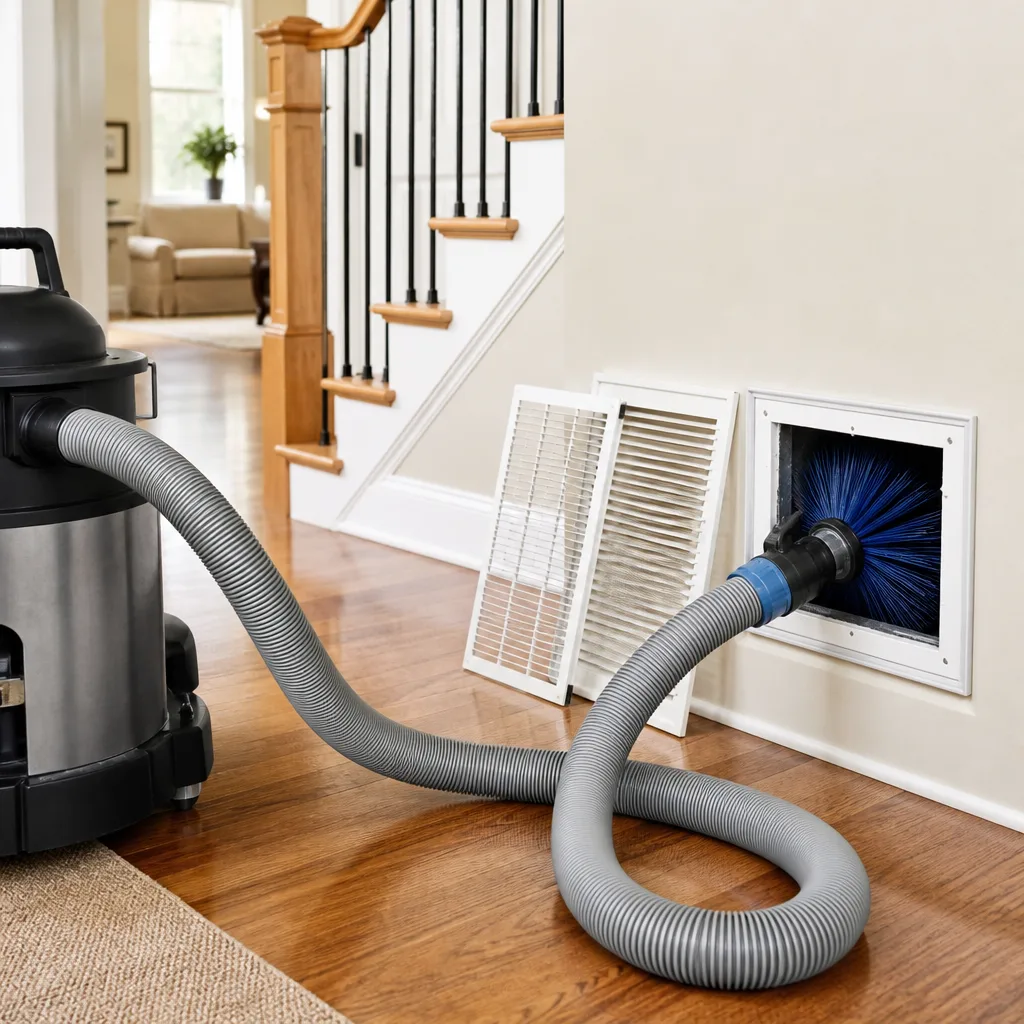
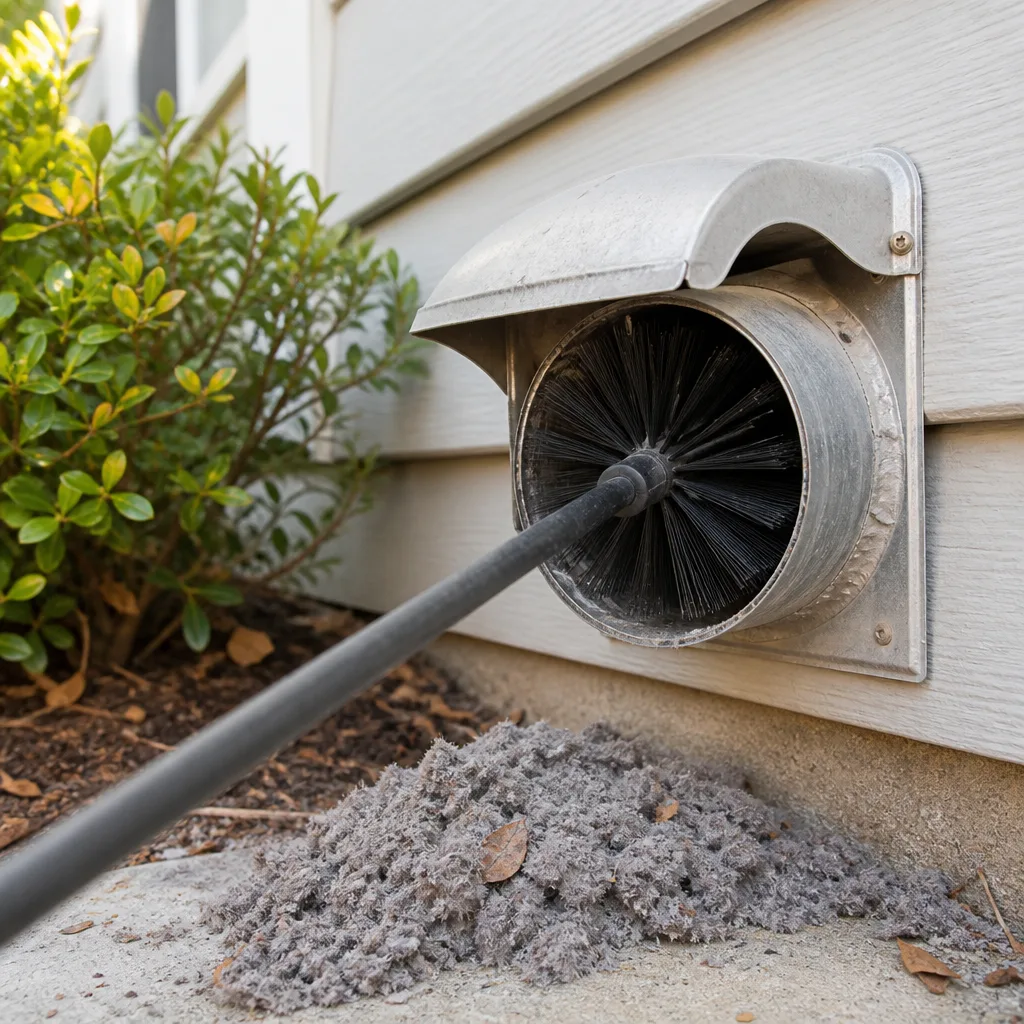
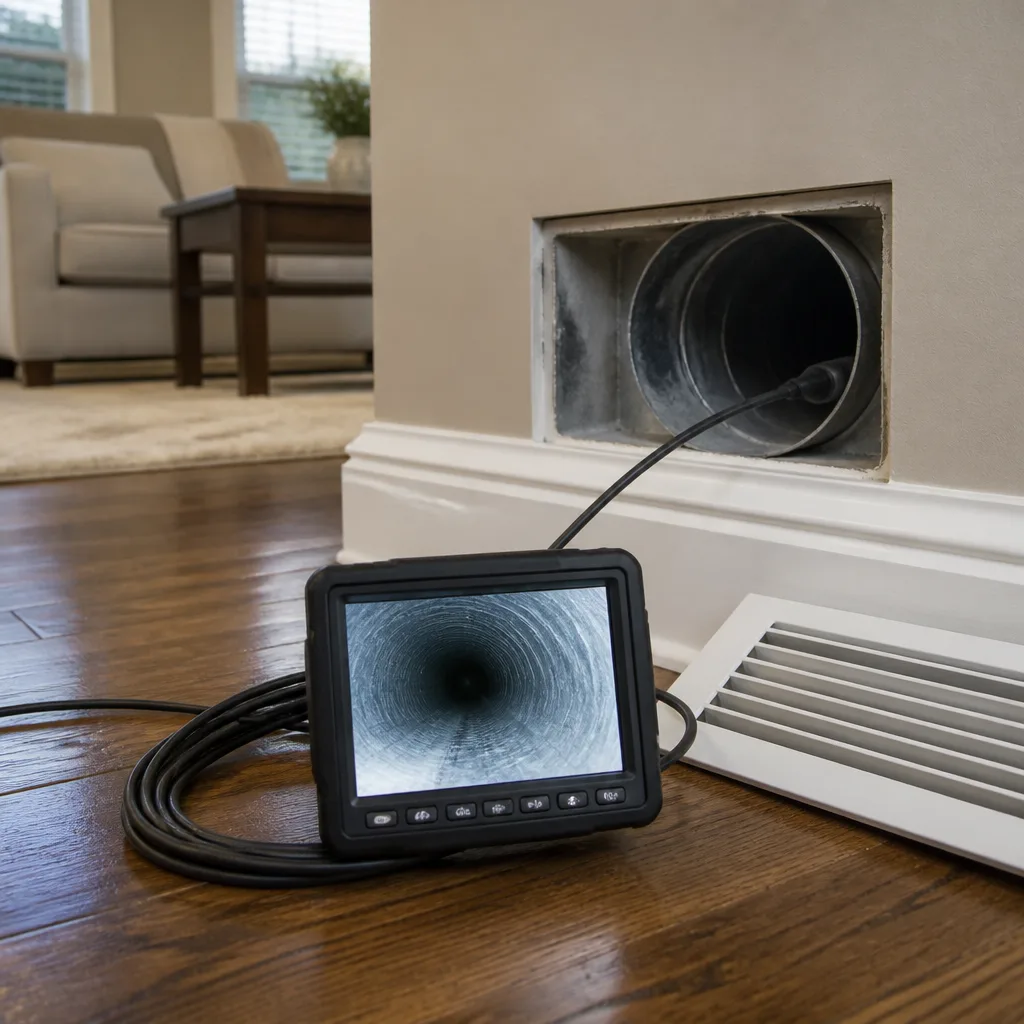
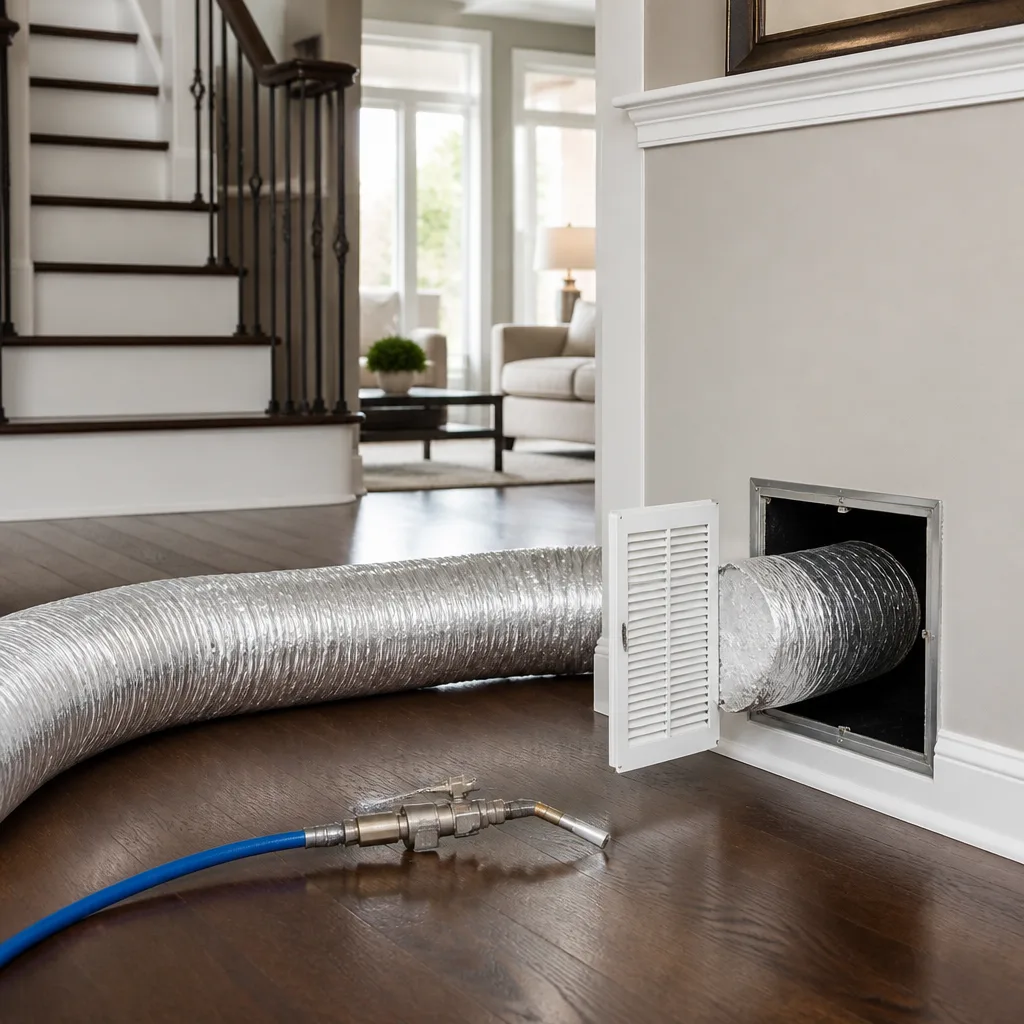
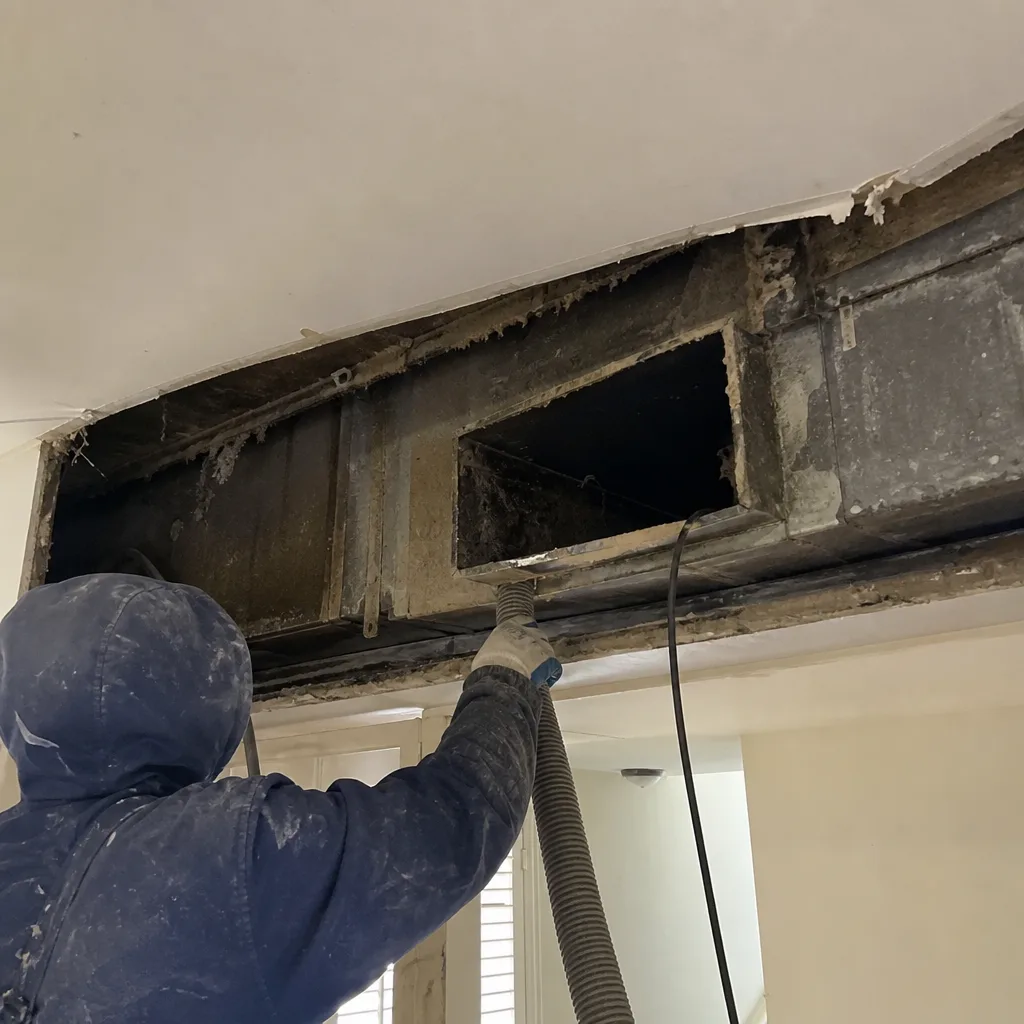 Before
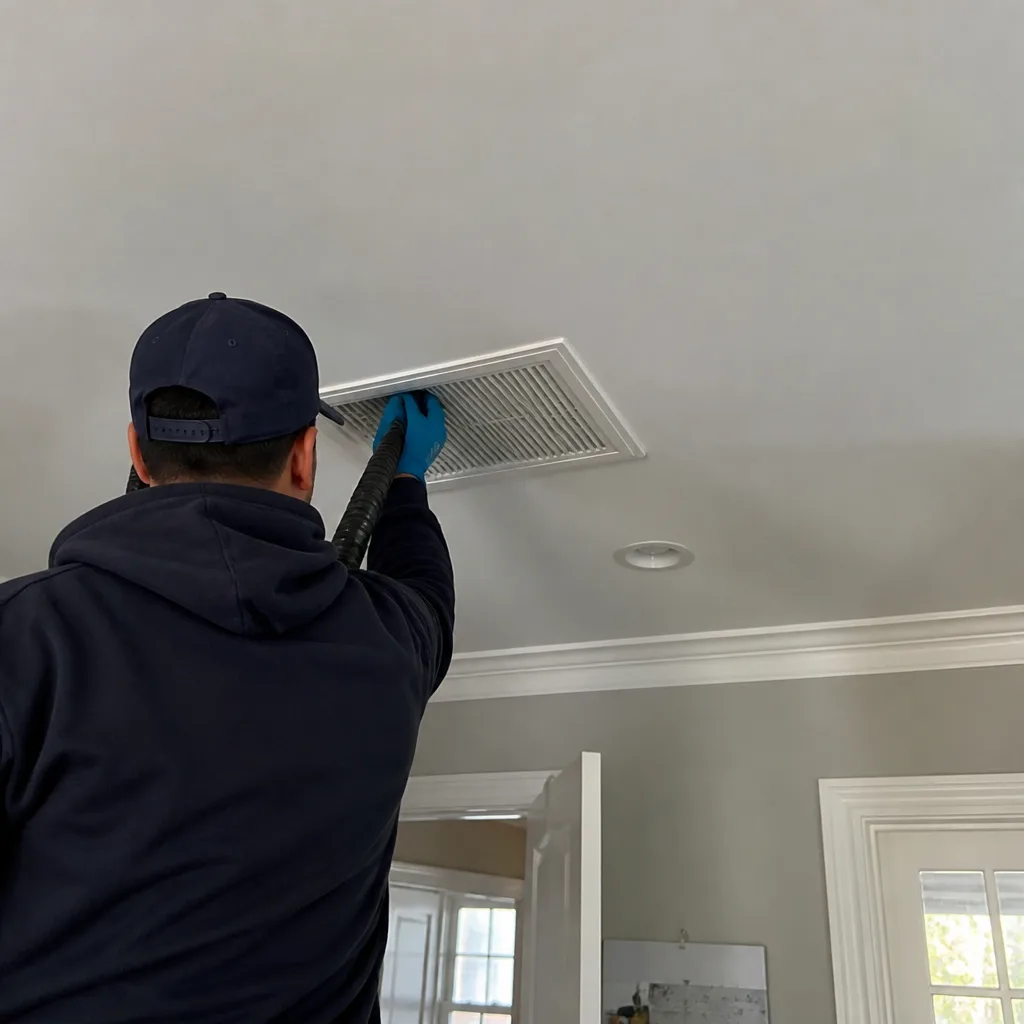 After
After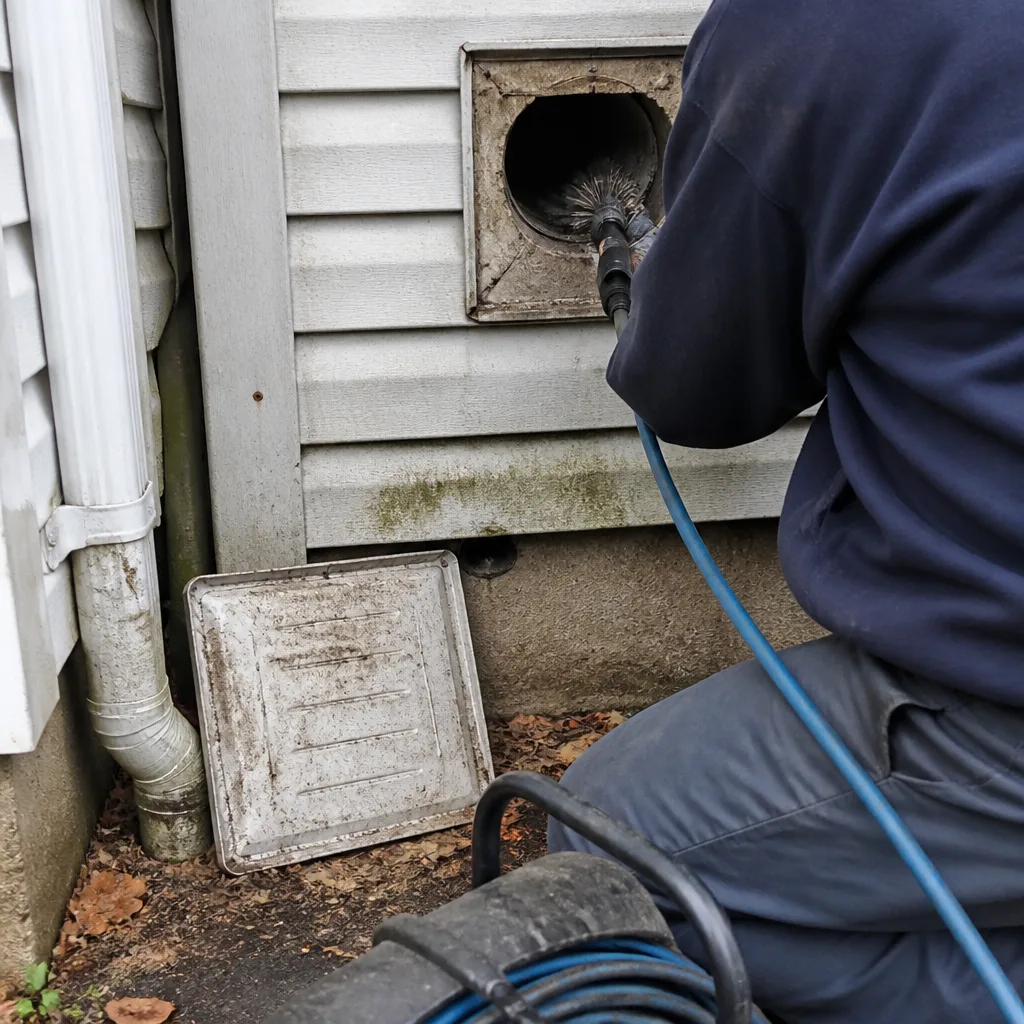 Before
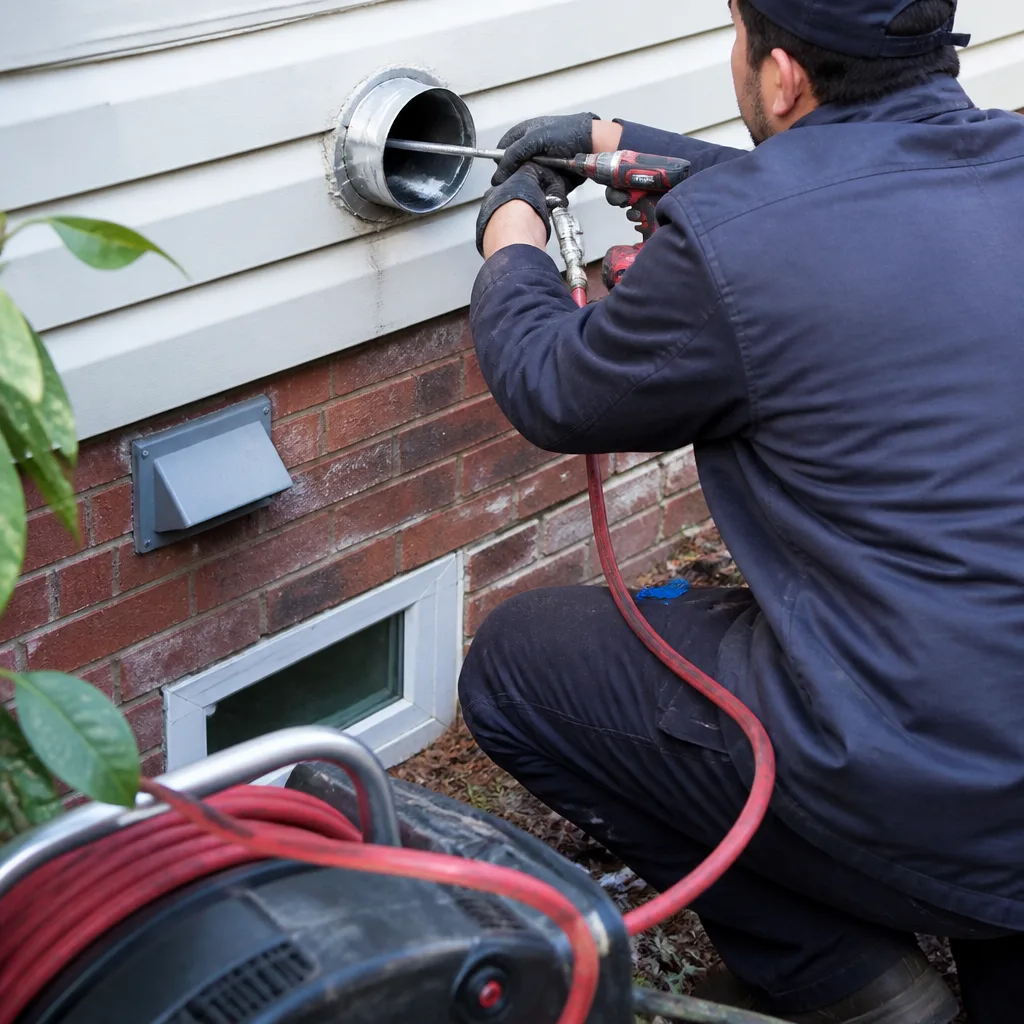 After
After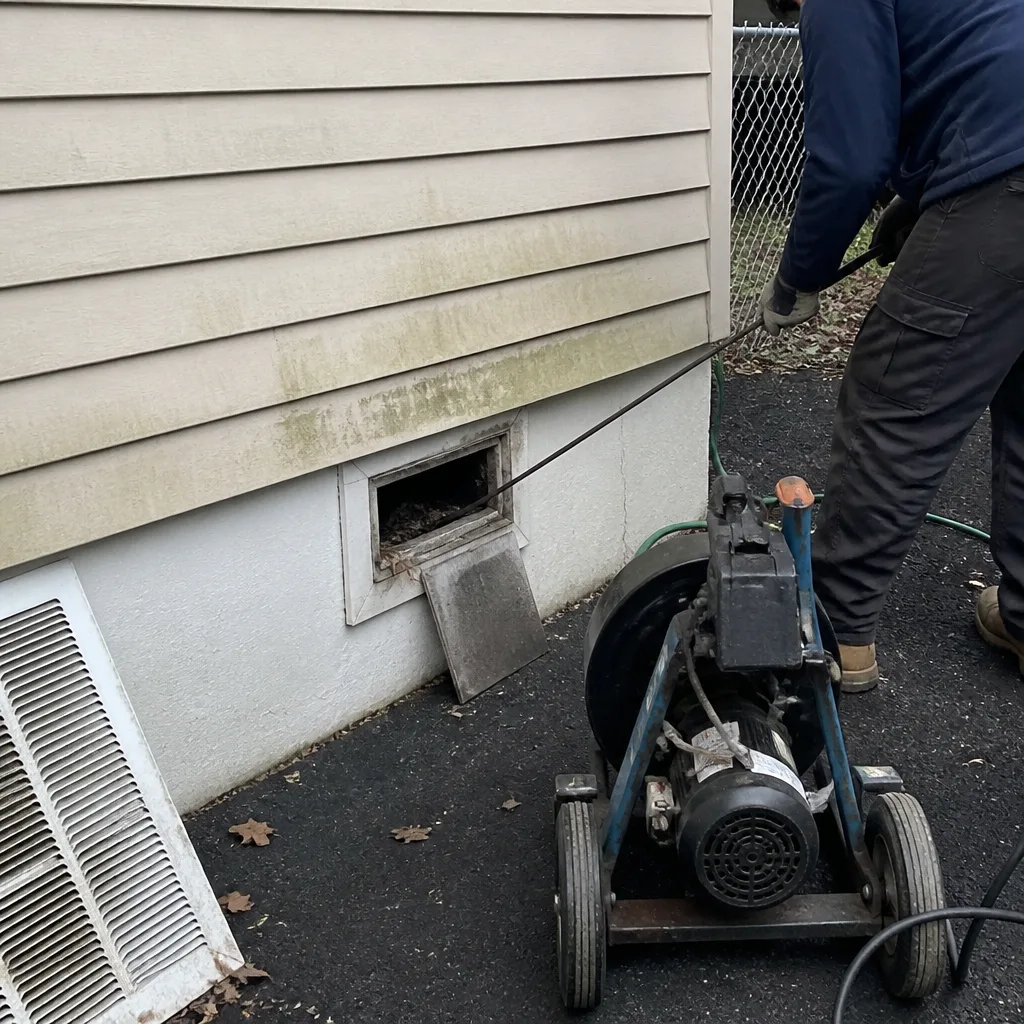 Before
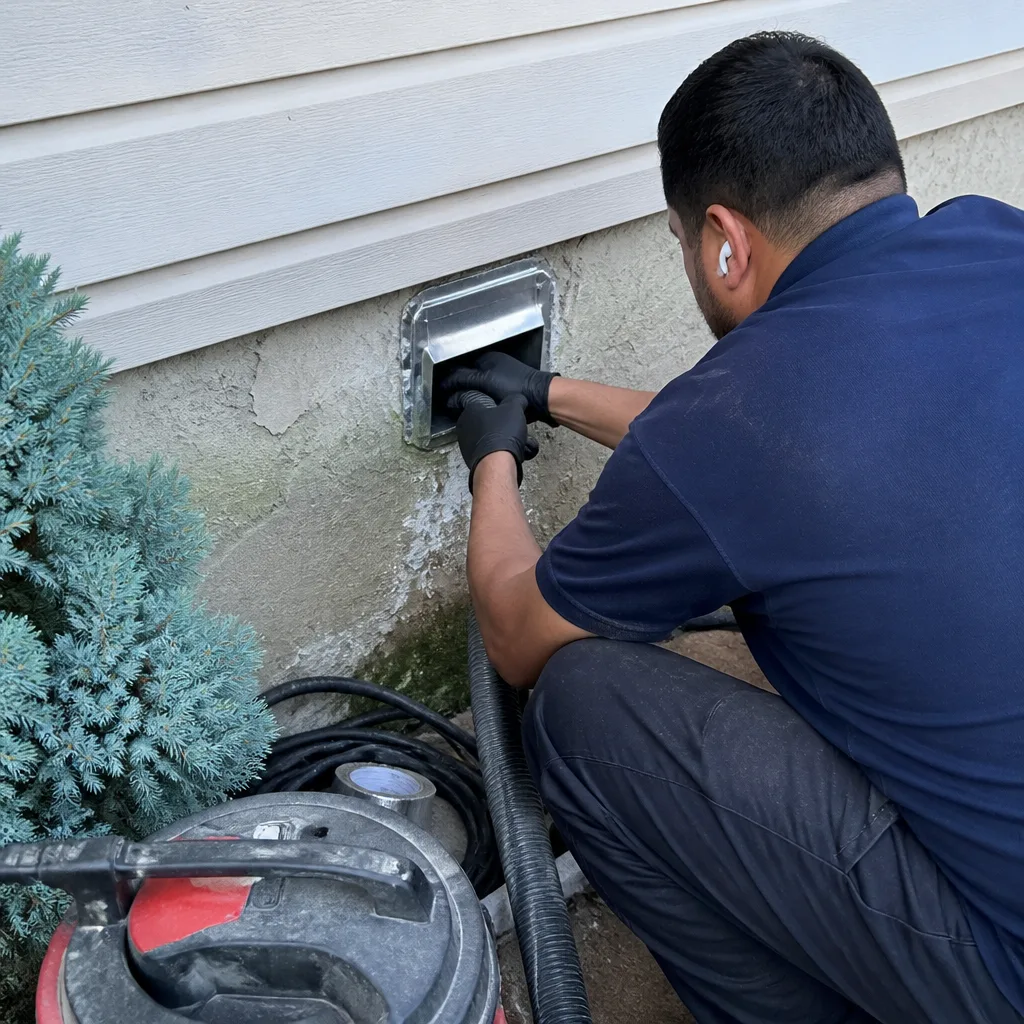 After
AfterAprilaire Coil Cleaning: The New York City Owner’s Guide
Aprilaire evaporator coil cleaning in New York City typically runs $380 to $690 installed, depending on access difficulty and how long the coil has been neglected. We stock Aprilaire-compatible cleaning chemistry and coil-specific tools on our trucks, so most jobs in the five boroughs are completed in a single visit. Most homeowners call after noticing the system runs longer than it used to, or after a technician flags restricted airflow across the coil during a seasonal check.
Here’s what’s actually happening: the evaporator coil in your Aprilaire-compatible air handler sits downstream of the filter, but no filter catches everything. Fine particulate, cooking oils, and the gray film of a New York City apartment’s shared hallway air all settle on the wet coil surface. That film bakes on, insulates the coil, and reduces heat transfer. The result is higher static pressure across the coil, longer run times, and a compressor working harder than it should. We clean it with the same approach Tomas Reyes has used since his first jobs in Queensborough: camera inspection first, written scope second, no work until you’ve seen what’s on the coil.
Which Aprilaire Models This Applies To
Aprilaire doesn’t manufacture evaporator coils as a standalone consumer product, but the Aprilaire name appears on a range of whole-home dehumidifiers, air purifiers, and ventilation systems that are installed inline with a central HVAC system. The coil in question is almost always the evaporator coil on the air handler or furnace that those Aprilaire components connect to. If you have an Aprilaire Model 1850, 1870, or E100 dehumidifier paired with a central system, or an Aprilaire 5000 electronic air cleaner mounted upstream of the coil, the coil downstream needs periodic cleaning.
The compatibility gotcha most owners miss: a dehumidifier or air cleaner that conditions air before it reaches the coil changes what lands on the coil surface. Aprilaire dehumidifiers pull air across their own internal evaporator, which means less latent load on the main coil but more fine particulate settling on the Aprilaire unit’s internal surfaces. Both need cleaning, and the cleaning intervals differ. We match the cleaning approach to the specific Aprilaire model in the system, not a generic coil spray and rinse. If the coil is on a Carrier, Lennox, or Trane air handler with Aprilaire accessories upstream, the coil cleaning protocol follows the coil manufacturer’s spec, not the accessory’s.
To identify your coil for cleaning, look for the model tag on the air handler cabinet or the coil housing itself. We need that number to confirm coil dimensions, fin density, and whether the coil is slab-style or A-style. Aprilaire’s own filters trap down to MERV 11, which keeps larger debris off the coil, but the sub-1-micron film that gets through is exactly what bakes onto coil fins and kills efficiency.
Signs Your Aprilaire Coil Cleaning Is Failing
- Longer run times to reach set temperature. A fouled coil has a lower heat transfer coefficient, so the system must run longer to move the same BTUs. In a New York City heat wave, that shows up as an AC that never quite shuts off in the late afternoon.
- Higher humidity indoors. A dirty coil doesn’t pull as much moisture out of the air before it returns to the living space. If you’re running a dehumidifier because the central system stopped handling it, the coil is the usual suspect.
- Frozen coil or frozen suction line. Restricted airflow across the coil drops the coil temperature below freezing. When the coil ices over, it blocks airflow further, and the AC stops conditioning air entirely. In older New York City buildings with restrictive ductwork, this failure comes faster.
- Dust on supply registers or a stale smell at start-up. A wet, dirty coil becomes a collection point for whatever is in the return air. When the blower kicks on, some of that breaks loose and travels through the supply runs.
- Rising energy bills without a corresponding weather change. A coil that’s even moderately fouled forces the compressor to run against a higher refrigerant head pressure. The compressor is still cooling, but it’s working harder for the same result.
BeforeAfterReplacement Cost & What’s Included
Coil cleaning is a service, not a part replacement, and the New York City price range reflects access and condition more than anything else. A straight, accessible coil in a well-maintained system lands at the lower end of the $380 to $690 range. A coil that hasn’t been cleaned in years, sits in a tight closet air handler, or shows visible corrosion requires more time, more chemistry, and sometimes coil-fin straightening before cleaning begins.
Every CleanRun coil cleaning starts with a written price, per Haven Standard Clause 1. That price covers camera inspection of both sides of the coil, coil-specific cleaning chemistry applied at manufacturer-specified dilution, rinse and condensate line clearance, before-and-after photos of the coil surface, and a written scope of what we did. No per-fin pricing, no upcharge for chemistry we should have brought anyway. The 365-Day Done Right Promise applies to coil cleaning the same way it applies to ductwork: if the coil re-fouls within a year under normal operation, we make it right in writing.
DIY or Call Us?
What an owner can safely do: check the filter, check the condensate line for standing water, and look at the coil through the access panel with a flashlight. If the coil is visibly matted, that’s what it is. What you should not do is spray grocery-store cleaner into the coil fins. Coil cleaning chemicals are acidic or alkaline, they require rinsing, and they belong downstream of the coil, not in the blower motor or the furnace burners. Aluminum fins bend with a finger touch. The photo tells you what’s in there. Everything else is just paperwork.
What we see after DIY attempts is usually a coil with glued-on cleaner residue and fin damage from a household brush. It costs less to clean it right the first time than to repair the damage from a weekend workaround. We’ll show you the photo before and after, and we’ll tell you what the debris composition says about the rest of the system. If you want us to take a look, call (806) 606-6902 and we’ll schedule a written estimate.
FAQs
How often does an Aprilaire coil actually need cleaning?
Every 3 to 5 years in a typical New York City residence, but in buildings with shared corridor air, construction dust, or smokers in adjacent units, we’ve seen coils need attention inside 18 months. The camera tells you, not the calendar.
Can a damaged Aprilaire coil be repaired instead of cleaned?
If the coil is leaking refrigerant, cleaning won’t fix it. We’ll test for leaks with an electronic detector, and if the coil is beyond cleaning, we’ll tell you before any cleaning chemistry goes on. A written price shapes the next decision.
How long does coil cleaning take?
Most coil cleanings run 2 to 3 hours, including dry-down and a system test to confirm airflow is back where it should be. Access is the variable: a coil in a tight Manhattan closet air handler takes longer than one in a suburban utility room.
Do you stock Aprilaire coil cleaning supplies on the truck?
Yes. We carry Aprilaire-compatible cleaning chemistry, coil-specific brushes, and fin straightening tools from manufacturers that include Rotobrush, Nikro, and Abatement Technologies. If your Aprilaire dehumidifier or air cleaner needs internal cleaning, we handle that as part of the same visit.
Call (806) 606-6902 for a written estimate on Aprilaire coil cleaning in New York City. We’ll show you the coil before we touch it, and we’ll hand you the photo record before we leave.
Written by Tomas Reyes, Owner & Lead Technician, CleanRun Air Duct Cleaning at CleanRun Air Duct Cleaning, serving New York City and nearby areas.