
Whole-system duct and dryer vent check with before-and-after photos - you see exactly what came out of your vents
That "$99 whole-house special" is a bait ad - the real number appears once they are in your hallway, or the "clean" is a shop-vac at the register. We photograph the inside of your ducts before and after instead.
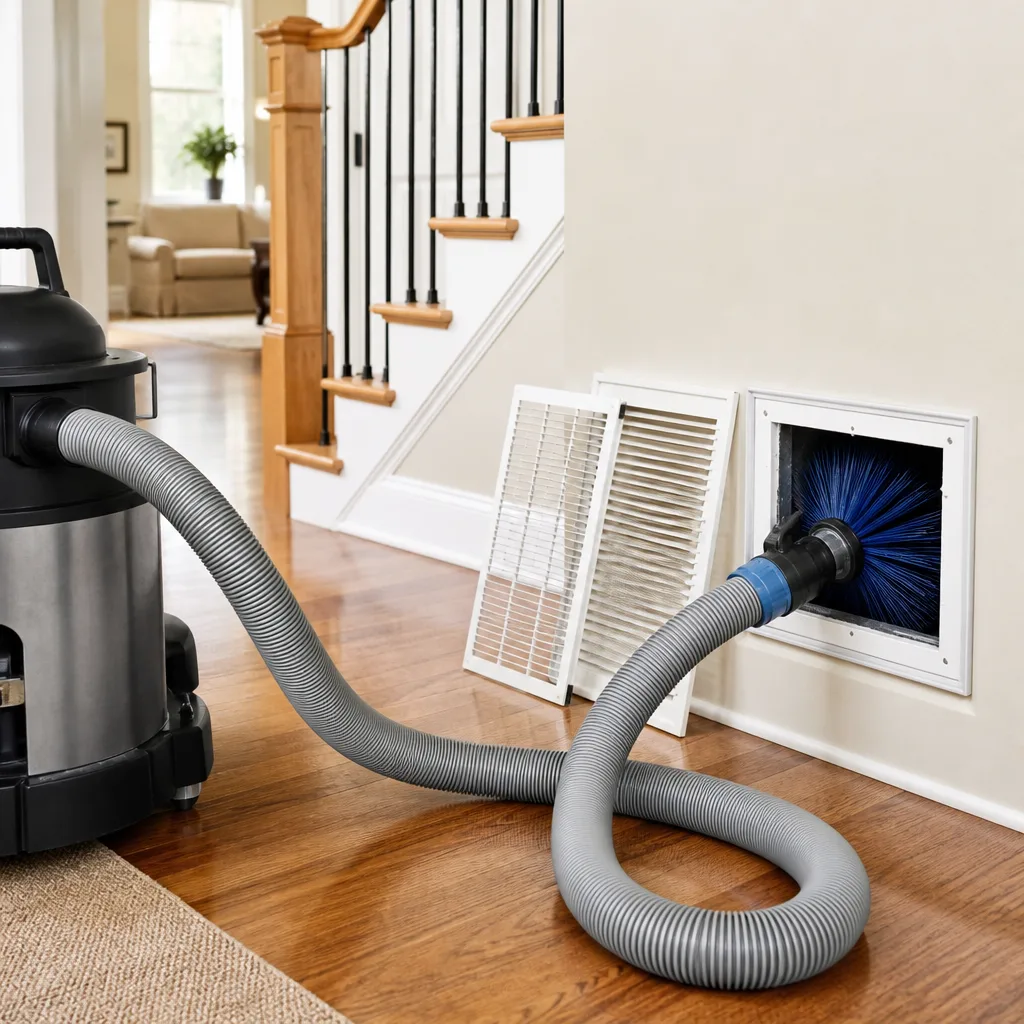
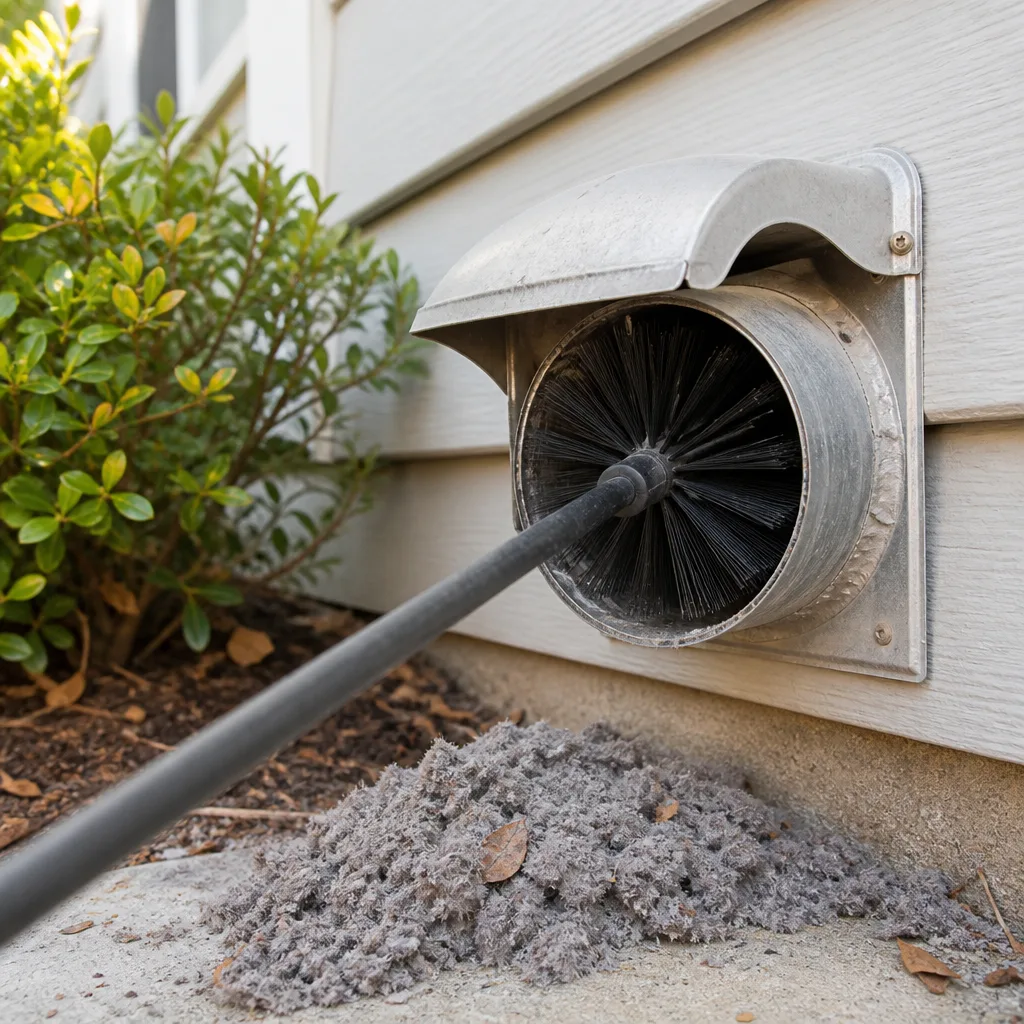
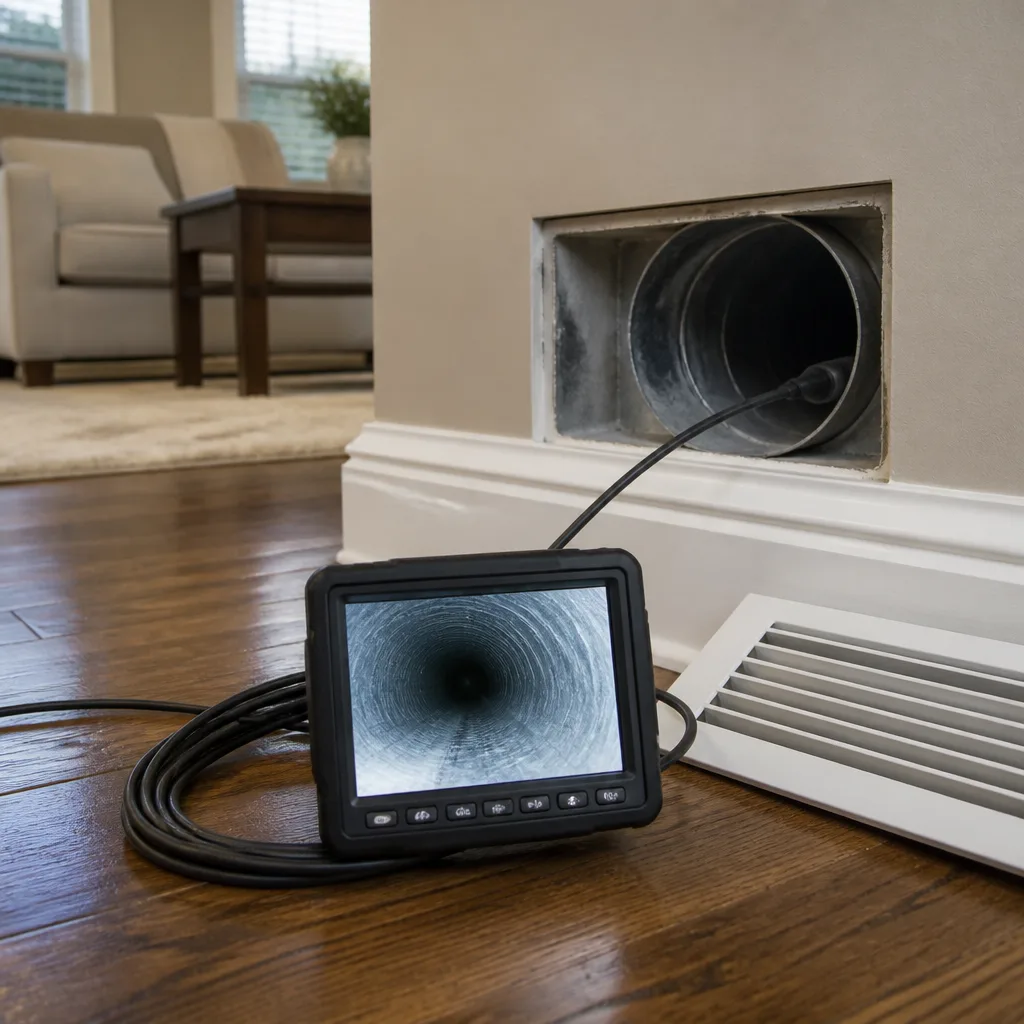
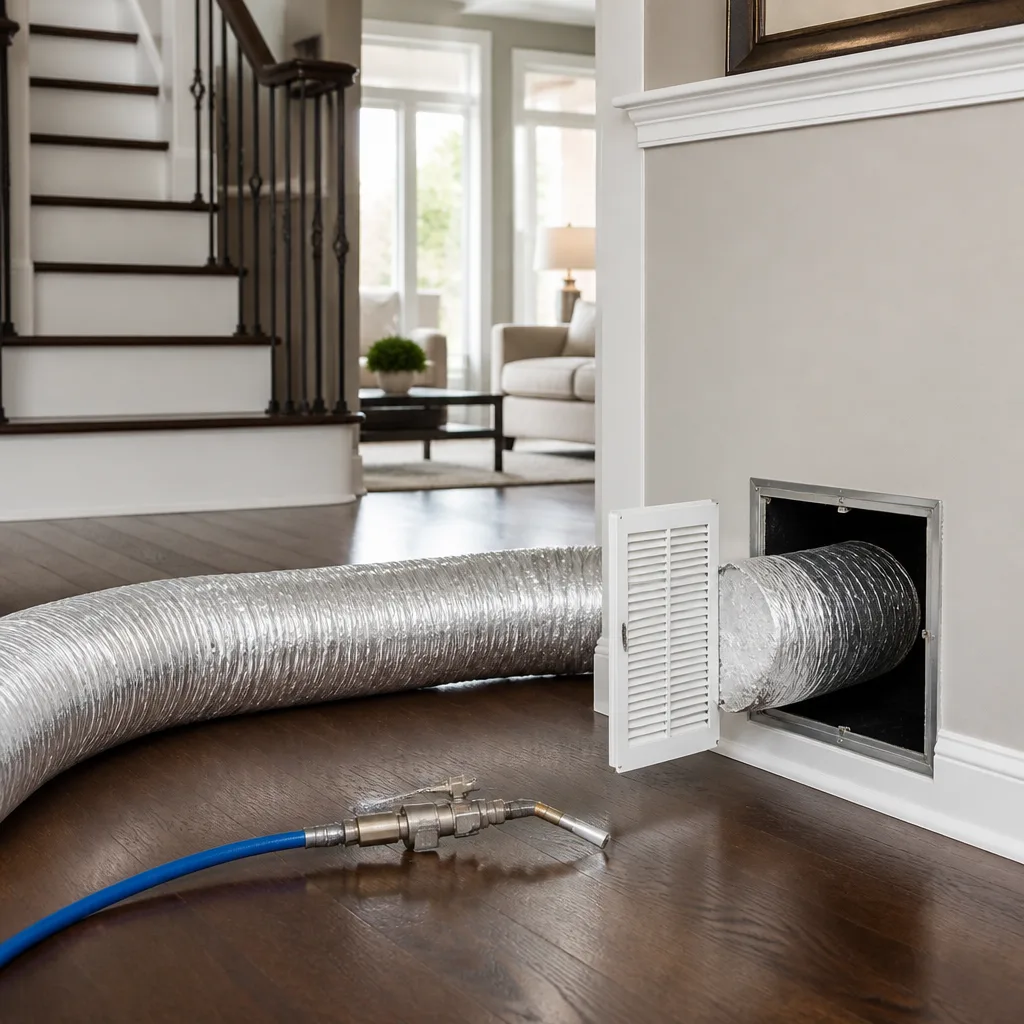
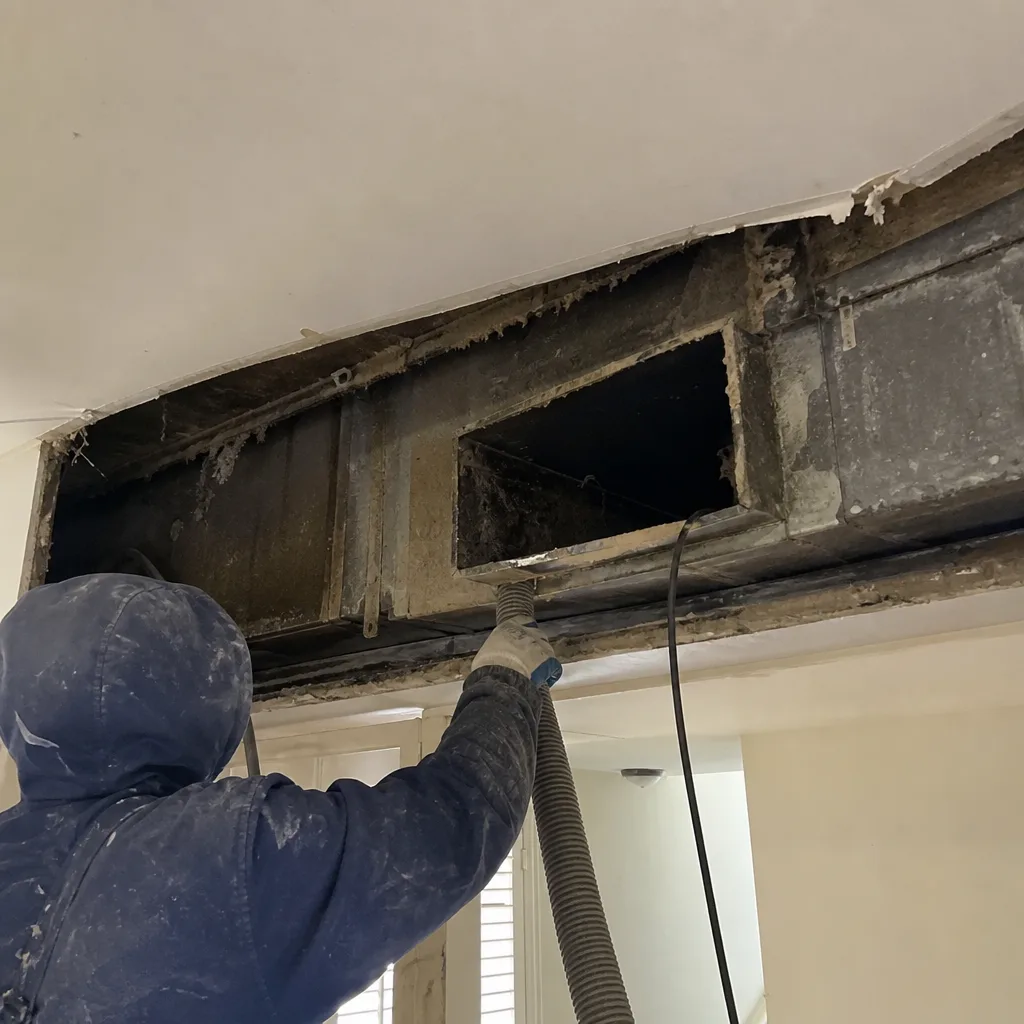 Before
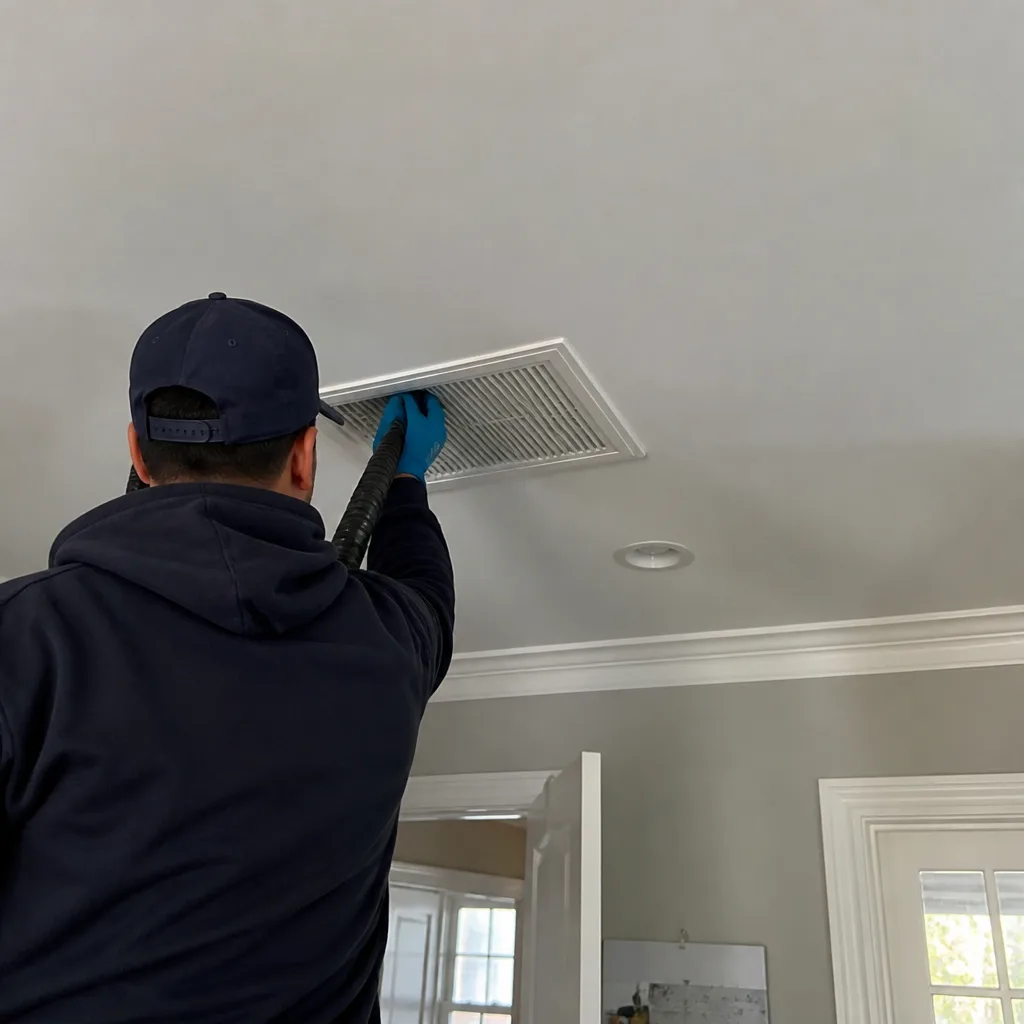 After
After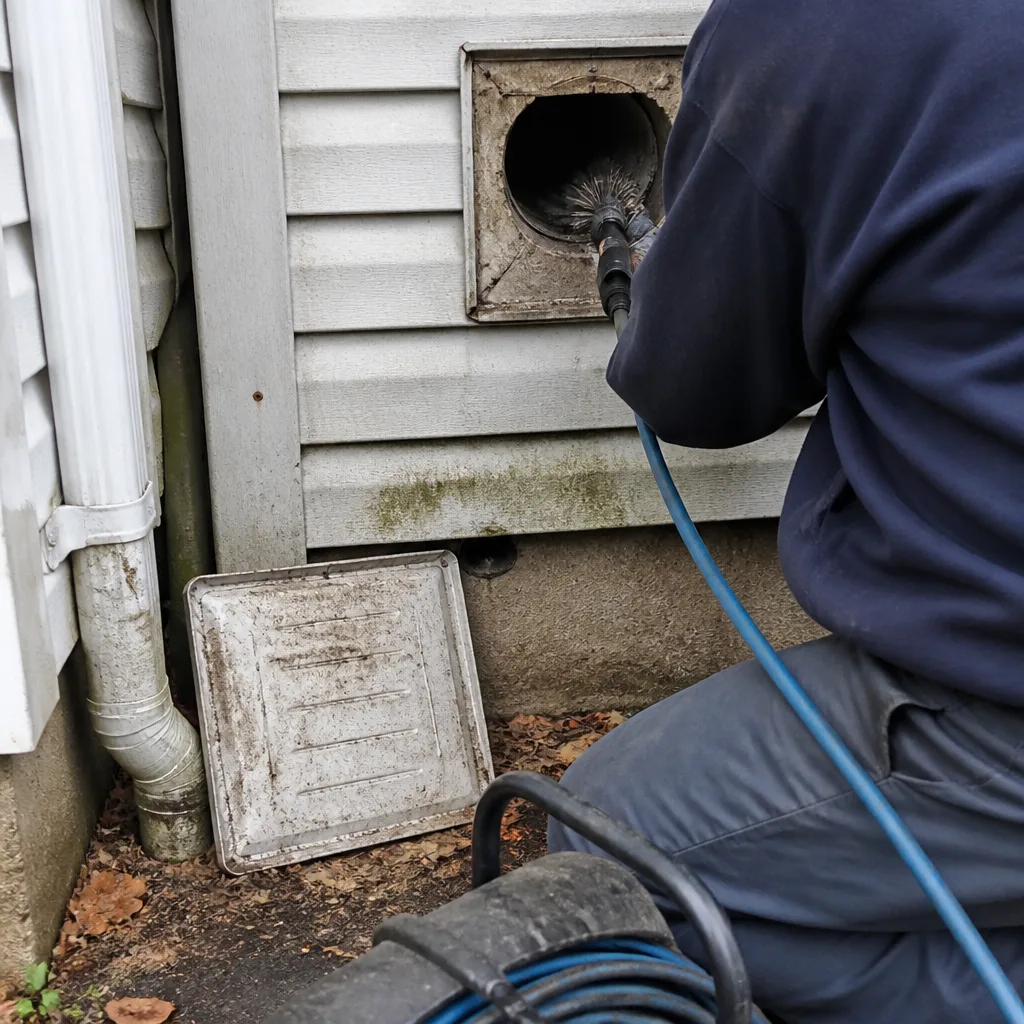 Before
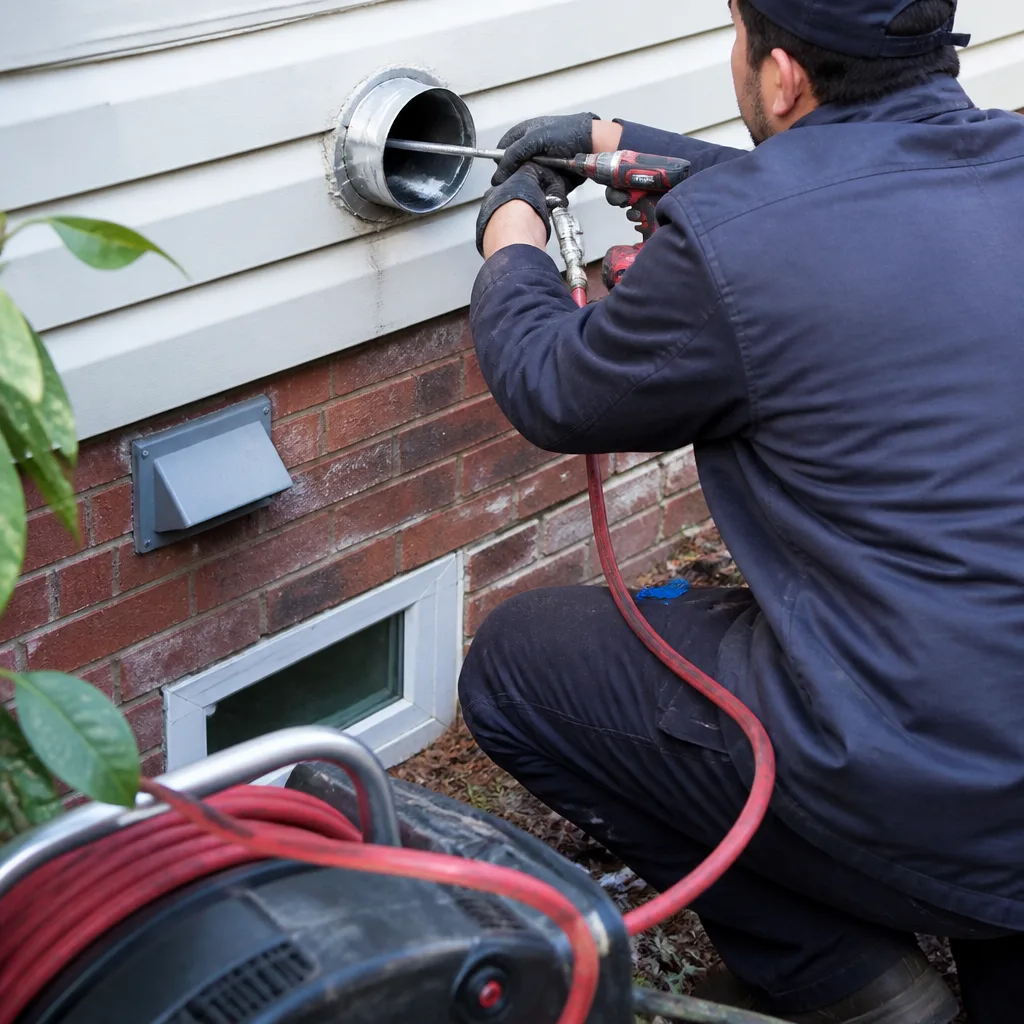 After
After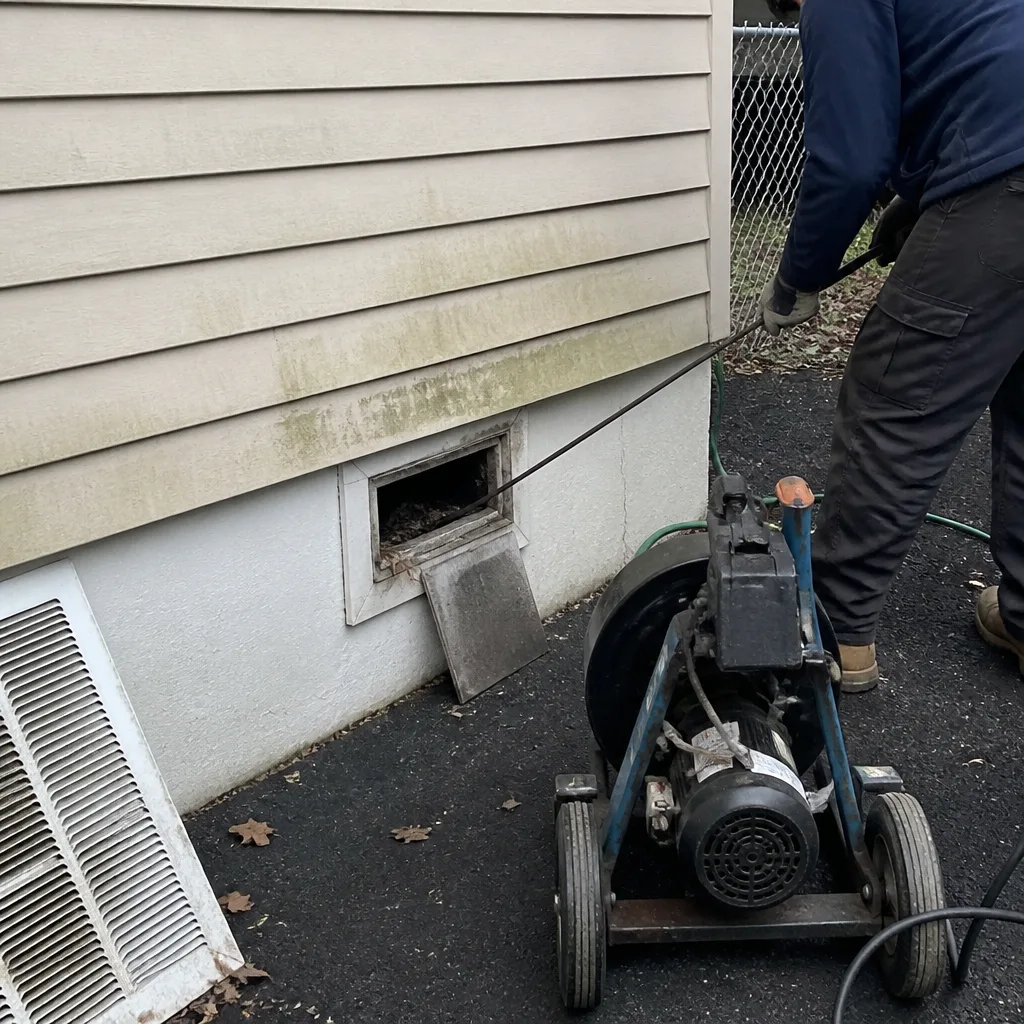 Before
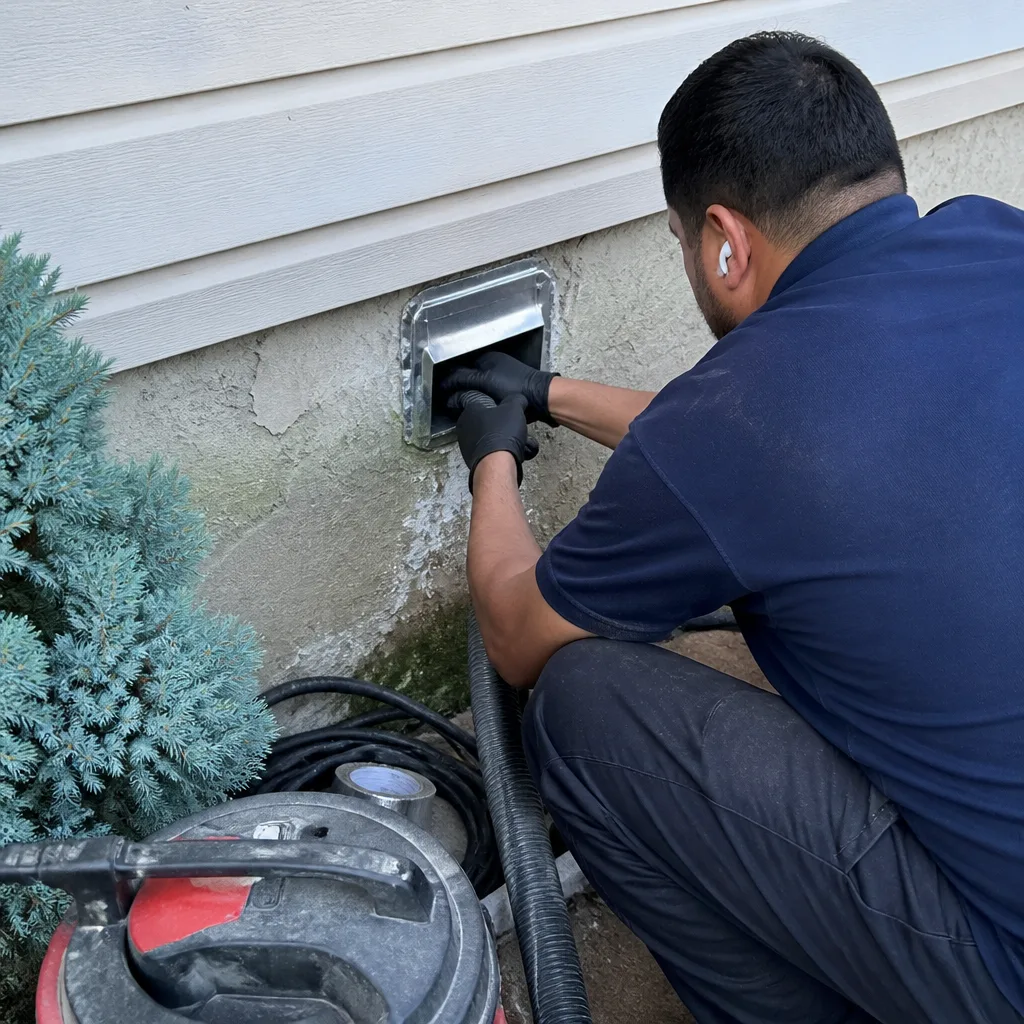 After
AfterGuardsman Vent Sanitizing: The New York City Owner’s Guide
We stock and install Guardsman-compatible vent sanitizing components for residential HVAC systems throughout New York City, with most replacements completed in under two hours and parts on the truck. Typical installed cost for a Guardsman vent sanitizing unit replacement runs $385 to $620, part and labor included, with the written price agreed before a single panel comes off. You’ll usually notice the failure as a persistent stale-air smell that returns within days of cleaning, or a sanitizing unit that cycles but no longer produces the faint ozone scent it did when new.
What most owners don’t realize is that the sanitizing element inside a Guardsman unit has a finite service life, and in New York City it often expires faster than the manufacturer’s printed rating. The reasons are specific to this city: older buildings with decades of accumulated duct debris force the unit to work harder, and apartments with shared riser systems can introduce air from neighboring units that carries more particulate load than the unit was sized for. Tomas Reyes, who grew up in Woodside, Queens and has pulled apart enough of these units across all five boroughs to know their failure patterns, puts it plainly: even a properly installed Guardsman sanitizer in a prewar building on the Upper West Side will typically need its element replaced two to three years before the manual suggests, simply because the air it’s treating is heavier than the design assumptions.
Key Takeaways
- We carry Guardsman-compatible sanitizing elements and replacement cells on our trucks across NYC, so most swaps happen in one visit.
- Installed replacement typically runs $385 to $620 in New York City, written price before work begins.
- If you smell stale air returning within weeks of a cleaning, the sanitizing element is the first thing we check.
- We’re an independent service provider, not affiliated with Guardsman, and we’ll match the correct part to your specific unit rather than selling you whatever’s on the shelf.
Which Guardsman Models This Applies To
Guardsman’s vent sanitizing line spans three main series in residential use across New York City: the compact UV-C stick units, the plate-style air-sanitizing modules that mount in the plenum, and the combination units that pair a sanitizing element with a replaceable media filter. The plate-style modules, which we see most often in Manhattan co-ops and Brooklyn brownstones, use a 14-inch or 16-inch mounting plate with a plug-in ballast, and the element itself is either a 14-inch or 17-inch lamp depending on the model year. That one detail causes more ordering mistakes than anything else: the 2016-and-earlier Guardsman units shipped with a 14-inch element, while the 2017 revision went to 17 inches. If you order by model name alone, you can end up with a lamp that doesn’t seat properly in the housing.
The way we identify the right part on the first visit is simple: we read the label on the existing ballast, not the marketing name on the unit housing. Every Guardsman plate module has a metal rating tag on the ballast or the mounting flange, and the model number there tells us the element length, wattage, and connector type in about ten seconds. If the label is gone, we measure the socket spacing and match the part against the trade-reference catalog, which lists Guardsman’s OEM numbers alongside quality aftermarket equivalents we’ve installed without issue for years. For the combination units, the filter media is Guardsman-specific in size but cross-references cleanly to aftermarket panels that meet the same MERV rating, and those run about $40 less per replacement without a performance difference we’ve been able to measure in the field.
One nuance worth knowing: Guardsman’s sanitizing modules are not interchangeable across all their own series. A plate module from a combination unit will not fit a stick-unit housing and vice versa. If you’re replacing a unit rather than an element, we always photograph the unit, the duct opening, and the existing mounting holes before quoting, so the written price is for the part that actually fits your system, not a guess.
Signs Your Guardsman Vent Sanitizing Is Failing
- The “clean duct” smell disappears within two weeks of a cleaning. The sanitizing element has degraded to the point where it’s no longer producing enough output to neutralize odor-causing microbial growth. In New York City, where summer humidity sits high from June through September, a failing element shows up faster because the moisture load feeds whatever the sanitizer was supposed to suppress.
- The indicator light is on, but the unit runs cool. A functioning UV-C element generates noticeable warmth at the lamp surface and a faint hum from the ballast. A cool-running lamp with an illuminated indicator means the element has reached end of service life, and the ballast is working fine but has nothing to drive.
- Visible dust or film on the element surface. We find this constantly in Queens and the Bronx, where older duct systems carry heavier particulate. A coated element cannot sanitize effectively, and wiping it is rarely a fix because the coating blocks the specific wavelength the unit depends on.
- Intermittent flickering or delayed start-up. The ballast is failing, not the element. Ballasts give out gradually in high-rise co-ops where voltage to individual units fluctuates, and a dying ballast will eventually take the element with it, which is why we recommend replacing both if the ballast shows any sign of hesitation.
- The air smells sterile but the occupants report more allergy symptoms. An undersized or partially failed sanitizing unit can lull you into thinking the air is being treated when it isn’t. We’ve pulled units from Park Slope brownstones where the element was producing just enough output to create a scent but not enough to sanitize the actual airflow passing through the duct.
BeforeAfterReplacement Cost & What’s Included
In New York City, you’ll pay between $385 and $620 for a Guardsman vent sanitizing element replacement, installed, with the written price in hand before work starts. The range is driven by three factors: element size (14-inch versus 17-inch), whether the ballast needs replacement, and unit access. In Manhattan high-rises, a plenum-mounted module behind a furnace in a tight utility closet or a sheetrock chase takes longer to access than the same unit in a Staten Island basement, and that labor difference shows up honestly in the quote rather than being buried in a parts markup.
We break out parts and labor on every written estimate, so you’ll see the element or element-plus-ballast cost as its own line and the installation labor as its own line. That practice is part of the standard we work under: Haven Standard Clause 1 requires a written price before any panel is removed, and Haven Standard Clause 5 requires the work to be documented, not just described. You’ll get before-and-after photos of the unit in place, the old part, and the new part installed, delivered as part of the standard job record. The 365-Day Done Right Promise covers the replacement work in writing: if the part fails or the installation is wrong, we make it right at no charge, no manager approval process required.
We’ve been doing this since 2013, and over 52,000 homes served, every single job has gone out the door with a written price and a documented photo record. The Guardsman-compatible elements we stock on our trucks come from the same trade suppliers that serve the commercial HVAC market, so we’re not ordering from a retail catalog and waiting a week. We run the same units through Rotobrush and Nikro equipment when we’re cleaning the duct system itself, and our techs work with these sanitizing modules daily, not occasionally.
DIY or Call Us?
There’s ultraviolet light inside these units, and that’s not a polite warning. A Guardsman sanitizing module operates at UV-C wavelengths that will damage your eyes and skin if you power the unit on while the housing is open. The ballast also carries line voltage, and in older New York City buildings, the wiring may not be what you think it is until it’s tested. We’ve made service calls where a well-intentioned homeowner opened a plenum-mounted module, bypassed the interlock switch, and powered the lamp on to “see if it still works.” The resulting eye discomfort sent them to urgent care. This is the main reason we don’t publish a step-by-step replacement guide for these units.
What you can safely check on your own: read the indicator light, note whether the unit runs warm to the touch on the outside of the housing, and take a photo of the ballast label if it’s visible without removing any panel. That photo is genuinely useful to us for a first-response diagnosis. What you shouldn’t attempt: anything that requires removing the module from the plenum, unplugging the element from the ballast, or testing the lamp out of its housing. The part cost you’d save on a DIY attempt won’t cover the recovery from a UV-C exposure or a 120-volt surprise. Call us at (806) 606-6902, and we’ll match the correct Guardsman-compatible part to your unit, quote the whole job in writing, and have it done in one visit.
FAQs
A Guardsman sanitizing element lasts 18 to 36 months in New York City conditions, not the 8,000 to 10,000 hour rating printed in the manufacturer literature. The discrepancy comes from two things we’ve documented on hundreds of jobs across the boroughs. First, the UV-C output degrades on a curve, not a cliff; an element running 24/7 loses meaningful output long before it stops emitting entirely. Second, New York City building air is loaded with particulate that coats the lamp surface, and that coating absorbs UV output before it ever reaches the passing air. In a clean suburban basement with a newer furnace and a good filter, the rated lifespan is achievable. In a prewar building on the Upper East Side or a Queens apartment where the last duct cleaning happened before the owner was born, the element is doing three times the work and expires accordingly. When you call (806) 606-6902 for a quote, we’ll write down exactly what you’re getting, no upsell, before any work starts.
No. A UV-C sanitizing element is a sealed glass lamp with internal electrodes, and there is no serviceable component inside it. If the lamp is not producing output, the only repair is replacement. The ballast is a different story: some ballast failures are repairable, but at the price point of a quality replacement ballast for these units, the repair labor usually costs more than the new part. We’ll tell you that in writing: if your ballast tests fine, you replace the element only. If the ballast is failing, you replace both in one visit. Call (806) 606-6902, and we’ll bring both parts, diagnose on site, and put our recommendation in writing before we touch a screwdriver.
For a plenum-mounted Guardsman module with standard access, the replacement takes 45 to 90 minutes once our technician is at the unit. That includes removing the module from its mounting, replacing the element or element-plus-ballast, reinstalling, sealing the mounting plate with fresh gasket material, powering up, and verifying output. If the unit is in a tight chase or behind sheetrock, expect a bit longer. We don’t bill you for the time we spend looking for the unit; the written price covers the job, not a meter running. Our team has done this swap in buildings from Riverdale to Red Hook, and we’ll give you the same documented record every time: a photograph of the old part out, the new part in, and the unit operating.
We stock Guardsman-compatible sanitizing elements and replacement ballasts on our service trucks across all five boroughs. The trucks carry both the 14-inch and 17-inch elements, the common ballast configurations, and the aftermarket elements we’ve vetted against Guardsman’s OEM specifications and installed for years without a callback. If your unit requires a part we don’t have on the truck, we’ll know from the first conversation and we’ll schedule the visit after the part arrives, with the written price unchanged from what we quoted. We also carry parts for other major brands we routinely service: Lennox, Trane, and Carrier. Call (806) 606-6902, tell us what’s on the ballast label, and we’ll tell you whether we have it on the truck today.
Written by Tomas Reyes, Owner & Lead Technician, CleanRun Air Duct Cleaning at CleanRun Air Duct Cleaning, serving New York City and nearby areas.