
Whole-system duct and dryer vent check with before-and-after photos - you see exactly what came out of your vents
That "$99 whole-house special" is a bait ad - the real number appears once they are in your hallway, or the "clean" is a shop-vac at the register. We photograph the inside of your ducts before and after instead.
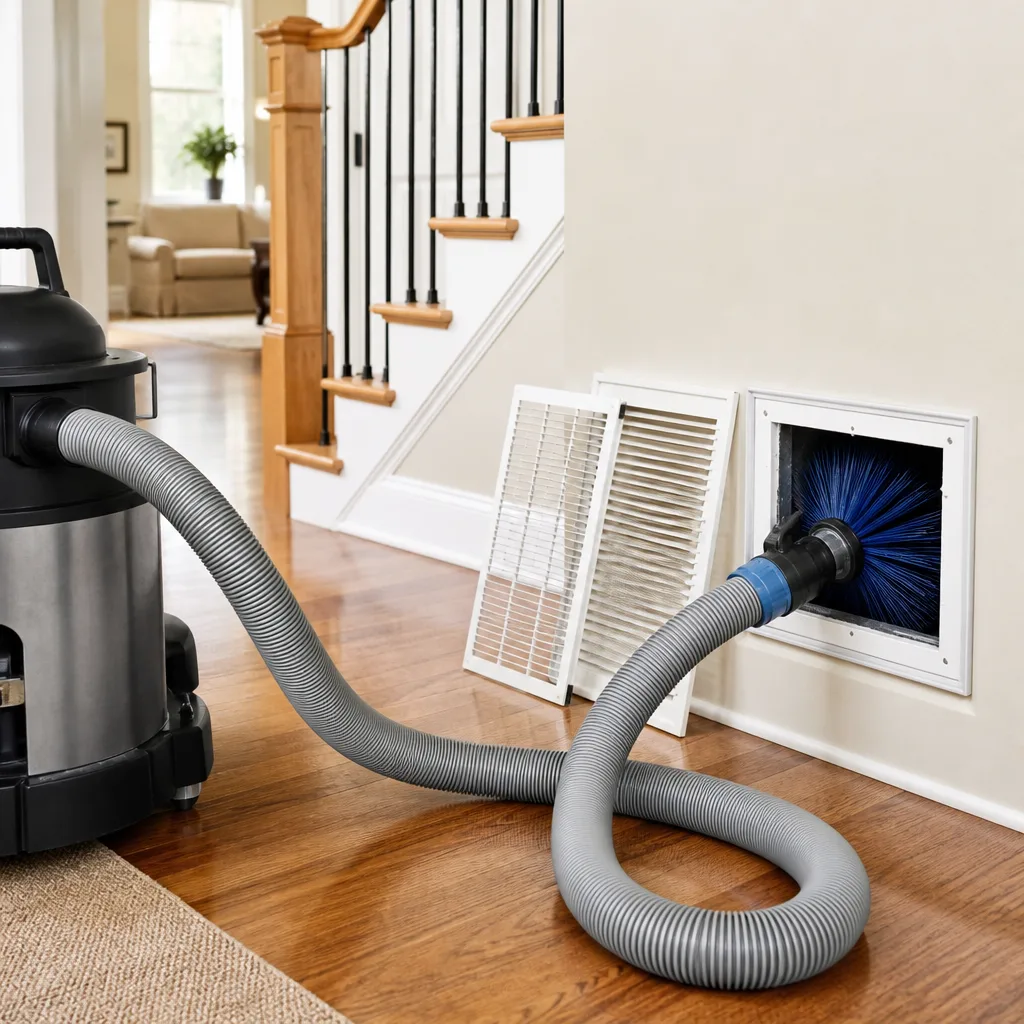
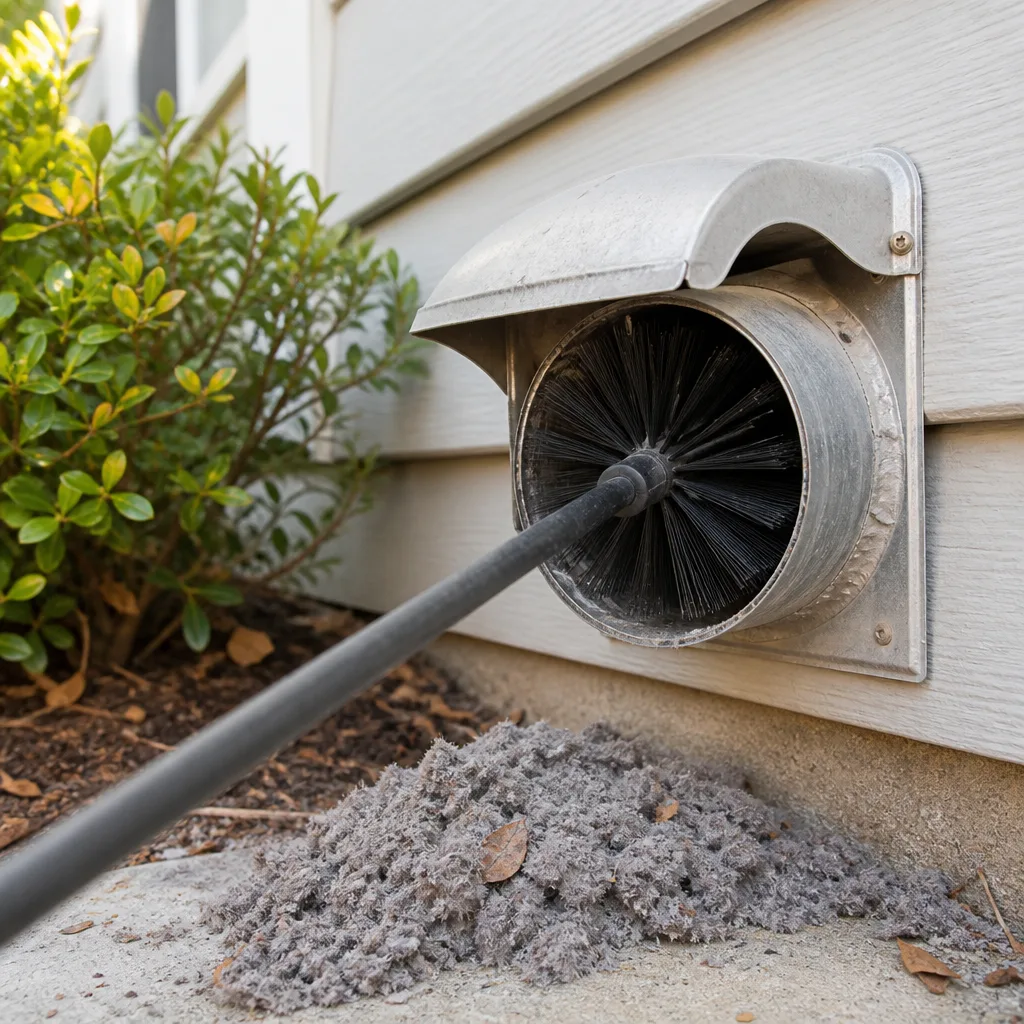
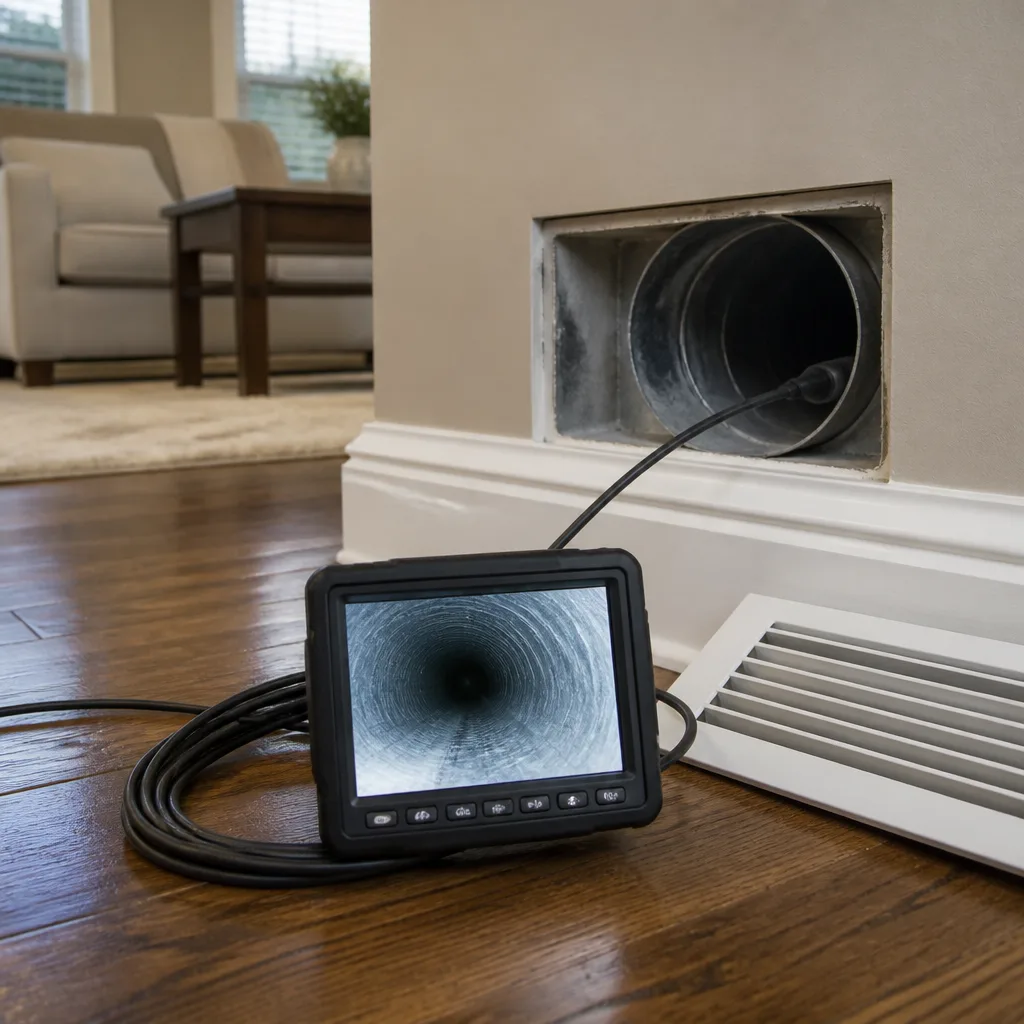
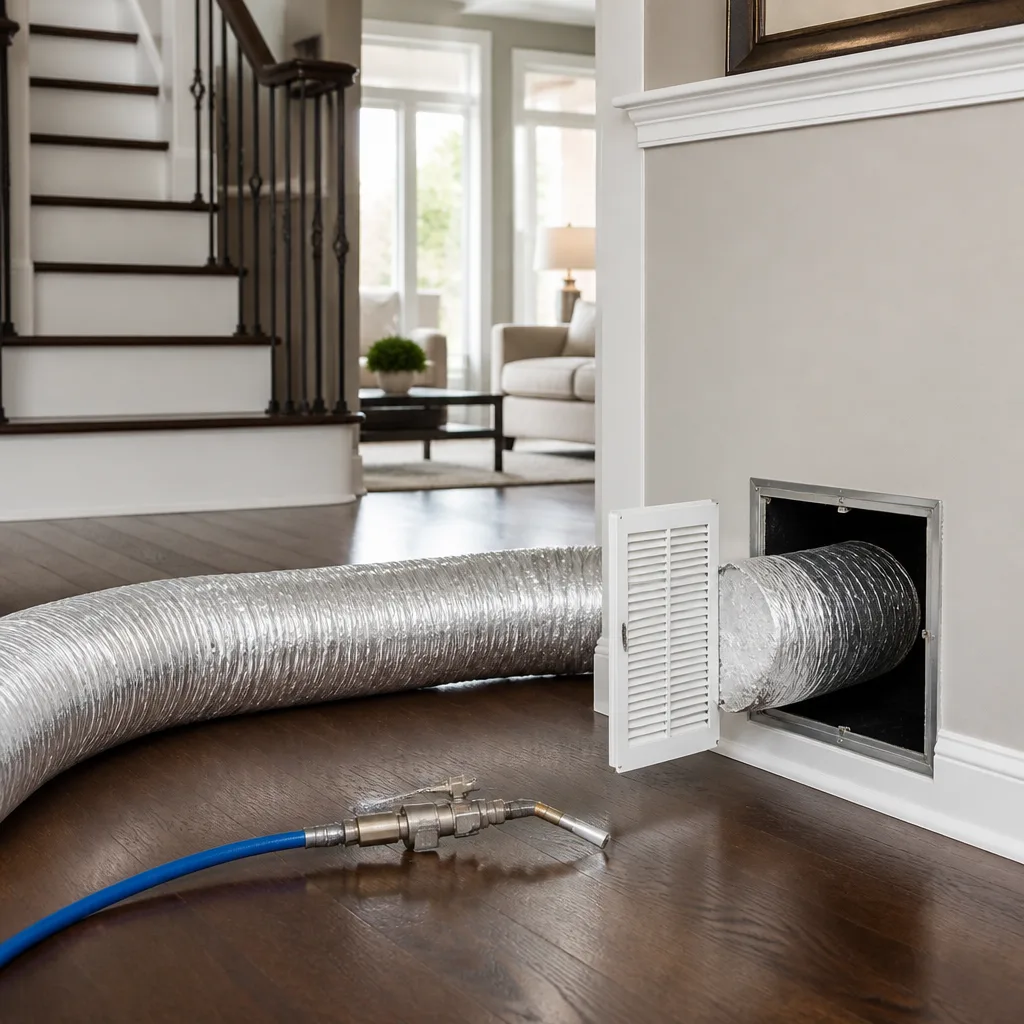
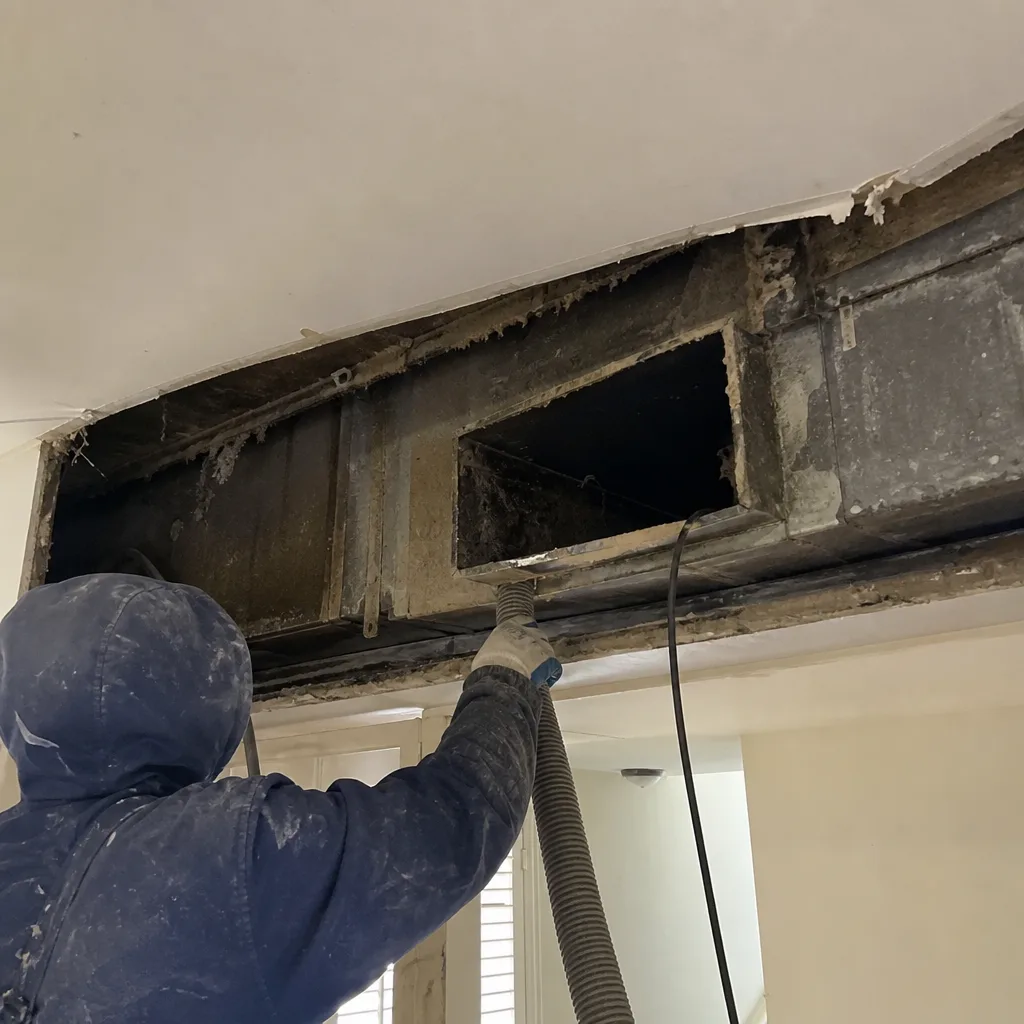 Before
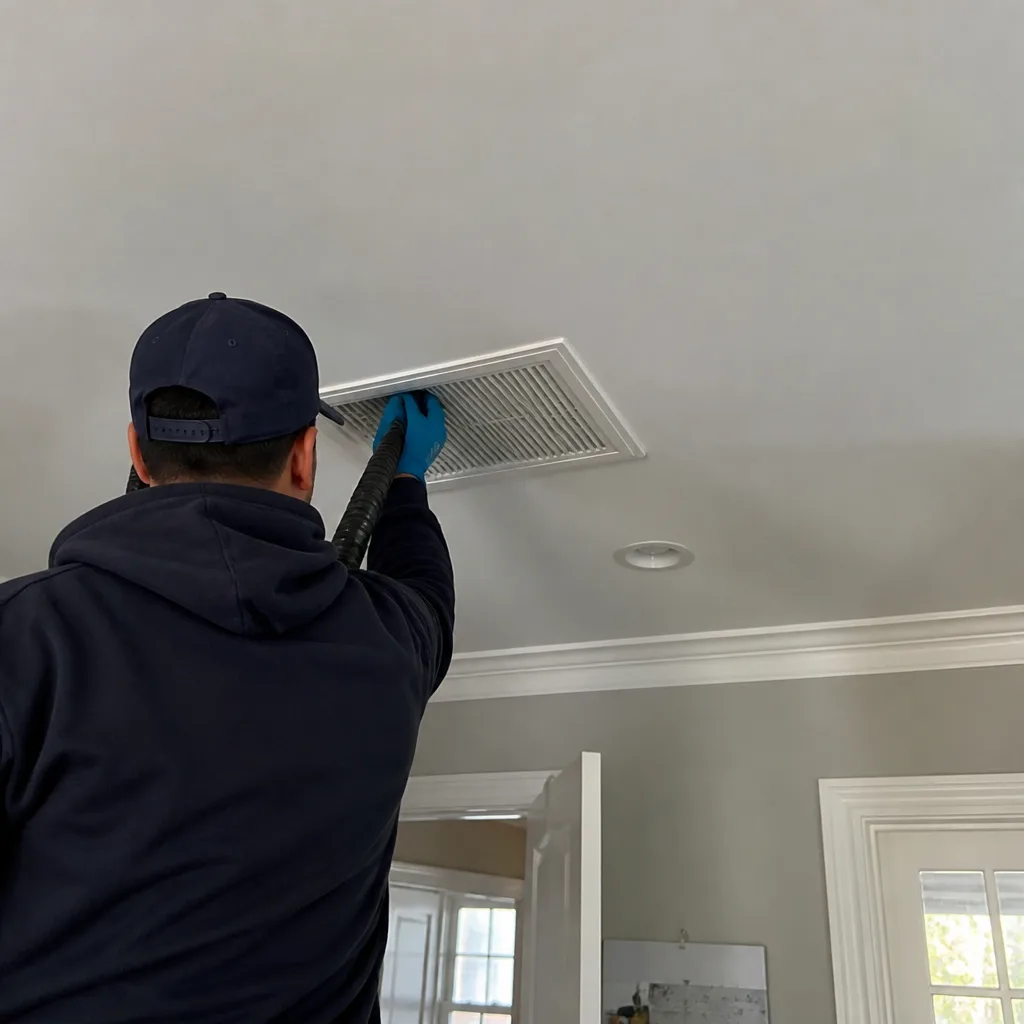 After
After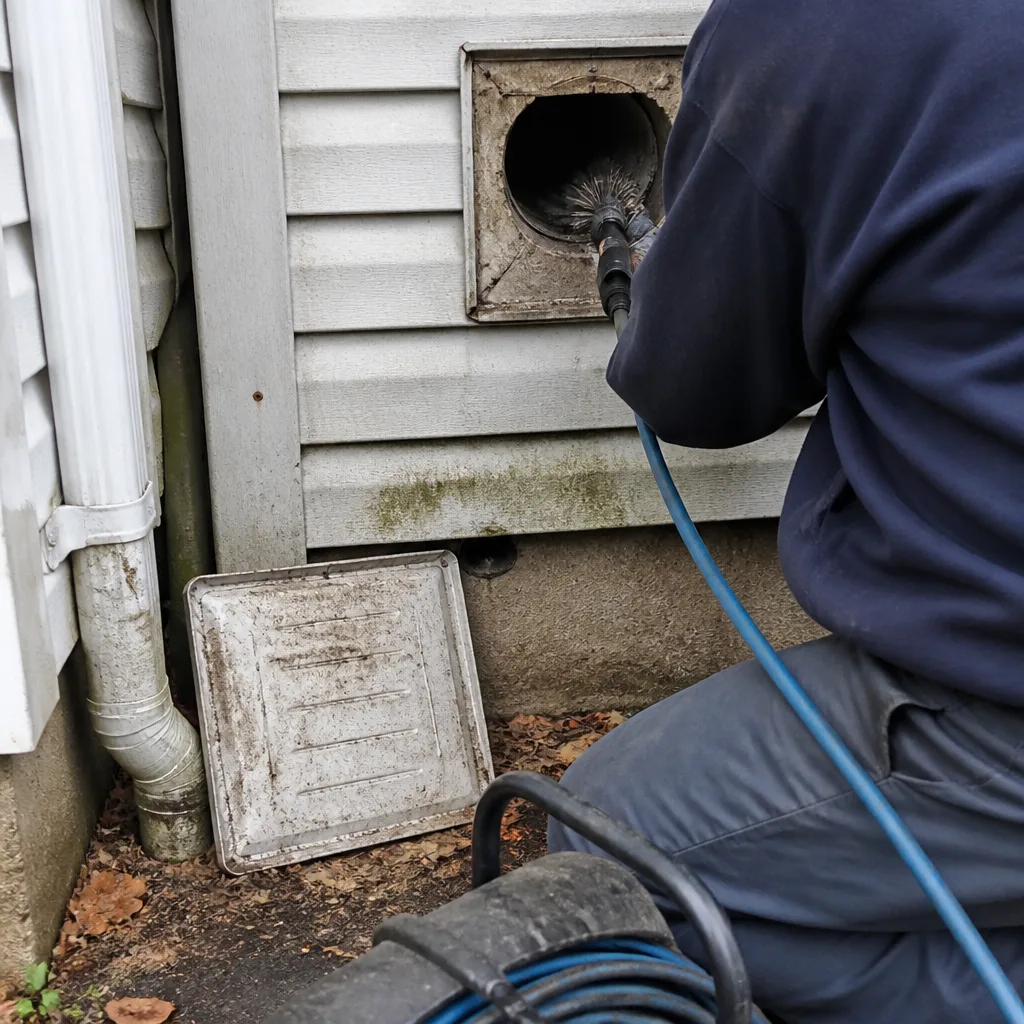 Before
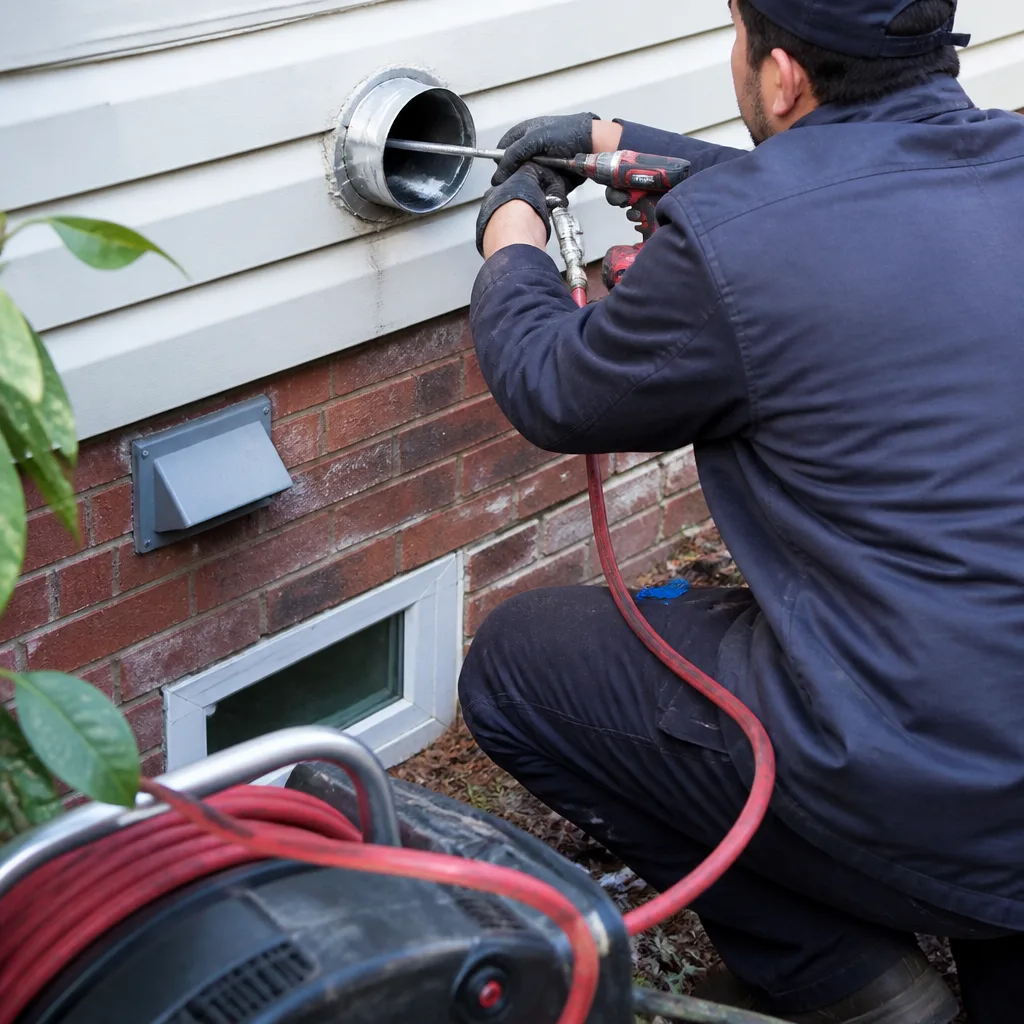 After
After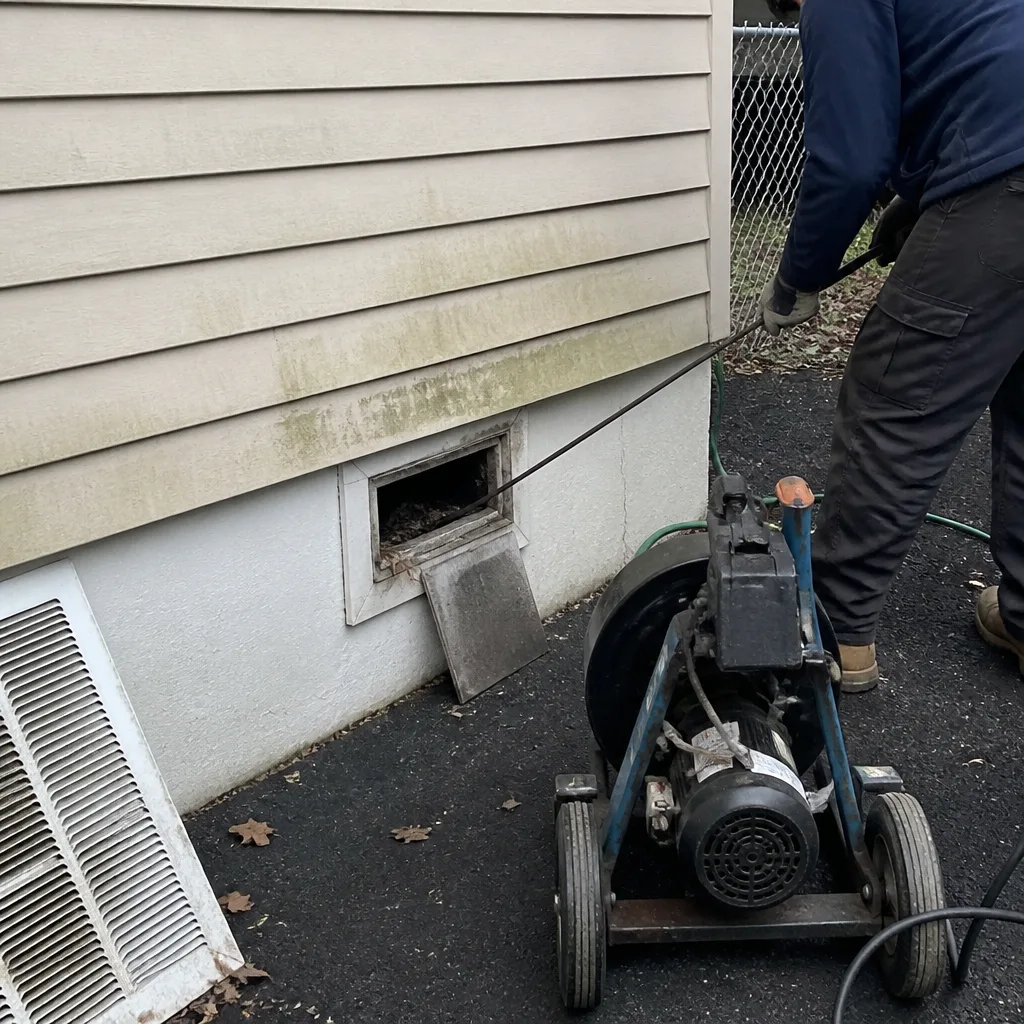 Before
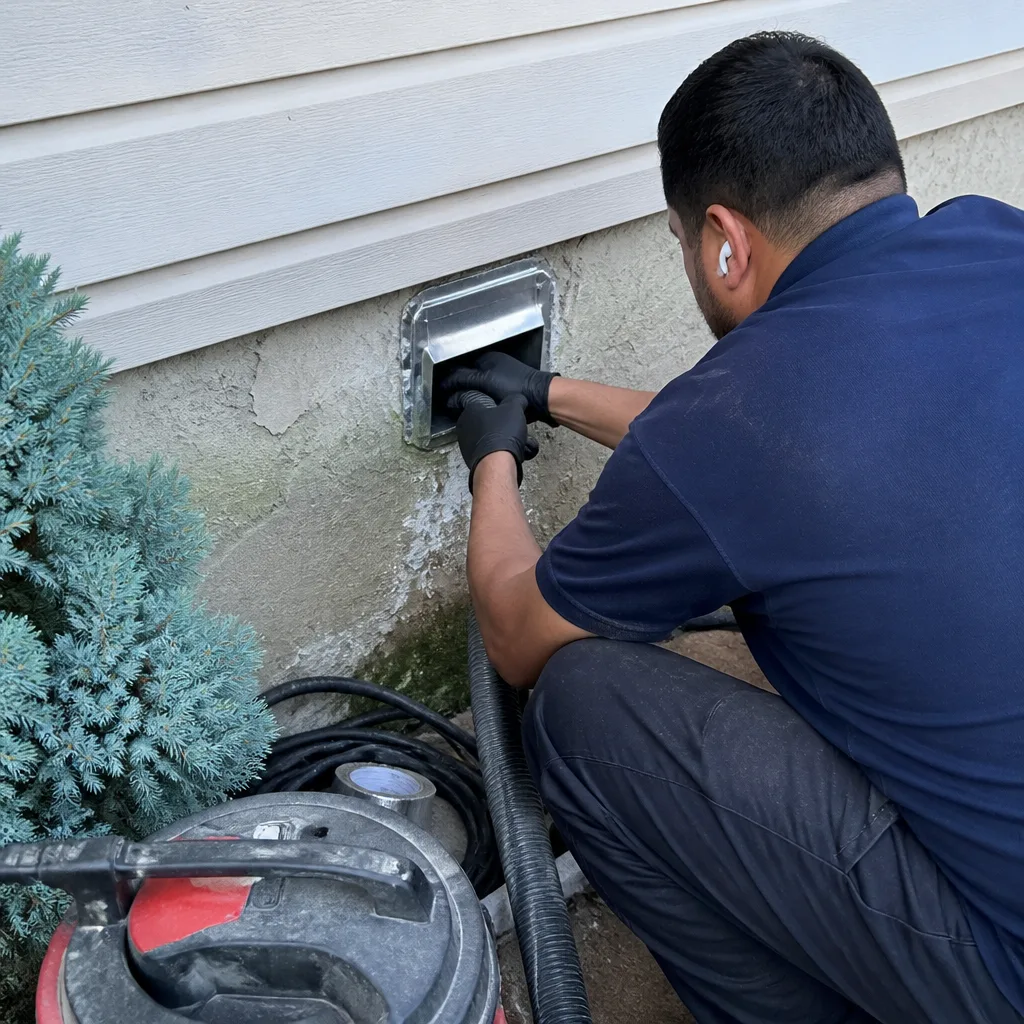 After
AfterRotobrush Duct Sealing & Repair: The New York City Owner’s Guide
If you own a Rotobrush system and the sealing components have started to fail, we stock and install Rotobrush-compatible duct sealing and repair parts across all five boroughs. Installed pricing in New York City typically runs $425 to $980 depending on the extent of degradation and which model you own. Most jobs are completed in a single visit because we carry the common wear items on the truck.
How owners usually discover the problem: a tech shows up for routine cleaning, runs the camera through the plenum, and finds the sealant has cracked away from the duct seams, or a homeowner notices airflow has dropped in certain rooms despite the system running normally. Sometimes it’s a visible gap at a joint near the furnace. The photo tells you what’s in there. Everything else is just paperwork.
Two things drive most Rotobrush sealing failures in New York City specifically. First, the seasonal humidity swing between radiator season and air conditioning season causes expansion and contraction at the joints, which eventually breaks down older mastic seals. Second, buildings with central air retrofits from the 1990s and early 2000s in neighborhoods like Astoria, Park Slope, and Riverdale often have duct runs with undersized seams that were never properly sealed in the first place. What we see repeatedly: the original sealant was applied too thin at install, and 15 to 20 years later it’s flaking into the airstream.
Which Rotobrush Models This Applies To
Rotobrush has manufactured several generations of air duct cleaning and sealing equipment, and the sealing components differ between them. The older Rotobrush aiR+ and RotoSeal series used a brush-applied mastic system with separate sealing heads, while the current-generation Rotobrush RDS line uses a specialized aerosol-applied sealant delivered through the cleaning head itself. If you’re unsure which system you have, there’s a model plate on the main housing, usually near the power switch or along the back panel. The serial number prefix tells us what we need to know before we even arrive.
Here’s the compatibility gotcha most owners don’t realize: the sealing heads from the aiR+ series do not seat properly on the RDS units. The quick-connect collar diameter changed by roughly 6 mm between generations, and forcing an older head onto a newer unit scores the mating surface and creates a pressure leak that undermines the seal application. We’ve had customers buy parts online, install them wrong, and call us to correct it. For Rotobrush specifically, the OEM parts are built to tighter tolerances than most aftermarket equivalents, and we’ve seen aftermarket sealing heads with shaft runout that causes uneven sealant application. We install OEM Rotobrush parts by default. We’ll quote aftermarket equivalents if you ask, but we’ll tell you plainly when it’s a downgrade.
CleanRun Air Duct Cleaning is an independent service provider and parts stocking dealer. We’re not affiliated with Rotobrush, and no manufacturer warranty is implied by our installation work, though our own labor carries a written guarantee.
Signs Your Rotobrush Duct Sealing & Repair Is Failing
- Visible gray or white flakes at the supply registers. This is degraded mastic from aging seals being pushed into the living space. The flakes usually look like dried paint chips and collect on the register grilles first.
- Uneven room temperatures with the damper settings unchanged. When sealant cracks at a duct seam, conditioned air leaks into the wall cavity or plenum space before it reaches certain rooms. The rooms farthest from the air handler suffer first.
- A faint dusty smell that gets worse during the heating cycle. Hot air passing over compromised seals can carry tiny particles of dried sealant and accumulated debris from the gap itself. It’s often more noticeable in the first few minutes after the system kicks on.
- Higher utility bills without a corresponding change in usage. Leaking ductwork in a typical New York City home can account for a 15 to 25 percent loss in conditioned air delivery. If your Con Ed bill climbed and nothing else changed, air leakage is a likely contributor.
- The duct seams near the air handler show visible gaps or staining. This is the most direct evidence. A flashlight and a quick look at the joints closest to the furnace will often reveal cracked sealant or a visible separation between duct sections.
BeforeAfterReplacement Cost & What’s Included
For a standard single-zone home in New York City, Rotobrush duct sealing and repair with our team runs between $425 and $980 installed. The lower end covers localized re-sealing of visible access points and seams near the air handler, typically a two to three hour visit. The upper end covers full-run sealing of the accessible duct system, including camera inspection of every run, sealing all reachable joints, and pressure testing the system before and after the work. If you’re in a pre-war building with hard-to-access duct runs in the ceiling or behind plaster walls, expect the higher end. We write the exact price before any work starts, under Haven Standard Clause 1. No exceptions, no open-ended hourly billing. The price on paper is the price you pay.
Every sealing and repair job includes the Documented Photo Record: the camera goes inside every run before the work begins, and again after the seal is complete. You get the photos as part of the standard job record. The work itself carries the 365-Day Done Right Promise in writing. If a seal fails within a year, we make it right at no charge. That isn’t a courtesy. It’s the standard.
DIY or Call Us?
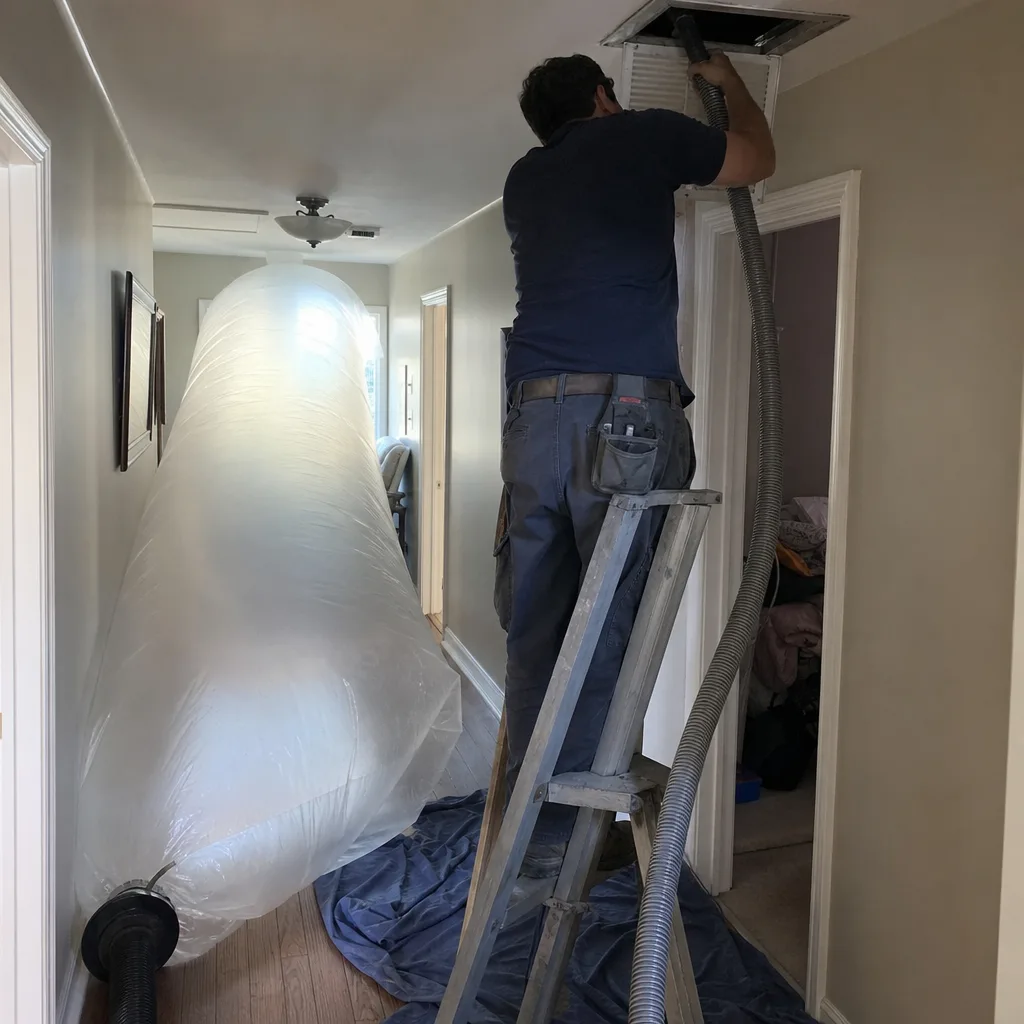
You can safely identify the problem yourself: remove a register grille, shine a flashlight down the run, and look for flaking sealant, visible gaps, or debris that looks like paint chips. But applying duct sealant correctly requires more than a caulk gun and patience. The access points in New York City homes are often tight, the sealing surfaces need to be clean and dry for adhesion, and an improperly sealed seam will fail within months and cost more to correct than doing it right the first time. This is not a high-voltage or high-tension repair, and DIY isn’t inherently dangerous here, but it is precision work. The most common DIY failure we see is homeowners sealing only the joints they can reach from the registers, leaving the plenum connections untouched. The plenum is where the most meaningful leakage happens in our experience.
If you’ve already got the Rotobrush system and the sealing components are worn, call (806) 606-6902. We’ll put eyes on it, give you a written number, and you can decide from there.
FAQs
In our experience across New York City, properly applied Rotobrush sealing lasts 12 to 18 years before it needs reapplication, with the lower end applying to homes with significant seasonal temperature swings and the higher end to buildings with stable interior climate control. The original factory seals on 1990s-era retrofits are now well past their service life. Call (806) 606-6902 if your system hasn’t been inspected in over a decade.
Small localized cracks can be cleaned and re-sealed without replacing the entire sealing system, and we do this often when the damage is limited to one or two accessible joints. If the degradation is widespread or the sealing head itself is worn on your Rotobrush unit, replacement of the affected parts is the more honest and cost-effective fix. We’ll show you the camera footage before recommending anything, and the written quote will reflect exactly what we found, not a generic package.
A typical single-zone job takes two to four hours on site, including camera inspection, sealing work, and pressure testing. Multi-zone homes or systems with difficult access points can run longer, and we’ll confirm the time window before the job starts so you can plan around it. Call (806) 606-6902 for a schedule estimate specific to your property.
Yes, our trucks carry the common Rotobrush sealants, sealing heads, and replacement collars for both the aiR+ and RDS generations, along with parts for other brands like Lennox, Trane, and Carrier. If your unit needs something outside the standard inventory, we can usually source it within a day or two and will tell you the lead time in writing before you commit to anything.
If you’re in New York City and your Rotobrush system isn’t sealing like it should, we can document the condition, quote a written price, and complete the repair without guesswork or upselling. Call (806) 606-6902 for a free estimate. Tomas Reyes and the CleanRun team have been doing documented duct work in this city since 2013.
Written by Tomas Reyes, Owner & Lead Technician, CleanRun Air Duct Cleaning at CleanRun Air Duct Cleaning, serving New York City and nearby areas.