
Whole-system duct and dryer vent check with before-and-after photos - you see exactly what came out of your vents
That "$99 whole-house special" is a bait ad - the real number appears once they are in your hallway, or the "clean" is a shop-vac at the register. We photograph the inside of your ducts before and after instead.
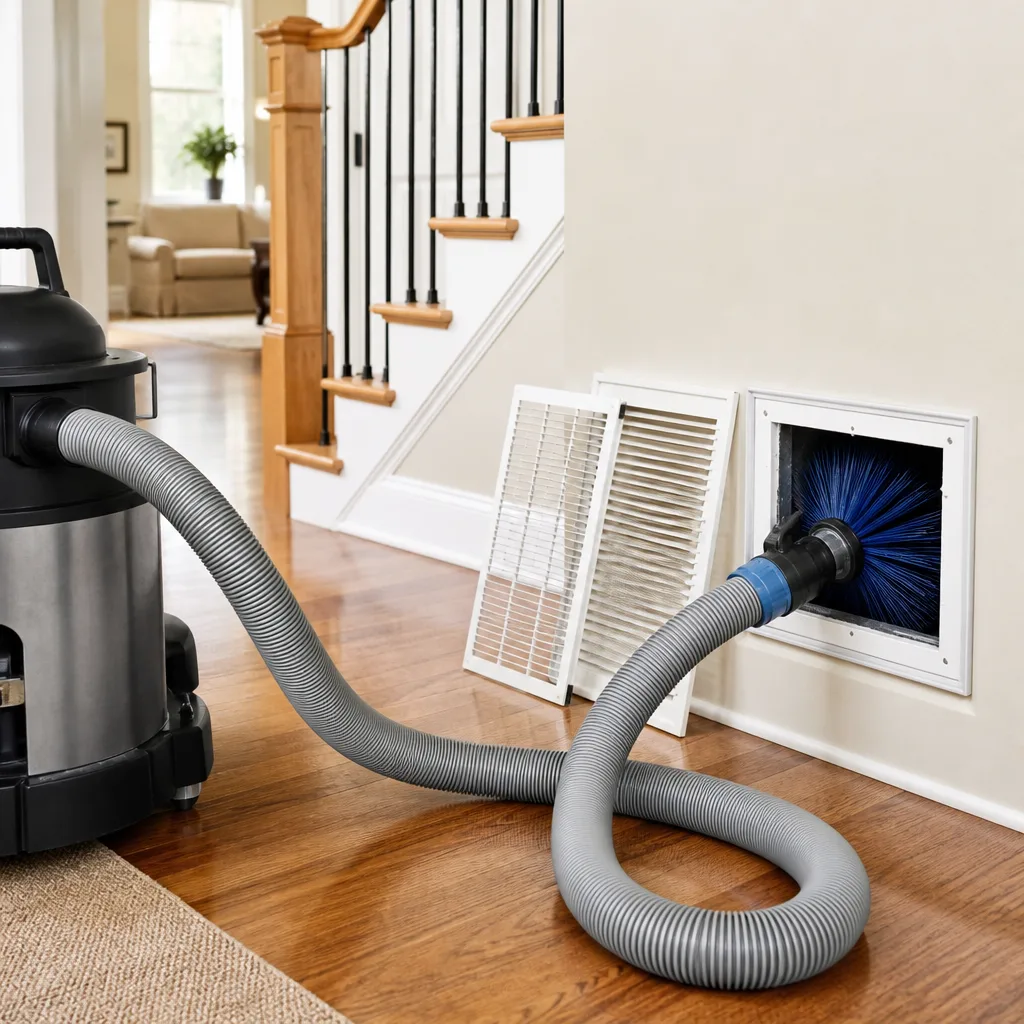
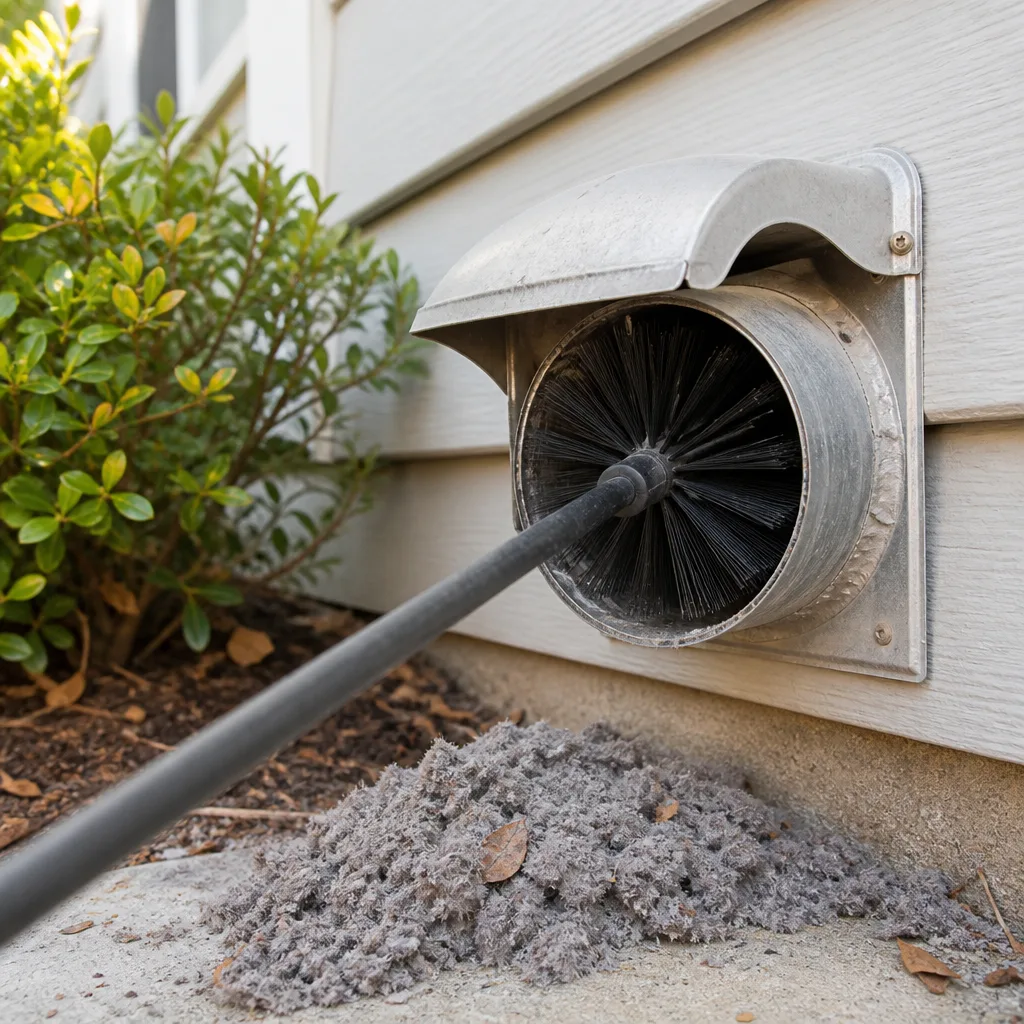
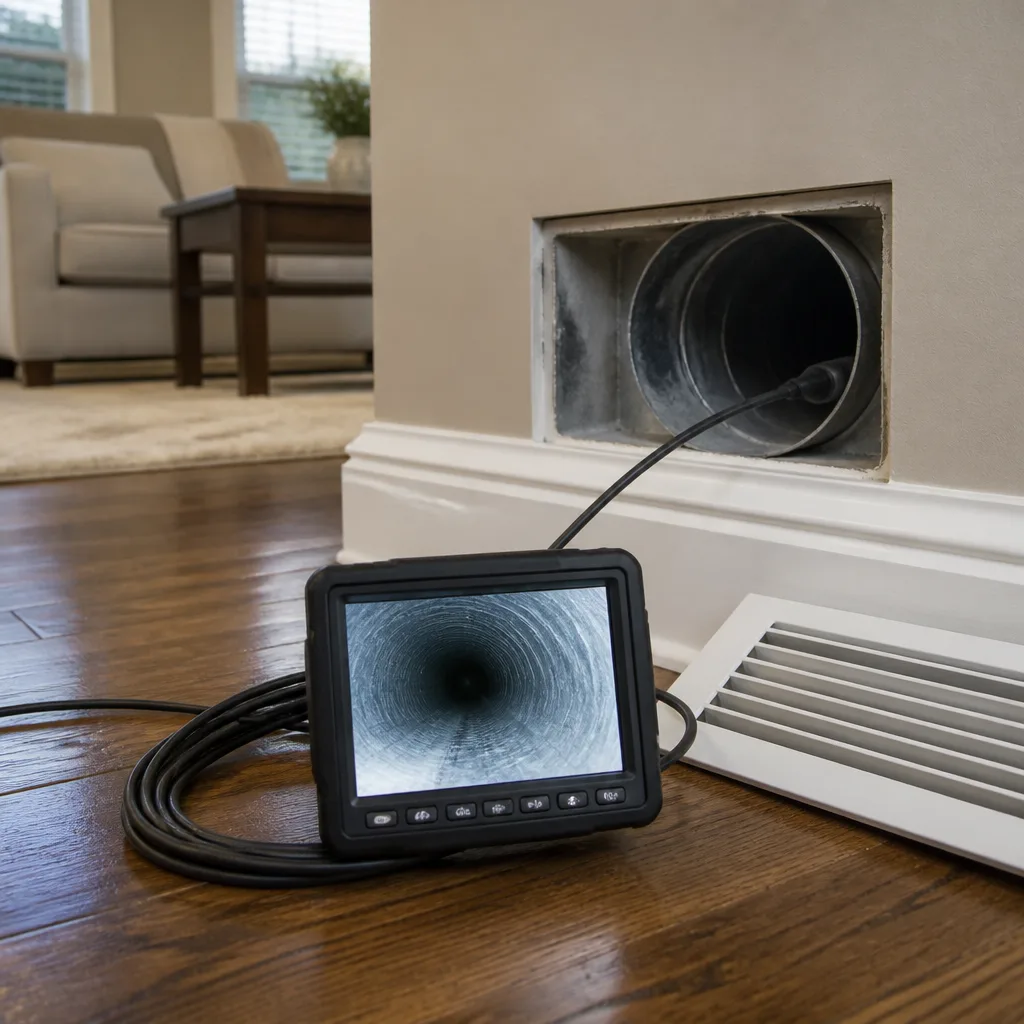
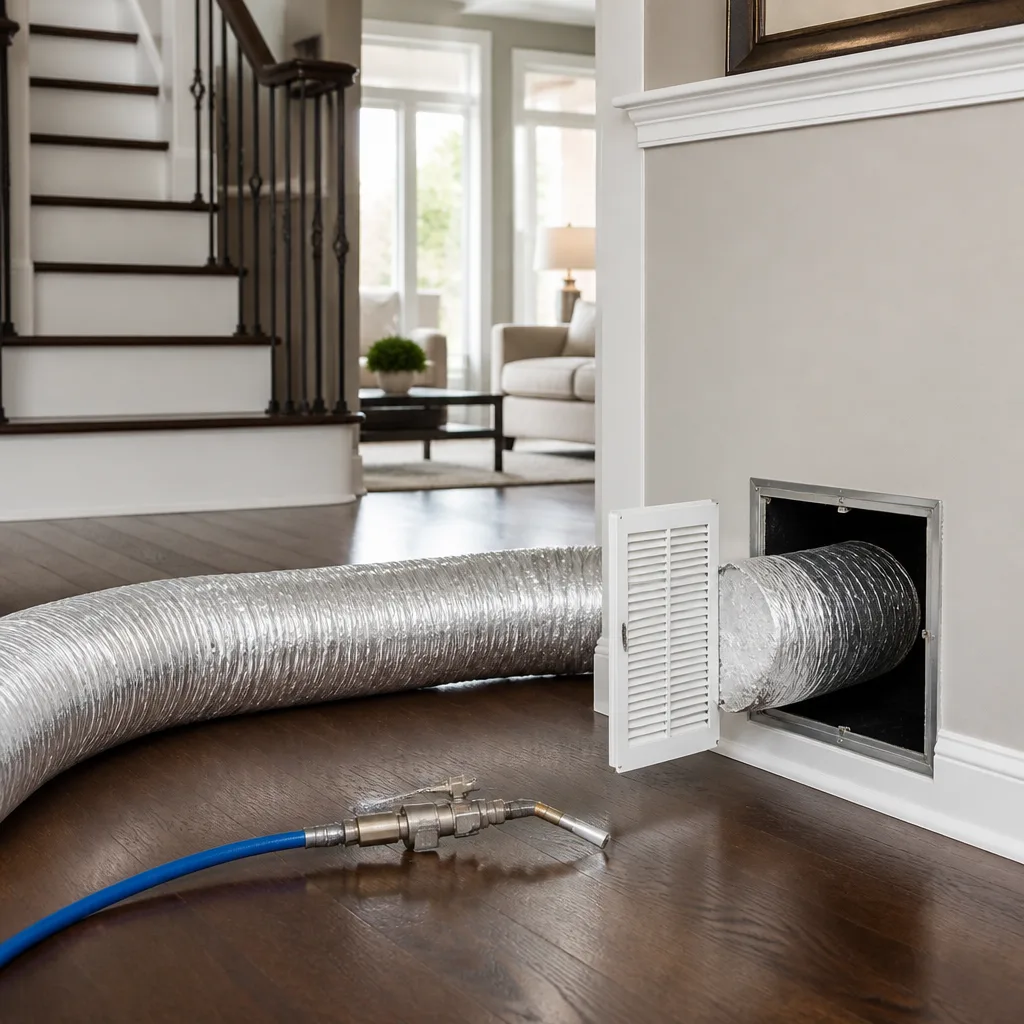
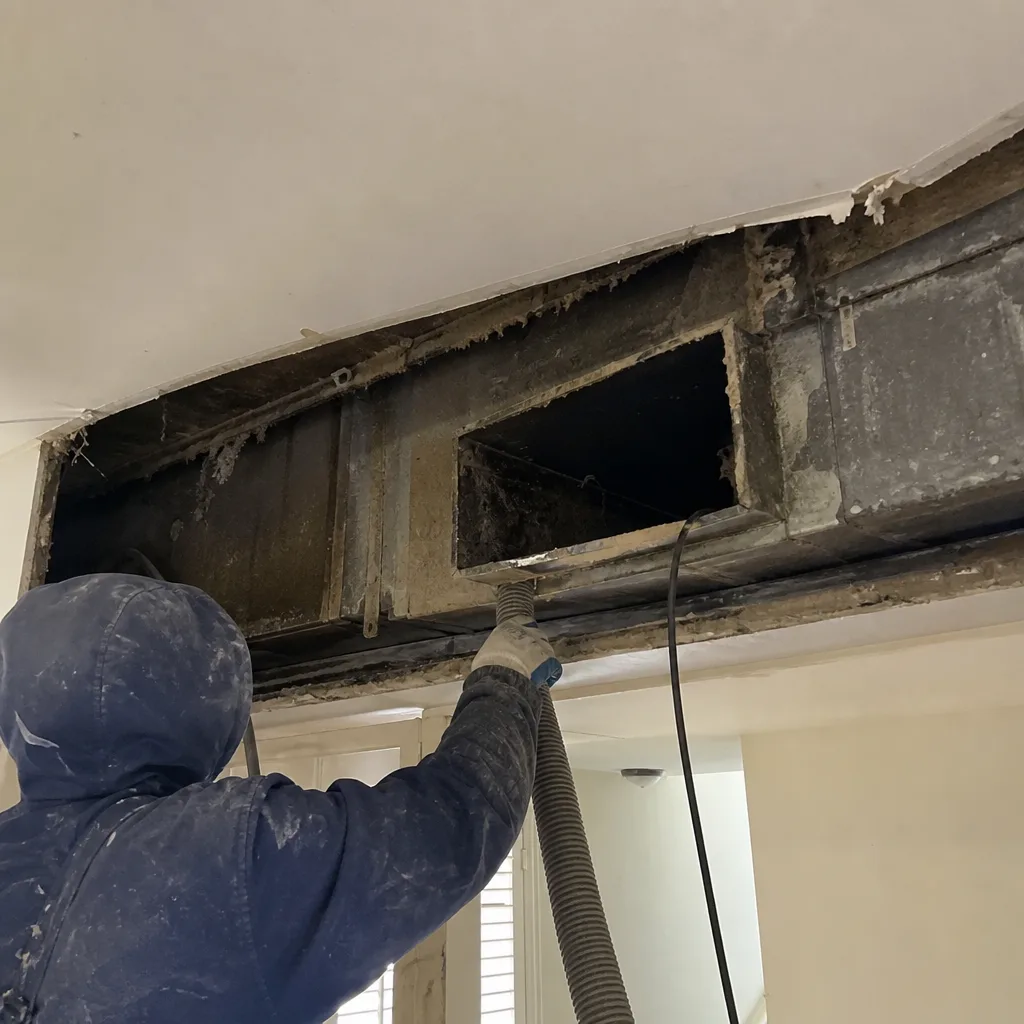 Before
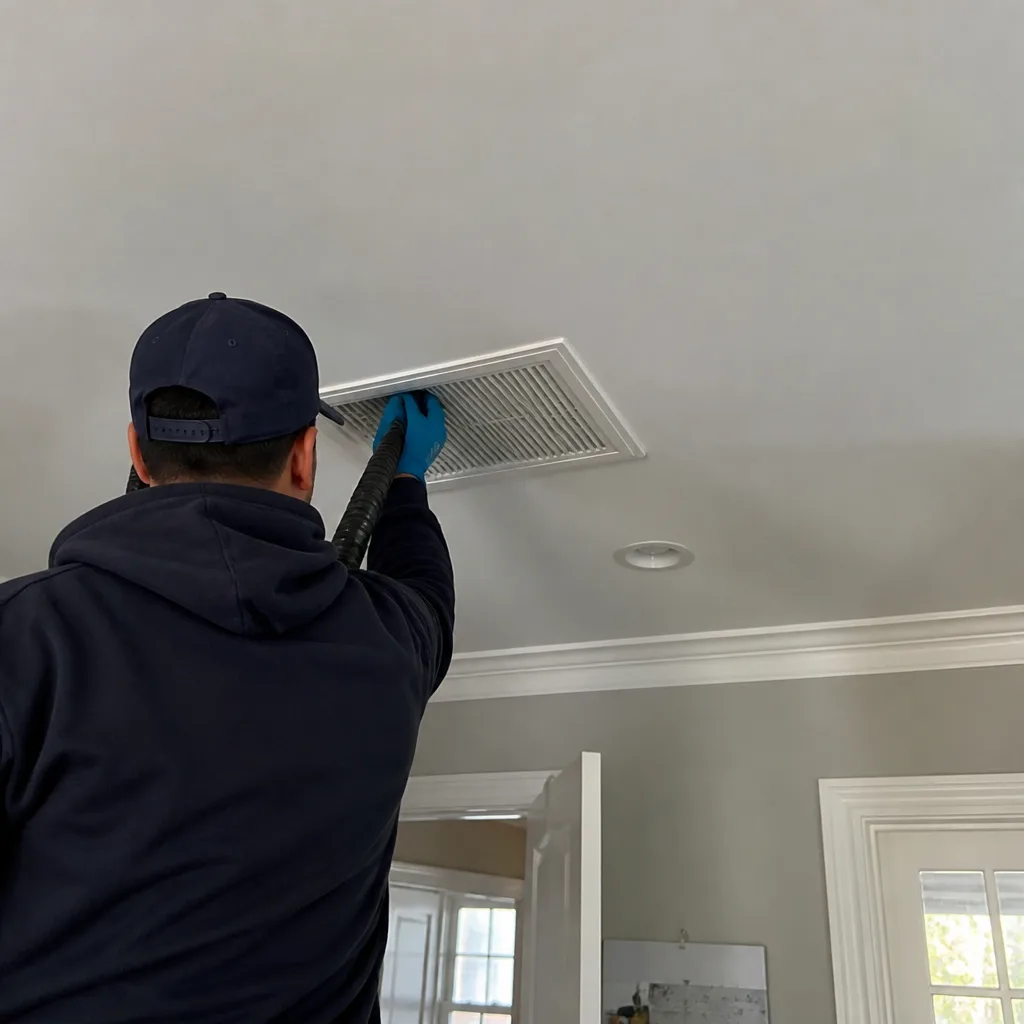 After
After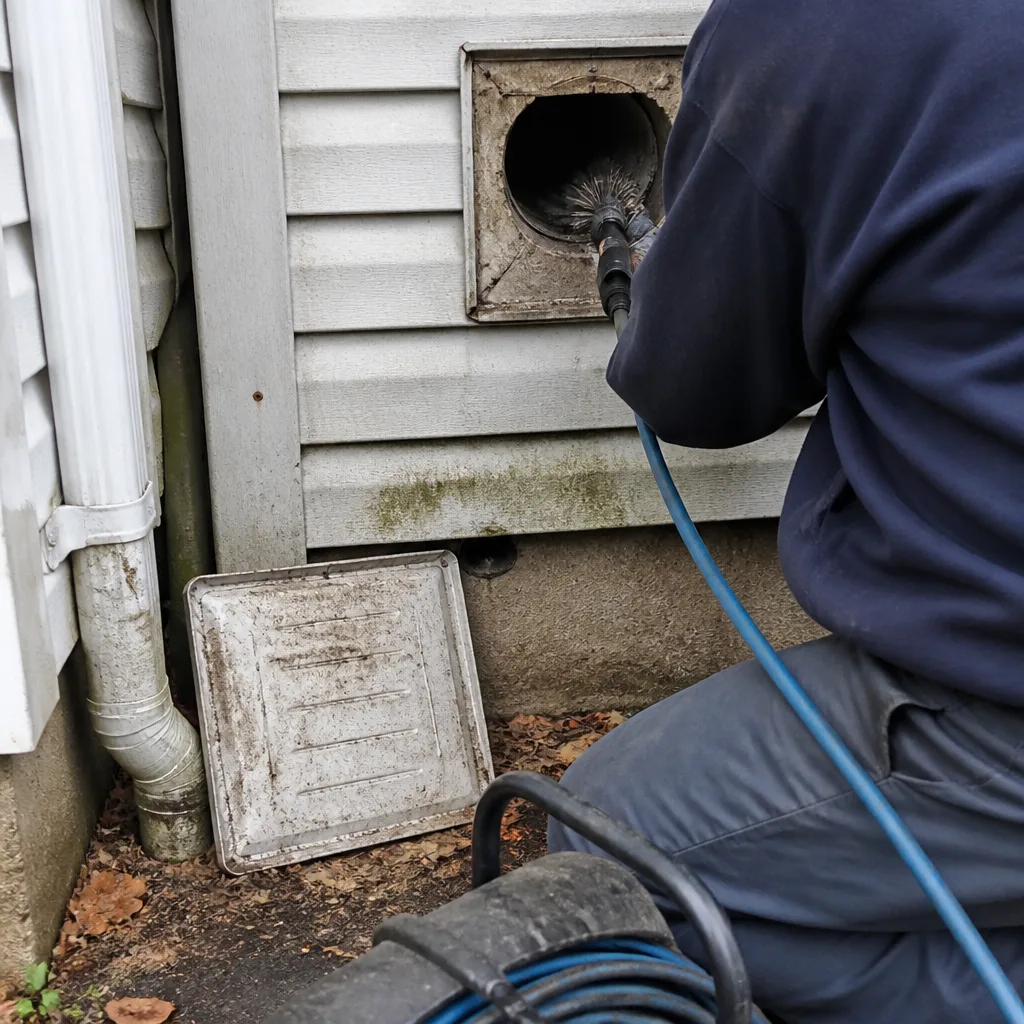 Before
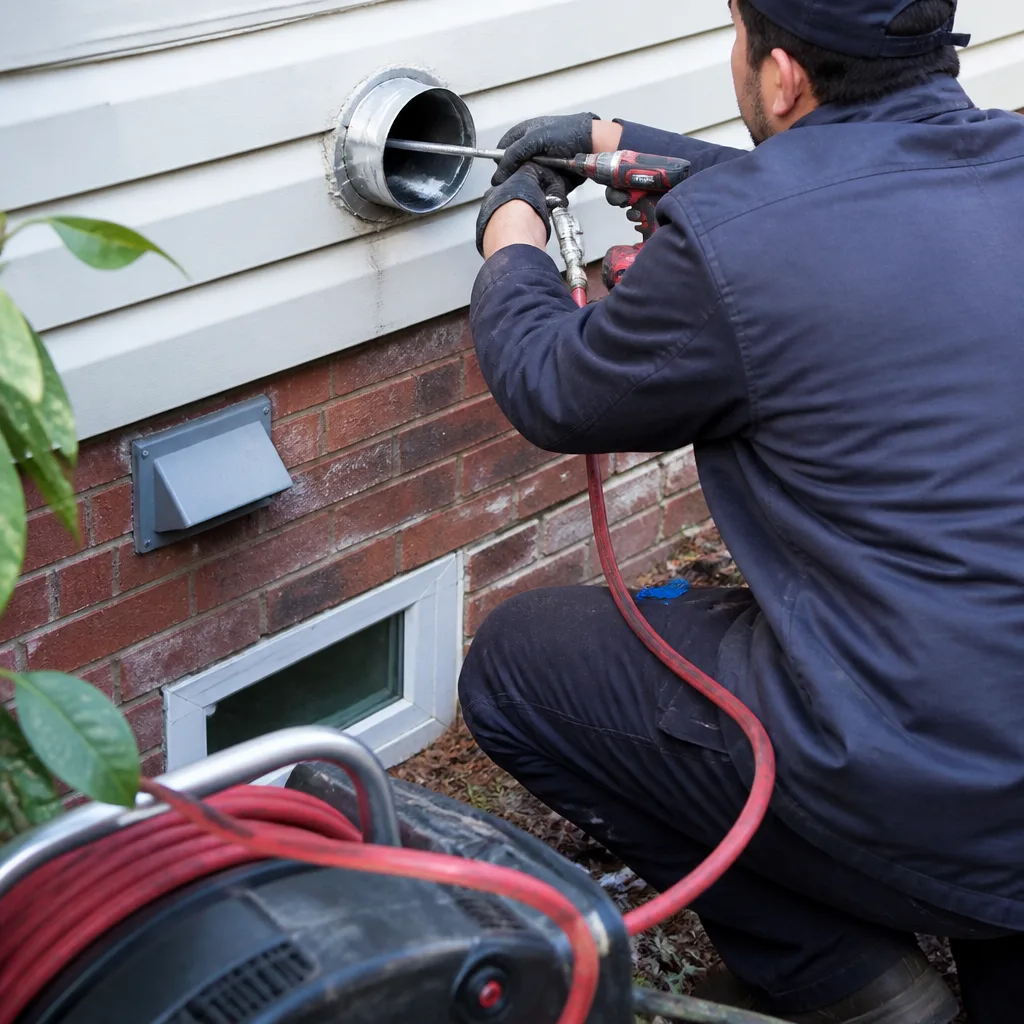 After
After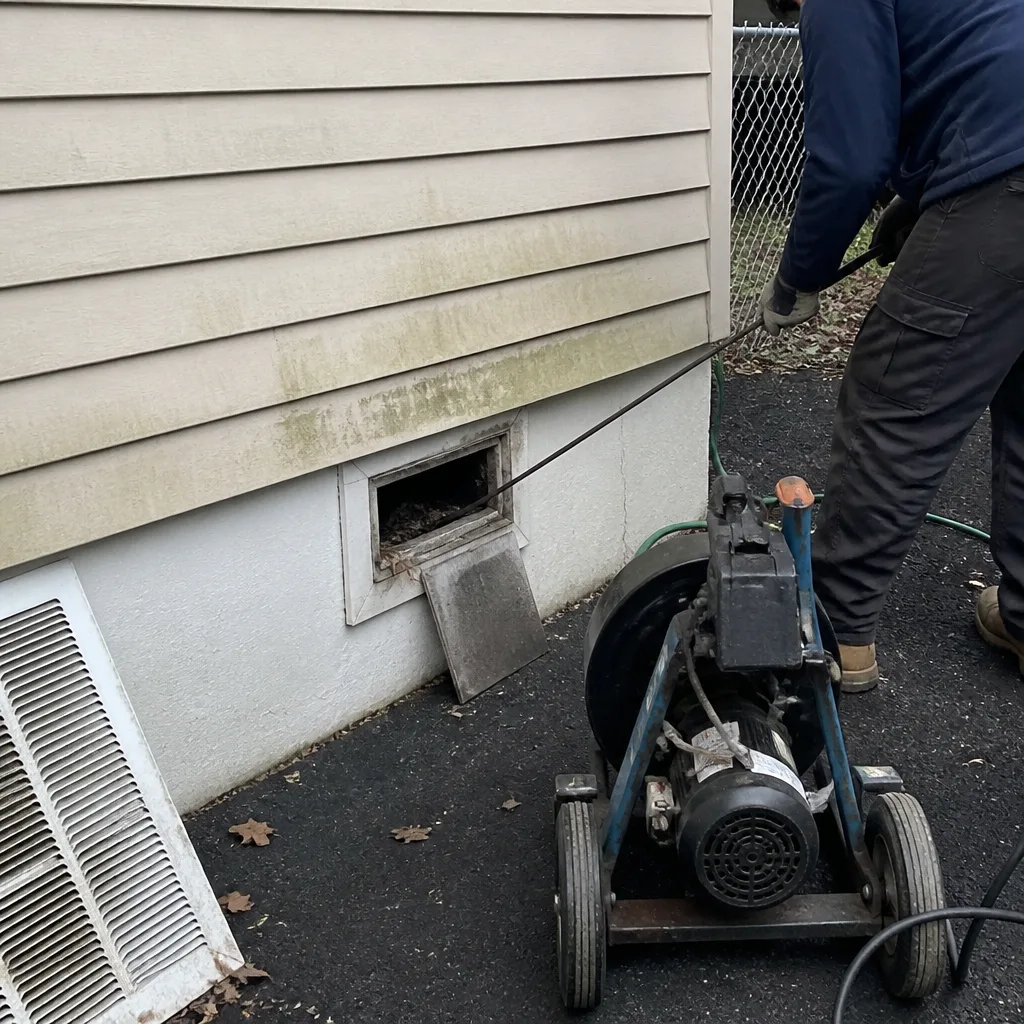 Before
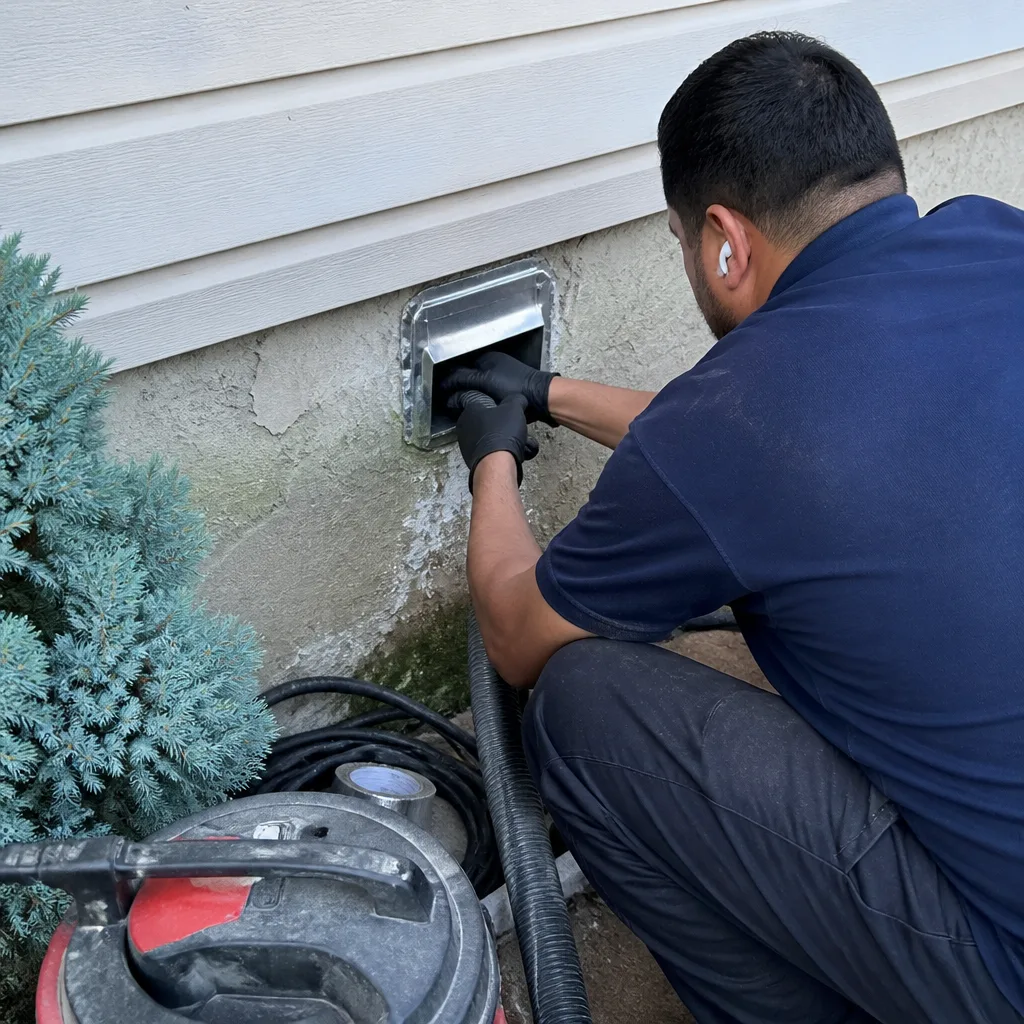 After
AfterRotobrush Register & Grille Cleaning: The New York City Owner’s Guide
Register and grille cleaning on a Rotobrush system in New York City typically runs $140-$260 installed when we handle it, and we carry compatible brushes and replacement heads on the truck for most Rotobrush models from the aiR+ and eBrush series. Most owners find out their register cleaning attachment has failed the hard way: the brush spins but stops pulling debris through the register throat, or the collar won’t seat against the grille anymore. You’ll usually see it as dust streaks left on the wall above the register after a cleaning pass, or a rattling sound from the attachment head that wasn’t there before. We fix it same-visit in most New York City buildings, from prewar co-ops on the Upper West Side to newer high-rises in Long Island City.
CleanRun is an independent service provider, not affiliated with Rotobrush, but we’ve run their equipment since 2013 and know which attachment generations fit which machine bodies. If you’re holding a failed register tool and wondering whether it’s worth repairing or replacing, here’s what we actually see in the field.
Which Rotobrush Models This Applies To
The register and grille cleaning attachment is the piece that lets a Rotobrush system work directly at the point where conditioned air enters the room. It’s not universal. The main compatibility split is between the older aiR+ series (pre-2016) and the newer eBrush series (2016 and later), and the difference comes down to the collar diameter and the locking tab configuration on the drive shaft. If you have an older unit and try to fit an eBrush-spec attachment, the collar will slide on but won’t lock, and it’ll strip the drive end within a few uses. We see that specific failure most often in New York City buildings where maintenance crews have swapped parts between machines without checking the series label.
To identify what you need, check the label plate on the machine body near the base. It will list the model and manufacture year. If the label is worn off, measure the drive shaft diameter where the attachment seats: aiR+ runs 5/8 inch, eBrush runs 3/4 inch. On the attachment itself, look at the brush ring at the throat. Rotobrush changed from nylon bristle rings on early aiR+ units to a hybrid nylon-poly blend on the eBrush generation, which holds shape better after repeated passes through painted metal register frames, which are everywhere in prewar New York City apartments.
OEM Rotobrush attachments run $85-$140 for the head alone depending on series. Quality aftermarket equivalents exist from a few American machine shops, but the tolerance on the internal bushing is the make-or-break spec. A cheap aftermarket head will wobble under load, and that wobble transfers to the drive shaft and eventually to the motor bearing. We’ve replaced enough $35 aftermarket heads followed by $400 motor repairs to know the savings aren’t savings.
Signs Your Rotobrush Register & Grille Cleaning Attachment Is Failing
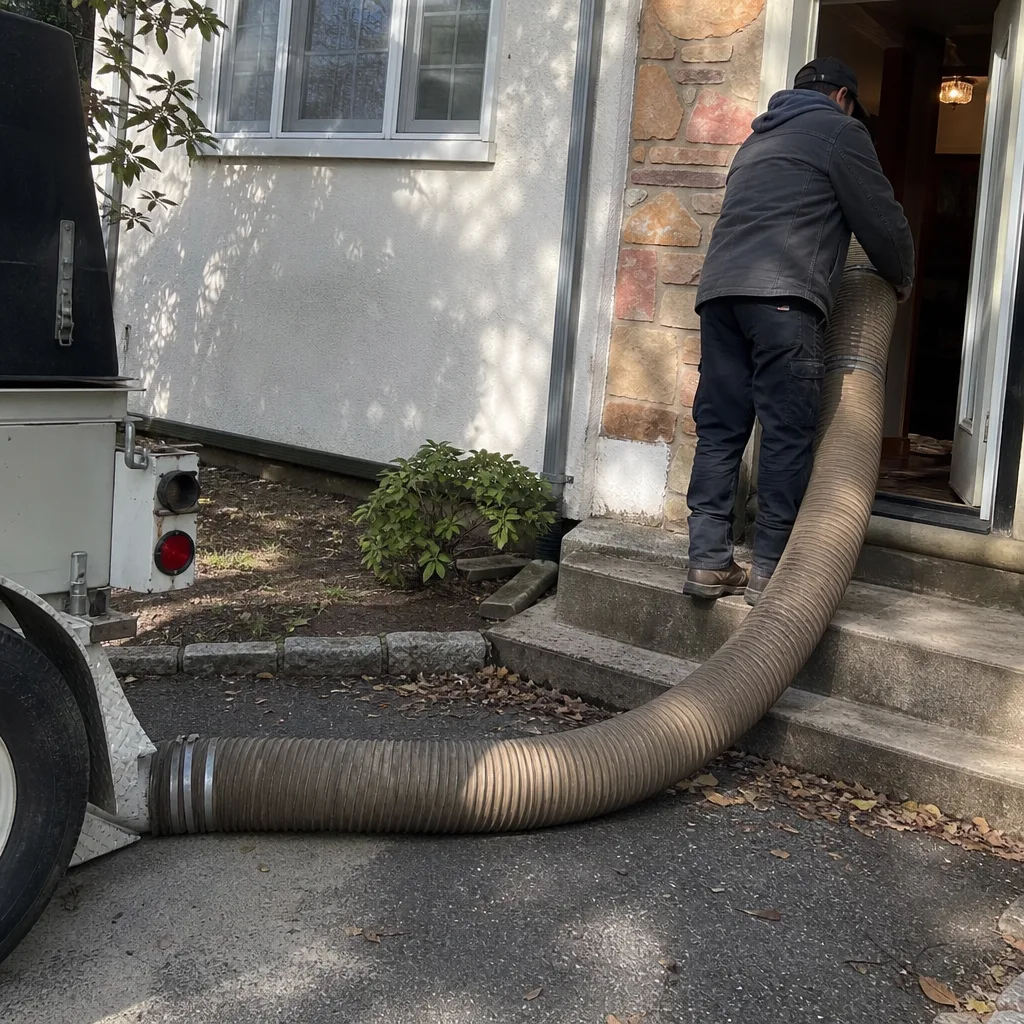
- Loss of suction at the register throat. The internal foam seal that maintains negative pressure between the brush head and the register frame has compressed or torn. Once that seal goes, the debris path breaks and the attachment moves air but not particles.
- Visible wobble or oscillation on the brush head while running. The drive bushing is worn past tolerance. A properly seated Rotobrush head spins true. If you sight down the shaft and see even a 1/16-inch runout, the bushing is done and the head needs replacement before it damages the drive shaft.
- Streaking or smearing on the wall above the register after a pass. Cause is usually a torn brush ring or a clogged debris chamber in the attachment body. The brush is knocking debris loose but the extraction path is partially blocked, so the loosened dust rides up and sticks to the wall surface.
- Rattling or grinding from the head when it’s under load. This is the sound of the internal bearing or the drive collar working against the shaft. It’s often worse in colder weather, because the nylon components shrink slightly when they’re cold, which is a real factor in New York City winters when equipment sits in unconditioned basements or service closets.
- Attachment won’t stay locked on the drive shaft. The locking tab is worn or the spring inside the collar has failed. This usually happens on units that have been swapped on and off frequently, and it’s the cheapest and fastest fix we do. Ten minutes on-site, usually under $40 in parts.
BeforeAfterReplacement Cost & What’s Included
Here’s the honest price picture for New York City, not a teaser number with fine print:
| Service | Typical Range (Installed) | What It Includes |
|---|---|---|
| Replacement brush head + seal, aiR+ series | $140-$190 | Parts, labor, on-site test pass, photo documentation |
| Replacement brush head + seal, eBrush series | $160-$220 | Parts, labor, on-site test pass, photo documentation |
| Collar or locking tab repair only | $35-$50 | Parts, labor, function check |
| Complete attachment assembly (head, collar, hose adapter) | $210-$260 | Parts, labor, full system function check, photo documentation |
The range depends on which series you have and whether the failure is just the head or the collar assembly too. What you get from us is a written price before any work starts, per Haven Standard Clause 1, and a documented photo record of the replaced part and the new part installed before we leave. The work is backed by our 365-Day Done Right Promise in writing. But no surprises. The price on the estimate is the price on the invoice, and it’s the same price quoted to every New York City customer regardless of zip code.
DIY or Call Us?
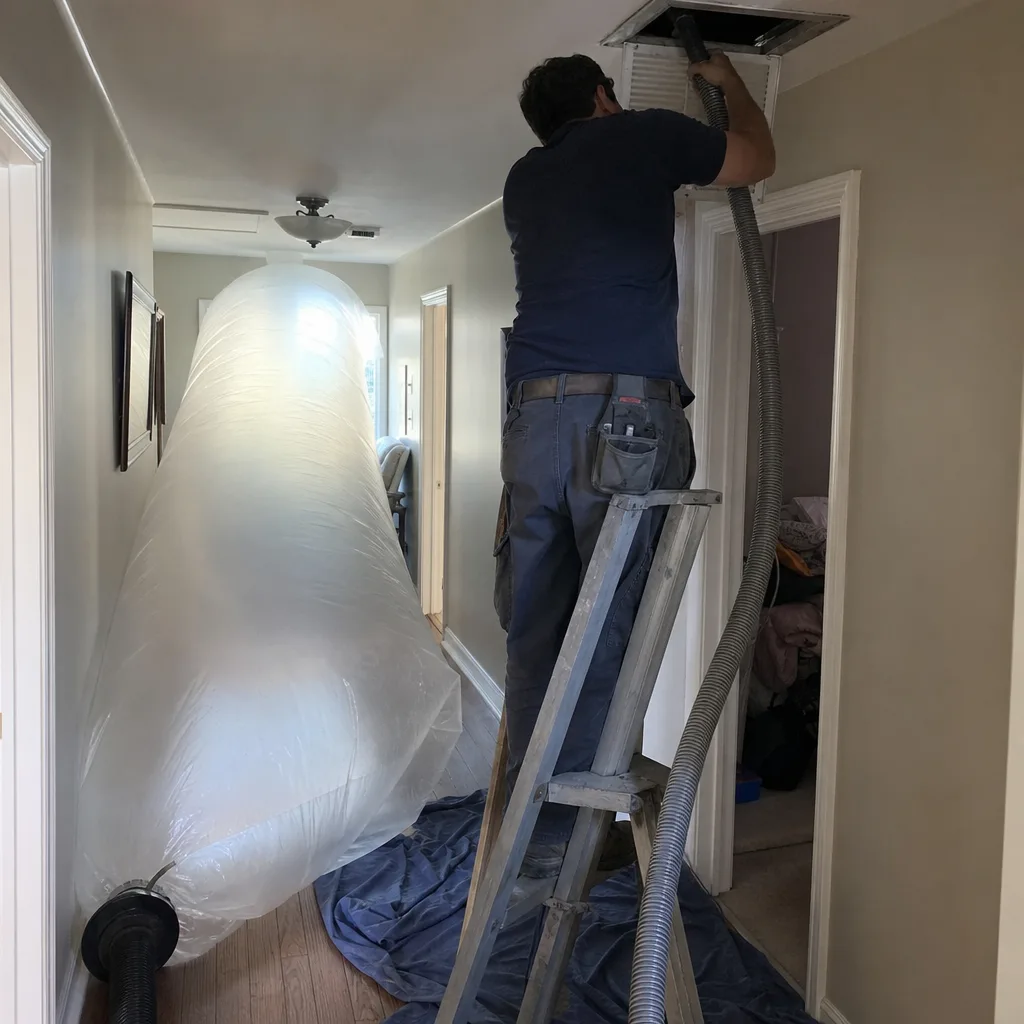
The register and grille cleaning attachment isn’t a dangerous part to handle. There’s no high-tension spring, no electrical exposure beyond the machine’s low-voltage controls, and the brush head swaps off with the collar release. If you’re handy and already own the replacement head, the physical swap is a ten-minute job you can do yourself. That said, the diagnostic side is where owners get into trouble. The difference between a worn bushing, a torn seal, and a clogged debris chamber isn’t visible from the outside, and throwing a new head at a machine whose problem is actually a failing drive shaft bearing doesn’t fix anything. It just spends $140 to postpone a $400 repair.
Our policy is simple. We’ll diagnose it on-site, show you the camera footage of the part that’s actually failed, and give you a written price to fix it. If you decide you want to take that information and do the work yourself, that’s your call. You owe us the service call fee, which we disclose before scheduling. Or you call (806) 606-6902 and we handle the whole thing same-visit.
FAQs
A Rotobrush register and grille cleaning attachment in typical New York City residential use lasts 3-5 years, but that assumes it’s used 1-2 times per home per year and stored indoors. If you’re running it daily on a commercial route or storing it in an unconditioned space where temperatures swing from 10°F in winter to 95°F in summer, the nylon components and foam seals degrade faster, sometimes to 18-24 months. We’ve seen attachments from Manhattan building maintenance crews that were functionally worn out after a single season of daily use across dozens of units. Call (806) 606-6902 if you suspect yours has hit the end of its service life.
It depends which component failed. A locking tab, collar spring, or debris chamber O-ring can be repaired on-site for under $50 in most cases. A worn drive bushing or a torn internal seal means the head needs replacement, because Rotobrush doesn’t sell those components separately and the attachment body isn’t designed to be opened and resealed in a way that maintains proper negative pressure. We’ll show you the failed part on camera before recommending replacement.
The physical swap of a Rotobrush register and grille cleaning attachment takes 10-15 minutes once the right part is on site. What takes longer is the diagnostic and verification: we run the machine, watch the head under load, check the drive shaft for play, and document everything with the camera. Door-to-door, most visits run 45-60 minutes. If you’re calling about a specific model, have the series label information ready and we can often confirm part compatibility before the truck rolls. Reach us at (806) 606-6902.
We carry Rotobrush-compatible brush heads, seals, collars, and drive bushings for both the aiR+ and eBrush series on our service trucks, along with compatible parts for Lennox, Trane, and Carrier systems. We can’t guarantee every variant is on every truck at all times, but in most New York City service calls we’re able to complete the work same-visit without a parts run. When a specific part isn’t on hand, we give you a written price and a scheduled return visit before we leave.
Written by Tomas Reyes, Owner & Lead Technician, CleanRun Air Duct Cleaning at CleanRun Air Duct Cleaning, serving New York City and nearby areas.