
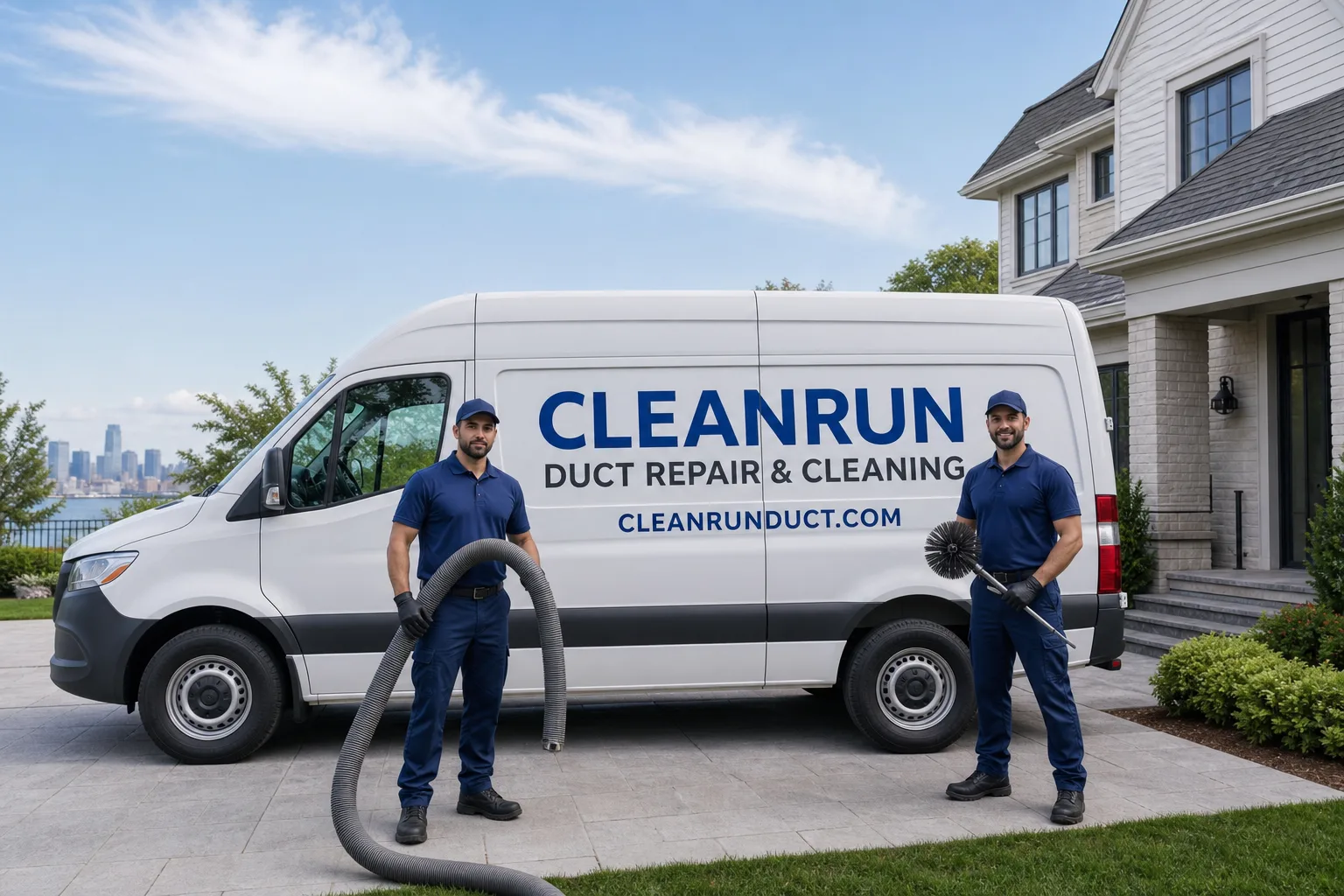
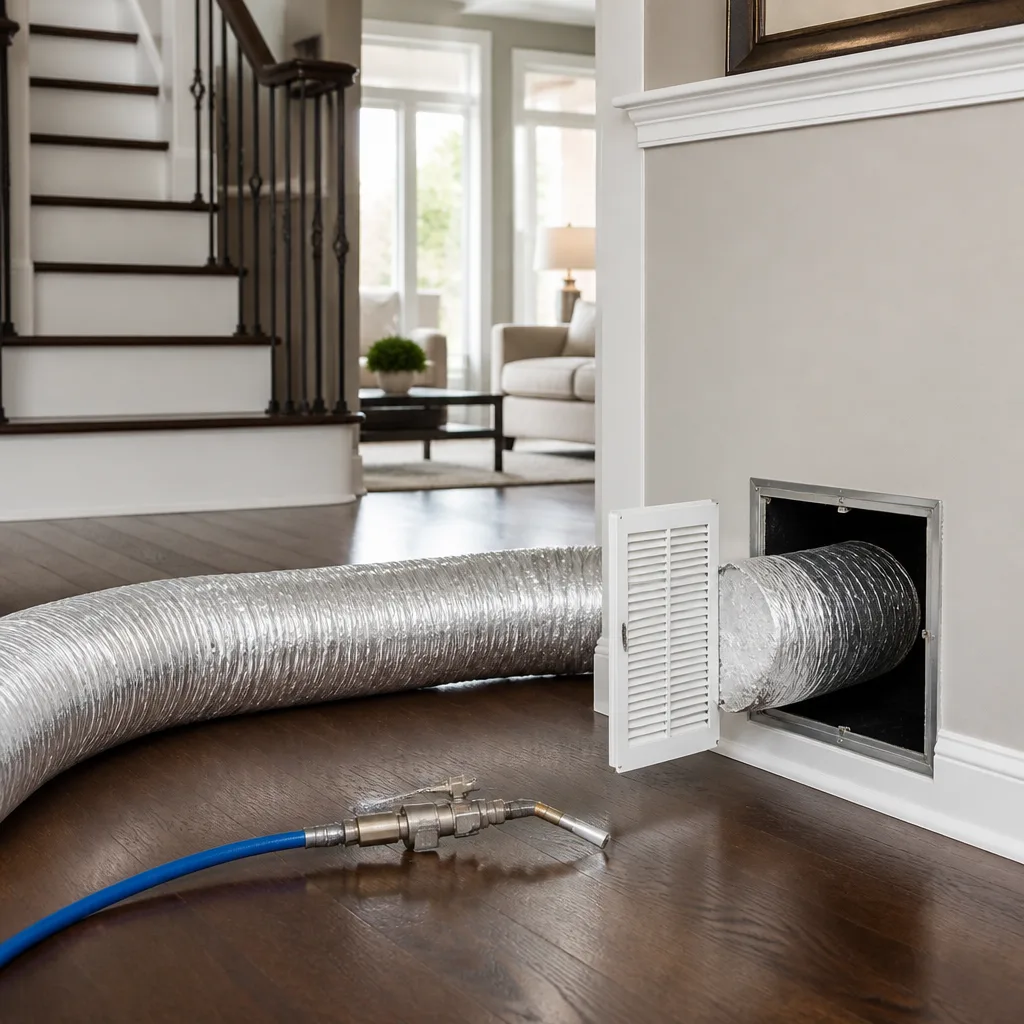
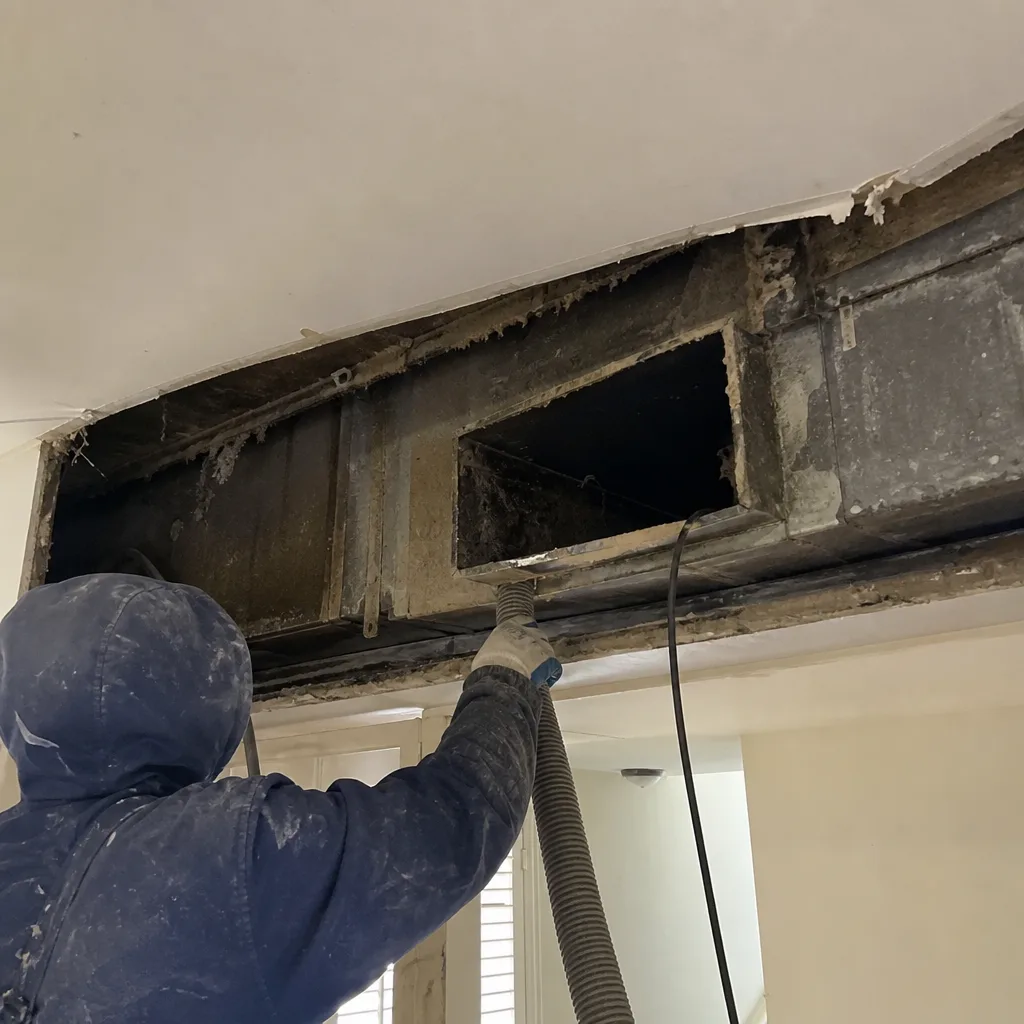
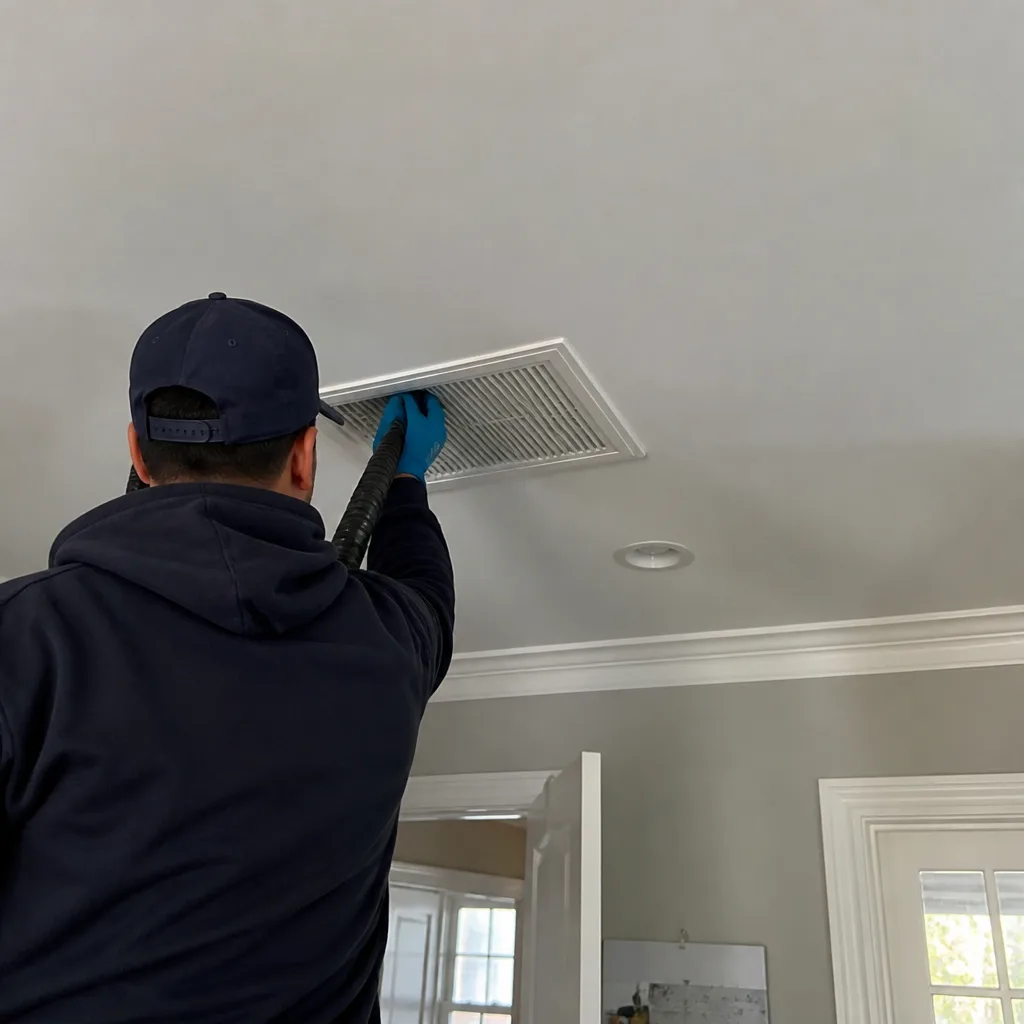
Whole-system duct and dryer vent check with before-and-after photos - you see exactly what came out of your vents
That "$99 whole-house special" is a bait ad - the real number appears once they are in your hallway, or the "clean" is a shop-vac at the register. We photograph the inside of your ducts before and after instead.
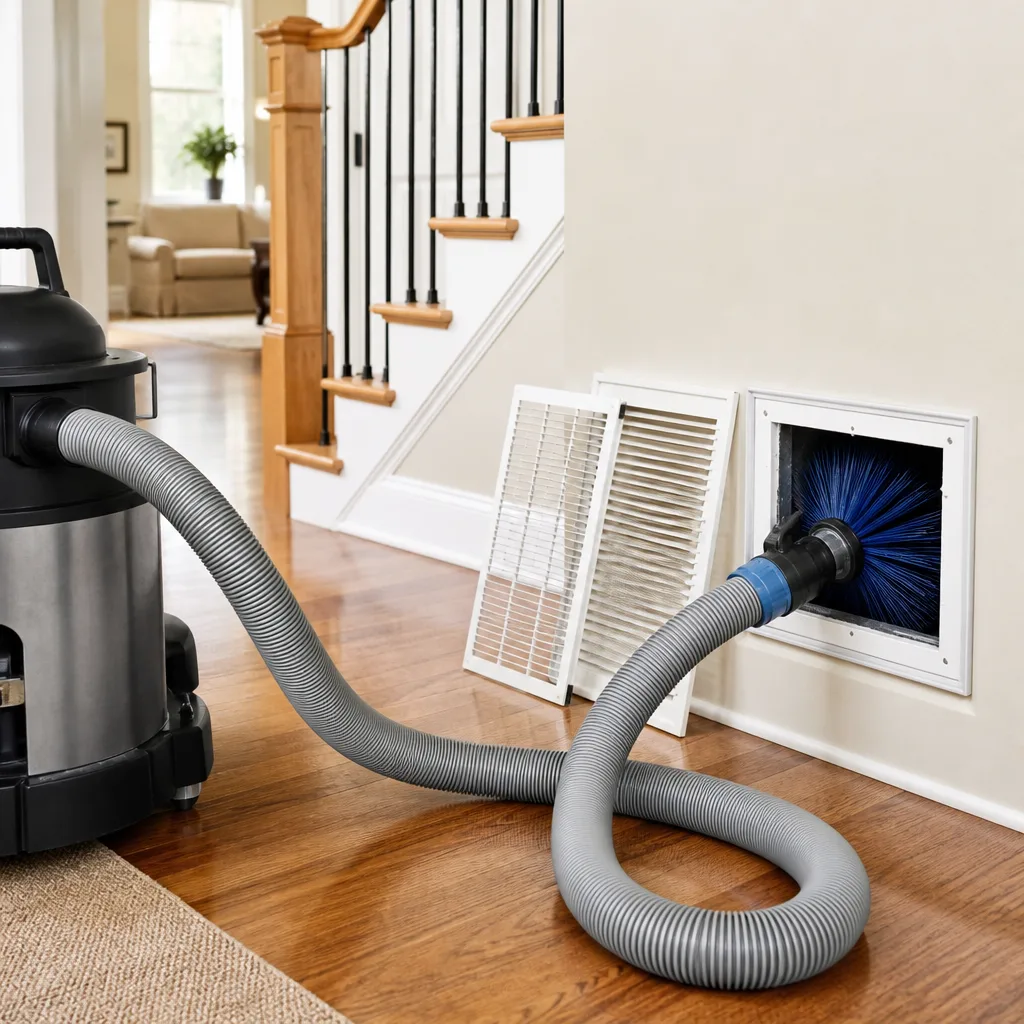
 Before
 After
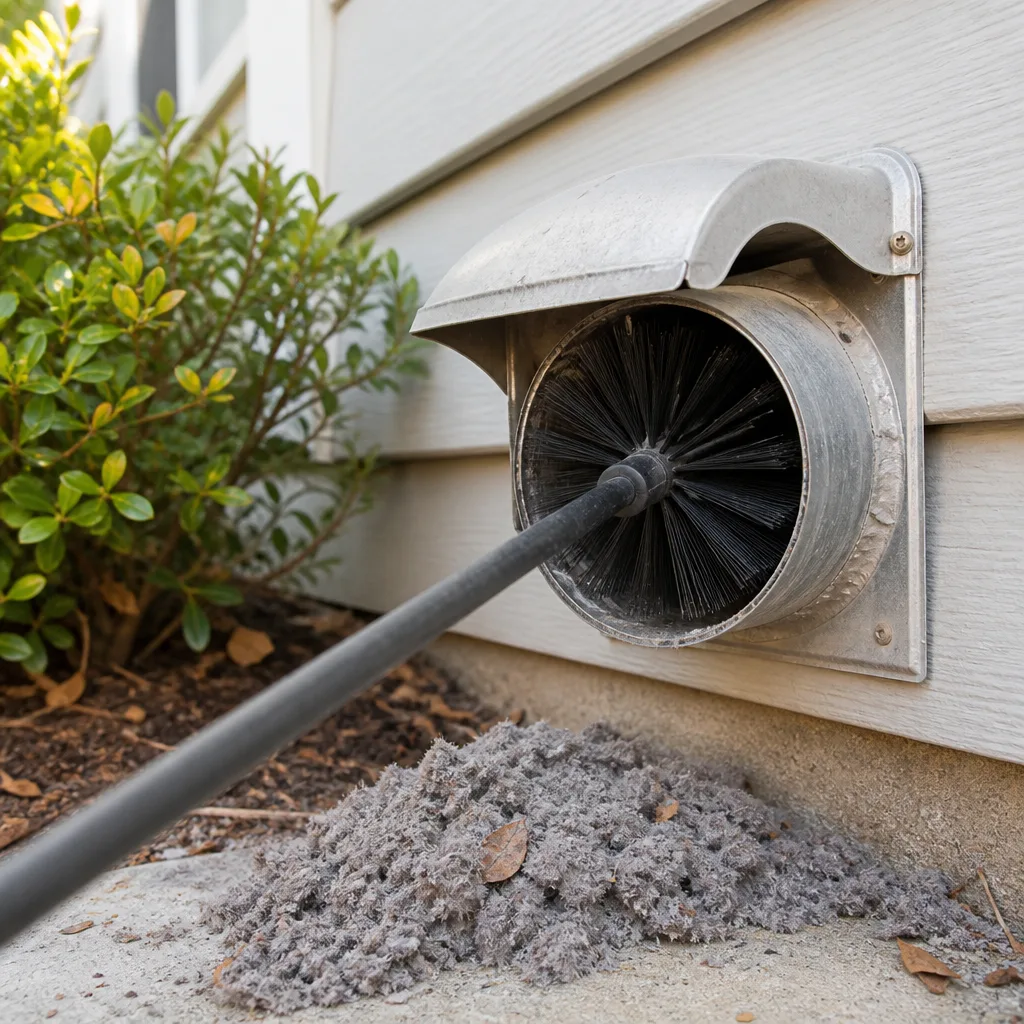
After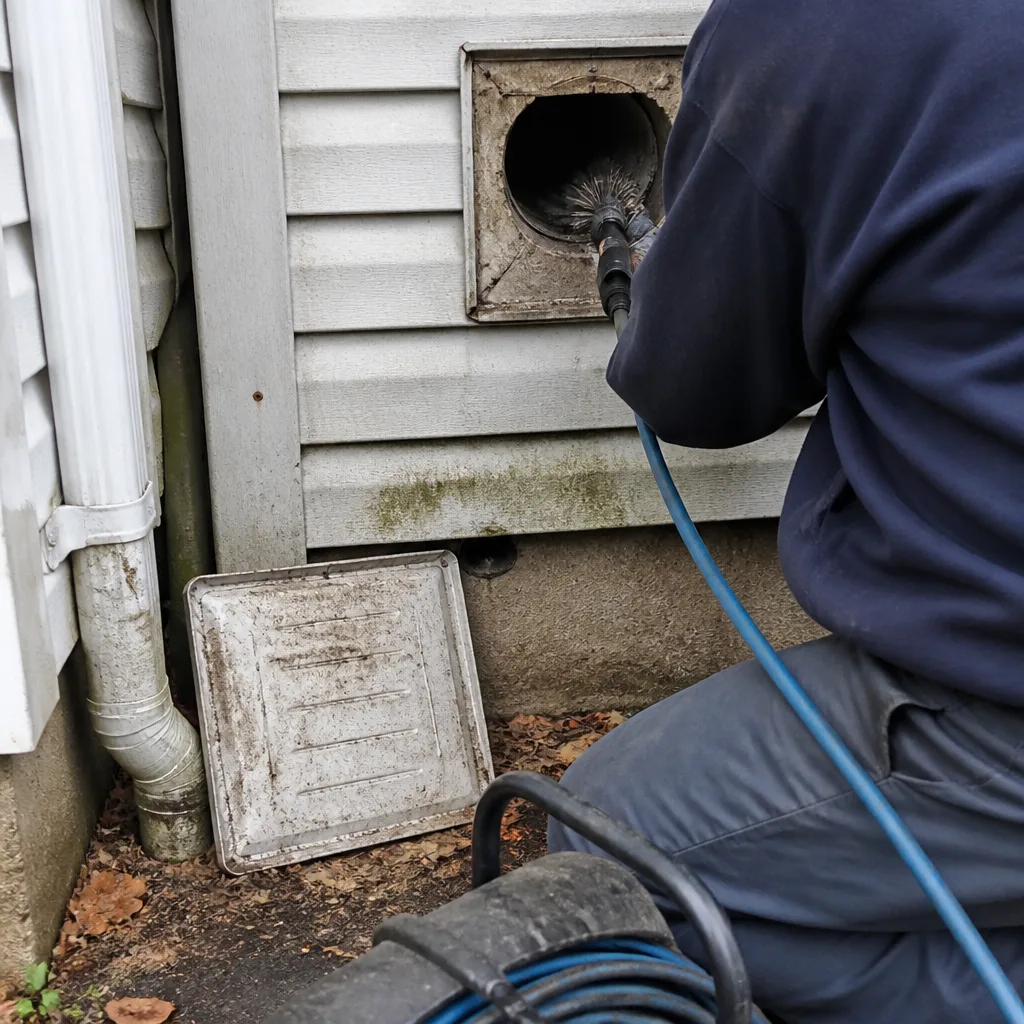 Before
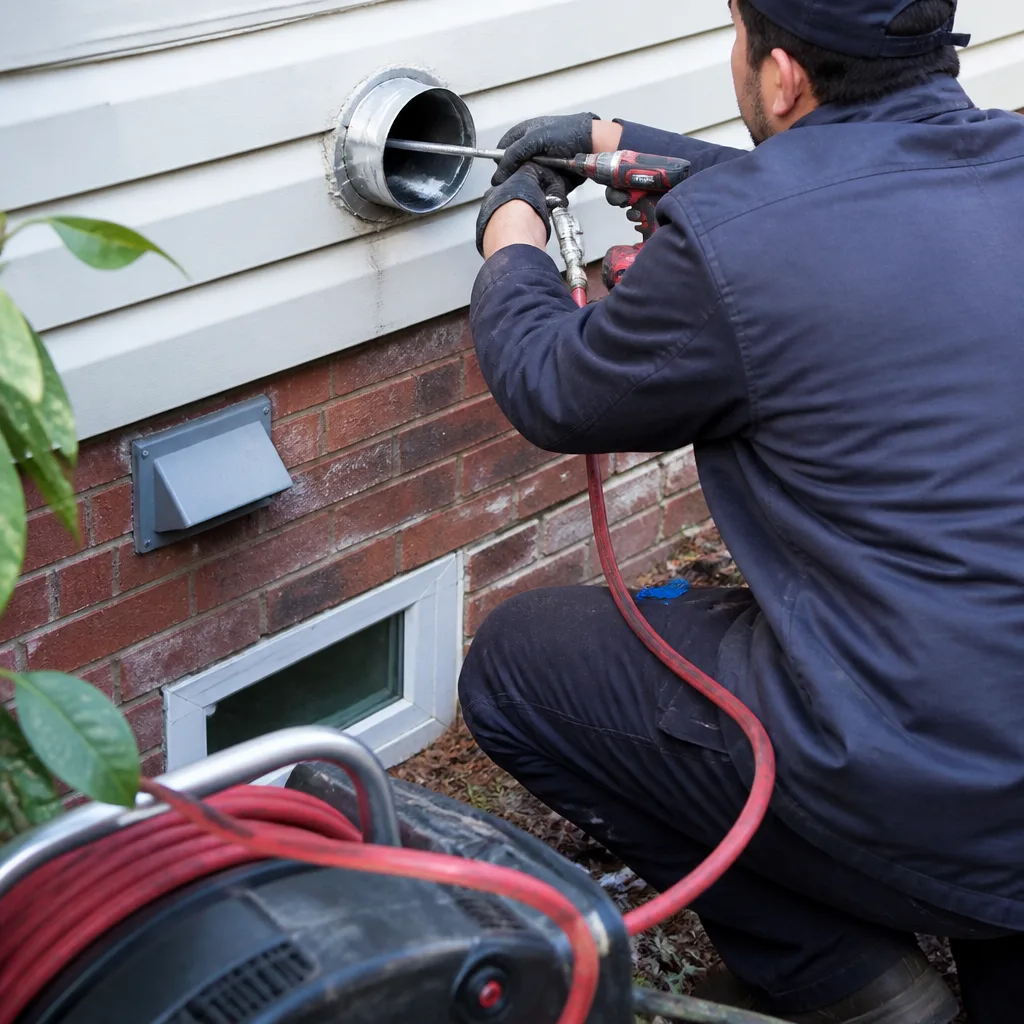 After
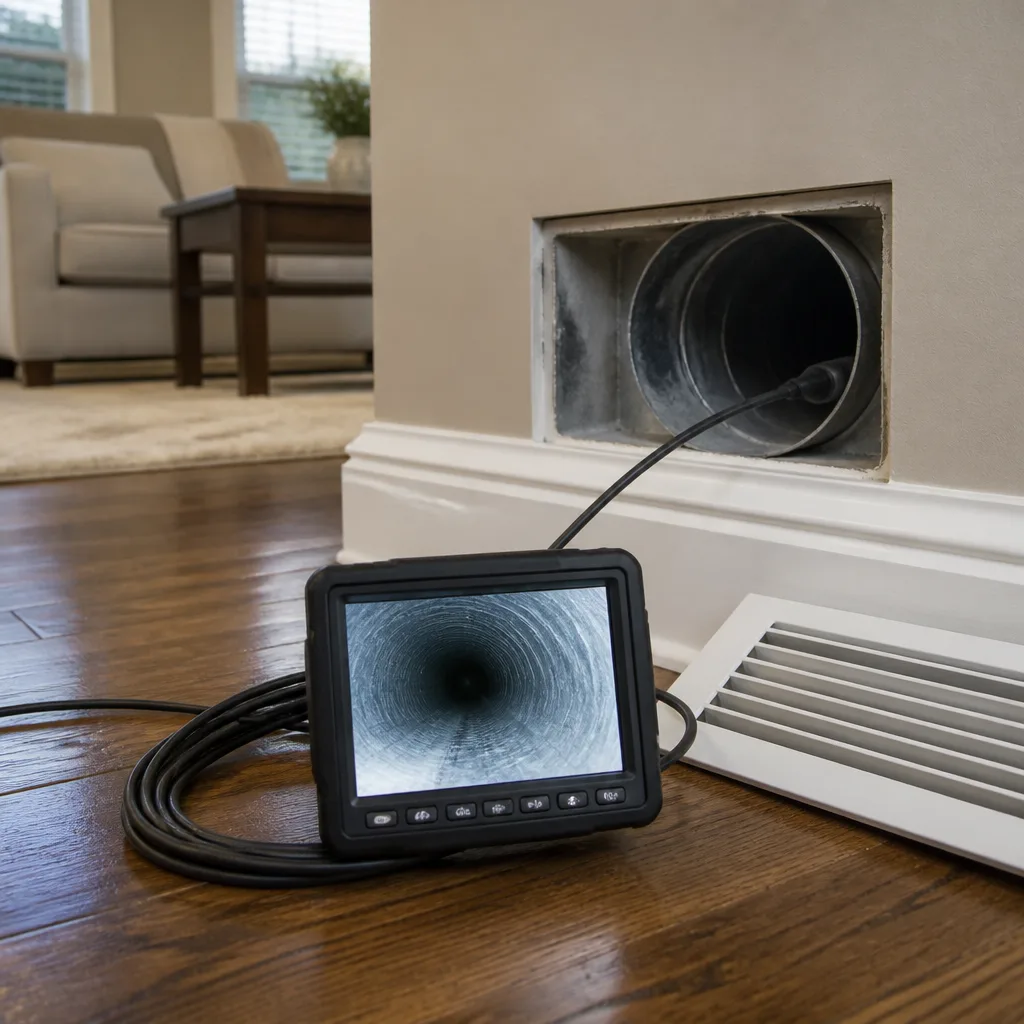
After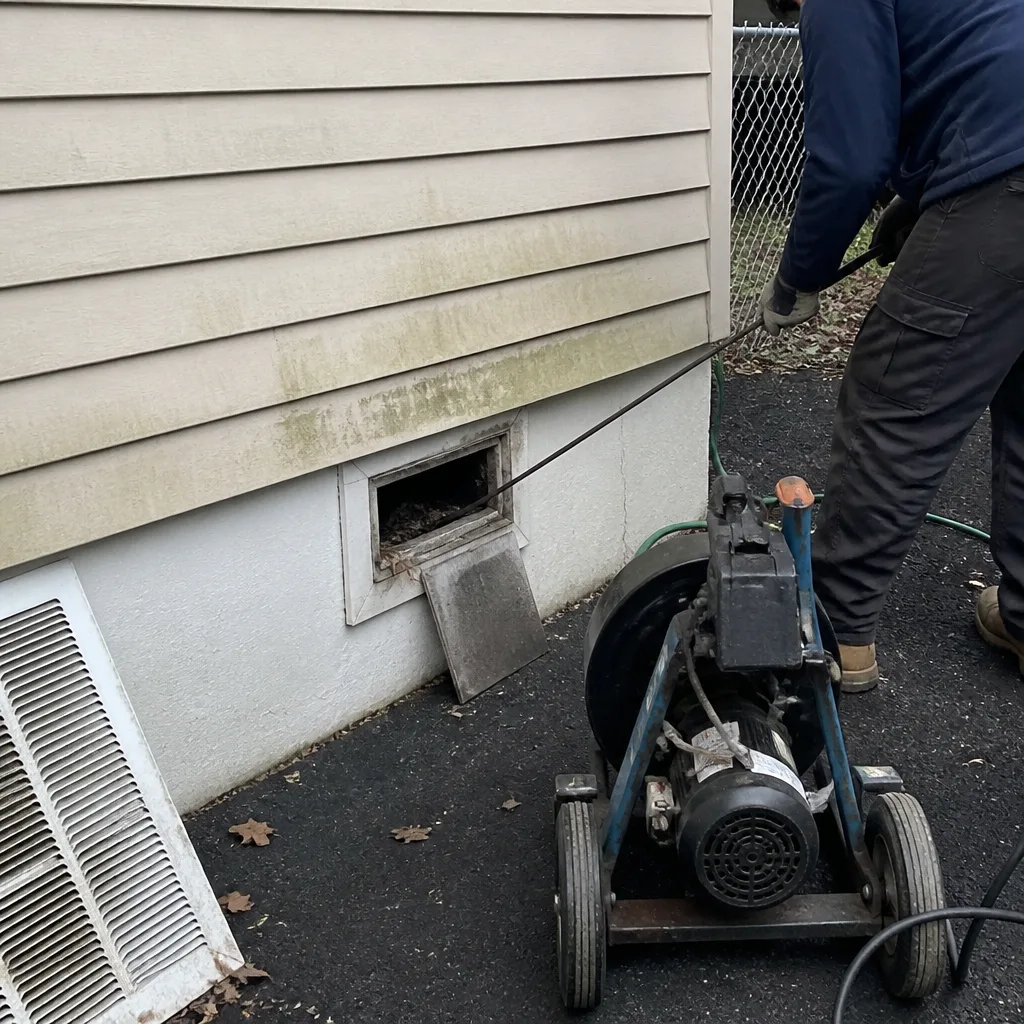 Before
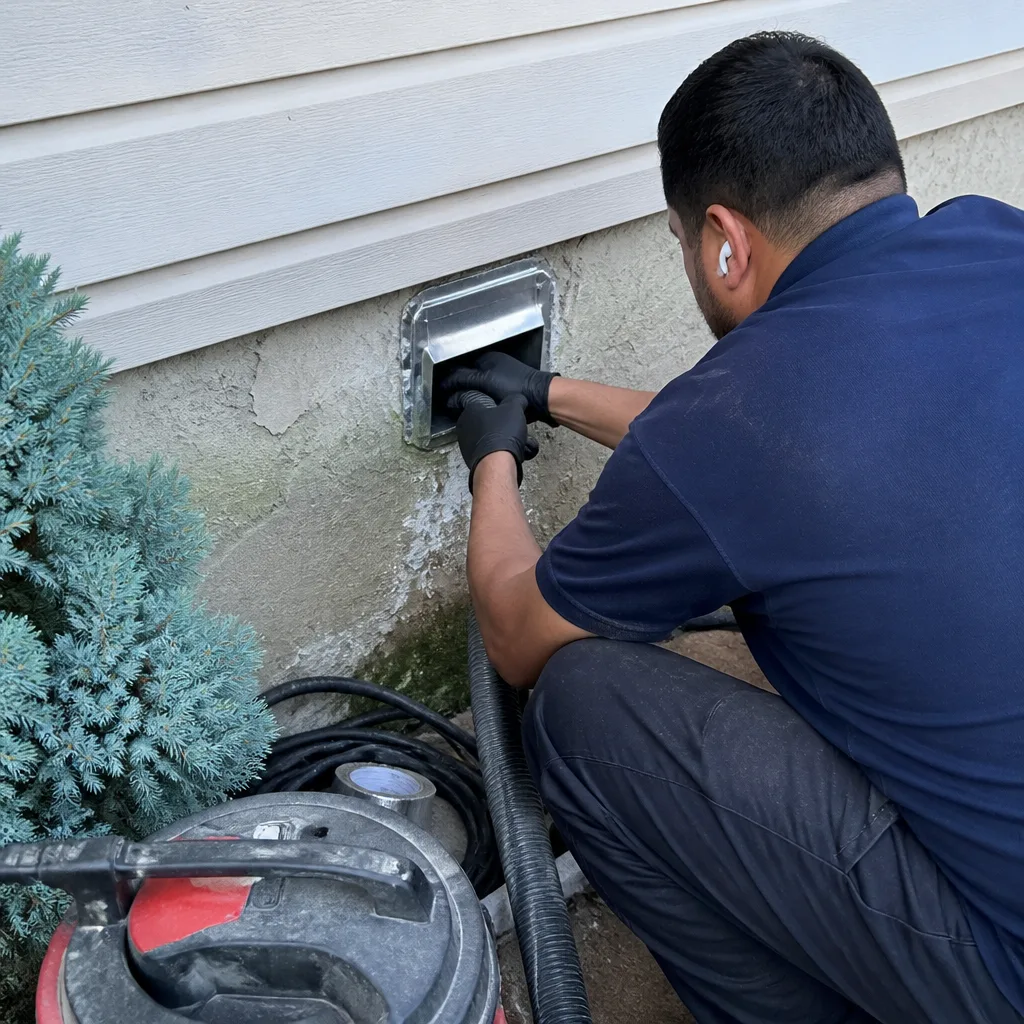 After
AfterFast, Reliable HVAC Cleaning Across Reading
HVAC cleaning in Reading, MA typically costs between $375 and $720 for a complete system clean, depending on the number of air handlers, coil accessibility, and whether sealing work is needed. Most jobs in Reading take four to six hours and include a documented photo record of every duct run before and after. CleanRun Air Duct Cleaning serves Reading with written pricing delivered before any work starts. Call (806) 606-6902 to schedule.
We know Reading’s housing stock because we work in it every week. The mid-century split-levels off Haverhill Street, the capes along South Street, the colonials near Birch Meadow Elementary. These homes share a common thread: decades-old ductwork that has never been opened, let alone photographed. When you call us, you’re getting a crew that understands what lives inside Reading’s original galvanized runs, and a written price before a single panel comes off.
If you’re searching for HVAC Cleaning that actually documents the work, you’re in the right place. Our team covers Reading directly, with scheduling coordinated from our Boston office and crews dispatched locally.
Why CleanRun Air Duct Cleaning Is Reading’s Preferred HVAC Cleaning Company
Reading homeowners tend to research before they call. They’ve read the horror stories about $79 duct cleaning coupons that turn into $1,400 invoices once the technician “finds” mold. They know the difference between a shop vac and negative-pressure extraction. That’s the customer base we built this company for.
Tomas Reyes founded CleanRun in 2013, and the operating rule hasn’t changed since: written price before work starts, photo record when we leave. No exceptions. That’s Haven Standard Clause 1, and it applies to every Reading job we take. Our technicians are background-checked, uniformed, and identified by name before they walk through your door. They operate under the H.A.V.E.N. Standard, with our license number published on every estimate, not buried in a footer.
What we hear from Reading customers after a job is consistent: they had no idea how much debris was actually inside the runs. The camera shows it. The before photo shows it. Then the after photo shows what a real clean looks like. That’s the documentation we hand over, on every visit, as a standard deliverable.
Our HVAC Cleaning Services in Reading
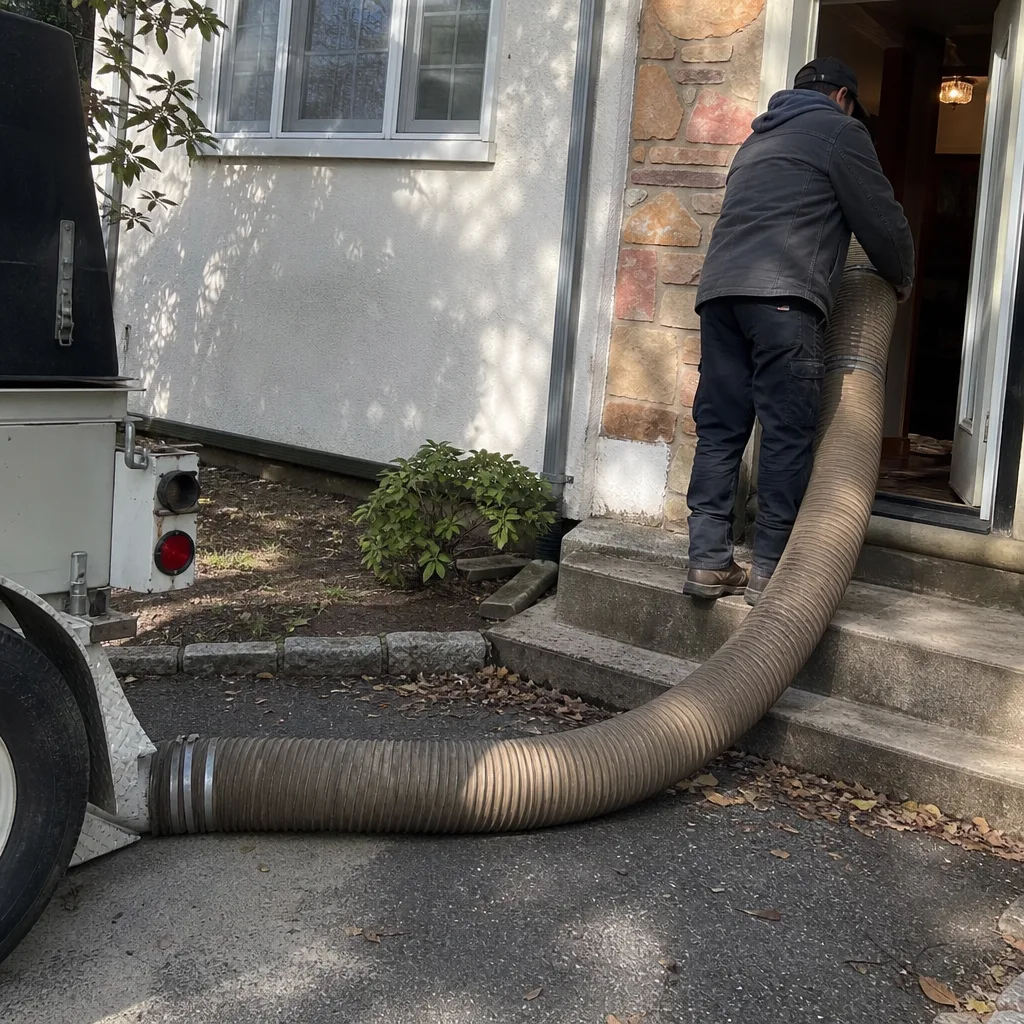
Evaporator Coil Cleaning
The evaporator coil sits above your furnace or inside the air handler, and in Reading’s older homes it’s often caked with a gray, matted layer of dust and pollen. That layer insulates the coil, forcing your system to run longer to hit the thermostat setpoint. We clean coils with professional-grade equipment from brands like Abatement Technologies and Nikro, then photograph the result so you can see the fins again. A typical evaporator coil cleaning in Reading runs $180-$280 as part of a full system clean.
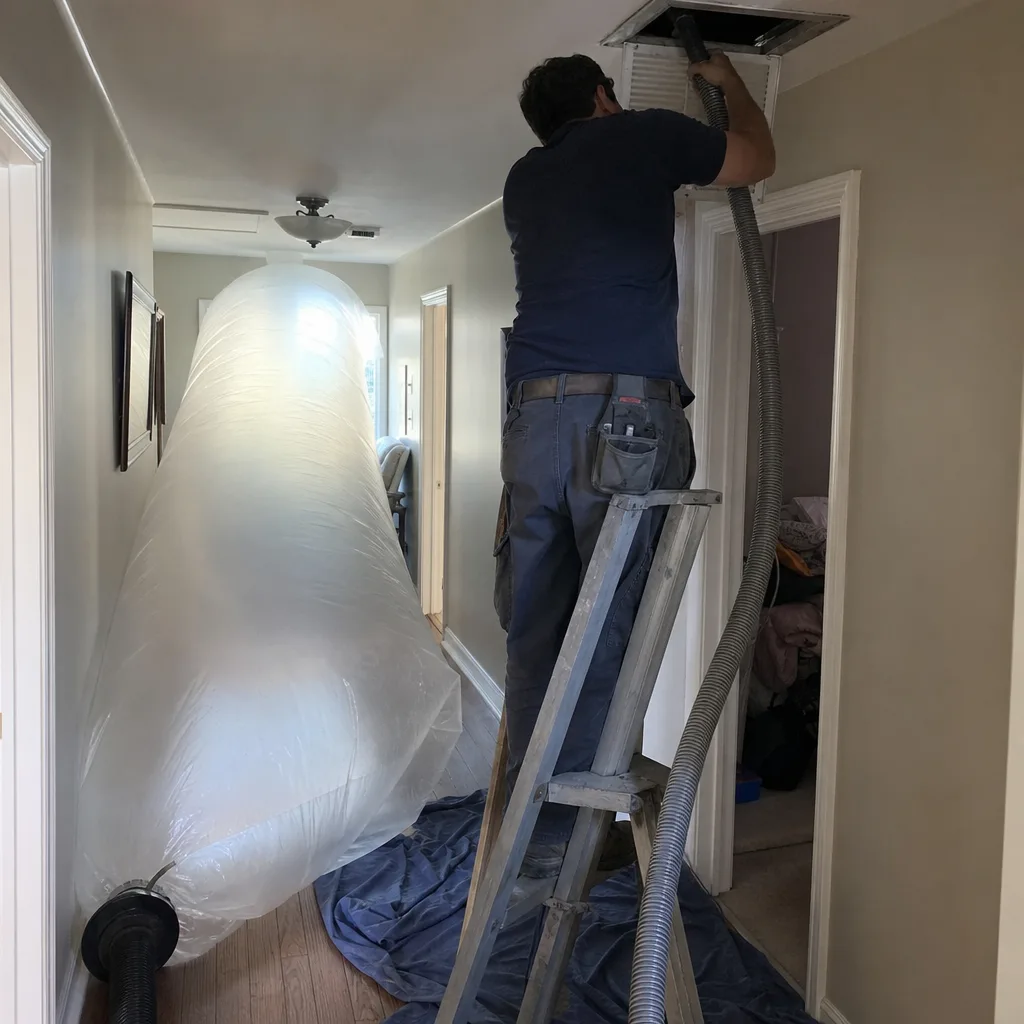
Blower Cleaning
The blower wheel in a forced-air system moves every cubic foot of air your family breathes. In Reading homes with pets, the wheel often arrives caked in a combination of hair, skin cells, and the fine dust that slip past the filter. A dirty blower wheel is less efficient and it wears the motor bearings faster. We remove, clean, and reinstall the blower assembly, then verify amp draw before and after. Blower cleaning in Reading typically adds $120-$180 to a full-system job.
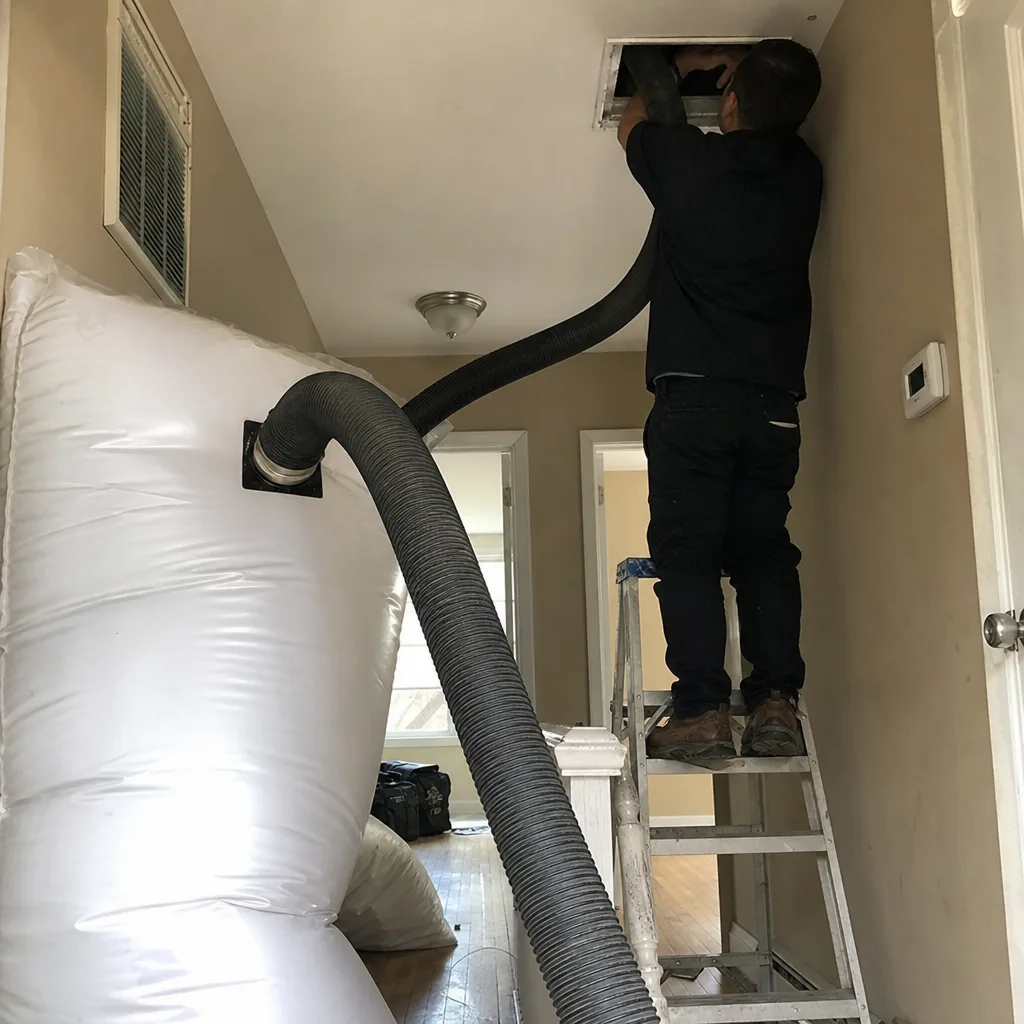
Condenser Cleaning
Reading’s dense tree canopy means the outdoor condenser unit catches maple helicopters, oak pollen, and birch catkins throughout spring. A condenser that can’t shed heat properly makes the whole system work harder. We clean condenser coils, clear debris from the housing, and check fin condition. Condenser cleaning in Reading runs $110-$160 and is often bundled with coil treatment.
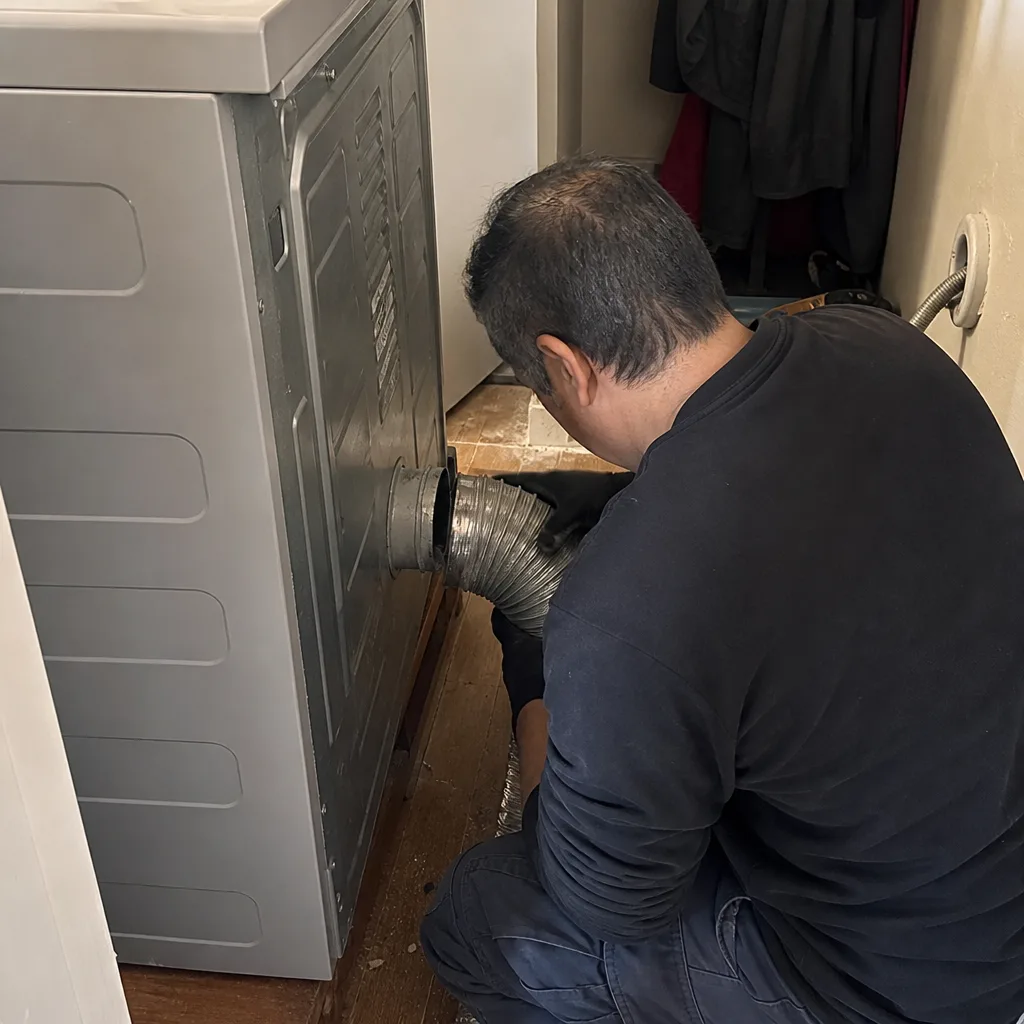
Air Handler Cleaning
The air handler is the unit that circulates air through your ducts, and in Reading’s split-levels and raised ranches it’s often installed in a closet, attic, or garage-adjacent mechanical space. Those locations collect dust differently than basement installations. We open the air handler, clean the coil, blower, and drain pan, and inspect the condensate line. Air handler cleaning in Reading starts at $220 and includes a photo record of the interior before and after.
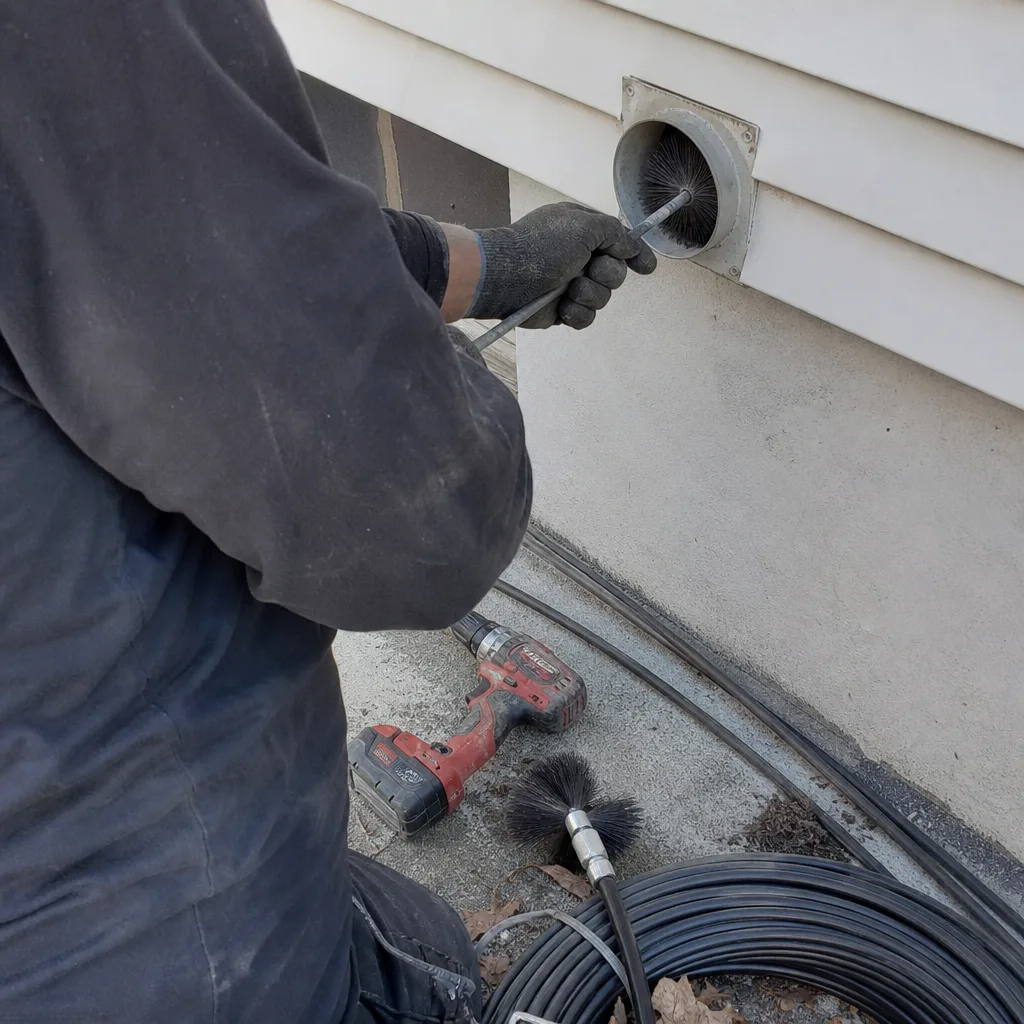
What happens when you call
- 1
A real person answersNo phone trees - you reach a local pro.
- 2
You get an upfront price rangeHonest numbers before anyone is dispatched.
- 3
A background-checked tech heads outLicensed & insured, dispatched right away.
- 4
You approve before work beginsNothing starts until you say go.
BeforeAfterTrusted Brands We Service in Reading
Reading homes run on equipment from every major manufacturer, and our techs are trained on all of them. We service and clean around Honeywell controls, Aprilaire filtration systems, and air handlers paired with Abatement Technologies filtration where indoor air quality is a concern. If you have a Guardsman UV system or an Aprilaire media filter housing, we inspect and clean those as part of the job, not as an upsell. Because we stock common filter sizes and replacement parts used in Reading’s mid-century systems, most jobs wrap up the same day without a second visit.
Common HVAC Cleaning Problems We See in Reading Homes
- Garage-adjacent mold in the trunk line. Reading’s 1960s split-levels often route a supply trunk through an uninsulated cavity above the garage. Winter condensation forms there, and that’s where we consistently find the worst mold concentrations in the system. The homeowner usually has no idea until the camera shows it.
- Crushed or disconnected return ducts. Decades of settling, rodents, and improvised modifications leave return runs collapsed or separated in crawlspaces. One Reading job on Bancroft Avenue had a crushed 8-inch return pulling 40% of return air from a damp, moldy void. We rebuilt it to NADCA standards and blower amp draw dropped 18%.
- Hardened dust in original cloth-taped joints. Homes built before 1980 often still have cloth tape over the duct joints. That tape dries out, the adhesive fails, and the joints leak. Worse, the dust that’s accumulated over 50 years hardens into a crust that a vacuum-only cleaning won’t remove. Agitation tools are required, and most discount crews don’t carry them.
- Dead-leg runs that trap debris. When furnaces get changed out, old branch runs get capped off or abandoned. These blind dead-legs collect debris and go untouched by typical cleanings. Our camera inspection finds them, and we either clean or seal them so they stop contaminating the airflow.
Pricing for HVAC Cleaning in Reading, MA
A complete HVAC cleaning in Reading runs $375-$720 for a typical single-system home. Here’s the breakdown:
- Full system clean (air handler or furnace, evaporator coil, blower, supply and return ducts): $375-$520
- Condenser cleaning: $110-$160
- Evaporator coil cleaning alone: $180-$280
- Air handler cleaning alone: $220-$320
- Duct sealing or repair work (if camera inspection finds separated joints or crushed runs): $150-$600 depending on scope
The final number depends on what the camera finds. That’s why we give you the written price before work starts, and why we photograph everything as we go. You see what we saw. You pay what you agreed to. Free estimates are available by calling (806) 606-6902.
We Also Serve Cities Near Reading
Beyond Reading, our crews cover Wakefield, Wilmington, Woburn, and Burlington. Each town has its own housing stock and its own ductwork quirks, but the standard is the same everywhere: written price first, photo record after. If you’re in a neighboring Middlesex County town, the HVAC Cleaning in Reading team can usually reach you the same week.
Why Reading’s Older Homes Need More Than a Standard Cleaning
Reading’s residential neighborhoods were largely built out between 1950 and 1980 during the Route 128 suburban expansion. That means original galvanized sheet-metal ductwork with mastics and cloth-tape joints that dried out decades ago. Homeowners converted oil-fired systems to gas, added central AC, and no one ever opened the ducts. The result is a patchwork of mismatched trunk lines, separated joints, and blind dead-leg runs that trap debris.
This is not the same job as cleaning ducts in a 2010s colonial in a newer town. Reading’s duct systems are older, leakier, and more likely to hide real problems. The split-level footprint common here routes supply ducts through unheated utility zones and garage-adjacent cavities. In winter, those segments sweat. In summer, they collect condensation. The mold that grows there isn’t visible from the register, and it’s exactly the kind of thing a camera inspection finds when a discount crew never even looks.
Reading also sits in a basin with heavy tree canopy. Mature oaks, maples, and birches produce some of the heaviest pollen loads in Middlesex County every April and May. Older return plenums leak, and that pollen gets pulled directly into the duct system. Cold, dry winters force long heating run times. Muggy summers with high dew points accelerate biofilm growth inside ducts that don’t get enough airflow. The combination is specific to Reading, and it means many homes here are genuinely overdue for a clean that actually addresses the whole system, not just the visible registers.
What We Actually Find Inside Reading Ductwork
At a split-level on Bancroft Avenue, our camera inspection found a crushed 8-inch return duct in the crawlspace. Decades of mice and settling had collapsed the galvanized run, and the system was pulling 40% of its return air from a damp, moldy void beneath the house. We source-removed the contamination, sealed the disconnected joints with mastic, and rebuilt the return path to NADCA standards. Blower motor amp draw dropped 18%, and the musty smell was gone that week.
That’s the kind of thing that separates a real HVAC cleaning from a vacuum pass. The company that shows up with a $79 coupon and a shop-vac attachment isn’t going to crawl into that space. They aren’t going to camera-inspect the dead-leg runs. They’re going to clean the visible registers, hand you an invoice, and leave the mold colony exactly where it was. That’s the callback in 12 months. That’s the “clean” ducts that still trigger allergies. The information gain here is simple: what hides inside decades-old Reading ductwork is often a structural problem, not a dirt problem, and cleaning without sealing doesn’t last.
Our crews use negative-pressure extraction with agitation tools because hardened 50-year-old dust doesn’t come off with suction alone. Brands matter here. We run Rotobrush agitation systems, Nikro negative-air machines, and Abatement Technologies HEPA filtration. These are professional-grade tools you can look up independently before you ever agree to a price. That’s the point.
Serving Reading, MA - Our Local Coverage Area
We’re based in the Reading area and know this community well. Use the map below to see our service coverage - if you’re nearby, we can almost certainly help.
FAQs - HVAC Cleaning in Reading
Reading’s 1960s and 1970s split-levels frequently route supply ductwork through uninsulated cavities above the garage or through unheated utility zones. These segments sweat during winter heating cycles, and the moisture collects in the air handler cabinet and the duct runs nearest it. Newer construction doesn’t have these uninsulated transitions. The fix is cleaning the affected runs, then sealing and insulating the transition point so it stops happening. Call (806) 606-6902 and we’ll camera-inspect your system and show you exactly where the moisture is entering.
For most Reading homes built before 1980, cleaning alone is not enough. The original cloth tape and mastic joints have dried and separated, which means your system is pulling unfiltered air from crawlspaces, wall cavities, and attic spaces while you pay to condition air that leaks out before it reaches the registers. We clean first, then camera-inspect every accessible joint, then seal what’s failed with mastic or foil tape rated for HVAC use. The sealing work typically adds $150-$600 to the job, and it’s the difference between a clean that lasts and a clean that doesn’t.
Yes. Reading’s mature oaks, maples, and birches produce heavy pollen loads from April through early June, and the town’s basin geography concentrates that particulate. Older return plenums with dry, separated joints pull that pollen directly into the duct system, where it settles into the dust lining the runs. We see heavier organic buildup in Reading homes than in neighboring towns with newer construction and fewer mature trees. A media filter upgrade, like an Aprilaire cabinet, can make a meaningful difference when paired with a proper system clean and sealing.
Yes, that’s one of the most common problem areas in Reading’s raised ranches. The supply trunk that passes through the uninsulated space above the garage condenses moisture in winter, and that’s where we consistently find the heaviest mold concentrations in the system. We can access, clean, and seal that trunk segment, then add insulation if the cavity allows. The cost is typically $180-$350 above the standard system clean, depending on access and length of the affected run. The photo record shows you what was there and what it looks like after.
When furnaces get replaced over the decades, old branch runs often get capped or abandoned in place, creating blind dead-leg runs that trap debris and keep circulating fine particulates every time the blower kicks on. We camera-inspect for dead-legs during every HVAC cleaning in Reading, then either clean and seal them or remove the debris and cap them properly at the trunk. It’s included in the standard job scope, not an add-on. If you suspect your Reading home has these runs, call (806) 606-6902 for a free estimate, and we’ll document everything in writing before any work begins.
Written by Tomas Reyes, Owner at CleanRun Air Duct Cleaning, serving Reading with documented HVAC cleaning since 2013.