
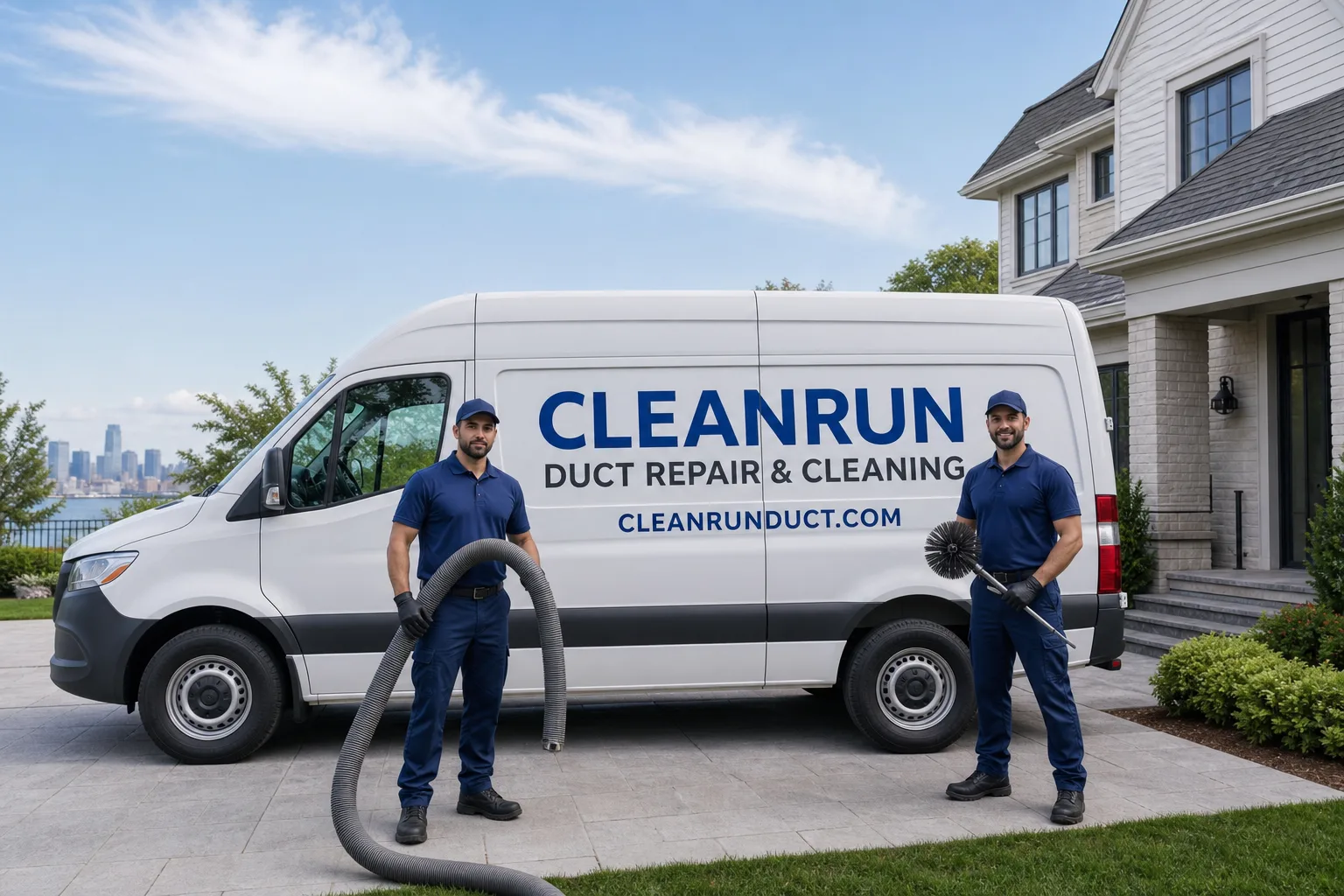
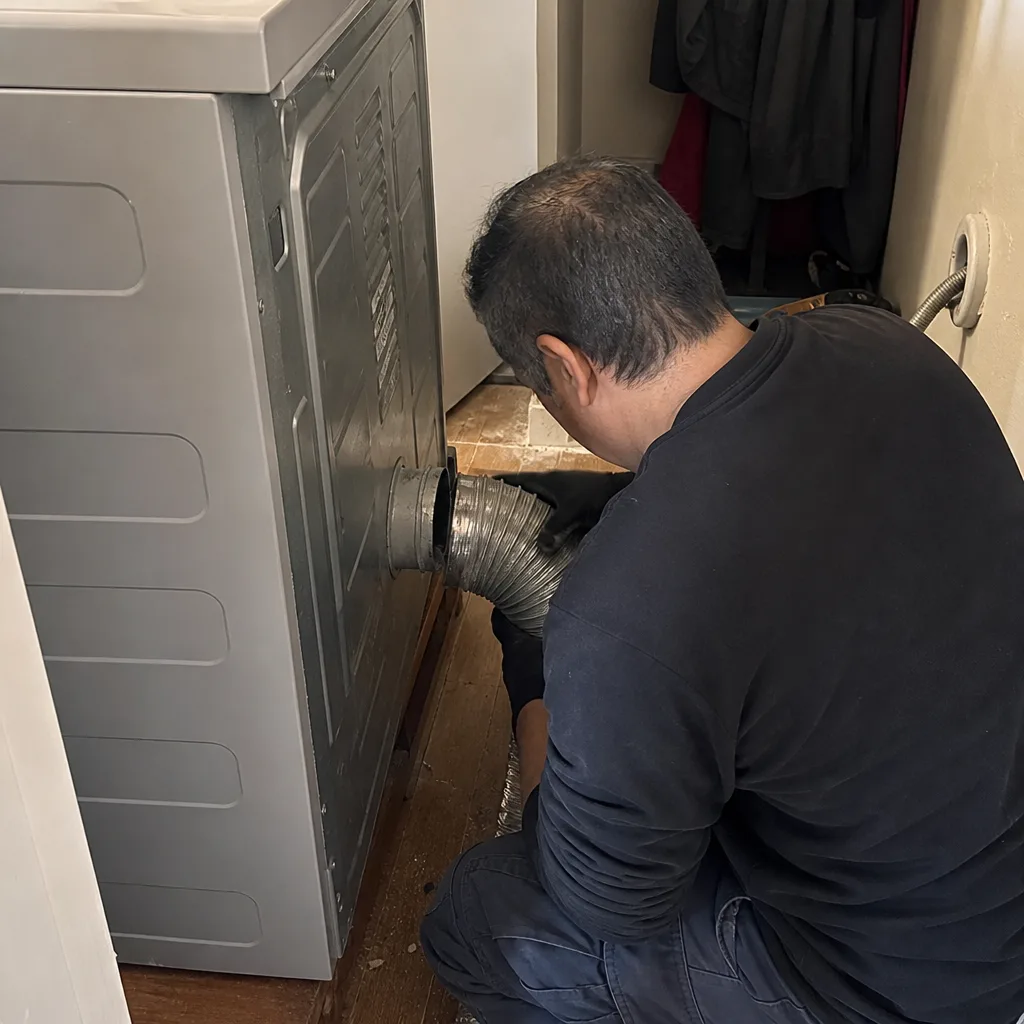
Whole-system duct and dryer vent check with before-and-after photos - you see exactly what came out of your vents
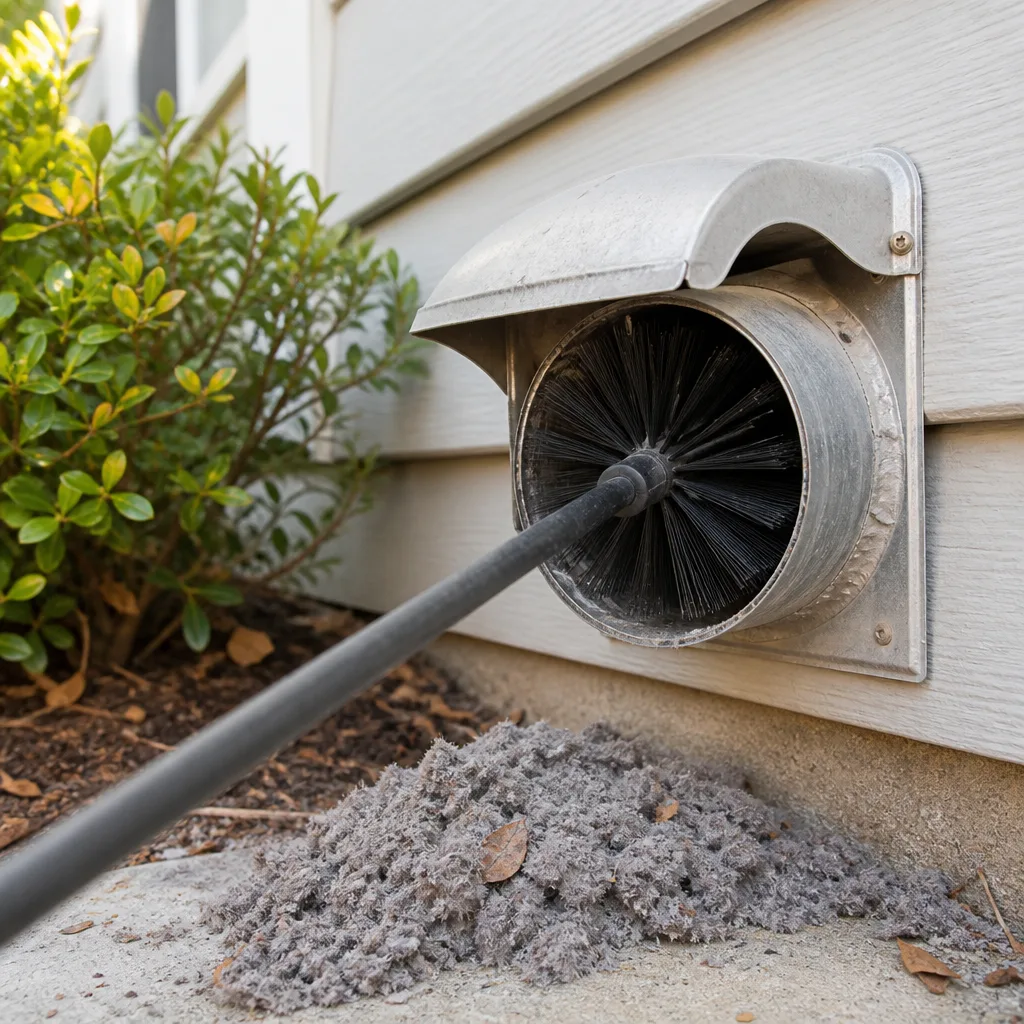
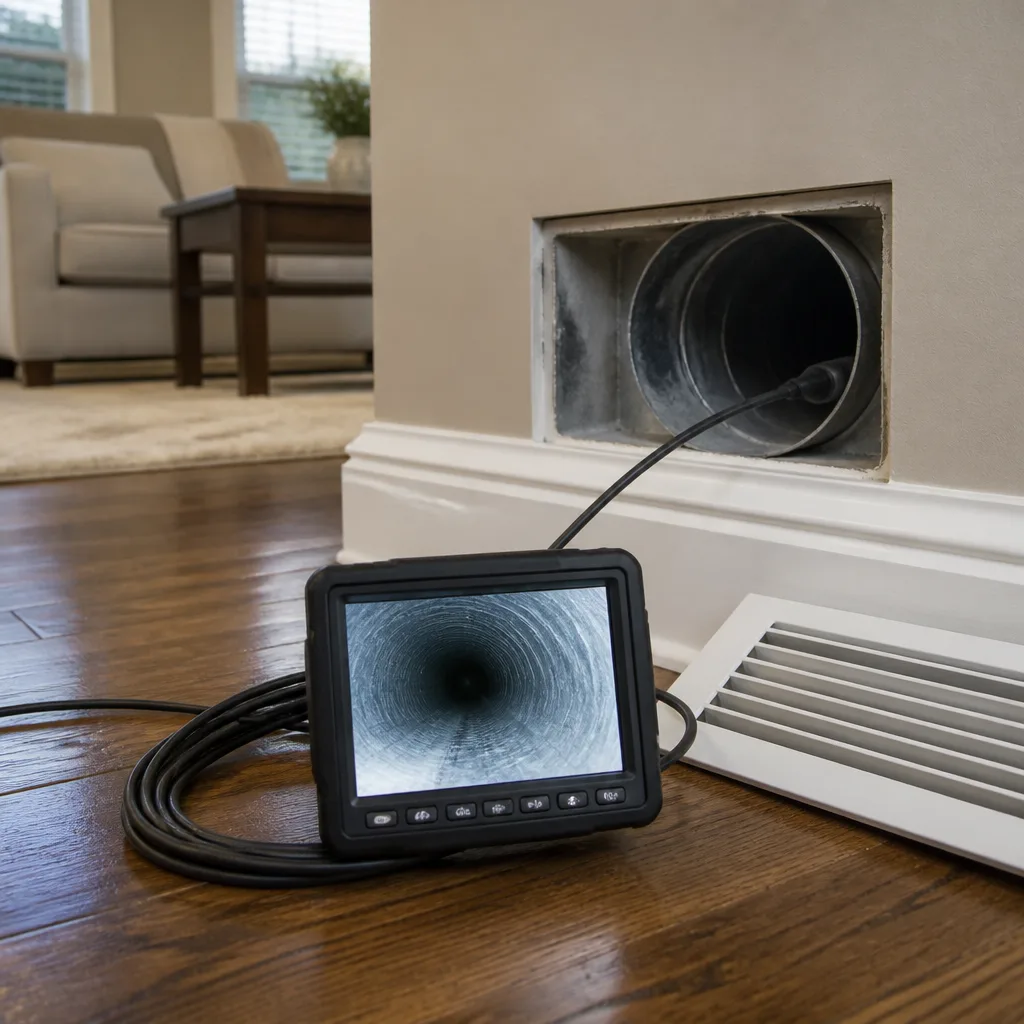
That "$99 whole-house special" is a bait ad - the real number appears once they are in your hallway, or the "clean" is a shop-vac at the register. We photograph the inside of your ducts before and after instead.
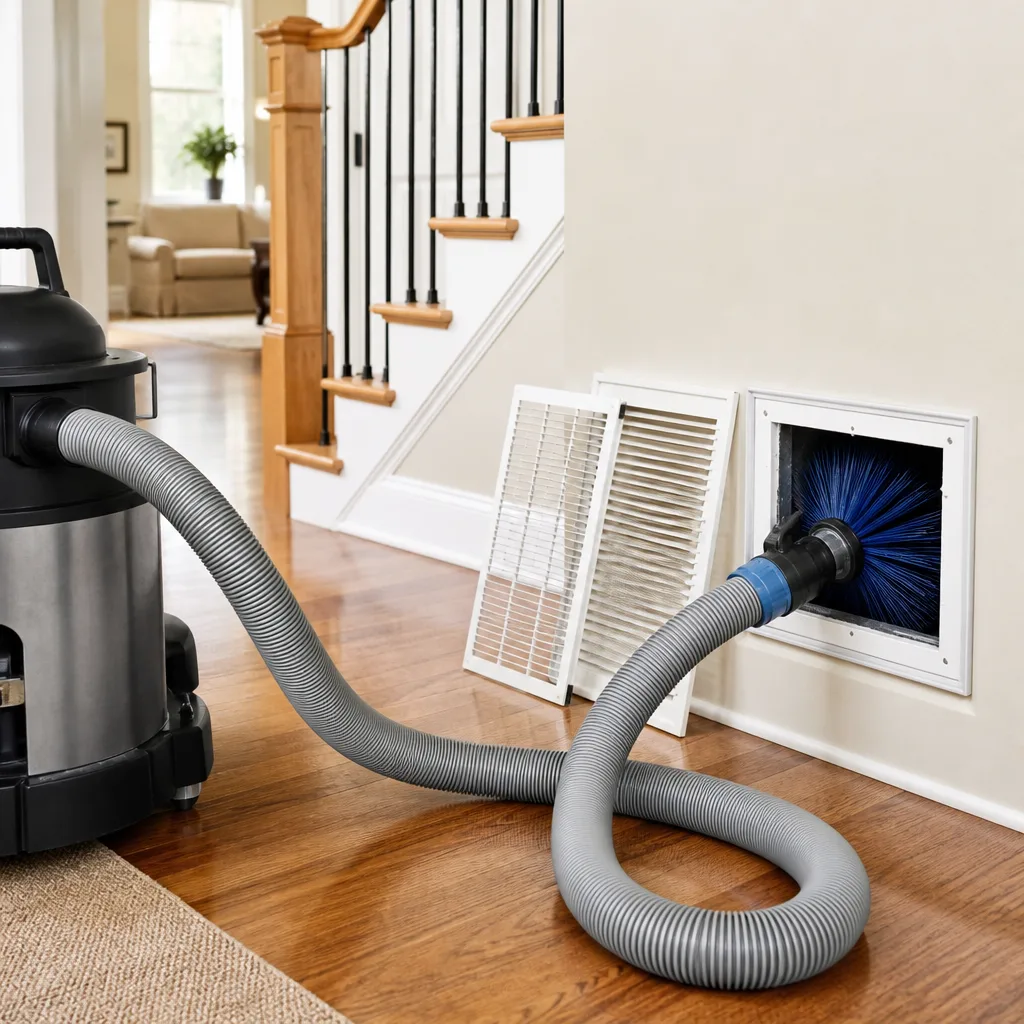
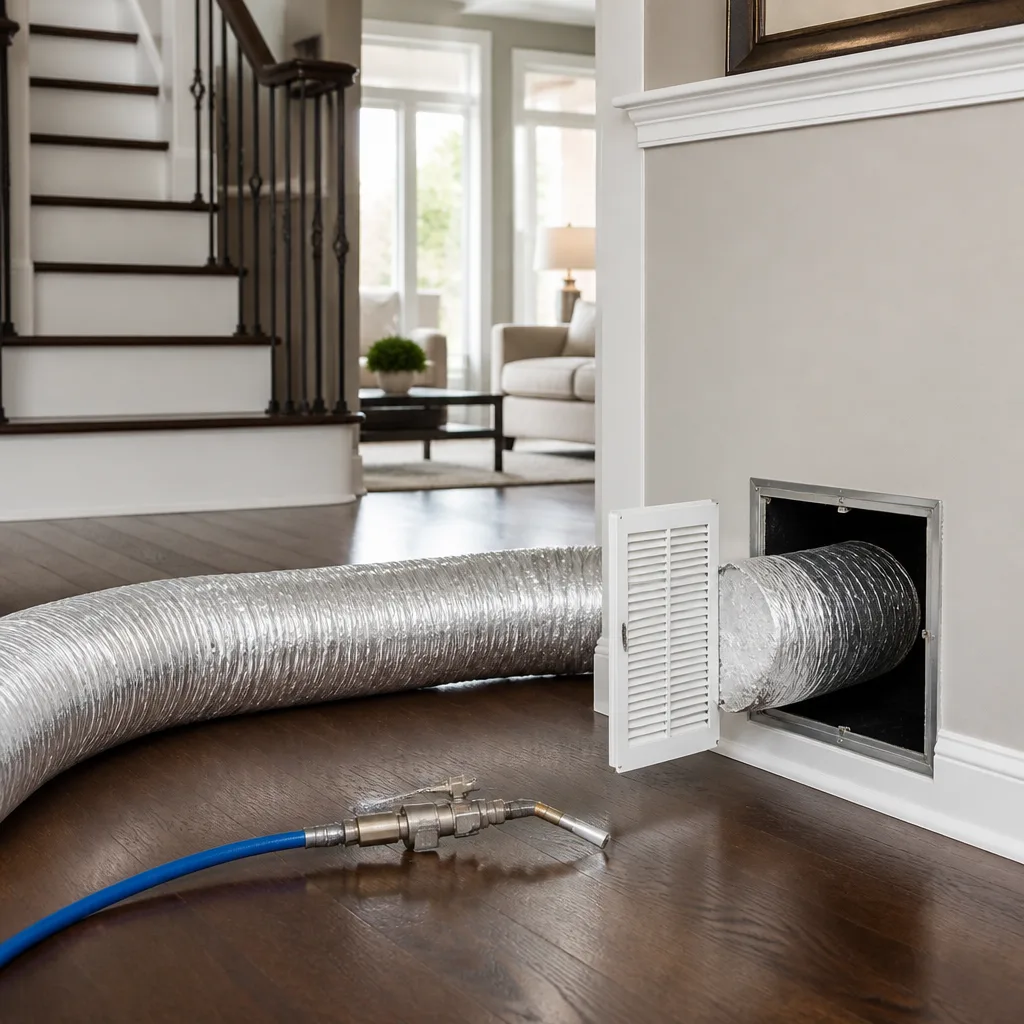
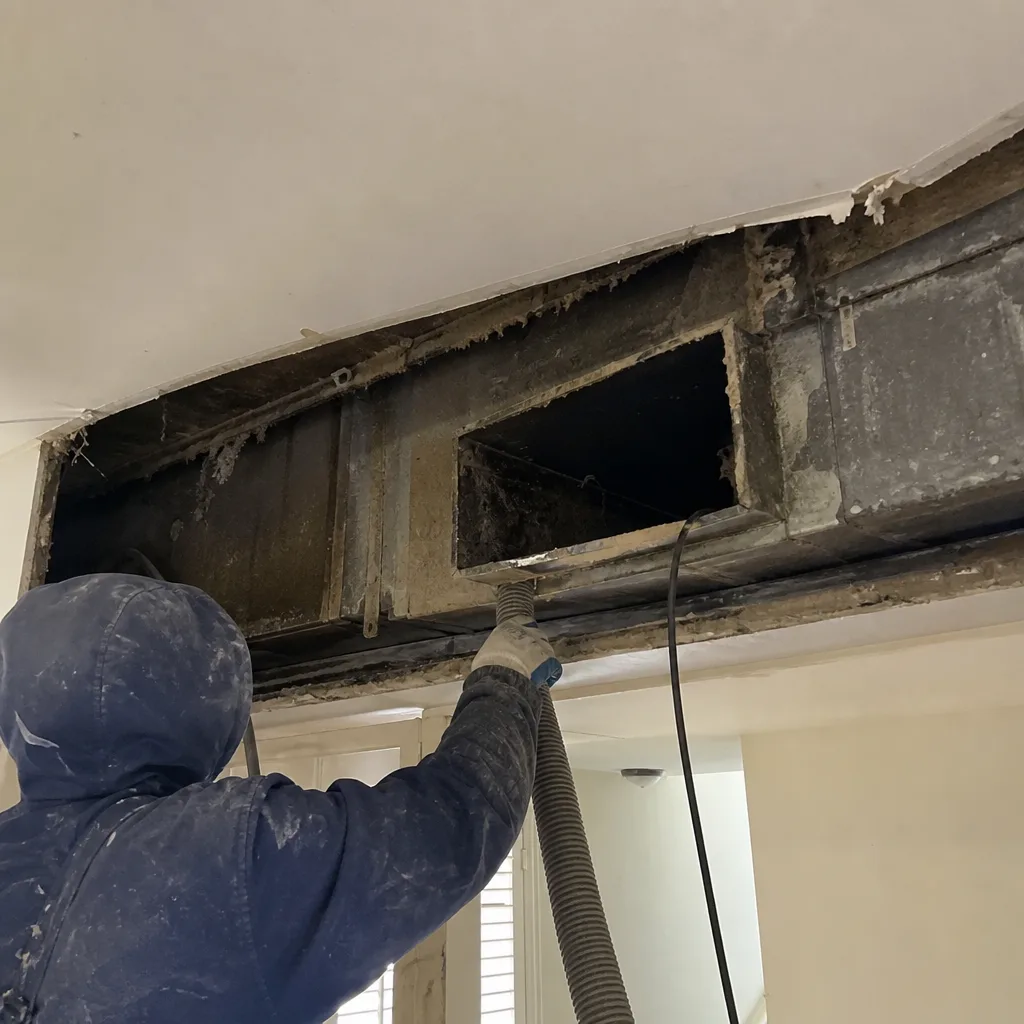 Before
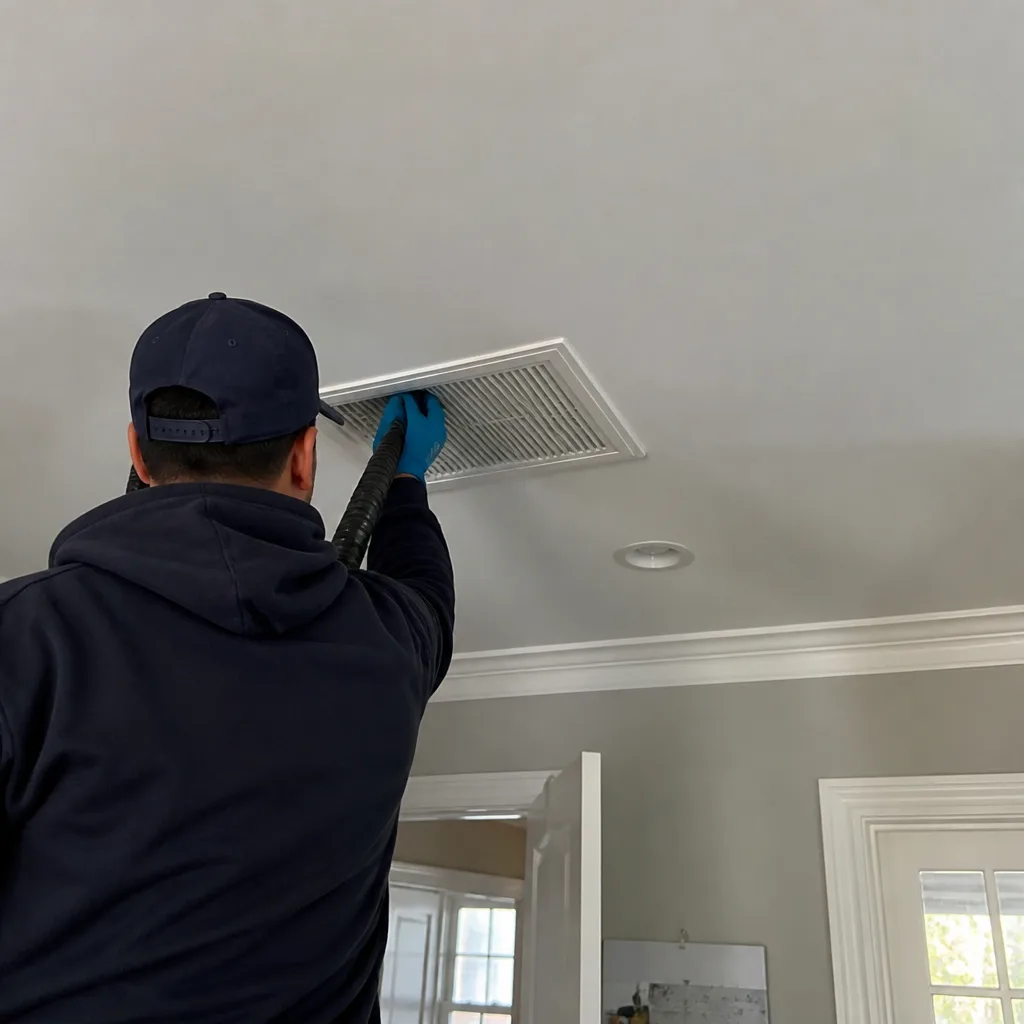 After
After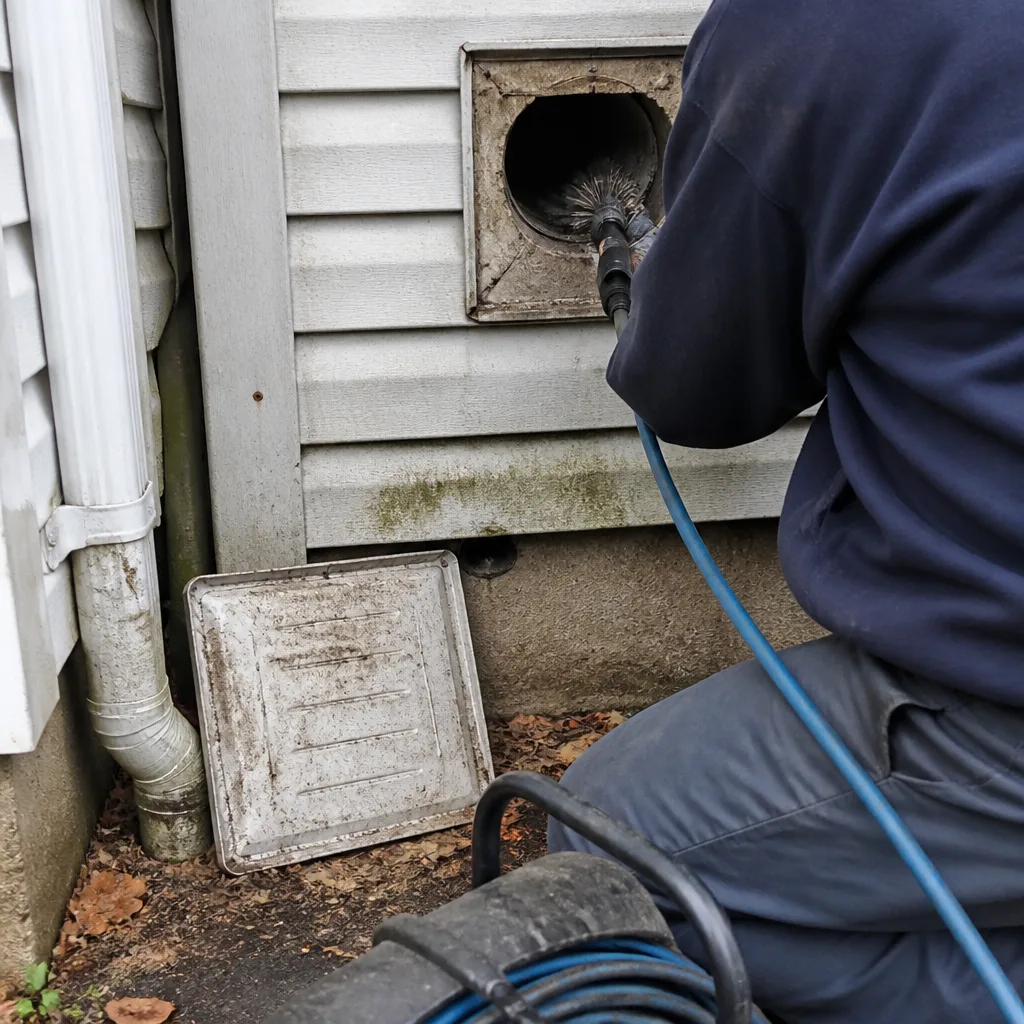 Before
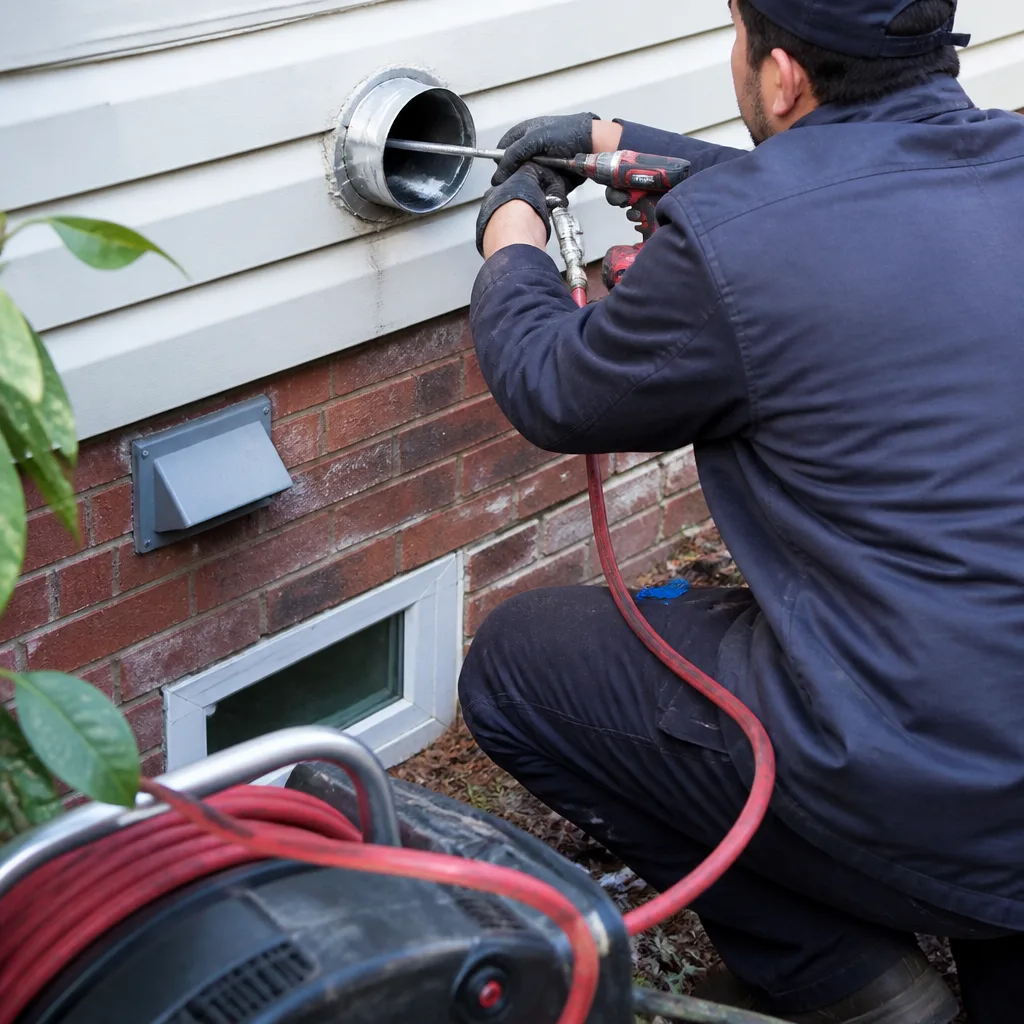 After
After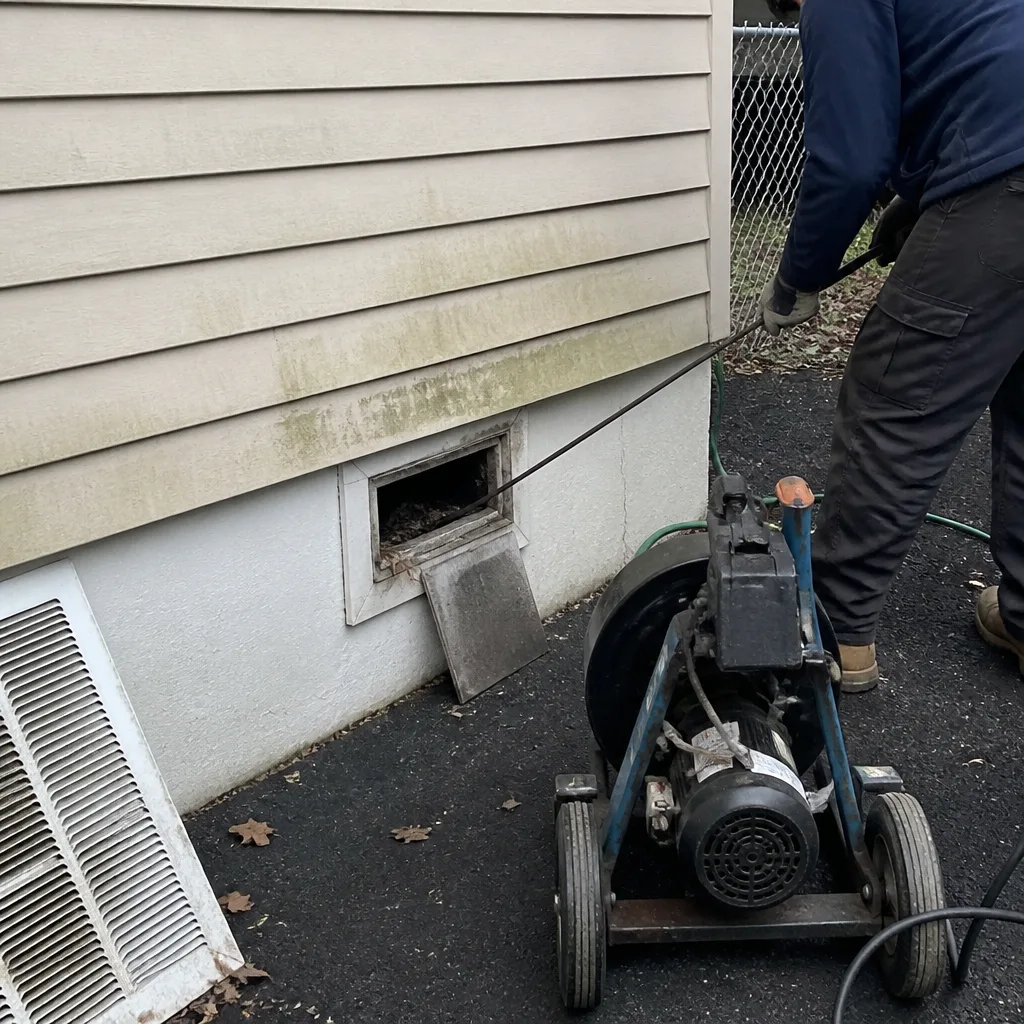 Before
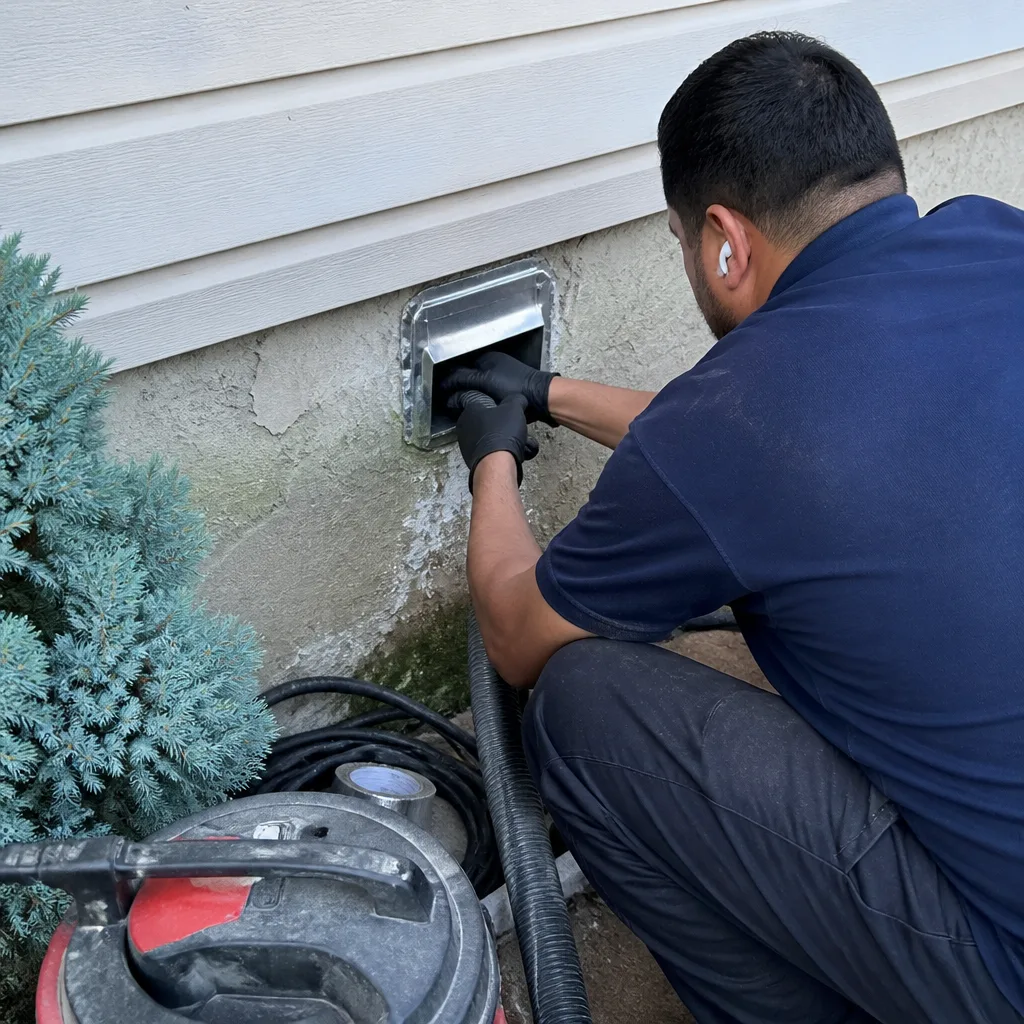 After
AfterFast, Reliable HVAC Cleaning Across Washington, D.C.
HVAC cleaning in Washington, D.C. means something different than it does almost anywhere else. The city’s housing stock, much of it built before forced-air systems existed, forces technicians to work inside wall cavities and floor chases that were never designed for ductwork. We know where debris collects in a Capitol Hill rowhouse, why a Columbia Heights system molds faster than one in Chevy Chase, and what that old metal chamber in your Shaw basement actually is. We schedule from our Washington, DC office and crews serve the District directly. Call (806) 606-6902 for a written price before any work begins.
Why CleanRun Air Duct Cleaning Is Washington, D.C.’s Preferred HVAC Cleaning Company
CleanRun was established in 2013, and since then our HVAC Cleaning crews have served more than 52,000 homes, every single one quoted with a written price before a panel came off. That matters in Washington, D.C., where homeowners have learned to expect bait-and-switch pricing from companies that advertise a low visit fee and then inflate the invoice on the driveway. Our position is simple: Haven Standard Clause 1 means a written price delivered before any work starts, every time. No per-vent pricing. No vague estimates. One number, on paper, agreed to before we open a register.
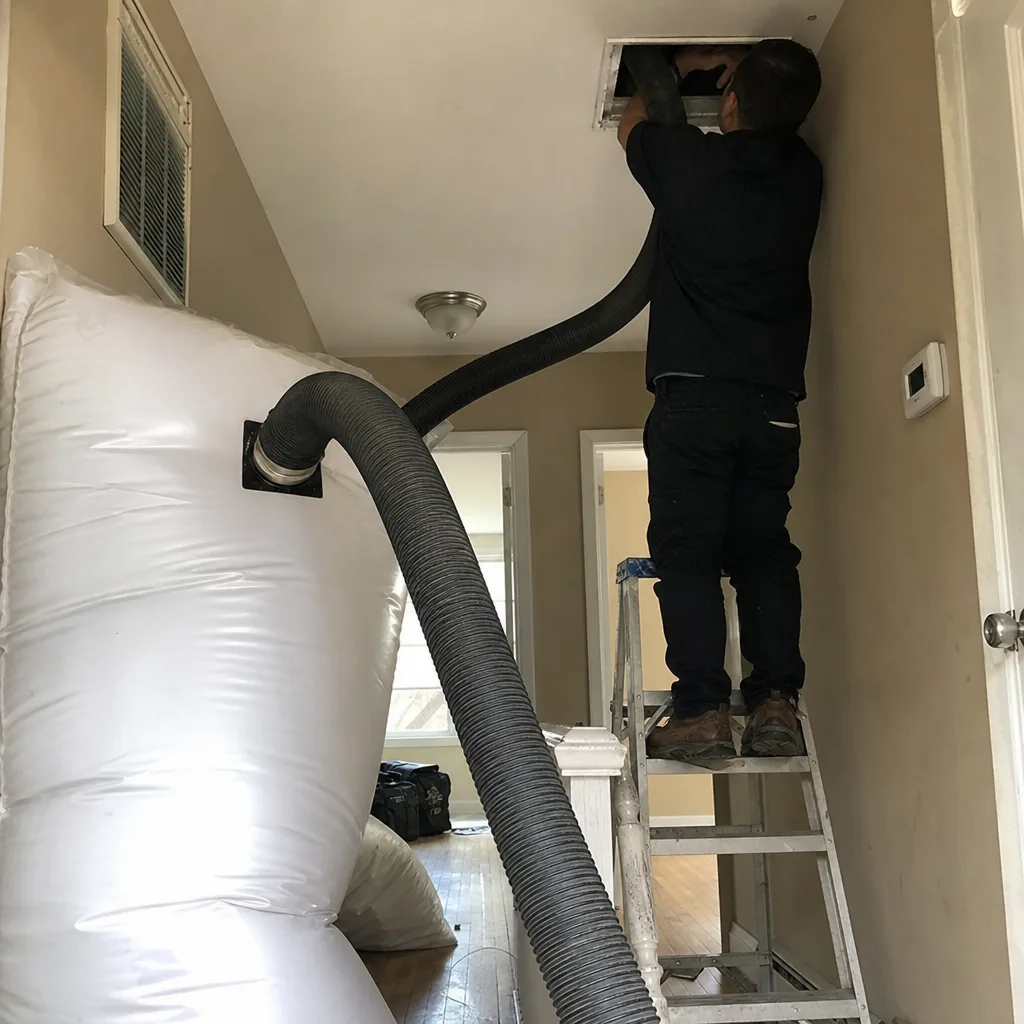
Our technicians are background-checked and uniformed, and they announce themselves by name before arriving. They carry professional-grade equipment from Rotobrush and Nikro, with HEPA filtration and negative-pressure extraction, not shop vacs. When the job is done, you receive a Documented Photo Record showing the inside of every duct run, before and after. That’s the standard deliverable, not an upsell. It’s why homeowners in neighborhoods like Bloomingdale, Capitol Hill, and Columbia Heights keep recommending us to neighbors. The work is documented, the price is written, and the 365-Day Done Right Promise backs it in writing.
Tomas Reyes leads our team, and he holds every job to the same standard he set on day one: if a customer cannot see the difference with their own eyes, the work isn’t finished. That philosophy is why Washington, D.C. homeowners who’ve been burned by other companies call us first.
Our HVAC Cleaning Services in Washington, D.C.
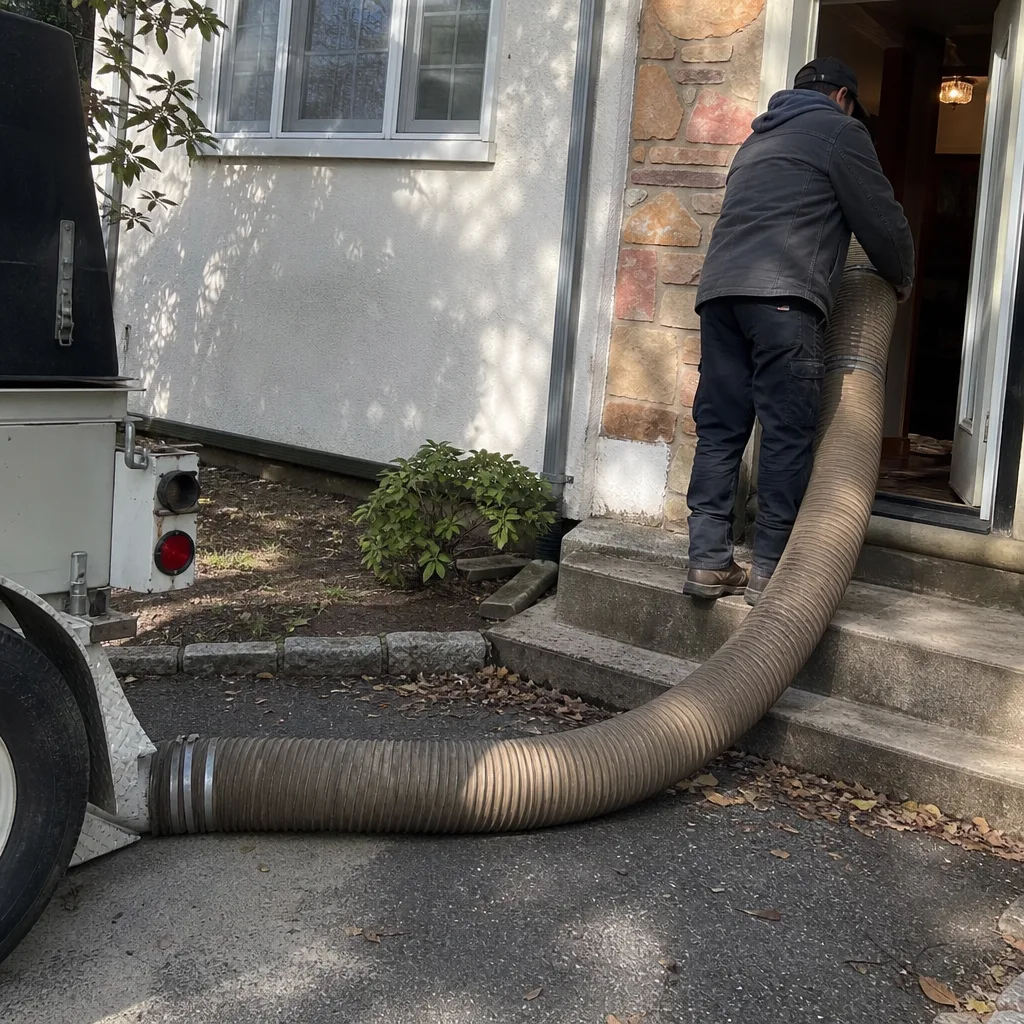
Whole-system HVAC Cleaning in Washington, D.C. goes beyond the visible ducts. Here are the four services that matter most in this city’s housing stock.
Evaporator Coil Cleaning
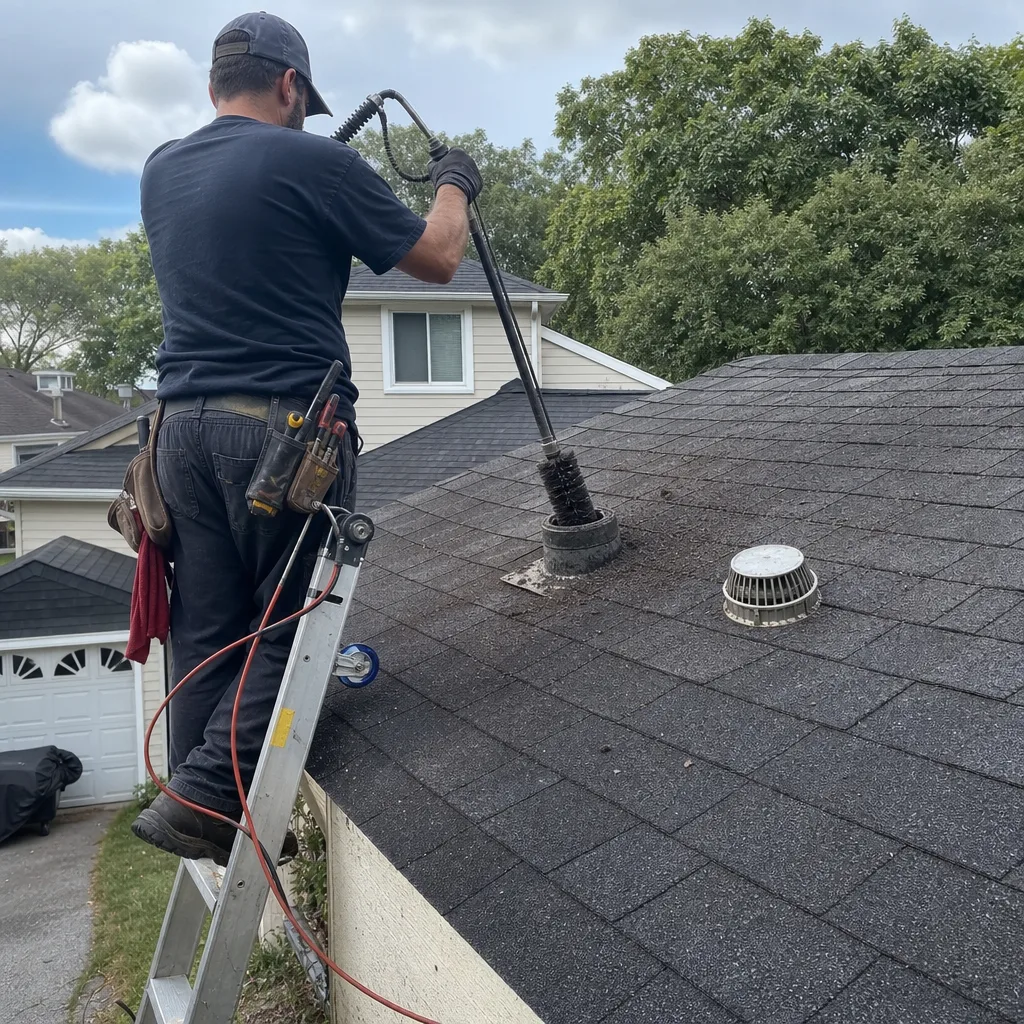
In a D.C. rowhouse, the evaporator coil sits inside the air handler, often in a basement that stays damp from late spring through early fall. When summer dew points climb past 70°F, condensation on a dirty coil never fully drains. That’s where mold starts. We remove the coil, clean it with professional-grade solutions, and photograph the before and after. A clean coil also restores the temperature drop across the system, which means lower electric bills during the District’s punishing August heat.
Blower Cleaning
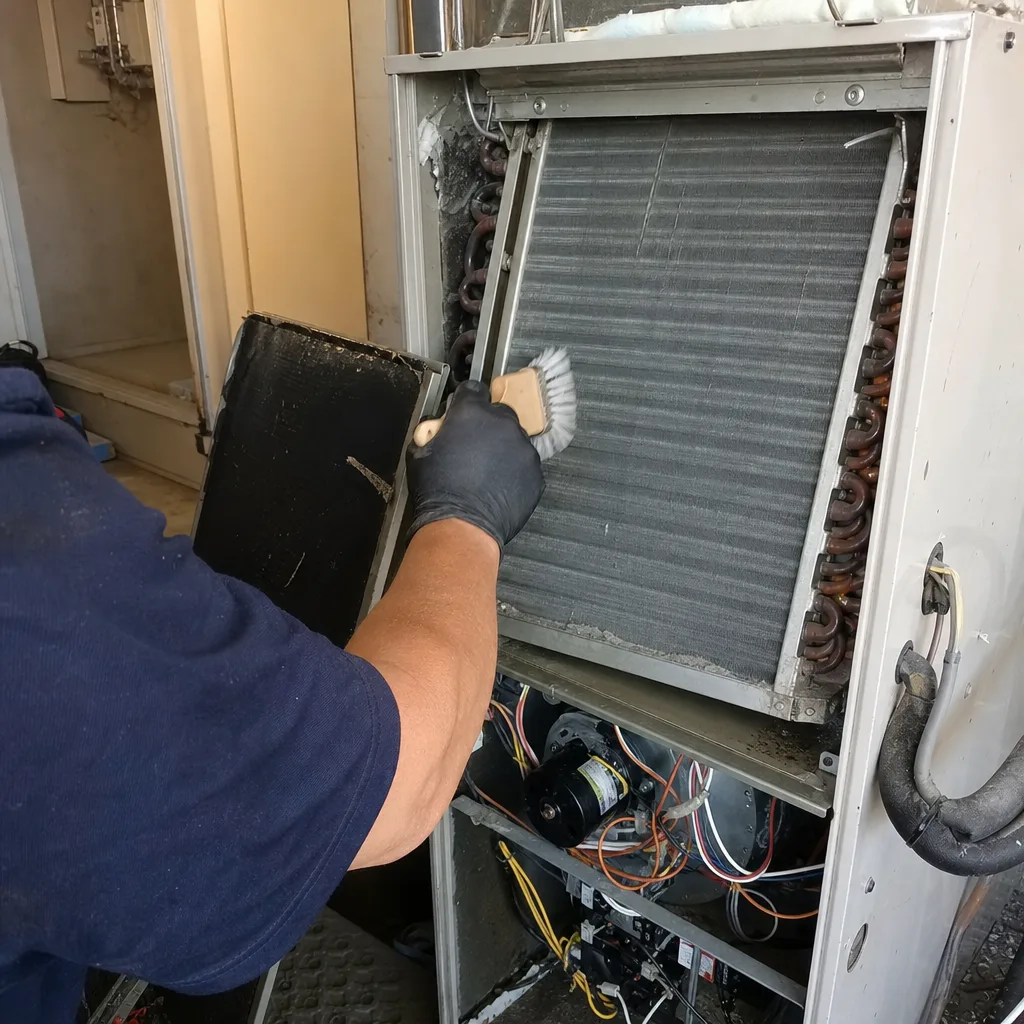
The blower wheel pulls air across the coil and pushes it through the supply ducts. In Washington, D.C., where systems cycle heavily through both summer cooling and winter heating, the blower accumulates a fine gray paste of dust, skin cells, and pet dander. We pull the blower assembly, clean each blade, and document the result. A balanced, clean blower moves more air at lower fan speeds, which is quieter and cheaper to run.
Condenser Cleaning
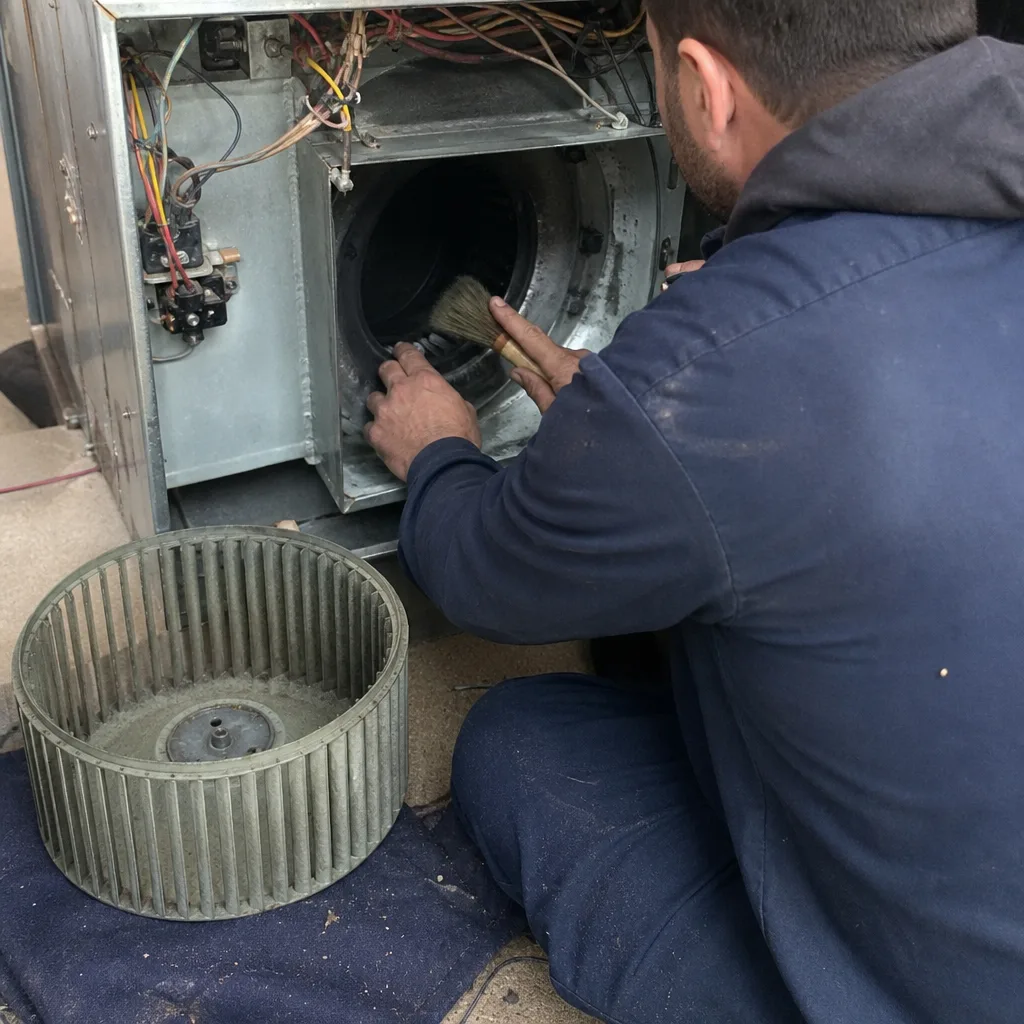
Your outdoor condenser is the part of the system that rejects heat. In D.C., cottonwood seed, construction dust from the city’s endless renovation projects, and the fine particulate that settles in the river basin all coat the coil fins. We clean the condenser coil, straighten bent fins, and verify refrigerant pressures. A restricted condenser forces the compressor to work harder, and compressor replacement is far more expensive than coil cleaning.
Air Handler Cleaning
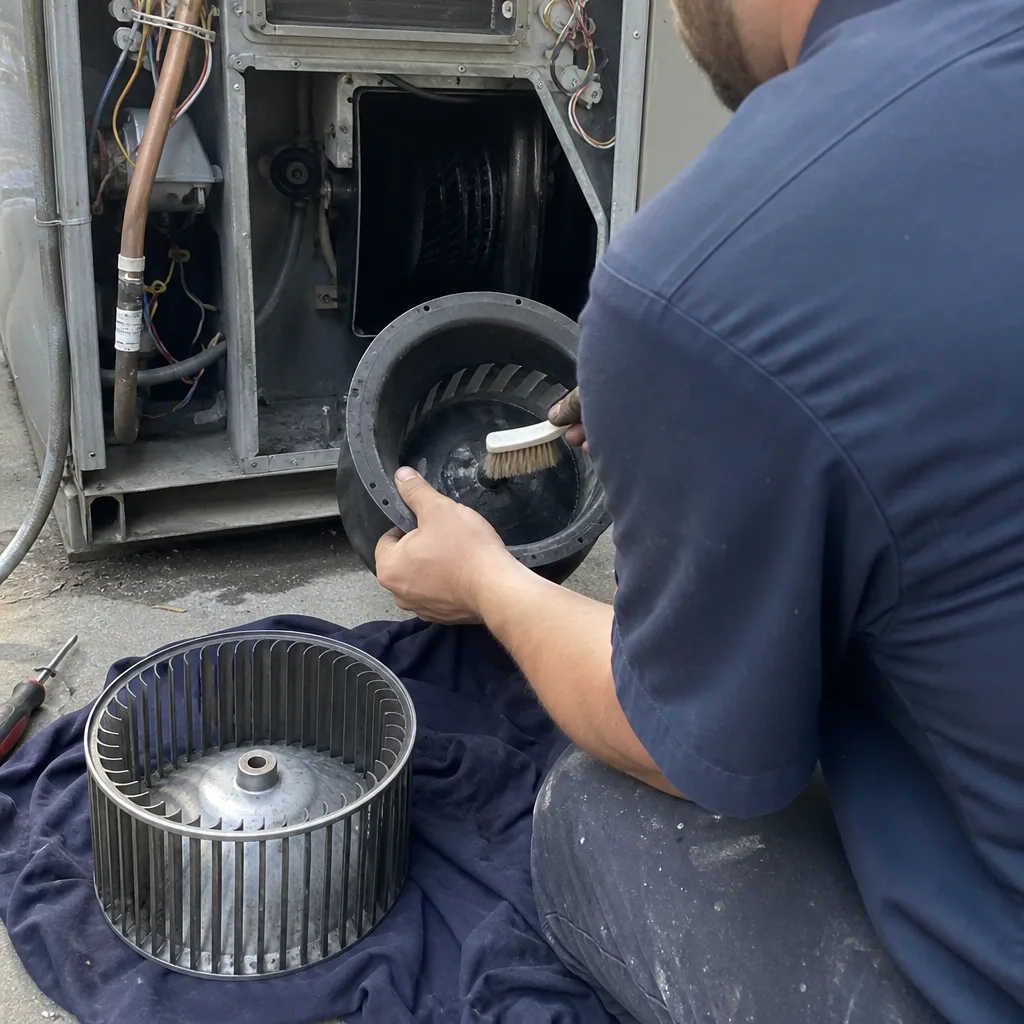
The air handler houses the blower, the evaporator coil, and often the filter rack. In a Washington, D.C. rowhouse, that air handler is frequently connected to an old coal-furnace plenum left over from the building’s original heating system. We clean the air handler interior, sanitize the drain pan, and inspect the connection to any legacy ductwork. This is the service that matters most after a storm or basement leak, because water inside the air handler cabinet is water that gets blown through the entire house.
What happens when you call
- 1
A real person answersNo phone trees - you reach a local pro.
- 2
You get an upfront price rangeHonest numbers before anyone is dispatched.
- 3
A background-checked tech heads outLicensed & insured, dispatched right away.
- 4
You approve before work beginsNothing starts until you say go.
BeforeAfterTrusted Brands We Service in Washington, D.C.
We don’t restrict ourselves to one manufacturer’s equipment. Our techs work on systems from Honeywell, Aprilaire, Guardsman, and other major brands. In Washington, D.C., that matters because the city’s older homes often have mixed systems: a newer condenser outside, a mid-2000s air handler in the basement, and Honeywell controls mounted wherever a retrofitter could reach. If you have a component we need to source, our Washington, DC office coordinates parts quickly so a cleaning visit doesn’t turn into a two-week wait.
Common HVAC Cleaning Problems We See in Washington, D.C. Homes
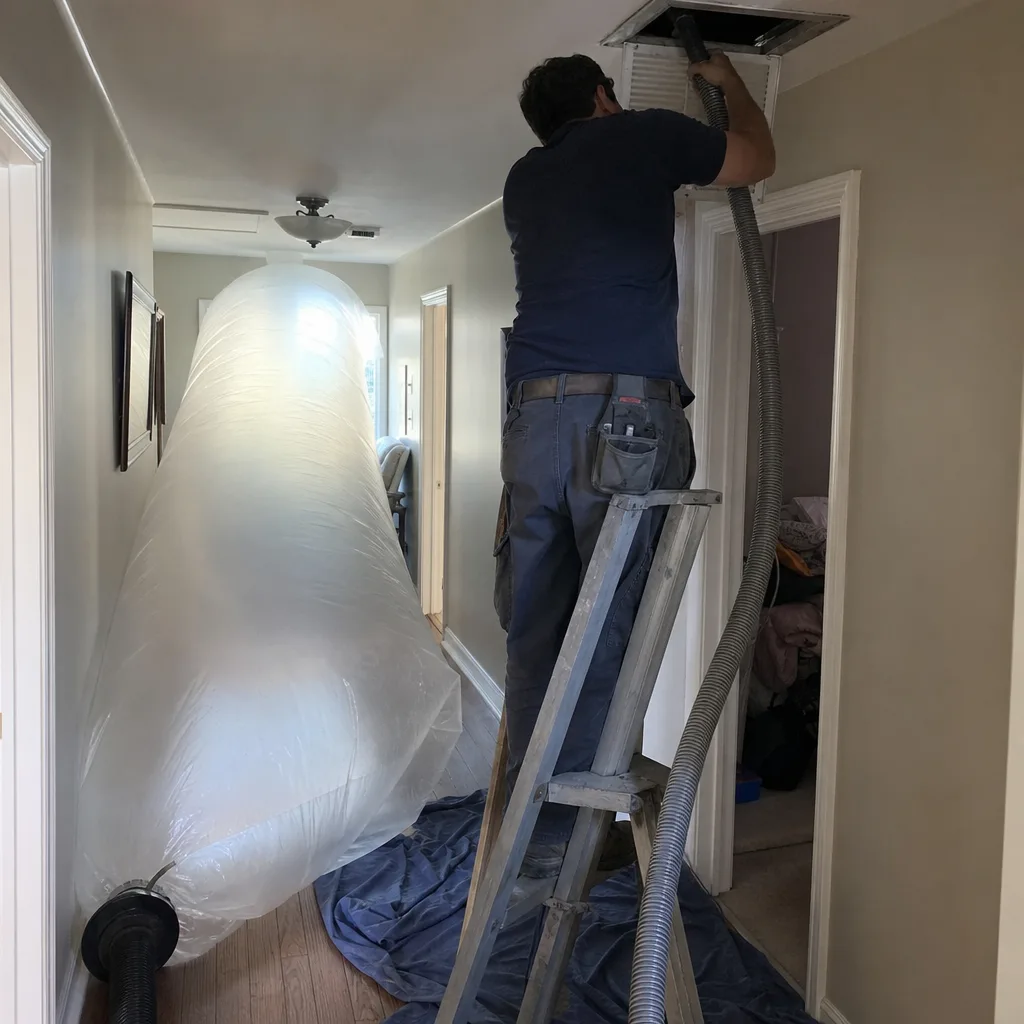
- Abandoned coal-furnace plenums still connected to the air handler. In Capitol Hill, Shaw, and Bloomingdale, the original gravity-furnace octopus plenum was often left in place when forced-air systems were installed. It sits there, full of 90 years of debris, feeding the new system. Standard duct cleaning misses it entirely. We inspect it specifically.
- Mold recurrence from D.C.’s river-basin humidity. Supply ducts in this city’s low-lying geography sweat whenever the AC cycles off. If the ducts are unlined original wall chases, they can’t dry out. Surface wiping does nothing. We document moisture readings and explain when replacement, not cleaning, is the only fix.
- Debris blown into living spaces by push-only tools. Cramped rowhouse ducts have sharp transitions and collapsed sections. Aggressive push-only agitation tools dislodge debris without containing it. We run HEPA-filtered negative pressure during every agitation pass, so what comes loose goes into the collection unit, not your bedroom.
- Condensate pans overflowing into duct connections. A clogged drain line in a basement air handler can spill water into the first few feet of supply duct, then that water gets blown throughout the house. We clean the pan, treat the drain line, and document any duct section that absorbed moisture.
Pricing for HVAC Cleaning in Washington, D.C., DC
A full HVAC cleaning in Washington, D.C. typically runs $390 to $780 for a single-system rowhouse, depending on the number of duct runs, access difficulty, and whether the system includes a legacy plenum that requires additional work. Air handler cleaning alone runs $150 to $300. Evaporator coil cleaning runs $180 to $340. Blower cleaning runs $120 to $250. Condenser cleaning runs $100 to $220. These are whole-system prices, not per-vent figures. We write the exact number on paper before any work begins, and the price does not change after we open the first register. For an exact quote on your system, call (806) 606-6902. Estimates are free.
We Also Serve Cities Near Washington, D.C.
While our Washington, DC office coordinates scheduling for the District, we also serve surrounding communities across the metro area. If you’re outside the city limits, our crews can still reach you. For full details on coverage, visit our main HVAC Cleaning page or call us directly.
Serving Washington, D.C., DC - Our Local Coverage Area
We’re based in the Washington, D.C. area and know this community well. Use the map below to see our service coverage - if you’re nearby, we can almost certainly help.
FAQs - HVAC Cleaning in Washington, D.C.
It depends on what the ducts are made of and how long they sat wet. Sheet metal ducts can often be cleaned and sanitized if they dried within a few days. Unlined wall-chase ducts, or old fiberboard sections, usually cannot be saved after water intrusion because they absorb water and cannot dry in D.C.’s humid climate. Our camera inspection and moisture readings determine which sections are cleanable and which need replacement. We document everything with photos so your insurer can see the difference. Call (806) 606-6902 for a written assessment.
Because Washington, D.C.’s summer dew points routinely exceed 70°F, and the city sits in a river basin flanked by the Potomac and Anacostia. When your AC cycles off, condensation forms inside the supply ducts. If those ducts are original wall chases with unsealed seams, the moisture gets trapped and mold grows. A filter change doesn’t address this. The fix is cleaning combined with sealing and, in some cases, insulation. We can show you the moisture readings from your own ducts before recommending a fix.
That’s the original gravity-furnace plenum from the building’s coal-heating era, likely installed between 1890 and 1940. If it’s still connected to your air handler, every cubic foot of air your system moves passes through it. Most HVAC cleaning companies ignore it because accessing it is difficult. We inspect it specifically. In a Bloomingdale rowhouse after a summer storm, our crew found standing water and mold behind a 1920s transition in that exact component, and documented it thoroughly enough for the homeowner’s insurer to approve replacement. If you have one of these in your basement, it needs to be part of the conversation.
Yes. Washington, D.C.’s summer storms create two problems for air handlers. First, the extreme humidity spike means condensation forms inside the cabinet even without a flood. Second, the city’s storm drains back up during heavy rain, and water can seep through basement walls near the air handler without leaving obvious standing water. We check for rust, moisture inside the blower housing, and water staining around the control board. If moisture got in, cleaning the air handler immediately is cheaper than replacing it next spring.
Yes. This is a common situation in Washington, D.C., where insurers see old houses and default to denying mold claims. Our Documented Photo Record includes time-stamped images of the duct interiors, moisture readings, and a written scope describing what we found and where. In the Bloomingdale case we handled, the photos of standing water inside the original plenum, combined with the moisture readings, were enough for the insurer to approve replacing that section rather than just cleaning it. We don’t write reports with adjectives. We document what the camera saw and what the meters read. That’s what your insurer needs.
If your Washington, D.C. home has ducts that have never been inspected, or you’ve had water intrusion and don’t know what’s sitting inside your system, call (806) 606-6902. We’ll give you a written price, do the work, and hand you photographic proof of what was done. That’s the whole job.
Written by Tomas Reyes, Owner at CleanRun Air Duct Cleaning, serving Washington, D.C. since 2013.