

Whole-system duct and dryer vent check with before-and-after photos - you see exactly what came out of your vents
That "$99 whole-house special" is a bait ad - the real number appears once they are in your hallway, or the "clean" is a shop-vac at the register. We photograph the inside of your ducts before and after instead.
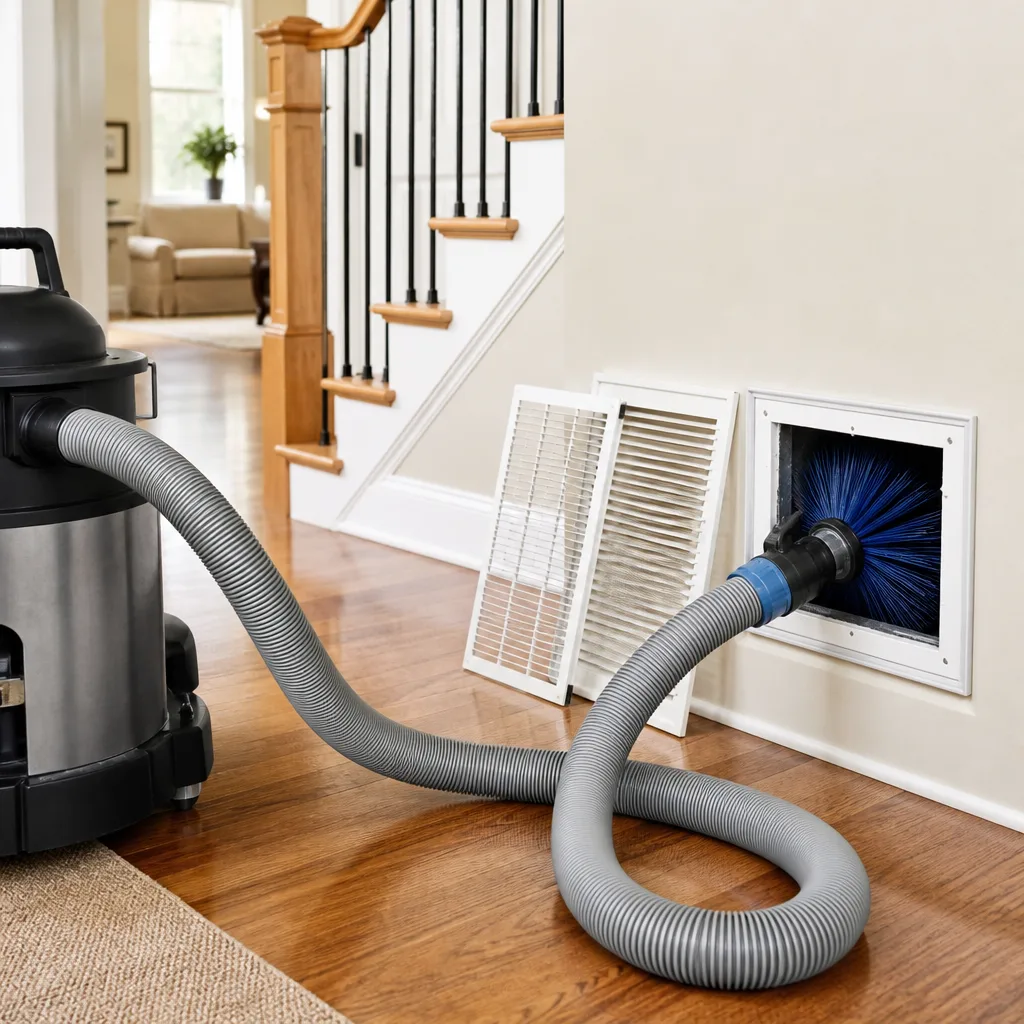
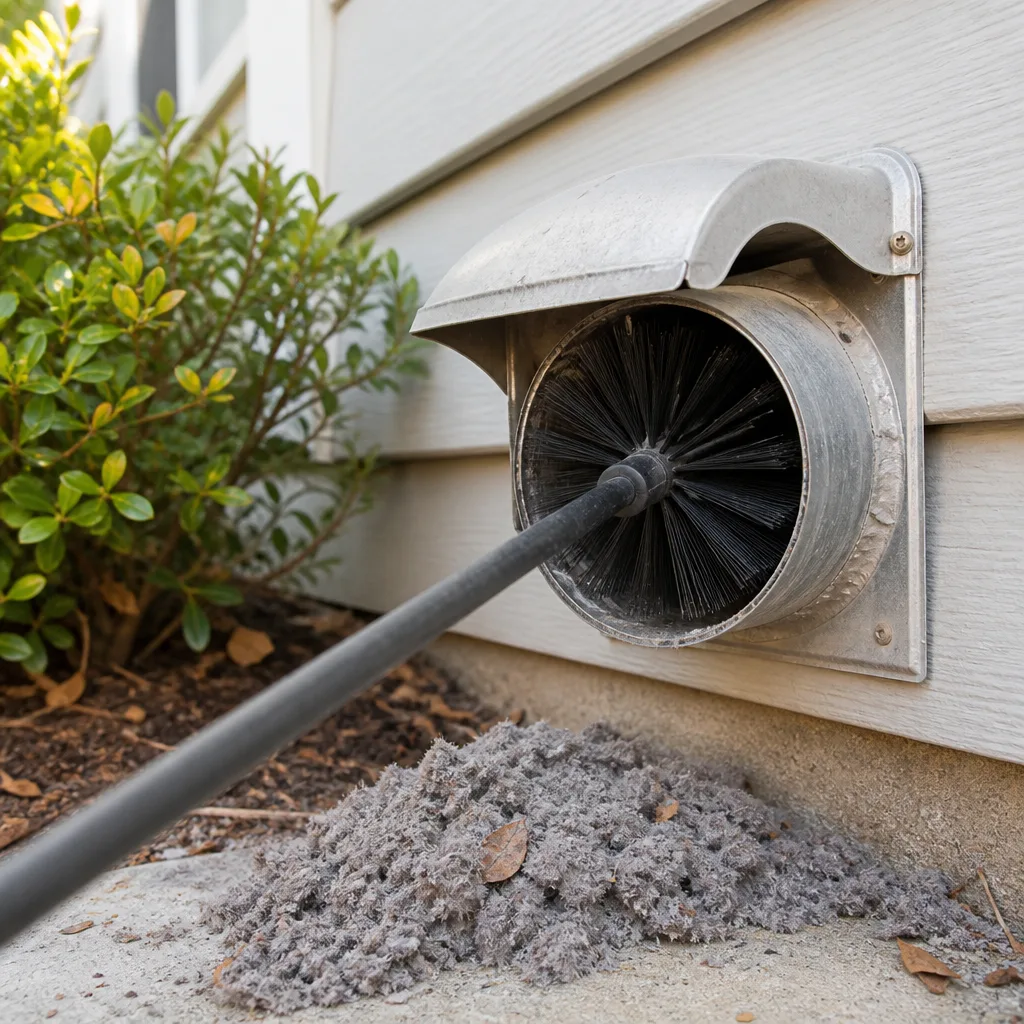
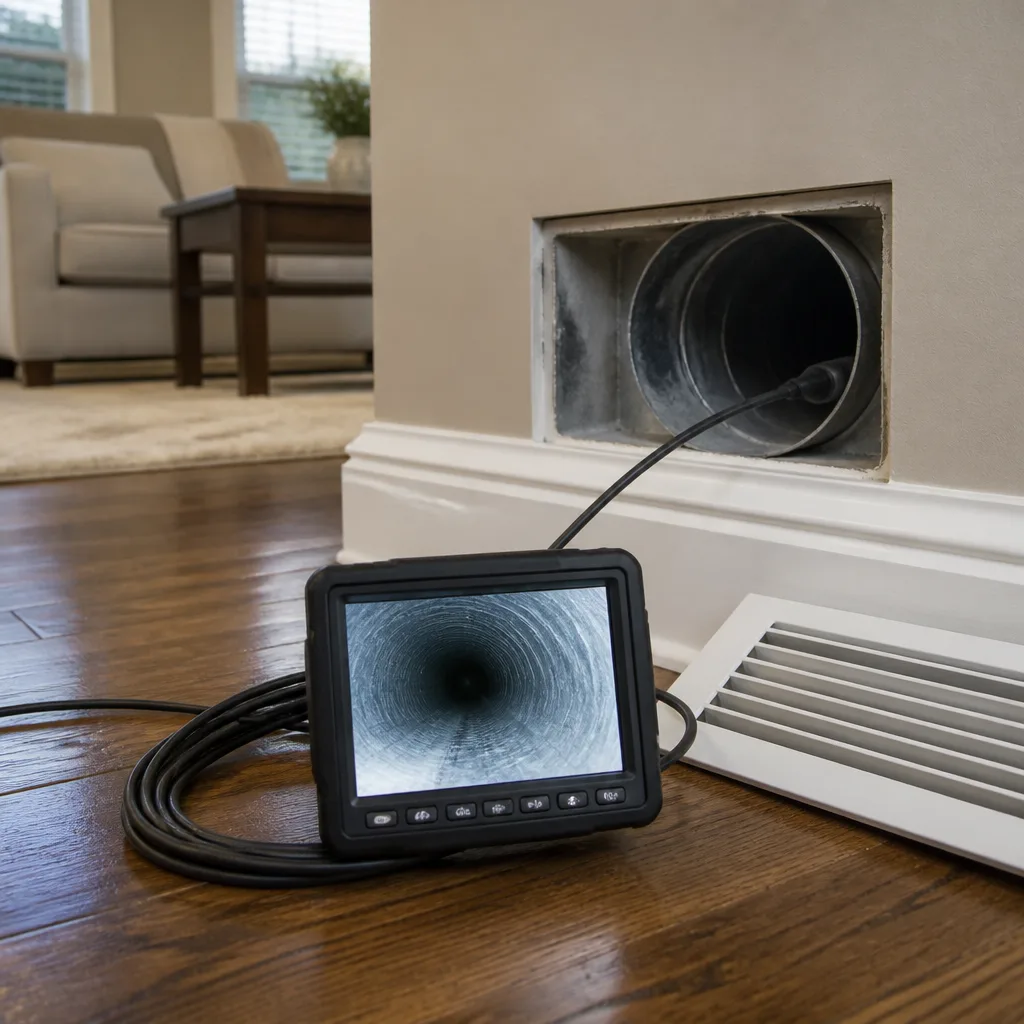
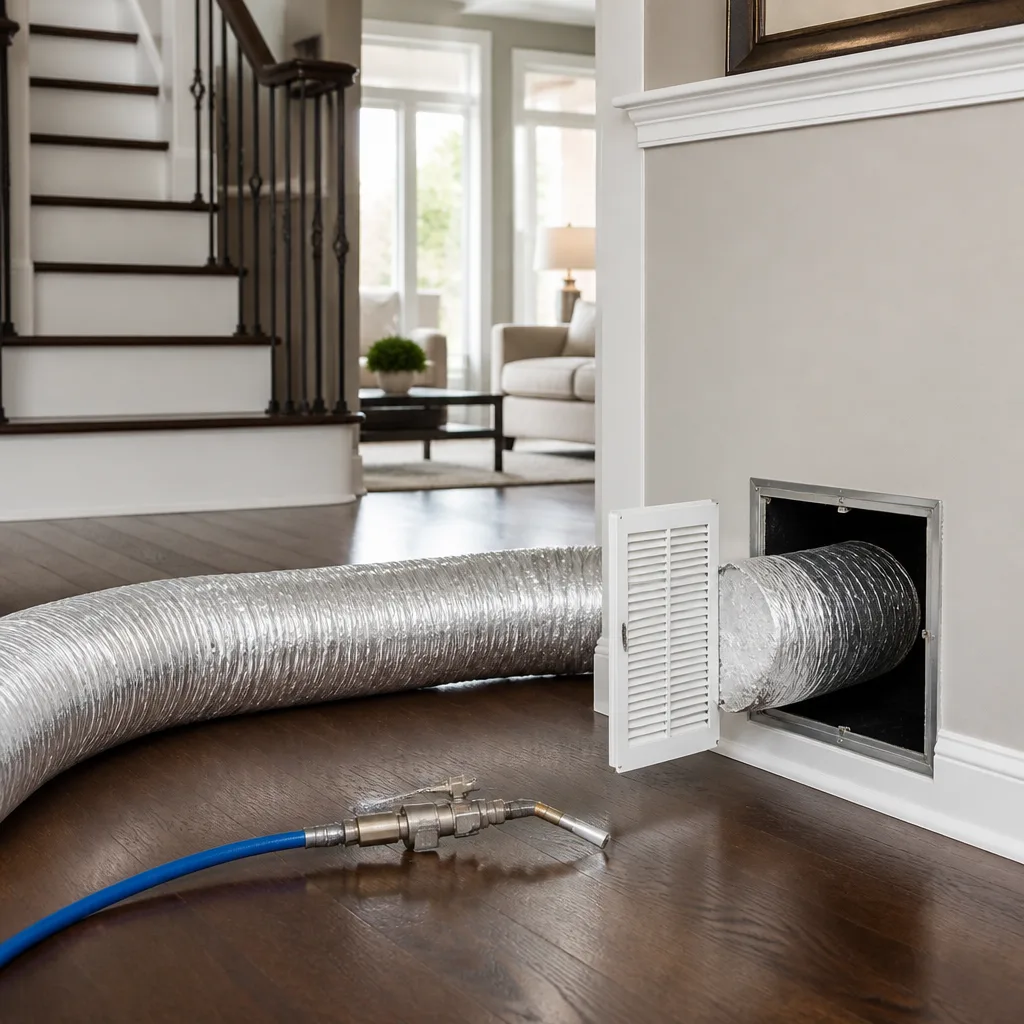
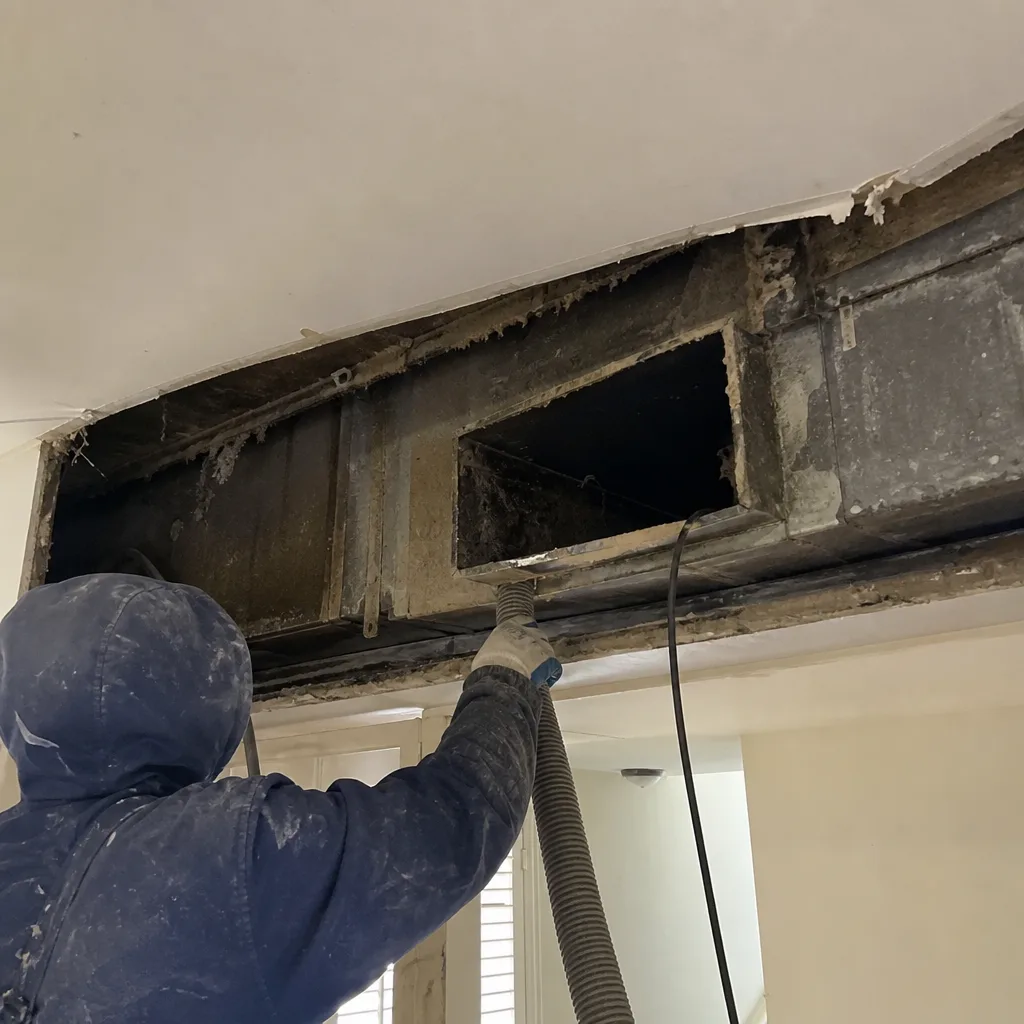 Before
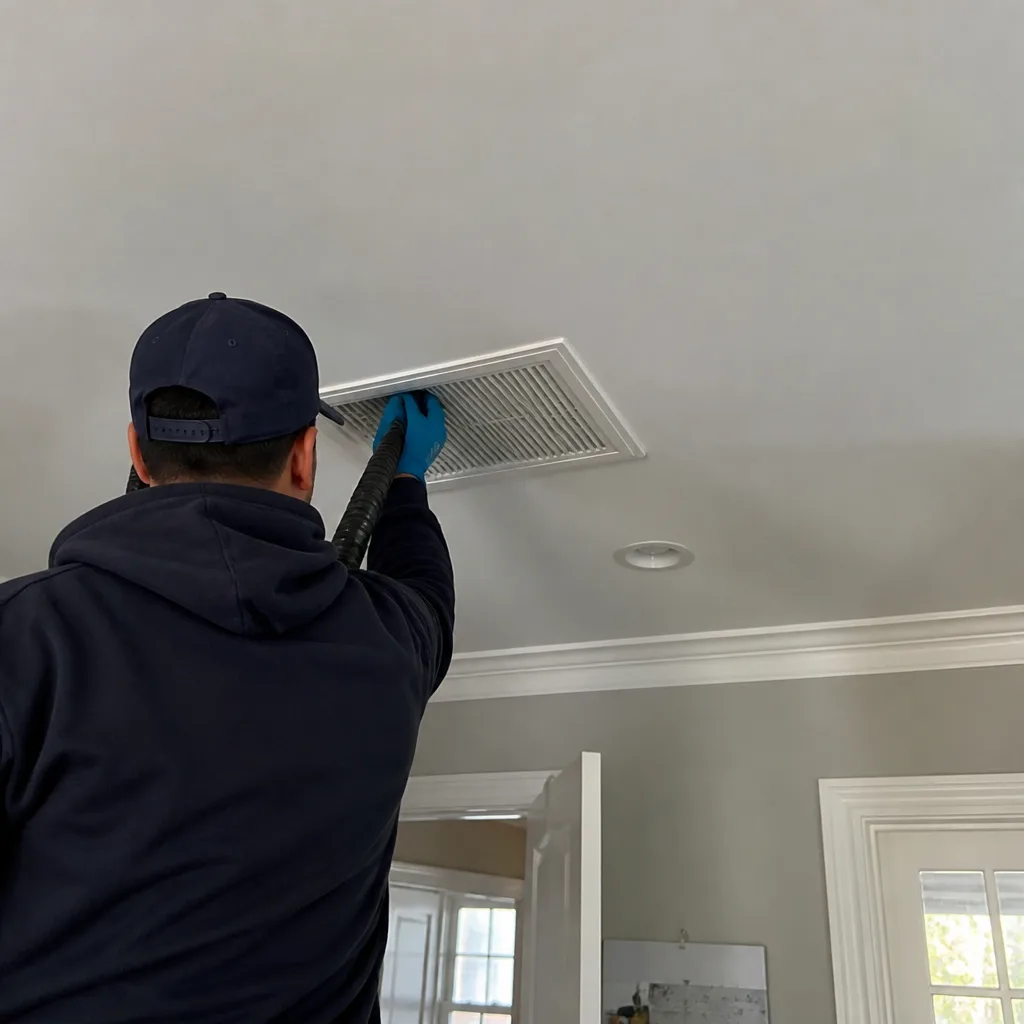 After
After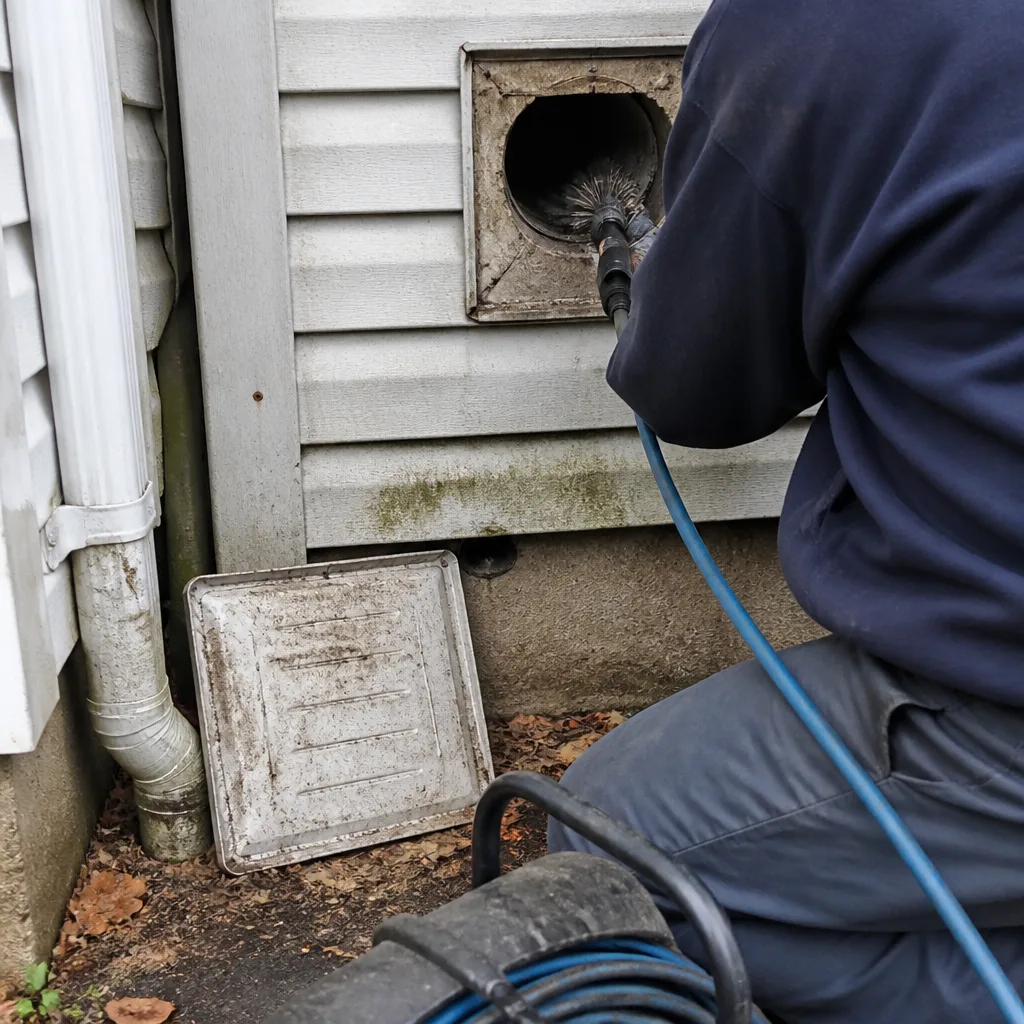 Before
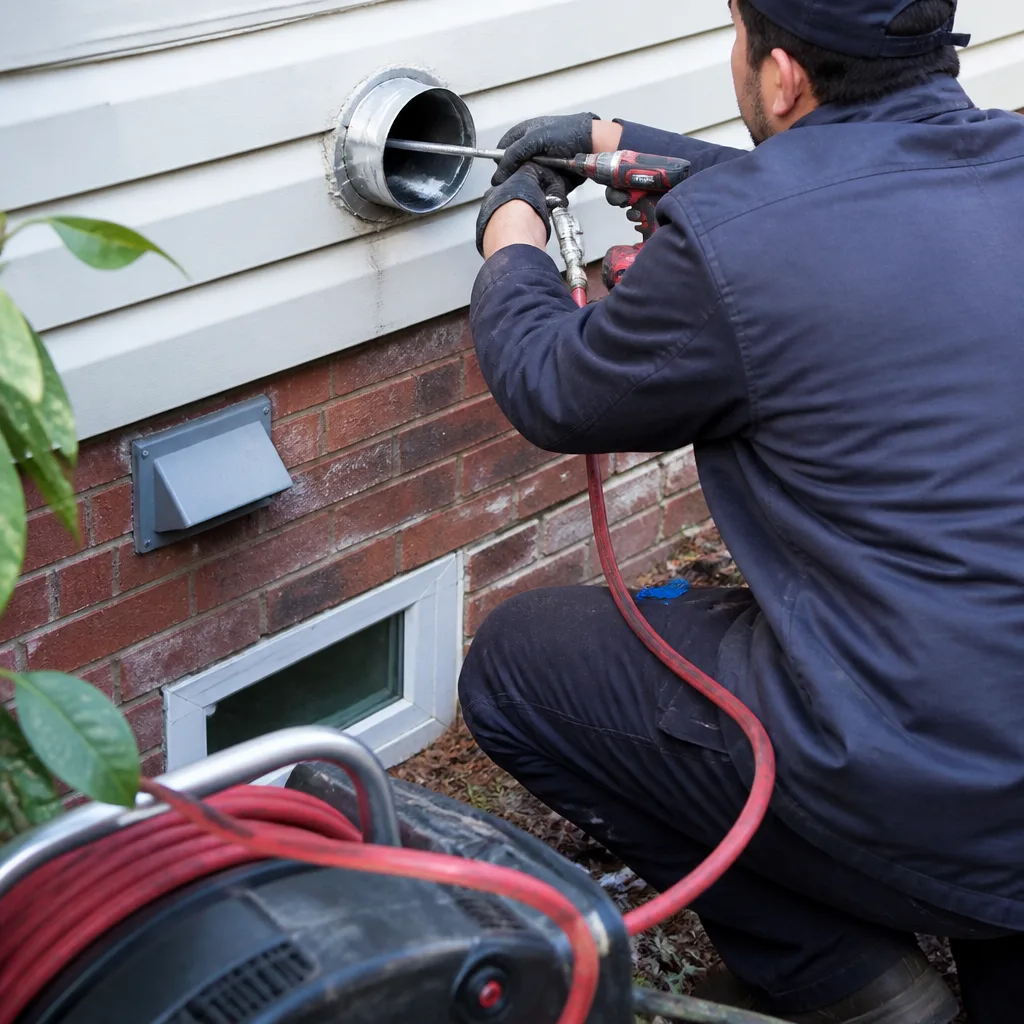 After
After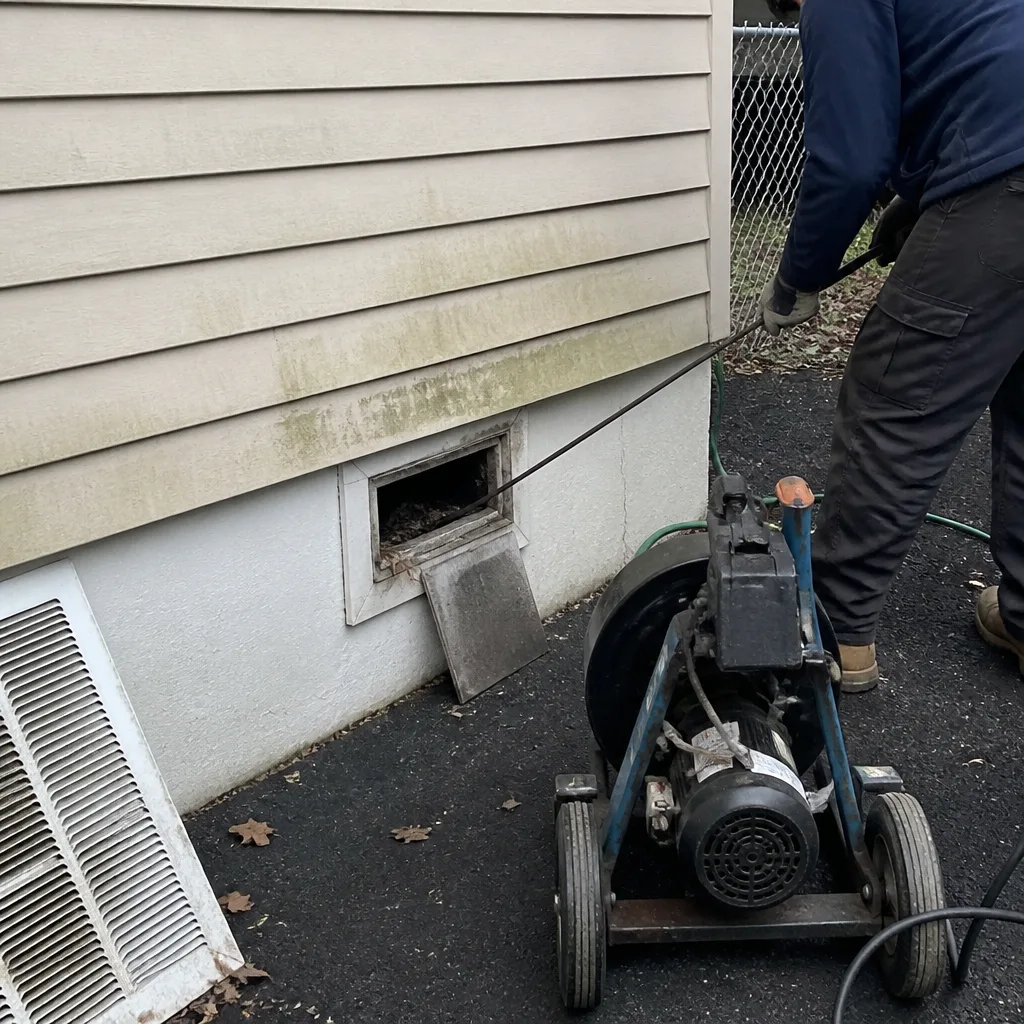 Before
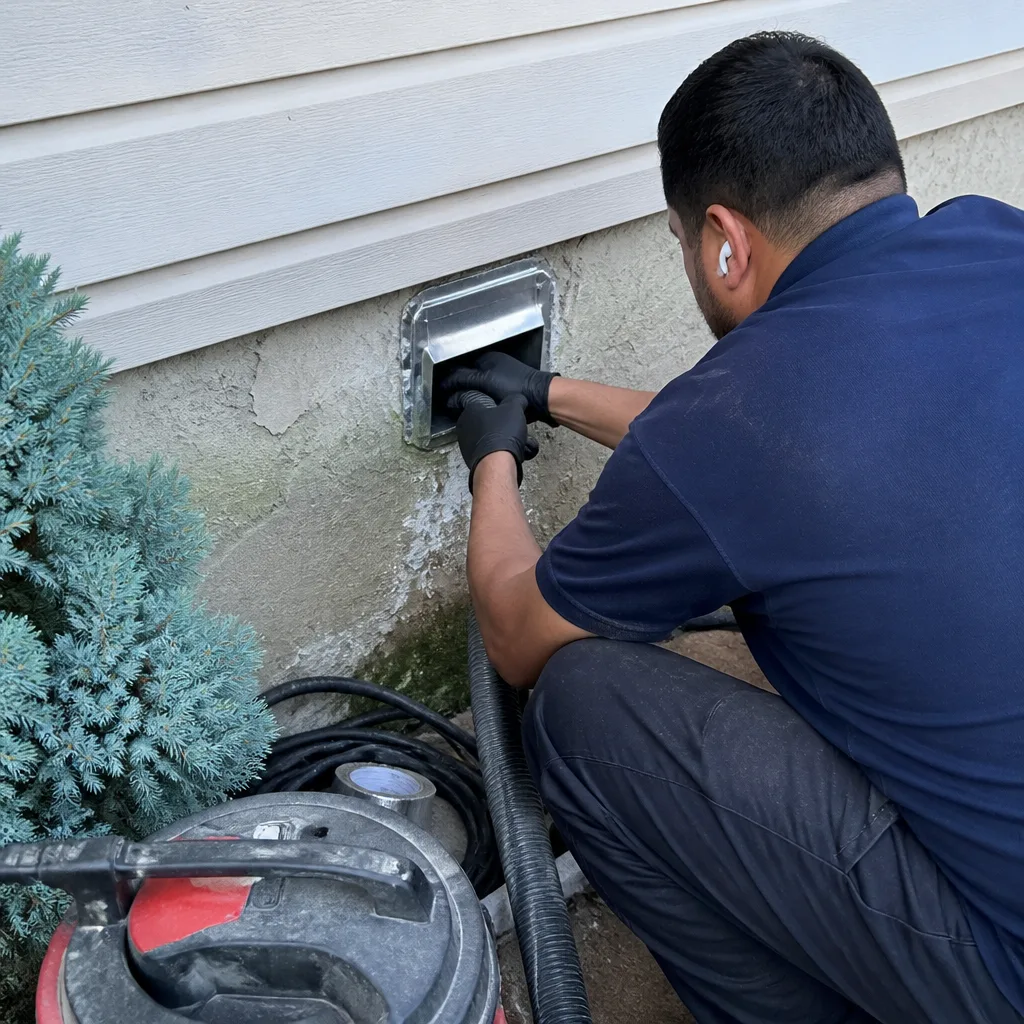 After
AfterUneven Airflow Room to Room
Uneven airflow between rooms almost always points to one of three things: partially blocked or collapsed duct runs, leaking duct joints that bleed conditioned air into wall cavities before it reaches the register, or a damper that has seized in the wrong position. Any of these can be confirmed with a camera inspection and corrected the same visit. This is not a “wait and see” problem – the HVAC system compensates by running longer, which means higher energy use and faster wear on equipment you paid good money for.
What you are feeling is a pressure imbalance. The blower is pushing air through the system at the same rate it always has, but some of that air is not arriving where it is supposed to. One bedroom is stuffy and warm while the room next to it is comfortable. The thermostat satisfies and shuts the system off before the far room ever catches up. It is a solvable problem once you know which part of the run is causing it – and a camera tells you in minutes what guesswork takes weeks to narrow down.
Why It Happens
Debris Buildup Restricting a Duct Run
Over years, dust, pet dander, construction debris, and fibrous material accumulate along the bottom of horizontal runs, narrowing the cross-section the air has to move through. The restriction is usually worst at bends and low points in the system. You can suspect this one if the weak room is at the far end of a long run, if the problem got noticeably worse after a renovation or after a pet joined the household, or if you have never had the ducts cleaned and the home is more than five years old.
A Leaking Duct Joint or Disconnected Section
Sheet metal duct sections connect at slip joints and elbows, held with screws and sealed with mastic or foil tape. That tape ages, dries out, and separates – sometimes pulling completely apart in an unconditioned attic or crawl space where temperature swings are extreme. When a joint opens up, conditioned air escapes into the structural cavity instead of continuing down the run. The sign to watch for: the weak room’s supply register puts out noticeably less air than a comparable room on the opposite side of the house, but the return is pulling fine. That asymmetry points to a leak in the supply side, not a blockage.
A Stuck or Improperly Set Damper
Most ducted systems include manual balancing dampers – small blades inside the duct, usually accessible at the main trunk or at branch takeoffs in the basement or attic. They are adjusted at installation and then largely forgotten. Over time they corrode, get accidentally bumped during maintenance visits, or were never set correctly in the first place. If the airflow problem appeared suddenly rather than gradually, or if it started right after any other HVAC work was done in the home, a damper is a reasonable first suspect. Do not attempt to reach into an active trunk line yourself; the airflow and moving components inside the air handler can cause injury.
A Collapsed or Kinked Flex Duct Section
Flexible duct – the silver corrugated type common in attics and tight chases – is installed under tension to keep its internal liner open. If it gets compressed by a stored object, if a support strap fails and a section sags into a hard kink, or if the liner separates from the outer jacket, airflow through that run drops sharply. You can sometimes spot this from the attic without tools: a section that looks pinched, bent at an angle greater than about 90 degrees, or visibly sagging between supports is almost certainly restricting flow to whatever room it serves.
What to Do Right Now
- Hold your hand at each supply register in the affected rooms and the rooms nearby. Note which ones feel strong and which feel weak. That pattern tells a technician where in the system to look first and saves diagnostic time.
- Check the filter. A severely clogged filter starves the entire system and can make the problem appear to affect only some rooms when the real cause is total airflow reduction. If the filter is gray and packed, swap it out and wait 24 hours before deciding anything else is wrong.
- Look at any accessible flex duct in the attic or basement and note anything that looks compressed, kinked, or detached. Photograph it on your phone. You do not need to move or repair it – that photo gives the technician a precise starting point.
- Do not attempt to open sealed duct sections, adjust wiring connections at the air handler, or work near the blower motor. Those components carry line voltage and in some systems include high-speed rotating parts. The inspection step is safe; the repair step is not DIY territory.
- Turn the fan to “ON” (not “AUTO”) at the thermostat for 20 minutes and recheck the registers. If the problem changes character – different rooms now feel weak – that is useful diagnostic data. Note what you observe and tell the technician.
BeforeAfterHow We Fix It
When your local CleanRun Air Duct Cleaning team arrives, the first thing that happens is a camera inspection of the affected runs – not a visual peek at the register opening, but a look inside the full run from the plenum to the register. What the camera finds determines the repair path. That is the Evidence step of the H.A.V.E.N. Standard, and the photos belong to you when the job is done.
If the cause is debris buildup, the service is air duct cleaning using Rotobrush and Nikro equipment – mechanical agitation combined with negative-air extraction, run by run, documented before and after. If the cause is a leaking joint or a collapsed flex section, the service is duct repair and sealing: failed joints are re-screwed, sealed with two-part mastic, and tested. Both services can often be completed in the same visit.
Before anything is opened up, you receive a written price for the specific job the camera found – under Haven Standard Clause 1, that price does not change once work starts. The whole visit, including inspection, typically takes two to four hours depending on system size. The 365-Day Done Right Promise covers every repair in writing.
Frequently Asked Questions
It is not an immediate safety emergency in most cases, but waiting makes it more expensive. A system working harder to compensate for a restricted or leaking run accumulates run-hours faster, shortening the life of the blower motor and heat exchanger. If the weak room happens to contain a gas appliance like a water heater or furnace, a duct leak nearby can affect combustion air supply – in that specific situation, do not wait. Call (806) 606-6902 and describe the appliance location when you do.
Honestly, you usually cannot tell from the outside, and neither can a technician without a camera. Debris restriction and a leaking joint can produce nearly identical symptoms at the register. The camera inspection is the diagnostic step that separates the two, and it happens before any price is agreed to. CleanRun has documented both findings in the same attic on the same visit more times than we can count – since 2013, across 52,000+ homes, the camera has a way of finding exactly what the symptoms suggested and occasionally something the symptoms did not mention at all.
Most causes of uneven airflow – blockage, a leaking joint, a kinked flex run – are single-visit repairs once the camera confirms what is wrong. The only situation that reliably requires a return visit is a large-scale duct replacement, which the camera would identify during inspection. Your local CleanRun team will tell you exactly what the job involves before work starts, and the written price reflects the full scope. Call (806) 606-6902 to schedule the inspection.
The low number in the ad is a per-vent price or a loss-leader for a single register – the actual invoice arrives after the technician is already in your attic. CleanRun does not price per vent and does not quote a teaser figure: you get one written price for the full system before a single panel comes off, under Haven Standard Clause 1. If you have a written estimate from another company, bring it. CleanRun offers a Free Second Opinion on any written estimate – we put our number next to theirs, in writing, at no cost to you.
Get It Fixed
Your local CleanRun Air Duct Cleaning team will inspect the affected runs, show you what the camera found, and put a written price in your hand before anything starts. Call (806) 606-6902 or book online. The inspection is where answers begin.
Written by Tomas Reyes, Owner & Lead Technician at CleanRun Air Duct Cleaning, serving homeowners across the country since 2013.
What Our Customers Say
"They found a disconnected duct in the crawl space that had been dumping conditioned air under the house for years. Photographed it, quoted the repair, fixed it."
- Devon A."On time, professional, and explained what the readings meant without talking down to me."
- Warren E."The before and after photographs of each run are the reason I used them. You cannot argue with what came out of the return."
- Marguerite O.