
Whole-system duct and dryer vent check with before-and-after photos - you see exactly what came out of your vents
That "$99 whole-house special" is a bait ad - the real number appears once they are in your hallway, or the "clean" is a shop-vac at the register. We photograph the inside of your ducts before and after instead.
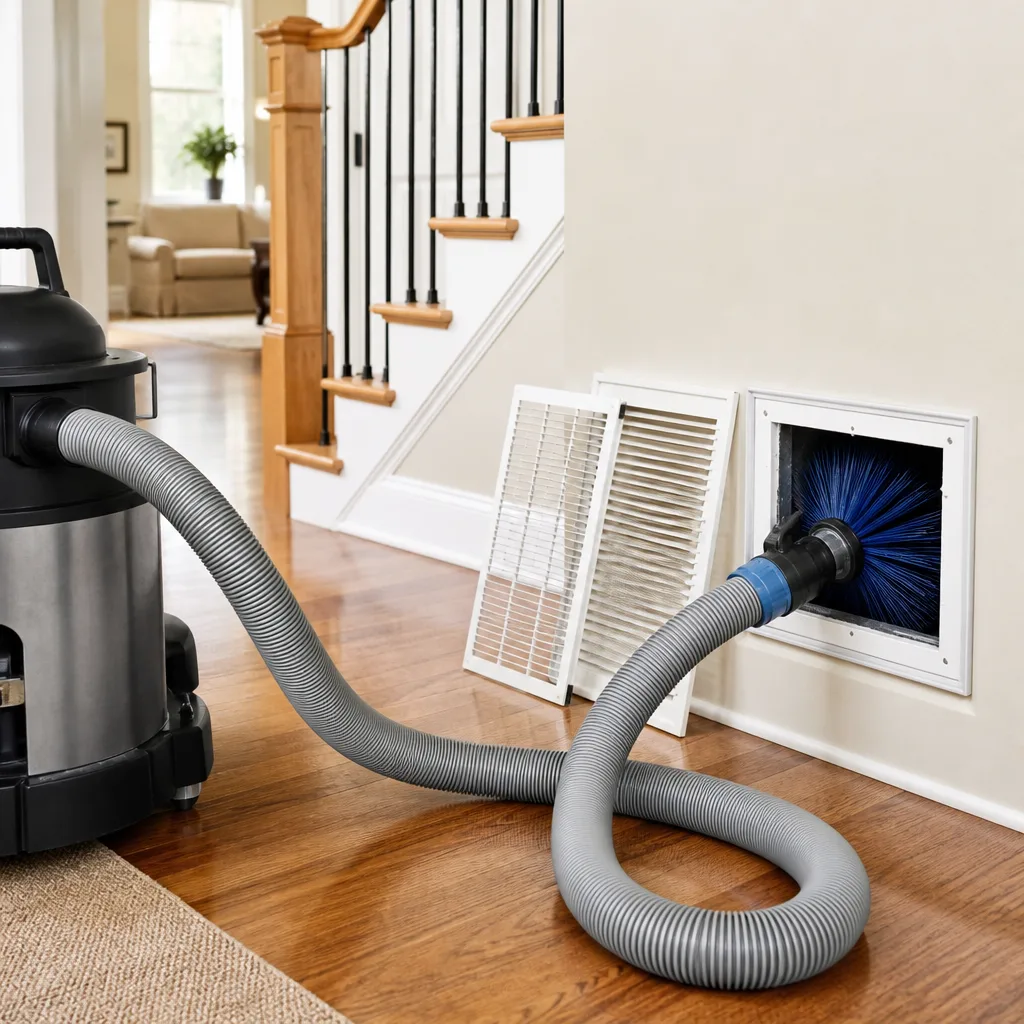
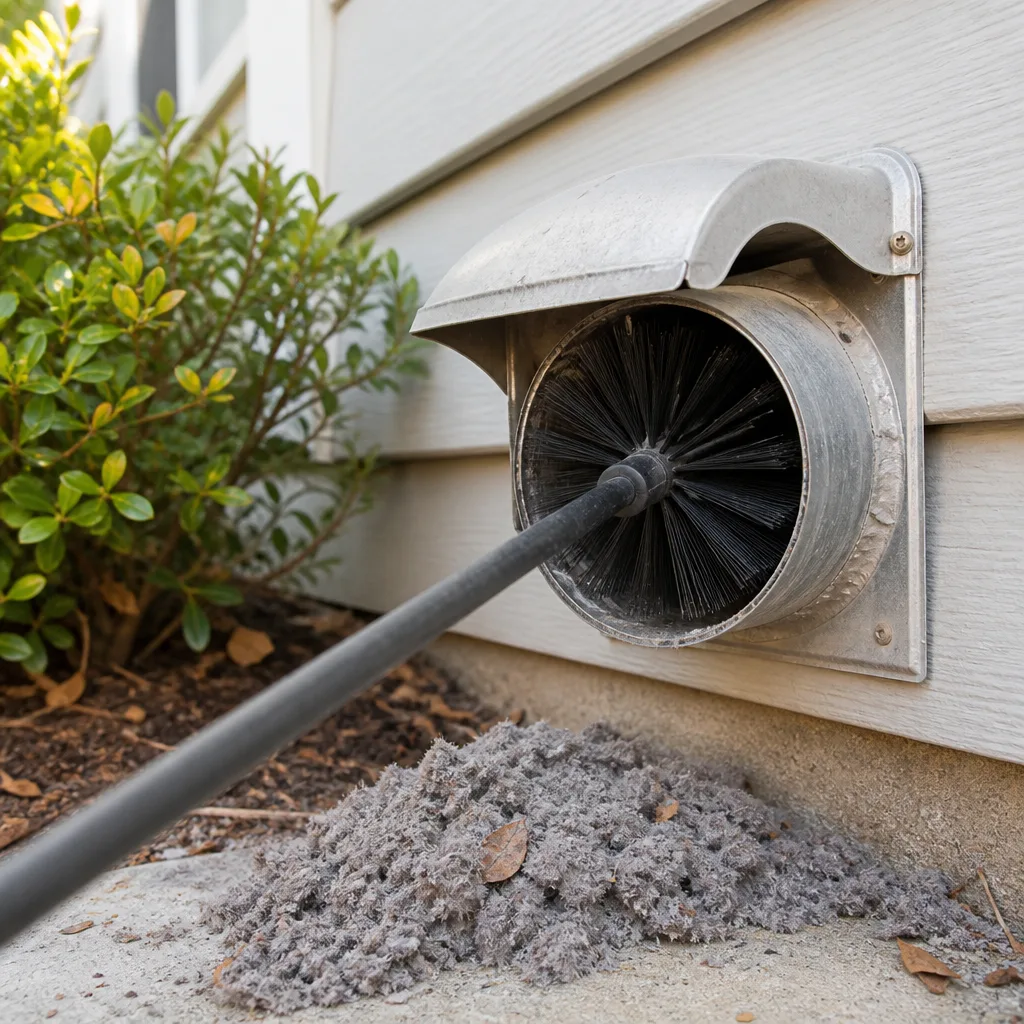
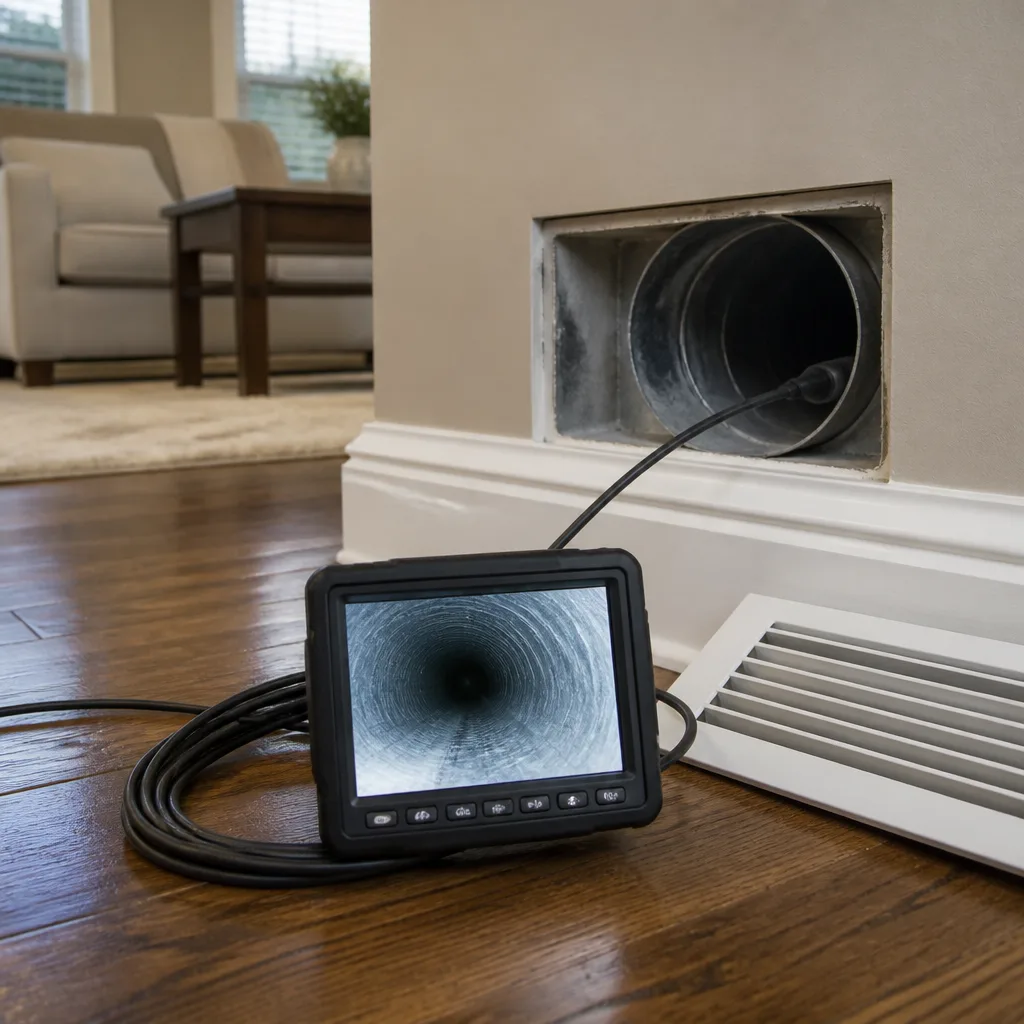
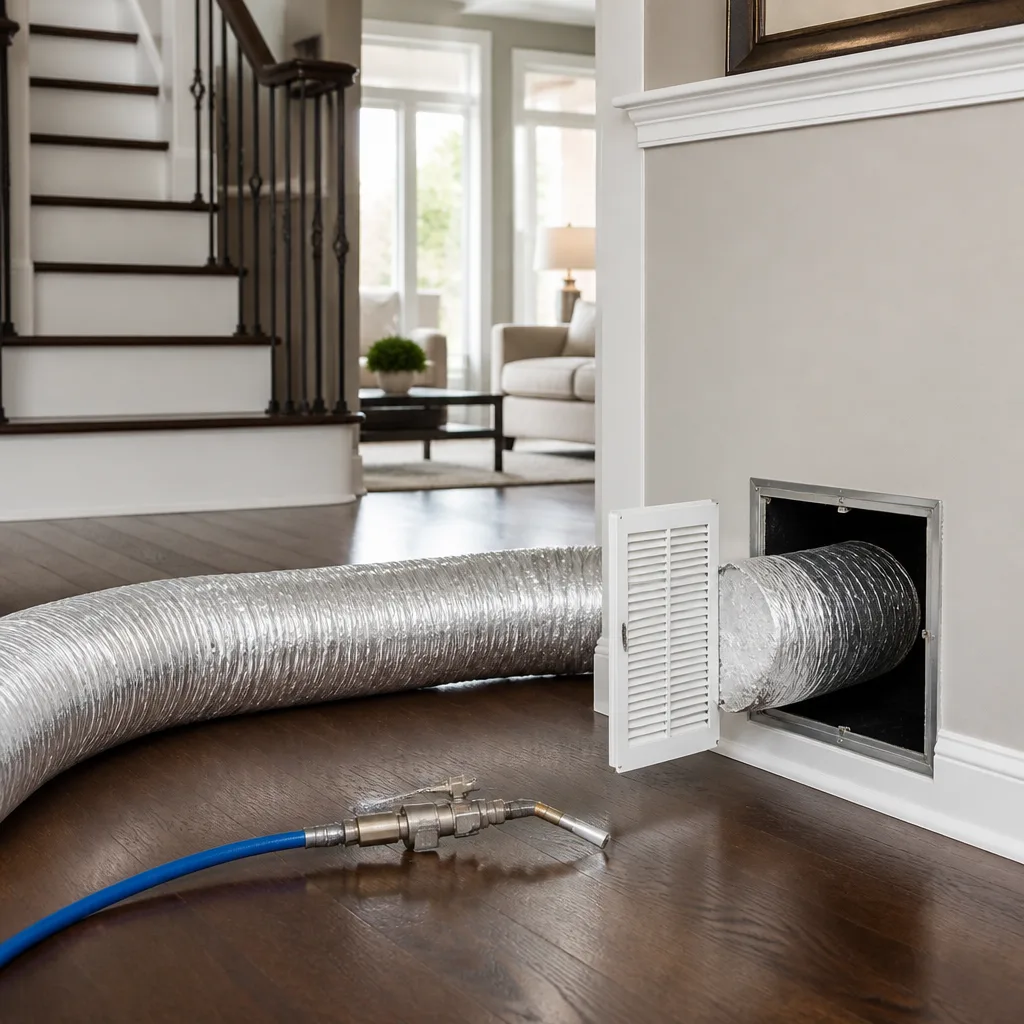
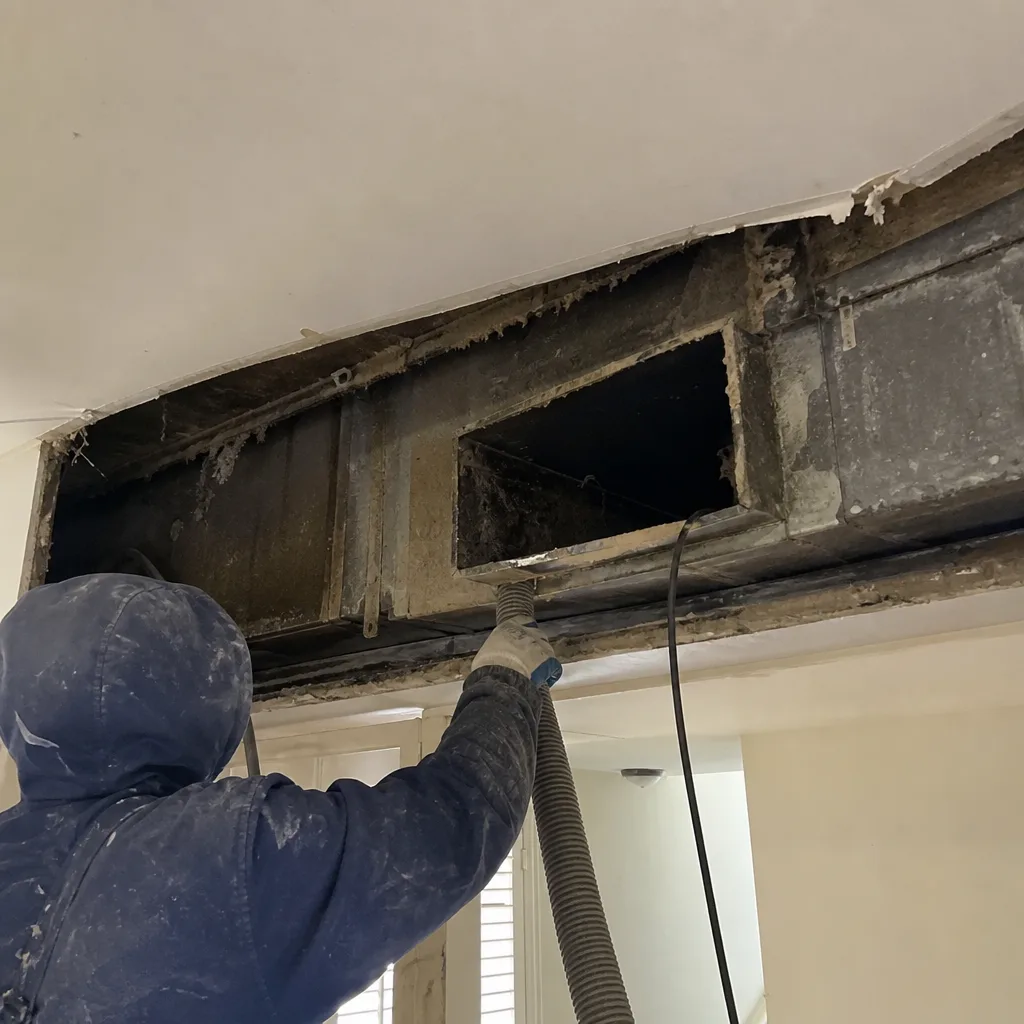 Before
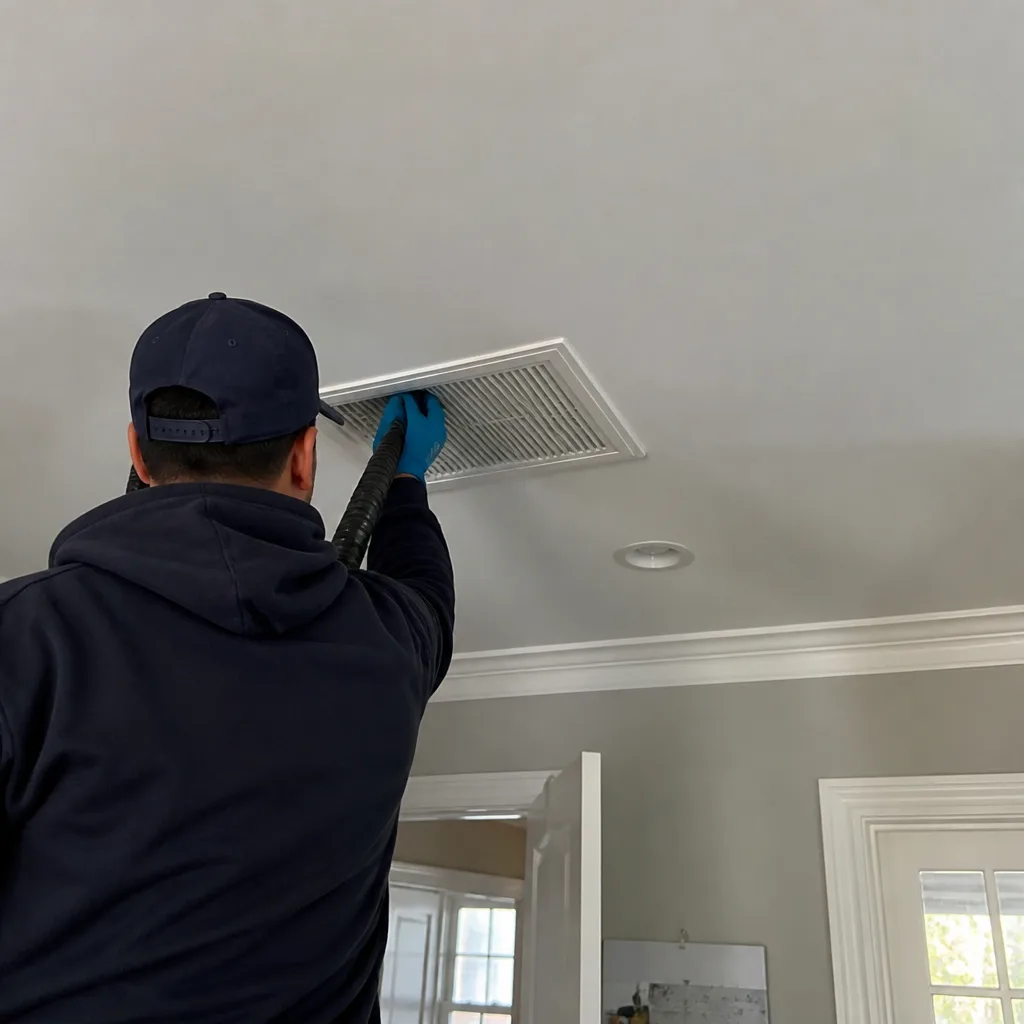 After
After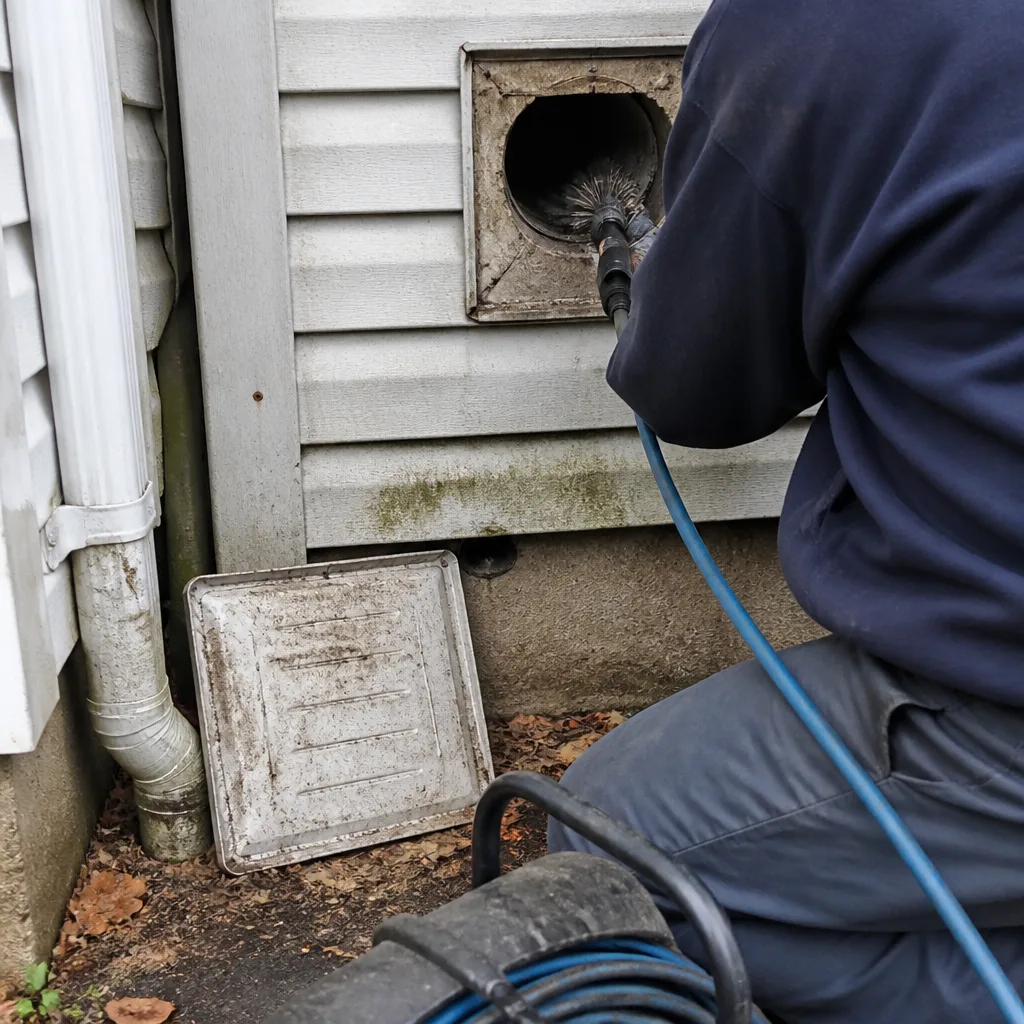 Before
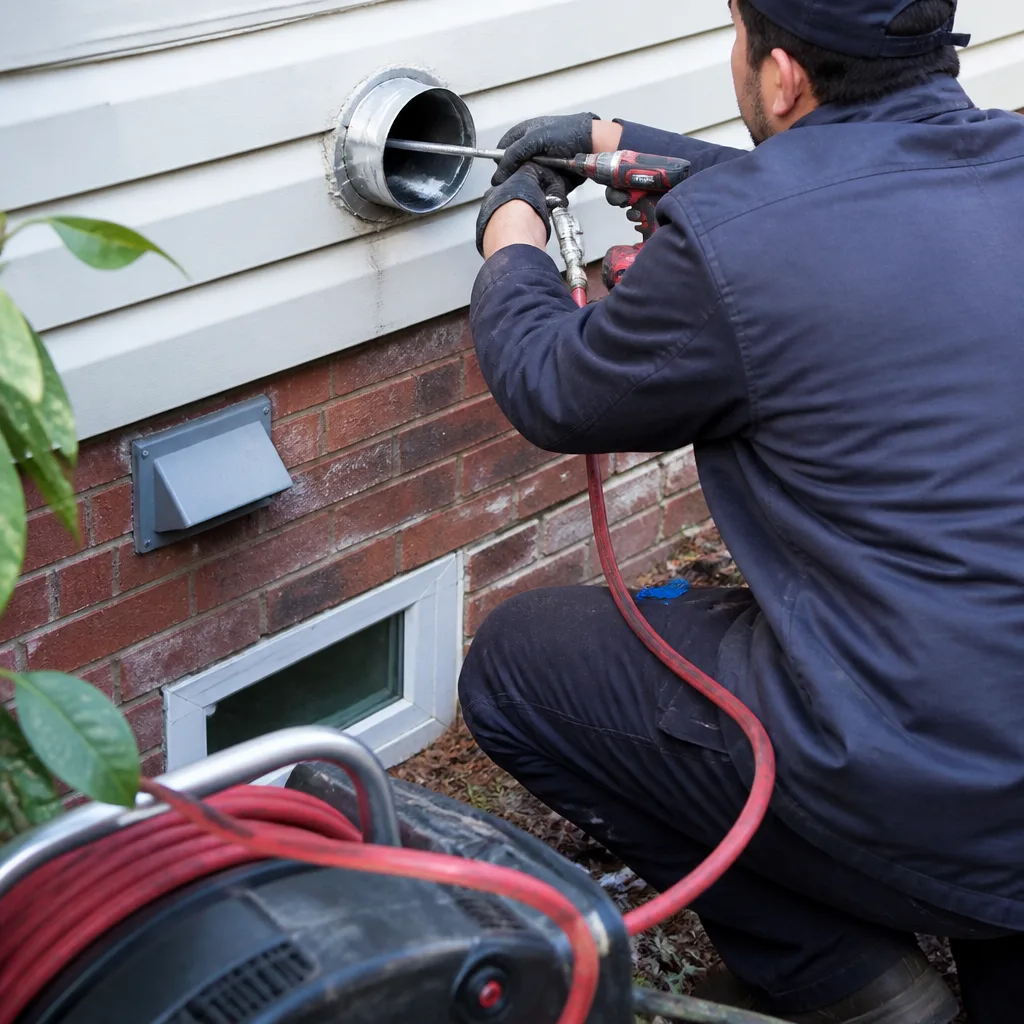 After
After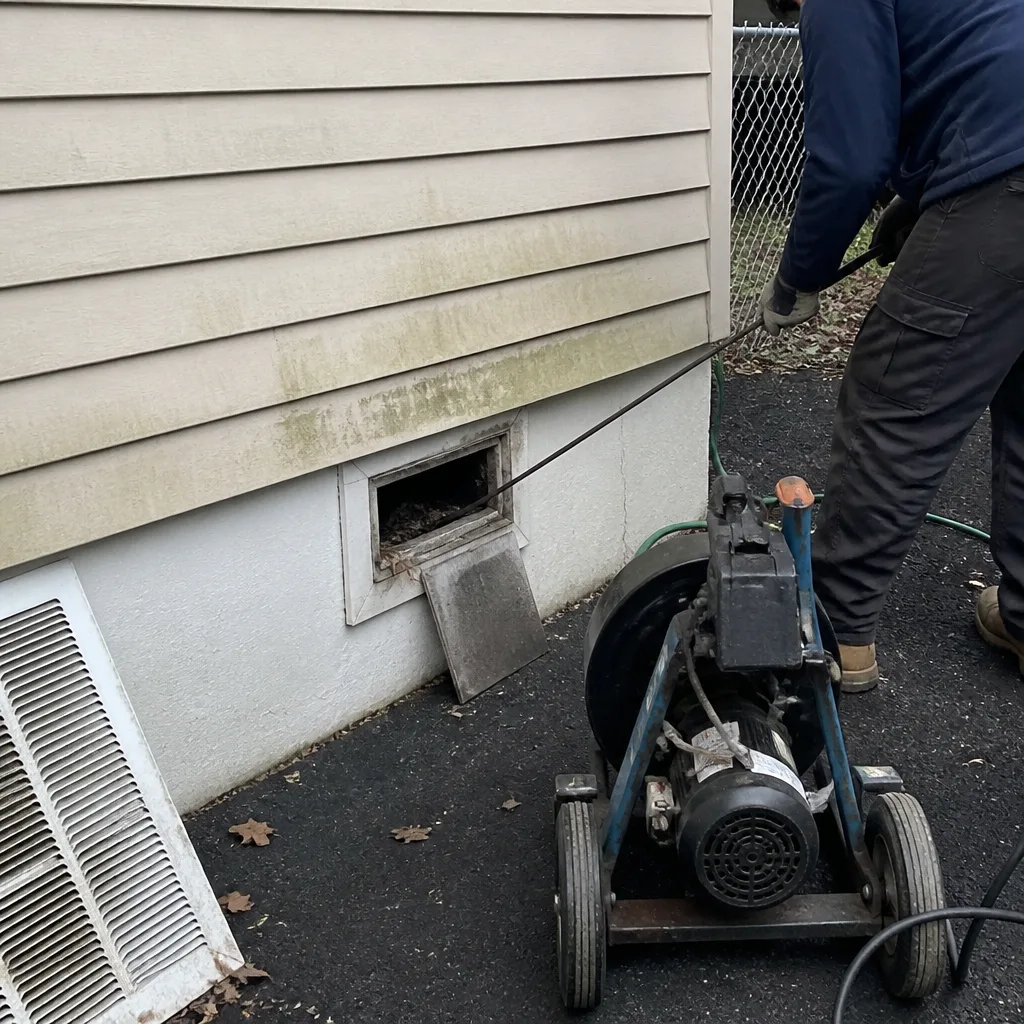 Before
 After
AfterTrane Air Duct Cleaning in Chicago, NY | CleanRun Air Duct Cleaning
We clean and seal ductwork connected to Trane systems across Chicago, and we’re an independent provider, not a Trane-authorized dealer. The work that makes us different here is simple: we’ve spent years inside Chicago’s pre-war bungalows and two-flats where Trane air handlers were bolted onto coal-era duct retrofits that were never designed for modern airflow. Call (806) 606-6902 for a written price before any work starts.
Why Chicago Residents Choose Us for Trane Service
Most companies that service Trane equipment learned their trade on suburban tract housing with wide-open basements and ducts installed in the last decade. Chicago is not that. Tomas Reyes, our owner and lead technician, grew up in Woodside, Queens, in a building old enough that the ductwork hadn’t been touched since the Carter administration, and he’s spent his career working on exactly the kind of retrofitted systems that fill Chicago’s bungalow belt. When we open a Trane air handler in Portage Park, we know what we’re going to find before the panel comes off, because we’ve seen the same 1950s galvanized trunk lines, the same undersized return runs, and the same coal-era residue in hundreds of Chicago homes.
Our positioning is straightforward: independent service, not manufacturer training. We don’t sell Trane equipment, so we have no interest in pushing replacements. We clean the ductwork, document every run with before-and-after photos, and give you a written scope before a single tool comes out. That’s Trane sales & service knowledge applied to real Chicago conditions, not a sales script.
Common Trane Air Duct Cleaning Problems We Solve in Chicago
- Spine Fin coil clogging from closed-up winter air. Trane’s aluminum Spine Fin coils are durable, but Chicago homes stay sealed from November through late March. Ultrafine particulates, pet dander, and whatever else is already in the house recirculate through those coils for five straight months. By spring, airflow is down and the debris heads straight back into the duct runs. We clean the coil and the ducts together, because cleaning one without the other just moves the problem around.
- Hyperion air handler access in tight Chicago basements. The Trane Hyperion series (TAM7, TAM8, TAM9) packs everything into a tight cabinet, which makes evaporator coil and blower wheel access genuinely difficult in the cramped basement closets and low-ceiling utility rooms common to bungalows and two-flats. We’ve built low-profile cleaning tools specifically for these Chicago spaces so the unit doesn’t have to come out to get cleaned properly.
- Negative pressure from undersized return trunks in octopus-furnace retrofits. When a high-airflow modern Trane blower is connected to a return trunk sized for a coal-fired gravity furnace, the system pulls harder than the ductwork can supply. That negative pressure sucks basement dust, fiberglass insulation particles, and whatever else is floating around through every crack and seam. We measure static pressure to confirm the mismatch and seal the return run.
- Condensate sludge on evaporator coils during humid Lake Michigan summers. Trane coils in uninsulated basement duct runs sweat heavily in summer. When that moisture mixes with decades of coal residue and dust, it forms a sludge that hardens on the coil’s trailing edge. That sludge reduces heat exchange efficiency and strains the compressor over time. We remove it chemically and document the coil condition before and after.
- Return duct leaks pulling air from unconditioned crawlspaces. In two-flats and courtyard buildings, retrofitted sheet metal runs often pass through crawlspaces that were never meant to house ductwork. The connections age, separate, and leak. Your Trane system ends up heating or cooling air you never see. We smoke-test the runs, find the leaks, and seal them with mastic.
BeforeAfterTrane Service in Chicago: What Local Conditions Mean for Your Equipment
Here’s something specific to Chicago that never shows up in a generic Trane service manual. The Chicago Building Code’s pre-1950 plumbing and heating retrofit permits are archived at the Harold Washington Library, and our techs have pulled records showing that many Trane air handlers in bungalow basements replaced original octopus gravity furnaces without any duct modification. The same 8-inch round pipes that once moved coal smoke are now expected to supply a high-efficiency Trane blower. We see this mismatch almost daily in Portage Park and Clearing. What it means for Trane owners is measurable: higher static pressure, lower CFM at the supply vents, more debris drawn into the return, and a system working harder than it was designed to. Cleaning the ducts helps, but if the trunk line is undersized, sealing alone won’t fix the airflow. Our crews know how to identify the difference, and we’ll show you the numbers before recommending anything.
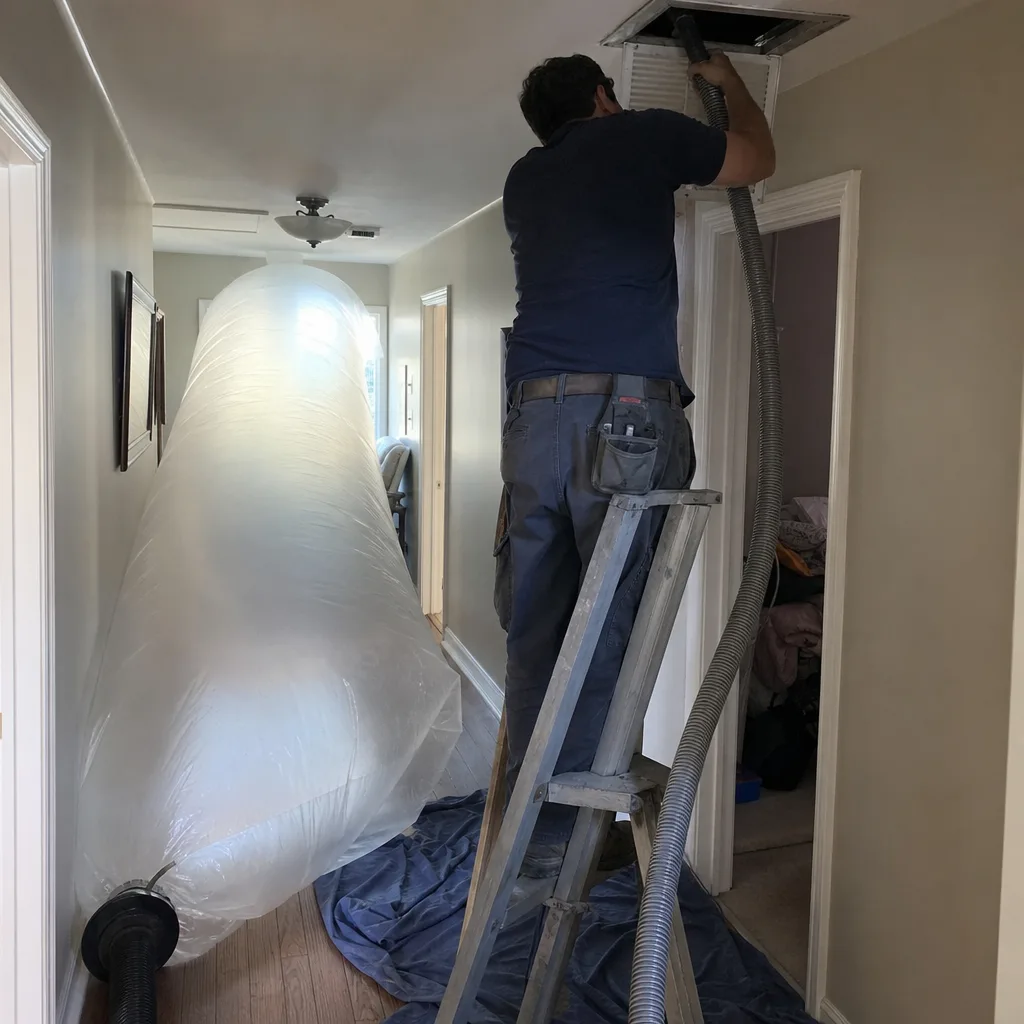
Last winter our crew cleaned the duct system of a 1926 brick bungalow on North Lawndale Avenue in Portage Park. The homeowner had a Trane XR16 heat pump paired with an older TAM7 air handler, and the return air was pulling dust from a cracked 1953 galvanized trunk line behind the basement stairs. We video-inspected the run, found black coal-era residue coating the first 12 feet, removed it with our negative-air whip system, then sealed the crack with mastic and foil tape. Airflow on the supply vents jumped from 210 CFM to 380 CFM, and the Trane’s static pressure dropped back into spec. That’s the kind of before-and-after record you get on every CleanRun job, because the photo tells you what’s in there. Everything else is just paperwork.
Trane Models & Products We Service in Chicago
We work on ductwork connected to Trane XR series air handlers and condensers (XR14, XR16), the XL line (XL15i, XL16i, XL18i), Hyperion air handlers (TAM7, TAM8, TAM9), and RunTru entry-level split systems. Our parts approach is deliberate. We use OEM Trane parts only when a repair demands exact factory specs for proper fit and airflow, like blower housings or specific coil panels. For everything else, we install high-grade aftermarket components that meet or exceed Trane’s tolerances. We stock common Trane-compatible components locally for fast Chicago turnaround, and we never push a full system replacement when cleaning and a targeted repair will restore performance. If a 30-year-old Trane air handler is genuinely beyond duct restoration, we’ll say so honestly and show you the evidence.
Trane Service Pricing in Chicago
HVAC Cleaning in Chicago for a Trane system typically ranges from $450 to $850 for a full single-family home, depending on the number of runs, the age of the ductwork, and whether the coil and blower need separate attention. Evaporator coil cleaning runs $180 to $320 when done as part of a full cleaning. Return duct cleaning and sealing is quoted per run, usually $120 to $240 per return depending on length and access. What drives the price in Chicago specifically is the retrofitted layout: short, cramped basement runs with multiple elbows take longer than open suburban basements. Every CleanRun job gets a written price before work starts, and that price does not change unless you approve a change in scope. Call (806) 606-6902 for an exact written estimate.
How Do I Know the Work Was Actually Done?
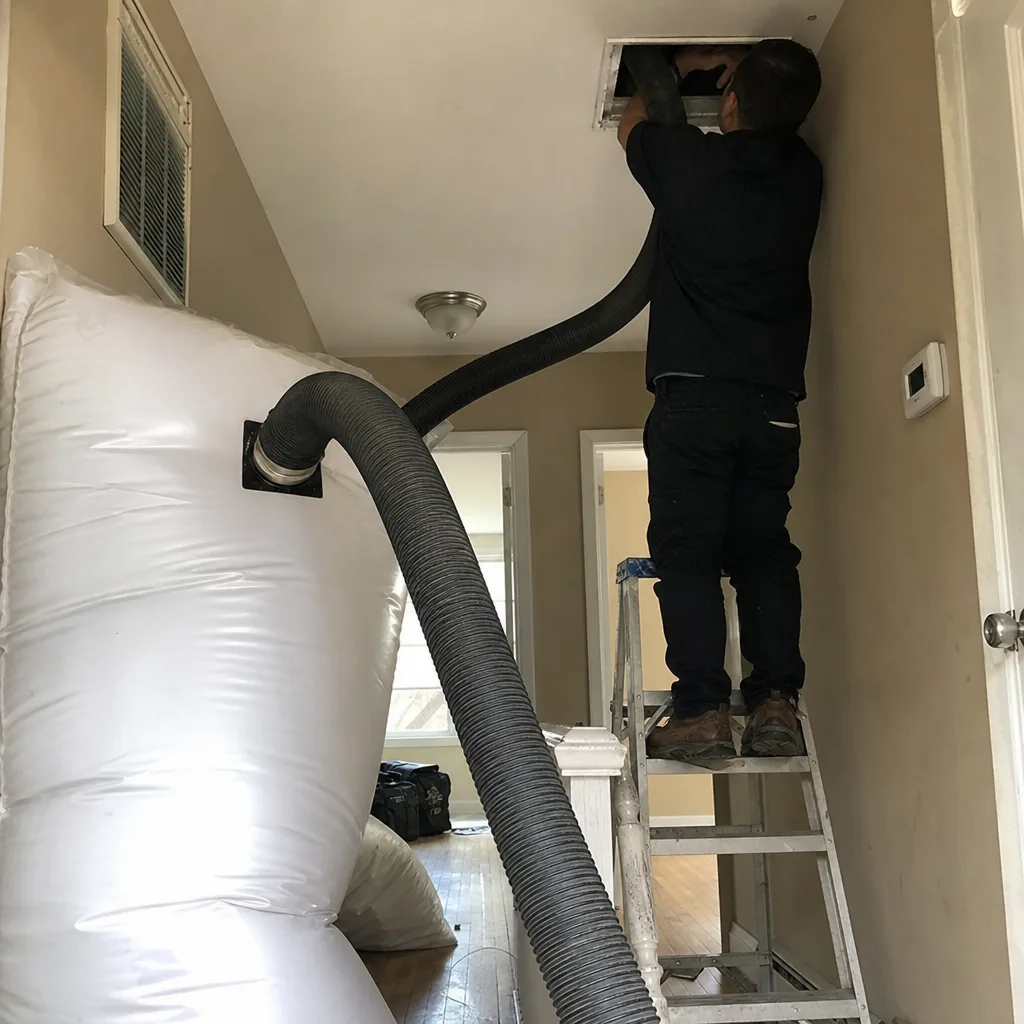
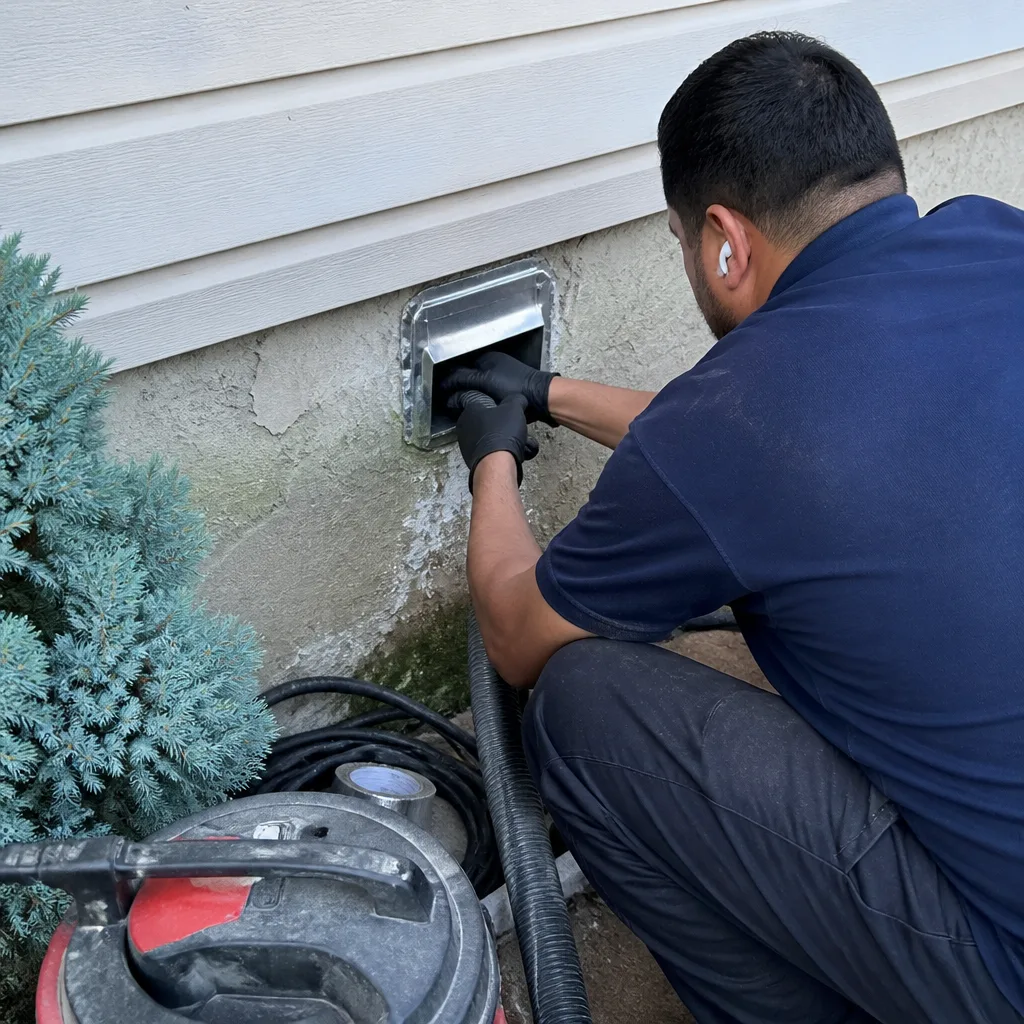
You get a documented photo record of every duct run, before and after, delivered as part of the standard job record. We started doing this in 2013, and we’ve done it on every one of the 52,000+ homes we’ve served since. The inside of each run is photographed before cleaning and after. You see the debris removal yourself. If the work isn’t right, the 365-Day Done Right Promise means we make it right, in writing, not subject to a manager’s discretion. That’s the only way to verify duct cleaning without crawling into your own basement with a flashlight.
Why Are Some Duct Cleaning Quotes So Much Cheaper?
Because they’re selling a visit, not a result. A shop-vac attached to a register cannot remove coal-era residue caked onto the first 12 feet of a 1953 trunk line. It can only disturb it. If a quote doesn’t include a written scope, a photo record, and a named equipment roster, the lower price is almost certainly buying less work. We use Rotobrush, Nikro, and Abatement Technologies negative-air equipment, and we name those brands so you can look them up before agreeing to a price. Bring us a competitor’s written estimate and we’ll put our number next to it. The Free Second Opinion is no charge.
Serving Chicago, IL - Our Local Coverage Area
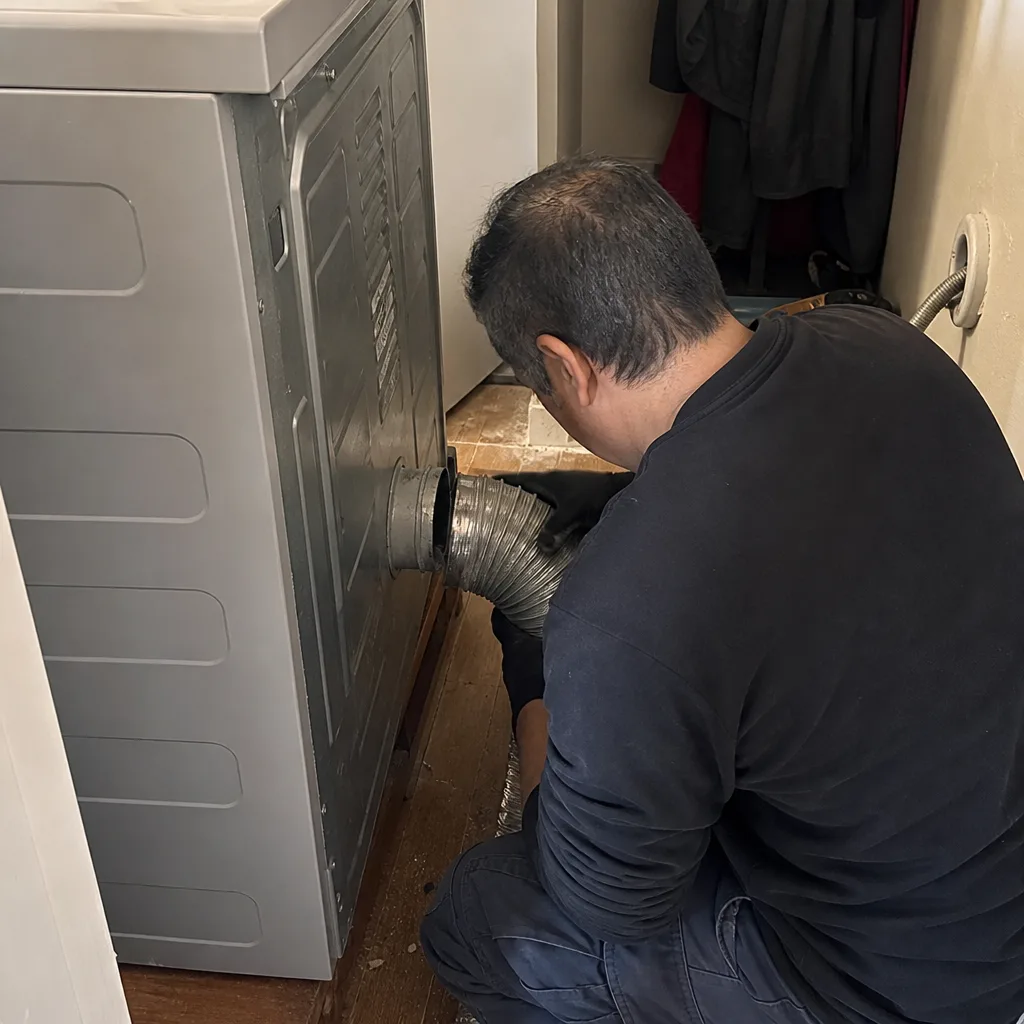
We’re based in the Chicago area and know this community well. Use the map below to see our service coverage - if you’re nearby, we can almost certainly help.
FAQs - Trane Air Duct Cleaning in Chicago
The filter is catching what enters the return at the unit, but the leak is almost always upstream in the return trunk itself. In bungalows with octopus-furnace retrofits, the return run was never sized for a modern Trane blower, and the sections have separated over decades. Basement dust gets pulled in through those gaps before it ever reaches the filter. We find this by smoke-testing the return run and video-inspecting the seams. The fix is mastic sealing, not a higher-MERV filter.
Yes, and the comparison to cities like St. Louis or Indianapolis is real. Chicago homes stay sealed for five-plus months, so whatever is in your air recirculates without dilution. If you have a pet, a bungalow with original ductwork, or anyone in the house with allergies, every 3 to 4 years is reasonable for a Trane system here. Homes with post-2000 ductwork and no pets can go 5 to 7 years. Call (806) 606-6902 if you want us to inspect your specific system and give you a written recommendation.
Yes. We developed low-profile cleaning tools specifically for Hyperion cabinets in Chicago basements where the ceiling is six feet and the closet door is 24 inches wide. The blower wheel and evaporator coil are accessible from the service side of the cabinet, and our tools reach the coil without unmounting the unit. We photograph the coil fins before and after so you can see the difference.
Three signs: rooms that never reach the set temperature even when the Trane runs continuously, visible dust settling on surfaces within a day or two of cleaning, and higher utility bills during polar vortex stretches. We confirm it with a smoke test and CFM readings at each register. If the supply run is leaking in a crawlspace, you’re paying to condition air that never reaches the living space. Sealing those runs usually pays for itself within two heating seasons.
No, because we don’t clean coils with tap water. We use coil-specific cleaning solutions that are sprayed, allowed to dwell, and then rinsed with distilled water or removed with a wet-vac extraction. Chicago’s hard water would absolutely leave scale if the coil were hosed down with city water, which is one of the corners a discount service might cut. We document the coil fins after cleaning so you can verify the surface is clean and free of residue. For an exact coil-cleaning quote on your Trane system, call (806) 606-6902.
Service Areas Near Chicago
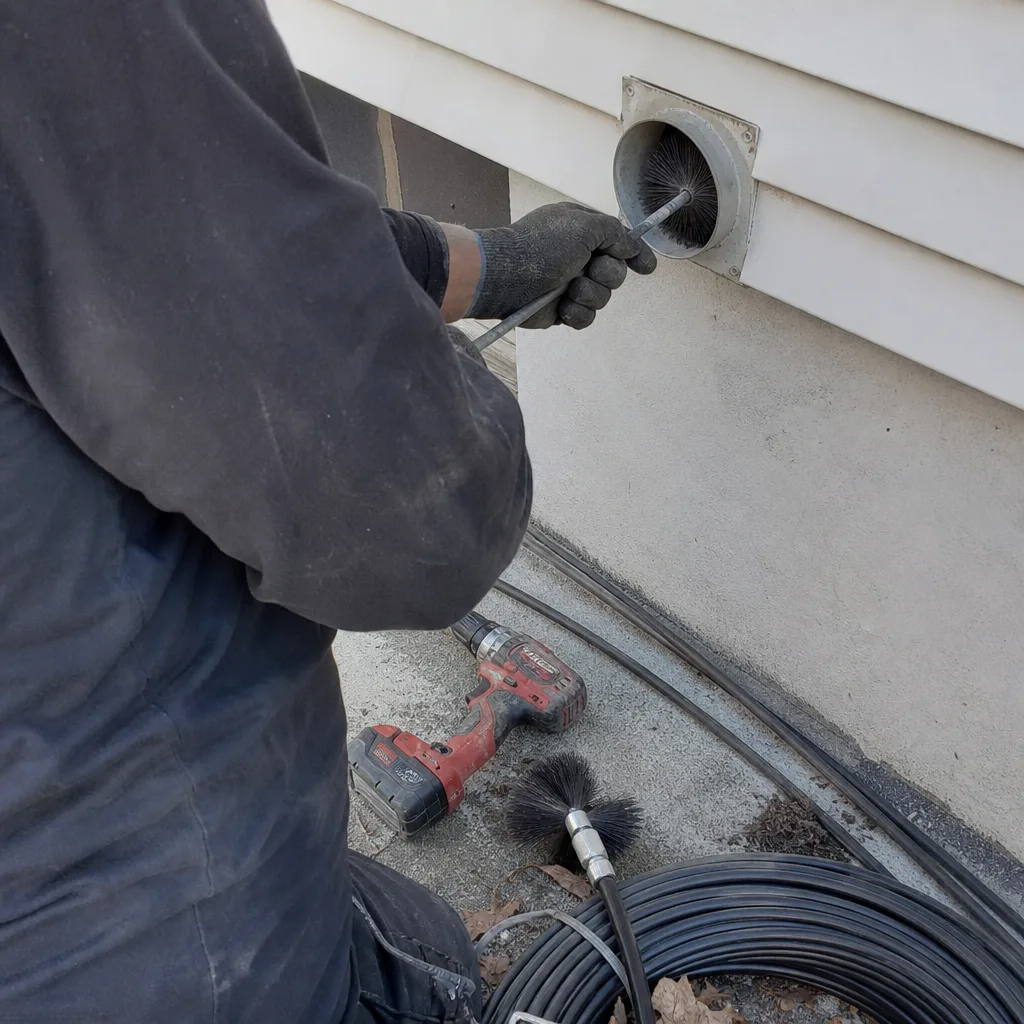
We serve the full Chicago service area, including the bungalow belt neighborhoods of Portage Park, Clearing, Marquette Park, and North Lawndale, plus the two-flat and courtyard building stock across the North and West sides. Our crews also handle Trane ductwork in nearby New York City, Los Angeles, Brooklyn, Houston, and Queens. If your home falls outside Chicago proper, we offer the same written pricing and documented photo record. For Trane work in other cities, see our Trane service in Brooklyn page or our Trane service in Houston page.
Book Your Trane Service in Chicago Today
Ready to see what’s actually inside your Trane ductwork? Call (806) 606-6902 and we’ll schedule an inspection with a written price before any work begins. No bait pricing, no per-vent games, no work you didn’t approve. Just a camera, a scope, and a documented record.
Written by Tomas Reyes, Owner at CleanRun Air Duct Cleaning, serving Chicago since 2013.